Is Matcha Hydrating or Dehydrating? What You Need to Know
Matcha has become a popular beverage worldwide, celebrated for its vibrant color, rich flavor, and numerous health benefits. Many people enjoy it as a daily ritual, but questions about its effects on hydration often arise. Understanding whether matcha contributes to hydration or has dehydrating properties can help you make informed choices about including it in your routine.
Matcha contains water, which naturally contributes to fluid intake, but it also has caffeine, a mild diuretic that can increase urine output. He or she may wonder how these opposing factors balance out and what this means for overall hydration. The concentration of caffeine in matcha is moderate compared to coffee, which may influence how it affects fluid levels in the body.
Additionally, the way matcha is prepared can impact its hydrating potential. Consuming it as a hot tea, a latte, or in smoothies changes the total fluid intake and the way caffeine interacts with your system.
Exploring the question of Is Matcha Hydrating or Dehydrating? helps you understand the nuances of this beverage. It allows he or she to enjoy matcha confidently while maintaining proper hydration and reaping its health benefits.
Understanding Matcha’s Hydration Properties
Matcha is not just a flavorful and antioxidant-rich beverage; it also plays a role in hydration. While many assume caffeinated drinks are inherently dehydrating, matcha’s composition tells a more nuanced story. By examining its caffeine content, water contribution, and preparation methods, he or she can better understand how matcha affects fluid balance and overall hydration.
The Role of Water in Matcha
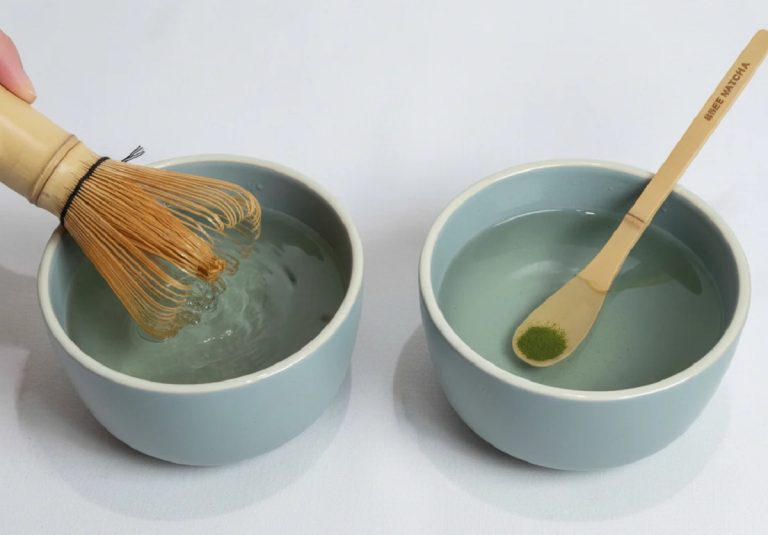
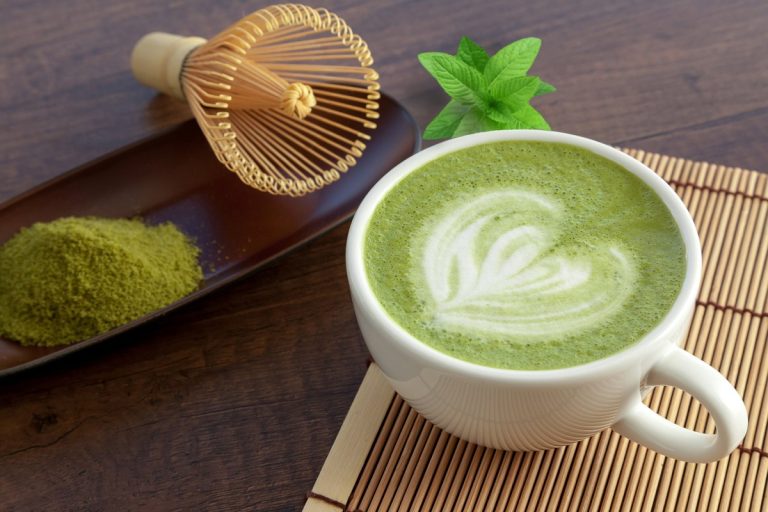
Matcha is made by whisking powdered green tea leaves into hot or cold water, which naturally contributes to hydration. He or she receives a full serving of liquid with each cup, supporting fluid intake throughout the day. Unlike powdered supplements or concentrated extracts, matcha’s water content ensures that it acts as a hydrating beverage while delivering its signature antioxidants, amino acids, and other bioactive compounds.
The preparation method also influences hydration. A standard cup of matcha tea provides a similar fluid contribution to any other herbal or green tea. Even when consumed in lattes or smoothies, the added liquid further boosts overall hydration. This means that, despite containing caffeine, matcha can still contribute positively to your daily fluid intake.
Water also helps in the proper absorption of matcha’s nutrients. He or she benefits not only from hydration but also from antioxidants like catechins, which are more bioavailable when the powder is dissolved in water. This dual effect makes matcha both functional and hydrating.
Caffeine Content and Its Effects
Caffeine is a mild diuretic, meaning it can increase urine output slightly. He or she might wonder whether the caffeine in matcha counteracts its hydrating effects. Compared to coffee, matcha contains a moderate amount of caffeine, typically ranging from 30 to 70 milligrams per serving, depending on preparation. This lower concentration reduces the risk of significant fluid loss.
Moderate caffeine consumption does not usually lead to dehydration in healthy adults. In fact, studies show that caffeinated beverages still contribute to daily hydration. He or she can enjoy matcha without concern for excessive fluid loss, particularly when it is part of a balanced diet that includes water and other hydrating foods.
Caffeine’s diuretic effect is also mitigated by L-theanine, an amino acid in matcha that promotes relaxation and smooths caffeine’s stimulant effects. This balance allows matcha to provide mental alertness without significantly compromising fluid balance, making it a gentle, hydrating beverage option.
Preparation Methods and Hydration
The way matcha is prepared influences its hydration potential. He or she can adjust water-to-powder ratios to control both flavor intensity and fluid intake. A stronger matcha with more powder may have higher caffeine content, which could slightly increase diuretic effects, while a lighter preparation maximizes hydration benefits.
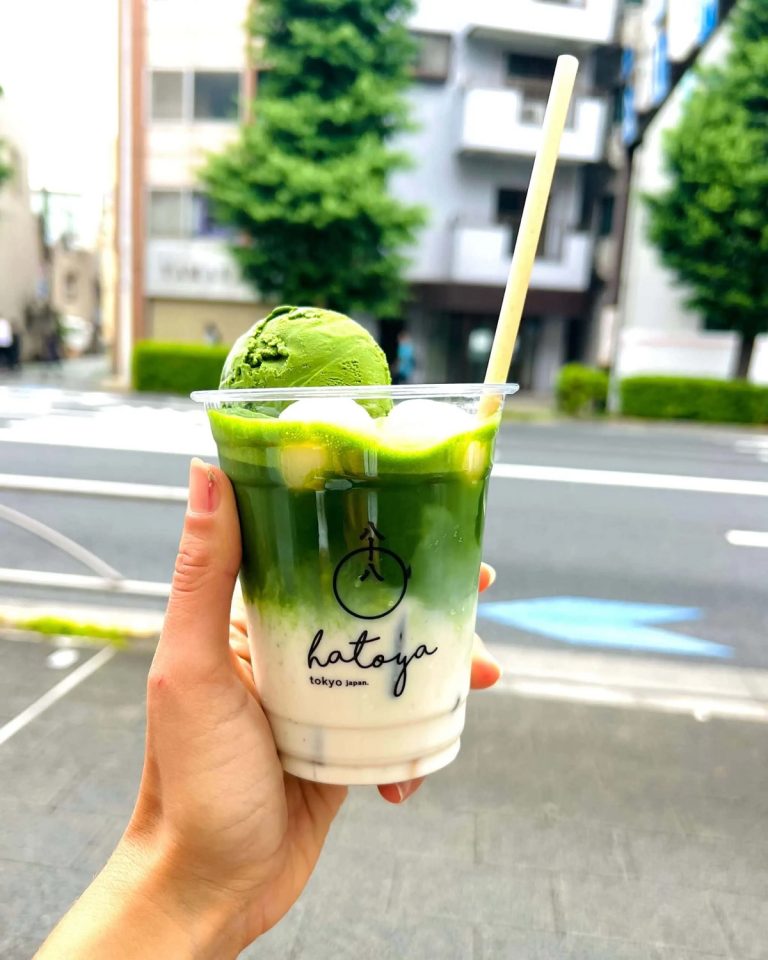
Adding milk or plant-based milk can enhance hydration while creating a creamy texture. Cold matcha beverages or smoothies provide additional fluid and a refreshing experience, particularly in warm weather or after physical activity. The versatility in preparation means that he or she can enjoy matcha in ways that prioritize hydration without sacrificing flavor or nutrients.
Even the temperature of the beverage matters. Hot matcha encourages sipping slowly, which may extend fluid intake over a longer period, while iced matcha allows for quicker hydration. Thoughtful preparation ensures that matcha contributes effectively to overall fluid balance.
Matcha in a Hydration Routine
Incorporating matcha into a hydration routine is simple and effective. He or she can enjoy a cup alongside water, herbal teas, or electrolyte-rich beverages to maintain optimal fluid balance. Its moderate caffeine content, combined with abundant water, makes matcha a functional addition to daily hydration.
Pairing matcha with meals or snacks that contain water-rich foods, such as fruits and vegetables, further enhances hydration. The antioxidants, amino acids, and polyphenols in matcha complement these foods, creating a beverage experience that is both health-promoting and hydrating. Consuming matcha mindfully ensures that he or she gains both flavor and functional benefits.
Nutrients in Matcha That Support Hydration
Matcha is more than just a flavorful beverage; it contains a variety of nutrients that can indirectly or directly support hydration. While its water content contributes to fluid intake, compounds like electrolytes, amino acids, and antioxidants work together to maintain balance and support overall body function. Understanding these nutrients can help he or she appreciate how matcha fits into a hydration-focused lifestyle.
Electrolytes and Mineral Content
One of the key ways matcha supports hydration is through its electrolyte content. Electrolytes, including potassium, magnesium, and calcium, help regulate fluid balance in the body. He or she benefits from these minerals because they assist in maintaining proper hydration at the cellular level, especially after physical activity or during warm weather.
Potassium in matcha helps the body retain water efficiently, while magnesium supports muscle function and prevents cramping associated with dehydration. Calcium also plays a role in cellular signaling, which is crucial for water balance. The presence of these electrolytes, though in moderate amounts, makes matcha a functional beverage that does more than provide hydration through water alone.
Additionally, consuming matcha alongside water-rich foods enhances electrolyte intake and supports optimal fluid balance. He or she can incorporate matcha into smoothies with fruits or pair it with meals containing vegetables, maximizing both hydration and nutrient absorption.
Amino Acids and Fluid Regulation
Matcha is rich in L-theanine, an amino acid known for promoting relaxation and mental clarity. While L-theanine does not directly hydrate, it contributes to hydration indirectly by supporting a calm, balanced nervous system. Stress and tension can influence fluid retention and dehydration risk, so incorporating L-theanine helps maintain equilibrium in the body.
He or she also benefits from matcha’s overall amino acid profile, which includes small amounts of other essential and non-essential amino acids that support cellular function. Proper cellular function is crucial for water transport and retention in tissues, making amino acids an important contributor to overall hydration.
The combination of L-theanine and caffeine in matcha promotes alertness without overstimulating the body, reducing the likelihood of excessive fluid loss due to increased urination. This balance allows matcha to act as a hydrating beverage while still providing functional benefits.
Antioxidants and Oxidative Stress
Antioxidants in matcha, particularly catechins like EGCG, play a role in supporting hydration by reducing oxidative stress. He or she may not realize that oxidative stress can impair cellular function and water balance in tissues. By neutralizing free radicals, antioxidants help maintain healthy cells capable of retaining and regulating water efficiently.
The polyphenols in matcha support vascular health, improving blood flow and nutrient delivery. Proper circulation ensures that water and electrolytes are transported effectively throughout the body. This indirect effect contributes to hydration, particularly during periods of physical exertion or heat exposure.
Additionally, antioxidants help maintain skin and tissue health. Hydrated cells are better able to retain water, and antioxidant protection ensures long-term cellular integrity. Drinking matcha regularly provides a steady supply of these protective compounds, supporting hydration at both the cellular and systemic levels.
Vitamins That Aid Hydration
Matcha contains several vitamins that indirectly support hydration, including vitamin C, B vitamins, and small amounts of vitamin A. He or she benefits from vitamin C’s role in maintaining capillary integrity, which influences fluid distribution in tissues. Healthy capillaries help transport water and electrolytes effectively.
B vitamins, such as B1, B2, and B6, support energy metabolism and proper kidney function. Efficient kidney function is essential for fluid regulation and electrolyte balance, ensuring that water intake translates into proper hydration. Vitamin A, present in small amounts, contributes to skin and mucosal health, helping the body retain moisture and maintain hydration at a structural level.
Combining these vitamins with matcha’s water and electrolyte content creates a beverage that contributes to hydration through multiple pathways, making it more than just a flavorful green tea.
Combining Matcha With Hydrating Practices
For optimal hydration, he or she can combine matcha with other fluid-rich sources and healthy habits. Drinking matcha alongside water, herbal teas, or smoothies enhances fluid intake while taking advantage of its nutrients. Pairing matcha with fruits and vegetables adds extra water, electrolytes, and vitamins, further supporting hydration.
He or she may also use matcha as part of a post-workout routine or during periods of high activity. The combination of water, electrolytes, and antioxidants helps restore fluid balance while reducing oxidative stress and supporting recovery. Mindful consumption ensures that matcha contributes effectively to both hydration and overall wellness.
Practical Tips for Staying Hydrated With Matcha
Matcha is a flavorful, antioxidant-rich beverage that can contribute to hydration when consumed mindfully. While it contains moderate caffeine, which has mild diuretic properties, matcha also provides water, electrolytes, and nutrients that support fluid balance. By following practical tips, he or she can enjoy matcha while maintaining proper hydration and maximizing its health benefits.
Choose the Right Matcha Strength
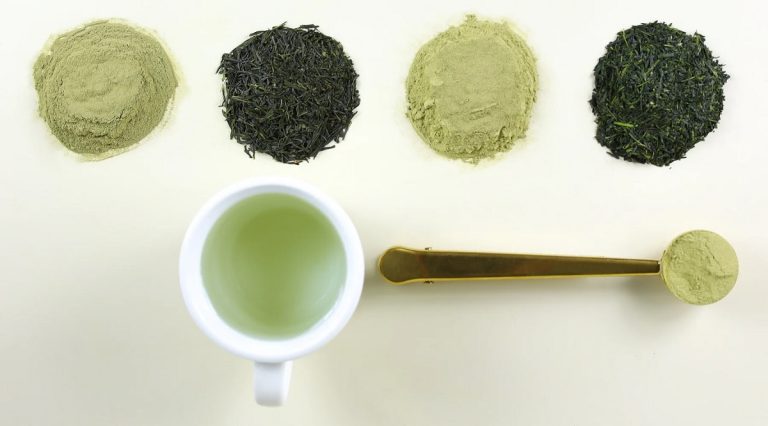
The strength of your matcha preparation significantly influences its hydrating effect. He or she should use a moderate amount of matcha powder to balance flavor and caffeine content. Using 1–2 teaspoons per cup provides enough caffeine for alertness without risking excess fluid loss. Stronger brews with more powder may intensify the grassy taste and slightly increase diuretic effects.
He or she can also experiment with water-to-powder ratios. Adding more water creates a lighter, more hydrating beverage while retaining the signature flavor and nutrients. Consistency in preparation ensures that matcha contributes positively to daily fluid intake, making it easier to enjoy multiple servings throughout the day without compromising hydration.
Proper strength also allows for smoother flavor and more approachable grassy notes, encouraging regular consumption. Adjusting strength gradually helps he or she find the optimal balance between taste, caffeine, and hydration.
Incorporate Milk or Plant-Based Alternatives
Adding milk or plant-based milk enhances hydration while creating a creamier texture. He or she may choose cow’s milk, oat milk, almond milk, or soy milk depending on taste preference and dietary needs. The added liquid increases overall fluid intake, while the fats and proteins in milk can smooth the flavor and reduce bitterness.
Plant-based milks also provide additional electrolytes and nutrients that support hydration. For example, fortified oat or soy milk may contain calcium and vitamin D, which complement matcha’s natural mineral content. Combining matcha with these liquids creates a balanced beverage that hydrates effectively while offering a satisfying taste.
Using milk or plant-based alternatives is particularly useful for those who find matcha’s grassy flavor intense. He or she can create lattes, smoothies, or iced drinks that maintain hydration benefits while enhancing palatability and enjoyment.
Pair Matcha With Hydrating Foods
Consuming matcha alongside water-rich foods further supports hydration. He or she can pair it with fruits like watermelon, oranges, or berries, and vegetables like cucumber or celery, which provide additional water, electrolytes, and vitamins. This combination helps maintain fluid balance, especially during warm weather or after physical activity.
He or she may also prepare matcha-based smoothies that include hydrating ingredients. Coconut water, for example, adds electrolytes while enhancing the drink’s natural sweetness. Fruits and vegetables in the smoothie contribute fiber and micronutrients, making the beverage both hydrating and nutrient-dense.
Pairing matcha with hydrating foods ensures that caffeine’s mild diuretic effect is offset by water and electrolytes. This approach allows he or she to enjoy matcha as part of a hydration-conscious lifestyle while gaining the beverage’s full nutritional benefits.
Mindful Consumption Practices
How matcha is consumed impacts its contribution to hydration. He or she should sip slowly rather than drinking quickly, allowing fluids to absorb gradually. Mindful consumption also improves appreciation of the flavor, aroma, and texture, making the hydration experience more enjoyable.
Timing can enhance hydration benefits as well. Drinking matcha alongside meals or snacks encourages fluid intake and balances caffeine effects. Spreading servings throughout the day rather than consuming multiple cups at once helps he or she maintain consistent hydration without overloading on caffeine.
He or she can also alternate matcha with plain water or herbal teas, combining flavor and hydration. This mindful approach ensures that matcha supports both fluid balance and overall well-being, creating a practical and enjoyable hydration routine.
Temperature and Serving Considerations
The temperature of matcha beverages influences fluid intake and hydration. He or she may prefer hot matcha for a calming experience or iced matcha for quick, refreshing hydration. Cold beverages can encourage faster consumption, particularly in warm conditions or post-exercise, while hot matcha promotes slower sipping and a more mindful ritual.
Serving vessels also play a role. Wide cups or glasses enhance aroma perception, which improves flavor enjoyment, while insulated cups help maintain temperature, preserving taste and comfort. He or she can experiment with different serving styles to optimize both hydration and sensory experience. Proper attention to temperature and presentation ensures that matcha remains an effective and pleasurable component of a hydration strategy.
FAQs
Is Matcha Hydrating Despite Its Caffeine Content?
Yes, matcha can be hydrating despite containing caffeine. He or she should know that matcha has a moderate amount of caffeine, typically 30–70 mg per serving, which is lower than coffee. While caffeine has mild diuretic effects, the water content in matcha offsets this, contributing to overall fluid intake.
Drinking matcha regularly adds hydration alongside its antioxidants and nutrients. He or she can enjoy multiple servings throughout the day without worrying about dehydration, especially when combined with a balanced diet and adequate water consumption. The hydration benefit comes from both the liquid itself and the supportive nutrients in matcha.
Can Matcha Contribute to Daily Fluid Intake?
Absolutely, matcha contributes to daily fluid intake. He or she receives a full cup of liquid with each serving, which counts toward hydration goals. Whether prepared as traditional tea, a latte, or a smoothie, the water content supports overall fluid balance.
In addition to hydration, matcha delivers electrolytes, antioxidants, and amino acids, which support cellular function and fluid retention. Consuming it alongside water-rich foods or other beverages further enhances hydration, making matcha a functional and hydrating part of a balanced lifestyle.
Does the Preparation Method Affect Hydration?
Yes, preparation affects how hydrating matcha is. He or she can adjust water-to-powder ratios to influence both flavor and fluid intake. Using more water produces a lighter, more hydrating beverage, while stronger concentrations increase caffeine content, which may slightly enhance diuretic effects.
Adding milk or plant-based alternatives increases fluid content and provides electrolytes that support hydration. Iced matcha encourages faster fluid intake, while hot matcha promotes mindful sipping over time. Understanding preparation techniques ensures that he or she maximizes hydration benefits without compromising taste.
How Does Caffeine in Matcha Compare to Coffee Regarding Dehydration?
Caffeine in matcha is significantly lower than in coffee, reducing the risk of dehydration. He or she should know that the moderate caffeine content allows matcha to hydrate rather than dehydrate when consumed responsibly. Coffee’s higher caffeine levels have a more noticeable diuretic effect, which is less pronounced in matcha.
Additionally, L-theanine in matcha balances caffeine’s stimulant effects, promoting relaxation and reducing the risk of fluid loss caused by overstimulation. This unique combination allows matcha to provide alertness while still supporting hydration, making it a gentler alternative to coffee in maintaining fluid balance.
Can Matcha Be Part of a Post-Workout Hydration Routine?
Yes, matcha can be included in a post-workout routine. He or she can combine it with water or electrolyte-rich ingredients like coconut water to replenish fluids lost during exercise. Its moderate caffeine provides mild stimulation without causing excessive urination.
The antioxidants and amino acids in matcha support recovery and help reduce oxidative stress from physical activity. Pairing matcha with fruits or plant-based milk further enhances hydration, making it a functional beverage for both performance and fluid balance. This combination ensures he or she benefits from both hydration and nutrient support.
Should I Alternate Matcha With Water to Stay Hydrated?
Yes, alternating matcha with water is a practical approach. He or she can enjoy matcha for flavor and functional benefits while relying on plain water to maintain consistent hydration throughout the day. This method ensures that caffeine intake remains moderate and fluid balance is preserved.
Combining matcha with water-rich foods or beverages supports optimal hydration while allowing him or her to enjoy the taste, antioxidants, and amino acids in matcha. This strategy ensures he or she benefits from matcha’s nutrients without compromising overall fluid intake.
Final Thoughts
Matcha can be a refreshing addition to your daily beverage routine, but understanding its effects on hydration is important. The water used to prepare matcha contributes to overall fluid intake, while its natural nutrients, like potassium and magnesium, can support your body’s hydration balance. However, the caffeine content, though moderate compared to coffee, may have mild diuretic effects if consumed in excess.
For those who enjoy matcha regularly, balancing it with plain water throughout the day is a smart approach. Pairing matcha with hydrating foods like fruits, smoothies, or water-rich meals can further ensure your body stays properly hydrated. Adjusting serving sizes and frequency also helps prevent any unintended dehydration.
When considering [Is Matcha Hydrating or Dehydrating?], the answer depends on consumption habits and individual sensitivity to caffeine. By preparing matcha thoughtfully and combining it with other hydration strategies, you can enjoy its flavor, antioxidants, and energizing effects without compromising your fluid balance.