What Is Matcha Good For? Health Benefits and Uses You Should Know
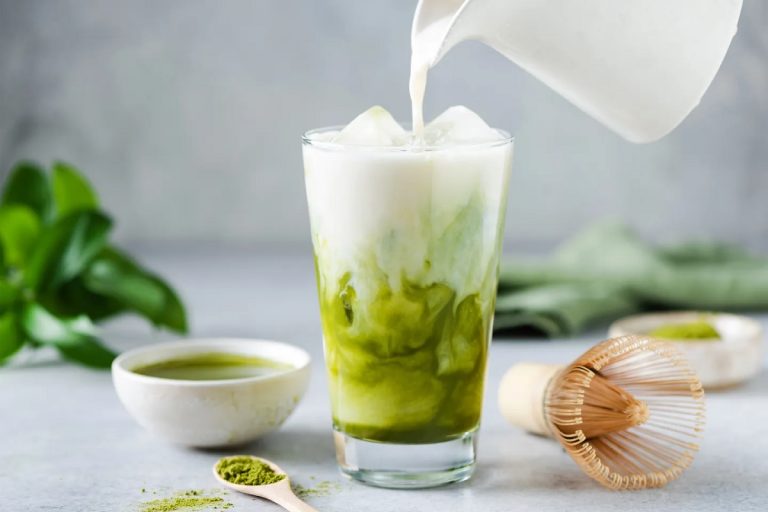
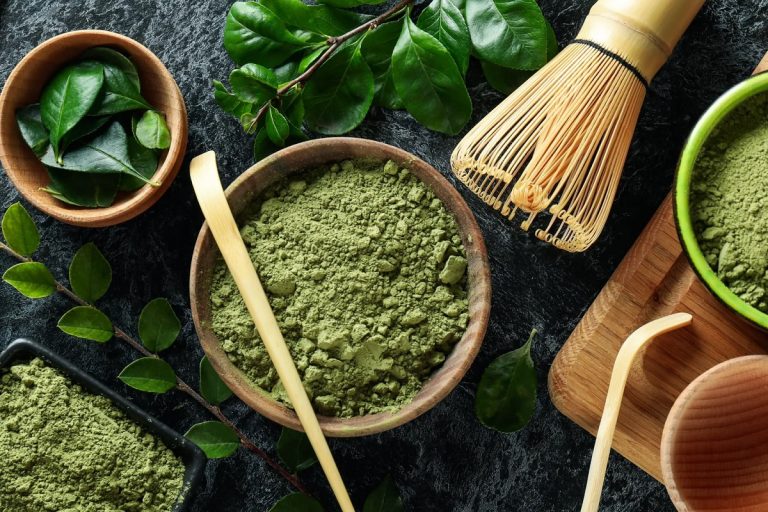
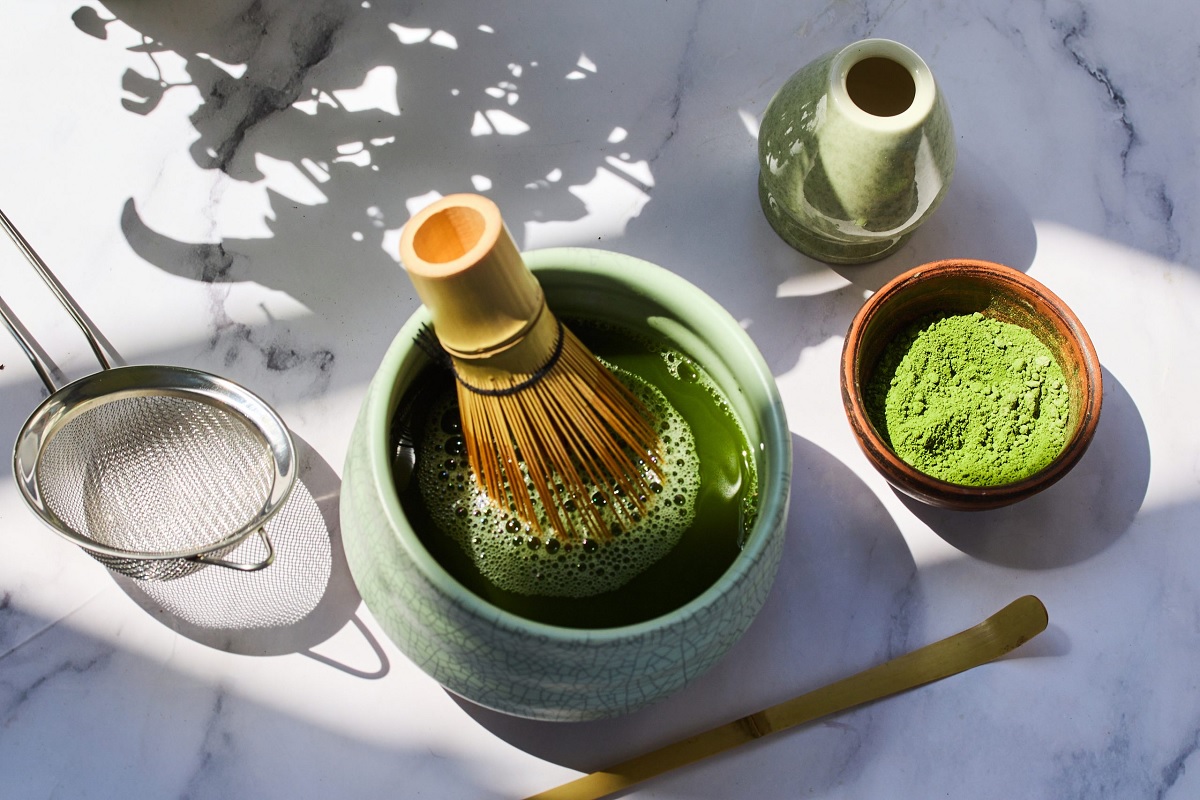
Matcha has become a favorite beverage for people around the world, known for its vibrant green color, rich flavor, and numerous health benefits. It is made from finely ground green tea leaves, offering a concentrated source of antioxidants, vitamins, and minerals that contribute to overall wellness. Its versatility allows it to be enjoyed as a traditional tea, in lattes, smoothies, and even in baked goods.
Many people ask what is matcha good for when considering adding it to their daily routine. Beyond its unique taste, matcha provides natural energy, supports mental clarity, and contains compounds that promote long-term health. Understanding its benefits helps you appreciate why it has become a staple in modern wellness and nutrition.
The antioxidants in matcha, particularly catechins, support immune function and may help protect the body from oxidative stress. In addition, its moderate caffeine content offers a gentle energy boost without the jitters associated with coffee.
Learning about the various ways matcha can positively impact your body empowers you to incorporate it thoughtfully, whether for mental focus, weight management, or overall vitality. This insight allows you to enjoy matcha not just for flavor, but for its health-promoting properties.
Boosting Energy and Focus
Matcha has gained a reputation as a natural energy booster that also supports mental clarity. Unlike coffee or other caffeinated beverages, matcha offers a smooth, sustained source of energy that promotes alertness without sudden spikes or crashes. This makes it an ideal choice for those seeking enhanced focus, productivity, and overall cognitive performance throughout the day.
Caffeine Content and Steady Energy
Matcha contains a moderate amount of caffeine, typically around 60–70 mg per teaspoon of powder, which is less than a standard cup of coffee. The unique feature of matcha is its combination of caffeine with L-theanine, an amino acid that promotes relaxation and reduces stress.
This combination creates a calm yet alert mental state, enhancing focus without the jitteriness commonly associated with coffee. The caffeine in matcha is released gradually as you digest the powder, providing sustained energy for several hours. This slow-release effect helps prevent energy crashes, allowing you to maintain consistent mental and physical performance throughout the day.
L-Theanine and Cognitive Enhancement
L-theanine in matcha plays a crucial role in boosting focus and concentration. It promotes alpha brainwave activity, which is associated with a relaxed but alert state of mind. This helps you stay attentive, improve problem-solving skills, and enhance memory retention.
The synergy between caffeine and L-theanine ensures that matcha not only energizes the body but also sharpens mental clarity. Many students, professionals, and creatives prefer matcha over other caffeinated beverages because it provides calm focus without overstimulation. Drinking matcha before work, study sessions, or creative tasks can support sustained cognitive performance and reduce mental fatigue.
Antioxidants Supporting Mental Health
Beyond caffeine and L-theanine, matcha is rich in antioxidants, particularly catechins, which help protect brain cells from oxidative stress. Oxidative stress can impair cognitive function over time, leading to reduced focus, slower reaction times, and mental fatigue.
Regular matcha consumption may support long-term brain health by reducing inflammation and oxidative damage. The combined effects of antioxidants, caffeine, and L-theanine create an environment where mental clarity, alertness, and productivity are enhanced. This makes matcha an ideal addition to a wellness-focused lifestyle aimed at optimizing energy and focus.
Practical Ways to Consume Matcha for Energy
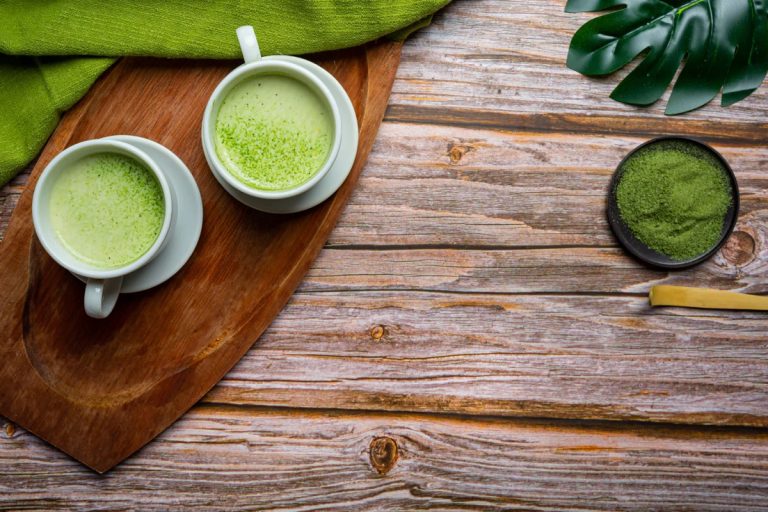
To maximize matcha’s energy-boosting and focus-enhancing benefits, timing and preparation are important. Consuming matcha in the morning or early afternoon helps align its effects with your natural circadian rhythm. Traditional whisked tea, lattes, or smoothies are popular ways to enjoy matcha while allowing for gradual caffeine absorption.
Combining matcha with a balanced meal or snack can enhance its effects while preventing stomach discomfort. Using moderate amounts, such as half to one teaspoon per serving, ensures a steady boost in energy and focus without overwhelming the system. Adjusting preparation and serving size allows you to tailor matcha consumption to your personal energy and cognitive needs.
Integrating Matcha into Daily Productivity
Incorporating matcha into your daily routine can improve work performance, study habits, and overall alertness. Pairing it with mindful breaks, proper hydration, and balanced nutrition enhances its effects, creating an optimal environment for sustained energy and focus.
Whether preparing a traditional tea, latte, or smoothie, matcha provides a natural, health-promoting alternative to highly caffeinated beverages. Its unique combination of caffeine, L-theanine, and antioxidants supports both immediate alertness and long-term cognitive well-being, making it a reliable tool for maintaining energy and mental clarity throughout your day.
Supporting Weight Management
Matcha is more than just a flavorful beverage—it can be a helpful ally in weight management. Packed with antioxidants, catechins, and natural compounds, matcha supports metabolism, fat oxidation, and energy levels. Incorporating matcha into a balanced diet and active lifestyle can aid in maintaining a healthy weight while providing additional health benefits. Understanding how matcha influences metabolism and appetite helps you use it effectively.
Boosting Metabolism and Fat Oxidation
One of the primary ways matcha supports weight management is by boosting metabolism. Catechins, particularly epigallocatechin gallate (EGCG), play a crucial role in enhancing thermogenesis, the body’s process of burning calories to produce heat. This helps increase overall energy expenditure, even at rest.
Studies suggest that regular matcha consumption may improve fat oxidation during physical activity, making workouts more efficient. By enhancing the body’s ability to burn stored fat, matcha can contribute to gradual and sustainable weight management. Combining moderate servings of matcha with regular exercise and a balanced diet amplifies its metabolic benefits, supporting both calorie control and overall health.
Appetite Regulation and Energy Balance
Matcha may also help with appetite regulation, which is essential for managing caloric intake. The combination of caffeine and L-theanine promotes stable energy levels, reducing sudden cravings for sugary or high-calorie snacks. This helps maintain balanced eating patterns throughout the day.
By improving alertness and focus, matcha can also support mindful eating practices. Drinking a cup of matcha before meals may contribute to a feeling of fullness, encouraging smaller portions without feeling deprived. Over time, this can assist in creating a calorie deficit or maintaining a healthy weight naturally.
Enhancing Physical Performance
The energy-boosting properties of matcha contribute to more effective physical activity, an important component of weight management. Caffeine and L-theanine increase endurance, alertness, and focus, enabling longer or more intense workouts without fatigue.
This improved exercise capacity allows the body to burn more calories and maximize fat oxidation during activity. Pairing matcha with regular aerobic or strength-training exercises enhances both metabolic and weight management benefits. Its antioxidant content also supports recovery by reducing oxidative stress and inflammation post-workout, keeping the body ready for consistent activity.
Practical Ways to Incorporate Matcha
To leverage matcha for weight management, incorporating it into your daily routine in moderate amounts is key. Traditional whisked tea, lattes with minimal sweeteners, or smoothies with fruits and protein are effective options. Avoiding high-sugar or heavily processed matcha beverages ensures that the weight management benefits are not offset by excess calories.
Timing can also play a role—drinking matcha in the morning or before physical activity supports energy levels, metabolism, and focus. By pairing moderate consumption with healthy meals and an active lifestyle, matcha can become a valuable tool in supporting sustainable weight management and overall wellness.
Enhancing Antioxidant Intake
Matcha is renowned for its high antioxidant content, making it a powerful addition to a health-focused diet. Rich in catechins, particularly epigallocatechin gallate (EGCG), matcha helps neutralize harmful free radicals, supporting overall wellness and reducing oxidative stress. Regular consumption can significantly boost antioxidant intake, promoting long-term health benefits for the body and mind.
Catechins and Free Radical Protection
The catechins in matcha are potent antioxidants that combat free radicals—unstable molecules that can damage cells and contribute to aging and chronic disease. EGCG, the most abundant catechin in matcha, has been studied for its ability to reduce oxidative stress and protect cellular health.
By neutralizing free radicals, catechins support the immune system, reduce inflammation, and help maintain healthy tissues. Regular consumption of matcha provides a concentrated source of these antioxidants compared to other types of green tea, making it an effective choice for those looking to enhance overall antioxidant intake naturally.
Supporting Heart Health
Matcha’s antioxidants can also play a role in cardiovascular wellness. Free radicals contribute to the oxidation of LDL cholesterol, a process linked to plaque formation and increased risk of heart disease. Catechins in matcha help prevent this oxidative damage, supporting healthy blood vessels and proper circulation.
In addition, regular matcha consumption may help maintain healthy blood pressure levels and improve lipid profiles. By incorporating matcha into a balanced diet rich in fruits, vegetables, and whole grains, you can strengthen your heart health while boosting overall antioxidant intake, making it a versatile and beneficial addition to daily nutrition.
Enhancing Cognitive Function
Antioxidants in matcha may also contribute to brain health by protecting neurons from oxidative stress. Oxidative damage in the brain can impair cognitive function, memory, and learning over time. EGCG and other catechins support neural health and may reduce the risk of cognitive decline associated with aging.
Combining the antioxidant properties with L-theanine and moderate caffeine levels, matcha promotes mental clarity, focus, and alertness. This makes it a unique beverage that not only enhances overall antioxidant intake but also supports both physical and mental performance in a holistic way.
Easy Ways to Incorporate Matcha
To maximize antioxidant benefits, moderate daily consumption of matcha is recommended. Traditional whisked tea, smoothies, and low-sugar lattes are effective ways to integrate matcha into your routine. Culinary applications, such as adding matcha powder to oatmeal or baked goods, can also provide additional antioxidants.
Choosing high-quality matcha ensures maximum catechin content and minimal exposure to contaminants. By consistently including matcha in your diet, you can enjoy a convenient, enjoyable, and potent way to enhance antioxidant intake and support overall health.
Supporting Detoxification and Liver Health
Matcha is more than a flavorful green beverage—it is packed with compounds that can support the body’s natural detoxification processes. Its rich antioxidant profile, particularly catechins like EGCG, plays a key role in neutralizing harmful free radicals and promoting liver function. Regular consumption of matcha may help maintain optimal liver health while enhancing the body’s ability to eliminate toxins.
Catechins and Liver Protection
The catechins in matcha, especially epigallocatechin gallate (EGCG), are powerful antioxidants that support liver health. The liver is the primary organ responsible for detoxifying the body, metabolizing nutrients, and processing toxins. By reducing oxidative stress in liver cells, catechins help prevent damage and maintain efficient liver function.
Research suggests that catechins can protect liver tissues from inflammation and oxidative damage, potentially reducing the risk of chronic liver conditions. Additionally, the antioxidants in matcha promote overall cellular health, enhancing the liver’s ability to process and eliminate harmful substances from the body. This makes matcha an effective natural ally for individuals looking to support detoxification and liver wellness.
Enhancing Natural Detoxification Pathways
Matcha also supports the body’s natural detoxification pathways by stimulating liver enzyme activity. These enzymes play a crucial role in breaking down toxins, metabolizing drugs, and processing waste products efficiently. Improved enzyme function allows the liver to work optimally, promoting overall detoxification.
Regular matcha consumption provides a steady supply of antioxidants and bioactive compounds that assist these processes. Combined with adequate hydration, a balanced diet, and regular physical activity, matcha can complement your body’s natural ability to eliminate toxins and maintain systemic health. Its gentle support enhances the liver’s efficiency without overburdening the organ.
Reducing Inflammation and Oxidative Stress
Chronic inflammation and oxidative stress are major contributors to liver damage and impaired detoxification. Matcha’s high catechin content helps combat these issues by neutralizing free radicals and reducing inflammatory responses. This protective effect supports liver cells in performing their detoxification functions effectively.
By incorporating matcha into a daily routine, individuals may help preserve liver function, prevent oxidative damage, and reduce the long-term risks associated with liver stress. Its combination of antioxidants and anti-inflammatory properties creates an environment conducive to optimal detoxification and overall metabolic health.
Practical Ways to Use Matcha for Liver Health
To support detoxification and liver function, consuming matcha in moderate amounts is ideal. Traditional whisked tea, smoothies, or low-sugar lattes are convenient options. Pairing matcha with a diet rich in vegetables, lean proteins, and healthy fats can further enhance its liver-protective benefits.
High-quality matcha ensures maximum antioxidant potency and minimal exposure to contaminants, making it more effective for detoxification support. Incorporating one to two servings daily allows your body to benefit from its catechins and bioactive compounds consistently, supporting long-term liver health and natural detoxification processes.
Improving Skin and Anti-Aging Benefits
Matcha is widely celebrated not only for its internal health benefits but also for its positive effects on skin health and aging. Packed with antioxidants, catechins, and vitamins, matcha helps combat free radical damage, which contributes to premature aging. Regular consumption or topical use may enhance skin tone, texture, and elasticity, promoting a youthful and radiant appearance naturally.
Antioxidants Protecting Skin from Damage
The high antioxidant content in matcha, particularly epigallocatechin gallate (EGCG), plays a crucial role in protecting the skin from environmental stressors. Free radicals from pollution, UV radiation, and lifestyle factors can damage collagen and elastin fibers, leading to wrinkles, sagging, and fine lines.
EGCG in matcha helps neutralize these free radicals, preventing oxidative damage to skin cells. This protective effect supports healthy collagen structure and maintains skin elasticity. Regular matcha consumption provides a steady supply of these antioxidants, helping reduce visible signs of aging over time. The cumulative benefits of matcha’s antioxidants also contribute to smoother, healthier, and more resilient skin.
Reducing Inflammation and Promoting Healing
Inflammation is a major factor in skin aging, redness, and irritation. Matcha’s anti-inflammatory properties help calm the skin and reduce oxidative stress, supporting the repair of damaged tissues. This makes it beneficial for conditions such as acne, eczema, or sensitivity caused by environmental factors.
By reducing inflammation, matcha enhances skin barrier function and helps maintain hydration. Its bioactive compounds support cellular regeneration and repair processes, which are essential for maintaining youthful, vibrant skin. Regular consumption can complement topical treatments, providing a holistic approach to skin wellness.
Supporting Collagen and Skin Elasticity
Collagen is a key protein responsible for skin strength and elasticity, and its degradation contributes to wrinkles and sagging. The antioxidants in matcha protect existing collagen from damage and support fibroblast activity, which aids in collagen production.
By preserving collagen structure and promoting its synthesis, matcha helps maintain firm, supple skin. Combining matcha with a diet rich in protein, vitamin C, and healthy fats can further enhance these anti-aging benefits. This synergy supports long-term skin health, helping you maintain a youthful and radiant appearance naturally.
Practical Ways to Incorporate Matcha for Skin Health
To maximize matcha’s skin benefits, include it in both your diet and skincare routine. Drinking matcha as tea or smoothies ensures antioxidant intake from the inside, while matcha-based face masks or serums can target skin externally. Moderation is key, with one to two servings daily providing consistent antioxidant support.
Choosing high-quality ceremonial or culinary-grade matcha ensures maximum potency and minimal contaminants. By incorporating matcha thoughtfully, you can support skin health, reduce signs of aging, and maintain a radiant, youthful complexion through its natural antioxidant and anti-inflammatory properties.
People Also Asked
What Is Matcha Good For Energy and Focus?
Matcha is an excellent natural source of energy and mental clarity. Its moderate caffeine content provides a steady energy boost without the jitters or crashes associated with coffee. L-theanine, an amino acid found in matcha, works synergistically with caffeine to enhance focus, concentration, and calm alertness.
By drinking matcha, you can improve productivity during work, study, or creative tasks. The combination of caffeine and L-theanine also promotes sustained mental performance, helping you maintain alertness and reduce fatigue throughout the day while enjoying a smooth and balanced energy lift.
How Does Matcha Support Weight Management?
Matcha can help support weight management by boosting metabolism and promoting fat oxidation. Catechins, particularly EGCG, increase thermogenesis, which is the body’s process of burning calories to produce heat. This can contribute to more effective energy expenditure and fat utilization.
Additionally, matcha may help regulate appetite and reduce cravings by providing steady energy and focus. When paired with a balanced diet and regular exercise, moderate matcha consumption can be a useful addition to a weight management routine, supporting gradual and sustainable results.
Can Matcha Improve Antioxidant Intake?
Yes, matcha is highly concentrated in antioxidants, particularly catechins like EGCG, which help neutralize harmful free radicals. Antioxidants protect cells from oxidative stress, reduce inflammation, and support long-term health, including immune system function and cardiovascular wellness.
Regular consumption of matcha provides a potent source of antioxidants compared to other teas. Including it in your daily routine, either as tea, lattes, or smoothies, can significantly enhance overall antioxidant intake, promoting healthier skin, reduced cellular damage, and better protection against environmental and lifestyle stressors.
Is Matcha Good For Detoxification and Liver Health?
Matcha supports natural detoxification and liver function due to its antioxidant and bioactive compounds. Catechins help neutralize free radicals in liver cells, reduce oxidative stress, and promote efficient liver enzyme activity. This assists the body in processing and eliminating toxins effectively.
Consuming matcha regularly can help maintain optimal liver health, complementing a balanced diet and hydration. Its mild diuretic effect also aids in flushing out waste products, enhancing the body’s natural cleansing processes. Over time, matcha can contribute to overall detoxification and metabolic balance.
How Does Matcha Benefit Skin and Anti-Aging?
Matcha supports skin health and anti-aging due to its high antioxidant content. Catechins protect skin cells from oxidative damage, reducing the appearance of wrinkles, fine lines, and signs of aging. L-theanine and other bioactive compounds promote healthy blood flow, cell regeneration, and reduced inflammation.
Regular matcha consumption helps maintain skin elasticity, hydration, and radiance. It can also be used topically in masks or skincare products to enhance these effects. By including matcha in your routine, you can support both internal and external skin health, promoting a youthful and vibrant appearance.
Can Matcha Support Heart Health?
Yes, matcha can support cardiovascular wellness through its antioxidant and anti-inflammatory properties. Catechins help reduce LDL cholesterol oxidation and promote healthy blood vessel function. This may reduce the risk of plaque formation and support proper circulation.
Regular matcha intake can also assist in maintaining healthy blood pressure and lipid levels. Combined with a heart-healthy diet and lifestyle, matcha provides a natural, preventative approach to cardiovascular health, making it beneficial for long-term heart function and overall wellness.
Does Matcha Help With Stress and Relaxation?
Matcha supports relaxation and stress management due to its high L-theanine content. L-theanine promotes alpha brainwave activity, which induces a calm yet alert mental state. This helps reduce anxiety, improve focus, and balance mood without causing drowsiness.
By drinking matcha, you can experience a smooth, steady energy boost while staying relaxed and focused. This makes it ideal for work, study, meditation, or creative projects. The combination of caffeine and L-theanine provides mental clarity and reduces the stress response, promoting a more balanced and productive day.
Final Thoughts
Incorporating matcha into your daily routine can offer a wide range of health and wellness benefits. Its unique combination of caffeine and L-theanine provides sustained energy and improved focus without the jitters commonly associated with coffee. Beyond mental alertness, matcha is packed with antioxidants that help combat oxidative stress and support overall well-being.
Understanding [what is matcha good for] can also highlight its role in supporting heart health, aiding metabolism, and promoting detoxification. Regular consumption may contribute to better cardiovascular function, weight management, and liver health. These benefits make matcha a versatile addition to a balanced lifestyle, whether enjoyed as a traditional tea, latte, or incorporated into recipes.
Ultimately, matcha is more than just a trendy drink—it is a nutrient-rich option that supports both body and mind. By knowing [what is matcha good for] and consuming it thoughtfully, you can maximize its benefits and enjoy a healthier, more energized lifestyle.