Does Dunkin Frozen Coffee Have Caffeine – Caffeine Content Explained
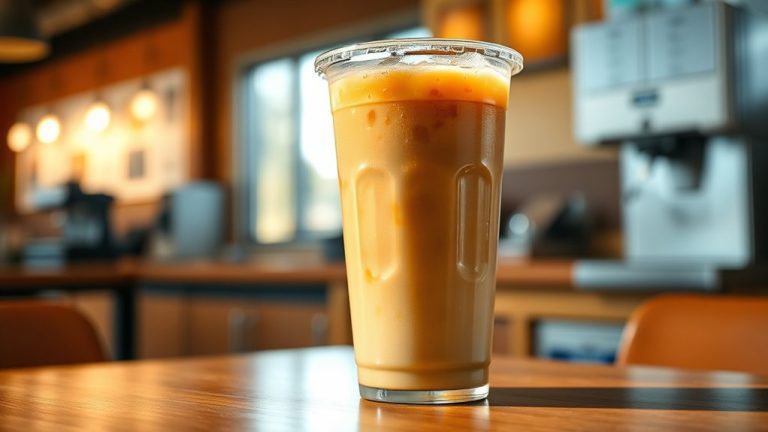
Yes, Dunkin Frozen Coffee contains caffeine, typically around 120 to 150 mg per serving, depending on size and preparation. The caffeine amount varies with bean type, roast profile, brew strength, and ice content, but it maintains consistent caffeine per ounce.
While it offers a moderate boost similar to hot coffee, the cold temperature slightly delays absorption but doesn’t reduce caffeine.
If you want to understand sizing impact, customization options, and how it compares to hot coffee, there’s more detailed insight ahead.
How Much Caffeine Is in Dunkin Frozen Coffee?
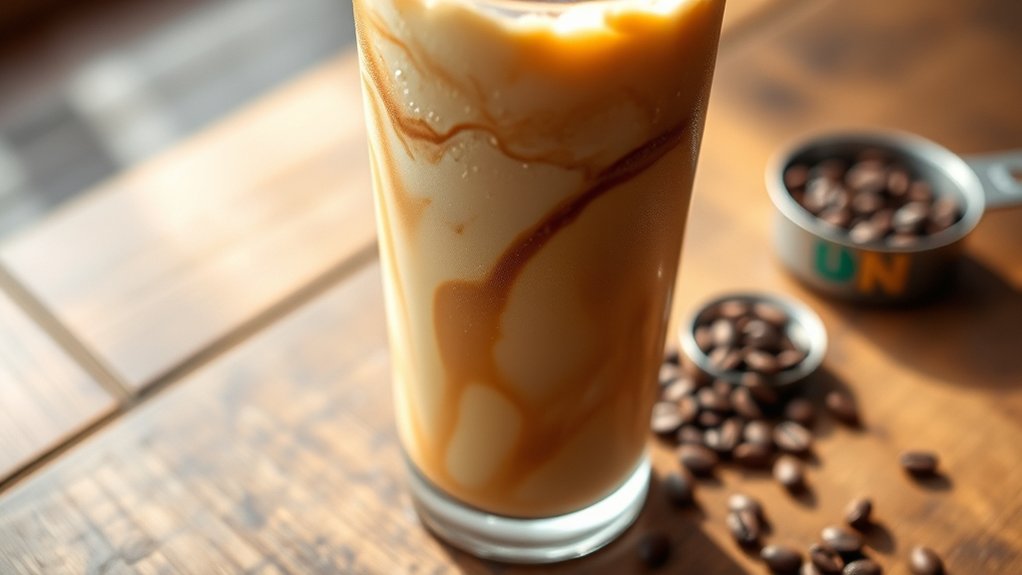
How much caffeine does Dunkin Frozen Coffee actually contain? Typically, a regular-sized Dunkin Frozen Coffee has about 120 mg of caffeine. This amount gives you a moderate boost, kind of like a standard cup of brewed coffee.
A regular Dunkin Frozen Coffee packs about 120 mg of caffeine, similar to a standard brewed coffee.
When it comes to flavor pairing, picking complementary tastes like vanilla or caramel can really enhance your experience. These flavors won’t overpower the coffee’s natural profile, which is great.
For the best freshness and caffeine retention, make sure to store your frozen coffee properly. Keep it sealed tightly and stored at a consistent temperature below freezing.
Try to avoid frequent temperature changes because they can mess with the flavor and caffeine over time.
What Factors Affect Caffeine Levels in Dunkin Frozen Coffee?
You’ll notice that the caffeine content in Dunkin Frozen Coffee changes depending on the type of coffee bean they use. That’s because Arabica and Robusta beans have different amounts of caffeine.
On top of that, how strong the brew is also makes a difference – stronger brews pull out more caffeine per ounce.
And of course, the size of your serving matters too. The bigger your portion, the more caffeine you’re getting overall.
Coffee Bean Type
Why does the type of coffee bean matter when it comes to caffeine levels in Dunkin Frozen Coffee? The caffeine content largely depends on the bean origin and variety. Arabica beans, often used by Dunkin, contain roughly 1.2% caffeine, whereas Robusta beans hold about 2.2%.
So, the blend’s composition directly influences caffeine levels. Moreover, coffee roasting affects caffeine concentration. Although darker roasts develop bolder flavors, they slightly reduce caffeine due to heat exposure, but the difference is minimal.
Light or medium roasts retain marginally more caffeine, so the roast profile Dunkin selects impacts your caffeine intake. Understanding these factors helps you gauge the caffeine strength in Dunkin Frozen Coffee accurately, since bean origin and roasting methods play a pivotal role in determining the final caffeine content you consume.
Brew Strength Variation
Beyond the choice of coffee bean and roast, the strength of the brew considerably impacts the caffeine content in Dunkin Frozen Coffee. When you adjust the brew strength, you directly influence how much caffeine is extracted during brewing. A stronger brew uses more coffee grounds per water volume, increasing caffeine concentration.
Conversely, a weaker brew dilutes caffeine levels. This variation also affects flavor profiles. Stronger brews yield bolder, more intense flavors, while lighter brews offer milder tastes.
Dunkin’s frozen coffee preparation methods maintain consistent brew strength to balance caffeine and flavor, but slight variations can occur based on batch or machine calibration.
Understanding brew strength helps you anticipate caffeine levels and flavor intensity, so you can make more informed choices when selecting your Dunkin Frozen Coffee.
Serving Size Impact
How does serving size influence the caffeine content in Dunkin Frozen Coffee? Simply put, larger servings contain more caffeine because they use more brewed coffee. But it’s not just a straight line increase since things like ice texture and flavor balance matter too.
Finer ice melts faster, which dilutes the caffeine and can change how strong the coffee tastes. On the other hand, coarser ice sticks around longer, keeping the caffeine concentration higher.
Dunkin also tweaks the coffee-to-ice ratio to keep the flavor just right, and that can affect how much caffeine you get per ounce. So, when you pick a bigger size, you’re getting more caffeine overall, but the exact amount depends on how the ice interacts with the coffee and the recipe they use.
It’s kind of a balancing act, which means serving size definitely impacts your caffeine intake, but there are some subtle factors that change the experience.
Does Frozen Coffee Size Affect Caffeine Content?
Although the caffeine concentration per ounce stays pretty consistent, the overall caffeine content in Dunkin’s frozen coffee changes depending on the size you pick. When you go for a larger size, you naturally get more caffeine because the total volume is bigger, but the caffeine density remains steady.
Caffeine per ounce stays steady, but larger sizes pack more caffeine due to increased volume.
Size also affects the ice texture and flavor balance, which can change how you experience the caffeine. Bigger sizes have more ice, which might dilute the flavor intensity. This can mask caffeine’s bitterness and make it seem less strong.
On the other hand, smaller sizes have denser ice and more concentrated flavor, so the caffeine feels more noticeable.
Knowing how these factors work together can help you choose a size that fits your caffeine tolerance and taste preferences. Plus, it makes sure you get the right balance between ice texture and flavor in your frozen coffee.
How Can You Customize the Caffeine Content in Dunkin Frozen Coffee?
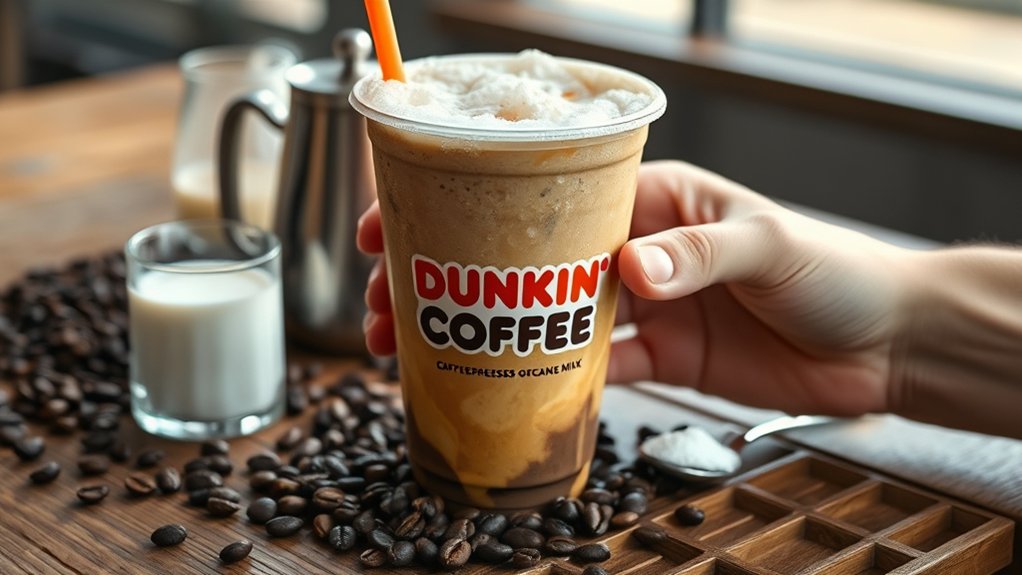
Since size influences the total caffeine in Dunkin’s frozen coffee, you might wonder how else you can adjust the caffeine level to your liking. One effective way is through flavor pairings. Certain add-ons like espresso shots increase caffeine, while others, such as vanilla or caramel syrups, mainly enhance taste without affecting caffeine.
Moreover, seasonal variations impact caffeine content. Limited-time blends often feature different coffee bean roasts or concentrations, subtly altering caffeine levels. By selecting specific seasonal flavors, you can indirectly customize your caffeine intake.
You can also request fewer or extra espresso shots to precisely control caffeine. Understanding these factors allows you to tailor your frozen coffee’s caffeine content accurately, balancing flavor preferences with your desired caffeine boost.
How Does Dunkin Frozen Coffee Compare to Hot Coffee?
When you compare Dunkin Frozen Coffee to their hot coffee, you’ll notice a few key differences, especially when it comes to caffeine.
The frozen options sometimes have a little less caffeine per serving than the hot versions.
Another thing is the texture—the frozen coffee is thicker and has that nice, chilled feel.
Plus, it usually tastes a bit sweeter because of some added ingredients.
Knowing these differences can help you pick the right coffee depending on how much caffeine you want and what flavors you’re in the mood for.
Caffeine Levels Compared
While both Dunkin frozen coffee and hot coffee give you a caffeine boost, their caffeine content can vary because of how they’re made and the serving size. Frozen coffee usually has a bit less caffeine per serving since it’s diluted with ice and sometimes milk or sweeteners.
Hot coffee, brewed fresh, tends to pack a more concentrated caffeine punch.
When you compare caffeine levels, keep in mind that a medium hot coffee can have around 210 mg, while a frozen coffee might be between 120 and 150 mg.
To get the most out of your caffeine fix, think about pairing your drink with snacks that complement the flavors. This can make your experience more satisfying without needing extra caffeine.
Also, store your frozen coffee properly to keep its caffeine quality intact. Avoid leaving it thawed for too long because that can mess with the flavor and caffeine stability.
Knowing these details helps you pick the right option based on what you need from your caffeine.
Flavor and Texture Differences
Although Dunkin frozen coffee and hot coffee come from the same beans, their flavor profiles and textures differ quite a bit because of how they’re made. When you compare the two, keep these key points in mind:
First, the flavor profile. Hot coffee has a more robust and complex taste since the heat pulls out a wider range of compounds. On the other hand, frozen coffee tends to be milder and a bit sweeter because it gets diluted during freezing.
Next up is texture. Frozen coffee has a smooth, slushy consistency that feels refreshing and lighter on your palate. It’s quite different from the warm, fuller body of hot coffee.
Temperature also plays a big role. The warmth of hot coffee brings out aromatic oils, which makes the flavor more intense. Cold frozen coffee, however, dampens aroma, so you don’t get as much of that smell.
Lastly, sweetness perception changes too. The colder temperature in frozen coffee cuts down on bitterness, making it taste smoother but less intense compared to hot coffee.
Knowing these differences can help you pick the perfect Dunkin coffee experience based on what you like.
How Does Dunkin Frozen Coffee’s Caffeine Compare to Other Dunkin Iced Drinks?
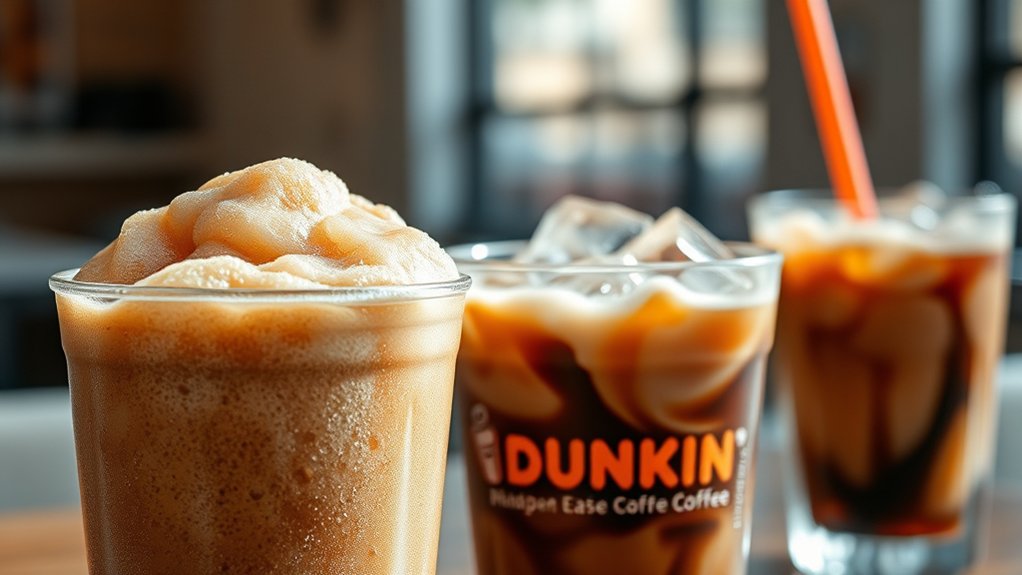
Because caffeine content considerably influences your choice of iced beverage, comparing Dunkin Frozen Coffee to other Dunkin iced drinks reveals notable differences. Dunkin Frozen Coffee typically contains about 150 mg of caffeine per medium size, positioning it between the classic Iced Coffee and the Iced Latte in caffeine strength.
While Iced Coffee offers roughly 210 mg, an Iced Latte has closer to 120 mg, making Frozen Coffee a moderate option. Flavor pairing and seasonal variations impact these caffeine levels. For example, seasonal Frozen Coffees may slightly adjust caffeine content based on added flavorings or cream.
Understanding these variations helps you select the right drink to balance caffeine intake with preferred flavor profiles. This way, your iced beverage suits both taste and energy needs.
Is Dunkin Frozen Coffee a Strong Caffeine Boost?
How much of a caffeine kick can you expect from Dunkin Frozen Coffee? Its caffeine strength depends on a few things, like the flavor and how cold it is. Since Dunkin’s frozen coffee is chilled, it might slow down how quickly your body absorbs caffeine compared to hot coffee. But don’t worry, it still packs a solid punch.
Here’s the rundown:
- Caffeine Content: Usually between 150 and 210 mg for a medium size, which is about the same as hot coffee.
- Flavor Profiles: Dark roasts in frozen coffee give you a stronger taste but have similar caffeine to lighter roasts.
- Temperature Effects: The cold can delay how fast caffeine kicks in, but it doesn’t lower the total amount you get.
- Serving Size: Bigger cups mean more caffeine, plain and simple.
How Long Does Caffeine From Dunkin Frozen Coffee Last?
When you drink Dunkin Frozen Coffee, the caffeine typically stays active in your system for about three to five hours. That said, individual factors like metabolism and sensitivity can influence how long it lasts.
The caffeine content, which you can find in the nutritional facts, averages around 120 mg per serving. This amount plays a big role in that timeframe.
Your body’s ability to metabolize caffeine efficiently also determines how long you feel its effects.
Plus, pairing the coffee with dairy or sugary additives can slightly change how fast your body absorbs the caffeine, which might alter how strong or long-lasting the boost feels.
Knowing these details helps you figure out how long Dunkin Frozen Coffee keeps you alert. By keeping in mind the exact caffeine amount and things like flavor combinations, you can better predict how long the stimulation lasts and adjust your intake to match your body’s response.
When Is the Best Time to Drink Dunkin Frozen Coffee for Energy?
To maximize the energy boost from Dunkin Frozen Coffee, you should time your consumption to align with your body’s natural energy dips, typically mid-morning or early afternoon.
Ideal timing enhances caffeine’s efficacy, improving alertness without disrupting sleep cycles.
Consider these guidelines:
- Mid-morning (9–11 AM): Capitalize on the post-wake cortisol drop to sustain morning energy.
- Early afternoon (1–3 PM): Counteract the common post-lunch slump for renewed focus.
- Avoid late afternoon: Caffeine late in the day can impair nighttime rest, reducing next-day energy.
- Pre-activity: Drinking 30 minutes before physical or mental tasks maximizes performance benefits.
Are There Caffeine-Free Alternatives to Dunkin Frozen Coffee?
Why might you seek caffeine-free alternatives to Dunkin Frozen Coffee? If you’re sensitive to caffeine or want to cut back, exploring caffeine-free options is a smart move. Dunkin doesn’t currently offer a caffeine-free frozen coffee, so you might want to look at herbal beverages instead.
Herbal teas like chamomile or rooibos are naturally caffeine-free and full of flavor. Plus, some herbal blends even mimic the richness of coffee without the stimulant effects. These choices let you enjoy a cold, refreshing drink without worrying about caffeine messing with your sleep or anxiety.
When picking caffeine-free alternatives, it’s a good idea to check ingredient lists to make sure there’s no hidden caffeine. Overall, herbal drinks offer practical and reliable ways to skip caffeine but still enjoy a satisfying, chilled beverage experience.
Frequently Asked Questions
What Ingredients Are in Dunkin Frozen Coffee?
You’ll find Dunkin Frozen Coffee contains brewed coffee, milk, sugar, and ice. These ingredients come together to create a smooth flavor profile with balanced sweetness and rich coffee notes.
Dunkin emphasizes ingredient transparency by listing these core components, so you know exactly what’s in your drink. This precise composition delivers a consistent taste experience while keeping things clear about additives and preservatives.
It really helps you make informed choices about the frozen coffee you enjoy.
Is Dunkin Frozen Coffee Suitable for Kids?
Dunkin Frozen Coffee isn’t ideal for kids because of its caffeine content, which can go beyond the recommended limits for children. Too much caffeine might impact their developing nervous systems and mess with their sleep patterns.
When it comes to frozen drinks, it’s safer to pick caffeine-free options made especially for kids.
Always take a moment to check the nutritional info and follow guidelines to make sure your child’s caffeine intake stays within safe limits.
This way, you can help protect their health and well-being.
How Should Dunkin Frozen Coffee Be Stored?
You should store Dunkin frozen coffee by using proper freezing techniques and airtight storage containers. First, pour the coffee into sealed, freezer-safe containers to prevent freezer burn and maintain flavor.
Then, label the containers with dates to track freshness.
Try to avoid frequent thawing and refreezing because it can degrade the quality. Evidence shows that consistent freezing and airtight sealing preserve taste and texture.
This way, your coffee stays enjoyable for weeks.
Does Dunkin Frozen Coffee Contain Allergens?
Yes, Dunkin Frozen Coffee may contain allergens like milk and soy, so you should be cautious if you have sensitivities. Cross contamination concerns exist because Dunkin’s equipment handles multiple ingredients.
However, Dunkin offers allergen-free options you can consider. To minimize risks, always check ingredient lists and ask staff about preparation methods.
This evidence-based approach helps you make informed choices and avoid potential allergic reactions effectively.
Can Dunkin Frozen Coffee Be Made Vegan?
You won’t find a tastier vegan substitution in a galaxy this vast! Dunkin Frozen Coffee can be made vegan by requesting dairy alternatives like almond, oat, or soy milk instead of regular milk or cream.
These vegan substitutions maintain the creamy texture without animal products, aligning with plant-based diets.
Just specify your preference when ordering to guarantee the drink meets vegan standards. That way, your frozen coffee is both delicious and cruelty-free. Easy, right?
Conclusion
If you’re craving a caffeine jolt that hits like a lightning bolt, Dunkin Frozen Coffee delivers. Its caffeine content varies by size and customization, so knowing these details helps you get just the right amount.
Understanding these factors lets you tailor your energy surge precisely. That way, you avoid the crash of too much or the lull of too little. Compared to hot coffee, it offers a revitalizing yet potent boost.
So, sip strategically and you’ll harness the perfect caffeine storm to power your day efficiently.