Is Matcha Sweet: Exploring Its Natural Flavor and Taste
Matcha has gained global popularity as a vibrant green tea powder known for its unique flavor and health benefits. Many people are drawn to it for its rich antioxidants, calming properties, and the smooth, slightly grassy taste that sets it apart from regular green tea. While its flavor is complex, one common question arises among newcomers and enthusiasts alike: is matcha sweet.
Understanding matcha’s taste requires looking at how it is grown and prepared. Traditional matcha comes from shade-grown tea leaves, which develop natural sugars and a certain umami richness. This gives high-quality matcha a subtle sweetness alongside a gentle bitterness.
The sweetness in matcha is not like the sugar found in desserts, but more of a natural, delicate flavor that balances its earthy undertones. Many people enjoy pairing it with milk or sweeteners to enhance this gentle sweetness, creating drinks and desserts that are both flavorful and comforting.
Exploring matcha allows you to appreciate its nuanced taste and discover how its natural sweetness can complement various recipes. Its unique profile makes it versatile for traditional tea ceremonies as well as modern culinary creations.
The Taste Profile of Matcha
Matcha is a unique green tea powder that delivers a rich and multidimensional taste experience. Unlike regular brewed tea, matcha is made from finely ground, shade-grown tea leaves, giving it a concentrated flavor and vibrant green color. Its taste profile is a careful balance of earthy, sweet, and slightly bitter notes, which evolve on the palate with each sip. Understanding these flavors helps both newcomers and seasoned enthusiasts fully appreciate matcha’s complexity and versatility in beverages and culinary creations.
Umami and Earthy Flavors
One of the most defining characteristics of matcha is its umami flavor, often described as a savory, full-bodied taste that lingers pleasantly on the palate. This unique flavor comes from the high concentration of amino acids, particularly L-theanine, in tea leaves grown under shade. The shading process slows photosynthesis, increasing chlorophyll content and producing a vibrant green powder with rich, earthy undertones.
The earthy flavors of matcha are smooth and vegetal, reminiscent of fresh greens or spinach. These notes are especially prominent in high-quality, ceremonial-grade matcha, setting it apart from lower-grade or standard green teas. Umami adds depth, creating a flavor that is layered and balanced rather than flat. The taste evolves gradually, with subtle hints of seaweed or mild grassy tones emerging as you sip.
The savory aspect of matcha is often paired with its natural sweetness, providing a harmonious combination that feels both comforting and complex. This makes matcha suitable for traditional tea ceremonies, where flavor nuances are highly appreciated. Additionally, the umami enhances culinary uses, complementing desserts, lattes, and even savory recipes without overpowering other flavors. The interplay of umami and earthy notes ensures that matcha remains distinctive, offering a rich, satisfying experience with every preparation.
Natural Sweetness
Alongside umami and earthy flavors, matcha has a gentle, natural sweetness that balances its slight bitterness. This sweetness is subtle, originating from the tea leaves’ natural sugars developed during shading and careful harvesting. Ceremonial-grade matcha highlights these sweet notes most effectively, providing a creamy, soft taste that lingers on the tongue without needing additional sweeteners.
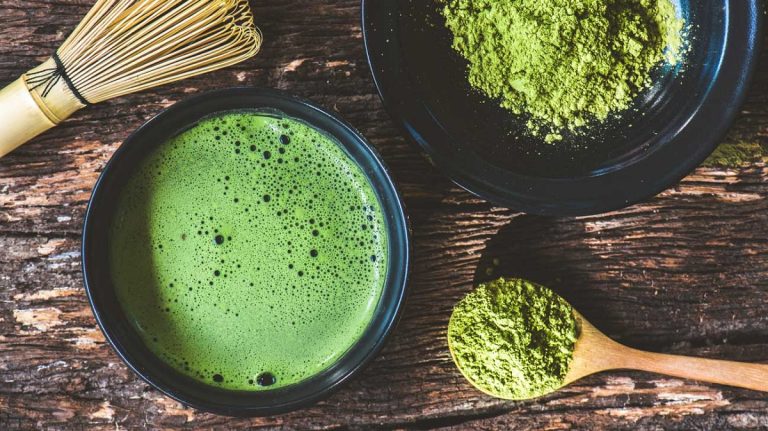
The natural sweetness becomes more pronounced when matcha is properly whisked into water or milk. A smooth, frothy preparation emphasizes the delicate sugars, creating a velvety texture that enhances the overall flavor. Many tea enthusiasts also pair matcha with honey, plant-based milks, or subtle syrups to elevate this sweetness, while still preserving the authentic taste profile.
This sweet undertone is essential in balancing the earthy and slightly bitter elements of matcha. Without it, the flavor could feel too strong or harsh, especially for first-time drinkers. The subtle sweetness allows matcha to shine both as a standalone beverage and as an ingredient in culinary creations, where it complements desserts, smoothies, and lattes. It is this balance of sweetness, umami, and mild bitterness that gives matcha its signature taste, making it a favorite among tea lovers worldwide.
Bitterness and Complexity
Matcha naturally carries a mild bitterness, particularly in culinary or lower-grade varieties. This comes from catechins, a type of antioxidant abundant in tea leaves, which contribute both to health benefits and flavor complexity. The bitterness provides a counterpoint to the natural sweetness and umami, creating a layered and dynamic taste profile that evolves with every sip.
While some first-time drinkers may find matcha slightly strong or astringent, the bitterness is an essential part of its character. It adds depth and sophistication, balancing the creamy, smooth texture and the subtle sweetness. Proper preparation, including whisking and using water at the right temperature, can mellow the bitterness while retaining the tea’s rich flavors.
Bitterness in matcha also varies by grade. Ceremonial-grade matcha is milder, with bitterness harmoniously balanced by umami and sweet undertones. Culinary-grade matcha tends to be more robust, with sharper earthy notes and more pronounced bitterness, making it ideal for lattes, baking, and blended recipes. This interplay of flavors—bitter, sweet, and umami—makes matcha an intriguing and multidimensional experience that appeals to both traditional tea enthusiasts and modern culinary creators.
Creamy and Smooth Texture
The texture of matcha is as important as its flavor in creating the overall taste experience. Because matcha is a finely ground powder, whisking it with hot water produces a creamy, velvety mouthfeel that enhances the tea’s richness. Thicker preparations, commonly used in ceremonial settings, highlight the umami and natural sweetness, creating a smooth and luxurious sensation.
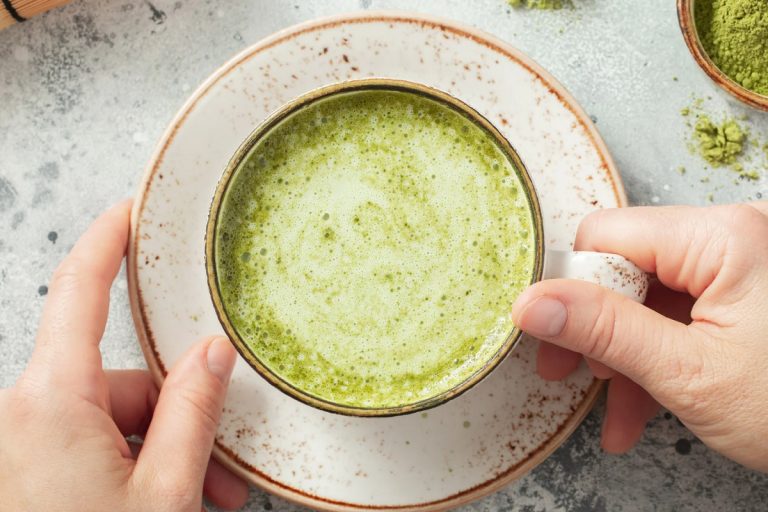
In latte or blended preparations, the texture allows the bitterness and earthy flavors to emerge alongside milk or other ingredients. The creamy mouthfeel softens stronger notes, making the tea more approachable while still preserving its complexity. Properly whisked matcha forms a fine froth on the surface, which adds a visual and sensory layer to the drinking experience.
The smooth texture also contributes to matcha’s versatility in culinary applications. Whether in desserts, smoothies, or savory dishes, the powder integrates seamlessly, allowing its flavors to shine without becoming overpowering. This balance of texture and taste is part of what makes matcha unique, offering both depth and comfort in every cup.
Flavor Variations Across Grades
Matcha flavor is strongly influenced by its grade. Ceremonial-grade matcha is prized for its balance of natural sweetness, umami, and mild bitterness, making it ideal for drinking straight. Culinary-grade matcha is more robust, with pronounced earthy notes and sharper bitterness, which works well in lattes, baked goods, and smoothies.
Understanding these differences is key to enjoying matcha fully. High-quality ceremonial matcha allows the drinker to experience subtle flavor nuances, while lower grades are better suited for mixed recipes where other ingredients complement its profile. Each grade offers a distinct taste journey, demonstrating matcha’s versatility across traditional and modern uses. By choosing the right grade for the purpose, enthusiasts can appreciate its complex and multidimensional flavor in the way it was intended.
Factors That Influence Matcha’s Sweetness
Matcha’s natural sweetness can vary significantly depending on multiple factors, from cultivation methods to preparation techniques. Understanding what contributes to these subtle flavors can help tea enthusiasts, home brewers, and culinary creators get the most out of their matcha experience. Sweetness in matcha is not like sugar in desserts—it is delicate, nuanced, and influenced by how the leaves are grown, processed, and prepared.
Shade-Grown Cultivation
One of the primary factors influencing matcha’s sweetness is the cultivation method, particularly the use of shade-grown techniques. Tea plants intended for matcha are often shaded for several weeks before harvest, reducing sunlight exposure and slowing photosynthesis. This process increases the concentration of chlorophyll and amino acids, especially L-theanine, which contributes to the tea’s sweet, savory umami profile.
Shading also reduces the development of catechins, which are responsible for bitterness in tea leaves. With lower catechin levels and higher L-theanine content, the tea develops a more delicate, natural sweetness. Farmers carefully monitor the shading period to ensure optimal flavor development. Too little shade can result in a harsher, more astringent taste, while proper shading produces a smooth, sweet, and well-balanced matcha.
The age and quality of the leaves also play a role. Younger leaves harvested from the top of the plant are naturally sweeter than older, more mature leaves. By combining careful shading and selective harvesting, growers ensure that the tea leaves develop the subtle sugars that make high-quality matcha enjoyable without added sweeteners.
Harvesting Time and Leaf Selection
The timing of harvest directly affects matcha’s sweetness. The first harvest of the year, known as the “first flush,” typically yields the youngest, most tender leaves with higher natural sugar content. These leaves are prized for ceremonial-grade matcha because their delicate sweetness and smooth texture provide a rich, enjoyable flavor. Later harvests often contain more mature leaves with slightly higher bitterness, which can reduce perceived sweetness.
Leaf selection also matters. Only the youngest, topmost leaves are usually used for high-quality matcha. These leaves have thinner cell walls and higher concentrations of amino acids, giving them a sweeter taste. Older leaves, while still useful for culinary purposes, contain more fibrous material and catechins, which contribute to bitterness. By carefully selecting leaves during harvest, producers can control the balance between sweetness and bitterness, ensuring a smoother drinking experience.
Furthermore, environmental factors, such as soil quality, rainfall, and temperature, influence leaf development and sugar levels. Consistent care throughout the growing season ensures that matcha leaves retain the natural sweetness that enthusiasts expect, making harvesting and leaf selection critical steps in determining flavor.
Processing and Grinding
After harvesting, the way matcha leaves are processed significantly affects their sweetness. Once picked, leaves are steamed to stop oxidation, which preserves their color, nutrients, and delicate sugars. Steaming helps maintain the natural sweetness and reduces bitterness, allowing matcha to develop its characteristic smooth flavor.
After steaming, leaves are carefully dried and de-veined, leaving only the tender leaf tissue, known as tencha. Removing stems and veins is essential because they contain more fibrous material and catechins, which can impart bitterness. Only after this careful preparation are the leaves stone-ground into fine powder. The slow grinding process ensures minimal heat generation, preserving the delicate sugars and amino acids that contribute to sweetness.
Even small variations in processing can affect taste. Leaves ground too quickly or exposed to heat can lose subtle sweetness, while properly processed matcha maintains a vibrant color, smooth texture, and gentle sugar notes. This meticulous approach in processing is one reason high-quality ceremonial matcha tastes sweeter and more balanced than lower-grade or mass-produced powders.
Water Quality and Preparation
Even after careful cultivation and processing, preparation methods influence how sweet matcha tastes in the cup. Water temperature, quality, and whisking technique all impact flavor perception. Using water that is too hot can accentuate bitterness and mask natural sweetness, while cooler water around 160–175°F (70–80°C) preserves delicate sugar notes and umami flavors.
Whisking technique also matters. Properly whisked matcha forms a smooth, frothy layer that enhances mouthfeel and allows sweetness to come forward. Using filtered or soft water ensures that minerals do not interfere with flavor, keeping the taste clean and balanced. Additionally, combining matcha with milk or plant-based alternatives can highlight its gentle sweetness without overpowering its natural profile.
Through careful attention to water quality, temperature, and preparation, drinkers can bring out matcha’s full spectrum of flavors. This final step in the process reinforces how sweetness is not just determined by the leaves themselves, but also by the way the tea is brewed and enjoyed.
How to Enhance the Sweetness of Matcha Naturally
Matcha’s delicate sweetness can be subtle, and many tea enthusiasts seek ways to naturally bring out this flavor without relying on added sugars or artificial sweeteners. By focusing on factors like leaf quality, preparation methods, and complementary ingredients, you can create a richer, smoother, and more enjoyable matcha experience. Enhancing sweetness naturally preserves the authentic taste while highlighting matcha’s unique umami and earthy notes.
Choosing the Right Grade of Matcha
The first step in naturally enhancing matcha’s sweetness is selecting the right grade. Ceremonial-grade matcha is ideal for drinking straight because it is made from the youngest, topmost leaves with higher amino acid content. These leaves contain more L-theanine, which contributes to natural sweetness and umami. Culinary-grade matcha, while suitable for baking and mixed drinks, tends to be more bitter and earthy, which can mask the subtle sweet notes.
High-quality matcha has a vibrant green color, fine texture, and smooth consistency, all indicators of fresh, tender leaves. Using lower-grade powders in drinks can lead to a more astringent taste, even with careful preparation. By investing in quality matcha, you start with a naturally sweeter base that requires minimal adjustments. This approach ensures that sweetness is amplified without overpowering the traditional flavor profile or relying on artificial additives, allowing drinkers to experience matcha’s nuanced taste.
Optimizing Water Temperature and Whisking
Water temperature and whisking technique play a significant role in bringing out matcha’s natural sweetness. Hot water that is too warm, above 180°F (82°C), can exaggerate bitterness and overshadow delicate sugar notes. Water around 160–175°F (70–80°C) helps preserve amino acids while releasing a creamy, slightly sweet flavor.
Proper whisking is also essential. Using a bamboo whisk in a zigzag motion creates a smooth, frothy layer that enhances the tea’s mouthfeel and allows subtle sweetness to come forward. Over-whisking or stirring too roughly can produce bubbles that break too quickly, diminishing texture and flavor. The combination of correct water temperature and gentle, consistent whisking ensures that the natural sugars and umami are highlighted, resulting in a smoother, sweeter cup of matcha.
Even small adjustments, like allowing water to cool slightly before adding matcha, can make a noticeable difference in perceived sweetness. Paying attention to these preparation details maximizes flavor while preserving the tea’s authentic characteristics.
Pairing Matcha with Naturally Sweet Ingredients
Another effective way to enhance sweetness naturally is by pairing matcha with ingredients that complement its flavor profile. Plant-based milks such as oat, almond, or soy milk can soften bitterness and emphasize the tea’s natural sugars. Adding a small amount of honey, maple syrup, or agave can enhance perceived sweetness without overpowering the delicate umami.
Fruits like banana, mango, or berries can also work well in matcha smoothies, highlighting the tea’s gentle sugar notes while adding a creamy or tart dimension. Using these natural flavor enhancers allows drinkers to enjoy a sweeter matcha experience while staying close to its traditional taste. Blending ingredients mindfully ensures that matcha remains the star, rather than masking its unique earthy and vegetal notes.
The key is balance—too much sweetener or fruit can overpower the tea, while the right combination enhances both flavor and texture, creating a rich, smooth, and naturally sweet beverage.
Pre-Steeping and Cold Infusion Techniques
Adjusting preparation methods can also naturally increase matcha’s sweetness. Some tea enthusiasts experiment with pre-steeping or cold infusion to mellow bitterness and bring forward sugar notes. Cold brewing matcha with chilled water over several minutes produces a smoother, slightly sweeter flavor, as lower temperatures prevent catechins from dominating the taste.
Pre-steeping matcha with a small amount of warm water before whisking fully can also help release natural sugars. This step allows the powder to hydrate evenly, resulting in a creamy texture that amplifies sweetness. Cold infusion and pre-steeping techniques are especially useful for iced matcha lattes or smoothies, where the gentle, sweet flavor pairs perfectly with milk or natural flavor enhancers.
These techniques emphasize the tea’s natural characteristics without adding sugar, creating a balanced and enjoyable experience. Adjusting water temperature, infusion time, and method allows matcha enthusiasts to highlight subtle sweetness while maintaining the integrity of its earthy and umami-rich profile.
Enhancing Sweetness Through Storage and Freshness
Finally, the freshness of matcha significantly affects how sweet it tastes. Exposure to air, light, and moisture can degrade chlorophyll and amino acids, reducing natural sweetness and increasing bitterness. Storing matcha in an airtight container, away from heat and sunlight, preserves its vibrant color, flavor, and subtle sugar notes.
Using fresh matcha also ensures a smoother, more velvety texture when whisked. Older or improperly stored powders can taste flat or astringent, masking inherent sweetness. By prioritizing freshness and proper storage, drinkers can naturally enhance matcha’s flavor, making each cup more vibrant, aromatic, and sweet.
Attention to freshness, along with careful preparation and pairing with complementary ingredients, allows matcha lovers to fully enjoy the tea’s nuanced flavor profile. This approach creates a naturally sweet, well-balanced cup without the need for artificial additives, showcasing matcha’s inherent richness and complexity.
People Also Asked
What Makes Matcha Taste Sweet?
The sweetness in matcha comes from natural compounds in the tea leaves, primarily amino acids like L-theanine. These compounds develop when tea plants are grown under shade, which slows photosynthesis and increases sugar content. This creates a delicate, slightly sweet flavor that balances matcha’s natural earthiness and mild bitterness.
You can notice this subtle sweetness more clearly in high-quality, ceremonial-grade matcha. When whisked properly with water, the powder releases creamy, soft flavors that are naturally sweet without needing added sugar. Pairing with milk or plant-based alternatives can also highlight this sweetness further.
Does All Matcha Taste Sweet?
Not all matcha has the same sweetness. The taste depends on factors such as leaf quality, grade, and cultivation methods. Ceremonial-grade matcha is sweeter and smoother, while culinary-grade matcha tends to be more bitter and robust, which may mask its natural sugar notes.
Your experience will also depend on preparation. Using water that’s too hot or whisking improperly can bring out bitterness and reduce perceived sweetness. Choosing fresh, high-quality matcha and preparing it carefully ensures you enjoy the subtle natural sweetness inherent to the tea.
Can Matcha Be Sweetened Naturally Without Sugar?
Yes, matcha’s natural sweetness can be enhanced without adding sugar. Using fresh, high-quality powder, slightly cooler water, and proper whisking can make the inherent sugars more noticeable. Adding plant-based milk like oat or almond can also bring out sweetness while keeping the drink natural.
Other methods include pairing matcha with fruits, such as bananas or mango, in smoothies. These ingredients complement the tea’s natural flavors, creating a smoother, sweeter experience without artificial sweeteners, allowing you to enjoy matcha’s unique taste profile in a healthier, natural way.
How Does Matcha Grade Affect Sweetness?
Matcha grade plays a major role in sweetness perception. Ceremonial-grade matcha, made from the youngest top leaves, is sweeter and richer in umami, giving it a naturally smooth flavor. Culinary-grade matcha, made from older or lower leaves, tends to be more bitter and earthy, which can overshadow subtle sweetness.
Choosing the right grade is key to experiencing natural sugar notes. Ceremonial-grade is best for drinking straight, while culinary-grade works well in recipes where sugar or milk balances the bitterness. The grade determines both texture and flavor intensity, which directly affects how sweet matcha tastes.
Does Preparation Method Affect How Sweet Matcha Tastes?
Absolutely. Water temperature, whisking technique, and even the type of water you use can impact perceived sweetness. Using water that’s too hot can bring out bitterness, masking subtle sugar notes. Cooler water around 160–175°F (70–80°C) preserves natural sweetness.
Whisking also plays a role. A smooth, frothy layer formed with a bamboo whisk enhances texture and brings out gentle sweet flavors. Soft or filtered water can further emphasize delicate sugar notes, while harsh water may dull the taste. Proper preparation ensures matcha’s natural sweetness shines in every cup.
Can Sweetened Matcha Products Give the Same Taste Experience?
Sweetened matcha products, like powders and bottled drinks, are designed to taste sweeter than traditional matcha. While they mask some of the natural earthiness and bitterness, they provide a more accessible flavor for people new to matcha.
However, these products often contain added sugar or sweeteners, which can overwhelm matcha’s natural sweetness. If you want the authentic, subtle flavor, high-quality ceremonial matcha prepared properly will offer a smoother, naturally sweet experience, while sweetened products are better for convenience or desserts where sugar complements the tea.
Final Thoughts
Matcha offers a unique flavor experience that can range from earthy and slightly bitter to naturally sweet, depending on its quality and preparation. High-grade matcha, such as ceremonial grade, often carries subtle natural sweetness that stands out when brewed correctly. The bitterness found in lower grades can sometimes mask this sweetness, but adjusting water temperature and whisking technique can make a significant difference.
When considering whether to add sugar or milk, it’s important to understand that matcha’s inherent taste already includes a gentle sweetness. Pairing it with naturally sweet foods or blending it into lattes and desserts can enhance its flavor without overpowering its delicate profile. This allows you to enjoy matcha in a way that highlights its natural characteristics while satisfying your sweet cravings.
Ultimately, the answer to whether matcha is sweet depends on personal preference and preparation methods. By experimenting with grades, brewing techniques, and pairings, you can discover the perfect balance that brings out its natural sweetness and enjoy a flavorful, wholesome experience every time.