Can You Use Regular Coffee Beans for Espresso? Tips for Perfect Shots at Home
Espresso has earned its reputation for being bold, rich, and concentrated, but many coffee lovers wonder about the beans behind that intense flavor. Not all beans are created equally, and the type of roast and grind size can dramatically affect the final shot. Understanding the right beans is key to achieving that signature espresso taste.
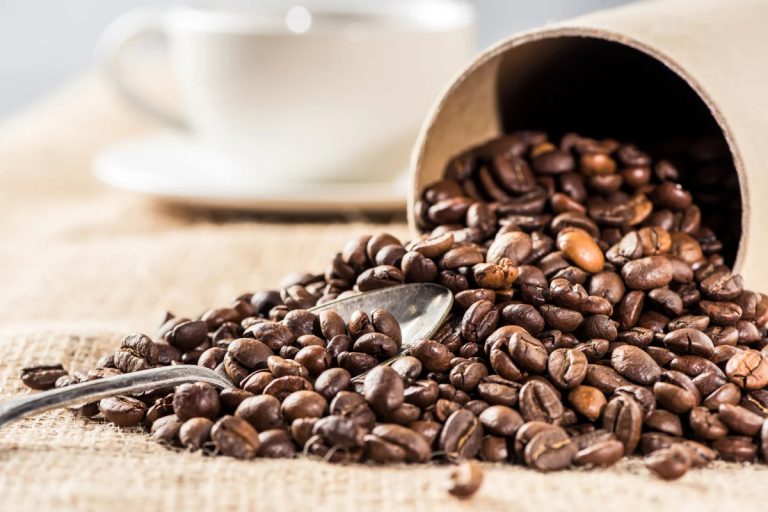
Home brewers often have a stash of regular coffee beans, usually roasted for drip or pour-over methods. The question arises about whether those beans can deliver a satisfying espresso experience. This curiosity often comes from wanting to save money or avoid running to specialty stores for a specific espresso roast.
Exploring Can You Use Regular Coffee Beans for Espresso? helps clarify what works and what compromises might be made. It also highlights how grind, extraction time, and machine pressure interact with different bean types to produce the ideal cup.
Knowing the differences allows you to make an informed decision on which beans to use, whether sticking to traditional espresso roasts or experimenting with what you have on hand. Proper preparation and understanding can make all the difference in flavor and strength.
Difference Between Espresso Beans and Regular Coffee Beans
Not all coffee beans are created equally, and the distinction between espresso beans and regular coffee beans is significant. While they come from the same coffee species, the roasting process, flavor profile, grind size, and intended brewing method set them apart. Understanding these differences can help you choose the right beans for your coffee experience and improve your daily cup.
Roast Level and Flavor Profile
Espresso beans are usually roasted darker than regular coffee beans, which gives them a strong, bold flavor that can stand up to high-pressure extraction. The dark roast develops rich, chocolatey, and caramelized notes while minimizing acidic or fruity flavors. This helps create a smooth, concentrated shot with a full-bodied taste.
Regular coffee beans, on the other hand, often range from light to medium roast. Lighter roasts preserve the bean’s natural acidity, floral or fruity notes, and complex flavor characteristics. Medium roasts strike a balance between brightness and body, making them ideal for drip, pour-over, or French press brewing. Using regular beans for espresso may produce a thinner, more acidic shot, lacking the deep crema and richness that espresso drinkers expect.
Roast choice directly influences taste, aroma, and the overall sensory experience. Espresso beans are designed to withstand high extraction pressure, while regular beans emphasize subtler flavors suitable for longer brewing methods. Recognizing this difference helps avoid disappointing results when attempting espresso with beans not intended for it.
The intensity of espresso beans also makes them versatile for milk-based drinks like lattes or cappuccinos, as their boldness cuts through the milk without losing character. Regular beans, by contrast, can become muted when mixed with milk, affecting the balance and overall flavor of the drink.
Grind Size and Brewing Technique
One of the most critical differences between espresso beans and regular coffee beans lies in grind size. Espresso requires a fine grind to allow proper extraction within a short period under high pressure. This fine grind ensures that the water passes through the coffee evenly, producing a concentrated, balanced shot with a rich crema.
Regular coffee beans are often ground coarser for drip coffee, French press, or pour-over methods. A coarser grind slows extraction, which is suitable for brewing methods where water is in contact with coffee for longer periods. Attempting to use a coarse grind for espresso results in under-extraction, creating weak and sour shots. Conversely, grinding regular beans too fine without proper roast consideration can cause over-extraction, bitterness, and clogged espresso machines.
Grind consistency is equally important. Espresso machines rely on uniform particles to maintain pressure and extraction time. Irregular grind from regular beans not intended for espresso can lead to channeling, uneven flow, and compromised flavor. Understanding how grind size and roast level work together is essential to achieving the best espresso experience.
Adjusting grind size alone may not fully compensate for differences in roast profile. Even a perfectly fine grind of a light-roasted regular coffee bean may fail to produce the characteristic espresso body and crema, highlighting the importance of using beans specifically intended for espresso.
Caffeine Content and Strength
While many assume that espresso beans have more caffeine than regular coffee beans, the reality depends on both bean type and serving size. Espresso beans are often darker roasted, which slightly reduces caffeine content per gram, but the concentrated brewing method delivers a strong, robust flavor in a small shot.
Regular coffee beans, especially light or medium roasts, retain slightly higher caffeine content per gram due to minimal roasting degradation. However, brewing methods like drip coffee typically use more water and larger serving sizes, resulting in a higher total caffeine intake per cup compared to a single espresso shot.
The perception of strength also differs. Espresso’s bold flavor comes from the concentrated extraction and fine grind, making it taste more intense despite the smaller volume. Regular coffee may feel milder but can deliver similar or higher caffeine over a larger cup. Understanding this distinction prevents misconceptions about “strong” coffee and allows proper portioning depending on taste and caffeine needs.
Caffeine content also interacts with other flavor components. Espresso beans’ darker roast reduces acidity, creating a smooth, full-bodied experience. Regular coffee’s lighter roast can feel brighter and more acidic, affecting both taste and perceived strength. Choosing beans according to brewing method ensures the expected flavor and caffeine balance.
Intended Brewing Methods and Machine Compatibility
Espresso beans are specifically roasted and prepared to perform under the high-pressure environment of an espresso machine. Their flavor, body, and grind consistency are optimized for rapid extraction, producing the classic crema and concentrated shot associated with espresso. These beans also work well in other high-pressure brewing methods like stovetop Moka pots or Aeropress with espresso-style techniques.
Regular coffee beans are intended for longer brewing methods where water is in contact with grounds for several minutes. Drip coffee makers, pour-over setups, and French presses are designed to extract flavor gradually, emphasizing acidity and delicate notes. Using regular beans in an espresso machine can lead to underwhelming results, as the flavor profile and roast level are not tailored to withstand high-pressure extraction.
Machine compatibility is another factor. Espresso machines rely on precise pressure and temperature to extract oils and flavors. Dark espresso beans release their oils during short, high-pressure extraction, while regular beans may not release enough flavor in that time, resulting in a weak or uneven shot.
The difference in intended brewing methods also affects flexibility. Espresso beans can often be used in drip coffee or milk-based drinks, though the intensity may be overwhelming for some. Regular coffee beans, however, rarely succeed as espresso without careful experimentation, highlighting the importance of selecting beans with their intended brewing method in mind.
Storage and Freshness Considerations
Both espresso and regular coffee beans benefit from proper storage, but darker espresso beans may release oils more quickly due to their roast level. These oils contribute to crema and flavor but can also attract oxygen and degrade if stored improperly. Using freshly roasted espresso beans ensures optimal extraction and taste.
Regular coffee beans, particularly lighter roasts, preserve subtle flavors and acidity, making freshness crucial to retain their complexity. Improper storage can dull the natural notes and produce flat or stale flavors, especially when brewed in longer methods like pour-over or French press.
Packaging also varies. Espresso beans are often sealed to maintain oil integrity and flavor concentration, while regular beans focus on preserving aroma and acidity over longer periods. Recognizing how each type reacts to air, light, and humidity helps maintain quality for both brewing methods.
Proper storage ensures that the differences in roast, flavor, and brewing performance remain intact, whether you are preparing an intense espresso shot or a delicate pour-over cup. Understanding these nuances allows coffee lovers to maximize the potential of their beans.
Grinding Regular Coffee Beans for Espresso
Using regular coffee beans for espresso is possible, but proper grinding is crucial to achieving a satisfying shot. Espresso relies on fine, uniform grounds to extract flavor quickly under high pressure. Understanding how to grind regular beans, adjusting for roast and texture, and avoiding common mistakes ensures that your espresso maintains body, aroma, and richness even when using beans not specifically roasted for espresso.
Choosing the Right Grind Size
Espresso requires a very fine grind, similar to table salt or slightly finer. Regular coffee beans, often roasted lighter for drip or pour-over, need careful grinding to reach this level. A fine grind increases surface area, allowing water to extract oils and flavors efficiently within the short extraction time of espresso machines.
Using a coarse grind from regular beans leads to under-extraction, producing watery, sour shots lacking body or crema. Overly fine grounds, on the other hand, can over-extract, creating bitter, harsh flavors and potentially clogging the espresso machine. Achieving the ideal grind requires experimentation, starting slightly coarser and adjusting until the flow rate and taste balance are correct.
Consistency is critical. Burr grinders are preferred over blade grinders because they produce uniform particle sizes. Uneven grounds cause channeling, where water flows too quickly through some areas and too slowly through others, leading to uneven extraction and compromised flavor.
Adjusting for Bean Roast and Freshness
The roast of your regular coffee beans significantly affects grind settings. Lighter roasts are denser and harder, often requiring a slightly finer grind to achieve full extraction. Darker roasts are softer and more brittle, meaning a slightly coarser grind may suffice. Understanding how your beans react to pressure and heat is key to balancing flavor.
Freshness also impacts grind behavior. Beans roasted recently tend to retain oils and moisture, which can make grinding slightly more resistant but improves flavor. Older beans may be drier and more brittle, resulting in a faster grind but potentially less aroma. Adjusting grind size and tamping pressure based on roast and freshness helps maintain consistency across multiple espresso shots.
Trial and error is often necessary, especially when using beans not intended for espresso. Keeping notes of grind settings, extraction time, and taste allows you to refine the process and achieve a smoother, balanced shot even with regular beans.
Grinding Techniques and Tips
Grinding technique affects not just particle size but also consistency and flavor. Burr grinders are recommended because they allow precise adjustment of grind size and produce uniform particles, which is critical for espresso. Blade grinders often create uneven grounds, which can lead to channeling and inconsistent extraction.
Measure your beans before grinding to maintain the correct coffee-to-water ratio for espresso. A general guideline is about 18–20 grams of coffee per double shot, adjusted based on taste preference and bean type. Tamping evenly after grinding ensures water flows uniformly through the grounds, maximizing flavor extraction.
Pay attention to grind adjustments during brewing. If shots pour too quickly, make the grind finer; if they pour too slowly or taste overly bitter, make the grind coarser. Patience and gradual adjustments prevent overcompensation and allow you to dial in flavor while using beans not specifically roasted for espresso.
Common Mistakes to Avoid
One common mistake is assuming that regular coffee beans can be ground the same way as espresso beans without adjustment. Lighter roasts need careful attention to grind size and tamping, as they extract differently from darker espresso roasts. Ignoring this can lead to sour or under-extracted shots.
Another error is inconsistent grinding. Uneven particles cause uneven extraction, resulting in bitter or weak flavors and poor crema formation. Always use a consistent, high-quality burr grinder and check for uniformity in particle size.
Over-grinding or under-grinding is also a frequent issue. Adjust gradually and test each shot. Watching the espresso flow rate and observing the crema can guide small tweaks in grind size. Taking notes helps maintain consistency and avoids repeated mistakes.
Enhancing Flavor Despite Bean Limitations
Even with regular coffee beans, proper grinding can bring out a balanced espresso flavor. Fine-tuning grind size, adjusting tamping pressure, and monitoring extraction time are essential steps. Using freshly ground beans right before brewing ensures maximum aroma and body, compensating for beans not specifically designed for espresso.
Experimentation is key. Slight adjustments in grind, dose, and tamp can dramatically improve flavor. While regular beans may not perfectly replicate espresso roasts, careful grinding and attention to technique allow you to achieve a rich, enjoyable shot with a full-bodied taste.
Adjusting Espresso Machine Settings
Mastering espresso involves more than just using the right beans and grind; your machine settings play a pivotal role in achieving the perfect shot. Small adjustments to pressure, temperature, and extraction time can significantly impact flavor, crema, and overall balance. Understanding how to calibrate your espresso machine helps ensure consistent results, whether you use traditional espresso beans or regular coffee beans.
Temperature Control and Its Impact
Water temperature is one of the most crucial variables when brewing espresso. Ideal espresso extraction typically occurs between 195°F and 205°F (90°C–96°C). Temperatures below this range can lead to under-extraction, producing sour, weak shots with thin crema. Conversely, higher temperatures can over-extract the coffee, creating bitter, harsh flavors and overpowering the drink.
Many modern espresso machines allow precise temperature adjustment, letting you fine-tune brewing based on bean roast and freshness. Lighter roasted beans may benefit from slightly higher temperatures to extract full flavor, while darker roasts generally require lower temperatures to avoid excessive bitterness.
Monitoring temperature also ensures consistency across multiple shots. Variations in water heat between extractions can change flavor, even with identical grind size and coffee dose. Using a thermometer or machines with built-in temperature stability helps maintain reliable brewing conditions.
Temperature interacts with other variables such as grind size and extraction time. Slight tweaks to temperature combined with minor grind adjustments can dramatically improve flavor and balance. This interplay is essential when using non-traditional espresso beans, as their roast and density differ from standard espresso beans.
Pressure Settings and Extraction Time
Espresso machines rely on high pressure, typically around 9 bars, to force water through finely ground coffee. Adjusting pressure settings affects extraction speed, flavor, and crema formation. Too low pressure produces weak, under-extracted shots, while too high pressure can over-extract, leading to bitterness and harsh notes.
Extraction time is closely linked to pressure. Standard espresso shots take about 25–30 seconds for a double shot. Shorter extractions yield sour, underdeveloped flavors, while longer extractions risk over-extraction and excessive bitterness. Balancing pressure with grind size ensures consistent shot times and optimal flavor.
Some machines allow micro-adjustments to pressure profiles, which can help compensate for different bean types or grinds. For instance, regular coffee beans, which are less oily and dense than espresso-specific beans, may require slight tweaks to pressure to achieve proper extraction.
Monitoring flow rate and crema appearance during extraction provides visual cues for adjustments. A smooth, even flow and golden-brown crema indicate proper pressure and timing. Irregular flow or pale crema signals the need for pressure or grind modifications.
Tamping Pressure and Consistency
Tamping—the act of pressing coffee grounds into the portafilter—affects how water flows through the coffee bed. Consistent tamping pressure ensures even extraction and prevents channeling, where water finds paths of least resistance, leading to uneven flavor.
The standard tamping pressure is around 30 pounds, but variations can be made depending on bean type and grind. Lighter roasts may benefit from slightly firmer tamping to slow extraction, while darker roasts might need gentler pressure to avoid over-extraction.
Consistency is crucial. Using a calibrated tamper or practicing steady technique helps maintain uniform pressure across shots. Irregular tamping can produce inconsistent flavor and uneven crema, undermining all other adjustments made on grind, temperature, and pressure.
Tamping interacts with grind size, machine pressure, and dose. Small changes in any of these variables require adjustments in tamping to maintain balanced extraction. Observing shot flow and taste is the best guide to perfecting tamping technique for your specific beans.
Adjusting for Bean Type and Roast
Different beans respond differently to machine settings. Espresso-specific beans are designed for high-pressure extraction and may tolerate standard settings, while regular coffee beans require subtle adjustments in temperature, pressure, and extraction time to achieve comparable results.
Light or medium roasted beans generally need slightly higher temperatures or finer grind adjustments to bring out full flavor. Dark roasts, which are softer and more oily, can over-extract quickly, necessitating lower temperatures, gentler tamping, or slightly coarser grind.
Tracking changes and tasting each shot is key. Adjusting one variable at a time helps identify what impacts flavor most. Over time, you develop an understanding of how specific beans behave under different machine settings, making it easier to dial in consistent results.
Using these adjustments strategically allows even regular coffee beans to produce a rich, balanced espresso-like shot. Understanding the interaction between machine settings and bean characteristics is essential for achieving quality coffee consistently at home or in a café environment.
Flavor Expectations When Using Regular Beans
Using regular coffee beans for espresso can produce a very different flavor profile compared to traditional espresso beans. While the brewing process remains the same, the type of bean and its roast level significantly affect taste, aroma, and body. Understanding what to expect when using regular beans helps set realistic expectations and allows for adjustments to maximize flavor and enjoyment.
Differences in Body and Intensity
Espresso is known for its full-bodied, concentrated flavor and rich crema. Regular coffee beans, especially lighter or medium roasts, often lack the intensity and oil content necessary to produce the same depth. As a result, shots brewed with regular beans tend to be milder and less syrupy, with a thinner mouthfeel.
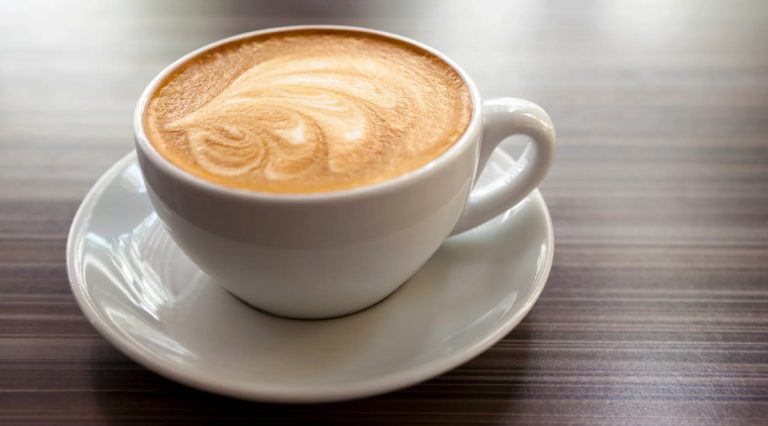
The crema may also be lighter or less stable because regular beans do not release oils as readily as darker espresso roasts. This does not mean the espresso is weak; rather, it has a different texture and visual appearance. Some people enjoy this lighter, more approachable flavor, while others may find it less satisfying compared to traditional espresso.
Adjusting grind size, dose, and extraction time can improve body and intensity, but it is important to accept that regular beans will not replicate the exact characteristics of espresso-specific beans. Setting expectations ahead of time ensures a more enjoyable brewing experience.
Flavor intensity also depends on bean origin and roast level. Medium roasts may deliver more balanced, sweet notes, while lighter roasts emphasize acidity and floral undertones. Understanding these differences helps in predicting flavor outcomes and tailoring your espresso to your taste preferences.
Acidity and Bitterness Balance
Regular coffee beans typically have higher acidity than espresso roasts. When brewed as espresso, this acidity becomes more pronounced due to the rapid extraction under pressure. You can expect a brighter, tangier flavor profile, which contrasts with the smoother, less acidic taste of traditional espresso.
Bitterness is generally reduced with regular beans, especially lighter roasts. While espresso beans develop some bitterness through darker roasting and caramelization, regular beans maintain more subtle, nuanced flavors. The resulting shot may taste cleaner but less robust, highlighting delicate notes such as fruit, floral, or chocolate undertones.
Balancing acidity and bitterness may require minor adjustments in grind size, tamping pressure, or extraction time. Slightly coarser grinds or shorter extraction times can reduce over-extraction, preventing sharp, sour flavors. Gradual experimentation is key to achieving a harmonious shot.
Using milk-based drinks like lattes or cappuccinos can help balance acidity and enhance body when using regular beans. The milk adds creaminess and sweetness, compensating for the naturally lighter espresso flavor.
Aroma and Complexity
Aroma is another noticeable difference when using regular coffee beans for espresso. Dark espresso roasts produce strong, intense scents of chocolate, caramel, and toasted notes, while regular beans often release lighter, more delicate aromas during extraction. These may include floral, fruity, or nutty undertones depending on origin and roast.
While the shot may not smell as rich or bold as traditional espresso, it can offer a more nuanced sensory experience. Some coffee enthusiasts enjoy discovering the subtle layers of flavor that regular beans reveal under high-pressure extraction. However, others expecting the classic espresso aroma may find it lacking in intensity.
Complexity also differs. Espresso beans are designed to withstand fast extraction while maintaining a full, balanced profile. Regular beans may have more noticeable acidity and less syrupy mouthfeel, resulting in a flavor that develops differently on the palate. Adjusting dose, grind, and extraction can enhance perceived complexity, even with non-espresso beans.
Aromatics can also be enhanced by freshly grinding beans just before brewing. This helps release volatile compounds and improves overall flavor perception. Using freshly roasted regular beans ensures you extract the most nuanced flavors possible despite the differences from traditional espresso beans.
Sweetness and Aftertaste
Regular coffee beans can produce a naturally sweeter espresso, particularly with medium or light roasts. Notes of caramel, honey, or fruit may become more prominent, offering a pleasant contrast to the robust bitterness of darker espresso roasts. This sweetness can make shots feel lighter and more approachable for those sensitive to intense espresso flavors.
The aftertaste may also differ. Traditional espresso often leaves a lingering, full-bodied finish, while shots brewed with regular beans may fade more quickly on the palate. This shorter finish is not necessarily negative—it provides a clean, refreshing experience and can make multiple cups easier to enjoy.
Adding milk, cream, or syrups can further enhance sweetness and balance acidity, making regular beans versatile for various espresso-based drinks. Adjusting extraction and dosage ensures the final shot highlights the most desirable flavor notes while minimizing sharp or sour undertones.
Understanding what to expect from regular beans empowers coffee lovers to enjoy espresso in a new way. While the flavor profile differs from traditional espresso beans, careful brewing and attention to extraction can produce a satisfying, nuanced shot with its own unique characteristics.
Best Regular Bean Varieties for Espresso
Even though espresso beans are specifically roasted for concentrated extraction, certain regular coffee bean varieties can still deliver enjoyable espresso shots. Choosing the right bean type, origin, and roast helps maximize flavor, aroma, and body when brewing with regular beans. Understanding which varieties perform best under espresso conditions allows home brewers to experiment successfully without relying solely on espresso-specific beans.
Arabica Beans for Balanced Flavor
Arabica beans are widely regarded as the best choice for espresso when using regular coffee beans. They are known for their smooth, nuanced flavor profile and natural sweetness, which translates well under high-pressure extraction. Arabica’s mild acidity and complexity allow for a rich, balanced shot, even when the beans are lighter roasted.
These beans often feature flavor notes such as chocolate, caramel, nuts, or subtle fruitiness, which can develop fully in espresso when ground finely and brewed properly. Medium-roasted Arabica beans provide the most reliable results, as they balance acidity and body, producing a more rounded cup with good mouthfeel.
Single-origin Arabica beans allow enthusiasts to explore distinct flavor profiles, but blends can offer consistency and a more classic espresso taste. When choosing Arabica beans for espresso, selecting fresh, high-quality beans and grinding them just before brewing helps maintain aroma and flavor.
Roast level also matters. Light Arabica beans require careful attention to grind size and extraction time to prevent under-extraction and sourness, while medium roasts are more forgiving and produce a fuller, sweeter shot suitable for both straight espresso and milk-based drinks.
Robusta Beans for Strength and Crema
Robusta beans, although less nuanced than Arabica, offer benefits when used for espresso. They contain higher caffeine content and more natural oils, which contribute to thicker crema and a stronger, bolder flavor. These characteristics make Robusta a popular choice for espresso blends or when a more robust shot is desired.
Robusta’s inherent bitterness and earthy notes can complement milk-based drinks like cappuccinos or lattes, balancing sweetness and creaminess. Using a blend of Arabica and Robusta allows home brewers to achieve a flavorful, full-bodied espresso with both aroma and intensity.
Careful roasting of Robusta beans is important. Darker roasting reduces excessive bitterness, while maintaining oils that enhance crema. When used alone, Robusta requires precise grind size and tamping to prevent over-extraction, as its flavor can become harsh if brewed too long.
Combining Arabica and Robusta beans also improves consistency across shots. The blend offers a smooth flavor with layered complexity, a rich body, and a visually appealing crema, making it one of the most versatile choices for espresso using regular beans.
Specialty Beans and Blends
Beyond standard Arabica and Robusta, certain specialty coffee beans can produce interesting and unique espresso flavors. Beans from Ethiopia, Colombia, Brazil, or Central America often have distinct fruit, nut, or chocolate notes that shine when ground finely for espresso.
Experimenting with single-origin or custom blends allows brewers to explore a variety of flavor profiles. For example, Ethiopian beans may produce floral and citrusy espresso shots, while Brazilian beans offer chocolatey, nutty flavors. Blending these with a small percentage of Robusta can enhance crema and body, creating a balanced and enjoyable experience.
Freshness is key with specialty beans. Light or medium roasts retain acidity and aromatic compounds that provide brightness in espresso, while darker roasts produce bolder, richer flavors. Grinding immediately before brewing maximizes aroma and ensures the best extraction.
Understanding how different regular bean varieties respond to espresso extraction helps home baristas craft shots with depth and complexity. Choosing beans that complement your taste preferences and brewing equipment allows regular coffee beans to shine in ways similar to espresso-specific roasts.
Practical Tips for Selection
When selecting regular beans for espresso, focus on freshness, roast level, and flavor profile. Freshly roasted beans, ground immediately before brewing, produce better crema and aroma. Medium roasts often provide the most balanced results, while lighter or darker roasts may require adjustments to grind and extraction.
Blending Arabica and Robusta beans can improve body and crema while maintaining smooth flavor. Single-origin beans allow experimentation with unique flavor profiles, making espresso preparation more versatile. Recording your preferences for roast, origin, and grind settings ensures repeatable results and enjoyable daily brewing.
Proper bean selection, combined with attention to grind size, tamping, and extraction, allows regular coffee beans to produce satisfying espresso shots. With careful choice and preparation, these beans can mimic many of the qualities of traditional espresso roasts while offering unique flavors to explore.
FAQs
Can You Use Regular Coffee Beans For Espresso?
Yes, you can use regular coffee beans for espresso, but the results will differ from traditional espresso beans. Regular beans are often lighter roasted and have lower oil content, which affects body, crema, and flavor intensity.
To make espresso with regular beans, you need to adjust grind size, tamping pressure, and extraction time. A finer grind and careful brewing can help bring out the richness, while understanding the beans’ roast and flavor profile ensures a more balanced shot.
Will Regular Coffee Beans Affect Espresso Flavor?
Using regular coffee beans will definitely impact the flavor of your espresso. Unlike espresso beans, which are roasted dark for bold, full-bodied shots, regular beans produce lighter, brighter, or more acidic flavors.
This means your espresso may taste less intense, with a thinner body and lighter crema. Adjusting brewing techniques, such as grind size, dose, and extraction time, can help you enhance flavor and make a satisfying espresso even with regular beans.
How Should I Grind Regular Coffee Beans For Espresso?
You need a very fine, consistent grind for espresso, even when using regular coffee beans. A burr grinder is ideal to produce uniform particles, preventing channeling and under-extraction.
Lighter or medium roast beans may require slightly finer grinding to achieve balanced extraction. Adjust gradually while monitoring flow rate and taste. Proper grinding ensures your espresso extracts flavor evenly and develops some crema, even with beans not specifically roasted for espresso.
Can I Get Crema With Regular Coffee Beans?
Yes, you can get crema, but it may be lighter or less stable than with traditional espresso beans. Regular coffee beans, especially lighter roasts, contain fewer oils and solubles that contribute to the thick, golden crema.
You can improve crema by using fresh beans, fine grind, correct tamping, and precise extraction timing. Blending a small percentage of Robusta beans can also enhance crema and body, giving a more traditional espresso appearance.
Are Some Regular Beans Better For Espresso Than Others?
Yes, certain regular beans perform better for espresso. Arabica beans with medium roasts are ideal for balanced flavor, while blends with a small portion of Robusta can increase body and crema.
Specialty beans from Colombia, Brazil, or Ethiopia can produce unique flavor profiles when finely ground for espresso. Choosing beans with suitable roast and density ensures better extraction, richer aroma, and smoother taste in your espresso.
Will Espresso Made From Regular Beans Be Stronger Or Weaker?
Espresso from regular beans may taste less intense than traditional espresso due to lighter roast and lower oil content. The shot will usually have a thinner body, lighter crema, and more acidity.
However, strength depends on grind, dose, and extraction. Adjusting these variables can create a more robust, concentrated shot. Using milk-based drinks like lattes or cappuccinos can also help enhance perceived strength and flavor when using regular beans.
How Can I Improve Espresso Made From Regular Coffee Beans?
To improve espresso with regular coffee beans, focus on grind size, extraction time, and tamping consistency. Freshly ground beans immediately before brewing enhance aroma and flavor.
You can also experiment with slightly darker roasts or blending in a small percentage of Robusta to increase body and crema. Monitoring shot flow and taste allows you to tweak your technique gradually, producing a balanced, enjoyable espresso even with non-traditional beans.
Conclusion
Brewing a rich, flavorful espresso shot at home doesn’t always require specialized beans. With careful attention to grind size, tamping, and machine settings, regular coffee beans can still produce a satisfying cup. You may notice subtle differences in crema and intensity, but with practice, you can achieve a taste that comes surprisingly close to traditional espresso.
Understanding how your espresso machine interacts with regular coffee beans is key. Adjusting shot time, grind fineness, and water temperature helps bring out the best flavors. Medium to dark roast beans often work better, and experimenting with dosage can help you find the perfect balance for your palate. This approach ensures that you enjoy espresso without being limited to specialty beans.
For those wondering, Can You Use Regular Coffee Beans for Espresso? the answer is yes, with mindful preparation and adjustments. While it may require a bit of trial and error, the process opens up flexibility and creativity, allowing you to enjoy espresso tailored to your taste using beans you already love.