What Is Doppio Coffee: Double Espresso for Bold Flavor
Doppio coffee is a staple for espresso lovers who enjoy a richer, more intense coffee experience. Unlike a standard single espresso shot, this double-shot preparation delivers twice the amount of coffee, resulting in a bolder flavor, fuller body, and a more pronounced aroma. Understanding how doppio coffee is made helps you appreciate the nuances of espresso and the craftsmanship involved in its preparation.
[what is doppio coffee] is a common question among coffee enthusiasts and beginners alike. A doppio is essentially two shots of espresso pulled using the same amount of water but double the coffee grounds, creating a stronger, more concentrated beverage. Its strength and richness make it a preferred choice for those who enjoy a more robust coffee flavor.
The preparation of doppio coffee requires precise measurement, proper grind size, and controlled extraction to achieve a smooth and balanced taste. Baristas and home coffee enthusiasts alike rely on these elements to ensure consistency and quality in every cup.
Knowing what makes a doppio coffee distinct allows you to explore variations, pairings, and brewing techniques that enhance the overall espresso experience, whether enjoyed alone or used as a base for other espresso-based drinks.
Understanding Doppio Coffee
Doppio coffee is a classic espresso preparation that emphasizes strength, flavor, and aroma. As a double shot of espresso, it is a favorite among coffee enthusiasts who seek a more concentrated coffee experience. Understanding the characteristics, preparation, and versatility of doppio coffee allows you to appreciate its role in espresso culture and explore its potential in various beverages.
What Makes a Doppio Different from a Single Espresso
A doppio is essentially two espresso shots pulled simultaneously, using double the amount of finely ground coffee, usually around 14–18 grams, compared to 7–9 grams for a single shot. Despite the increased coffee volume, the extraction time remains similar, typically 25–30 seconds, producing about 2 ounces (60 milliliters) of espresso.
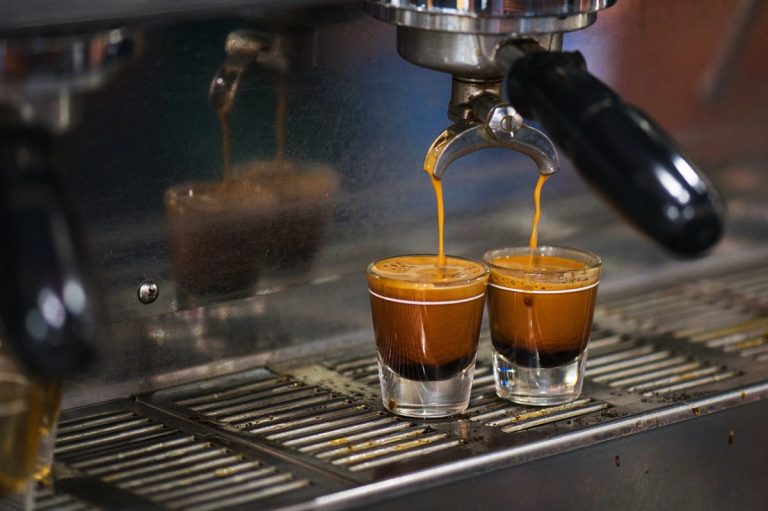
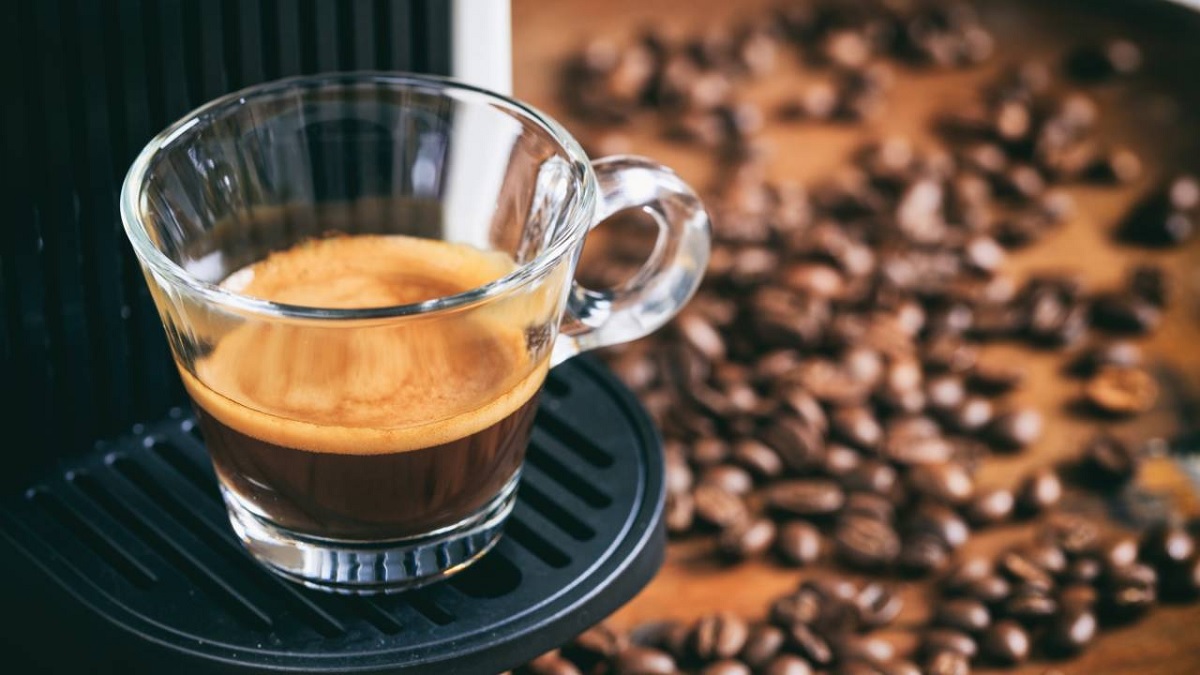
This method intensifies flavor, body, and aroma while maintaining balance. Unlike a single espresso, which can taste sharper or lighter, a doppio provides a richer, fuller profile that highlights chocolatey, nutty, or caramel notes inherent in high-quality beans. Crema—the golden layer of froth—also becomes thicker and more pronounced, contributing to both texture and visual appeal.
The doppio’s strength makes it versatile. It can be enjoyed straight, giving a bold caffeine boost, or used as a base for other espresso drinks such as cappuccinos, lattes, or macchiatos. Understanding this distinction ensures that coffee enthusiasts know how to maximize flavor and consistency.
Ideal Beans and Grind for a Doppio
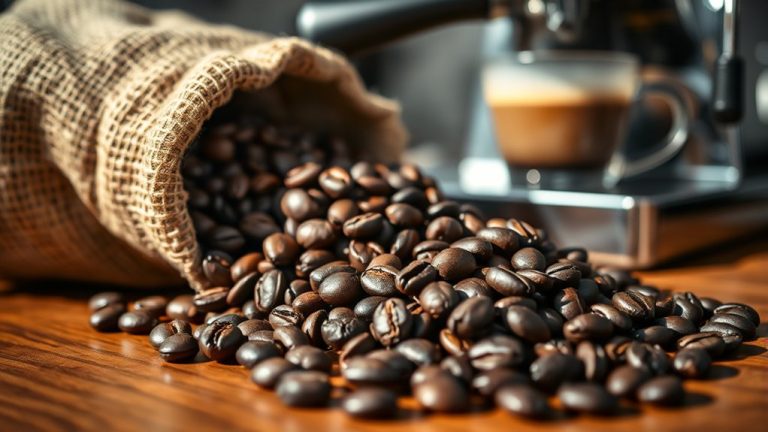
Selecting the right coffee beans is critical for a successful doppio. Medium to dark roast beans are preferred, as they bring out deeper, richer flavors that stand up to the concentrated extraction. Single-origin or specialty blends can also work, depending on whether you want bold intensity or nuanced complexity.
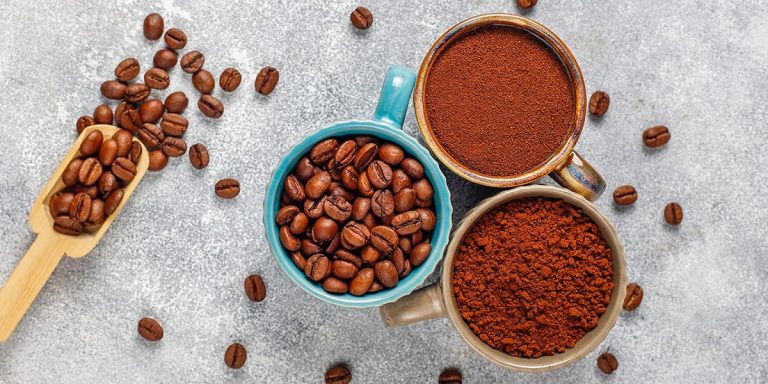
Grind size plays a vital role. For a doppio, the coffee should be ground finely enough to allow proper extraction but not so fine that it results in over-extraction and bitterness. A burr grinder ensures consistent particle size, which is essential for achieving balanced flavor, body, and crema.
Freshly ground beans also enhance quality. Pre-ground coffee may lose essential oils and aromatics, reducing flavor intensity. By selecting high-quality beans and adjusting grind precisely, you can consistently produce a doppio that is strong, smooth, and aromatic.
Brewing Techniques for the Perfect Doppio
Preparation technique is critical for doppio coffee. The espresso machine should be calibrated for pressure (around 9 bars) and water temperature (195–205°F or 90–96°C). Proper tamping of the coffee grounds ensures even extraction, avoiding channeling, which can lead to uneven flavor.
Extraction time and consistency are key. A correctly brewed doppio delivers a full-bodied espresso with rich crema, balanced acidity, and smooth aftertaste. Monitoring each step ensures that both shots are uniform and maintain the integrity of flavor.
Experienced baristas often adjust pressure, grind, and timing slightly based on bean type or desired flavor profile. Experimentation allows fine-tuning, making it possible to create a doppio that matches personal taste while preserving the essence of a concentrated espresso experience.
Doppio as a Base for Espresso Drinks
Beyond being enjoyed straight, a doppio is often the foundation for other espresso-based beverages. Cappuccinos, lattes, and macchiatos rely on the strength and body of a double shot to maintain balance with milk and froth.
The richer flavor of a doppio ensures that larger drinks do not taste weak or watery. In lattes, the doppio flavor is softened by steamed milk but remains distinct. In cappuccinos, the doppio provides intensity that complements the creamy froth. Understanding this versatility allows baristas and home brewers to create consistently flavorful drinks, regardless of size or milk type.
Using a doppio as a base also provides flexibility for flavor experimentation. Syrups, spices, or alternative milk types can be incorporated without overpowering the espresso, creating a customizable coffee experience while maintaining quality and balance.
Brewing Techniques for Doppio Coffee
Brewing a perfect doppio coffee requires precision, consistency, and understanding of espresso fundamentals. A doppio, or double shot, intensifies flavor, aroma, and body, making the brewing technique critical for achieving balance. Proper extraction ensures the espresso is rich, smooth, and aromatic, highlighting the coffee’s natural notes while producing a velvety crema. Mastering these techniques allows both home enthusiasts and baristas to create a consistently high-quality doppio coffee experience.
Preparing the Coffee Grounds
The foundation of any great doppio is the coffee grounds. Use fresh, high-quality beans, ideally medium to dark roast, to achieve rich flavor and aroma. Grinding should be done just before brewing to preserve essential oils and freshness. A burr grinder is preferred, as it produces uniform particles essential for even extraction.
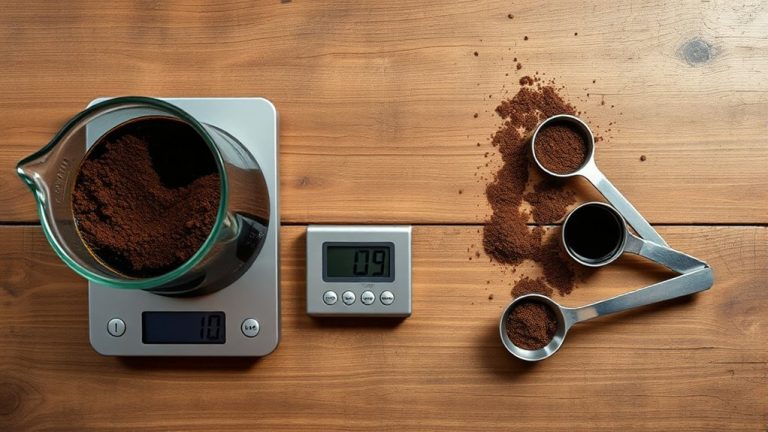
The grind size for a doppio should be fine, but not so fine that it clogs the espresso machine. Aim for a texture similar to granulated sugar. Measuring the correct coffee dose, typically 14–18 grams for a double shot, ensures consistency. Proper tamping of the grounds creates uniform resistance, allowing water to flow evenly through the coffee bed and avoiding under-extraction or over-extraction.
Fresh, evenly tamped grounds contribute to a smooth, full-bodied doppio. Neglecting grind quality, dose, or tamping can result in bitter, weak, or uneven espresso. Mastering the coffee preparation stage is essential for achieving the rich flavor profile characteristic of a doppio.
Machine Setup and Water Temperature
Proper espresso machine setup is critical for brewing a doppio. The machine should be calibrated for pressure, ideally around 9 bars, to extract coffee efficiently. Water temperature should be between 195–205°F (90–96°C), which optimizes solubility without burning the coffee.
Ensure the portafilter is clean and preheated, as residual coffee oils or cold metal can affect extraction. Pre-infusion, where a small amount of water saturates the grounds before full pressure, helps release aromas and reduces channeling. Consistency in machine settings ensures each doppio shot has uniform strength, crema, and flavor.
Attention to water quality is also important. Filtered water enhances taste and prevents mineral buildup in the machine, ensuring long-term performance. Proper maintenance and calibration guarantee that each doppio is brewed under optimal conditions, producing rich, balanced espresso.
Extraction Process and Timing
Extraction time is key to brewing the perfect doppio. The typical range is 25–30 seconds, depending on grind size, dose, and machine pressure. A correctly timed extraction yields around 2 ounces (60 milliliters) of espresso with a thick, golden crema.
Too short an extraction results in underdeveloped flavor, sourness, and weak body, while over-extraction produces bitterness and harshness. Consistency in tamping, grind size, and water pressure ensures even extraction. Monitoring flow rate and color helps guide timing and adjustments for quality control.
Practicing precise extraction allows baristas and home brewers to fine-tune their doppio. Small adjustments in grind, dose, or pressure can dramatically improve flavor balance, ensuring a smooth, aromatic, and well-rounded coffee experience.
Serving and Presentation
After brewing, serve the doppio immediately to preserve crema and flavor. The espresso should have a deep, rich color with a velvety layer of crema on top. Using pre-warmed cups helps maintain temperature and enhances the drinking experience.
A doppio can be enjoyed straight or used as the base for other espresso drinks like cappuccinos or lattes. Serving promptly ensures the aroma and flavor intensity remain at their peak. Proper presentation not only enhances taste but also provides a visually appealing coffee experience.
Serving and Enjoying Doppio Coffee
Doppio coffee, with its rich aroma and bold flavor, deserves careful attention when serving and enjoying. Proper presentation enhances the drinking experience, highlighting crema, texture, and temperature. Understanding the best practices for serving doppio ensures every sip delivers full-bodied flavor, while enjoying it correctly allows you to appreciate its intensity and complexity. Whether consumed straight or as the base for other espresso drinks, attention to serving details elevates the overall coffee experience.
Choosing the Right Cup
The cup you select plays a critical role in serving a doppio. Traditionally, a 2–3 ounce espresso cup or demitasse is ideal, as it accommodates the double shot while concentrating aroma and flavor. Pre-warming the cup helps maintain the espresso’s temperature and prevents rapid cooling, which can compromise crema and taste.
Ceramic or porcelain cups are preferred for their heat retention and neutral flavor. Metal or glass cups may affect temperature or alter perception of aroma. Using the right cup ensures that the doppio retains its full-bodied profile and provides a satisfying mouthfeel.
Presentation also matters aesthetically. A clean, appropriately sized cup allows the crema to form a smooth, golden layer on top, making the coffee visually appealing. This not only enhances enjoyment but also reflects proper brewing technique and attention to detail.
Savoring the Crema and Aroma
The crema, the golden froth on top of a doppio, is one of its defining features. It contains emulsified oils and aromatics that enrich flavor and texture. Observing the crema before drinking allows you to appreciate the quality of the espresso and anticipate its taste.
Before sipping, take a moment to inhale the aroma. A rich, well-balanced doppio releases notes of chocolate, caramel, nuts, or fruity undertones depending on the beans. Engaging your senses with aroma and visual cues enhances the overall enjoyment.
Drinking slowly allows the flavor to unfold on your palate. The crema interacts with the liquid espresso, providing a smooth, velvety texture and balanced bitterness. Savoring each sip ensures a full appreciation of the coffee’s complexity and richness.
Pairing Doppio With Foods
A doppio pairs well with various foods that complement its bold flavor. Breakfast pastries, dark chocolate, and nut-based desserts enhance the coffee’s aromatic profile while softening its intensity. Light fruits or cheeses also work well for those who prefer a contrast in flavors.
Pairing is about balance. Sweet or creamy foods can balance the espresso’s natural bitterness, while savory items highlight its depth. Experimenting with different combinations allows you to discover flavors that enhance your drinking experience, making each doppio more enjoyable.
Serving with small accompaniments also adds to presentation. A clean saucer, a teaspoon, and a small biscuit or chocolate create a café-style experience at home, elevating both taste and enjoyment.
Incorporating Doppio Into Coffee Rituals
Enjoying a doppio can be more than just drinking espresso; it can become a mindful ritual. Taking time to prepare, serve, and savor each cup encourages appreciation of quality coffee. Many enthusiasts pair doppio consumption with quiet moments, reading, or conversation.
Using the doppio as a base for other drinks, like cappuccinos, lattes, or macchiatos, provides versatility while maintaining strong coffee flavor. Adjusting milk, froth, or syrup additions can create personalized beverages without losing the rich essence of a double shot.
FAQs
What Is Doppio Coffee?
Doppio coffee is a double shot of espresso that gives you a stronger and richer flavor than a standard single shot. When you order doppio coffee, you get twice the coffee grounds and a more intense aroma, making it perfect for those who love bold coffee
It is usually served in a small cup and delivers concentrated flavor and higher caffeine content. Doppio coffee is ideal if you want a powerful coffee experience without increasing the drink size
How Many Ounces Are in a Doppio Coffee?
A doppio coffee typically contains about 2 ounces of espresso, which is double the volume of a single shot. Each espresso shot is roughly 1 ounce, so a doppio coffee gives you a strong, concentrated coffee without being too large
The small serving allows you to enjoy a full-bodied coffee experience. If you like your coffee intense but manageable, a doppio is the perfect choice for you to start your day or enjoy an afternoon boost
What Coffee Beans Are Best for Doppio Coffee?
Medium to dark roasted coffee beans are usually best for doppio coffee because they provide rich flavors and a smooth crema. Freshly ground espresso beans enhance the aroma and intensity, making your doppio taste as close to café quality as possible
You should grind the beans finely to ensure proper extraction. Using high-quality beans ensures you get a balanced flavor that is bold yet smooth, delivering the perfect doppio coffee experience every time
How Do You Make Doppio Coffee at Home?
To make doppio coffee at home, use about 14–18 grams of finely ground coffee, which is double the amount of a single espresso shot. Tamp the coffee evenly and brew it using an espresso machine for around 25–30 seconds
If you don’t have a professional machine, a high-quality stovetop espresso maker can work too. The key is consistent pressure, correct grind size, and timing to get the full flavor and crema without bitterness
How Much Caffeine Is in a Doppio Coffee?
A doppio coffee usually contains about 120–150 mg of caffeine, roughly double that of a single espresso. This makes it a strong pick-me-up, ideal if you need extra energy in the morning or during a busy afternoon
Caffeine levels may vary depending on the coffee beans and extraction process. If you are sensitive to caffeine, it’s a good idea to enjoy your doppio coffee in moderation and avoid consuming it too late in the day
Can Doppio Coffee Be Used in Other Drinks?
Yes, doppio coffee is often the base for popular espresso drinks like lattes, cappuccinos, macchiatos, and mochas. Using a doppio instead of a single shot enhances the flavor and gives your drink a richer coffee profile
You can also customize your doppio coffee with milk, syrups, or spices to create unique beverages. Its concentrated flavor makes it versatile, letting you enjoy both straight espresso or more creative coffee drinks at home or in cafés
Conclusion
A doppio coffee is more than just a double shot of espresso—it represents a richer, fuller, and more aromatic coffee experience. Understanding the preparation, from selecting high-quality beans to precise grinding and extraction, allows coffee lovers to appreciate the depth and complexity that a doppio delivers. Its strong flavor, smooth body, and thick crema make it a favorite among espresso enthusiasts worldwide.
Knowing [what is doppio coffee] helps both beginners and experienced coffee drinkers differentiate it from a single espresso and other espresso-based drinks. The doppio’s intensity makes it ideal for enjoying straight or as the foundation for cappuccinos, lattes, and macchiatos. Its versatility allows you to experiment with milk, froth, and flavors while maintaining a robust coffee presence.
Mastering the art of brewing and serving a doppio enhances every cup’s taste and aroma. By learning [what is doppio coffee], you can consistently craft a high-quality, flavorful beverage that balances strength, texture, and aroma, making each coffee moment enjoyable and satisfying.