What Are Espresso Beans? Discover the Secrets Behind Your Favorite Brew
Understanding the world of coffee often starts with exploring the beans themselves. Different beans produce unique flavors, aromas, and textures, and knowing which type to choose can make a huge difference in your coffee experience. Among these varieties, espresso beans stand out for their bold taste and versatility, used in everything from classic espressos to lattes and cappuccinos. This naturally raises the question of [What Are Espresso Beans?] and how they differ from regular coffee beans.
Espresso beans are not a separate species but are typically roasted longer and darker than standard coffee beans, giving them a rich, robust flavor and slightly oily surface. This roasting process brings out a concentrated taste that can stand up to milk and sweeteners without losing its character.
Knowing [What Are Espresso Beans?] also involves understanding their role in espresso machines. These beans are ground finer than regular coffee beans to allow optimal extraction under high pressure, creating the signature crema and strong flavor.
For coffee lovers, grasping the nuances of espresso beans opens the door to experimenting with different roasts, origins, and blends. Recognizing the characteristics of espresso beans allows you to appreciate the depth of your favorite coffee drinks.
Understanding these basics ensures every cup brewed from espresso beans delivers consistent strength, flavor, and aroma. By exploring [What Are Espresso Beans?], you gain insight into how a small bean can transform into a rich, satisfying coffee experience.
Characteristics of Espresso Beans
Espresso beans are celebrated for their bold flavor, rich aroma, and versatility in a wide range of coffee beverages. Understanding their characteristics helps you choose the right beans for your espresso machine, grinder, or brewing method. These characteristics are influenced by bean origin, roast profile, grind size, and natural oils, all of which contribute to the signature espresso experience.
Roast Profile and Color
One of the most defining characteristics of espresso beans is their roast profile. Typically, espresso beans are roasted darker than regular coffee beans, ranging from medium-dark to dark roasts. This darker roast produces a rich, bold flavor that can hold up well against milk and sugar in drinks like lattes and cappuccinos. The roasting process also caramelizes the natural sugars in the beans, adding subtle chocolatey, nutty, or smoky notes depending on the origin and blend.
The color of espresso beans is another indicator of their roast level. Medium-dark beans appear brown with a slight sheen, while dark roasts develop an oily surface, which is often visible on freshly roasted beans. This oil is a natural byproduct of the roasting process and contributes to the crema formation during espresso extraction. A well-roasted espresso bean balances bitterness and acidity, ensuring a smooth, full-bodied flavor in every cup.
Roast level also impacts caffeine content, with darker roasts slightly lower in caffeine than lighter roasts. Understanding this characteristic helps coffee drinkers adjust their brewing to suit personal preference, whether they desire a strong, bold espresso or a milder, more nuanced flavor.
Aroma and Flavor Profile
Espresso beans are known for their intense aroma, which is a key part of the coffee-drinking experience. The combination of high-pressure extraction in espresso machines and the natural oils from the beans creates a fragrant cup that is both inviting and complex. Aroma can range from chocolatey, nutty, and caramel-like to fruity, floral, or smoky, depending on bean origin and roast.
Flavor profiles of espresso beans are rich and concentrated. They are designed to deliver a full-bodied experience with balanced bitterness, mild acidity, and lingering sweetness. The dark roast emphasizes bold notes, making them ideal for blending or drinking straight. Even subtle differences in origin, processing method, and roast level can produce unique flavor nuances, giving coffee lovers the opportunity to explore a variety of tastes with the same preparation method.
Professional baristas often describe espresso beans using tasting notes, highlighting flavors such as cocoa, caramel, dark fruit, or spices. These flavor characteristics are enhanced when paired with proper grind size, tamping pressure, and brewing technique, ensuring that every shot produces a complex, enjoyable cup.
Grind Size and Extraction
Another defining characteristic of espresso beans is how they respond to grinding and extraction. Espresso requires a fine grind to ensure optimal extraction under high pressure. Grinding too coarsely can result in weak, under-extracted shots, while grinding too finely may cause over-extraction, leading to bitterness. The consistency and size of the grind are critical for achieving the signature crema and balanced flavor profile.
The beans’ natural oils also contribute to extraction efficiency. These oils help carry flavors and aromas into the cup, producing a smooth and rich crema. Because espresso beans are roasted darker, the oils are more pronounced, creating a slightly shiny appearance that affects how water interacts with the grounds during brewing. Correct grind and tamping pressure allow the espresso machine to extract the perfect balance of sweetness, acidity, and bitterness in a concentrated shot.
Different espresso beans may require slight adjustments in grind size or extraction time to achieve the desired flavor. Paying attention to these characteristics ensures that each shot highlights the beans’ full potential. Experimenting with different roasts, origins, and blends helps refine your espresso skills and produces consistent, high-quality results.
Bean Origin and Blend
The origin of espresso beans significantly influences their characteristics. Single-origin beans offer unique flavors tied to their specific region, soil, and climate, while blends combine multiple origins to create a balanced, consistent taste. Common espresso blends often include beans from Latin America, Africa, and Asia, chosen for their complementary flavor profiles.
Blends are designed to balance acidity, body, and aroma, providing a predictable flavor regardless of the batch. Single-origin espresso beans may display more pronounced fruity, floral, or chocolate notes, allowing coffee enthusiasts to explore a wider range of tasting experiences. Roasters select beans carefully to highlight specific characteristics in espresso, ensuring the final cup is rich, complex, and satisfying.
The combination of origin, roast, and blending technique allows espresso beans to maintain a bold and versatile profile. Understanding these characteristics helps you select beans that suit your taste, brewing style, and the types of espresso drinks you enjoy, from straight shots to milk-based beverages.
How Espresso Beans Differ from Regular Coffee Beans
Espresso beans are often misunderstood as a separate type of coffee bean, but the real differences lie in roasting, grind size, and intended brewing method. Understanding how espresso beans differ from regular coffee beans can help you make better choices for your preferred coffee drinks. These differences impact flavor, aroma, body, and extraction, ultimately defining the espresso experience.
Roast Level and Flavor Intensity
One of the most noticeable differences between espresso beans and regular coffee beans is the roast level. Espresso beans are typically roasted darker, ranging from medium-dark to dark roast, while regular coffee beans can vary from light to medium-dark roasts. This darker roasting process brings out a richer, bolder flavor, reduces acidity, and enhances the body of the coffee.
The intense roast also produces a slight oiliness on the surface of espresso beans, which contributes to the crema when brewing under high pressure. Regular coffee beans, especially light roasts, retain more of their natural acidity and origin-specific flavors, resulting in brighter and more nuanced profiles. Espresso beans are crafted to maintain a consistent boldness, allowing the flavors to stand out even when mixed with milk or sugar in drinks like lattes or cappuccinos.
Because espresso beans are roasted longer, some subtle origin-specific notes may be subdued, but the trade-off is a balanced, concentrated flavor that performs well in high-pressure extraction. This difference in roast profile ensures that espresso delivers its characteristic intensity, while regular coffee beans allow for more subtle, delicate flavors.
Grind Size and Brewing Method
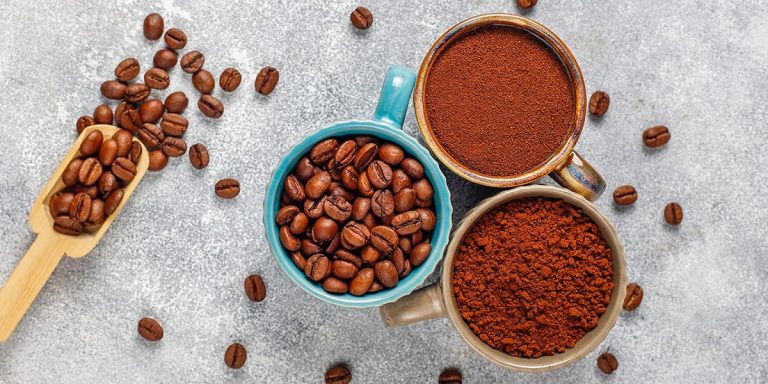
Another major distinction lies in grind size. Espresso requires a fine grind to ensure proper extraction under high-pressure brewing. Regular coffee beans, depending on the brewing method, may use coarser grinds suitable for drip coffee, French press, or pour-over methods. The grind size directly affects extraction rate, flavor balance, and crema formation.
Espresso machines force hot water through finely ground beans under pressure, extracting concentrated flavors quickly. Regular coffee methods rely on longer contact times, such as steeping in a French press or drip brewing, which requires coarser grounds to prevent over-extraction. Using espresso beans in a drip machine may result in a stronger, more bitter brew, while using regular coffee beans in an espresso machine can produce a weak, under-extracted shot.
Understanding these differences allows you to match the right bean and grind to your preferred brewing method. It ensures the full flavor potential of the beans is realized, whether you’re making a classic espresso shot or a cup of pour-over coffee.
Aroma, Body, and Crema
Espresso beans also differ from regular coffee beans in aroma and body. Darker roasted espresso beans release more oils during brewing, producing a stronger, more intense aroma compared to regular coffee. The concentration of these oils contributes to a fuller body, giving espresso a rich, velvety mouthfeel.
Crema, the golden foam layer atop espresso, is another unique feature resulting from the combination of fine grind, pressure, and natural oils in the beans. Regular coffee beans, even when dark roasted, typically do not produce crema when brewed using standard methods. Espresso beans are selected and roasted to maximize these characteristics, creating a visually appealing and flavorful shot.
The combination of aroma, body, and crema ensures that espresso provides a more concentrated and robust sensory experience compared to regular coffee. These factors also influence how espresso blends well with milk or flavorings in specialty drinks.
Consistency and Blending
Espresso beans are often blended to create a consistent flavor profile across batches, which is important for espresso-based beverages in cafes and homes. Regular coffee beans are more commonly single-origin, highlighting unique flavors from specific regions. While single-origin beans provide a variety of taste experiences, espresso blends are crafted for balance, intensity, and adaptability.
Consistency in espresso beans is crucial because espresso shots are highly concentrated; small variations in flavor are amplified. Blends ensure that every shot delivers a harmonious taste with the right balance of sweetness, acidity, and bitterness. Regular coffee beans, on the other hand, allow more experimentation with brewing methods, grind size, and extraction techniques.
Understanding how espresso beans differ from regular coffee beans helps you select the best beans for your preferred drinks. It ensures that whether you are brewing a shot of espresso or a cup of drip coffee, the flavor, body, and aroma meet your expectations.
Choosing the Right Espresso Beans
Selecting the right espresso beans is essential for crafting a flavorful, balanced, and satisfying cup. The right beans influence aroma, body, crema, and overall taste, whether you enjoy a classic espresso shot or milk-based drinks like lattes and cappuccinos. Factors like roast level, origin, freshness, and blend composition play a significant role in determining the final flavor.
Consider the Roast Level
Roast level is one of the most important factors when choosing espresso beans. Darker roasts produce bold, rich flavors with a heavier body and slightly reduced acidity, which makes them ideal for traditional espresso shots. Medium-dark roasts offer a balance of sweetness, mild acidity, and full body, making them versatile for both straight espresso and milk-based beverages.
Your choice of roast level affects not only flavor but also crema formation and extraction. Darker beans with natural oils help create a smooth, velvety crema, while medium-dark beans highlight more complex origin-specific notes. Tasting different roasts allows you to identify your preferred intensity and find beans that match your flavor profile. Regular experimentation with roast levels helps you refine your palate and determine which beans work best for your brewing method.
Single-Origin vs Blends
Espresso beans can be either single-origin or blends, and each has distinct characteristics. Single-origin beans come from one region or farm, showcasing unique flavors tied to soil, climate, and processing methods. These beans often have nuanced tasting notes like fruity, floral, or chocolatey undertones, which make them ideal for espresso enthusiasts looking to explore complex flavors.
Blends combine beans from multiple origins to create a balanced and consistent flavor. These beans are often preferred in cafes because they produce reliable shots with harmonious body, acidity, and sweetness. Blends are versatile, performing well in both straight espresso and milk-based drinks, and they provide a dependable profile for daily brewing. Choosing between single-origin and blended espresso beans depends on whether you value consistency or enjoy experimenting with unique, region-specific flavors.
Freshness and Storage
Freshness is a crucial factor when selecting espresso beans. Coffee begins to lose flavor shortly after roasting, so choosing beans roasted within the past few weeks ensures maximum aroma and taste. Whole beans retain their freshness longer than pre-ground coffee, so grinding just before brewing is recommended for optimal flavor.
Proper storage also plays a role in maintaining freshness. Keep espresso beans in an airtight container, away from light, heat, and moisture. Avoid storing beans in the fridge, as condensation can compromise quality. Paying attention to freshness ensures that every shot of espresso delivers a rich, balanced, and flavorful experience.
Personal Preference and Brewing Style
Finally, consider your personal preference and brewing style when selecting espresso beans. If you enjoy a strong, bold espresso, dark roasts and blends may be the best choice. If you prefer a sweeter or more nuanced flavor, medium-dark roasts or single-origin beans can provide a more complex profile.
Your brewing equipment also influences the choice of beans. Espresso machines require a fine grind and high-pressure extraction, so beans that can withstand this process without over-extracting are ideal. Understanding your taste preferences and matching them with the right beans ensures that each shot of espresso meets your expectations for flavor, aroma, and body.
Using Espresso Beans Effectively
Espresso beans can produce rich, flavorful coffee, but using them effectively requires attention to grind, dosage, and brewing technique. Proper use ensures consistent flavor, balanced extraction, and the perfect crema on every shot. Understanding how to handle espresso beans from storage to brewing can elevate your coffee experience and make every cup satisfying.
Grinding and Dosage
The grind size of espresso beans is critical to achieving the right extraction. Espresso requires a fine, uniform grind to allow high-pressure brewing to extract flavors evenly. Coarser grinds can result in weak, under-extracted coffee, while overly fine grinds may cause over-extraction and bitterness. Using a burr grinder is recommended for consistency, as blade grinders often produce uneven particle sizes.
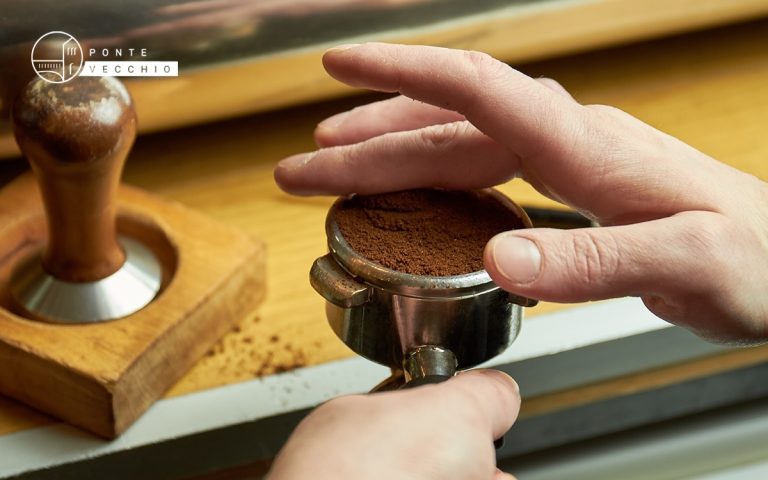
Dosage is equally important. Typically, a standard espresso shot uses 18 to 20 grams of coffee for a double shot, depending on the machine and personal preference. Measuring your dosage carefully ensures a balanced flavor and prevents waste. Adjusting grind size and dosage in small increments helps refine taste and achieve a rich, velvety espresso every time. Tracking these adjustments allows you to maintain consistency across multiple brews and beans.
Brewing Technique and Extraction
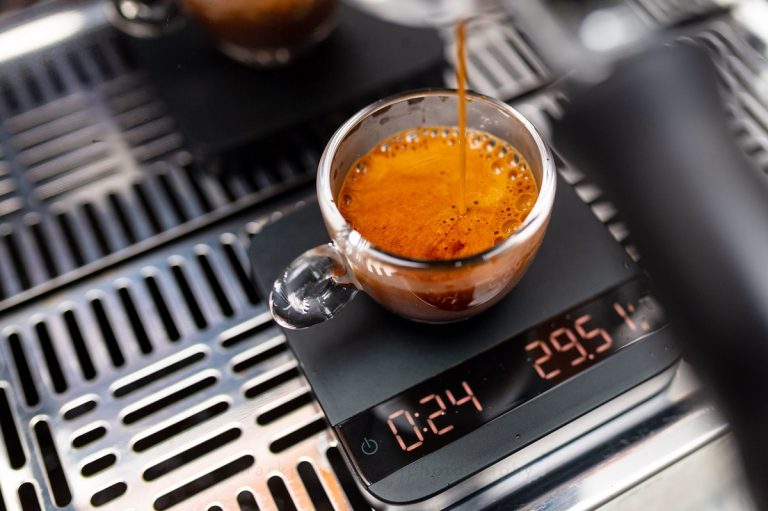
Brewing espresso requires precision and attention to detail. The water temperature, pressure, and extraction time all affect the flavor. Ideally, water should be between 195°F and 205°F, and extraction time should last about 25 to 30 seconds for a double shot. Applying even pressure when tamping the grounds ensures uniform extraction and prevents channeling, which can lead to bitter or weak coffee.
Monitoring the flow rate is also important. A slow, steady stream produces a balanced shot, while too fast or too slow extraction indicates adjustment is needed in grind size, tamping, or dosage. Using freshly ground espresso beans just before brewing enhances aroma, crema, and overall taste, giving you a consistent, high-quality shot every time.
Combining with Milk and Other Ingredients
Espresso beans are versatile and can be used in milk-based drinks like lattes, cappuccinos, and macchiatos. Using high-quality espresso beans ensures that the bold flavor stands out, even when mixed with milk. For milk drinks, a slightly stronger grind or slightly higher dosage may be preferable to maintain flavor balance.
Experimenting with milk texture and temperature also affects the final drink. Steamed milk should be creamy, with microfoam for lattes and dense foam for cappuccinos. The combination of properly brewed espresso and well-textured milk creates a harmonious, café-quality drink at home. Syrups or flavorings can enhance but should complement, not overpower, the natural espresso taste.
Storing Espresso Beans
Proper storage is essential for maintaining the flavor of espresso beans. Store them in an airtight container away from heat, light, and moisture to preserve freshness. Whole beans last longer than pre-ground coffee, and grinding immediately before brewing helps retain aroma and oils. Avoid freezing beans unless necessary, as repeated temperature changes can degrade quality.
By following these storage and handling practices, your espresso beans remain fresh, aromatic, and flavorful. Maintaining proper storage and brewing routines ensures that every cup of espresso delivers a balanced, rich, and satisfying coffee experience.
People Also Asked
What Are Espresso Beans?
Espresso beans are simply coffee beans that are roasted and prepared to be used for espresso brewing. They are not a separate species but are typically roasted darker than regular coffee beans to produce a bold, rich flavor that stands up to high-pressure extraction.
These beans are designed to be ground finely, allowing water to pass through evenly under pressure. The result is a concentrated shot of coffee with a strong aroma, full body, and characteristic crema. Using the right espresso beans ensures consistent flavor and texture in your espresso drinks.
How Do Espresso Beans Differ From Regular Coffee Beans?
Espresso beans differ from regular coffee beans mainly in roast level, grind requirements, and flavor concentration. They are usually roasted darker, producing a bolder taste and fuller body compared to lighter or medium roasts commonly used for drip or pour-over coffee.
These beans are ground finer to suit high-pressure espresso machines, which extract flavors quickly. While regular coffee beans are versatile for various brewing methods, espresso beans are specifically tailored to create a concentrated, robust shot with crema, balancing bitterness, sweetness, and acidity effectively.
Can I Use Regular Coffee Beans for Espresso?
You can technically use regular coffee beans for espresso, but the results may differ from using true espresso beans. Lighter roasts may produce under-extracted shots that taste weak or overly acidic, while medium roasts may not develop the same richness and crema that espresso requires.
If you choose regular coffee beans, adjusting the grind size, dosage, and extraction time is essential. However, for consistent, high-quality espresso, beans specifically roasted for espresso are recommended to deliver balanced flavor, proper crema, and full-bodied shots.
What Flavor Profiles Are Typical of Espresso Beans?
Espresso beans usually have bold, rich flavors with notes of chocolate, caramel, nuts, or spices. Dark roasts emphasize a heavier body with reduced acidity, while medium-dark roasts may offer subtle sweetness and complex aromas.
The flavor also depends on the bean’s origin. Single-origin espresso beans may display fruity or floral notes, whereas blends are balanced for consistency. These flavor characteristics are enhanced during high-pressure extraction, ensuring that the espresso is concentrated, aromatic, and full-bodied in every shot.
How Should I Store Espresso Beans for Freshness?
Proper storage of espresso beans is essential to preserve flavor and aroma. Keep beans in an airtight container, away from heat, light, and moisture. Avoid storing beans in the fridge or freezer unless necessary, as condensation can degrade their quality.
Whole beans retain freshness longer than pre-ground coffee. Grinding just before brewing ensures maximum flavor and aroma. By maintaining optimal storage conditions, you can enjoy espresso beans at their best for weeks after roasting, producing rich, aromatic shots every time.
Do Espresso Beans Contain More Caffeine Than Regular Coffee Beans?
Espresso beans do not inherently contain more caffeine than regular coffee beans. The caffeine content depends on the type of bean and roast level. Darker espresso beans may actually have slightly less caffeine by weight compared to lighter roasts, despite the stronger flavor.
What makes espresso feel stronger is the concentrated brewing method. A small shot delivers intense flavor and a quick caffeine boost, but a standard serving contains less total caffeine than a full cup of drip coffee. Understanding this distinction helps you gauge caffeine intake effectively.
Can I Use Espresso Beans in Other Brewing Methods?
Yes, espresso beans can be used in other brewing methods like drip coffee, French press, or Aeropress, but adjustments are needed. Because espresso beans are roasted darker and ground finer, using them as-is may result in over-extraction or a bitter taste in methods not designed for high-pressure brewing.
To use them effectively, adjust the grind size and water-to-coffee ratio. Experimenting with different brewing techniques can reveal unique flavors, but for traditional espresso, using espresso beans with proper extraction produces the best results in terms of aroma, crema, and body.
Final Words
Espresso lovers know that the flavor of a cup depends heavily on the beans used. Understanding the qualities of the beans, from their roast level to their aroma and texture, makes a significant difference in every shot you brew. Paying attention to these details ensures a rich, balanced, and satisfying espresso experience.
When exploring your options, it’s important to consider both single-origin beans and blends, as well as freshness and storage methods. This knowledge helps in answering the question of [What Are Espresso Beans?] and selecting the right type for your taste preferences. Proper grinding and brewing techniques further enhance the unique characteristics that espresso beans bring to each cup.
Ultimately, choosing the right espresso beans and handling them correctly allows you to enjoy the full depth of flavor and aroma that espresso promises. By understanding [What Are Espresso Beans?], you can consistently create a perfect, barista-quality cup at home.