What Is an Espresso Shot and How to Enjoy It Perfectly
Understanding the basics of coffee starts with knowing its most concentrated form, espresso. A small, intensely flavored coffee shot can be the foundation of many popular drinks like lattes, cappuccinos, and macchiatos. Learning the characteristics of a perfect espresso helps you appreciate the skill and precision involved in making it.
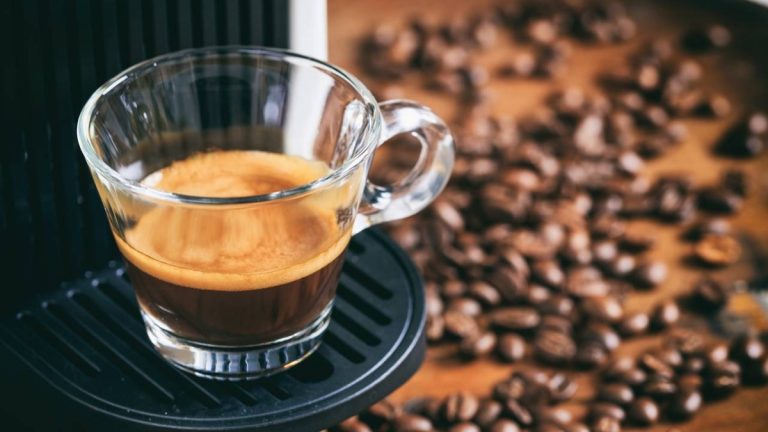
Espresso is not just about strong coffee; it’s a careful extraction of flavors, oils, and aromas from finely ground coffee beans using high-pressure water. The process produces a rich, velvety crema on top, which adds texture and depth to every sip.
Knowing [What Is an Espresso Shot?] also gives insight into how it differs from other coffee types. Unlike standard drip coffee, espresso uses a concentrated method that captures the essence of the bean in a small serving.
This concentrated coffee can serve as a quick pick-me-up or a base for creative coffee drinks. Exploring the details of espresso allows you to recognize quality and enjoy it to its fullest.
Components of an Espresso Shot
An espresso shot may look simple in the cup, but it is made up of several carefully balanced components that work together to create its bold flavor, rich aroma, and signature texture. Each element plays a specific role during extraction, influencing taste, strength, and mouthfeel. Understanding these components helps you recognize why small changes can dramatically affect the final result and why consistency matters when preparing espresso.
Coffee Grounds and Dose Size
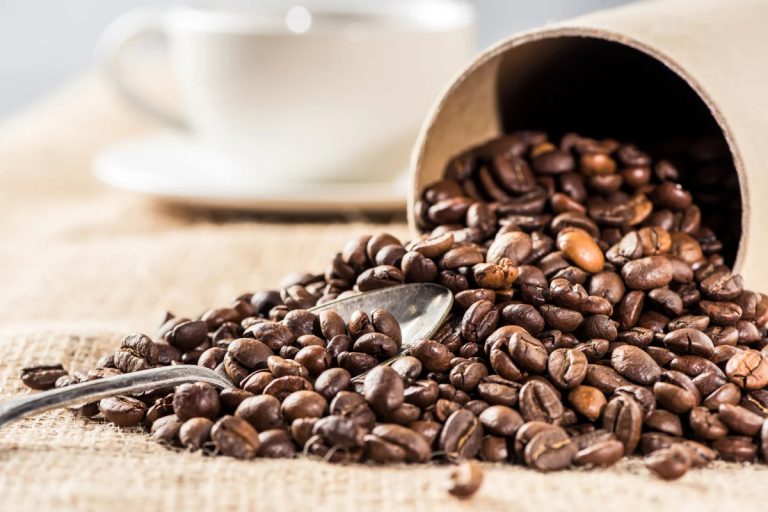
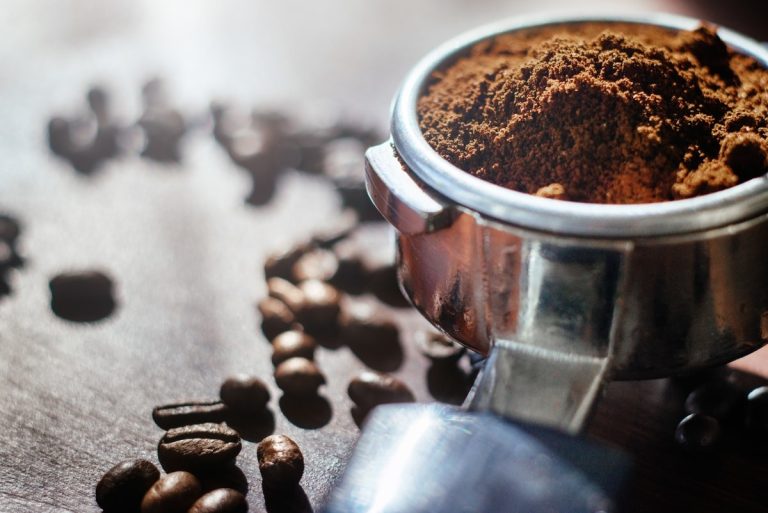
The foundation of an espresso shot starts with the coffee grounds and the dose size used in the portafilter. Finely ground coffee is essential because espresso relies on pressure rather than time to extract flavors. When the grind is consistent and fine, water flows evenly through the puck, pulling out oils, acids, and soluble compounds that define espresso’s character.
Dose size typically refers to the amount of coffee used per shot, commonly ranging between 18 to 20 grams for a double shot. This amount determines how concentrated the espresso will be. A smaller dose may lead to a thinner body and lighter flavor, while a larger dose can create a heavier mouthfeel and more intense taste.
The freshness of the coffee grounds also matters. Recently ground beans retain aromatic oils that contribute to crema formation and flavor complexity. As coffee ages, these oils dissipate, leading to flatter-tasting espresso. Proper distribution and tamping of the grounds ensure uniform resistance, helping water pass through evenly.
Grind size, dose accuracy, and preparation technique together influence extraction time and balance. When these factors are aligned, the coffee grounds release sweetness, acidity, and bitterness in harmony, forming the core flavor profile of an espresso shot.
Water Quality and Extraction Volume
Water is often overlooked, yet it makes up most of an espresso shot and significantly affects taste. Clean, filtered water with balanced mineral content allows coffee flavors to shine without unwanted bitterness or dullness. Too many minerals can mute brightness, while overly soft water may produce a flat or sour cup.
Extraction volume refers to how much liquid espresso is produced from the coffee dose. A standard double shot usually yields around 36 to 40 grams of liquid espresso. This ratio between coffee grounds and water controls strength and flavor concentration. Less water creates a more intense and syrupy shot, while more water can dilute flavors and reduce body.
Temperature also plays a role in extraction. Water that is too hot can over-extract the coffee, pulling harsh and bitter compounds. Cooler water may under-extract, resulting in sour or weak flavors. Maintaining a stable temperature helps achieve consistency shot after shot.
The interaction between water quality, temperature, and volume determines how efficiently flavors are extracted. Balanced water flow ensures the espresso captures sweetness and aroma while avoiding unpleasant aftertastes, making water a critical component of every espresso shot.
Crema and Pressure Dynamics
Crema is the golden-brown foam that sits on top of a freshly pulled espresso shot, and it is a direct result of pressure dynamics during brewing. When hot water is forced through finely ground coffee at high pressure, carbon dioxide trapped in the beans is released, forming tiny bubbles that create crema.
Pressure, usually around nine bars, is essential for proper espresso extraction. Too little pressure leads to weak crema and underdeveloped flavors, while excessive pressure can cause uneven extraction and bitterness. Consistent pressure allows oils and soluble compounds to emulsify, contributing to espresso’s thick texture.
Crema is not just visual appeal; it also carries aromatic compounds that enhance the sensory experience. A well-formed crema adds a smooth mouthfeel and helps trap aromas until the first sip. Its color and thickness can indicate extraction quality, with pale crema suggesting under-extraction and dark crema hinting at over-extraction.
While crema alone does not guarantee a perfect shot, it reflects the balance between pressure, freshness, and technique. Together, these pressure-driven elements complete the structure of an espresso shot, adding depth and richness without overpowering the underlying flavors.
Standard Measurements and Ratios
Getting consistent results with espresso depends heavily on using standard measurements and well-balanced ratios. These guidelines help control strength, flavor, and extraction quality, making each shot predictable and repeatable. While personal taste always plays a role, understanding common espresso measurements provides a reliable starting point that helps you fine-tune your brew without guessing.
Coffee-to-Water Ratio in Espresso
The coffee-to-water ratio is one of the most important standards in espresso preparation. It defines how concentrated the final shot will be and directly affects taste and body. A widely accepted ratio for espresso is 1:2, meaning one part coffee to two parts liquid espresso. For example, using 18 grams of coffee grounds typically yields about 36 grams of brewed espresso.
This ratio creates a balanced shot that highlights sweetness, acidity, and bitterness without overpowering any single element. When the ratio is tighter, such as 1:1.5, the espresso becomes richer and more intense, often described as syrupy. On the other hand, a looser ratio like 1:2.5 produces a lighter-bodied shot with softer flavors.
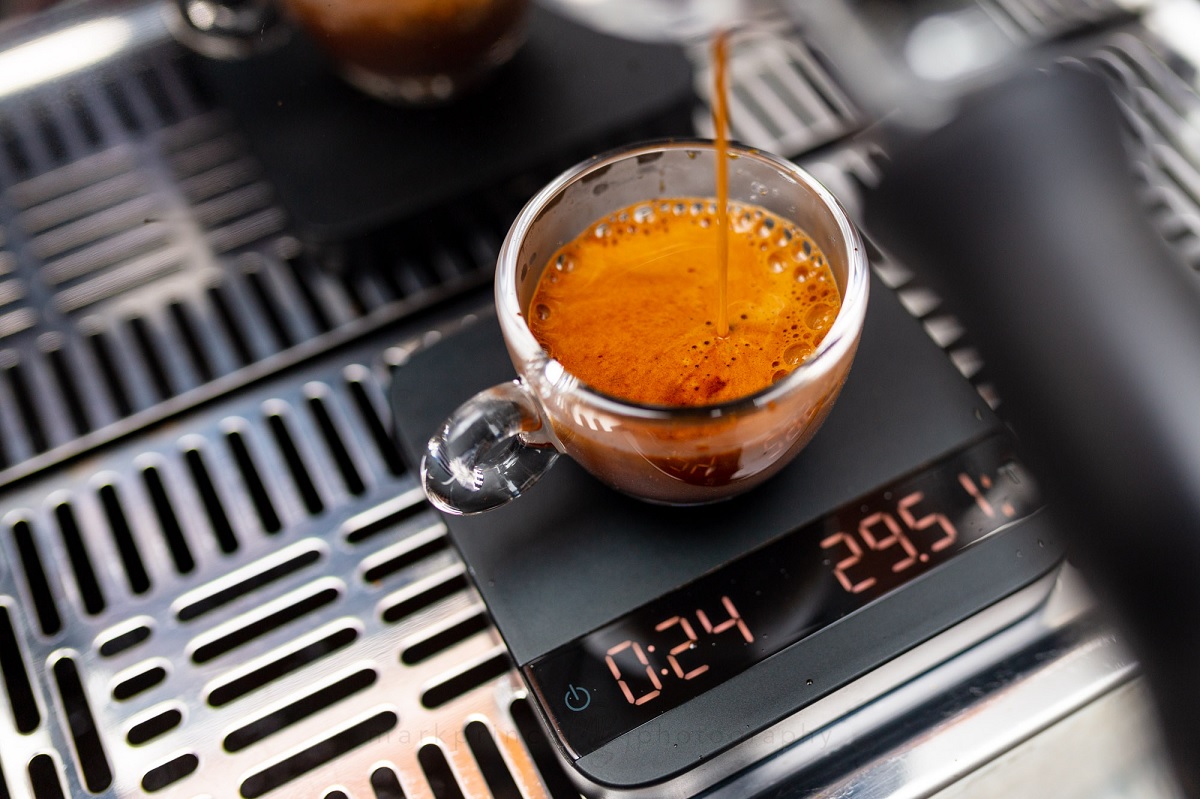
Consistency is key when working with ratios. Weighing both the coffee dose and the final liquid output ensures accuracy and repeatability. Relying on volume alone can lead to variations due to crema and grind differences, which is why scales are commonly used in espresso preparation.
Adjusting the coffee-to-water ratio allows you to tailor the espresso to your preference while staying within a structured framework. By mastering this standard, you gain control over strength and flavor without compromising balance or extraction quality.
Shot Size and Dose Standards
Shot size and dose standards help define what most people recognize as a proper espresso. A single shot generally uses around 9 to 10 grams of coffee, while a double shot, which is more common, uses 18 to 20 grams. Most cafés serve double shots as the default because they provide fuller flavor and better balance.
The liquid output for a standard double shot usually falls between 36 and 40 grams. This range aligns with traditional espresso ratios and ensures sufficient extraction. Staying within these limits helps prevent under-extracted sour notes or over-extracted bitterness. Precise dosing also supports consistent flow rates during brewing.
Grind size and tamping pressure work alongside dose standards to control extraction time, which typically ranges from 25 to 30 seconds. When the dose is accurate, adjustments to grind size become easier and more predictable. This relationship allows you to fine-tune espresso without altering multiple variables at once.
Following shot size and dose standards builds a strong foundation for espresso brewing. Once these measurements are consistent, experimenting with flavors becomes more intentional, helping you achieve reliable results while still allowing room for personal preference.
Brewing Techniques for a Perfect Shot
Mastering espresso brewing techniques is essential for pulling a perfect shot that tastes balanced and full-bodied. Small adjustments in preparation, timing, and control can dramatically change the final result. By focusing on consistency and understanding how each step influences extraction, you can create espresso shots that highlight aroma, crema, and flavor clarity every time.
Dialing In Grind Size and Dose
The foundation of a perfect espresso shot begins with dialing in the grind size and coffee dose. Espresso requires a fine and consistent grind that allows water to flow through the coffee puck at the right speed. When the grind is too coarse, water passes too quickly, resulting in weak and sour flavors. A grind that is too fine slows the flow excessively and leads to bitterness and harsh aftertastes.
Dose plays an equally important role. Using a consistent amount of coffee, usually between 18 and 20 grams for a double shot, helps maintain balance and repeatability. Even small variations in dose can alter resistance in the portafilter and affect extraction time. Measuring coffee by weight instead of volume improves accuracy and helps you make precise adjustments.
The relationship between grind size and dose should be adjusted gradually. Changing only one variable at a time allows you to identify what improves or harms the shot. Once dialed in, the espresso flows smoothly with a steady stream and develops a rich crema. This step sets the stage for proper extraction and reliable results.
Proper Tamping and Distribution Techniques
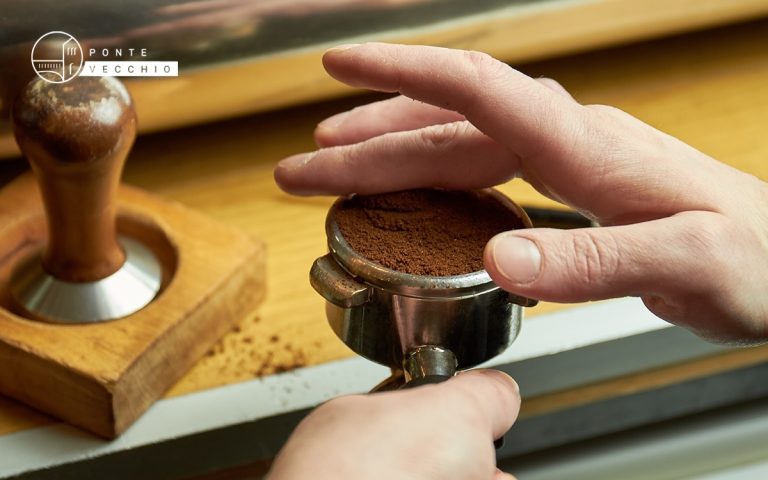
Tamping and distribution ensure that water flows evenly through the coffee puck during brewing. Uneven distribution creates weak spots that allow water to channel through, leading to inconsistent extraction. Before tamping, gently level the grounds in the portafilter to create a flat and uniform surface. This step reduces air pockets and promotes even resistance.
Tamping should be firm, controlled, and level. Applying consistent pressure helps compress the coffee evenly without crushing it excessively. While exact pressure matters less than consistency, keeping your tamp straight prevents uneven water flow. A tilted tamp often causes one side of the puck to extract faster, resulting in imbalanced flavors.
After tamping, avoid disturbing the puck when locking the portafilter into the machine. Sudden knocks or twists can crack the surface and compromise extraction. When done correctly, the puck resists water evenly and allows for stable pressure during brewing. Proper tamping and distribution improve shot clarity and reduce bitterness or sourness caused by uneven extraction.
Controlling Brew Time and Temperature
Brew time and temperature are critical variables that shape espresso flavor and texture. A standard espresso shot typically extracts within 25 to 30 seconds. Shots that pull too quickly often taste sharp and underdeveloped, while longer extractions can become dry and bitter. Monitoring shot time helps you understand whether grind size or dose adjustments are needed.
Water temperature also plays a major role in extraction quality. Espresso is usually brewed between 90°C and 96°C. Lower temperatures may fail to extract enough flavor, while higher temperatures can burn the coffee and create harsh notes. Consistent temperature control allows the coffee’s natural sweetness and complexity to shine.
Preheating the espresso machine, portafilter, and cup helps maintain thermal stability throughout brewing. Flushing the group head before pulling a shot ensures fresh, temperature-stable water reaches the coffee. Together, precise timing and temperature control create balanced extraction, smooth mouthfeel, and a well-defined flavor profile that defines a perfect espresso shot.
Enhancing and Serving Espresso Shots
Enhancing and serving espresso shots is where technique meets presentation and personal taste. Beyond pulling a technically sound shot, small choices in finishing touches, cup selection, and serving style can elevate the overall experience. By paying attention to freshness, temperature, and pairing elements, you create espresso that feels intentional, refined, and enjoyable from the first sip to the last.
Enhancing Flavor Through Finishing Touches
Enhancing espresso flavor begins immediately after extraction. Freshly brewed espresso is highly aromatic, and those aromas fade quickly. Serving the shot right away preserves the natural oils and crema that carry much of the flavor. Allowing espresso to sit too long can flatten its taste and introduce bitterness as it cools unevenly.
Warming the cup before serving helps maintain temperature and prevents sudden heat loss. A cold cup can dull flavors and reduce crema stability. Simple preheating with hot water ensures the espresso stays balanced and expressive. This small step often makes a noticeable difference in mouthfeel and aroma.
Adjustments like adding a small amount of hot water can soften intensity without overwhelming the coffee’s character. This technique keeps flavors clear while reducing sharpness for those who prefer a smoother profile. Sweeteners or spices should be used sparingly, as espresso is designed to showcase the bean’s natural notes. Thoughtful finishing touches enhance flavor without masking the quality of the shot.
Choosing the Right Cup and Presentation
Cup choice plays a surprisingly important role in how espresso is perceived. Traditional espresso cups are thick and small, designed to retain heat and concentrate aromas. The shape helps direct the crema and liquid toward the palate in a balanced way. Using the proper cup size ensures the espresso remains hot and visually appealing.
Presentation adds to the sensory experience. A clean cup, a neatly poured shot, and a stable crema signal care and attention to detail. Crema should appear smooth and even, with a warm golden-brown color. This visual cue often sets expectations before the first sip is taken.
Serving espresso with a small glass of water is a classic practice that refreshes the palate. Taking a sip of water before the espresso clears lingering flavors and allows the shot to be tasted more clearly. This simple addition elevates the serving ritual and highlights the espresso’s complexity. Thoughtful presentation turns a quick drink into a deliberate and enjoyable moment.
Serving Espresso at the Ideal Temperature
Temperature control does not end when brewing stops. Espresso should be served hot but not scalding, allowing flavors to open gradually as it cools. Extremely hot espresso can hide sweetness and emphasize bitterness, while overly cool shots lose aroma and body. Serving at the right temperature encourages balance and clarity.
Preheated cups help maintain consistency from machine to table. Even a few degrees of heat loss can change how espresso tastes. By reducing temperature fluctuations, you ensure the shot delivers the same flavor profile intended during extraction.
Timing also matters. Espresso is best enjoyed within the first minute after brewing. As it cools, the flavor evolves, often becoming sweeter and more nuanced. Encouraging slow sipping allows these changes to be appreciated. Serving espresso promptly and at the correct temperature ensures the drinker experiences its full range of aromas, textures, and flavors without distraction.
Pairing and Enjoying Espresso Shots
Pairing espresso with complementary foods can enhance the tasting experience. Light pastries, dark chocolate, or simple biscuits work well because they do not overpower the coffee. These pairings highlight sweetness and balance bitterness without masking subtle notes.
The environment in which espresso is served also influences enjoyment. A calm setting allows focus on aroma and taste, while rushed conditions often lead to quick consumption and missed details. Encouraging mindful sipping helps the drinker appreciate texture, acidity, and finish.
Serving espresso as a base for other drinks, such as macchiatos or Americanos, offers flexibility without sacrificing quality. Each variation should respect the original shot’s balance. Whether served alone or paired thoughtfully, espresso becomes more than a beverage. It becomes a complete sensory experience shaped by attention, timing, and care.
FAQs
What Is An Espresso Shot?
You experience an espresso shot as a small but highly concentrated coffee drink made by forcing hot water through finely ground coffee under high pressure. You usually get about 25 to 30 ml of liquid with a rich aroma and bold flavor. The process extracts intense oils, acids, and caffeine quickly.
You notice a layer of crema on top, which signals proper extraction. This makes an espresso shot the foundation for many popular coffee drinks you enjoy daily.
How Is An Espresso Shot Made?
You make an espresso shot using an espresso machine that applies around nine bars of pressure. You grind coffee very fine, dose it carefully, and tamp it evenly before brewing.
You pull the shot in about 25 to 30 seconds, allowing balanced flavors to develop. If you rush or delay extraction, you taste bitterness or sourness. Precision in grind size, pressure, and timing helps you achieve a consistent espresso shot every time.
How Much Caffeine Is In An Espresso Shot?
You usually consume about 60 to 65 mg of caffeine in a single espresso shot. While the serving is small, the caffeine is concentrated due to the brewing method.
You may feel a quick energy boost because espresso is consumed fast. Compared to drip coffee, espresso has less total caffeine per serving but feels stronger. Your caffeine intake still depends on bean type, roast level, and how the shot is prepared.
What Does An Espresso Shot Taste Like?
You taste an espresso shot as bold, rich, and layered with complex flavors. Depending on the beans, you may notice notes of chocolate, caramel, fruit, or nuts.
You also experience a balance of bitterness, acidity, and sweetness when brewed correctly. Poor extraction can make the shot taste sour or harsh. A well-made espresso shot feels smooth, intense, and satisfying, leaving a pleasant aftertaste that lingers briefly.
What Is The Difference Between A Single And Double Espresso Shot?
You get a single espresso shot using about 7 to 9 grams of coffee, while a double shot uses roughly 14 to 18 grams. Most cafés serve double shots by default.
You notice stronger flavor, more body, and higher caffeine in a double shot. A single feels lighter and quicker to drink. Your preference depends on taste and energy needs, but many espresso-based drinks rely on double shots for balance.
Can You Drink An Espresso Shot On Its Own?
You can drink an espresso shot on its own if you enjoy intense coffee flavors. Many people prefer sipping it slowly to appreciate the aroma and crema.
You may add a small amount of sugar, but milk is usually avoided. Drinking it straight helps you understand bean quality and brewing skill. If you like bold coffee experiences, an espresso shot on its own becomes a simple yet refined choice.
Why Is An Espresso Shot Used In Other Coffee Drinks?
You use an espresso shot as the base for drinks like lattes, cappuccinos, and americanos because of its concentrated flavor. It holds its taste even when mixed with milk or water.
You benefit from consistency since espresso provides predictable strength and aroma. This allows baristas to create balanced drinks easily. An espresso shot adds depth, caffeine, and richness, making it essential for many of the coffee beverages you enjoy.
Conclusion
Understanding espresso goes beyond just drinking a small, strong cup of coffee. The balance of grind size, coffee amount, pressure, and extraction time all work together to create a rich and flavorful shot. When each element is carefully controlled, the result is a smooth espresso with a satisfying aroma and a golden crema on top.
Whether you enjoy espresso on its own or as the base for drinks like lattes and cappuccinos, knowing the details helps you appreciate its complexity. Small adjustments in brewing technique can dramatically change taste and texture, allowing you to tailor each shot to your preference. Consistency and attention to detail are key to achieving café-quality results at home.
Learning [What Is an Espresso Shot?] gives you the confidence to brew, serve, and enjoy espresso the right way. With practice and the right approach, every shot becomes a refined and enjoyable coffee experience.