
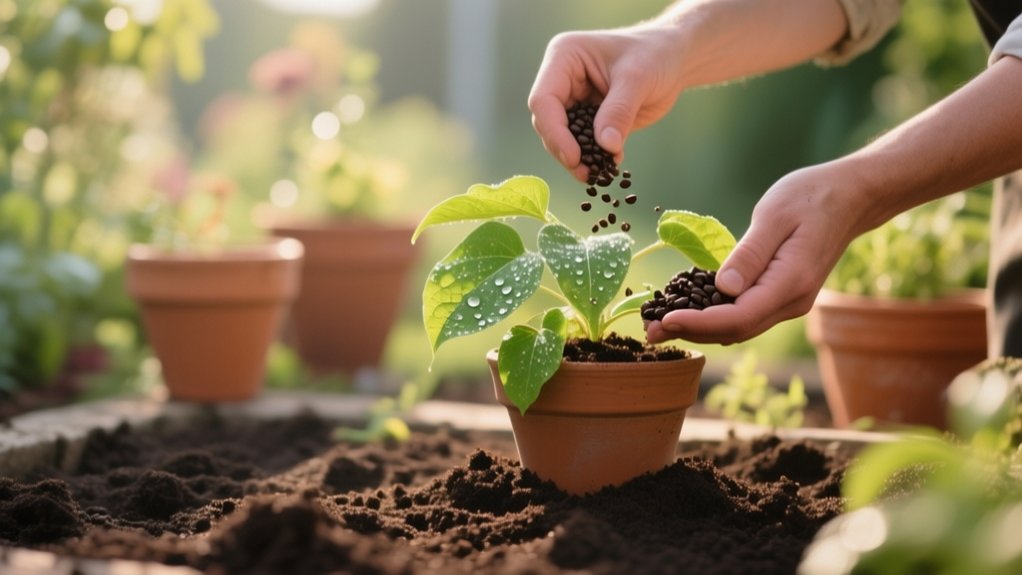
Can You Put Coffee Grounds In Plants – Gardening Benefits Explained
You can put coffee grounds in your plants to boost soil health and plant growth. They improve soil structure, aeration, and moisture retention while slowly releasing nitrogen, potassium, and phosphorus.
Grounds favor acid-loving plants like azaleas and blueberries and support beneficial microbes and earthworms. Use them sparingly as mulch or liquid fertilizer to avoid nutrient overload and water blockage.
Applying grounds properly enhances overall garden health, and exploring their uses further reveals their full sustainable gardening potential.
Why Coffee Grounds Are Good for Your Garden Soil
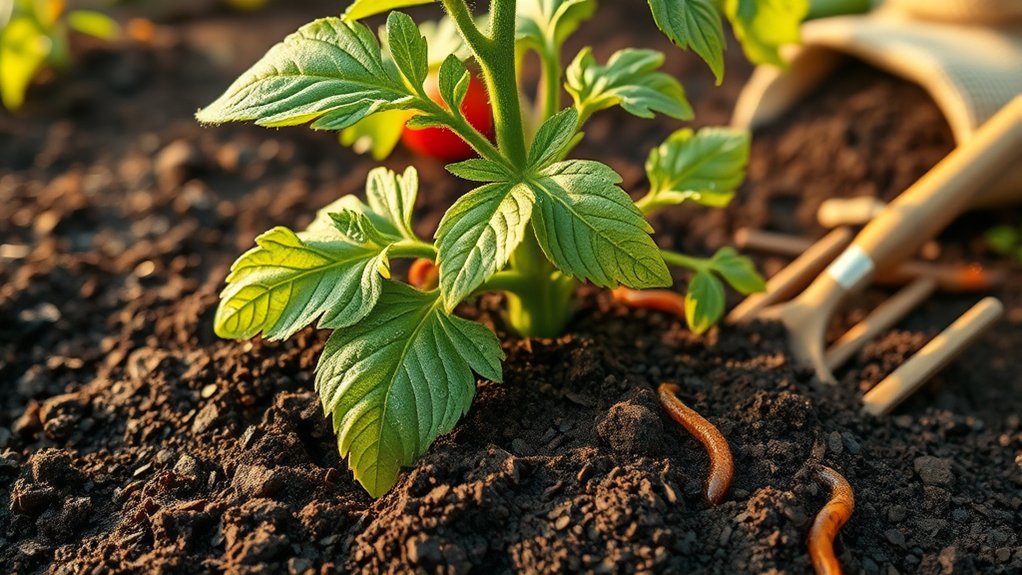
Coffee grounds enhance your garden soil by improving its structure and drainage, which boosts aeration and moisture retention essential for healthy plant roots.
When you mix coffee grounds into your soil, they help create a crumbly texture that prevents compaction, allowing air and water to penetrate more efficiently.
Their slightly acidic pH (around 6.2) also benefits acid-loving plants.
Adding coffee grounds to your compost accelerates decomposition by providing nitrogen, which balances carbon-rich materials and enriches the nutrient profile.
This enriched compost, when applied, further improves soil structure and fertility.
Regularly incorporating coffee grounds supports a dynamic soil environment, enhancing microbial activity and reducing fungal issues.
This ultimately creates ideal conditions for root development without overwhelming your plants with nutrients.
How Coffee Grounds Benefit Your Plants
You’ll find that coffee grounds act as a nutrient-rich soil amendment, supplying nitrogen, potassium, and phosphorus—these are essential for your plants to grow strong.
Plus, they help improve the soil’s structure by boosting both drainage and moisture retention. This creates the perfect environment for your roots to thrive.
On top of that, coffee grounds support beneficial microorganisms and earthworms.
These little helpers aerate the soil and make nutrients more available to your plants, which is a big win for healthy growth.
Nutrient-Rich Soil Amendment
Enhance your garden’s soil by incorporating used coffee grounds, which serve as a nutrient-rich amendment packed with nitrogen, potassium, and phosphorus.
These essential nutrients release slowly, providing sustained nourishment that supports healthy plant growth.
Coffee grounds also contribute valuable organic matter, improving microbial activity and enriching the soil ecosystem.
Furthermore, they can subtly adjust soil pH, lowering it to around 6.2, which favors acid-loving plants.
When using coffee grounds, consider these benefits:
- Supply of key macronutrients (N, P, K) for balanced fertilization
- Increased organic matter that promotes beneficial microorganisms
- Soil pH buffering to optimize conditions for specific plants
Enhances Soil Structure
Three key improvements to soil structure come from adding used coffee grounds: better aeration, enhanced drainage, and improved moisture retention.
When you mix coffee grounds into your garden soil, you introduce valuable organic matter that loosens compacted soil, creating air pockets essential for root respiration.
This improved aeration prevents waterlogging by promoting efficient drainage while retaining enough moisture to sustain your plants during dry periods.
Coffee grounds also contribute nutrients like nitrogen, potassium, and phosphorus, which further support soil fertility.
Over time, the organic matter from coffee grounds enhances soil texture, making it crumbly and easier for roots to penetrate.
Supports Beneficial Microorganisms
Because coffee grounds supply essential nutrients like nitrogen, phosphorus, and potassium, they create an ideal environment for beneficial microorganisms to thrive in your soil.
The organic matter in coffee grounds improves soil structure, enhancing aeration and moisture retention, which supports microbial life. You’ll notice how these microorganisms actively break down organic material, releasing nutrients for your plants.
Using coffee grounds benefits your soil microbiome by:
- Promoting acid-loving beneficial microorganisms through a slight pH reduction to about 6.2
- Stimulating the growth of bacteria and fungi when mixed into compost, aiding nutrient cycling
- Encouraging earthworm activity, which boosts aeration and enriches soil with nutrient-rich castings
Incorporating coffee grounds enriches your soil’s microbial diversity, which ultimately improves plant health and growth.
Plants That Thrive With Coffee Grounds
If you want to boost the growth and flowering of your plants, incorporating coffee grounds into the soil can be highly effective, especially for acid-loving species like azaleas, blueberries, and roses.
Coffee grounds provide organic matter that improves soil structure and moisture retention, creating an ideal environment for these plants.
Beyond acid-loving plants, vegetable crops such as carrots, cucumbers, and peppers also benefit from coffee grounds due to their rich nutrient content.
Indoor plants like African violets and philodendrons respond positively as well, showing enhanced health and vigor.
To maximize benefits, mix coffee grounds evenly into the soil rather than piling them on the surface.
This guarantees gradual nutrient release and reduces the risk of mold, helping your plants thrive with this sustainable soil amendment.
Plants to Avoid Using Coffee Grounds
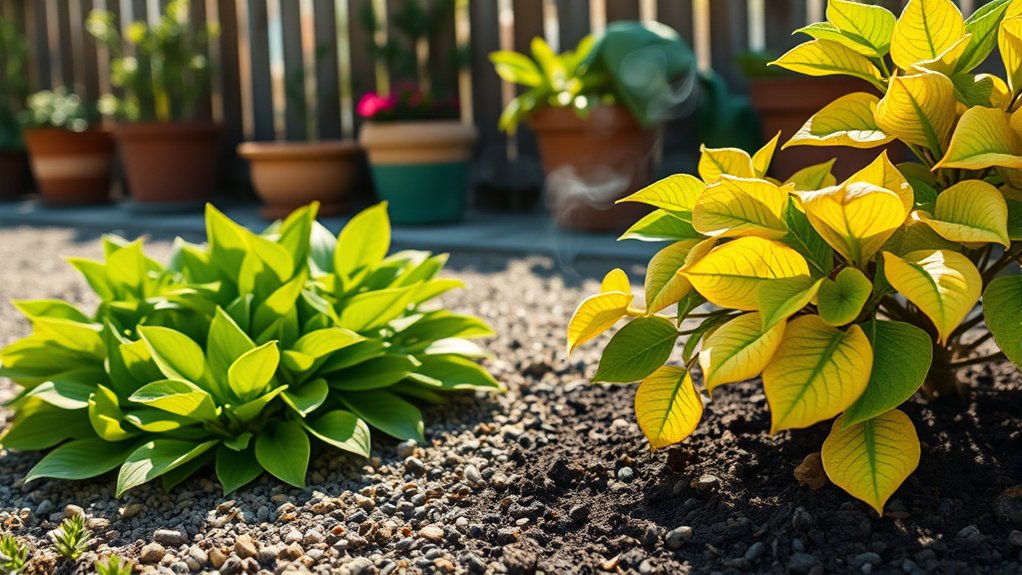
While coffee grounds offer valuable nutrients for many plants, you should avoid using them on certain species that react poorly to their caffeine and acidity.
Some plants are sensitive to the chemical composition of coffee grounds, which can inhibit seed germination or stunt growth.
Moreover, plants preferring alkaline soil may experience disrupted growth due to the acidity of coffee grounds.
To guarantee healthy development, avoid using coffee grounds on:
- Basil, lemon balm, cilantro, dill, and pothos, which don’t tolerate caffeine well
- Asparagus, beets, geraniums, lavender, and rosemary, which prefer alkaline conditions
- Areas accessible to pets, as coffee grounds can be toxic if ingested in large quantities
Preparing Coffee Grounds for Plants
Understanding which plants should avoid coffee grounds sets the stage for properly preparing these grounds to benefit your garden.
Start by ensuring your used coffee grounds are fully cooled and dry to prevent excess moisture that encourages mold growth.
When adding coffee grounds to a compost pile, maintain a balanced carbon-to-nitrogen ratio by mixing three parts brown materials to one part coffee grounds.
Limit the grounds to about 20% of your total compost or soil mix to avoid stunting plant growth.
If you apply grounds directly to soil, incorporate them thoroughly to prevent a water-repellent crust and promote decomposition.
For a nutrient boost, steep used coffee grounds in water overnight to create an effective liquid fertilizer before watering your plants.
Best Ways to Apply Coffee Grounds in Your Garden
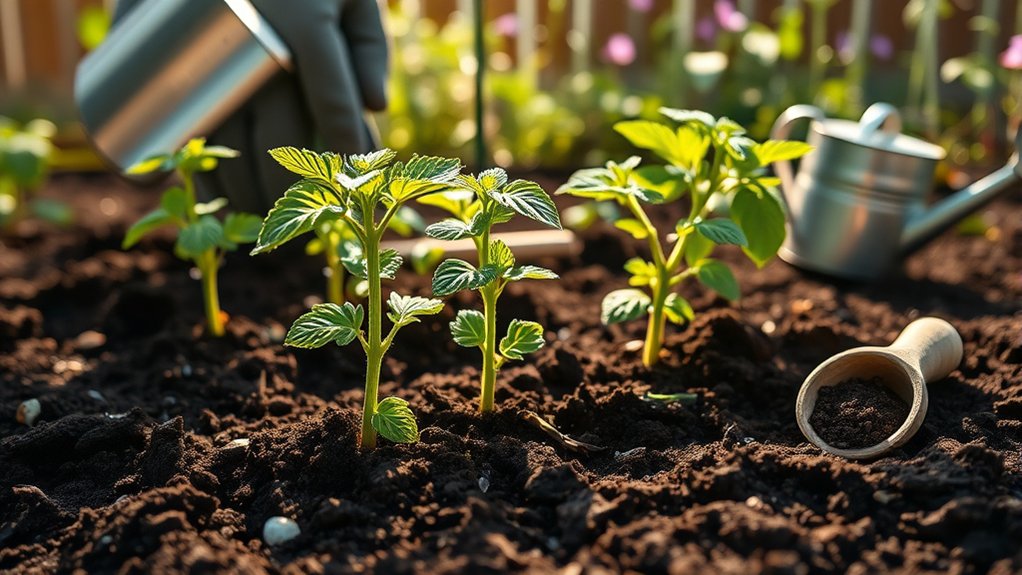
You can mix coffee grounds right into your soil to give it a nutrient boost and improve its texture.
It’s an easy way to enrich the garden naturally.
Another great method is using coffee grounds as mulch. This helps keep the soil moist and can even deter pests like slugs and ants from invading your plants.
If you want to go a step further, try brewing a liquid fertilizer with coffee grounds.
This gives your plants a concentrated nutrient boost that they’ll really benefit from.
Mixing Grounds Into Soil
Three key methods maximize the benefits of mixing coffee grounds into your garden soil.
First, mix coffee grounds into used soil at no more than 20% of the total volume to avoid forming a water-repellent crust.
Second, balance the grounds with organic matter, especially carbon-rich brown materials, using a 3:1 ratio to promote efficient decomposition and nutrient release.
Third, regularly incorporate grounds into sandy soils to improve nutrient retention and soil structure over time.
Mix coffee grounds thoroughly into the topsoil to enhance aeration and drainage.
Combine grounds with brown organic matter for best composting results.
Apply grounds consistently to sandy soils for gradual fertility improvement.
Following these steps guarantees healthier, more vigorous plant growth.
Using Grounds As Mulch
Although coffee grounds offer numerous benefits when mixed into soil, using them as mulch requires careful application to maximize their effectiveness. Apply coffee grounds in thin layers, no more than half an inch, to avoid crusting and help water penetrate better.
Mixing grounds with organic materials like shredded bark boosts mulch performance by suppressing weeds and enriching the soil. You can also incorporate grounds into existing mulch to gradually improve moisture retention and nutrient delivery.
| Application Method | Benefit |
|---|---|
| Thin layer (≤ 0.5 inch) | Prevents water blockage |
| Mixed with bark/leaves | Enhances weed suppression |
| Integrated in mulch | Boosts soil moisture & nutrients |
Regularly using coffee grounds as mulch improves soil structure and plant health over time.
Creating Liquid Fertilizer
When you steep used coffee grounds in water overnight, the resulting liquid extracts valuable nutrients like nitrogen, potassium, and trace minerals that benefit plant growth. This liquid fertilizer offers a convenient way to introduce organic matter and essential nutrients directly to your garden soil.
To apply it effectively, dilute the liquid fertilizer with water to avoid over-fertilization and maintain soil balance. Then, pour the solution around the base of plants, targeting the root zone for ideal nutrient uptake. Use this method sparingly to prevent alterations in soil pH or nutrient imbalances.
Regular use of this coffee grounds infusion improves soil structure and moisture retention, enhancing plant health.
Common Mistakes When Using Coffee Grounds
If you apply coffee grounds improperly, you risk harming your plants instead of helping them thrive. One common mistake is using too much coffee grounds, as excessive nitrogen can stunt growth; limit them to 20% of your soil mix.
Avoid placing grounds directly on soil surfaces, which can form a water-repellent crust that blocks moisture absorption. Instead, mix grounds thoroughly into the soil.
Be cautious when using coffee grounds around pets since large amounts are toxic to dogs.
Also, don’t use coffee grounds with plants like cacti and succulents, which prefer drier conditions and may suffer from added moisture.
Finally, combine coffee grounds with other organic materials to protect beneficial soil bacteria and encourage earthworm activity. This helps avoid negative effects on soil health.
Using Coffee Grounds for Sustainable Gardening
Because coffee grounds contain valuable nutrients like nitrogen, potassium, and phosphorus, you can use them to improve soil quality and promote sustainable gardening.
Used coffee grounds enhance soil structure, increase moisture retention, and boost fertility, making them an eco-friendly resource.
To maximize their benefits, consider these sustainable gardening practices:
- Incorporate coffee grounds into compost to accelerate decomposition and enrich nutrient content.
- Apply grounds around acid-loving plants such as azaleas and blueberries for targeted nutrient delivery.
- Source used coffee grounds from local cafes to reduce landfill waste and engage your community.
Frequently Asked Questions
Can Coffee Grounds Prevent Weed Growth in Gardens?
Yes, coffee grounds can support weed suppression strategies by acting as natural mulch alternatives.
When you apply a thin layer of grounds around your plants, they create a barrier that blocks sunlight, hindering weed seed germination.
Their fine texture improves soil structure, aiding water penetration and discouraging weed growth.
Incorporating coffee grounds with other organic matter enhances soil health, making your organic gardening tips more effective in reducing unwanted weeds.
Are Coffee Grounds Safe for Indoor Plants?
Yes, coffee grounds are safe for indoor plants if you manage their pH levels carefully.
They’re slightly acidic, so you should mix them to avoid lowering soil pH too much. Their nutrient content, especially nitrogen, supports healthy growth.
Plus, coffee grounds can act as a natural pest deterrent, helping reduce unwanted insects.
Just limit usage to about 20% of your soil mix to maintain balanced conditions and avoid harming your plants.
How Do Coffee Grounds Affect Earthworms in Soil?
Coffee grounds positively influence earthworm behavior by providing essential nutrients that stimulate their activity and reproduction.
As earthworms consume the grounds, they enhance nutrient absorption in the soil, breaking down organic matter efficiently.
This process improves soil structure by increasing aeration and drainage, which benefits plant roots.
You should apply coffee grounds in moderation, about 25-50% of your compost, to maintain a healthy earthworm population without disrupting soil balance.
Can Coffee Grounds Be Composted With Other Kitchen Waste?
Wondering if you can compost coffee grounds with other kitchen waste? Absolutely, you can!
For effective composting, break down coffee grounds to speed decomposition and mix them with brown materials to maintain nutrient balance.
Coffee grounds are rich in nitrogen, so balancing them with carbon-rich waste like dry leaves or paper at a 3:1 ratio guarantees efficient composting.
Follow these composting tips to create nutrient-rich soil amendments that boost your garden’s health.
Do Coffee Grounds Attract Beneficial Insects?
Yes, coffee grounds can indirectly attract beneficial insects by improving soil conditions.
When you add coffee grounds, they influence soil acidity, creating a favorable environment for nutrient release. This boosts plant health, which in turn attracts pollinators and other beneficial insects.
However, be cautious, as excessive use might increase pest attraction due to higher soil acidity.
Use coffee grounds in moderation to balance nutrient release and minimize unwanted pests.
Conclusion
You might worry coffee grounds will harm your plants, but when used correctly, they enrich soil with essential nutrients like nitrogen and improve drainage and aeration. Just avoid over-applying or using grounds on acid-sensitive plants.
By preparing and applying coffee grounds thoughtfully, you create a sustainable, nutrient-rich environment that supports healthy plant growth. Incorporate coffee grounds wisely, and you’ll see your garden thrive with stronger, greener plants.