What Is Ground Coffee?: Types, Brewing Tips, and Flavor Secrets
Coffee is one of the most beloved beverages worldwide, and how it’s prepared often begins with the form of the beans you use. Many people encounter coffee in its powdered form, which changes how flavors develop during brewing. Understanding this form is essential for making a cup that meets your taste preferences and brewing style.
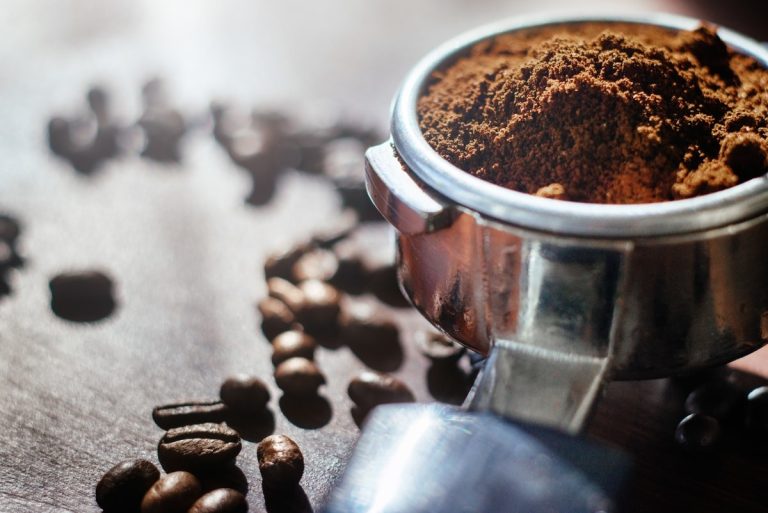
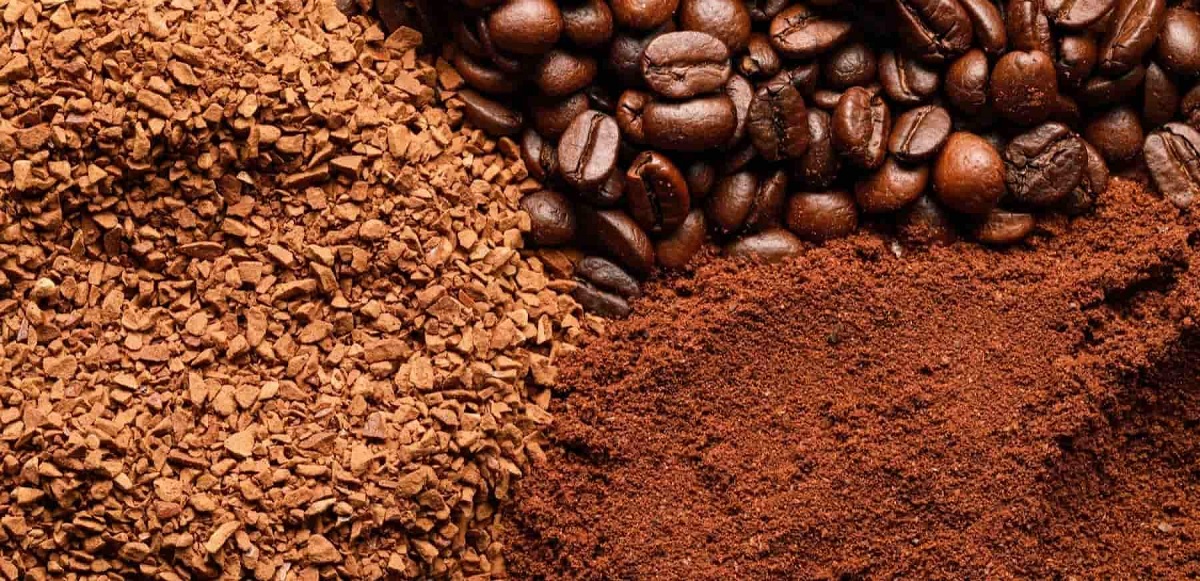
When exploring different coffee options, you might wonder about What Is Ground Coffee? Ground coffee is simply coffee beans that have been crushed or milled into smaller particles. This process increases the surface area, allowing water to extract flavors more efficiently during brewing.
The grind size and consistency play a critical role in taste. Coarse grinds work well for methods like French press, while fine grinds suit espresso machines. Knowing how to select the right grind helps you control strength, flavor clarity, and overall experience.
Recognizing What Is Ground Coffee? empowers you to make more informed choices about your brewing method, coffee strength, and flavor profile. It transforms routine coffee preparation into a more intentional and satisfying process.
Types of Ground Coffee
Ground coffee comes in various types and grind sizes, each designed to suit specific brewing methods and taste preferences. Understanding the differences helps you select the right coffee for your routine, ensuring maximum flavor and aroma. By exploring the main types of ground coffee, you can improve brewing results and enjoy a more satisfying cup every time.
Coarse Ground Coffee
Coarse ground coffee features large, chunky particles, resembling sea salt in texture. This type is ideal for methods that involve longer brewing times, such as French press or cold brew. The larger particles slow down extraction, allowing water to interact with the coffee grounds gradually and release flavors evenly.
Using coarse grounds in shorter brew methods can lead to under-extraction, producing weak or sour coffee. However, when brewed correctly, coarse coffee produces a full-bodied cup with rich aroma and minimal sediment. Coarse grounds also work well for immersion brewing because they reduce clogging and ensure smooth water flow, making cleanup easier. Choosing the right coarse grind ensures balance between flavor intensity, body, and clarity in your coffee.
Medium Ground Coffee
Medium ground coffee is versatile and often compared to the texture of sand. This type is suitable for drip coffee makers, pour-over methods, and siphon brewing. Medium grounds provide a balanced extraction rate, ensuring that flavors develop evenly without over- or under-extraction.
Brewing with medium grounds allows you to enjoy a cup with balanced body, acidity, and sweetness. It’s the most common grind used for daily home brewing because it offers flexibility across different coffee makers. Adjusting the grind slightly finer or coarser helps tailor strength and flavor to personal preference. Medium ground coffee delivers consistent results and highlights the subtle characteristics of various coffee beans, making it a reliable choice for many coffee drinkers.
Fine Ground Coffee
Fine ground coffee has a texture similar to table salt or sugar and is mainly used for espresso machines and Aeropress with short brew times. The fine texture increases surface area, allowing water to extract flavors rapidly under pressure. This produces a concentrated, bold cup with strong aroma and full body.
Using fine grounds in methods designed for coarser grinds can cause over-extraction and bitterness. Conversely, fine coffee ensures that espresso shots develop crema and achieve the correct intensity. It is essential to match grind size to brewing equipment to control extraction and avoid harsh flavors. Fine ground coffee is favored by those who enjoy strong, concentrated coffee or beverages like lattes and cappuccinos.
Extra-Fine and Turkish Coffee Grind
Extra-fine or Turkish coffee grind is powdery, almost like flour. This type is used exclusively for Turkish coffee, where the coffee is boiled with water and sugar, creating a thick, flavorful cup. The extremely fine grind ensures that the coffee dissolves partially and develops a strong aroma and body.
Brewing with this grind requires specific techniques and equipment, as regular coffee makers cannot handle the texture. Turkish coffee’s preparation emphasizes slow brewing and careful attention, allowing the extra-fine grounds to release rich, bold flavors. The result is a distinctive, velvety coffee with sediment that contributes to its unique mouthfeel. This grind type demonstrates how particle size can drastically affect brewing method, flavor intensity, and drinking experience.
Specialty Blends And Pre-Ground Options
Many brands offer specialty ground coffee tailored for specific methods or flavors. Pre-ground options often indicate their intended brewing method, such as French press, drip, or espresso. These blends simplify preparation and ensure consistent results, especially for beginners or busy routines.
Specialty ground coffee may also feature unique roasting profiles or single-origin beans, enhancing flavor diversity. While grinding fresh beans is ideal for maximum aroma, pre-ground coffee provides convenience without compromising too much on taste. By selecting the appropriate type and blend, you can match your coffee to your preferred brewing style, ensuring that every cup highlights the characteristics you enjoy most.
Selecting the Right Grind for Your Brew
Choosing the right grind for your coffee is essential to achieving a balanced, flavorful cup. Grind size influences extraction rate, flavor clarity, and overall strength. By understanding how different grinds interact with brewing methods, you can tailor your coffee to match taste preferences and equipment capabilities. Selecting the correct grind ensures consistency and maximizes the potential of your beans.
Matching Grind Size to Brewing Method
Different brewing methods require specific grind sizes to optimize flavor and extraction. Coarse grinds are ideal for immersion methods like French press or cold brew, where longer contact time allows water to extract flavors evenly without over-extracting. Medium grinds work best for drip coffee makers and pour-over setups, offering a balanced extraction that highlights subtle flavor notes.
Fine grinds are suitable for espresso machines and Aeropress with short brewing times. Their increased surface area ensures rapid extraction under pressure, producing bold, concentrated coffee. Using the wrong grind for a method can lead to undesirable results: coarse coffee in an espresso machine may taste weak and under-extracted, while fine coffee in a French press can become overly bitter. Understanding grind compatibility is key to consistent flavor.
Adjusting Grind for Strength and Flavor
Grind size directly affects coffee strength and flavor. Finer grinds increase extraction, intensifying body, aroma, and bitterness, while coarser grinds slow extraction, creating lighter, cleaner cups. By adjusting grind slightly finer or coarser, you can control the balance between acidity, sweetness, and bitterness.
For example, if your pour-over tastes weak, a slightly finer grind increases extraction, enhancing flavor. Conversely, if the coffee tastes harsh or bitter, coarsening the grind can soften the taste. Experimenting within a small range allows you to fine-tune strength and profile without changing beans, providing a flexible approach to achieving your preferred cup.
The Role of Freshness and Consistency
Consistency in grind size is just as important as choosing the right texture. Uneven particles extract at different rates, leading to a mix of under- and over-extracted flavors in the same cup. Burr grinders are preferred over blade grinders because they produce uniform particle sizes, improving flavor balance and predictability.
Freshly ground coffee also enhances taste. Coffee begins losing aroma and flavor minutes after grinding, so grinding just before brewing ensures maximum freshness. Combining the right grind with consistent freshness ensures a cup that truly reflects the beans’ quality, whether you’re brewing a single cup or multiple servings.
Tips for Experimenting with Grind
Selecting the right grind involves trial and observation. Start by following recommended grind sizes for your brewing method, then make small adjustments based on taste. Take note of brew time, flow rate, and flavor changes as you refine the grind.
Keeping records of grind adjustments and outcomes helps identify what works best for specific beans and methods. Over time, you’ll develop a personalized approach that ensures consistently satisfying coffee. By experimenting thoughtfully, you can unlock the full potential of your coffee and create a brew tailored perfectly to your preferences.
Freshness and Storage Tips
Maintaining coffee freshness is key to enjoying a flavorful and aromatic cup. Ground coffee is particularly vulnerable to air, moisture, light, and heat, all of which can degrade its quality quickly. Proper storage practices preserve taste, aroma, and overall brewing potential. By understanding how to store coffee correctly, you can extend shelf life and ensure each cup delivers the full richness of your beans.
Importance of Freshness for Flavor
Freshness has a direct impact on coffee flavor. Once coffee is ground, it begins losing volatile oils and aromatic compounds that give it character. These oils oxidize when exposed to air, leading to flat or stale-tasting coffee over time. Coffee that is not stored properly can develop a dull flavor or off-notes, even if the beans were high quality initially.
Using freshly ground coffee enhances aroma, body, and complexity. Grinding just before brewing preserves volatile oils, ensuring a cup with pronounced flavor and richer texture. Understanding the importance of freshness helps you prioritize storage methods, grind timing, and portioning, all of which contribute to consistently satisfying coffee.
Proper Storage Containers and Conditions
Choosing the right storage container significantly impacts coffee longevity. Airtight containers, ideally opaque and non-reactive, prevent exposure to air and light, two major causes of flavor loss. Glass, ceramic, or stainless steel containers with tight seals are excellent options. Avoid clear jars or open bags that allow light to degrade oils.
Temperature and humidity also play a role. Coffee should be stored in a cool, dry place away from heat sources like ovens or sunlight. Avoid refrigeration for daily-use coffee, as condensation can introduce moisture and accelerate staling. Storing coffee in optimal conditions helps retain aroma, flavor, and body for weeks after grinding.
Portioning and Practical Tips
Portioning coffee into smaller amounts can improve freshness. Only keep what you plan to use within a week or two in your daily container, while storing the rest in a larger, sealed container. This reduces repeated exposure to air and slows oxidation.
Labeling containers with the grind date helps track freshness. Rotating stock so older coffee is used first ensures that beans or grounds are consumed at their peak quality. Simple practices like measuring portions for each brew and avoiding constant opening of storage containers make a noticeable difference in taste and aroma.
Avoiding Common Mistakes
Many coffee drinkers unknowingly compromise freshness through common storage mistakes. Leaving bags open, storing coffee near the stove, or using low-quality containers can accelerate staling. Freezing coffee frequently or leaving it in the freezer can also introduce moisture and degrade flavor over time.
Keeping coffee away from strong odors is equally important. Coffee easily absorbs surrounding smells, which can alter its natural taste. By avoiding these mistakes and following proper storage practices, you can preserve the delicate compounds in coffee, ensuring every cup remains rich, aromatic, and enjoyable.
Brewing Techniques Using Ground Coffee
Ground coffee is versatile, allowing you to explore a variety of brewing methods that bring out different flavors, aromas, and textures. Each technique interacts with grind size, water temperature, and brew time in unique ways, shaping the final cup. Understanding these methods helps you maximize taste and enjoy coffee tailored to your preferences.
Drip Coffee and Pour-Over Methods
Drip coffee and pour-over are two popular techniques for using ground coffee. In drip coffee machines, medium-ground coffee is placed in a filter, and water flows over the grounds automatically. The water extracts flavors gradually, producing a balanced cup with clear acidity and moderate body. Consistent grind size and proper water-to-coffee ratio are key for optimal results.
Pour-over methods offer more control. You manually pour hot water over medium-ground coffee in a circular motion, controlling flow rate and saturation. This method highlights nuanced flavors and allows you to adjust extraction based on taste. Both techniques emphasize clarity and balance, making them ideal for highlighting origin-specific notes and mild to medium roasts. Mastering drip and pour-over methods with the right grind improves consistency and elevates daily brewing.
French Press and Immersion Brewing
French press and other immersion methods use coarse ground coffee to achieve full-bodied, rich flavors. In these methods, coffee grounds are fully immersed in hot water for several minutes. The metal mesh filter allows natural oils to pass through, contributing to a heavier mouthfeel and stronger aroma.
Coarse grind is essential to prevent over-extraction, while brewing time controls strength and bitterness. After steeping, plunging the filter separates grounds from the brewed coffee. Immersion brewing emphasizes body and texture, producing a cup with deep, robust flavors. This method works well for darker roasts or anyone who enjoys a heavier, more satisfying cup of coffee with minimal acidity.
Espresso and Fine-Ground Techniques
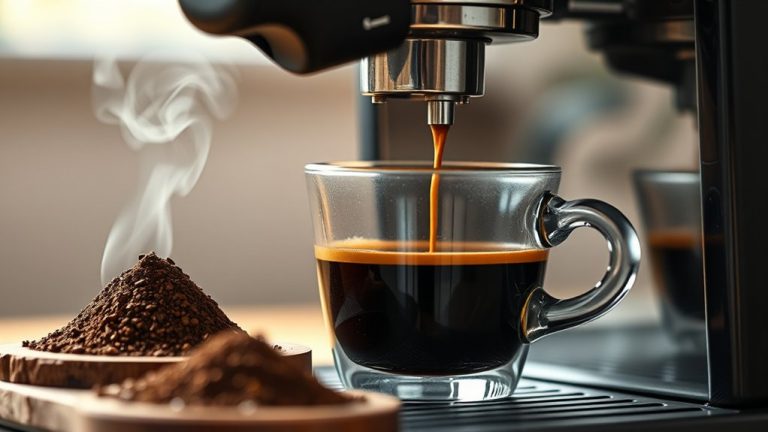
Espresso requires fine-ground coffee to allow rapid extraction under high pressure. The fine particles increase surface area, producing a concentrated, intense shot with rich crema on top. Water passes through the grounds quickly, so precise grind size, tamping pressure, and water temperature are critical for balanced flavor.
Espresso forms the base for many beverages, including lattes, cappuccinos, and macchiatos. Adjusting grind slightly finer or coarser helps control extraction, bitterness, and body. Using fresh, finely ground coffee ensures maximum aroma and richness in every shot. This technique demonstrates how grind size and brewing method must align to achieve optimal flavor and texture.
Cold Brew and Specialty Methods
Cold brew uses coarse-ground coffee steeped in cold water for 12–24 hours. The slow extraction process results in a smooth, low-acid coffee concentrate that can be diluted with water or milk. Coarse grounds prevent over-extraction and sediment, ensuring clarity and subtle sweetness.
Other specialty methods, like AeroPress or siphon brewing, require specific grind sizes and careful control of water and brew time. These methods allow experimentation with flavor, strength, and texture. By choosing the appropriate grind and technique, ground coffee can deliver a wide range of sensory experiences, from light and bright to bold and velvety.
Flavor Profiles and Taste Variations
Coffee offers a wide spectrum of flavor profiles and taste variations, shaped by factors such as origin, roast level, grind size, and brewing method. Understanding these elements allows you to select coffee that matches your preferences, whether you enjoy bright and fruity notes or deep, chocolatey undertones. Exploring taste variations also helps you appreciate subtle differences in aroma, body, and acidity in each cup.
How Roast Level Influences Flavor
Roast level has a significant impact on coffee flavor. Light roasts retain more of the bean’s original characteristics, often highlighting bright, fruity, or floral notes. These roasts typically have higher acidity, making the cup lively and crisp. They work well for pour-over and drip brewing methods, which emphasize clarity and subtlety.
Medium roasts balance natural bean flavors with caramelization from roasting. They tend to have sweeter, nutty, or chocolatey notes while maintaining moderate acidity. Medium roasts are versatile, performing well across different brewing methods. Dark roasts, in contrast, emphasize bold, smoky, or chocolate-heavy flavors. The longer roasting process reduces acidity and enhances body, making the cup fuller and richer. Choosing the right roast allows you to target the specific taste experience you desire in your coffee.
Origin and Bean Characteristics
Coffee origin plays a key role in taste variations. Beans grown in Africa often have bright, fruity, and floral notes, while Central and South American beans are known for nutty, chocolatey, or balanced profiles. Asian beans can offer earthy, spicy, or herbal tones. Soil, climate, and altitude all influence the chemical makeup of the beans, affecting sweetness, acidity, and body.
Single-origin coffees highlight these regional characteristics, while blends combine multiple origins to create a harmonious flavor profile. Exploring beans from different regions allows you to experience a variety of taste profiles, discover personal preferences, and develop a deeper appreciation for coffee craftsmanship. Origin-specific coffee also guides your choice of brewing method, as certain flavors are better highlighted by specific techniques.
Brewing Method and Taste Variations
The brewing method greatly influences the final flavor of your coffee. Pour-over and drip methods highlight clarity and brightness, making nuanced flavors more noticeable. French press and immersion methods produce heavier body, richer mouthfeel, and a fuller aroma, emphasizing chocolatey or nutty notes. Espresso extraction concentrates flavors, delivering bold, intense shots with complex crema.
Cold brew offers smooth, low-acid coffee with subtle sweetness and a velvety texture. Adjusting factors such as grind size, water temperature, and brew time allows further control over flavor intensity, acidity, and body. By experimenting with brewing methods, you can unlock different taste variations from the same coffee beans, providing a customized coffee experience for every mood and occasion.
Understanding Acidity, Sweetness, and Body
Acidity, sweetness, and body are key components of flavor profiles. Acidity gives coffee brightness and liveliness, while sweetness balances bitterness and enhances pleasant notes. Body refers to the mouthfeel, ranging from light and tea-like to heavy and syrupy.
Adjusting grind size, roast level, and brewing technique affects these factors. For example, finer grinds and longer brew times increase extraction, boosting body and intensity, while coarser grinds and shorter brew times highlight acidity and delicate flavors. Understanding these components allows you to tailor your coffee to your taste preference and ensures every cup delivers a satisfying sensory experience.
People Also Asked
What Is Ground Coffee?
Ground coffee is simply coffee beans that have been crushed or ground to a specific size suitable for brewing. When you grind coffee beans, you increase the surface area, which allows water to extract flavor compounds more effectively.
He or she can choose from different grind sizes depending on the brewing method, from coarse for French press to fine for espresso. Understanding what ground coffee is helps you control the strength, aroma, and taste of every cup you make at home or in a café setting.
How Does Grind Size Affect Coffee Flavor?
The size of the grind plays a critical role in how your coffee tastes. Coarse grounds brew more slowly and produce a lighter, less bitter cup, while fine grounds extract faster and create a stronger, more intense flavor.
You can adjust the grind size based on your brewing method. He or she should know that mismatched grind size can result in over-extracted bitterness or under-extracted weak coffee, making understanding the grind essential for consistently great flavor in every cup.
What Are the Common Types of Ground Coffee?
Ground coffee comes in several types, mainly coarse, medium, and fine, each suited to different brewing methods. Coarse is perfect for French press, medium for drip coffee makers, and fine for espresso machines.
He or she can also find specialty grinds labeled for pour-over or cold brew. Choosing the correct type ensures that water flows evenly and extracts the desired flavors, giving you a richer aroma and better taste experience with every cup.
Can You Store Ground Coffee for Long Periods?
Ground coffee starts losing flavor quickly due to exposure to air, light, heat, and moisture. Storing it improperly can result in stale or flat-tasting coffee within weeks.
You should keep ground coffee in an airtight container in a cool, dark place. He or she can also purchase smaller batches or grind beans just before brewing to ensure maximum freshness and a consistently flavorful cup every time.
Is Pre-Ground Coffee Better Than Freshly Ground Coffee?
Pre-ground coffee is convenient but loses freshness faster than beans ground at home. Grinding beans right before brewing locks in aroma and essential oils that give coffee its full flavor.
He or she will notice a richer taste and more vibrant aroma with freshly ground coffee. While pre-ground coffee works for convenience, understanding the difference helps you decide if flavor quality or convenience is your priority.
How Do You Choose the Right Grind for Your Brewing Method?
Choosing the correct grind ensures your coffee extracts evenly. Coarse grinds suit immersion methods like French press, medium works for drip machines, and fine grinds are ideal for espresso or Aeropress.
He or she should consider water temperature, brewing time, and desired strength. Using the wrong grind can create bitter, weak, or unevenly extracted coffee. Knowing which grind matches each method ensures you get the perfect cup every time.
Does Grind Size Affect Caffeine Content?
Grind size indirectly affects caffeine extraction. Finer grounds expose more surface area to water, which can extract more caffeine faster, while coarse grounds extract slower and may leave some caffeine behind.
He or she should remember that brew time and method also influence caffeine levels. Properly matching grind size to your brewing style ensures the right balance of flavor and caffeine, giving you a satisfying cup that meets your energy and taste preferences.
Final Thoughts
Understanding the basics of coffee starts with knowing how it is prepared, and one of the most common forms is ground coffee. Recognizing What Is Ground Coffee? helps you see how grinding affects flavor, aroma, and extraction. The size and consistency of the grind determine how water interacts with the coffee, influencing every cup you brew.
Knowing the different types of ground coffee and their intended brewing methods allows you to make more informed choices. Coarse, medium, fine, and extra-fine grinds each suit specific techniques, from French press to espresso, impacting body, strength, and taste. By matching grind size to your preferred method, you can achieve optimal flavor and a consistent coffee experience.
Finally, paying attention to freshness, storage, and brewing techniques ensures that What Is Ground Coffee? delivers its full potential. Proper handling preserves aroma and oils, allowing each cup to highlight the beans’ unique characteristics. By understanding and applying these principles, you can enjoy a more flavorful and satisfying coffee experience every day.