How Many Tablespoons of Whole Coffee Beans Per Cup: Perfect Measurement for Every Brew
Brewing the perfect cup of coffee starts with measuring the right amount of beans. The quantity of coffee you use affects flavor, strength, and overall enjoyment. Many coffee lovers struggle with determining the correct portion, especially when using whole beans that require grinding before brewing. Understanding proper measurement helps maintain consistency and ensures each cup meets your taste expectations.
One common question that arises is How Many Tablespoons of Whole Coffee Beans Per Cup? The answer depends on your preferred strength, brewing method, and cup size. Using too few beans can make coffee taste weak and watery, while using too many can result in a bitter or overpowering flavor.
Knowing the proper ratio allows you to enjoy coffee at its best. Measuring beans accurately before grinding helps maintain balance, enhances extraction, and brings out the full aroma and richness of the roast.
Standard Measurement Guidelines
Measuring coffee accurately is essential for a consistently flavorful cup. Standard measurement guidelines help you balance water and coffee ratios, control strength, and optimize extraction. Using a consistent approach ensures each brew delivers the taste and aroma you expect, whether for a single cup or multiple servings. Understanding these guidelines simplifies brewing and improves overall coffee enjoyment.
Tablespoon-to-Cup Ratio
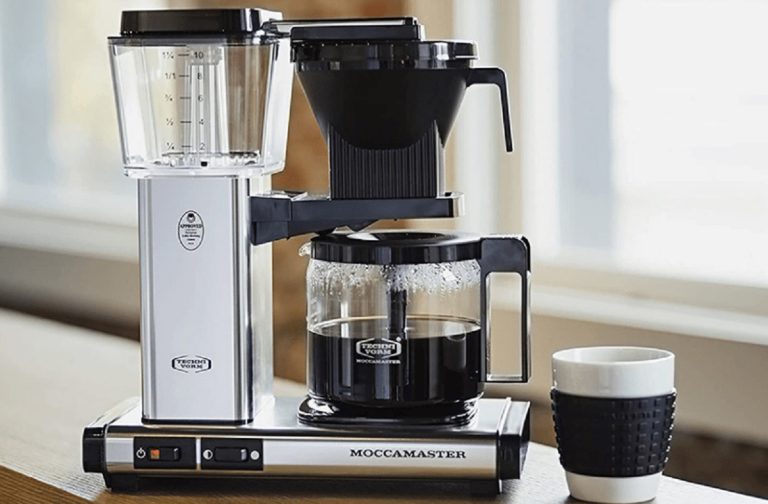
A common guideline for brewing is the tablespoon-to-cup ratio. On average, one standard cup of coffee (about 6 ounces) requires 1 to 2 tablespoons of whole coffee beans. This can be adjusted depending on the desired strength and the brewing method used. Coarser brewing methods like French press may need slightly more beans, while drip coffee machines often require a moderate amount.
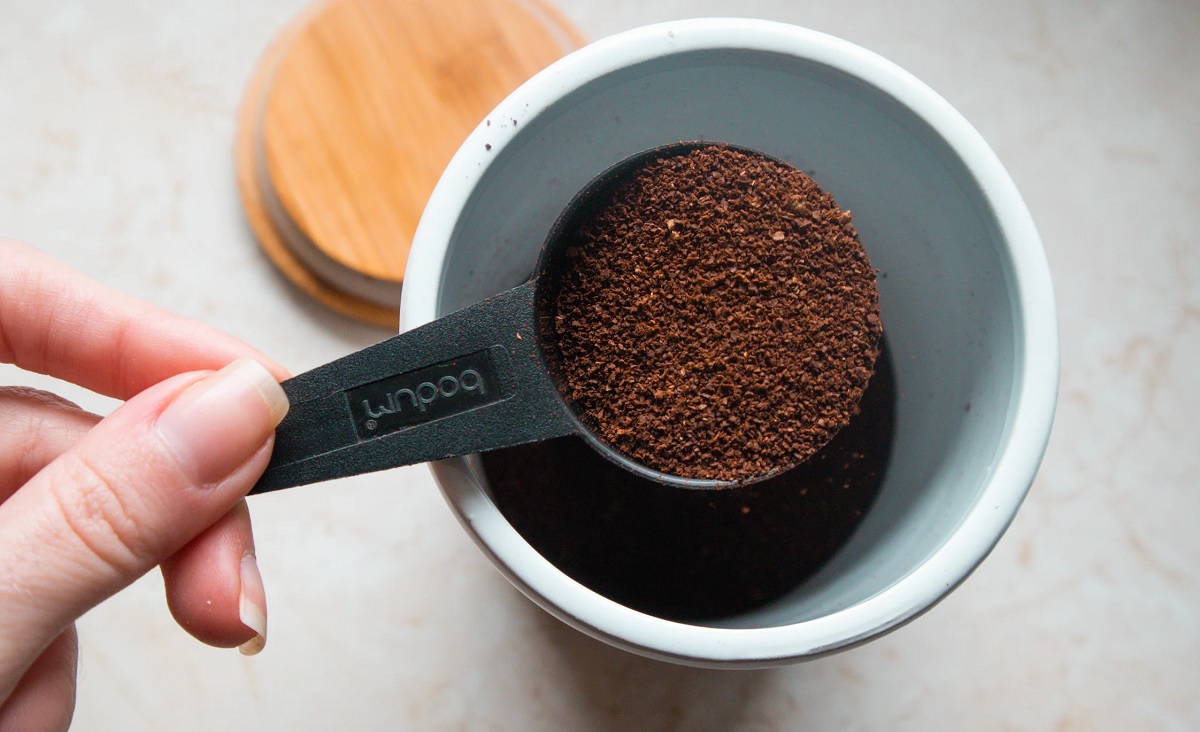
Measuring beans in tablespoons before grinding helps maintain consistency across brews. Too few beans produce a weak, watery cup, while too many create overly strong or bitter coffee. Using a kitchen scale provides even more accuracy, but tablespoon measurements are practical for everyday brewing and help beginners achieve balanced results.
Water-to-Coffee Ratio
Water-to-coffee ratio is another key guideline for consistent brewing. A common recommendation is 1 to 2 tablespoons of coffee per 6 ounces of water, but adjustments can be made based on personal preference. Maintaining a proper ratio ensures the coffee is neither too weak nor overpowering.
This ratio works across various brewing methods, from pour-over to drip coffee, providing a solid foundation for flavor development. By carefully measuring water along with beans, you control extraction, clarity, and body. A precise ratio also prevents waste and ensures repeatable results, which is especially important when brewing multiple cups or serving guests.
Adjusting for Strength and Taste
Standard measurement guidelines can be modified to suit your preferred strength and flavor. Using more beans per cup produces a bolder, richer taste, while reducing the amount creates a lighter, milder brew. Adjusting based on personal preference allows experimentation without compromising consistency.
Understanding how adjustments affect strength also helps refine other factors, such as grind size and brew time. For example, using a slightly finer grind may require fewer beans to maintain balance, while a coarser grind may need a bit more. Following guidelines while experimenting helps you discover your ideal cup.
Measuring Whole Beans vs. Ground Coffee
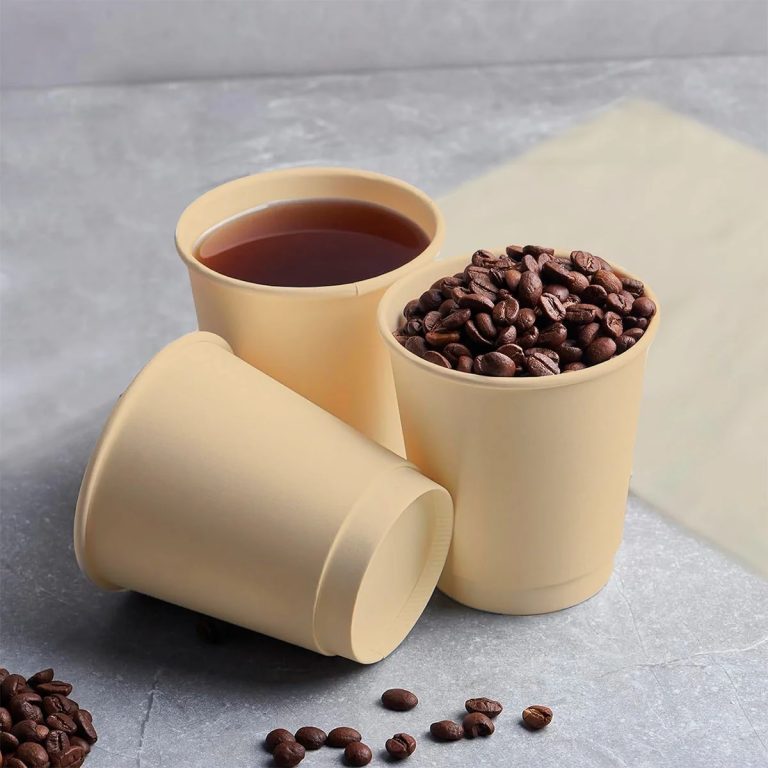
Whole beans and ground coffee differ slightly in how they are measured. Whole beans occupy more space, so a tablespoon of whole beans may weigh less than the same volume of pre-ground coffee. Grinding beans just before brewing ensures freshness and maximizes flavor extraction.
By measuring whole beans accurately before grinding, you can maintain consistency across cups. Adjusting for grind size, brewing method, and personal taste ensures that the right amount of coffee is used every time. Standard measurement guidelines provide a reliable framework for both beginners and experienced brewers to achieve balanced, satisfying coffee.
Measuring Whole Beans vs Ground Coffee
Measuring coffee accurately is essential for brewing a consistent and flavorful cup. Whole beans and ground coffee differ in density, volume, and how they interact with water during extraction. Understanding these differences helps you achieve the right balance, maintain strength, and highlight flavor characteristics in every cup. Choosing the correct measurement method can transform your daily coffee routine.
Differences in Volume and Density
Whole beans are less dense than ground coffee, which affects how much fits in a standard tablespoon or scoop. For example, one tablespoon of whole beans weighs less than one tablespoon of pre-ground coffee. This discrepancy can lead to variations in strength if you use the same volume measurement for both.
Grinding beans increases surface area, allowing more water to extract flavor compounds during brewing. Because ground coffee compacts more tightly than whole beans, using equal volumes produces a stronger, more concentrated cup. Measuring whole beans ensures consistency when ground just before brewing, preserving flavor and aroma. Understanding the difference in density helps you adjust portions for the intended brewing method and desired strength.
Impact on Flavor and Aroma
Using whole beans versus pre-ground coffee significantly affects flavor and aroma. Whole beans retain their oils and volatile compounds longer than ground coffee, preserving freshness. Grinding beans immediately before brewing ensures maximum extraction of aroma and taste, producing a more vibrant cup.
Ground coffee, while convenient, begins losing aroma and flavor soon after grinding due to oxidation and exposure to air. If measured incorrectly, pre-ground coffee can result in weaker or over-extracted cups. By measuring whole beans and grinding fresh, you maintain better control over flavor, acidity, and body. This practice highlights subtle notes like floral, fruity, or chocolate undertones, creating a richer sensory experience.
Adjusting Measurements for Brewing Methods
Different brewing methods require adjustments based on whether you measure whole beans or ground coffee. Immersion methods like French press or cold brew benefit from coarser grinds and slightly higher bean-to-water ratios. Espresso or Aeropress methods require finer grounds, so measurements should account for compacted volume.
When using whole beans, measure them before grinding to match the intended brewing method. For ground coffee, adjust the scoop or weight to achieve similar strength. Understanding how each form interacts with water ensures consistent extraction, flavor, and body, regardless of the equipment you use. Measurement adjustments are critical to maintaining balance and avoiding over- or under-extraction.
Tips for Consistent Measurements
Using a kitchen scale is the most reliable way to measure both whole beans and ground coffee. Weighing beans before grinding provides precision and ensures each brew matches your desired strength and flavor profile. For everyday convenience, measuring by tablespoons can work, but awareness of density differences is necessary.
Other tips include portioning whole beans into pre-measured containers for daily use and grinding only what you need. Keeping track of how different measurements impact flavor helps refine your brewing routine. Consistency in measurement combined with proper grind size and brewing technique guarantees a satisfying cup each time.
Maximizing Freshness and Taste
Measuring whole beans before grinding not only improves accuracy but also preserves freshness. Exposure to air begins as soon as coffee is ground, leading to gradual flavor loss. By measuring whole beans and grinding just before brewing, you maximize aroma, oils, and taste compounds.
For pre-ground coffee, storing in airtight, opaque containers in a cool, dry place can slow degradation, but it cannot replicate the freshness of freshly ground beans. Prioritizing whole beans and proper measurement ensures every cup delivers full-bodied flavor, clear aroma, and satisfying strength. Understanding these distinctions allows you to get the most out of your coffee, whether you value convenience, precision, or taste quality.
Brew Method Adjustments
Adjusting your brew method is essential for optimizing flavor, strength, and consistency in coffee. Every brewing technique interacts differently with grind size, coffee dose, water temperature, and brew time. Making the right adjustments ensures balanced extraction and highlights the best characteristics of your beans. Understanding how to fine-tune your brewing method allows you to enjoy coffee tailored to your taste preferences.
Adjusting Grind Size for Different Methods
Grind size plays a critical role in brew method adjustments. Coarse grinds are best for immersion methods like French press or cold brew, where water contacts the coffee for a longer time. Coarser particles prevent over-extraction and reduce sediment, resulting in a full-bodied but smooth cup.
Medium grinds suit pour-over or drip coffee, providing a balanced extraction and moderate body. The flow rate is controlled, allowing flavors to develop evenly. Fine grinds are ideal for espresso or Aeropress methods, where short brew times require rapid extraction. Too coarse a grind in these methods can produce weak, under-extracted coffee, while too fine a grind in immersion methods can result in over-extraction and bitterness. Adjusting grind size according to your brewing method ensures optimal flavor and balance in every cup.
Modifying Coffee Dose and Strength
The coffee dose, or the amount of coffee used per cup, must be adjusted for each brewing method. Higher doses increase concentration and body, while lower doses produce a lighter, milder cup. Espresso, for example, uses a higher dose in a small volume of water to create a concentrated shot, while drip or pour-over methods use moderate doses for larger servings.
Adjusting the dose also helps balance strength with grind size. A finer grind may require slightly less coffee to prevent over-extraction, while a coarser grind may need more to achieve a full-bodied flavor. By calibrating the dose according to the brew method and personal taste, you maintain consistency and avoid overly weak or bitter coffee.
Tweaking Brew Time and Water Temperature
Brew time and water temperature are essential variables in method adjustments. Immersion methods like French press benefit from longer brew times at slightly lower temperatures to avoid extracting excessive bitterness. Pour-over and drip methods require controlled pour speed and moderate water temperature to highlight delicate flavors.
Espresso demands precise temperature and short extraction time to balance acidity, sweetness, and body. Cold brew, in contrast, uses long steeping periods with cold water to achieve smooth, low-acid coffee. Understanding the interplay between brew time and temperature allows you to fine-tune flavor, controlling brightness, body, and intensity for each method.
Flow Rate and Technique Considerations
Flow rate, especially in manual brewing methods, significantly impacts extraction. Pour-over techniques allow control over water distribution, saturation, and flow speed. A slower, even pour increases contact time, producing fuller flavor, while a faster pour may highlight acidity and brightness.
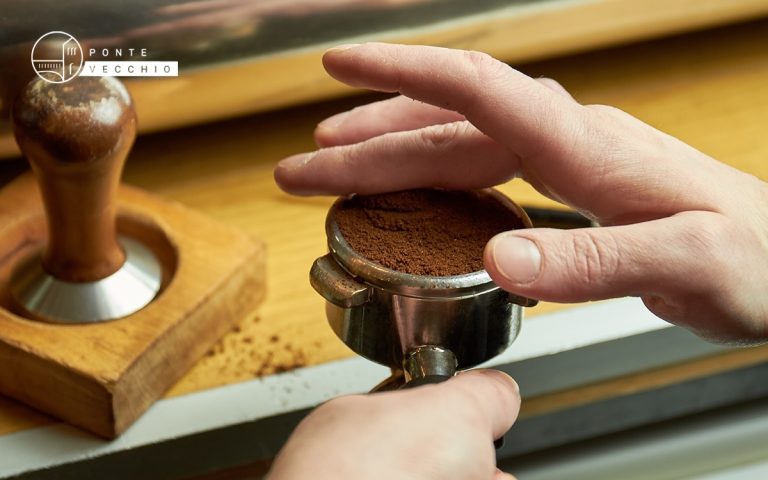
In espresso, tamping pressure and water flow rate directly affect extraction balance. Adjusting flow and technique ensures consistent crema, aroma, and body. Even in immersion methods, stirring or agitating grounds can influence extraction uniformity. Mastering these subtle adjustments gives you precise control over your coffee, allowing each cup to reflect the intended taste profile and method.
Adjusting for Roast Type
Roast type plays a crucial role in determining flavor, aroma, and brewing characteristics. Light, medium, and dark roasts each behave differently during extraction, affecting acidity, body, and overall taste. Adjusting your brewing method according to roast type ensures balanced flavor, prevents bitterness or under-extraction, and allows the unique qualities of each roast to shine in every cup.
Light Roast Adjustments
Light roasts retain more of the bean’s original flavors, often featuring bright, fruity, or floral notes with higher acidity. These beans are less soluble, which means they require slightly longer contact time or finer grind sizes to extract the full range of flavors. Pour-over or drip methods work well for light roasts, highlighting their clarity and complexity.
Water temperature is another adjustment to consider. Using slightly higher temperatures (around 200°F or 93°C) can help extract sweetness and aroma without over-extracting bitterness. Light roasts benefit from careful measurement of coffee-to-water ratio to maintain balance. Paying attention to these factors ensures that delicate notes are preserved and the cup remains vibrant, clean, and nuanced.
Medium Roast Adjustments
Medium roasts strike a balance between acidity and body, featuring caramel, nutty, or chocolatey notes. These roasts are more soluble than light roasts and extract more evenly. Standard brewing techniques such as drip, pour-over, and French press suit medium roasts, but minor adjustments can enhance flavor.
Grind size should match the chosen method, while coffee dose can be slightly increased for a fuller body. Water temperature around 195–205°F (90–96°C) works well, allowing a balanced extraction that brings out both sweetness and mild acidity. Medium roasts are forgiving, but careful attention to timing and technique ensures consistent flavor clarity and a satisfying cup.
Dark Roast Adjustments
Dark roasts feature bold, smoky, and chocolate-forward flavors with low acidity and higher oil content. These beans extract more quickly due to their porous structure, so shorter brew times and slightly coarser grind sizes prevent over-extraction and bitterness. Espresso or French press methods often highlight the richness and body of dark roasts.
Water temperature should be controlled, as excessively hot water can increase bitterness. Reducing coffee dose slightly compared to lighter roasts can also balance strength. Stirring or agitation should be minimized in immersion methods to avoid extracting harsh flavors. Adjusting these variables ensures that dark roasts remain smooth, rich, and enjoyable without overpowering the palate.
Combining Roast and Method Considerations
Understanding roast type in combination with brewing method allows for precise control over flavor. Light roasts need careful extraction to highlight nuanced notes, medium roasts benefit from flexibility, and dark roasts require moderation to avoid bitterness. Adjusting grind size, brew time, and water temperature according to roast type enhances the coffee’s natural characteristics and delivers a consistently satisfying cup.
Tips for Everyday Coffee Brewing
Brewing coffee every day can become an enjoyable ritual when you follow simple, practical tips. Small adjustments in grind size, water quality, and brewing technique can significantly enhance flavor and consistency. By incorporating mindful practices into your daily routine, you ensure every cup delivers the right strength, aroma, and balance.
Consistent Measurement and Portioning
One of the most important tips for everyday brewing is maintaining consistent measurement and portioning. Using a standard ratio of coffee to water ensures balanced extraction and flavor. A kitchen scale provides the most precise results, but measuring tablespoons consistently can also work for routine brewing.
Adjusting portion based on personal taste is key. If your coffee is too weak, slightly increasing the coffee dose or using a finer grind can enhance strength. If it’s too strong or bitter, reduce the dose or use a slightly coarser grind. By standardizing your measurements, you create a repeatable process that guarantees a satisfying cup every morning without guessing or trial and error.
Freshness and Storage Practices
Freshness is critical for flavorful coffee. Store whole beans in airtight, opaque containers in a cool, dry place to preserve aroma and taste. Grind beans just before brewing to retain oils and volatile compounds. Avoid leaving coffee exposed to air or storing it near heat or sunlight, as this accelerates staling and reduces flavor.
For pre-ground coffee, portion it into small containers and avoid repeated exposure to air and moisture. Proper storage ensures that your coffee retains richness, aroma, and complexity, making everyday brewing more consistent and enjoyable. Freshness directly impacts both strength and clarity, allowing each cup to reflect the beans’ quality.
Water Quality and Temperature
The quality and temperature of water play a significant role in extraction. Use filtered or clean water free from strong flavors or odors. Water that is too hot can over-extract coffee, causing bitterness, while water that is too cool can under-extract, leaving a weak, sour taste.
The ideal brewing temperature is generally between 195°F and 205°F (90°C–96°C). Maintaining this range ensures optimal extraction of soluble compounds while highlighting flavor and aroma. Adjusting water quality and temperature according to your brewing method enhances consistency and maximizes the coffee’s potential in your everyday routine.
Equipment Care and Cleaning
Regularly cleaning coffee equipment improves taste and prevents residue buildup that can affect flavor. Coffee oils and fine particles can accumulate in grinders, filters, and machines, introducing bitterness or stale notes over time.
Rinsing or washing equipment after each use, descaling machines periodically, and keeping filters clean ensures smooth water flow and proper extraction. Maintaining clean equipment guarantees that every cup tastes fresh and balanced, making everyday brewing simple, reliable, and enjoyable.
Frequently Asked Questions
How Many Tablespoons of Whole Coffee Beans Per Cup Should I Use?
The standard recommendation is 1 to 2 tablespoons of whole coffee beans per 6-ounce cup of coffee. Using one tablespoon creates a lighter, milder cup, while two tablespoons produce a stronger, fuller-bodied brew. You can adjust according to your taste preference and brewing method.
Grinding the beans just before brewing ensures freshness and maximum flavor. Measuring beans by tablespoons helps maintain consistency, whether you use a drip coffee maker, pour-over, or French press, making each cup predictable and enjoyable.
Does Cup Size Affect How Many Tablespoons of Whole Coffee Beans Per Cup?
Yes, cup size significantly affects how many tablespoons of whole coffee beans you should use. A standard coffee cup is about 6 ounces, but larger mugs may hold 8–12 ounces or more. You need to increase the amount of beans proportionally to maintain strength.
For example, an 8-ounce cup typically requires 1.5 to 2.5 tablespoons, while a 12-ounce mug might need 3 to 4 tablespoons. Adjusting for cup size ensures proper extraction and balanced flavor, preventing weak or overly strong coffee.
How Does Grind Size Affect the Number of Tablespoons of Whole Coffee Beans Per Cup?
Grind size changes how quickly flavors are extracted, which can influence the amount of coffee you use. Finer grinds extract faster and may require slightly less coffee to avoid bitterness. Coarser grinds extract more slowly, so you might need a slightly higher dose to achieve full flavor.
Matching grind size to your brewing method and adjusting tablespoons accordingly ensures balanced strength and taste. For instance, espresso uses fine grounds with a higher concentration, while French press uses coarse grounds with a slightly higher volume of beans per cup.
Can I Use a Standard Measurement for Every Brewing Method?
No, the standard measurement of 1 to 2 tablespoons per 6-ounce cup is a guideline, but it can vary by brewing method. Espresso, pour-over, French press, and cold brew all require different coffee-to-water ratios.
For espresso, you typically need a higher concentration of finely ground beans, while French press requires coarser beans with slightly more volume. Adjusting the tablespoons for each method ensures proper extraction, flavor balance, and strength, giving you a cup that reflects the brewing style and your taste preference.
What Happens If I Use Too Many or Too Few Tablespoons of Whole Coffee Beans Per Cup?
Using too few tablespoons results in weak, under-extracted coffee that tastes thin or sour. Essential flavors, oils, and aromas may not develop properly, leaving the cup lacking body and richness.
Using too many tablespoons can over-extract, producing bitter, harsh, or overly strong coffee. It can also lead to clogging in certain brewing methods. Balancing the amount of coffee beans per cup ensures consistent taste, aroma, and body, making every brew enjoyable without overpowering or underwhelming the palate.
How Can I Measure Whole Coffee Beans Accurately Without a Scale?
You can measure whole coffee beans using standard tablespoons. One level tablespoon typically weighs about 5–7 grams, depending on bean size and density. Using multiple tablespoons allows you to approximate the correct amount for your cup size.
For more accuracy, especially with larger servings or espresso shots, a kitchen scale is recommended. Weighing the beans ensures consistency, prevents weak or overly strong coffee, and allows you to replicate your preferred strength with each brew.
Should I Adjust the Number of Tablespoons of Whole Coffee Beans Per Cup Based on Bean Type?
Yes, different coffee beans can vary in density, roast level, and flavor intensity, which may affect how many tablespoons you use. Darker roasts are more porous and may extract more quickly, so slightly fewer tablespoons can prevent over-extraction. Light roasts may need slightly more to achieve full flavor.
Adjusting the amount based on bean type ensures balanced extraction and flavor clarity. Paying attention to roast and origin allows you to customize strength, aroma, and body for each cup while maintaining consistency across different types of coffee beans.
Conclusion
Getting the perfect cup of coffee starts with understanding the right amount of coffee to use. The right measurement ensures balanced flavor, proper extraction, and a satisfying aroma. Using too much or too little can lead to bitterness, weak coffee, or a cup that doesn’t match your taste preference.
When considering How Many Tablespoons of Whole Coffee Beans Per Cup?, the general guideline is usually one to two tablespoons per standard cup, depending on your desired strength. Adjustments may be necessary based on the brewing method, roast type, or personal taste. Measuring carefully—whether with tablespoons or a scale—helps maintain consistency in every cup you make.
Ultimately, experimenting and refining your measurements allows you to enjoy coffee tailored perfectly to your preference. Understanding How Many Tablespoons of Whole Coffee Beans Per Cup? empowers you to control flavor, strength, and quality, making each cup more enjoyable and satisfying.