How to Make Coffee for a Large Group: Tips, Measurements, and Brewing Techniques
Serving coffee for a crowd requires more planning than brewing a single cup. The right preparation ensures that every guest receives a fresh, flavorful, and balanced cup without wasting coffee or time. Paying attention to coffee-to-water ratios, brewing method, and timing can make the process smoother and more enjoyable.
Many hosts often wonder How to Make Coffee for a Large Group? The challenge lies in scaling up measurements while maintaining consistency and flavor. Using standard single-cup ratios without adjustment can result in weak or overly strong coffee. Proper planning ensures that strength, aroma, and body remain consistent across multiple servings.
Choosing the appropriate brewing method, whether a large drip coffee maker, percolator, or multiple French presses, simplifies serving and keeps coffee hot for longer periods. You also need to consider storage, timing, and portioning to avoid long waits or repeated brewing.
Understanding How to Make Coffee for a Large Group helps you plan accurately, maintain quality, and serve a satisfying experience for everyone. It allows you to enjoy the event while keeping coffee preparation efficient, organized, and delicious.
Calculating Coffee Quantity
Determining the right amount of coffee is essential for brewing consistently flavorful cups, especially when preparing coffee for multiple servings. Calculating coffee quantity ensures proper strength, balanced extraction, and minimized waste. Understanding how to scale coffee for the number of cups, brew method, and cup size allows you to serve coffee efficiently while maintaining optimal taste.
Standard Coffee-to-Water Ratios
A fundamental step in calculating coffee quantity is using a standard coffee-to-water ratio. Typically, one 6-ounce cup of coffee requires 1 to 2 tablespoons of coffee, depending on desired strength. For larger batches, multiply the ratio by the number of cups you plan to serve. For example, four cups would require 4 to 8 tablespoons of coffee.
These ratios provide a reliable starting point but can be adjusted according to personal preference. Using precise measurements ensures that coffee isn’t too weak or too strong, maintaining consistent flavor and aroma across multiple servings. Standard ratios work well for drip coffee, pour-over, French press, and similar brewing methods, making scaling simple and predictable.
Adjusting for Brew Method
Brew method impacts how much coffee you need, as different techniques extract flavors at varying rates. French press and immersion methods often require slightly more coffee per cup due to longer contact time, while espresso or Aeropress methods use a higher concentration in a smaller volume.
Calculating coffee quantity according to the brew method ensures optimal extraction, body, and strength. For example, using the same amount of coffee for a French press and a drip machine may result in under-extracted or over-extracted coffee. Adjusting the quantity based on the method prevents imbalance and highlights the unique characteristics of the coffee beans.
Considering Cup Size and Strength Preference
Cup size and personal strength preference also affect coffee quantity calculations. Standard cups are about 6 ounces, but larger mugs or travel cups may hold 8–12 ounces. Increase coffee proportionally for larger servings to maintain balance.
Strength preference allows further fine-tuning. Lighter coffee requires slightly less coffee per cup, while bold or stronger coffee requires more. Calculating the correct quantity based on both cup size and taste preference ensures that each serving is consistent, flavorful, and satisfying, no matter how many people you are serving.
Tips for Accurate Calculation
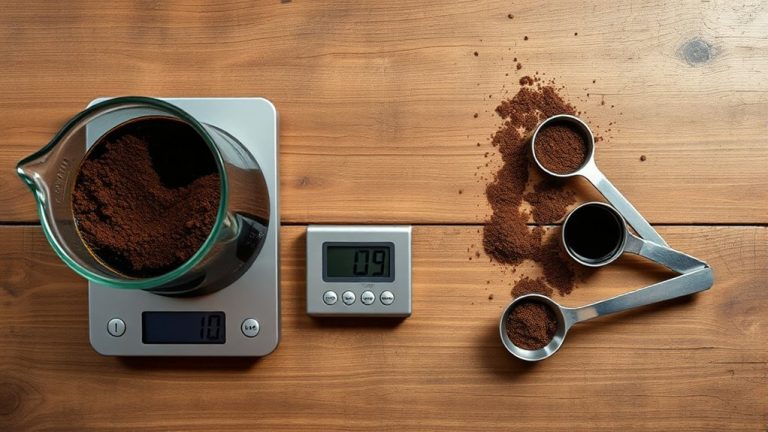
Using tablespoons or a kitchen scale helps ensure precise measurement when calculating coffee quantity. Weighing coffee provides the most accurate results, especially for larger groups, while tablespoons work well for everyday use.
Measuring accurately prevents weak, watery coffee or over-extracted bitterness. Keeping track of quantities for different cup sizes and brewing methods allows you to replicate results consistently. Accurate calculation simplifies brewing for small or large groups, making every cup enjoyable, properly balanced, and flavorful.
Choosing the Right Coffee Beans or Grounds
Selecting the right coffee beans or grounds is one of the most important steps in brewing a satisfying cup. The type of beans, roast level, and grind size all influence flavor, aroma, body, and acidity. Understanding how to match beans or grounds to your brewing method ensures consistent results and enhances the overall coffee experience. Making thoughtful choices helps highlight the unique qualities of each coffee.
Whole Beans vs Pre-Ground Coffee
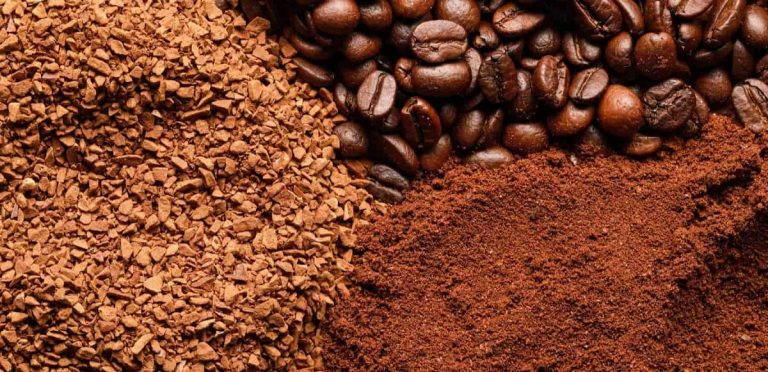
Choosing between whole beans and pre-ground coffee affects freshness and flavor. Whole beans retain their oils and aromatic compounds longer, making them ideal for grinding just before brewing. Freshly ground beans provide maximum aroma, richness, and complexity, allowing you to control grind size for different brewing methods.
Pre-ground coffee is convenient but loses flavor more quickly due to exposure to air, moisture, and light. Using pre-ground coffee may require more careful storage to maintain taste, such as airtight, opaque containers kept in a cool, dry place. Whole beans are preferred for those who prioritize freshness and flavor control, while pre-ground coffee suits convenience-focused routines. Understanding this distinction allows you to choose the right form for your lifestyle and desired taste.
Understanding Roast Levels
Roast level significantly impacts coffee flavor and body. Light roasts preserve the beans’ original characteristics, often resulting in bright, fruity, or floral notes with higher acidity. Medium roasts balance acidity and body, producing nutty, chocolatey, or caramel flavors. Dark roasts are bolder and fuller-bodied, featuring smoky, chocolate-forward flavors with lower acidity.
Selecting the right roast depends on your taste preference and brewing method. Light roasts benefit from pour-over or drip methods that highlight clarity and subtle flavors. Medium roasts work well in versatile brewing methods, while dark roasts excel in espresso and French press, emphasizing body and richness. Choosing the appropriate roast ensures your coffee’s flavor is optimized for your preferred method and taste.
Single-Origin vs Blends
Single-origin coffees come from a specific region, farm, or lot, offering unique flavor profiles tied to climate, soil, and cultivation. These coffees often have distinct notes such as citrus, berry, or chocolate, allowing you to explore different regional characteristics.
Blends combine beans from multiple origins to create balanced flavor, body, and aroma. They are designed to deliver consistent taste across batches, making them ideal for brewing for larger groups or daily routines. Understanding the difference between single-origin and blends helps you select beans that align with your flavor preference and brewing goals, whether you want complexity, consistency, or a mix of both.
Matching Beans to Brewing Methods
Different beans and grind levels suit specific brewing methods. Coarse beans are ideal for French press or cold brew, medium for drip coffee or pour-over, and fine for espresso or Aeropress. Adjusting grind size according to the brewing method ensures proper extraction and prevents over- or under-extraction.
Roast type also interacts with brewing methods. Light roasts highlight subtle flavors in pour-over, medium roasts provide balance in drip or French press, and dark roasts deliver intensity in espresso or immersion methods. Choosing beans and adjusting grind for the method maximizes flavor, body, and aroma, creating a satisfying, well-balanced cup.
Freshness and Storage Considerations
Freshness is key to optimal flavor. Purchase beans or grounds in small quantities to ensure use within a few weeks. Store them in airtight, opaque containers away from heat, moisture, and light to preserve oils and aroma.
Grinding beans just before brewing maximizes freshness and flavor extraction. Even with pre-ground coffee, proper storage slows staling and maintains quality. Being mindful of freshness, roast, origin, and grind ensures every cup reaches its full potential, whether brewing for one or a large group. Proper selection and storage elevate the coffee experience, bringing out the best in every bean.
Selecting the Best Brewing Method
Choosing the right brewing method is essential for achieving a flavorful and satisfying cup of coffee. Each method interacts differently with grind size, coffee-to-water ratio, and extraction time, influencing taste, aroma, and body. Understanding the strengths of various brewing techniques allows you to match your beans and personal preference, ensuring consistency and enjoyment in every cup.
Drip Coffee and Pour-Over
Drip coffee and pour-over methods are excellent for clean, balanced cups. Drip machines automate the brewing process, making it convenient for multiple servings, while pour-over provides control over water flow, bloom, and saturation. Both methods typically require medium-ground coffee and produce a cup with clear flavors and moderate body.
Pour-over techniques highlight subtle notes in light or medium roasts, emphasizing brightness and aroma. Drip coffee offers consistency and ease, especially for serving a group. Adjusting grind size, water temperature, and pour technique in pour-over methods allows you to tailor flavor, strength, and extraction, ensuring each cup meets your personal taste preferences.
French Press and Immersion Brewing
Immersion methods like the French press provide a full-bodied, rich cup by fully submerging coarse-ground coffee in water. This method allows oils and fine particles to remain in the brew, resulting in thicker texture and robust flavor. Coarse grind prevents over-extraction and sediment while allowing gradual extraction over a few minutes.
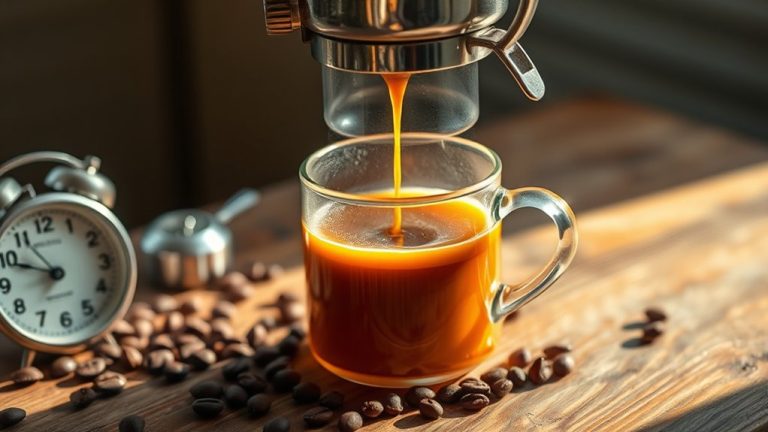
Timing and technique are crucial for French press brewing. Steeping too long can create bitterness, while too short may under-extract flavors. Immersion methods excel with medium or dark roasts, highlighting body and depth while offering smooth, satisfying cups. Proper measurement and consistent technique are key to repeatable, flavorful results.
Espresso and High-Pressure Methods
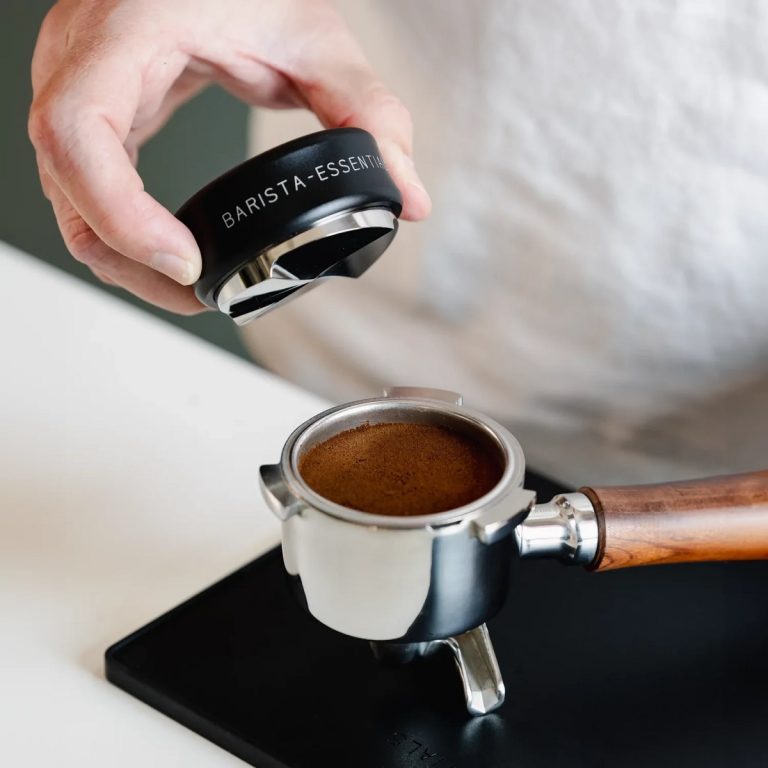
Espresso uses finely ground coffee extracted under high pressure to create a concentrated, flavorful shot. It produces thick crema, bold aroma, and rich body, forming the base for lattes, cappuccinos, and other espresso-based drinks. Fine grind, precise tamping, and accurate water temperature are essential for optimal extraction.
Small adjustments in grind, pressure, or extraction time dramatically affect flavor. Proper technique ensures balance between sweetness, acidity, and bitterness. Espresso suits dark or medium roasts, providing intense flavor and creamy texture. Mastering high-pressure brewing allows you to craft concentrated coffee with a full spectrum of taste and aroma.
Cold Brew and Specialty Methods
Cold brew and other specialty methods offer unique flavor experiences. Cold brew uses coarse-ground coffee steeped in cold water for 12–24 hours, producing smooth, low-acid coffee with natural sweetness and velvety texture. Specialty methods like Aeropress or siphon brewing allow experimentation with grind size, water temperature, and extraction time, creating distinct flavor profiles.
These methods are ideal for highlighting specific bean characteristics or creating refreshing, unique beverages. Adjusting coffee concentration, steeping time, or brewing technique helps you tailor flavor intensity and body. Cold brew and specialty methods expand your brewing options, giving you control over taste and style for a versatile coffee experience.
Matching Brewing Method to Preference
Selecting the best brewing method requires considering flavor, body, convenience, and serving size. Light roasts benefit from pour-over, medium roasts are versatile, French press highlights body, and dark roasts shine in espresso. Cold brew and specialty methods allow experimentation with flavor and strength.
Matching method to preference ensures consistency, balance, and enjoyment. Understanding how grind, roast, and water interact with each technique allows you to optimize extraction and taste. Choosing the right brewing method transforms daily coffee into a carefully crafted experience tailored to your personal preference and lifestyle.
Equipment and Tools for Large Batches
Brewing coffee for a large group requires more than just a standard coffee maker. The right equipment ensures consistent flavor, proper extraction, and efficient preparation. Choosing tools designed for higher capacity helps streamline the process, prevents under- or over-extraction, and guarantees that every cup tastes great. Understanding which equipment works best for large batches makes serving coffee easier and more enjoyable.
Commercial Drip Coffee Makers
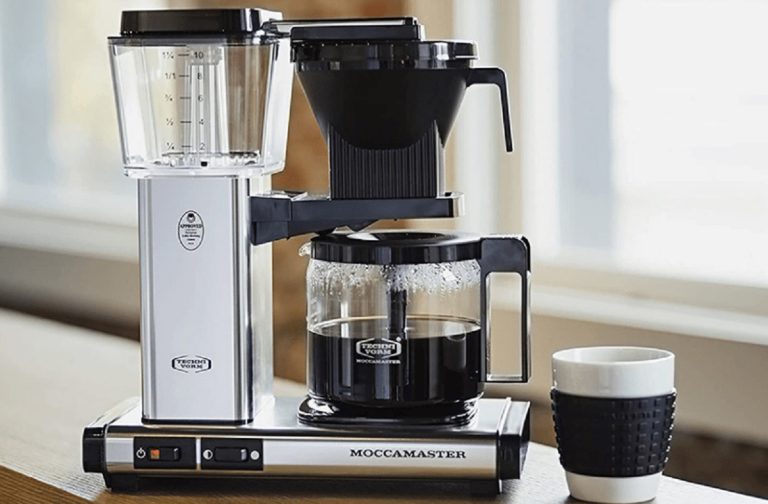
Commercial drip coffee makers are ideal for brewing large quantities quickly. These machines can handle multiple liters at a time and maintain consistent water temperature and flow, ensuring even extraction. They are designed for efficiency and ease of use, making them perfect for events, offices, or gatherings.
Using a commercial drip machine allows precise control over coffee-to-water ratios, producing balanced, consistent coffee across multiple servings. Some models have programmable settings for batch size, strength, and warming plates to keep coffee hot without affecting flavor. Investing in a reliable drip coffee maker simplifies brewing for large groups and ensures everyone receives a fresh, flavorful cup.
Large French Press or Immersion Brewers
For those who prefer full-bodied, rich coffee, large French presses or immersion brewers are an excellent choice. These devices allow coarse-ground coffee to steep fully, preserving oils and texture while producing robust flavor. Larger models can accommodate multiple cups, making them suitable for group brewing.
Timing and consistent technique are essential. Oversteeping can create bitterness, while under-extraction produces weak coffee. Using coarse coffee and measuring accurately ensures balanced flavor. Large immersion brewers allow hands-on control of the brewing process, providing flexibility to adjust strength, body, and aroma for every batch, making them a favorite for coffee enthusiasts serving groups.
Espresso Machines with Multiple Heads
Espresso machines with dual or triple heads are perfect for serving concentrated coffee for a large audience. These machines can pull multiple shots simultaneously, maintaining consistent pressure, temperature, and extraction. Fine grind and proper tamping are crucial for achieving quality espresso.
High-capacity espresso machines are especially useful for events or cafes where quick, repeated servings are needed. They allow you to make espresso-based drinks like lattes or cappuccinos efficiently. Using multiple heads reduces wait time and ensures uniform flavor, aroma, and crema across all servings. Mastery of timing and technique is key for producing consistent shots when brewing for large groups.
Auxiliary Tools for Efficiency
In addition to the main brewing equipment, several auxiliary tools help manage large batches effectively. Scales, timers, grinders, and large serving containers ensure accuracy, consistency, and ease of service. Scales provide precise coffee measurement, timers control extraction time, and grinders allow consistent grind size for optimal flavor.
Large thermal carafes or insulated dispensers are essential for keeping brewed coffee hot without compromising taste. Filters, tamping tools, and stirrers help maintain smooth, even extraction. Using the right auxiliary tools reduces errors, ensures uniformity, and makes serving multiple cups straightforward, allowing you to focus on quality and efficiency when brewing for large groups.
Planning and Maintenance Considerations
Brewing large batches requires careful planning and proper maintenance of equipment. Regular cleaning prevents buildup of oils and residues that can affect flavor, while pre-measuring coffee ensures smooth workflow. Scheduling brewing times and monitoring temperature and extraction guarantees every cup meets quality standards.
Understanding your equipment’s capacity and limitations helps prevent delays and ensures that coffee is served fresh and consistent. Combining the right machines with supporting tools allows you to handle large-scale brewing efficiently, keeping flavor, strength, and aroma consistent across all servings. Proper planning and maintenance are essential for a professional and enjoyable large-batch coffee experience.
Frequently Asked Questions
How Do I Determine How Much Coffee to Make for a Large Group?
To calculate the right amount of coffee, consider the number of guests and their average cup size. A standard guideline is 1 to 2 tablespoons of coffee per 6-ounce cup. Multiply this by the total number of cups needed to ensure each guest receives a balanced and flavorful serving.
Adjust the quantity based on strength preference and cup size. Using a larger coffee-to-water ratio produces stronger coffee, while a smaller ratio yields a milder cup. Accurate measurement ensures consistent flavor across all servings, avoiding weak or overly strong coffee when serving a crowd.
What Brewing Methods Work Best for Large Groups?
Several brewing methods are suitable for large groups. Commercial drip coffee makers, large French presses, and multiple immersion brewers are practical options for batch brewing. Drip machines offer convenience and consistency, while French presses provide rich, full-bodied coffee.
Espresso machines with multiple heads or thermal carafes also work well for fast-paced events. Choosing the right method depends on your group size, desired coffee style, and available equipment. Matching brewing methods to your guests’ preferences ensures efficiency, consistent flavor, and smooth service.
How Can I Keep Coffee Hot Without Losing Flavor?
Maintaining temperature is critical when serving large groups. Thermal carafes and insulated dispensers are ideal for holding coffee hot without compromising taste. Avoid using direct heat or prolonged warming plates, as they can overcook the coffee and create a bitter flavor.
Pouring smaller batches into multiple carafes also helps maintain freshness. Stirring gently before serving ensures even temperature distribution. Using proper containers allows you to serve a large group efficiently while preserving aroma, body, and overall flavor quality.
Should I Grind Coffee Ahead of Time for a Large Group?
Grinding coffee just before brewing is ideal for freshness, but for large groups, pre-grinding can save time. Use airtight containers to store ground coffee and minimize exposure to air, moisture, and light, which degrade flavor.
If grinding ahead, measure accurately to match your brewing method and number of servings. Freshly ground coffee enhances aroma and extraction, but careful pre-grinding ensures efficiency during service without sacrificing quality. Balancing preparation time and freshness is key when brewing for a crowd.
How Do I Adjust Coffee Strength for a Large Group?
Coffee strength can vary based on personal preference, roast type, and brewing method. For larger groups, calculate coffee-to-water ratios carefully, using the standard 1 to 2 tablespoons per 6-ounce cup as a baseline.
Adjust ratios to create stronger or lighter coffee. Coarser grinds and longer brew times increase strength for immersion methods, while finer grinds in espresso machines produce concentrated shots. Testing a small batch beforehand ensures the final batch meets taste expectations for the entire group.
What Equipment Do I Need for Serving a Large Group Efficiently?
Serving coffee to a crowd requires the right equipment. Large-capacity drip machines, French presses, or multi-head espresso machines are ideal for brewing multiple cups quickly. Insulated carafes, thermal dispensers, and pre-measured coffee scoops streamline serving and maintain freshness.
Additional tools such as scales, timers, and grinders ensure precise measurement and consistent flavor. Using the right combination of equipment reduces errors, saves time, and guarantees that every cup served is balanced, aromatic, and enjoyable for your guests.
How Can I Plan the Brewing Schedule for a Large Event?
Planning is essential when brewing for a group. Start by estimating the total coffee volume and number of servings needed. Prepare equipment, pre-measure coffee, and schedule brewing in batches to maintain freshness and efficiency.
Consider guest arrival times and peak serving periods. Staggering brewing or using multiple machines ensures coffee is available when needed without sitting too long. A structured schedule helps maintain flavor consistency, prevents delays, and allows you to serve large groups smoothly and efficiently.
Final Words
Serving coffee to a large number of people requires careful planning, from measuring the right amount of coffee to choosing the best brewing method. Paying attention to the coffee-to-water ratio, grind size, and brew time ensures that every cup is flavorful and consistent. Proper preparation allows you to serve a satisfying experience without stress or wasted coffee.
When figuring out How to Make Coffee for a Large Group?, it’s important to consider the equipment and tools you’ll need. Large drip coffee makers, percolators, or airpots can handle high volumes efficiently, while thermal carafes help maintain freshness. Adjusting the recipe for strength, roast type, and grind size ensures that the coffee appeals to everyone’s taste preferences.
Ultimately, preparation and attention to detail are key to success. Understanding How to Make Coffee for a Large Group? empowers you to serve smooth, hot, and flavorful coffee consistently, making any gathering more enjoyable and keeping your guests happy from the first cup to the last.