Decaf vs Regular Coffee: Which One Should You Choose?
Coffee lovers often face choices that go beyond flavor, and one of the most common debates is about caffeine content. Some people enjoy the full kick of regular coffee, while others prefer a milder experience with decaf. Understanding the differences between these two options can help you make informed decisions about your daily brew.
Caffeine affects alertness, energy levels, and even metabolism, so the choice between decaf and regular coffee can impact how you feel throughout the day. He or she considering this choice may also think about health factors, sleep quality, and personal tolerance to caffeine.
The flavor profiles of decaf and regular coffee can differ as well. Decaf retains most of the original bean’s taste but may have subtle variations due to the decaffeination process.
Decaf vs Regular Coffee is a common topic among coffee enthusiasts because it combines health considerations, lifestyle preferences, and flavor choices. Exploring the differences allows you to select the brew that best suits your needs and daily routine.
Caffeine Content Comparison
Caffeine is one of the primary differences between decaf and regular coffee, impacting energy, alertness, and overall daily consumption. Comparing the caffeine content in both types helps you choose the best option for your needs, whether you want a morning boost, an afternoon pick-me-up, or a relaxing evening cup. Understanding how caffeine levels vary by type, brewing method, and serving size allows for informed coffee choices.
Average Caffeine in Regular Coffee
Regular coffee contains a significant amount of caffeine, which is responsible for its stimulating effects. He or she drinking an 8-ounce cup of regular brewed coffee can expect around 80–120 milligrams of caffeine, though this can vary depending on bean type, roast level, and brewing method. Espresso and specialty drinks can contain even higher concentrations of caffeine per ounce due to the extraction process.
Caffeine in regular coffee stimulates the central nervous system, increasing alertness and temporarily reducing fatigue. It can also enhance mood and cognitive performance. He or she consuming multiple cups throughout the day should be mindful of total caffeine intake to avoid jitteriness, sleep disruption, or increased heart rate. By knowing average caffeine content, coffee drinkers can manage consumption and balance energy levels effectively.
Caffeine Levels in Decaf Coffee
Decaf coffee contains significantly less caffeine than regular coffee, though it is not completely caffeine-free. He or she enjoying an 8-ounce cup of decaf brewed coffee typically consumes around 2–5 milligrams of caffeine, depending on bean type and decaffeination method. Espresso-style decaf may have slightly higher amounts, but it is still minimal compared to regular espresso.
The reduced caffeine content allows decaf coffee to offer flavor and aroma without producing the stimulating effects of regular coffee. This makes it ideal for evenings, sensitive individuals, or those who want to limit daily caffeine intake. He or she can enjoy multiple cups of decaf without affecting sleep or experiencing overstimulation, making it a practical alternative for health-conscious coffee enthusiasts.
Factors Affecting Caffeine Content
Caffeine content varies based on bean type, roast, grind size, and brewing method. Arabica beans contain less caffeine than Robusta beans, while lighter roasts retain slightly more caffeine than darker roasts due to roasting time and density. He or she brewing coffee should understand that espresso, French press, and cold brew each extract caffeine differently, affecting the total content in a serving.
Serving size also plays a role. A standard 8-ounce cup of drip coffee typically has more caffeine than a 1-ounce espresso shot, despite espresso’s concentrated flavor. Monitoring these factors allows coffee lovers to control caffeine intake according to their preferences and tolerance, whether choosing regular or decaf.
Health and Lifestyle Considerations
Caffeine affects not only energy but also health. He or she consuming regular coffee may benefit from improved alertness, mood, and metabolism, but excessive intake can lead to jitters, insomnia, or elevated heart rate. Decaf provides the sensory experience of coffee without these stimulating effects, making it suitable for people with caffeine sensitivity or specific health concerns.
Balancing regular and decaf coffee can help manage caffeine intake while still enjoying multiple cups per day. Understanding the differences in caffeine content allows coffee enthusiasts to plan consumption around lifestyle, work schedules, and personal health goals. Being informed about caffeine levels in each type ensures both flavor enjoyment and mindful intake.
Flavor and Aroma Differences
Flavor and aroma are critical factors when choosing between decaf and regular coffee. While both types come from the same coffee beans, the decaffeination process and caffeine content can subtly influence taste, aroma, and mouthfeel. Understanding these differences allows coffee lovers to select beans and brewing methods that best suit their preferences.
How Decaffeination Affects Flavor
The decaffeination process removes most of the caffeine from coffee beans, but it can also alter their flavor profile. He or she drinking decaf may notice slightly muted or less vibrant notes compared to regular coffee. The specific method used, whether water-based, chemical solvent, or CO₂ extraction, affects how much of the original flavor is preserved.
Decaf beans often retain most of their characteristic body and aroma, but some subtle fruity, nutty, or acidic notes may be less pronounced. Coffee enthusiasts should select high-quality decaf beans and freshly roasted options to maximize flavor. Paying attention to the decaffeination method helps ensure a cup that closely mimics the original bean’s taste.
Flavor Profiles of Regular Coffee
Regular coffee maintains its natural caffeine content, which influences both flavor perception and overall experience. He or she drinking regular coffee may experience a more pronounced bitterness, balanced acidity, and fuller body. Caffeine interacts with taste receptors, enhancing sweetness and contributing to the perception of richness.
The flavor complexity is also impacted by roast level, bean origin, and brewing method. Regular coffee can offer bright, fruity, or chocolatey notes depending on these factors. Understanding these nuances allows coffee enthusiasts to select beans that match their preferred flavor intensity and sensory experience.
Aroma Differences Between Decaf and Regular
Aroma plays a vital role in the coffee-drinking experience. Decaf retains most aromatic compounds, but subtle differences can be detected, such as slightly less pungency or intensity. He or she preparing decaf may notice a milder scent that still evokes roasted, nutty, or caramel notes, but the fragrance may not be as powerful as regular coffee.
Regular coffee generally produces a stronger, more complex aroma due to the presence of caffeine and fully intact oils. Freshly ground regular beans release volatile compounds that enhance both smell and taste perception. Awareness of these aroma differences helps in choosing beans for sensory enjoyment, whether drinking decaf or regular coffee.
Balancing Flavor with Brewing Method
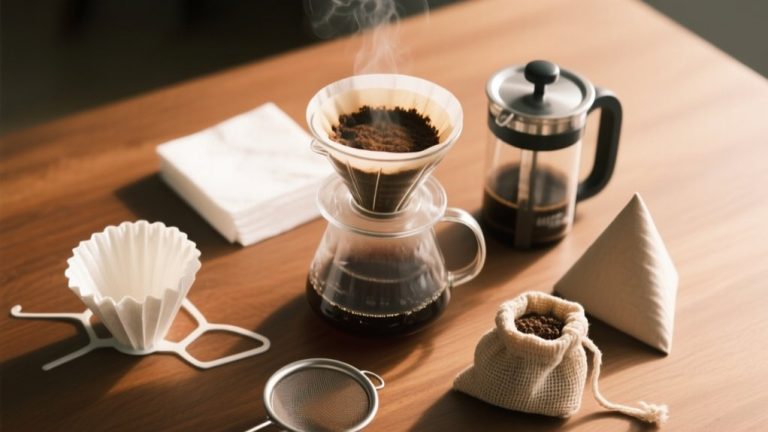
Brewing technique can emphasize or minimize flavor and aroma differences between decaf and regular coffee. He or she using immersion methods like French press or AeroPress may extract more oils and aromatic compounds, enhancing decaf’s flavor. Pour-over and drip methods highlight clarity and brightness, making subtle differences more noticeable.
Adjusting grind size, water temperature, and brewing time allows you to maximize taste and aroma for both types of coffee. Recognizing how brewing affects flavor perception ensures that decaf or regular coffee can meet personal taste preferences while providing a satisfying and aromatic experience.
Selecting Beans for Maximum Flavor
Choosing the right beans is key to enjoying the full flavor and aroma of either decaf or regular coffee. Specialty decaf beans or freshly roasted regular coffee often provide the most nuanced sensory experience. He or she selecting beans should consider roast level, origin, and processing method to match personal taste.
High-quality beans preserve essential oils, aromatic compounds, and flavor notes, allowing decaf to approximate regular coffee’s taste closely. Paying attention to freshness, proper storage, and brewing technique ensures both types deliver enjoyable, complex, and aromatic cups that suit individual preferences.
Choosing Between Decaf and Regular Coffee
Deciding between decaf and regular coffee depends on personal preference, lifestyle, and health considerations. Each option offers unique advantages and subtle differences in flavor, aroma, and caffeine content. Understanding these factors helps you select the coffee that best fits your daily routine, energy needs, and taste expectations, ensuring an enjoyable and satisfying experience every time.
Evaluating Caffeine Needs
Caffeine content is the most significant factor when choosing between decaf and regular coffee. Regular coffee provides a robust caffeine boost, increasing alertness and temporarily reducing fatigue. He or she consuming multiple cups a day should consider tolerance, sleep patterns, and potential side effects like jitters or elevated heart rate.
Decaf contains minimal caffeine, typically 2–5 milligrams per 8-ounce cup, making it suitable for evenings or individuals sensitive to caffeine. It allows coffee lovers to enjoy multiple cups without overstimulation. Evaluating your caffeine needs based on lifestyle, health, and timing of consumption helps you decide which option better suits your routine while maintaining desired energy levels.
Considering Flavor and Aroma Preferences
Flavor and aroma can influence your choice as much as caffeine content. Regular coffee often has bolder, more pronounced notes due to the presence of caffeine, contributing to perceived sweetness and richness. He or she choosing regular coffee may appreciate the fuller body, stronger aroma, and complex flavor profiles typical of freshly roasted beans.
Decaf retains most of the original bean’s characteristics but may have slightly muted acidity, sweetness, or aroma depending on the decaffeination method. For those prioritizing flavor without the stimulating effects of caffeine, high-quality decaf beans can provide a satisfying sensory experience. Understanding your taste preferences helps guide the decision between the two options.
Health and Lifestyle Considerations
Health factors often play a role in the choice between decaf and regular coffee. Regular coffee has been linked to benefits such as improved focus, metabolism, and cognitive function but may not suit individuals with caffeine sensitivity, heart conditions, or sleep concerns. He or she considering these factors may opt for decaf to enjoy coffee without affecting health or sleep.
Decaf allows you to enjoy coffee throughout the day, even in the evening, without the risk of disrupted sleep. Both options provide antioxidants and other beneficial compounds found in coffee. Assessing lifestyle, health status, and daily routines helps determine whether decaf or regular coffee aligns better with personal well-being and long-term habits.
Balancing Enjoyment and Practicality
Choosing between decaf and regular coffee often involves balancing enjoyment with practical considerations. He or she may prefer regular coffee for a morning energy boost but switch to decaf later in the day to avoid overstimulation. This approach combines flavor satisfaction with mindful caffeine management.
Other factors, such as brewing methods, bean quality, and storage, also influence the final experience. Selecting fresh, high-quality beans, adjusting grind and extraction, and storing beans properly ensures that either decaf or regular coffee delivers the best flavor and aroma. Practical decision-making ensures a consistent, enjoyable coffee routine tailored to personal preferences.
Making an Informed Choice
Ultimately, the choice between decaf and regular coffee depends on your priorities regarding flavor, caffeine, and lifestyle. He or she weighing the options should consider taste preferences, energy needs, health factors, and brewing habits to select the most suitable coffee.
Exploring both options can provide insight into how each type fits different times of day and circumstances. By understanding the differences in caffeine content, flavor, aroma, and health impacts, coffee enthusiasts can make informed choices that maximize enjoyment and meet their daily needs.
People Also Asked
What Is The Difference Between Decaf And Regular Coffee?
The main difference between decaf and regular coffee is the caffeine content. Regular coffee contains its full caffeine amount, providing a stimulating effect, while decaf has most caffeine removed, usually leaving 2–5 milligrams per 8-ounce cup. He or she choosing decaf can enjoy coffee without feeling jittery or affecting sleep.
Other differences come from flavor and aroma. The decaffeination process can slightly reduce acidity or intensity of taste, but high-quality decaf retains much of the original bean’s character. Understanding these differences helps you select coffee suited to your preference and lifestyle.
Does Decaf Taste Different From Regular Coffee?
Decaf coffee can taste slightly different from regular coffee due to the removal of caffeine. He or she drinking decaf may notice a milder flavor or less pronounced acidity. Depending on the decaffeination method and bean quality, the taste might be slightly muted compared to regular coffee.
However, specialty decaf beans can retain most of the original aroma, sweetness, and body. Brewing methods also influence flavor, and careful grinding, dosing, and extraction can make decaf nearly indistinguishable from regular coffee, allowing coffee lovers to enjoy the sensory experience without the caffeine boost.
How Much Caffeine Is In Decaf Compared To Regular Coffee?
Decaf coffee contains significantly less caffeine than regular coffee. He or she drinking an 8-ounce cup of decaf typically consumes 2–5 milligrams, while a standard cup of regular coffee contains 80–120 milligrams, depending on roast, bean type, and brewing method.
This difference makes decaf suitable for evenings, sensitive individuals, or anyone limiting caffeine intake. Even espresso-style decaf remains low in caffeine. Comparing these levels helps coffee enthusiasts manage energy, avoid overstimulation, and plan coffee consumption according to daily routines.
Can Decaf Coffee Offer Health Benefits Like Regular Coffee?
Yes, decaf coffee still provides many of the health benefits of regular coffee. It contains antioxidants and bioactive compounds that support heart health, reduce inflammation, and may improve metabolic function. He or she drinking decaf receives these benefits without the potential drawbacks of caffeine.
While regular coffee boosts alertness and cognitive function due to caffeine, decaf offers the same protective compounds without stimulating effects. Both options can fit into a balanced lifestyle, and choosing decaf allows enjoyment of coffee’s health advantages while minimizing caffeine-related side effects like insomnia or jitters.
Who Should Choose Decaf Over Regular Coffee?
Decaf is ideal for people sensitive to caffeine, those with sleep issues, heart conditions, or those who want multiple cups throughout the day without overstimulation. He or she may prefer decaf in the evening or after meals to enjoy coffee without affecting rest.
It’s also suitable for individuals who enjoy the flavor and aroma of coffee but wish to reduce overall caffeine intake. Understanding personal tolerance, lifestyle, and health factors helps in deciding between decaf and regular coffee, ensuring both enjoyment and well-being.
Does Brewing Method Affect Decaf And Regular Coffee Differently?
Yes, brewing method influences how flavor and aroma are extracted from decaf and regular coffee. He or she using immersion methods like French press may extract more oils and aromatics, enhancing decaf’s body and flavor. Pour-over or drip methods highlight clarity and acidity, which can make subtle differences between decaf and regular more noticeable.
Adjusting grind size, water temperature, and extraction time ensures optimal taste for both types. Recognizing how brewing method interacts with caffeine content and flavor allows coffee lovers to tailor their brewing process, achieving the best cup whether using decaf or regular coffee.
Final Words
Choosing between different types of coffee often comes down to your personal preferences, lifestyle, and caffeine tolerance. Both decaf and regular coffee offer unique experiences in flavor, aroma, and energy boost, making it important to understand the differences before making a choice.
When considering Decaf vs Regular Coffee, regular coffee provides a higher caffeine content, offering increased alertness, energy, and metabolism support. In contrast, decaf allows you to enjoy the taste and warmth of coffee without the strong stimulant effects, making it ideal for those sensitive to caffeine or looking to reduce intake.
By comparing Decaf vs Regular Coffee, you can select the option that best suits your health, daily routine, and taste preferences. Whether you want a bold, energizing cup or a gentler, low-caffeine alternative, understanding these differences ensures you enjoy your coffee while meeting your personal needs and lifestyle goals.