Why Is My Espresso Bitter? Common Causes, Fixes, and Brewing Tips
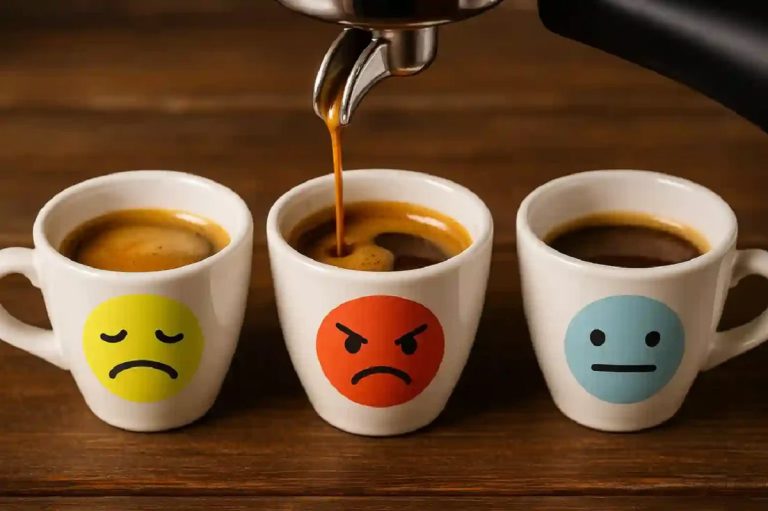
Espresso is celebrated for its rich, bold flavor, creamy crema, and quick energy boost. Many coffee lovers aim for a smooth, balanced shot, but sometimes the experience turns unexpectedly sharp or harsh. Bitter espresso can be frustrating, especially when you’ve used quality beans and proper equipment.
Understanding the causes behind a bitter shot helps you troubleshoot and improve each pull. Factors such as grind size, extraction time, water temperature, and bean quality all play a role in shaping the taste. Even small variations in these elements can transform a sweet, aromatic espresso into one that tastes overly harsh.
Exploring common brewing mistakes, bean characteristics, and machine settings sheds light on why bitterness occurs. For those passionate about perfecting their home or café espresso, uncovering the answer to the question, Why Is My Espresso Bitter? provides practical guidance and empowers you to enjoy every cup to its fullest potential.
Over-Extraction And Its Impact
Over-extraction is a common reason espresso can taste bitter, harsh, or astringent. It occurs when water interacts with coffee grounds for too long or extracts too many soluble compounds, pulling out undesirable flavors. Understanding over-extraction and its effects helps you adjust brewing techniques, grind size, and timing to achieve a smoother, more balanced espresso.
What Happens During Over-Extraction
During the espresso brewing process, water extracts soluble compounds from coffee in stages. Initially, it pulls out acids and sugars, producing sweetness, brightness, and pleasant flavor. As extraction continues, more bitter compounds, tannins, and undesirable elements are released, overpowering the delicate balance of the shot.
Over-extracted espresso often tastes dry, sharp, or overly bitter. The crema may appear dark and thin, while the body feels heavy or harsh on the palate. These characteristics indicate that the water has passed through the grounds too slowly, or the grind is too fine, allowing prolonged contact. By recognizing the signs of over-extraction, you can make targeted adjustments to prevent these flavors from dominating your espresso.
Factors Contributing to Over-Extraction
Several variables contribute to over-extraction. Grind size is critical—too fine a grind increases resistance, slowing water flow and prolonging extraction. Similarly, excessive tamping pressure or a high dose of coffee can restrict water, causing over-extraction. Water temperature also plays a role; overly hot water accelerates the release of bitter compounds.
The timing of your shot is another major factor. Longer extraction times pull more compounds, often past the sweet spot where flavor balance is optimal. Even slight deviations in any of these variables can shift a shot from smooth to bitter. Understanding how grind, dose, pressure, temperature, and time interact helps you maintain control over your espresso’s flavor profile.
Impact on Flavor And Aroma
Over-extraction dramatically affects both flavor and aroma. The espresso may lose sweetness and acidity, leaving a dominant bitterness and harsh aftertaste. Notes that should be bright, fruity, or chocolatey become muted, while sharp, dry, or burnt-like flavors take over.
Aroma is similarly affected. Instead of the inviting, rich smell typical of espresso, over-extracted shots can emit a flat or burnt scent. This change impacts the overall sensory experience, making the coffee less enjoyable and masking the subtle complexities of the beans. Recognizing the aroma and taste cues of over-extraction is essential for improving every shot.
Preventing Over-Extraction
Preventing over-extraction involves adjusting variables to achieve proper balance. You can coarsen the grind slightly, reduce the dose, or tamp with moderate pressure to allow water to flow evenly. Timing the shot carefully ensures extraction stops before bitter compounds dominate.
Water temperature should remain within the optimal range, usually between 195°F and 205°F. Consistency in these parameters produces a clean, balanced espresso with sweetness, acidity, and a pleasant body. By understanding over-extraction and its impact, you can make precise adjustments to improve taste, aroma, and overall espresso quality.
Role of Bean Type and Roast Level
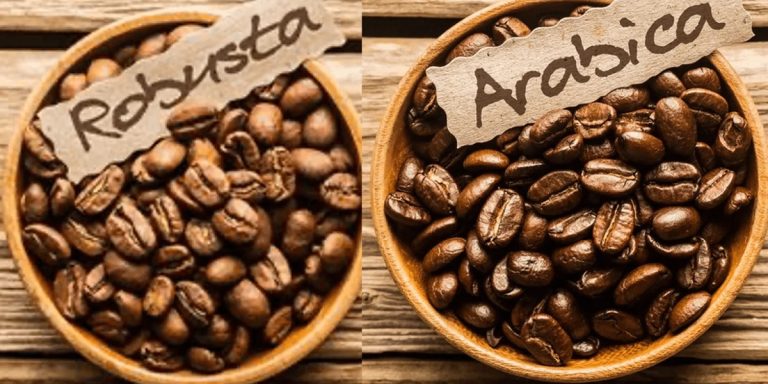
Bean type and roast level also influence susceptibility to over-extraction. Lighter roasts, often Arabica, are more delicate and can become bitter if over-extracted, while darker roasts and Robusta tolerate slightly longer extraction without losing body. Matching your grind and brewing technique to the bean type helps maintain flavor integrity.
Choosing beans suited to your brewing style ensures that over-extraction is less likely and allows you to enjoy a smooth, aromatic, and balanced espresso. By combining the right beans with proper grind, dose, and extraction time, bitterness can be minimized, highlighting the coffee’s natural sweetness and complexity.
Coffee Bean Quality And Roast Level
The quality of coffee beans and their roast level play a crucial role in shaping the taste, aroma, and overall espresso experience. High-quality beans combined with an appropriate roast can minimize bitterness, enhance sweetness, and bring out the complex flavors inherent in the coffee. Understanding these factors allows you to make better choices for a balanced and enjoyable cup.
Importance Of Coffee Bean Quality
Coffee bean quality is one of the most influential factors in determining how your espresso tastes. Beans that are fresh, uniform in size, and free from defects produce more consistent extraction, reducing the likelihood of bitterness or off-flavors. High-quality Arabica beans are prized for their smoothness, nuanced aroma, and natural sweetness, while Robusta beans contribute body and caffeine strength.
You also notice that premium beans retain more of their delicate aromatic oils during roasting, which directly impacts flavor clarity. Low-quality or stale beans can taste flat, harsh, or overly bitter even with perfect brewing technique. By selecting beans carefully, you ensure that the foundation of your espresso supports a rich, balanced cup, highlighting desirable notes such as chocolate, caramel, fruit, or floral undertones.
How Roast Level Affects Flavor
Roast level significantly affects both the intensity and taste profile of your coffee. Light roasts preserve the bean’s natural flavors, acidity, and subtle aromatic compounds. Medium roasts offer a balance between acidity and body, bringing out sweetness while maintaining some origin-specific notes. Dark roasts reduce acidity, increase bitterness, and emphasize roasted, smoky, or caramelized flavors.
The choice of roast impacts how espresso extracts and tastes. Overly dark roasts can mask the natural sweetness of the beans and make espresso taste harsher or more bitter. Conversely, very light roasts may produce a sour or underdeveloped shot if not brewed carefully. Matching roast level to your brewing style and personal taste ensures optimal flavor and minimizes undesirable notes in every cup.
Bean Origin And Its Influence
Coffee bean origin also plays a key role in quality and flavor. Beans grown at high altitudes in stable climates often develop more complex flavors, higher sweetness, and balanced acidity. Single-origin beans highlight these characteristics, while blended beans are crafted to balance flavor, body, and strength across different profiles.
Origin affects not only taste but also how beans respond to roasting. For example, Arabica from Ethiopia often benefits from light or medium roasts to preserve fruity and floral notes, while beans from Brazil or India can withstand slightly darker roasts to enhance chocolate and nutty flavors. Understanding origin allows you to choose beans that complement your preferred espresso profile and brewing technique.
Freshness And Storage Considerations
Freshness is critical to coffee quality. Beans begin to lose flavor and aromatic compounds shortly after roasting, so consuming them within a few weeks of roasting maximizes taste. Whole beans retain freshness longer than pre-ground coffee, preserving essential oils and complexity.
Proper storage is equally important. Keeping beans in an airtight container away from heat, light, and moisture helps maintain flavor integrity. Avoiding prolonged exposure to air and humidity prevents staleness and off-flavors, ensuring each shot of espresso highlights the full potential of both the bean and the chosen roast level.
Matching Beans And Roast To Espresso
Selecting the right combination of bean quality and roast level is essential for achieving a smooth, balanced espresso. High-quality beans with a carefully chosen roast allow optimal extraction, producing sweetness, body, and pleasant aroma while minimizing bitterness.
You can experiment with light, medium, or dark roasts depending on taste preferences and brewing method. Understanding the interplay between bean origin, quality, and roast level gives you greater control over the flavor, strength, and overall espresso experience, making each cup more satisfying and enjoyable.
Incorrect Grind Size And Consistency
Grind size and consistency are critical factors that determine how well espresso extracts and how it tastes. The wrong grind can lead to under-extraction or over-extraction, resulting in sour, bitter, or flat shots. Understanding how grind size affects flavor, flow rate, and extraction allows you to achieve a balanced and enjoyable espresso cup every time.
How Grind Size Affects Extraction
Grind size directly impacts the speed at which water passes through coffee grounds. Finer grinds increase resistance, slowing water flow and extending extraction time. This can lead to over-extraction, pulling out bitter compounds and creating a harsh, dry taste. Coarser grinds allow water to flow too quickly, often resulting in under-extraction with weak, sour, or thin espresso.
The balance of flavor depends on adjusting grind size to match your espresso machine and dose. Even small changes in particle size can significantly alter taste, body, and aroma. Consistency in grind ensures uniform extraction, so every shot has balanced sweetness, acidity, and bitterness, while preserving the natural flavors of the coffee beans.
Importance Of Grind Consistency
Consistency of the grind is just as important as size. Uneven grounds create channels where water flows too quickly through some areas and too slowly through others. This irregular extraction causes some flavors to be overdeveloped and others underdeveloped, resulting in an unbalanced shot with mixed bitterness and sourness.
Using a high-quality burr grinder helps achieve uniform particle size, ensuring every particle extracts evenly. Blade grinders, by contrast, often produce inconsistent grinds with a mix of fine powder and large chunks. Investing in consistent grinding allows you to maximize flavor clarity, maintain proper extraction time, and reduce the risk of a bitter or weak espresso.
Matching Grind Size To Espresso Machine
Different espresso machines and brewing methods require specific grind sizes. Manual espresso machines may need slightly coarser grinds for better flow control, while high-pressure commercial machines often require finer grinds to ensure optimal resistance and extraction.
Adjusting grind size also depends on other variables like dose, tamping pressure, and water temperature. Fine-tuning the grind helps control extraction time, flavor balance, and crema quality. By matching grind size to your equipment and technique, you can prevent bitterness, enhance aroma, and create a smoother, more enjoyable espresso.
Practical Tips For Correct Grinding
You can prevent bitterness by regularly calibrating your grinder and checking for uniformity. Start with a medium-fine grind and make small adjustments based on shot taste and extraction time. Consistent tamping and dose measurement complement proper grind size, improving overall results.
Paying attention to both size and consistency ensures water interacts evenly with all coffee particles. This reduces over-extraction, eliminates undesirable bitterness, and brings out the bean’s natural sweetness, acidity, and aroma. Mastering grind size is key to crafting espresso that is flavorful, balanced, and satisfying in every shot.
Water Temperature And Pressure Issues
Water temperature and pressure are two of the most critical factors affecting espresso quality. Even with high-quality beans and a precise grind, inconsistent temperature or pressure can lead to bitter, sour, or weak coffee. Understanding how these variables influence extraction allows you to troubleshoot and achieve a smooth, balanced shot every time.
How Water Temperature Affects Espresso
Water temperature directly impacts the rate and balance of extraction. The optimal range for espresso is typically between 195°F and 205°F (90°C to 96°C). Water that is too hot extracts compounds too quickly, pulling out excessive bitterness and harsh flavors. Conversely, water that is too cool slows extraction, leaving underdeveloped flavors and a sour, weak taste.
Temperature affects not only taste but also aroma and body. Higher temperatures tend to emphasize roasted notes and reduce acidity, while moderate temperatures preserve delicate floral, fruity, and chocolatey undertones. Consistency is key: fluctuating temperature during brewing can create uneven extraction, producing a shot with mixed flavors. Modern espresso machines often include thermostatic controls to maintain steady heat, while manual methods require careful monitoring to achieve the right balance.
The Role Of Pressure In Espresso Extraction
Pressure is equally important for proper espresso extraction. Espresso machines typically operate around 9 bars of pressure, forcing water through finely ground coffee at a controlled rate. Too much pressure can over-extract the grounds, creating a bitter and astringent cup, while too little pressure may under-extract, leaving a weak, watery shot with underdeveloped flavors.
Pressure also influences crema formation and mouthfeel. Properly balanced pressure produces a rich, velvety crema and full-bodied texture, enhancing both flavor perception and visual appeal. Baristas must consider both pressure and water flow rate together, as even minor deviations can disrupt the delicate equilibrium between acidity, sweetness, and bitterness in the espresso.
Common Issues Caused By Temperature And Pressure
Inconsistent water temperature or pressure can manifest in several ways. Overly hot water or high pressure typically produces a burnt or overly bitter taste, dark crema, and dry aftertaste. Low temperatures or insufficient pressure often result in sour notes, thin body, and weak aroma. These issues can make a well-intentioned espresso frustrating and unenjoyable.
You may notice that espresso extracted from poorly calibrated machines lacks depth, with muted sweetness or an uneven flavor profile. This problem is exacerbated by variations in grind size, tamping, or dose, as each factor interacts with temperature and pressure. Identifying the root cause allows for targeted adjustments, improving both consistency and overall taste.
Solutions And Best Practices
Maintaining optimal water temperature and pressure requires regular calibration and monitoring. Ensure your espresso machine is functioning within recommended temperature ranges and maintains stable pressure throughout extraction. Preheating portafilters, cups, and the machine itself helps minimize fluctuations that could affect flavor.
For manual espresso setups, careful attention to brewing technique and water control is essential. Testing different water temperatures in small increments can help identify the sweet spot for specific beans and roast levels. Similarly, adjusting tamping pressure and grind size in coordination with water flow ensures proper extraction. By controlling these variables, you can achieve balanced, flavorful espresso with smooth body, appealing aroma, and minimal bitterness.
Understanding Bean Sensitivity To Temperature And Pressure
Different beans respond uniquely to temperature and pressure variations. Lighter roasts, often Arabica, are more sensitive to high temperatures and excessive pressure, easily developing bitter or harsh notes. Darker roasts and Robusta beans are more resilient but still require proper calibration for optimal flavor.
Selecting beans suited to your brewing equipment and technique reduces the risk of extraction problems. Combining quality beans with controlled temperature and pressure allows you to unlock the full potential of each espresso shot, highlighting sweetness, body, and aromatic complexity while minimizing sourness or bitterness.
Dose And Tamp Pressure Errors
Dose and tamp pressure are essential components of espresso preparation that directly influence extraction and flavor. Even minor mistakes in the amount of coffee used or the pressure applied during tamping can result in over-extraction, under-extraction, or uneven flow. Understanding how these factors interact helps you achieve consistent, smooth, and balanced espresso every time.
How Dose Affects Espresso
The coffee dose refers to the amount of ground coffee used in the portafilter. Using too much coffee increases resistance to water flow, prolonging extraction and often causing over-extraction, which results in bitter, harsh flavors. Too little coffee allows water to flow too quickly, producing under-extracted espresso that is weak, sour, or lacking body.
The optimal dose varies depending on the espresso machine, grind size, and bean type. Standard doses usually range between 18–20 grams for a double shot, but adjustments are sometimes necessary to account for differences in grind or roast. Measuring your dose consistently ensures even extraction and a balanced cup with optimal aroma, sweetness, and body. Maintaining accuracy in dosing is one of the simplest ways to reduce bitterness and improve espresso quality.
Importance Of Proper Tamp Pressure
Tamp pressure is equally critical for extraction. When you tamp, you compress the coffee grounds evenly to create resistance for the water to flow through. Too much pressure can compact the grounds excessively, slowing water flow and leading to over-extraction with a bitter, harsh taste.
Insufficient tamping, on the other hand, allows water to pass through unevenly, causing channeling. This leads to under-extracted areas in the puck, producing sour or weak espresso. A consistent tamp of around 30 pounds of pressure is commonly recommended, though the most important aspect is evenness and uniform contact. Proper tamping ensures water distributes evenly across the coffee bed, creating a balanced and flavorful shot.
Common Errors And Their Effects
Dose and tamp errors often occur together, compounding extraction issues. Overdosing with a heavy tamp can make espresso overly bitter, thick, or slow-flowing. Underdosing combined with light tamping produces a thin, watery shot lacking crema, aroma, and body. These mistakes are often subtle but dramatically affect taste, making it difficult to achieve a consistent espresso experience.
You may notice irregular crema, uneven flow, or off-flavors in the cup when dose and tamp are inconsistent. Even small changes in either factor can impact extraction time, flavor clarity, and overall balance. Recognizing these signs helps you make precise adjustments and refine your technique to consistently pull quality shots.
Tips For Consistent Dose And Tamp
Consistency is the key to minimizing dose and tamp errors. Use a scale to measure coffee accurately for each shot, ensuring uniform extraction. Apply steady, even tamp pressure and focus on leveling the coffee bed to avoid channeling. Regular practice helps develop muscle memory, improving precision and confidence during tamping.
Pairing a consistent dose with proper tamping reduces the risk of over- or under-extraction, enhances crema, and brings out the full flavor potential of your beans. Mastery of these fundamental techniques ensures that every espresso shot is balanced, aromatic, and enjoyable, whether using Arabica, Robusta, or blends.
Frequently Asked Questions
Why Is My Espresso Bitter?
You may notice bitterness in your espresso when extraction pulls out excessive compounds from the coffee grounds. Over-extraction occurs when water remains in contact with coffee too long, drawing out bitter tannins and harsh flavors.
Other factors like grind size, water temperature, and tamp pressure can also contribute. Fine grinds, high temperatures, or excessive tamping slow water flow, intensifying bitterness. Using high-quality, freshly roasted beans and adjusting brewing parameters helps you achieve a smoother, balanced espresso without the unpleasant harsh notes.
Can Grind Size Cause Bitter Espresso?
Yes, grind size plays a major role in bitterness. If your grind is too fine, water flows slowly through the coffee, increasing extraction time and pulling out excessive bitter compounds.
Conversely, a coarser grind allows water to pass too quickly, often leading to under-extraction, which can also taste harsh or sour. Adjusting grind size to match your espresso machine and dose ensures even extraction, highlighting sweetness and aroma rather than bitterness. Consistency in grind is essential for a smooth, balanced espresso experience.
Does Water Temperature Affect Espresso Bitterness?
Absolutely. Water that is too hot can over-extract the coffee, emphasizing bitter and astringent flavors. Temperatures above 205°F (96°C) can scorch the grounds, leaving an unpleasant taste in your cup.
On the other hand, water that is too cool under-extracts, often producing a sour or weak shot. Maintaining a steady temperature between 195°F and 205°F (90°C–96°C) helps balance acidity, sweetness, and bitterness, resulting in a smooth espresso with well-developed flavors. Temperature consistency is critical for high-quality shots.
Can Tamping And Dose Lead To Bitter Espresso?
Yes, tamping and dose directly influence espresso bitterness. Over-tamping or using too much coffee increases resistance, slowing water flow and causing over-extraction, which produces harsh, bitter flavors.
Under-tamping or using too little coffee allows water to flow unevenly, causing under-extracted spots that taste weak or sour. Consistent tamp pressure and an accurately measured dose help water pass evenly through the coffee puck, ensuring a balanced extraction that maximizes sweetness, aroma, and body while minimizing unwanted bitterness.
Does Bean Quality Or Roast Level Impact Bitterness?
Yes, both bean quality and roast level affect bitterness. Low-quality or stale beans tend to produce harsh, off-flavors, even with proper brewing technique. Robusta beans and dark roasts naturally contain more bitter compounds compared to Arabica or lighter roasts.
Choosing high-quality, fresh beans with a roast level suited to your brewing method helps reduce bitterness. Medium roasts often strike the best balance, preserving natural sweetness while maintaining body and flavor complexity. Bean selection plays a vital role in creating a smooth, enjoyable espresso.
Can Espresso Machine Issues Cause Bitterness?
Yes, equipment can contribute to bitter espresso. Inconsistent pressure, fluctuating water temperature, or improper maintenance can lead to uneven extraction. For example, a machine that delivers water too slowly or too hot can over-extract the coffee grounds.
Regular cleaning of the portafilter, group head, and grinder ensures proper flow and prevents residue buildup, which may add unwanted flavors. Calibration and maintenance of the machine are essential for consistent extraction and a smooth, balanced espresso without harsh bitterness.
Conclusion
A bitter espresso can be frustrating, especially when you’re aiming for a smooth, balanced cup. Often, the cause lies in over-extraction, grind size, or incorrect brewing temperature. Even small adjustments in shot time, grind fineness, or tamping pressure can dramatically improve the flavor, reducing unwanted bitterness and highlighting the coffee’s natural sweetness.
Bean quality and freshness also play a critical role. Dark roasts or stale beans naturally carry more bitter compounds, so choosing fresh, high-quality coffee and storing it properly can make a noticeable difference. Paying attention to the roast level and origin can help you select beans that complement your taste preferences while minimizing harsh notes.
Addressing equipment maintenance and cleanliness is equally important. Residual oils, coffee buildup, or inconsistent pressure can all contribute to bitterness. Understanding [Why Is My Espresso Bitter?] empowers you to troubleshoot, fine-tune your technique, and enjoy a flavorful, well-balanced espresso every time.