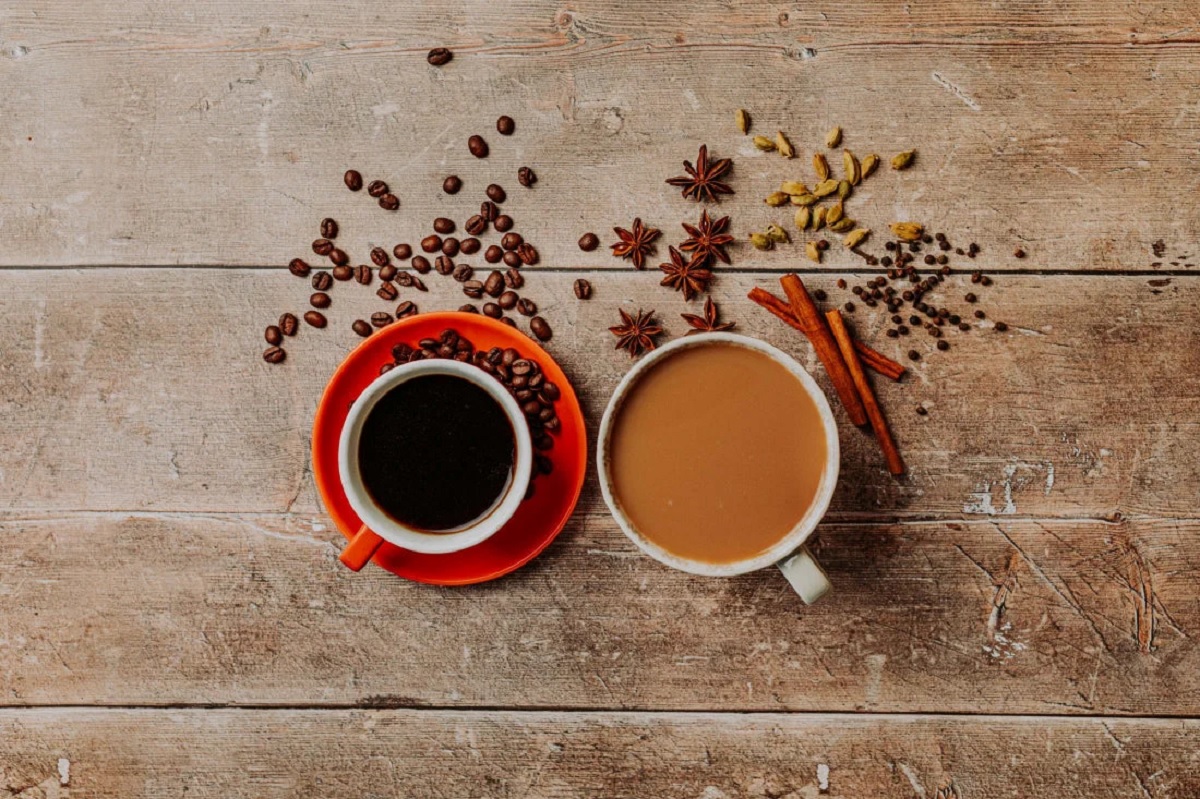
Caffeine in Tea vs Coffee: How They Affect Energy, Health, and Focus
Tea and coffee are two of the world’s most beloved beverages, enjoyed for their flavor, aroma, and ability to provide a gentle energy boost. Many people turn to these drinks daily to stay alert, focused, or simply to enjoy a comforting ritual. While both contain caffeine, the effects and concentrations can vary widely, influencing how they impact energy, mood, and overall alertness.
Understanding the differences in caffeine content helps you make informed choices based on your lifestyle, taste preferences, and tolerance levels. Tea and coffee contain unique compounds that interact with caffeine differently, affecting both the intensity and duration of its stimulating effects.
Exploring the nuances between these drinks sheds light on how each beverage can be incorporated into daily routines. For those curious about their energy sources, examining Caffeine in Tea vs Coffee provides practical insights into consumption patterns, health considerations, and flavor profiles.
Comparing Caffeine Levels
Caffeine content is one of the key differences between tea and coffee, influencing both the intensity and duration of their stimulating effects. Understanding how much caffeine each beverage provides can help you make choices that suit your energy needs, lifestyle, and taste preferences. Comparing caffeine levels highlights the unique characteristics of these popular drinks and their impact on alertness and focus.
Caffeine Content In Coffee
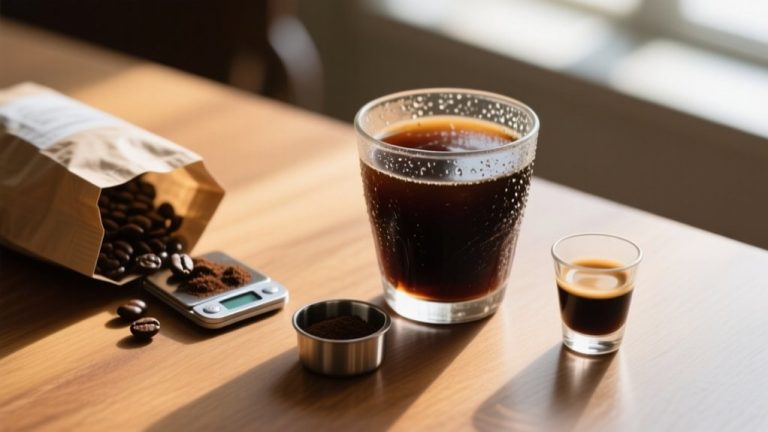
Coffee is widely recognized for its high caffeine content, making it a go-to beverage for an immediate energy boost. A standard 8-ounce cup of brewed coffee typically contains around 95 milligrams of caffeine, though this can vary depending on the type of bean, roast level, and brewing method. Espresso shots have concentrated caffeine, with a single 1-ounce shot containing about 63 milligrams, meaning small servings can still deliver a strong boost.
Caffeine in coffee is absorbed quickly, producing rapid stimulation and alertness. The high caffeine content contributes to its bold, sometimes bitter flavor, especially in darker roasts or stronger brews. Coffee also contains additional compounds like chlorogenic acids that interact with caffeine, affecting how the body metabolizes it. Because of its potency, coffee is often preferred for mornings or long work sessions, offering both flavor and functional energy.
Caffeine Content In Tea
Tea generally contains less caffeine than coffee, making it a gentler stimulant. An 8-ounce cup of black tea typically contains between 40 to 70 milligrams of caffeine, while green tea ranges from 20 to 45 milligrams. Herbal teas usually contain negligible amounts unless blended with caffeinated leaves. The slower release of caffeine in tea, combined with compounds like L-theanine, provides a more sustained, balanced alertness without the sudden spike often associated with coffee.
Tea’s lower caffeine content allows for multiple cups throughout the day without excessive stimulation. The presence of L-theanine promotes calm focus and reduces jitteriness, creating a smoother experience compared to coffee. This combination makes tea ideal for people sensitive to caffeine or those seeking steady energy and enhanced concentration over longer periods. Depending on type, brew time, and leaf quality, caffeine levels can vary, giving tea drinkers flexibility in managing intake.
Factors Affecting Caffeine Levels
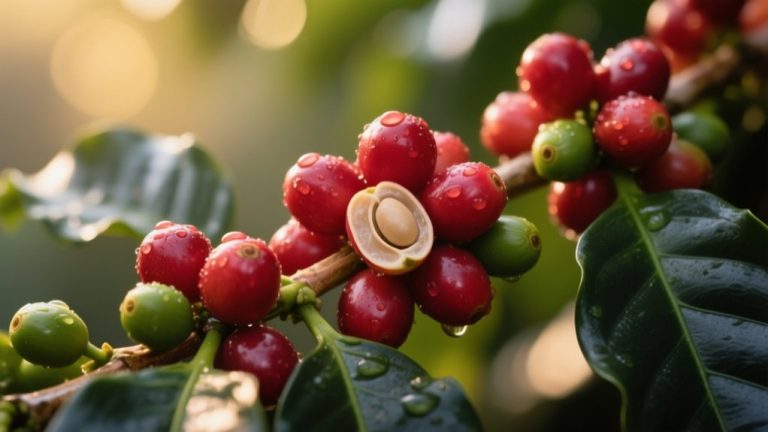
Several variables influence caffeine content in both coffee and tea. In coffee, bean type plays a role—Robusta beans contain almost double the caffeine of Arabica, and brewing methods like French press or espresso concentrate the caffeine differently. Roast level also affects perceived strength, though it has minimal impact on actual caffeine content.
In tea, leaf type, processing, and steeping time are key. Longer steeping releases more caffeine, while higher-quality loose leaves often provide a richer flavor and slightly higher caffeine than bagged options. Temperature and water-to-leaf ratio also affect extraction. Understanding these factors allows you to tailor caffeine intake to match your taste and desired level of alertness.
Choosing Between Tea And Coffee For Caffeine
Selecting tea or coffee depends on how you want to manage energy and focus. Coffee delivers a rapid, intense boost, ideal for mornings, workouts, or demanding tasks. Tea provides a gentler, longer-lasting effect, supporting sustained concentration without jitters or crashes.
Awareness of caffeine levels helps you make better choices, whether reducing intake, avoiding overstimulation, or maximizing alertness. Both beverages offer flexibility, allowing customization through brewing methods, serving size, and type of leaf or bean. Comparing caffeine in tea vs coffee ensures your beverage choice aligns with your energy needs and personal preference.
How Caffeine Affects Energy And Alertness
Caffeine is the primary compound in both tea and coffee responsible for boosting energy and enhancing alertness. It works by interacting with the central nervous system, reducing fatigue, and increasing mental focus. Understanding how caffeine affects your body can help you choose the right beverage and timing for maximum productivity and sustained energy throughout the day.
Caffeine’s Mechanism In The Body
Caffeine works primarily by blocking adenosine receptors in the brain. Adenosine is a neurotransmitter that signals tiredness, so when caffeine occupies these receptors, feelings of fatigue are reduced. This results in heightened alertness, improved concentration, and a temporary boost in cognitive function.
The effects of caffeine vary based on individual tolerance, body weight, and metabolism. Coffee, with its higher caffeine content, produces a more rapid and intense stimulation, often noticeable within 15–30 minutes after consumption. Tea provides a milder, steadier effect due to its lower caffeine content and the presence of L-theanine, an amino acid that promotes calm focus. This combination results in alertness without the jitteriness sometimes associated with coffee, making tea ideal for sustained concentration over several hours.
Duration And Intensity Of Energy Boost
The energy and alertness effects of caffeine depend on both the amount consumed and the source. Coffee delivers a quick, high-intensity boost, which can last for three to five hours, depending on metabolism and tolerance. Espresso shots are particularly concentrated, offering rapid stimulation in small servings.
Tea, on the other hand, provides a gentler, more prolonged effect. The combination of caffeine and L-theanine slows absorption, producing steady alertness that can last longer without sudden spikes or crashes. Green tea and black tea differ slightly in intensity, with black tea generally providing a higher caffeine impact. Understanding these differences allows you to select the beverage best suited to your energy needs and daily routine.
Factors Influencing Caffeine’s Effectiveness
Several factors determine how effectively caffeine boosts energy and alertness. Individual sensitivity and habitual consumption can influence both the magnitude and duration of its effects. Regular caffeine users may experience diminished stimulation due to tolerance, requiring slightly higher doses for the same impact.
Other factors include the time of day, meal timing, and hydration. Consuming caffeine on an empty stomach may intensify its effects, while pairing it with food can moderate stimulation. Similarly, dehydration or fatigue can alter how your body responds. Knowing these variables helps you optimize caffeine intake from tea or coffee to maximize focus and productivity.
Benefits And Potential Drawbacks
Caffeine enhances mental performance, reaction time, and overall energy levels, making it useful for work, study, or physical activity. Coffee provides a fast, strong boost, while tea supports calm, sustained focus. Both beverages also contain antioxidants and compounds that support brain function and overall wellness.
However, excessive intake can lead to jitters, anxiety, or disrupted sleep. Understanding the balance between amount, timing, and type of beverage ensures you gain the benefits of caffeine without negative side effects. By tailoring consumption to your tolerance and lifestyle, you can enjoy steady energy and heightened alertness throughout the day.
Health Implications Of Caffeine Intake
Caffeine is a widely consumed stimulant found in coffee, tea, and other beverages, offering both benefits and potential risks. Understanding how caffeine affects the body helps you manage intake for optimal health. While moderate consumption can enhance alertness, metabolism, and cognitive function, excessive intake may lead to side effects or complications, particularly for sensitive individuals.
Benefits Of Moderate Caffeine Consumption
Moderate caffeine intake provides several positive effects on physical and mental health. It improves alertness, concentration, and reaction time, making it valuable for work, study, or physical activity. Caffeine also temporarily boosts metabolism and may support fat oxidation, which contributes to energy balance and calorie expenditure.
Additionally, coffee and tea are rich in antioxidants, which help protect cells from oxidative stress and may reduce the risk of certain chronic diseases, including heart disease and type 2 diabetes. Moderate caffeine consumption is generally considered safe for most adults, usually around 200–400 milligrams per day, roughly equivalent to 2–4 cups of brewed coffee, though individual tolerance may vary.
Potential Side Effects Of Excessive Intake
Excessive caffeine consumption can produce unwanted side effects. High doses may cause jitters, anxiety, restlessness, rapid heart rate, or digestive disturbances. It can also disrupt sleep patterns, reduce sleep quality, and increase fatigue the following day. People sensitive to caffeine or those with certain medical conditions, such as hypertension or heart arrhythmias, may experience heightened negative effects even at lower doses.
Caffeine can also lead to dependence, resulting in withdrawal symptoms like headaches, irritability, and difficulty concentrating when intake is suddenly reduced. Understanding personal tolerance and limiting consumption accordingly is essential to prevent these issues while still enjoying the benefits of caffeine.
Caffeine And Specific Health Considerations
Caffeine interacts differently depending on age, health status, and medication use. Pregnant and breastfeeding individuals are often advised to limit caffeine intake to reduce potential risks. Children and adolescents may also be more sensitive, and excessive consumption can impact sleep, growth, and behavior.
For individuals with anxiety, heart conditions, or gastrointestinal issues, careful monitoring is essential. Choosing beverages with lower caffeine content, like green tea or lightly brewed coffee, can provide the stimulating benefits without overstimulation. Balancing caffeine intake with hydration, nutrition, and sleep helps maintain overall health while enjoying the energizing effects of tea or coffee.
Balancing Intake For Health And Energy
Managing caffeine intake involves moderation, awareness of sources, and attention to personal tolerance. By understanding how caffeine affects your body, you can enjoy its benefits—improved focus, alertness, and mood—without experiencing negative side effects. Adjusting beverage type, serving size, and timing allows you to integrate caffeine into a balanced lifestyle that supports both energy and long-term health.
Brewing Methods And Caffeine Extraction
The method you use to brew coffee or tea significantly impacts caffeine content, flavor, and overall strength. Different techniques extract caffeine at varying rates, influencing how much ends up in your cup. Understanding how brewing methods affect caffeine extraction helps you tailor your beverage to your energy needs, taste preferences, and desired intensity.
Coffee Brewing Techniques And Caffeine Levels
Coffee brewing methods vary widely in how they extract caffeine. Drip or filter coffee typically produces a moderate to high caffeine content due to longer contact between water and coffee grounds. A standard 8-ounce cup of drip coffee usually contains around 95 milligrams of caffeine, but the exact amount can vary depending on grind size, bean type, and brewing time.
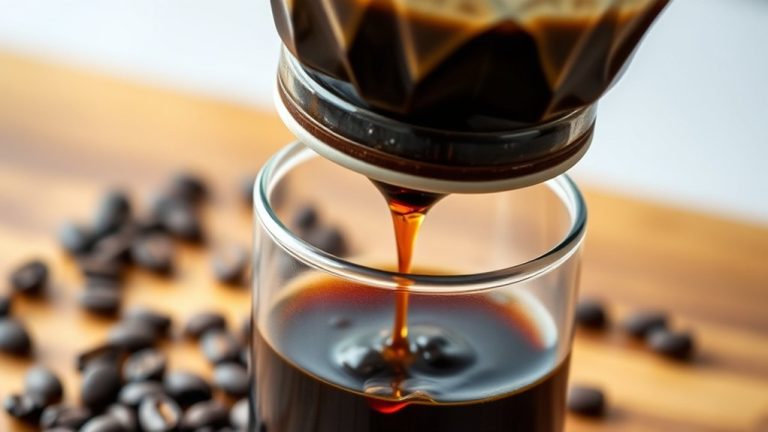
Espresso, despite its small serving size, is highly concentrated. A 1-ounce shot contains approximately 63 milligrams of caffeine, as water is forced through finely ground coffee under high pressure. French press coffee also yields high caffeine content due to full immersion and longer steeping, while cold brew extraction produces a smoother, less acidic beverage but often contains similar or higher caffeine depending on steeping time and coffee-to-water ratio. Each method extracts caffeine differently, impacting both flavor and stimulant effect.
Tea Brewing And Caffeine Extraction
Tea also shows variability in caffeine content based on brewing techniques. Steeping black tea in hot water for 3–5 minutes releases most of its caffeine, usually between 40–70 milligrams per 8-ounce cup. Green tea, steeped at lower temperatures, provides a milder caffeine boost, generally around 20–45 milligrams per cup.
Steeping time and water temperature are key factors in caffeine extraction. Longer steeping increases caffeine levels but can also intensify bitterness and astringency. Cooler water or shorter steeping produces a gentler cup with less caffeine. Loose-leaf teas generally allow better extraction control than bagged varieties, giving you the flexibility to adjust caffeine intake while preserving flavor and aroma.
Factors Influencing Extraction Across Methods
Several variables affect caffeine extraction in both coffee and tea. For coffee, grind size, water temperature, brew time, and coffee-to-water ratio all play critical roles. Finer grinds increase extraction, while coarser grinds reduce it. Hotter water and longer brewing times generally pull more caffeine, but over-extraction can produce bitterness.
For tea, water temperature and steeping duration are equally important. Using boiling water on delicate green or white teas can release excessive tannins, producing bitterness and masking the smooth flavor profile. Adjusting these variables allows you to fine-tune caffeine levels, creating a beverage suited to your energy needs and taste preference.
Matching Brewing Methods To Desired Caffeine Effect
Choosing a brewing method depends on how quickly and strongly you want caffeine’s effects. Espresso delivers rapid stimulation in small volume, ideal for a quick boost. Drip coffee and French press provide more gradual absorption, supporting sustained alertness over several hours. Cold brew offers smooth, high-caffeine options for slow, long-lasting energy.
Tea allows for gentler, more controlled caffeine intake. Black tea is better for moderate stimulation, while green or oolong teas provide lighter, sustained focus. By understanding how brewing techniques affect caffeine extraction, you can select methods that align with your energy goals, ensuring the right balance of flavor, aroma, and stimulant effect.
Optimizing Brewing For Flavor And Caffeine
To maximize both flavor and caffeine benefits, control brewing variables carefully. For coffee, adjusting grind, water temperature, and brew time ensures proper extraction without bitterness. For tea, controlling steeping duration and water temperature enhances flavor while moderating caffeine levels.
By understanding the relationship between brewing methods and caffeine extraction, you can customize every cup for your taste and energy needs. Whether you prefer a robust morning coffee, a smooth cold brew, or a calming green tea, mastering these techniques allows you to enjoy both the stimulating and sensory benefits of your favorite beverage.
Frequently Asked Questions
How Much Caffeine Is In Coffee Compared To Tea?
You may notice that coffee generally contains more caffeine than tea. A standard 8-ounce cup of brewed coffee averages around 95 milligrams of caffeine, while black tea contains roughly 40–70 milligrams, and green tea ranges between 20–45 milligrams.
This difference means coffee provides a faster, more intense energy boost, whereas tea offers a gentler, more sustained effect. The type of coffee bean, tea leaf, brewing method, and steeping time all influence caffeine content, allowing you to adjust both beverages to match your desired energy level and taste preferences.
Does Brewing Time Affect Caffeine Levels In Tea And Coffee?
Yes, brewing time significantly impacts caffeine content in both tea and coffee. Longer steeping or brewing extracts more caffeine from the leaves or coffee grounds, while shorter times result in lower caffeine levels.
In coffee, drip or French press methods with extended brew time increase caffeine extraction. In tea, steeping black tea for longer than recommended elevates caffeine content and can produce bitterness. Controlling brewing time allows you to manage caffeine intake while preserving flavor, aroma, and overall drinking experience.
Which Beverage Provides A Faster Energy Boost?
Coffee generally delivers a faster energy boost than tea due to its higher caffeine concentration and rapid absorption. Espresso or drip coffee stimulates alertness within 15–30 minutes, providing immediate focus and wakefulness.
Tea produces a gentler effect, partly due to L-theanine, which slows caffeine absorption. This combination promotes calm, sustained alertness rather than the sharp spike from coffee. Choosing between coffee and tea depends on whether you want a quick, intense boost or a smoother, long-lasting increase in energy and concentration.
Can Tea Provide The Same Alertness As Coffee?
Yes, tea can provide alertness, but it is typically milder and more sustained than coffee. The combination of caffeine and L-theanine in tea promotes focus and concentration without the jitteriness or rapid spike associated with coffee.
You can adjust alertness by selecting stronger black teas or increasing steeping time to extract more caffeine. While it may not match the immediate intensity of coffee, tea supports prolonged mental clarity and steady energy, making it ideal for work, study, or a relaxed yet attentive state throughout the day.
Does The Type Of Coffee Or Tea Affect Caffeine Content?
Absolutely. Coffee and tea types greatly influence caffeine levels. Robusta beans contain nearly twice the caffeine of Arabica, while dark roasts slightly reduce perceived strength despite similar caffeine content. For tea, black tea usually contains the most caffeine, followed by oolong, green, and white teas, with herbal teas often containing negligible amounts.
Understanding your beverage’s type helps you predict caffeine content and tailor your intake. This allows you to choose the appropriate drink for energy, flavor, or tolerance without overconsumption.
Can Caffeine Sensitivity Affect Your Choice Between Tea And Coffee?
Yes, personal caffeine sensitivity is crucial when choosing between tea and coffee. People sensitive to caffeine may experience jitters, rapid heartbeat, or anxiety from coffee, while tea’s lower caffeine content and L-theanine provide smoother stimulation.
Adjusting the type of tea or coffee, portion size, and brewing method helps control caffeine intake. Those with moderate sensitivity often prefer tea for sustained energy, while coffee is better suited for individuals seeking a stronger, immediate boost. Awareness of sensitivity ensures a comfortable, productive, and enjoyable caffeine experience.
Final Thoughts
Both tea and coffee provide a reliable source of caffeine, but their effects on the body and mind differ significantly. Tea tends to deliver a gentler, more sustained energy boost thanks to compounds like L-theanine, which can promote focus without the sudden spike and crash often associated with coffee. Coffee, on the other hand, usually offers a stronger, faster-acting jolt that many people rely on for immediate alertness.
Individual tolerance, brewing methods, and serving size all play a role in how caffeine impacts your daily routine. By understanding the differences, you can make informed choices about which beverage suits your energy needs, lifestyle, and personal health goals. This knowledge helps optimize productivity and minimize unwanted side effects such as jitters or insomnia.
Exploring [Caffeine in Tea vs Coffee] highlights not just the numerical differences, but also how each beverage interacts with your body. With this insight, you can enjoy both drinks strategically, savoring their flavors while balancing energy and wellness.