
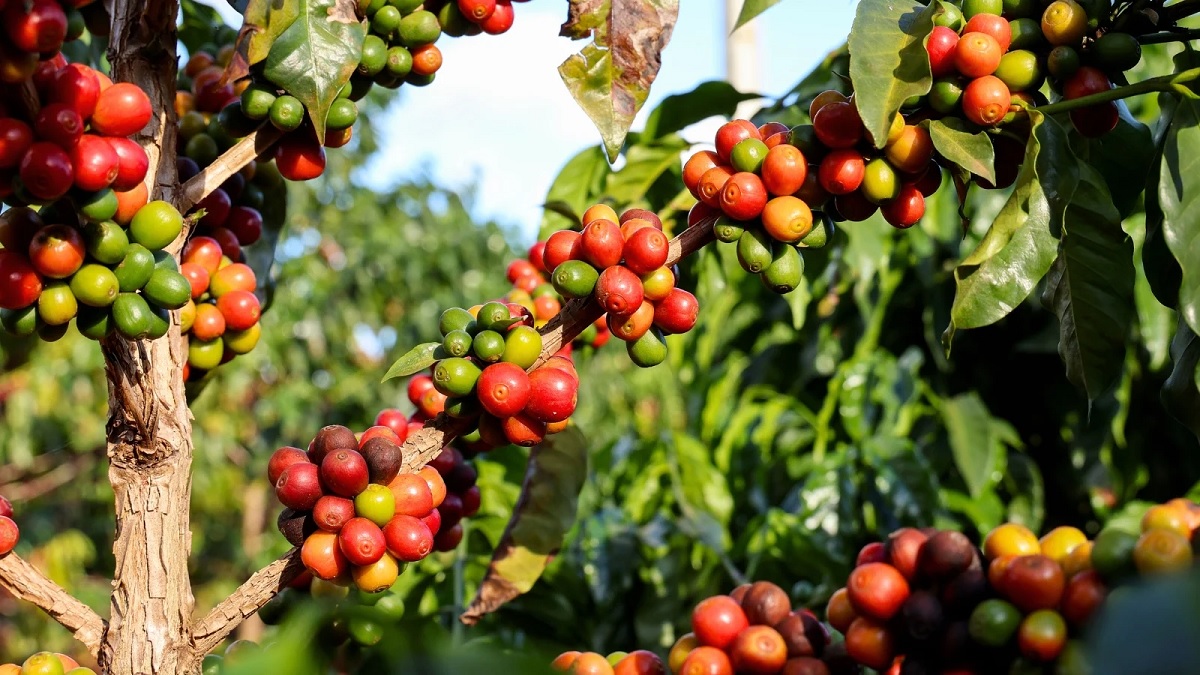
Where Is Arabica Coffee Grown? Explore Its Top Coffee Regions
Coffee enthusiasts often seek to understand the origins of their favorite beans, as the growing region directly influences flavor, aroma, and overall quality. Among the various types of coffee, Arabica stands out for its smooth taste, subtle acidity, and complex flavor profile. Knowing the regions where these beans are cultivated can help you appreciate why Arabica coffee is prized worldwide.
Arabica coffee thrives in high-altitude areas with rich, well-drained soil, moderate temperatures, and consistent rainfall. These conditions allow the beans to mature slowly, developing the nuanced flavors and aromatic oils that make Arabica distinctive. Understanding these environmental factors also explains the variations in taste between beans grown in different parts of the world.
Learning about Where Is Arabica Coffee Grown? offers insight into how geography, climate, and farming practices contribute to the characteristics of the coffee you enjoy every day. By exploring the main growing regions, you can better understand the origin of flavors in your cup.
Exploring these regions also highlights the care and expertise required to cultivate high-quality Arabica beans. From careful hand-picking to precise processing techniques, every step ensures that the coffee retains its signature smoothness and depth, making it a favorite choice for coffee lovers globally.
Major Arabica Coffee Growing Regions
Arabica coffee is cultivated in specific regions around the world where the climate, altitude, and soil provide ideal conditions for growing high-quality beans. These regions produce beans with distinct flavor profiles, acidity, and aroma. Understanding where Arabica coffee grows helps coffee lovers appreciate why different beans taste unique and how geography impacts the coffee in your cup.
Central and South America
Central and South America are among the most prominent regions for Arabica coffee cultivation, with countries like Brazil, Colombia, and Costa Rica leading production. Brazil, the largest coffee producer globally, grows beans with mild chocolate, nutty notes, and a medium body. High-altitude farms, fertile volcanic soil, and consistent rainfall contribute to uniform bean development and balanced flavor.
Colombian Arabica beans are known for their bright acidity, caramel undertones, and smooth finish, making them ideal for both single-origin coffees and blends. Costa Rica produces beans with refined acidity and subtle floral or fruity notes, offering complexity while maintaining approachability. Farmers in these regions employ careful cultivation techniques, such as selective hand-picking and proper drying, to ensure bean quality.
The combination of climate, altitude, and soil chemistry in Central and South America allows for consistent production of flavorful Arabica beans. These beans often form the foundation of many commercial and specialty coffee blends, valued for their versatility and balance.
Africa and East Africa
Africa, particularly East African countries like Ethiopia and Kenya, is renowned for producing Arabica coffee with vibrant and complex flavor profiles. Ethiopian beans are often fruity, floral, or wine-like, offering bright acidity and aromatic depth. Kenyan Arabica beans provide berry and citrus notes, a crisp finish, and full-bodied flavor.
High-altitude farms in East Africa benefit from cooler temperatures and abundant rainfall, which slow cherry maturation and enhance flavor development. Harvesting is mostly manual, ensuring only fully ripe cherries are collected, which contributes to superior quality. The diversity of microclimates in Africa allows for nuanced flavor variations between regions, even within the same country.
These beans are prized for their complexity and are often used in specialty coffee or as accent beans in blends to enhance aroma and brightness. African Arabica beans bring a lively and distinct character that complements the smoother, chocolatey tones of Latin American beans.
Asia and Southeast Asia
Arabica coffee is also grown in select regions of Asia and Southeast Asia, including Indonesia, Yemen, and India. Indonesian beans, particularly from Sumatra, Java, and Sulawesi, are known for their earthy, full-bodied flavor with low acidity. Sulawesi beans often carry chocolatey and spicy notes, adding depth to blends.
Yemen produces Arabica beans with complex, wine-like flavors and hints of cocoa or dried fruit, cultivated in terraced farms at high altitudes. Indian Arabica beans are grown in regions like the Western Ghats, where volcanic soil and monsoon rainfall create beans with mild acidity and balanced flavor.
The tropical climate, rich soil, and unique processing methods, such as wet-hulling and sun-drying, contribute to the distinctive characteristics of Asian Arabica coffee. These beans are often blended with Latin American or African beans to create a balanced cup with added body and depth.
Factors Influencing Regional Flavor
The flavor of Arabica coffee is shaped by regional factors including altitude, climate, soil composition, and cultivation methods. Higher altitudes slow bean maturation, enhancing sweetness, acidity, and aromatic oils. Soil rich in minerals contributes to complex flavor notes, while consistent rainfall and temperature stability prevent stress on coffee plants, avoiding bitterness or off-flavors.
Farming practices such as hand-picking, selective sorting, and careful processing ensure only high-quality beans are used. Each region’s combination of environmental conditions and human expertise creates unique flavor profiles, making Arabica coffee from Brazil, Ethiopia, or Indonesia distinctly recognizable to consumers.
Factors Affecting Arabica Coffee Growth
Growing high-quality Arabica coffee requires careful attention to a variety of environmental, biological, and agricultural factors. The success of coffee plants depends on conditions that support proper development of cherries, optimal bean size, and flavor quality. By understanding these factors, coffee growers and enthusiasts can better appreciate the complexities behind a cup of Arabica coffee.
Climate and Temperature
Arabica coffee thrives in specific climate conditions, usually at altitudes between 2,000 and 6,000 feet. Ideal temperatures range from 60°F to 70°F, with cooler nights helping beans develop balanced acidity and sweetness. Extreme temperatures, whether too hot or too cold, can stress the plants, reduce cherry development, and negatively impact bean quality.
Rainfall patterns are also critical. Arabica coffee requires regular, moderate rainfall, typically between 40 to 100 inches annually. Uneven rainfall or prolonged droughts can hinder flowering and cherry formation, while excessive rain may cause fungal diseases or nutrient leaching in the soil. The combination of stable temperatures and consistent rainfall ensures slow cherry maturation, which is essential for flavor development.
Climate-related factors also influence harvest timing. In regions with distinct wet and dry seasons, beans mature more predictably, allowing farmers to plan hand-picking carefully. Proper climate management is crucial for producing high-quality Arabica coffee with the desired aroma, body, and acidity.
Soil Composition and Nutrients
Soil quality plays a key role in Arabica coffee growth. Fertile, well-drained soils rich in organic matter and minerals support strong root systems and healthy cherry development. Volcanic soils, commonly found in Central America, Africa, and parts of Asia, are particularly valued for their ability to enhance flavor complexity and bean consistency.
Nutrient availability, including nitrogen, phosphorus, potassium, and micronutrients, affects leaf health, flowering, and fruit development. Deficient or unbalanced soils can result in smaller cherries, uneven ripening, or lower-quality beans. Coffee plants grown in optimal soil conditions produce beans with better body, aroma, and taste.
Farmers often implement soil management practices such as mulching, composting, and cover cropping to maintain fertility. Regular soil testing ensures that nutrient levels are adequate, preventing deficiencies that could compromise growth and overall yield. Healthy soil is fundamental to both sustainable cultivation and premium-quality Arabica coffee production.
Altitude and Topography
Altitude significantly impacts Arabica coffee’s growth and flavor profile. Higher elevations slow cherry maturation, allowing for greater sugar accumulation and more complex aromatic compounds. Lower-altitude farms tend to produce beans faster, but the resulting coffee may lack the nuanced flavor and acidity characteristic of high-grown Arabica.
Topography also influences sunlight exposure, drainage, and microclimate. Sloped terrain facilitates water runoff, reducing the risk of root diseases while ensuring consistent hydration. Additionally, slopes and natural shading protect plants from direct, harsh sunlight, which can stress coffee trees and affect bean development.
Regions with varied topography create microclimates that produce subtle differences in flavor between farms, even within the same country. These variations contribute to the diversity of Arabica coffee flavors, from bright and fruity to rich and chocolatey, offering coffee drinkers a range of sensory experiences.
Farming Practices and Maintenance
Human intervention is another essential factor affecting Arabica coffee growth. Farmers employ practices such as pruning, shading, and pest control to maintain plant health and optimize yield. Regular pruning removes dead or weak branches, allowing the plant to focus energy on developing healthy cherries.
Shading with taller trees helps regulate temperature, reduce stress, and maintain humidity. Integrated pest management prevents infestations and diseases, which can destroy leaves, flowers, or cherries. Additionally, careful irrigation, harvesting, and post-harvest handling contribute to the quality and consistency of the beans.
Consistent attention to farming practices ensures that Arabica coffee plants reach optimal growth, producing beans that meet both flavor and yield expectations. Combining environmental management with skilled human care allows for premium-quality coffee suitable for specialty markets and everyday consumption.
Quality and Flavor Differences by Region
Arabica coffee’s flavor and quality vary significantly depending on its growing region. Factors such as soil composition, altitude, climate, and farming practices contribute to distinctive taste profiles. Understanding these regional differences helps coffee enthusiasts appreciate the diversity of flavors in their cup and explains why beans from different countries are blended or highlighted as single-origin coffees.
Central and South America
Central and South American countries like Brazil, Colombia, and Costa Rica produce Arabica coffee with smooth, balanced flavors. Brazilian beans are known for mild chocolate and nutty undertones with medium body and low acidity, making them versatile for blending. Colombia’s Arabica beans offer slightly higher acidity, caramel sweetness, and a clean finish, providing a well-rounded profile.
Costa Rican beans are prized for their bright, crisp acidity with subtle floral and fruity notes. The combination of volcanic soil, high altitude, and consistent rainfall allows for uniform bean development and reliable quality. These regions produce coffee that is approachable and consistent, making it ideal for both commercial blends and specialty offerings.
Farmers in Central and South America focus on hand-picking ripe cherries and careful post-harvest processing, which ensures quality and flavor consistency. Their attention to detail preserves the natural sweetness and aroma inherent in Arabica beans from these regions.
Africa and East Africa
African Arabica coffee, particularly from Ethiopia and Kenya, is celebrated for its vibrant acidity and complex flavor profiles. Ethiopian beans often feature fruity, floral, or wine-like notes, while Kenyan beans provide bright citrus or berry undertones with a crisp finish.
High-altitude farms in East Africa, combined with cooler temperatures and consistent rainfall, contribute to slow bean maturation. This allows the development of nuanced flavors and aromatic oils. Manual harvesting ensures that only fully ripe cherries are collected, further enhancing quality.
The distinct characteristics of African Arabica make it ideal for single-origin coffees or for adding brightness and complexity to blends. The lively flavor and aromatic depth of these beans stand out from the smoother, chocolatey profiles of Latin American coffee, offering a more adventurous tasting experience.
Asia and Southeast Asia
Asian Arabica beans, particularly from Indonesia, Yemen, and India, offer earthy, full-bodied flavors with low acidity. Indonesian beans from Sumatra or Java often feature chocolate, spice, and woody notes, providing depth and richness. Yemen’s high-altitude beans offer wine-like flavors with hints of cocoa or dried fruit, while Indian Arabica is typically mild and balanced.
Tropical climates, volcanic soils, and unique processing methods like wet-hulling and sun-drying create distinct flavor profiles. These beans contribute heavy body, earthy undertones, and complexity to blends, complementing brighter or milder beans from other regions.
Asian Arabica’s characteristics make it well-suited for blending with Central/South American or African beans, balancing acidity, sweetness, and body. This combination ensures a consistent, flavorful cup that retains the signature smoothness and depth of Arabica coffee.
Regional Influence on Coffee Quality
Overall, regional factors like altitude, climate, soil, and microclimates directly influence the quality and flavor of Arabica coffee. Beans from high-altitude regions often have greater acidity and more complex aroma, while lower-altitude or tropical regions contribute heavier body and earthy flavors.
Farming and processing techniques, including selective hand-picking, washing, and drying, also shape the final taste. By understanding the influence of region on coffee quality, you can better select beans for your preferred flavor profile, whether you enjoy bright, fruity notes, smooth chocolatey undertones, or full-bodied, earthy richness.
Frequently Asked Questions
Where Is Arabica Coffee Grown?
Arabica coffee is primarily grown in regions with tropical climates and higher elevations. The major producing countries include Brazil, Colombia, Ethiopia, and Costa Rica, among others. These areas provide the ideal combination of temperature, rainfall, and altitude needed for Arabica beans to develop their characteristic smooth flavor and balanced acidity.
You’ll find that different regions produce distinct flavor profiles. For example, African Arabica tends to be bright and fruity, while Central and South American beans are often nutty and mild. Choosing beans based on origin can enhance your coffee experience depending on your taste preferences.
How Does Altitude Affect Arabica Coffee Growth?
Altitude plays a crucial role in Arabica coffee cultivation. Beans grown at higher elevations develop more slowly, which increases their density and enhances flavor complexity. Generally, Arabica thrives between 2,000 and 6,000 feet above sea level.
You’ll notice that high-altitude beans often have a brighter acidity and more nuanced flavor, while lower-altitude beans tend to be milder. If you’re selecting Arabica coffee, paying attention to the elevation listed on the packaging can help you predict the taste and quality you’ll enjoy in your cup.
Which Countries Are Known For Premium Arabica Coffee?
Countries such as Ethiopia, Colombia, and Kenya are known for producing premium Arabica coffee. Ethiopia is famous for its floral and fruity notes, Colombia for smooth and balanced flavors, and Kenya for bright, wine-like acidity.
When you choose Arabica from these regions, you’re likely to get specialty-grade beans that highlight the unique characteristics of their origin. These beans are often carefully harvested and processed to preserve flavor, making them ideal for pour-over, espresso, or other brewing methods that showcase nuanced tastes.
Can Arabica Coffee Be Grown Outside Tropical Regions?
Arabica coffee requires specific temperature, rainfall, and altitude conditions, which makes it difficult to grow outside tropical regions. While you can experiment in controlled environments, most commercial Arabica cultivation is limited to the “Coffee Belt” between the Tropics of Cancer and Capricorn.
You should know that trying to grow Arabica outside these regions may produce lower-quality beans with less complex flavors. The combination of climate and elevation is crucial for achieving the aroma, acidity, and body that Arabica coffee lovers expect.
How Do Regional Differences Affect Arabica Coffee Flavor?
The region where Arabica coffee is grown significantly influences its flavor profile. African beans often have bright, fruity, and floral notes. Central and South American beans are generally milder, with chocolatey or nutty flavors. Asian beans can be earthy and spicy.
When you choose Arabica coffee based on its origin, you can select beans that complement your brewing method and taste preference. Understanding regional characteristics helps you explore new flavors and ensures that each cup matches the experience you’re seeking.
What Factors Make Certain Regions Better for Arabica Coffee?
Ideal regions for Arabica coffee combine the right altitude, temperature, rainfall, and soil quality. Moderate temperatures, fertile soil, and consistent rainfall help the beans develop slowly, improving sweetness and complexity. Shade-grown methods also contribute to better flavor and sustainability.
You’ll find that regions meeting these conditions consistently produce high-quality Arabica beans. When selecting coffee, paying attention to the country of origin and the growing conditions listed on packaging can guide you to beans that offer the best taste and aroma for your brewing style.
Conclusion
Exploring the origins of Arabica coffee reveals the intricate connection between geography, climate, and flavor. Different regions across the world—Central and South America, Africa, and Southeast Asia—offer unique growing conditions that shape the beans’ taste, aroma, and body. From high-altitude farms to tropical climates, each location contributes distinct characteristics that make Arabica coffee so versatile and widely cherished.
Understanding Where Is Arabica Coffee Grown? helps you appreciate why beans from one region taste different from another. Central and South American beans tend to be smooth and chocolatey, African beans are bright and fruity, while Asian beans often offer earthy, full-bodied notes. This diversity allows coffee lovers to explore a wide range of flavors, whether enjoying a single-origin brew or a carefully blended cup.
By recognizing the impact of soil, altitude, climate, and farming practices, you gain insight into the craftsmanship behind every cup of Arabica coffee. Knowing where these beans are cultivated enhances your appreciation for their complexity and quality, making each sip a richer experience.