
Can Matcha Help Lose Weight? Benefits, Tips, and How to Use It Effectively
Many people looking to manage their weight or improve overall health are curious about natural beverages that might support their goals. Among these, matcha green tea has gained popularity due to its unique nutritional profile and potential metabolism-boosting properties. Its combination of caffeine, antioxidants, and other compounds makes it an intriguing option for those exploring weight management strategies.
One common question that arises is [can matcha help lose weight]. This question highlights the interest in understanding whether incorporating matcha into your diet can contribute to fat burning, appetite control, or increased energy expenditure. The potential benefits are linked to bioactive compounds found in the powdered tea leaves, which may influence how the body processes calories and fat.
In addition to possible metabolic effects, matcha provides a low-calorie alternative to sugary drinks and energy beverages, which can support healthier choices in daily routines. By replacing high-calorie beverages with matcha, individuals may naturally reduce overall caloric intake.
Understanding the science behind matcha’s potential effects on metabolism and weight can help you make informed decisions about how to include it in your lifestyle. From boosting energy for workouts to supporting a balanced diet, matcha offers multiple avenues for contributing to weight management.
Incorporating matcha thoughtfully, alongside regular exercise and mindful eating habits, allows you to explore its potential benefits without relying solely on the beverage for results. Its versatility, combined with its functional compounds, makes it a valuable addition to a weight-conscious lifestyle.
Matcha and Fat Oxidation
Matcha has gained attention for its potential role in fat oxidation, a key process in weight management and overall metabolic health. Fat oxidation refers to the body’s ability to break down and use fat as energy. The unique combination of bioactive compounds in matcha, including catechins, caffeine, and L-theanine, supports this process and may enhance the efficiency of energy utilization during daily activities and exercise.
Catechins and Their Role in Fat Breakdown
The primary compound in matcha that contributes to fat oxidation is epigallocatechin gallate (EGCG), a type of catechin. EGCG has been shown to stimulate thermogenesis, which increases calorie burning and promotes the breakdown of stored fat. By enhancing the body’s ability to oxidize fat, catechins can help support energy expenditure and metabolic efficiency.
When you consume matcha, you ingest the entire powdered tea leaf, which provides concentrated levels of catechins compared to brewed green tea. These antioxidants not only promote fat oxidation but also help reduce inflammation and oxidative stress, which can interfere with metabolic processes. Regular intake of matcha may therefore support the body’s natural ability to utilize fat for energy more effectively, particularly when paired with an active lifestyle.
Caffeine’s Contribution to Fat Oxidation
Caffeine, naturally present in matcha, also plays a significant role in promoting fat oxidation. It stimulates the central nervous system, which can increase the release of fatty acids from fat stores and make them available for energy use. Unlike coffee, the presence of L-theanine in matcha provides a smoother, sustained effect, reducing the jitteriness often associated with caffeine while still supporting metabolism.
Consuming matcha before physical activity may enhance fat oxidation during exercise. The combination of caffeine and catechins works synergistically to improve endurance and increase the rate at which your body uses fat as fuel. This makes matcha an effective addition to a fitness or weight management routine, as it supports both energy levels and fat metabolism.
L-Theanine and Its Indirect Benefits
L-theanine, an amino acid unique to green tea, contributes indirectly to fat oxidation by promoting relaxation and reducing stress-related hormonal imbalances. High stress levels can trigger the release of cortisol, which is linked to fat storage and reduced fat burning. L-theanine helps modulate these effects, creating a more favorable environment for efficient fat utilization.
Additionally, L-theanine balances caffeine’s stimulating effects, preventing energy crashes and supporting sustained activity levels. By maintaining calm alertness, it encourages consistency in physical activity and mindful eating, both of which are essential for supporting fat oxidation over time.
Practical Ways to Maximize Fat Oxidation With Matcha
To enhance fat oxidation with matcha, timing and preparation are important. Consuming matcha 30–60 minutes before exercise can help improve energy utilization and support fat metabolism during workouts. Using high-quality matcha ensures maximum catechin content, while minimizing added sugars prevents unnecessary calorie intake.
Whether consumed as a hot latte, iced drink, or blended smoothie, matcha can be integrated into daily routines to support natural fat-burning processes. Combining matcha with regular physical activity, balanced nutrition, and mindful habits can optimize its fat oxidation benefits and contribute to long-term metabolic health.
Appetite Control and Cravings
Matcha has become popular not only for its flavor and energy-boosting properties but also for its potential role in appetite control and managing cravings. The combination of bioactive compounds in matcha, including catechins, caffeine, and L-theanine, can influence hunger signals and support more mindful eating habits. Understanding how matcha interacts with appetite and cravings can make it a useful addition to a balanced diet.
Catechins and Satiety
Catechins, particularly epigallocatechin gallate (EGCG), are powerful antioxidants found in matcha that may help regulate appetite. These compounds influence hormones related to satiety, helping you feel fuller for longer after consuming a meal or beverage. By supporting a sense of fullness, matcha can reduce the likelihood of snacking between meals and curb overeating.
Because matcha is consumed as powdered whole leaves, the concentration of catechins is higher than in brewed green tea, amplifying its potential effect on appetite regulation. Regular consumption of matcha may help moderate hunger signals throughout the day, making it easier to maintain healthy eating patterns. Pairing matcha with protein or fiber-rich foods can further enhance feelings of fullness, providing a balanced approach to appetite control.
Caffeine and Craving Suppression
Caffeine in matcha also plays a role in managing appetite and reducing cravings. The stimulant effects of caffeine increase energy expenditure and can slightly suppress hunger hormones, creating a temporary reduction in appetite. Unlike coffee, matcha provides a slower, more sustained caffeine release due to the presence of L-theanine, which helps prevent jitters or sudden energy crashes.
This steady energy can make it easier to resist cravings for sugary or high-calorie snacks. Consuming matcha during mid-morning or mid-afternoon can help stabilize energy levels, reduce sudden hunger pangs, and support better food choices. Its natural combination of caffeine and bioactive compounds allows for a gentle yet effective approach to appetite management.
L-Theanine’s Role in Mindful Eating
L-theanine, an amino acid unique to green tea, contributes indirectly to appetite control by promoting relaxation and reducing stress. Stress and anxiety are common triggers for overeating or cravings for comfort foods. L-theanine helps modulate stress-related hormones, creating a calmer mental state that supports mindful eating and better portion control.
By encouraging focus and reducing stress-induced impulsive eating, L-theanine can help you make more deliberate choices about meals and snacks. When combined with the hunger-regulating effects of catechins and caffeine, L-theanine enhances matcha’s potential to support overall appetite control in a natural and balanced way.
Practical Tips for Using Matcha to Curb Cravings
To leverage matcha for appetite control, timing and preparation matter. Consuming a matcha beverage before meals can help you feel fuller and reduce the tendency to overeat. Using minimal added sugars preserves the natural benefits of the tea without introducing unnecessary calories that could counteract appetite regulation.
Hot matcha lattes or iced versions can be incorporated into daily routines as a satisfying, low-calorie alternative to sugary drinks or snacks. Combining matcha with balanced meals and regular hydration further enhances its potential to reduce cravings and support healthier eating habits, making it a practical tool for weight management and mindful consumption.
Best Ways to Consume Matcha for Weight Management
Incorporating matcha into your daily routine can be a practical and enjoyable way to support weight management. Its unique combination of catechins, caffeine, and L-theanine provides metabolism-boosting and appetite-regulating benefits. Understanding the best ways to consume matcha ensures you maximize these effects while keeping your intake healthy, balanced, and compatible with your lifestyle.
Traditional Hot Matcha
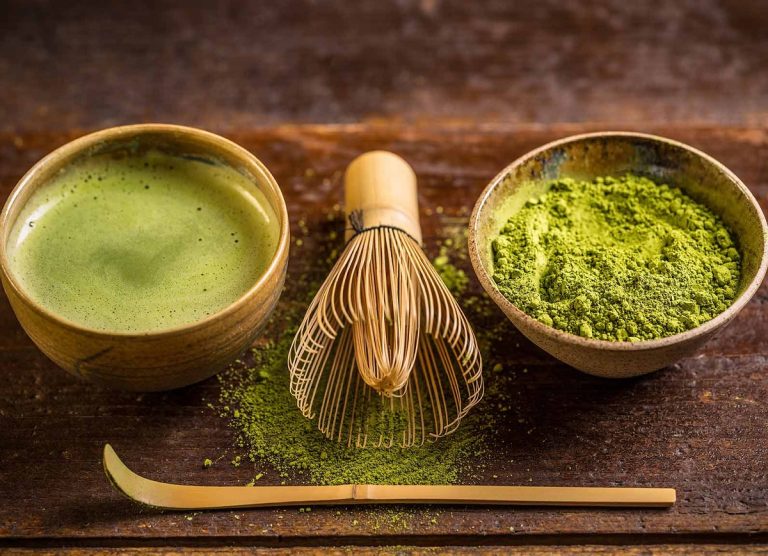
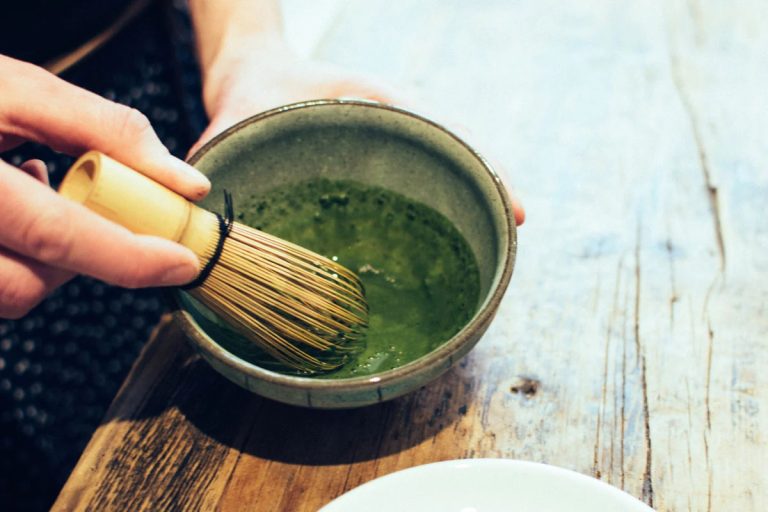
One of the most effective ways to consume matcha for weight management is in its traditional hot form. Preparing matcha by whisking powdered green tea with hot water preserves its bioactive compounds, including EGCG and caffeine, which promote fat oxidation and energy expenditure. Drinking it hot can also create a sense of satiety, helping to reduce overall caloric intake.
A simple hot matcha can be consumed in the morning or between meals to curb hunger. Avoid adding excessive sugar or high-calorie milk to maintain its weight management benefits. Hot matcha allows you to experience the pure, earthy flavor of the tea while supporting metabolism and appetite control, making it a functional addition to your daily routine.
Matcha Lattes With Low-Calorie Milk
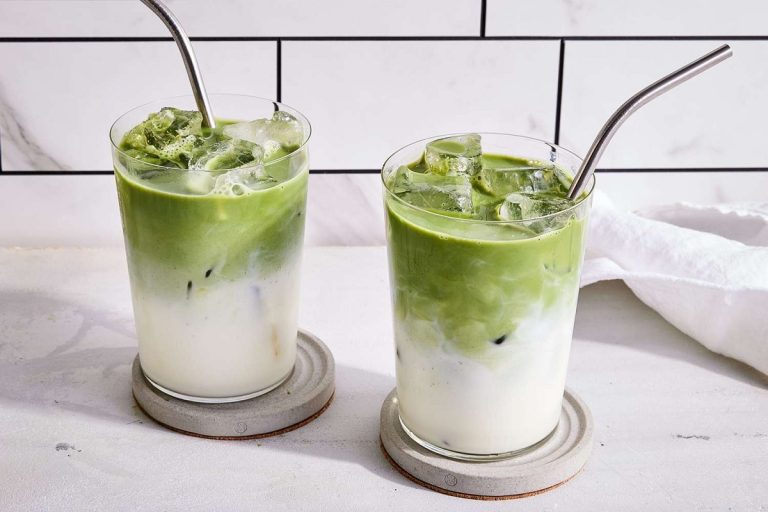
Another popular method is a matcha latte made with low-calorie or plant-based milk, such as unsweetened almond, oat, or soy milk. Lattes combine the benefits of matcha with a creamy, satisfying texture, which can enhance fullness and help prevent snacking. Using unsweetened or lightly sweetened milk ensures you retain matcha’s metabolism-supporting properties without adding excess calories.
Matcha lattes can be enjoyed hot or iced, making them versatile for any season. They provide a more indulgent experience while still promoting fat oxidation and appetite control. Customizing lattes with natural sweeteners like stevia or monk fruit allows you to tailor flavor and caloric content, creating a satisfying beverage that complements a weight-conscious lifestyle.
Matcha Smoothies
Incorporating matcha into smoothies is another effective approach for weight management. Combining matcha powder with fruits, vegetables, and protein sources like Greek yogurt or plant-based protein powder creates a nutrient-dense, filling drink. This method not only supports metabolism but also increases fiber intake, which enhances satiety and helps regulate appetite throughout the day.
Smoothies allow for creative combinations while maintaining low sugar content if natural fruits and minimal sweeteners are used. This makes them a convenient option for breakfast, post-workout recovery, or a mid-day snack. By pairing matcha with other functional ingredients, you create a balanced beverage that supports energy levels, fat oxidation, and overall weight management goals.
Iced Matcha for Refreshing Control
Iced matcha beverages are particularly appealing during warmer months and can also support weight management. Preparing matcha with cold water and ice preserves antioxidants while offering a refreshing, low-calorie drink option. Iced matcha can be consumed throughout the day as a hydrating, metabolism-boosting beverage that helps reduce cravings for sugary drinks or snacks.
Adding minimal sweeteners or plant-based milk enhances flavor without compromising calorie control. Iced matcha can also be combined with sparkling water for a fizzy, satisfying alternative to high-calorie beverages. This approach makes it easier to integrate matcha into daily routines while keeping weight management goals on track.
Matcha-Infused Recipes
Finally, matcha can be incorporated into foods like protein balls, energy bars, or baked goods made with wholesome ingredients. By using matcha powder in recipes, you benefit from its bioactive compounds while enjoying variety in your diet. These matcha-infused options provide controlled portions, natural energy, and antioxidants, supporting metabolism and satiety in a more convenient, snackable form.
When preparing matcha recipes, it’s important to limit added sugars and unhealthy fats to maintain the weight management benefits. Incorporating matcha into meals or snacks adds versatility, encourages consistent intake, and helps reinforce healthy habits. This approach makes matcha a practical, functional ingredient for daily nutrition and long-term weight control.
FAQs
Can Matcha Help Lose Weight Naturally?
Yes, matcha can support weight loss naturally when combined with a healthy diet and regular exercise. Its high levels of catechins and antioxidants help increase metabolism and promote fat oxidation. Drinking matcha regularly may slightly enhance calorie burning and assist in reducing body fat over time.
However, matcha alone won’t produce significant weight loss. You need to pair it with balanced meals and an active lifestyle to see measurable results. Using matcha in low-calorie drinks like tea or smoothies rather than sugary lattes maximizes its weight loss potential.
How Does Matcha Boost Metabolism?
Matcha contains catechins, especially EGCG, which can stimulate thermogenesis and increase calorie burning. This means your body may burn more energy even while at rest. L-Theanine in matcha also helps maintain mental focus and steady energy levels, supporting active habits that aid weight management.
For best results, drinking matcha before physical activity can slightly enhance calorie expenditure. While the effect is moderate, incorporating matcha consistently into your routine may contribute to improved metabolism over time, complementing other healthy lifestyle choices.
Can Drinking Matcha Reduce Appetite?
Yes, matcha may help reduce appetite for some people. Its combination of caffeine and L-Theanine can improve satiety and prevent overeating by stabilizing blood sugar levels. You may notice fewer cravings for sugary snacks when consuming matcha regularly.
To enhance this effect, consider drinking matcha between meals or as part of a healthy breakfast. Pairing it with fiber-rich foods like oatmeal or chia seeds can further support fullness and help you naturally manage calorie intake throughout the day.
Is Matcha Better Than Other Green Teas for Weight Loss?
Matcha is generally more effective than regular green tea for weight management because you consume the whole leaf in powdered form. This delivers higher levels of antioxidants, catechins, and caffeine, which can boost metabolism and fat oxidation more than brewed green tea.
Additionally, matcha provides a calm, sustained energy boost without the jitters associated with coffee. When incorporated into a balanced routine, matcha offers more concentrated benefits for supporting your weight loss goals compared to standard green tea.
How Should I Consume Matcha for Weight Loss?
To maximize weight loss benefits, drink matcha as a hot or iced tea, or blend it into low-calorie smoothies. Avoid adding excessive sugar, flavored syrups, or full-fat milk, as these can offset its calorie-burning effects.
A typical daily serving of 1–2 teaspoons of matcha powder is sufficient. You can enjoy it before workouts to boost energy or as a mid-morning drink to manage cravings. Consistency and moderation are key for seeing real benefits.
Can Matcha Replace Coffee During a Weight Loss Plan?
Yes, matcha can replace coffee, offering similar caffeine content but with added antioxidants and L-Theanine for sustained energy without jitters. Switching from coffee to matcha may reduce sugar-laden latte consumption, which helps lower calorie intake.
By replacing high-calorie coffee drinks with plain matcha or lightly sweetened versions, you can reduce empty calories while maintaining alertness. This substitution can support your weight loss plan while providing additional health benefits like improved focus and antioxidant intake.
Are There Any Side Effects of Using Matcha for Weight Loss?
While matcha is generally safe, excessive consumption may lead to side effects like jitteriness, insomnia, or digestive discomfort due to its caffeine content. People with caffeine sensitivity should start with smaller servings.
It’s also important to avoid sugary or high-calorie matcha drinks, as these negate potential weight loss benefits. For safe and effective use, stick to 1–2 teaspoons per day and combine matcha with a balanced diet and exercise routine. Monitoring your body’s response helps ensure it supports your goals safely.
Final Words
Incorporating matcha into your daily routine offers more than just a flavorful beverage—it can support several factors that influence weight management. From boosting metabolism and promoting fat oxidation to helping control appetite and cravings, matcha provides a natural complement to a healthy diet and active lifestyle. Its unique combination of catechins, caffeine, and L-theanine works synergistically to enhance energy utilization and maintain focus, making it a functional choice for those pursuing weight goals.
For those wondering [can matcha help lose weight], research suggests that regular consumption, when paired with balanced nutrition and exercise, may support gradual improvements in fat metabolism and appetite regulation. While it is not a magic solution, matcha offers a low-calorie, nutrient-rich alternative to sugary beverages and snacks, helping reduce excess caloric intake in a sustainable way.
Ultimately, using matcha thoughtfully as part of a holistic lifestyle can enhance your efforts toward weight management. Enjoying it as a hot latte, iced drink, smoothie, or incorporated into recipes allows flexibility and consistency, making it easier to integrate its benefits into daily life while supporting long-term results.