

Can I Drink Iced Coffee After Tooth Extraction – Recovery Advice
You shouldn’t drink iced coffee immediately after tooth extraction because the cold temperature and acidity can irritate your healing tissues and risk dislodging the blood clot. This can lead to complications like dry socket. So, it’s best to wait at least 48 hours before trying small sips of room temperature iced coffee.
When you do start again, avoid using straws and choose low-acid options. Gradually increase your intake as your healing progresses. Just keep an eye on any discomfort you might feel.
Knowing these steps will help protect your recovery and make it easier to get back to your usual routine comfortably.
Why You Should Skip Coffee Right After Tooth Extraction
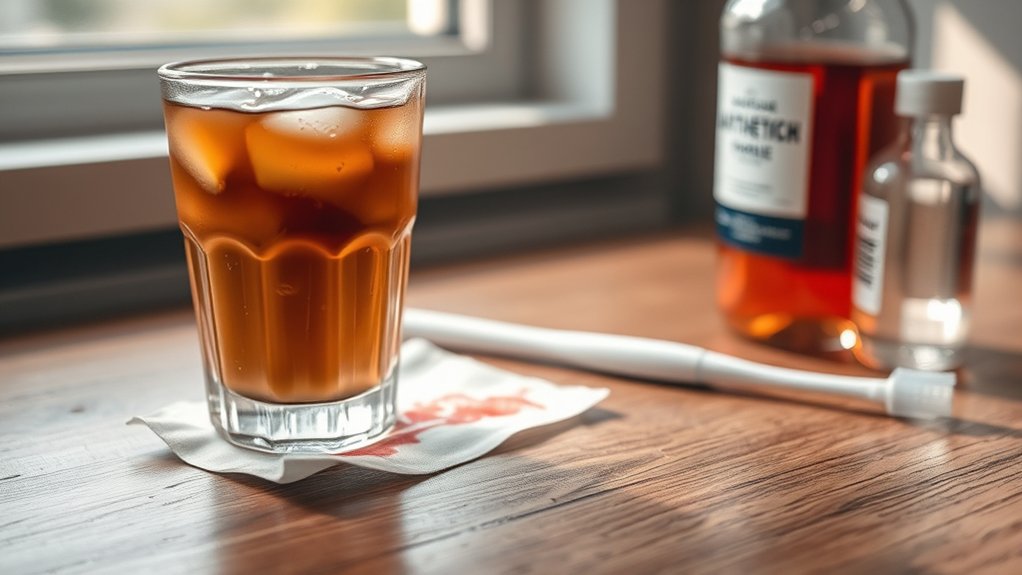
Although coffee might seem like a comforting choice after your tooth extraction, you should avoid drinking it right away because it can disrupt the healing process. Hot coffee increases blood flow and bleeding around the extraction site, which may delay initial healing.
The acidity in coffee can cause mouth irritation and worsen tooth sensitivity, making the area uncomfortable.
Also, caffeine causes dehydration, which slows tissue repair and recovery. Using a straw to drink coffee creates suction that risks dislodging the vital blood clot, potentially leading to dry socket, a painful complication.
So, to protect your healing gums and reduce discomfort, it’s best to skip coffee during the first few days after your extraction.
Prioritize gentle care to promote proper healing and minimize tooth sensitivity and mouth irritation. Taking it easy with what you drink really goes a long way in feeling better faster!
How Iced Coffee Affects Healing After Tooth Extraction

You need to be careful with iced coffee after your tooth extraction because the caffeine can affect how stable your blood clot is, and that clot is really important for healing.
The cold temperature might actually feel soothing in your mouth at first, but the acidity in the coffee and the way you drink it—especially if you use a straw—can irritate the spot where your tooth was removed.
This irritation can slow down your recovery.
Iced Coffee Risks
While iced coffee may seem like a refreshing choice after tooth extraction, it can actually pose several risks to your healing process. The coffee flavor and brewing methods often mean the drink still has caffeine and acidity. Both of these can irritate your extraction site and slow down healing.
Plus, the cold temperature of iced coffee might cause sensitivity or discomfort in your gums as they recover. Drinking it too soon also increases the risk of dislodging the blood clot. This is especially true if you use a straw because the suction can be harmful to healing.
To keep these risks at bay, it’s best to wait at least 48 hours before having iced coffee again. Taking care during your recovery means being mindful about when and how you bring iced coffee back into your routine.
Impact On Blood Clot
The cold temperature of iced coffee might cause some discomfort around your extraction site, but the real concern is how it affects the blood clot that forms during healing. While iced coffee’s chill is less likely than hot coffee to dislodge the clot, caffeine can increase blood flow and raise bleeding risks, which could threaten clot stability.
Also, the acidity from different flavor combos and brewing methods can irritate the extraction site, making healing harder. Drinking iced coffee too soon, especially through a straw, creates suction that may dislodge the clot and lead to dry socket.
To protect your blood clot and help your recovery, it’s best to wait at least 48 hours before drinking iced coffee without a straw. This way, you minimize the risks tied to caffeine, acidity, and temperature.
Managing Irritation And Sensitivity
Although iced coffee might seem invigorating after a tooth extraction, its cold temperature and acidity can irritate the sensitive tissues at the healing site. Drinking it too soon may cause discomfort due to heightened sensitivity to cold and acidity.
The caffeine and acidic compounds in iced coffee can increase inflammation and delay tissue regeneration, affecting your recovery.
Additionally, cold beverages can cause vasoconstriction, reducing blood flow and nutrient delivery essential for healing.
To manage irritation and sensitivity, consider adjusting your flavor pairing by opting for less acidic brew methods or diluting iced coffee with milk to buffer acidity.
Choosing gentler brewing methods, such as cold brew, may reduce acidity and irritation.
Always prioritize your healing by avoiding iced coffee until your dentist gives the go-ahead.
When Is It Safe to Drink Iced Coffee After Tooth Extraction?

When can you safely enjoy iced coffee after a tooth extraction? It’s best to wait at least 48 hours to protect your dental hygiene and support pain management.
After that, follow these guidelines:
Avoid drinking iced coffee for the first two days to prevent blood clot disruption.
After 3 days, drink iced coffee only at room temperature to reduce irritation.
Sip slowly and don’t use a straw, which can disturb healing.
Keep an eye out for any discomfort or swelling. If the pain increases, it’s a good idea to stop and give your mouth more time to heal.
Why Temperature Matters for Blood Clot Stability
Understanding how the temperature of your iced coffee affects blood clot stability can help you protect your healing site after tooth extraction. Temperature regulation plays a critical role in clot preservation because blood clots form quickly to shield the wound and promote healing.
Hot beverages cause blood vessel dilation, increasing blood flow that can dislodge the clot and delay recovery. In contrast, cold or iced drinks help maintain blood vessel constriction, reducing inflammation and preserving clot stability.
By keeping your beverage cool, you minimize the risk of disrupting the clot, which lowers the chance of developing complications like dry socket.
Why You Should Avoid Using Straws With Iced Coffee
Because using a straw creates suction, it can easily dislodge the blood clot protecting your extraction site. This blood clot is essential for healing, and straw suction can cause blood clot disruption, leading to complications like dry socket.
Here’s why you should prevent straws with iced coffee after extraction:
Straw suction generates pressure that disturbs the healing tissue. Blood clot disruption delays recovery and increases pain. Dislodging the clot raises the risk of infection at the extraction site.
Avoiding straws helps maintain clot stability and promotes faster healing. Even though iced coffee is cold, using a straw still risks dislodging the protective clot.
Choosing Iced Coffee With Low Acidity and Sugar
After avoiding straws to protect your extraction site, the next step is to think about the type of iced coffee you choose. Opt for iced coffee made from low-acid coffee beans labeled “smooth” or “low-acid.” These reduce irritation and help promote healing.
The coffee brewing method matters too. Cold brew tends to be less acidic than hot brewed coffee, making it a better choice during recovery.
Keep sugar content minimal or avoid it altogether since sugar can encourage bacterial growth and increase infection risks.
Also, steer clear of flavored syrups with citric acid or artificial additives that might irritate your healing tissues.
Because caffeine can impact healing, monitor your intake carefully.
Diluting your iced coffee with water or milk helps lower acidity, making it gentler on your mouth.
How to Sip Iced Coffee Without Hurting Your Healing Mouth
While enjoying iced coffee during your recovery, you should wait at least 48 hours after your tooth extraction before taking your first sip. To protect your healing mouth, follow these guidelines:
Sip slowly at room temperature or slightly chilled to avoid irritation and minimize suction near the extraction site. Avoid using a straw during the initial healing period since suction can dislodge the blood clot.
Choose iced coffee with a mild coffee flavor and low acidity. This can be influenced by your brewing methods and helps reduce gum discomfort.
Keep an eye on your mouth for any pain or swelling. If you notice irritation, stop drinking iced coffee right away.
Hot vs. Iced Coffee After Tooth Extraction: Risks and Benefits
After you get a tooth pulled, it’s a good idea to think about how your coffee’s temperature might affect healing. Drinking hot coffee can irritate the extraction site and mess with the blood clots you need to heal properly.
On the other hand, iced coffee, being cooler, is usually easier on your mouth.
That said, both hot and iced coffee have caffeine and acids, which might slow down your recovery if you drink them too soon after the procedure.
Heat Impact On Healing
Because the temperature of your coffee directly affects blood flow and tissue response, choosing between hot and iced coffee after a tooth extraction requires careful consideration. Temperature effects influence blood vessel response, which impacts healing.
Hot coffee causes blood vessel dilation, increasing blood flow that may dislodge the clot and delay healing. Drinking hot coffee within the first week raises the risk of dry socket due to clot disturbance.
Iced coffee’s cold temperature can constrict blood vessels, reducing swelling and soothing tissues. However, consuming iced coffee too cold or with a straw might irritate sensitive areas despite its benefits.
You should prioritize temperature control to support proper healing and avoid complications after extraction. Taking it easy with your coffee temperature really helps your mouth heal better.
Cold Coffee Considerations
Although iced coffee is generally safer than hot coffee after a tooth extraction, you should still be careful to avoid messing up the healing process. Wait at least 48 hours before drinking iced coffee. When you do, sip slowly and skip the straw to prevent suction that could dislodge the clot.
The cold temperature can help reduce inflammation and discomfort. But keep in mind, iced coffee’s caffeine and acidity might irritate the extraction site if you drink it too soon or have too much.
Try going for diluted, low-acid iced coffee and avoid additives that could make your gums more sensitive. Gentle brewing and simple flavors are your friends here—they keep your drink mild and less likely to cause irritation while you recover.
Taking it easy with your iced coffee means you get to enjoy it without risking your healing. So, balance your cravings with care for the best results.
Caffeine And Clot Risks
When you drink coffee following a tooth extraction, the caffeine it contains can influence your healing, regardless of whether the coffee is hot or iced. Caffeine consumption affects blood clot formation and hydration, both essential for recovery. Here’s what you need to know:
Hot coffee may increase blood flow, which can risk dislodging the blood clot and causing dry socket. Iced coffee, being cold, is less likely to disrupt the clot but still contains caffeine that can slow healing.
Both types of coffee can lead to dehydration, which impairs blood clot stability and delays recovery.
So, it’s a good idea to limit caffeine intake and wait until the initial healing phase is over. Doing this reduces the risks linked to bleeding and clot disruption.
Stay cautious with caffeine and prioritize hydration to support proper blood clot formation after extraction.
Coffee Alternatives That Protect Your Healing Mouth
If you want to protect your healing mouth after a tooth extraction, choosing the right coffee alternatives is essential. Herbal remedies like chamomile or peppermint teas offer soothing compresses in liquid form, calming irritation while promoting recovery. Avoid caffeine, which can increase clot risks.
Instead, try warm broths or soups for gentle hydration that won’t disturb blood clots. Smoothies with soft fruits and yogurt provide nutrients but drink them slowly from a glass to prevent suction. Caffeine-free electrolyte drinks also support healing by replenishing minerals without irritation.
After initial healing, you might consider decaffeinated coffee or herbal infusions at room temperature to minimize acidity and temperature sensitivity. Choosing these alternatives helps you safeguard your extraction site and supports a smoother recovery.
Why Staying Hydrated Helps Your Recovery
Staying hydrated is super important when you’re recovering from a tooth extraction. It helps your body repair the tissues and lowers the chance of infection.
Drinking enough fluids keeps your mouth moist, which is key because it encourages saliva production. Saliva, in turn, is essential for healing.
Importance Of Hydration
Proper hydration plays a crucial role in your recovery after a tooth extraction by supporting blood flow and delivering essential nutrients needed for tissue repair. Staying hydrated also promotes good dental hygiene and aids in pain management by reducing inflammation and discomfort.
Here’s why you should prioritize hydration:
- Maintains saliva production, which naturally cleanses your mouth and prevents dry socket.
- Flushes out toxins, minimizing swelling and irritation.
- Counters dehydration caused by caffeine or heat, supporting faster healing.
- Encourages gentle healing through water and non-irritating liquids, avoiding complications linked to dry mouth.
Hydration And Healing
Because your body relies on fluids to support tissue repair, maintaining good hydration plays a vital role in your recovery after tooth extraction. Proper hydration habits ensure that your fluid intake supports saliva production, which naturally neutralizes acids and promotes healing at the extraction site.
Staying well-hydrated also enhances blood flow and nutrient delivery to tissues, speeding up recovery and reducing the risk of complications like dry socket. Dehydration, often caused by caffeinated drinks, can impair circulation and slow healing.
By focusing on consistent fluid intake, you help maintain ideal oxygen delivery to the healing area and prevent dry mouth, which increases infection risk.
Best Fluids For Recovery
While recovering from a tooth extraction, you’ll want to choose fluids that actively support healing by maintaining blood flow and delivering essential nutrients to the affected tissues. Staying hydrated reduces mouth dryness and irritation, which promotes faster recovery.
Consider these best fluids for recovery:
- Water – essential for flushing toxins and bacteria to lower infection risk.
- Herbal teas – gentle on your mouth; explore various flavor combinations and brewing methods for soothing relief.
- Broths – provide nutrients that support tissue repair and comfort.
- Electrolyte drinks – help maintain hydration balance without caffeine’s diuretic effects.
Avoid caffeinated beverages like iced coffee during this period, as they may cause dehydration and slow healing. Prioritizing these fluids helps you recover safely and comfortably.
Signs You Should Stop Drinking Coffee and See Your Dentist
If you start experiencing severe or worsening pain after drinking coffee following your tooth extraction, you should stop immediately and contact your dentist. This pain might signal complications like dry socket, especially if the acidity in coffee makes the dental sensitivity around the extraction site worse.
Also, watch for a persistent bad taste, foul odor, or any visible bone exposure in your mouth. These are clear signs to quit coffee and see your dentist.
Excessive swelling, increasing discomfort, or uncontrolled bleeding after drinking coffee need prompt dental evaluation.
If you develop a fever above 101°F or notice unusual discharge, stop drinking coffee and visit your dentist right away.
Paying attention to these symptoms helps protect your healing process and ensures you get timely treatment if any complications come up.
When and How to Gradually Return to Your Normal Coffee Routine
After your tooth extraction, you should wait at least 48 hours before reintroducing iced coffee to protect the healing site. When you’re ready to return to your normal coffee routine, follow these steps to help make the transition easier.
Start with small sips of iced coffee at room temperature or slightly cooled. Avoid using straws and don’t drink forcefully.
Choose brewing methods that produce low-acid coffee. You might also want to add milk or water to dilute the acidity, which is gentler on your mouth.
After about three days, you can gradually increase your iced coffee intake. Just keep an eye out for any discomfort or complications.
If your healing seems slow or pain sticks around, be sure to check in with your dentist before going back to regular iced coffee.
These simple steps help keep your mouth healthy while you enjoy your favorite iced coffee flavors again.
Frequently Asked Questions
Can Iced Coffee Stain My Teeth After Extraction?
Yes, iced coffee can cause dental discoloration and increase tooth sensitivity after extraction. You should avoid it initially and use a straw later to minimize contact.
At the same time, make sure to maintain good oral hygiene to protect your healing teeth. Taking these steps can really help keep your smile looking its best while you recover.
Does Caffeine Affect Pain Medication Effectiveness Post-Extraction?
Yes, caffeine interaction can cause pain relief interference after your extraction. It may reduce your medication’s effectiveness, mask pain, and increase side effects. You should avoid caffeine to guarantee proper healing and effective pain management.
It’s really best to steer clear of caffeine during this time. That way, your medication can work as intended and you can heal properly without any complications.
Can Flavored Iced Coffee Cause More Irritation Than Plain Iced Coffee?
Like walking on thin ice, flavored iced coffee can cause more flavor irritation than plain coffee, especially if you have caffeine sensitivity. You’ll want to avoid additives that might inflame your healing gum tissue or delay recovery.
Is It Okay to Add Milk or Cream to Iced Coffee After Extraction?
You can add milk or cream after 48 hours, but watch for dairy sensitivity.
Make sure the coffee temperature is cool or room temperature to avoid irritating the extraction site and disrupting clot formation during healing.
It’s best to be gentle with what you add so your mouth can heal properly.
How Long Should I Avoid Carbonated Iced Coffee Drinks After Extraction?
You should avoid carbonated iced coffee drinks for at least 72 hours after extraction to prevent dental sensitivity and irritation. Cold beverages can cause discomfort and disrupt healing, so wait until your mouth feels stable before trying them again.
It’s best to give your mouth some time to recover. Trust me, waiting a few days will help you avoid unnecessary pain and make the healing process smoother. Once you feel comfortable, you can slowly start enjoying your favorite cold drinks again.
Conclusion
After tooth extraction, it’s essential to avoid iced coffee at first. Studies show nearly 30% of patients get dry socket from improper care. Drinking cold beverages or using straws can mess with blood clots and slow down healing.
It’s best to wait at least a week and follow your dentist’s advice to protect your recovery. When you do start drinking coffee again, take it slow to avoid any complications. Meanwhile, stay hydrated with safer drinks to help your mouth heal effectively.