How Do You Say Coffee In Spanish – Translation And Usage
You say coffee in Spanish as *café* (pronounced kah-FEH), which is a masculine noun, so you’ll use articles like *el* or *un*. When ordering, you can say “Un café, por favor,” and customize it with phrases like *con leche* (with milk) or *sin azúcar* (without sugar).
Remember, the plural is *cafés*, and using the correct accent on *é* matters. Keep exploring, and you’ll master ordering and talking about coffee naturally in Spanish.
How to Say Coffee in Spanish: The Basic Translation
Although the Spanish word for coffee is quite similar to English, you’ll want to remember that it’s *café*, pronounced *kah-FEH*, with emphasis on the second syllable. This masculine noun is easy to use, whether you’re talking about one *café* or multiple *cafés*.
In Spanish, *café* doesn’t just mean the drink; it also refers to the color and the coffee plant itself, depending on context. Understanding this is helpful, especially as you explore cultural coffee customs where coffee plays a central role.
Knowing the correct term supports your grasp of coffee consumption trends across Spanish-speaking countries, where coffee is both a daily ritual and social experience. Using *café* confidently lets you connect more naturally with local customs and conversations.
Pronouncing *Café* Correctly for Clear Communication

To say *café* clearly, you want to pay attention to the accent mark that stresses the second syllable: *kah-FEH*.
Make sure to keep the *a* soft and open.
Then, pronounce the *é* sharply, just like native speakers do.
If you practice common café phrases using this sound, it’ll really help you communicate with confidence.
Give it a try!
Spanish Pronunciation Guide
Mastering the pronunciation of the Spanish word *café* is key to clear communication when ordering or discussing coffee. To get it right, focus on the soft “c” sounding like a “k,” an open “a” in the first syllable, and stress the second syllable with a sharp “é” (kah-FEH).
The accent mark on *é* guides this stress, ensuring your speech sounds natural.
Following coffee pronunciation tips, listen closely to native speakers and practice repeating the word aloud to align with cultural coffee customs. This attention to pronunciation not only helps you blend in but also shows respect for the language and its traditions.
With these simple steps, you’ll confidently order your *café* and enjoy authentic conversations.
Common Café Phrase Sounds
- “¿Me puede dar un café, por favor?” Use this polite phrase when ordering coffee. Emphasize *café* as *kah-FEH* to sound natural.
- “El café está muy caliente.” Mentioning the coffee’s temperature shows attention to detail in a café setting.
- “¿Cómo preparan el café aquí?” Asking about brewing methods demonstrates interest and helps you learn local terminology.
Practice these aloud, focusing on the stressed *é* sound in *café*. This will help you communicate clearly in any Spanish-speaking coffee shop.
Understanding the Gender and Plural Forms of *Café
Although *café* is a simple word, understanding its gender and plural forms is essential for speaking Spanish correctly.
The word *café* is masculine, so it uses masculine articles like *el* (the) and *un* (a/an).
When you want to talk about more than one coffee, you follow pluralization rules by adding *-s*, turning it into *cafés*.
This plural form stays masculine, so any adjectives describing *cafés* must also show proper gender agreement, as in *cafés calientes* (hot coffees).
Mastering these gender agreement and pluralization rules helps you form accurate sentences and speak politely.
Getting this right makes your Spanish sound natural and respectful when discussing coffee or ordering in a café.
Ordering Coffee in Spanish: Common Phrases
When you want to order coffee in a Spanish-speaking café, simple phrases like “Un café, por favor” work perfectly. Mastering coffee shop etiquette means being polite and clear with your order.
Here are some ordering tips to help you:
Use polite commands like “Póngame un espresso, por favor” to sound courteous and confident. Specify your coffee type, such as “un café con leche” if you want milk, or “un café negro” for black coffee.
Mention size or additions, like “un café grande” or “con azúcar,” to get exactly what you want. Adding “por favor” shows respect and fits well with coffee shop etiquette.
These common phrases make your ordering experience smooth and enjoyable every time. Easy, right? Just a little practice and you’ll be ordering like a pro!
Customizing Your Coffee Order in Spanish
How can you make sure your coffee order is exactly how you like it in Spanish? Start by specifying coffee flavor variations and brewing methods clearly. Use phrases like “con leche” (with milk) or “sin azúcar” (without sugar) to customize your drink.
Ensure your coffee is perfect by clearly stating flavors and brewing preferences like con leche or sin azúcar.
If you prefer an iced or decaffeinated option, say “helado” or “descafeinado” to avoid confusion. Politely phrase your requests with “Quisiera un café con leche, por favor” to show respect.
Don’t hesitate to ask for extras or adjustments using questions like “¿Puedes ponerle más azúcar?”
Adding “por favor” at the end guarantees smooth communication and a friendly tone. This way, you control every detail of your coffee order in Spanish confidently.
Common Coffee Drinks and Their Spanish Names
Once you know how to customize your coffee order in Spanish, it helps to recognize the names of common coffee drinks you’ll likely encounter. Understanding these terms enhances your coffee tasting experience and appreciation of brewing techniques used across Spanish-speaking cafes.
Here are three common coffee drinks and their Spanish names:
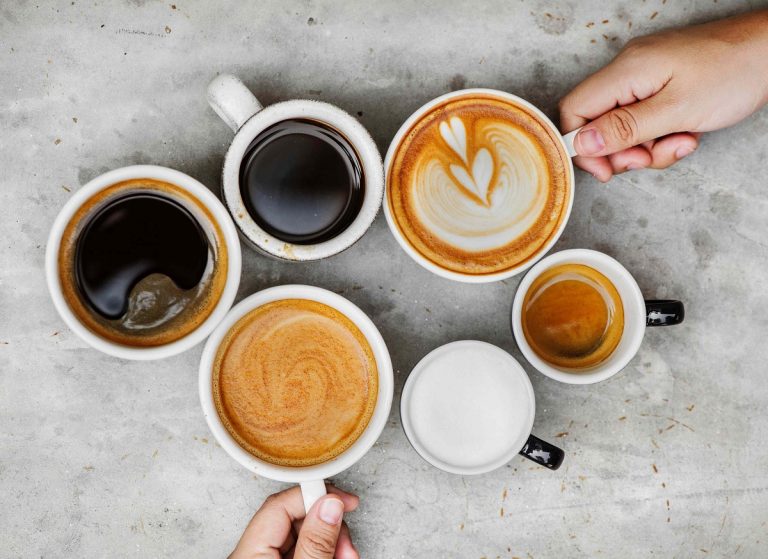
- Café solo a strong espresso, perfect if you enjoy pure coffee flavors.
- Café con leche coffee with milk, a smooth choice blending espresso and steamed milk.
- Café cortado espresso “cut” with a splash of milk, balancing intensity and creaminess.
You’ll also find variations like *café americano* (espresso with hot water) and iced options like *café helado,* ideal for warmer climates.
Mastering these terms lets you dive deeper into the diverse world of Spanish coffee culture.
Regional Variations in Saying Coffee Across Spanish-Speaking Countries
Although “café” is the universal word for coffee in Spanish, the way people refer to their favorite brew varies widely across Spanish-speaking countries.
While “café” is the common term, coffee names and styles differ throughout Spanish-speaking regions.
In Spain, “café” often means a small espresso shot, while in Latin America, it covers many coffee types.
When you’re in Mexico, you might hear “cafecito,” an affectionate term for a small cup.
In Argentina and Uruguay, “cortado” is common, referring to coffee with a splash of milk.
Cuban and Caribbean locals enjoy their “cafecito cubano,” a strong, sweet coffee shot.
Colombia’s “tinto” stands out as a small, strong coffee.
Regional accents and pronunciation differences shape these terms, so you’ll notice subtle variations depending on where you are, reflecting each country’s unique coffee culture.
Café* Slang and Casual Expressions in Spanish
When you immerse yourself in casual conversations about coffee in Spanish, you’ll find a rich variety of slang and affectionate expressions that differ by region. Using regional slang in your casual conversation shows cultural awareness and helps you connect more naturally.
Here are three common slang terms you might encounter:
- Caña – In Spain, this slang refers to a small coffee, though it’s also used for a small beer glass. Context is key here.
- Cafecito – Popular in Latin America, this diminutive implies a small, friendly coffee, often suggesting a break or social moment.
- Tomarse un cafecito – A casual phrase meaning “to have a little coffee,” usually implying relaxing and chatting with friends.
Mastering these expressions will enhance your informal conversations and deepen your cultural understanding. It’s a great way to sound more natural and make your chats more fun.
Common Mistakes to Avoid With *Café* in Spanish
Using slang and casual expressions like *cafecito* can make your Spanish sound natural. But it’s equally important to avoid common mistakes with the word *café* itself.
First, always keep the accent on the *é*. Missing it changes the pronunciation and meaning, which can confuse native speakers.
Always keep the accent on the é to avoid confusing native speakers with pronunciation and meaning.
Remember, *el café* is masculine, so use masculine articles like *el* or *un*. Never use feminine ones like *la*.
Don’t mix up *café* with *cafeína* (caffeine), since they differ a lot.
Also, use the plural *cafés* only when referring to multiple types or servings. This respects cultural coffee customs.
Following these coffee pronunciation tips helps you communicate clearly and shows respect for Spanish language nuances.
Why Coffee Terms Matter When You Speak Spanish
- They guarantee you order exactly what you want, avoiding confusion.
- They allow you to discuss coffee culture naturally, deepening connections.
- They demonstrate cultural awareness, making locals appreciate your effort.
Master these terms, and you’ll enjoy richer, more authentic coffee experiences.
It’s all about making your coffee moments smoother and more enjoyable. Trust me, knowing the lingo goes a long way!
Essential Coffee-Related Vocabulary Beyond Just ‘Café
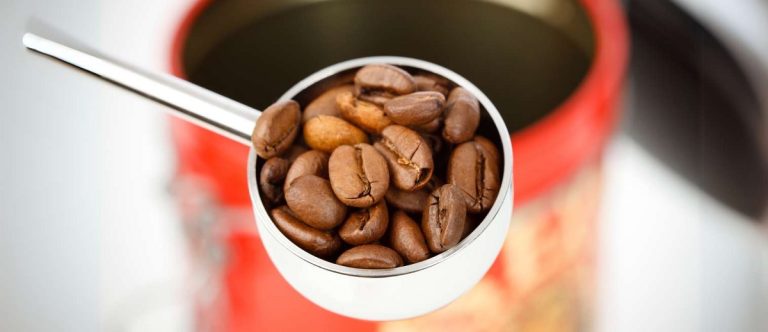
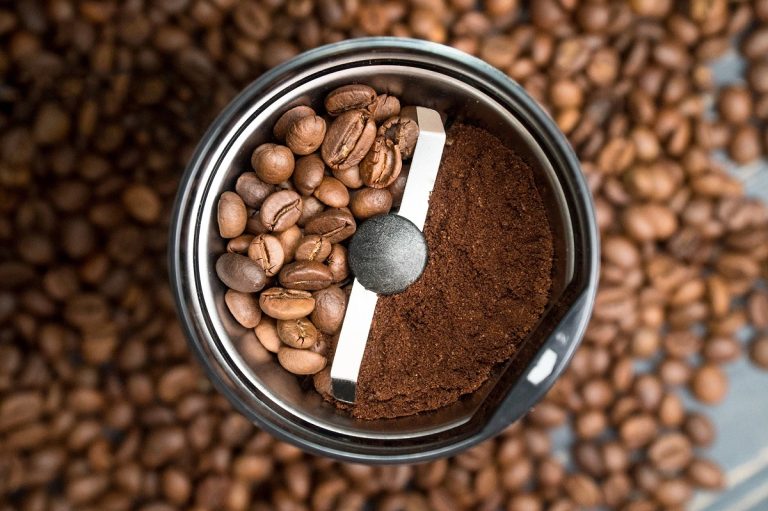
Knowing just the word *café* isn’t enough to fully navigate Spanish coffee culture. You’ll want to learn terms like *grano de café* (coffee bean), *taza de café* (coffee cup), and *máquina de café* (coffee machine) to talk about coffee brewing methods.
Recognizing adjectives like *descafeinado* (decaffeinated) or *con leche* (with milk) helps you order exactly what you want. Phrases such as *café helado* (iced coffee) and *café con azúcar* (coffee with sugar) reflect common preferences.
Remember, *café* can also mean a coffee shop, emphasizing coffee’s cultural significance as a social hub. Regional variations like *café negro* (black coffee) show how diverse coffee vocabulary is across Spanish-speaking countries.
Mastering these terms deepens your appreciation for the coffee culture you’re exploring. It makes your experience richer and more enjoyable.
Plus, you’ll sound like a local in no time!
Using Coffee Vocabulary in Real-Life Spanish Conversations
When you want to order coffee or chat about your preferences in Spanish, simple phrases like “Un café, por favor” and questions such as “¿Tomas café?” come in handy.
To use coffee vocabulary effectively in real-life conversations, keep these tips in mind:
Practice café etiquette by politely asking, “¿Me puede traer un café?” when ordering. This shows respect and helps you blend in naturally.
Use descriptive terms like “la taza de café” or “el grano de café” to enhance your coffee tasting discussions and express preferences clearly.
Incorporate regional expressions such as “café con leche” or “café negro” to sound authentic and engage locals.
Mastering these phrases and vocabulary will boost your confidence during coffee tasting and casual chats about coffee in Spanish.
Frequently Asked Questions
What Is the History of Coffee in Spanish-Speaking Countries?
You’ll find coffee cultivation started in Spanish-speaking countries during the 18th century, driven by colonial coffee trade history.
You’ll see it flourish especially in Colombia, shaping their culture and economy through traditional methods like “tinto.”
How Is Coffee Culturally Significant in Latin America?
You’ll find coffee art and coffee etiquette deeply woven into Latin American culture, reflecting hospitality and pride. Sharing coffee is more than drinking; it’s a social ritual that strengthens bonds and showcases regional traditions.
It’s all about coming together and enjoying the moment. Coffee isn’t just a drink here—it’s a way to connect with others and celebrate community.
What Are Popular Coffee Brands in Spanish-Speaking Regions?
You’ll find Café Tacuba, Café Don Paco, and Juan Valdez leading coffee brewing, while Café Pilón and Café Bustelo respect coffee etiquette. These brands highlight tradition, quality, and culture, making your coffee experience authentic and rich.
They really bring out the best in each cup, don’t they? Whether you’re enjoying a strong espresso or a smooth drip brew, these names stand for something special in the coffee world. It’s all about savoring those genuine flavors and the stories behind them.
How Do Spanish Coffee Traditions Compare to Other Countries?
You’ll notice Spanish coffee traditions focus on slow coffee brewing and savoring in cafes, emphasizing coffee etiquette like socializing.
It’s quite different from other countries where quick, large servings or to-go cups dominate the experience. The whole vibe in Spain is about taking your time and enjoying the moment.
People don’t just drink coffee; they connect over it.
Are There Any Spanish Coffee Festivals or Events?
You’ll find the Madrid Coffee Festival celebrates coffee brewing and etiquette, with tastings and barista contests.
It’s perfect for deepening your appreciation of Spanish coffee culture and learning proper coffee etiquette firsthand.
Conclusion
Now that you know how to say *café* and order coffee like a pro, you’re ready to enjoy Spanish conversations with confidence. Remember, “a little knowledge is a dangerous thing,” so keep practicing those phrases to avoid common mistakes.
Mastering coffee terms opens doors to richer cultural experiences and smoother chats. So go ahead, order that *café* your way and savor both the flavor and the language!