How to Grow Coffee Beans at Home: Easy Steps for a Thriving Indoor Garden
Growing your own coffee can be a rewarding and educational experience, bringing a touch of the tropics into your home. Coffee plants are not only attractive and lush but also offer the satisfaction of nurturing a plant that produces your favorite morning beverage. With some patience, attention, and the right conditions, you can successfully cultivate coffee beans in a home environment.
How to Grow Coffee Beans at Home involves understanding the plant’s needs, including proper soil, light, temperature, and watering routines. Unlike many houseplants, coffee plants require specific conditions to thrive, such as bright indirect light, consistent moisture, and slightly acidic soil. Providing these essentials encourages healthy growth and, eventually, the development of coffee cherries.
Starting from seeds or seedlings, the process of growing coffee at home is gradual, but it allows gardeners to learn about the full life cycle of the plant. Watching it develop from a small sprout to a mature coffee-bearing plant can be deeply satisfying.
This journey not only adds greenery to your living space but also connects you with the origin of your daily coffee, creating a unique and personal gardening experience. By following proper techniques and care, How to Grow Coffee Beans at Home becomes both achievable and enjoyable.
Choosing The Right Coffee Bean Variety
Selecting the right coffee bean variety is essential for successful home cultivation. Different coffee species and cultivars have unique growth requirements, flavors, and resilience levels. Understanding these characteristics helps ensure that your coffee plant thrives indoors or in a home garden. Making an informed choice improves both the plant’s health and the quality of the beans it produces.
Arabica vs. Robusta
The two primary coffee species grown commercially are Arabica and Robusta. Arabica (Coffea arabica) is prized for its smooth, mild flavor and aromatic qualities, making it the most popular choice for home growers. It prefers moderate temperatures, indirect sunlight, and slightly acidic, well-draining soil. Arabica plants are more sensitive to environmental stress but reward growers with high-quality beans.
Robusta (Coffea canephora), on the other hand, is hardier and more resistant to pests and diseases. It thrives in warmer climates and tolerates more variable conditions. While Robusta beans have a stronger, more bitter taste and higher caffeine content, they are less commonly grown indoors due to their size and growth habit. Choosing between Arabica and Robusta depends on your growing conditions, flavor preferences, and patience for plant care.
Specialty Varieties and Hybrids
Beyond the main species, there are numerous specialty varieties and hybrids. Some Arabica cultivars are bred for disease resistance, compact size, or unique flavor profiles, making them suitable for indoor growth. Hybrids may combine the flavor of Arabica with the hardiness of Robusta, providing a balance between quality and resilience.
For home growers, selecting a compact, slow-growing variety can make managing the plant easier, especially in limited spaces. Varieties like Bourbon, Typica, and Caturra are popular for their manageable size and pleasant cup qualities. Understanding each cultivar’s requirements ensures that the plant receives the right care and grows optimally in your environment.
Flavor Profiles and Bean Characteristics
Different coffee bean varieties produce distinct flavor profiles, ranging from fruity and floral to nutty and chocolatey. Selecting a variety based on the desired taste can enhance the satisfaction of growing your own coffee. Arabica beans generally offer more complex, nuanced flavors, while Robusta provides a bolder, more robust taste.
Bean characteristics such as size, shape, and density also influence roasting and brewing results. Home growers may want to consider these factors if the goal is to produce beans for personal consumption. Cultivars that produce uniform, high-quality cherries simplify harvesting and roasting while ensuring consistent flavor.
Environmental Adaptability
Choosing the right variety also involves considering environmental adaptability. Indoor growers must account for light availability, temperature fluctuations, and humidity levels. Compact Arabica cultivars thrive in bright, indirect light with stable indoor temperatures, while some hybrids tolerate slightly lower light and wider temperature ranges.
Assessing your home environment before selecting a variety ensures long-term success. Understanding sunlight, humidity, and space constraints allows you to choose a plant that will grow healthily and eventually produce coffee cherries. By prioritizing adaptability along with flavor and growth habits, home growers can enjoy a productive and rewarding coffee cultivation experience.
Preparing Coffee Seeds For Planting
Starting coffee plants from seeds is an exciting way to grow your own coffee at home. Proper preparation of the seeds is crucial for germination and healthy plant development. Coffee seeds are delicate and require specific handling, soaking, and pre-germination steps to ensure they sprout successfully. Understanding these steps increases the chances of establishing strong, vigorous seedlings.
Selecting Fresh and Viable Seeds
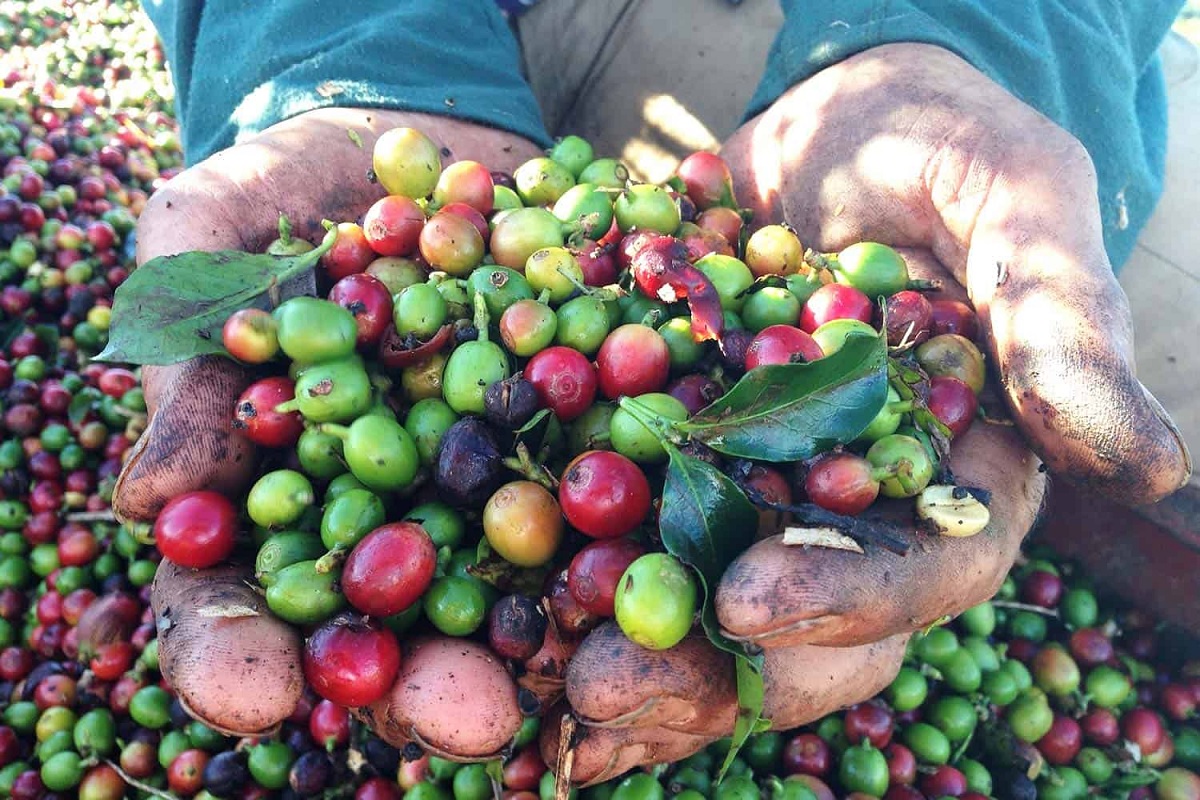
The first step in preparing coffee seeds is choosing fresh, viable seeds. Coffee seeds are typically harvested from ripe cherries, and freshness significantly affects germination rates. Look for seeds that are plump, firm, and free from cracks, mold, or discoloration. Seeds from recently processed cherries tend to sprout more reliably than older, dried seeds.
Some home growers prefer purchasing pre-processed seeds from specialty suppliers to ensure quality and viability. Storing seeds in a cool, dry place until planting helps maintain their germination potential. Avoid using roasted beans, as heat destroys the embryo inside, making them unsuitable for planting. Selecting the right seeds is a foundational step that sets the stage for a successful growing experience.
Soaking And Softening Seeds
Before planting, soaking coffee seeds can significantly improve germination rates. Soak the seeds in room-temperature water for 24 to 48 hours. This process softens the tough outer shell, allowing water to penetrate and activate the embryo inside. Some gardeners change the soaking water once or twice to prevent fermentation and reduce the risk of mold.
After soaking, gently pat the seeds dry with a clean towel. Some growers also choose to remove the thin parchment layer from the seed for faster germination, although this must be done carefully to avoid damaging the embryo. Proper soaking ensures that the seeds absorb enough moisture to initiate growth, improving the chances of uniform sprouting and healthy seedlings.
Pre-Germination Techniques
Pre-germination methods like using a damp paper towel or seed tray can give coffee seeds a head start. Place the seeds between moist, breathable materials and keep them in a warm, shaded area. Maintaining a consistently moist environment, without waterlogging, encourages the seeds to sprout roots and tiny shoots.
This step allows you to monitor germination more closely. Seeds that show signs of growth can be transferred to soil or pots, while non-viable seeds can be discarded early. Pre-germination ensures that only healthy, active seeds are planted, reducing waste and improving the overall success of your coffee-growing efforts.
Choosing The Right Planting Medium
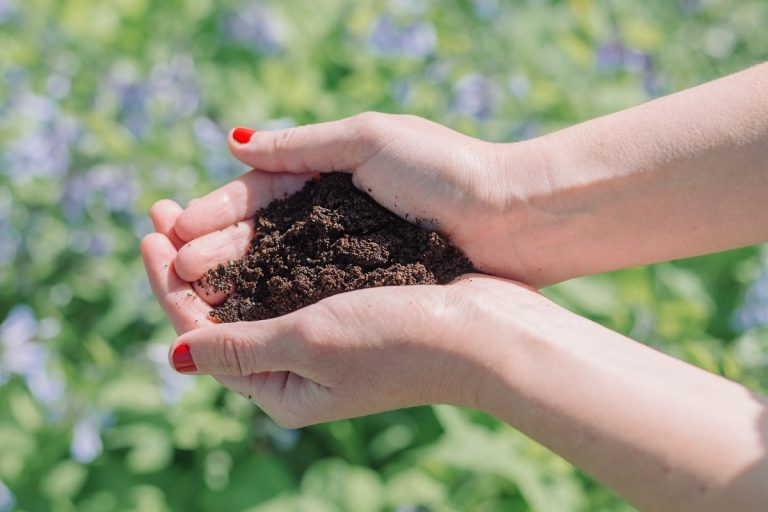
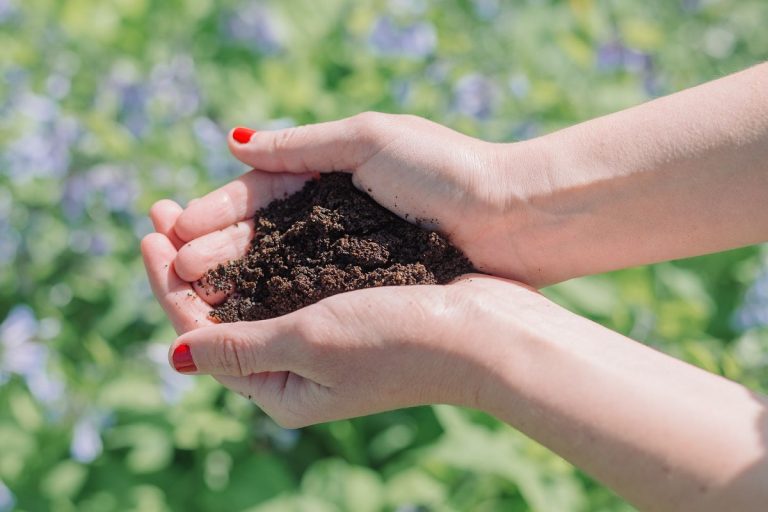
Once the seeds are prepped, selecting the proper planting medium is crucial. Coffee seeds prefer a well-draining, slightly acidic medium rich in organic matter. A mixture of peat moss, coconut coir, and perlite provides the right balance of moisture retention and aeration. Avoid heavy or clay soils that can retain excess water and cause root rot.
Fill small pots or seed trays with the prepared medium, leaving space for the seeds to expand as roots develop. Plant the seeds about half an inch deep, with the pointed end facing down. Gently cover with soil and water lightly to settle the medium around the seeds. This careful planting setup creates an optimal environment for early root and shoot development.
Maintaining Optimal Conditions
After planting, maintaining consistent warmth, moisture, and indirect light is essential for successful germination. Coffee seeds prefer temperatures between 70–80°F (21–27°C). Keep the soil evenly moist using a spray bottle or gentle watering technique to avoid disturbing the seeds. Covering the pots with a breathable lid or plastic wrap can help maintain humidity while preventing mold growth.
Monitor the seeds daily, ensuring they remain moist but not waterlogged. Germination can take anywhere from 2 to 8 weeks, depending on the variety and environmental conditions. Patience and careful observation during this stage are crucial for establishing strong, healthy coffee seedlings.
Planting Coffee Beans Indoors
Growing coffee beans indoors can be a rewarding experience, allowing you to nurture a tropical plant in the comfort of your home. Indoor cultivation requires careful attention to soil, light, and watering to ensure healthy growth. With the right approach, you can enjoy lush, vibrant coffee plants and eventually harvest your own beans, even in limited spaces.
Choosing The Right Container
Selecting an appropriate container is essential for indoor coffee planting. Coffee plants have relatively shallow but spreading roots, so choose pots that are wide rather than extremely deep. A container with drainage holes prevents water from accumulating at the bottom, reducing the risk of root rot.
Terracotta, ceramic, or plastic pots work well, but make sure the pot is sturdy enough to support the plant as it grows. Starting with a small to medium-sized pot is ideal for seedlings, with the option to repot into larger containers as the plant matures. Proper container choice ensures healthy root development and makes watering and soil management easier.
Soil Preparation And Planting
Coffee plants prefer slightly acidic, well-draining soil rich in organic matter. A mix of peat moss, coconut coir, and perlite creates an ideal medium that retains moisture while providing aeration. Fill the pot with the prepared soil, leaving space for the seed or seedling.
Plant coffee seeds about half an inch deep with the pointed end facing down, or transplant seedlings gently into the new pot. Cover lightly with soil and water thoroughly to help settle the roots. Maintaining good soil structure ensures that roots can spread easily and absorb nutrients efficiently, setting the stage for healthy growth indoors.
Light And Temperature Requirements
Coffee plants thrive in bright, indirect light. Placing your pot near a south- or east-facing window is ideal, but avoid direct sunlight, which can scorch the leaves. If natural light is insufficient, supplemental grow lights can provide the necessary illumination for consistent growth.
Temperature also plays a critical role. Coffee plants prefer consistent warmth, ideally between 70–80°F (21–27°C). Avoid placing them near drafts, heaters, or air conditioners that can cause stress. Maintaining stable light and temperature conditions promotes healthy foliage and encourages strong root and shoot development over time.
Watering And Care
Proper watering is crucial for indoor coffee plants. Keep the soil evenly moist but not soggy. Water when the top inch of soil feels dry, and use room-temperature water to avoid shocking the roots. Overwatering can lead to root rot, while underwatering can stunt growth, so maintaining balance is key.
Regular care also includes occasional fertilization with a balanced, water-soluble fertilizer, especially during the growing season. Pruning dead or yellowing leaves helps maintain plant health and encourages fuller growth. Monitoring for pests such as spider mites or aphids ensures that indoor coffee plants remain healthy and vibrant.
By paying attention to container choice, soil, light, temperature, and watering, planting coffee beans indoors becomes a manageable and enjoyable process. With patience and consistent care, indoor coffee plants can flourish and eventually produce their own coffee cherries.
Ideal Growing Conditions
Ensuring the right growing conditions is essential for cultivating healthy and productive coffee plants. Proper soil, light, temperature, and humidity levels all play a critical role in plant growth and bean development. Meeting these requirements creates an environment where coffee plants can thrive indoors or in home gardens, ultimately supporting lush foliage and the potential for coffee cherries.
Light Requirements
Coffee plants require bright, indirect light to grow optimally. Placing them near east- or south-facing windows provides adequate sunlight without causing leaf burn. Direct sunlight can scorch leaves, while insufficient light may lead to slow growth, leggy stems, or poor flowering.
For homes with low natural light, supplemental grow lights can maintain healthy growth. Fluorescent or LED grow lights placed about 12–18 inches above the plant for 12–14 hours a day mimic natural light cycles. Rotating the plant regularly ensures all sides receive light evenly, promoting symmetrical growth and stronger stems. Proper lighting supports photosynthesis, healthy foliage, and the eventual production of coffee cherries indoors.
Temperature And Humidity
Coffee plants thrive in warm, stable temperatures between 70–80°F (21–27°C). Avoid exposing them to sudden drafts, air conditioning, or heating vents, as temperature fluctuations can stress the plant and hinder growth. Lower temperatures may slow development, while excessive heat can cause leaf droop or scorching.
Humidity is also essential for coffee plants, as they naturally grow in tropical regions. Maintaining a relative humidity of 50–70% supports lush foliage and prevents leaf drying. Indoor growers can increase humidity using humidifiers, placing trays of water near plants, or misting leaves regularly. High humidity helps plants maintain turgor pressure, promotes healthy leaf development, and supports flowering and fruiting.
Soil And Drainage
Well-draining, slightly acidic soil is ideal for coffee plants. A mixture of peat moss, coconut coir, and perlite provides a balance of moisture retention, aeration, and nutrient availability. Proper soil structure allows roots to access oxygen while preventing waterlogging, which can lead to root rot.
Using containers with drainage holes is critical for indoor plants. Water should flow freely through the pot to avoid excess moisture at the bottom. Mixing organic matter or compost into the soil enhances fertility, supports microbial activity, and promotes healthy root development. A nutrient-rich, well-draining medium provides the foundation for vigorous growth and long-term plant health.
Watering And Fertilization
Consistent, moderate watering is key to maintaining ideal growing conditions. The soil should be kept evenly moist but not soggy. Water when the top inch of soil feels dry, ensuring thorough absorption. Overwatering can harm roots, while underwatering can stunt growth and reduce leaf quality.
During the active growing season, feeding coffee plants with a balanced, water-soluble fertilizer supports nutrient needs. Fertilization promotes lush foliage, strong stems, and eventual flowering. By carefully managing light, temperature, humidity, soil, and watering, coffee plants can flourish under optimal conditions, ensuring a healthy, productive indoor or home garden environment.
Ideal Growing Conditions
Ensuring the right growing conditions is essential for cultivating healthy and productive coffee plants. Proper soil, light, temperature, and humidity levels all play a critical role in plant growth and bean development. Meeting these requirements creates an environment where coffee plants can thrive indoors or in home gardens, ultimately supporting lush foliage and the potential for coffee cherries.
Light Requirements
Coffee plants require bright, indirect light to grow optimally. Placing them near east- or south-facing windows provides adequate sunlight without causing leaf burn. Direct sunlight can scorch leaves, while insufficient light may lead to slow growth, leggy stems, or poor flowering.
For homes with low natural light, supplemental grow lights can maintain healthy growth. Fluorescent or LED grow lights placed about 12–18 inches above the plant for 12–14 hours a day mimic natural light cycles. Rotating the plant regularly ensures all sides receive light evenly, promoting symmetrical growth and stronger stems. Proper lighting supports photosynthesis, healthy foliage, and the eventual production of coffee cherries indoors.
Temperature And Humidity
Coffee plants thrive in warm, stable temperatures between 70–80°F (21–27°C). Avoid exposing them to sudden drafts, air conditioning, or heating vents, as temperature fluctuations can stress the plant and hinder growth. Lower temperatures may slow development, while excessive heat can cause leaf droop or scorching.
Humidity is also essential for coffee plants, as they naturally grow in tropical regions. Maintaining a relative humidity of 50–70% supports lush foliage and prevents leaf drying. Indoor growers can increase humidity using humidifiers, placing trays of water near plants, or misting leaves regularly. High humidity helps plants maintain turgor pressure, promotes healthy leaf development, and supports flowering and fruiting.
Soil And Drainage
Well-draining, slightly acidic soil is ideal for coffee plants. A mixture of peat moss, coconut coir, and perlite provides a balance of moisture retention, aeration, and nutrient availability. Proper soil structure allows roots to access oxygen while preventing waterlogging, which can lead to root rot.
Using containers with drainage holes is critical for indoor plants. Water should flow freely through the pot to avoid excess moisture at the bottom. Mixing organic matter or compost into the soil enhances fertility, supports microbial activity, and promotes healthy root development. A nutrient-rich, well-draining medium provides the foundation for vigorous growth and long-term plant health.
Watering And Fertilization
Consistent, moderate watering is key to maintaining ideal growing conditions. The soil should be kept evenly moist but not soggy. Water when the top inch of soil feels dry, ensuring thorough absorption. Overwatering can harm roots, while underwatering can stunt growth and reduce leaf quality.
During the active growing season, feeding coffee plants with a balanced, water-soluble fertilizer supports nutrient needs. Fertilization promotes lush foliage, strong stems, and eventual flowering. By carefully managing light, temperature, humidity, soil, and watering, coffee plants can flourish under optimal conditions, ensuring a healthy, productive indoor or home garden environment.
Transplanting And Repotting
As coffee plants grow, transplanting and repotting become essential for maintaining healthy roots and overall plant development. Proper techniques ensure that the plant continues to thrive, avoiding root crowding and nutrient depletion. Understanding when and how to repot allows home growers to provide the right environment for vigorous growth and eventual coffee bean production.
When To Repot Coffee Plants
Knowing the right time to repot is crucial for the health of a coffee plant. Signs that a plant needs a larger container include roots growing out of drainage holes, slowed growth, yellowing leaves, or soil that dries out unusually quickly. Typically, young coffee plants benefit from repotting every 1–2 years, while older plants may require less frequent intervention.
Choosing the correct timing reduces transplant shock and supports continuous growth. It’s ideal to repot during the plant’s active growing season, usually in spring or early summer, when it can recover quickly. Repotting too frequently or during dormancy may stress the plant, slow growth, or damage roots. Monitoring plant health and observing these signs ensures repotting occurs at the optimal moment.
Selecting A New Pot
Selecting an appropriate new container is essential when transplanting. Coffee plants have shallow, spreading roots, so a wider pot is often more beneficial than a deeper one. Ensure the container has adequate drainage holes to prevent water accumulation and root rot. Materials such as terracotta, ceramic, or sturdy plastic work well, depending on your preference and indoor conditions.
When choosing a pot, leave at least 1–2 inches of space between the roots and the pot walls to allow room for growth. Avoid excessively large containers, as they may retain too much water and slow root development. The right pot size supports proper soil aeration, encourages strong root expansion, and ensures a stable growing environment for your coffee plant.
Preparing Soil And Transplanting
Preparing a nutrient-rich, well-draining soil mix is critical during repotting. A combination of peat moss, coconut coir, and perlite provides moisture retention, aeration, and fertility, ideal for coffee plants. Gently remove the plant from its current pot, taking care not to damage the root system.
Loosen compacted roots slightly before placing the plant into the new container. Fill the remaining space with fresh soil, ensuring the roots are covered and the plant is stable. Water thoroughly after transplanting to help settle the soil and reduce stress on the plant. Proper soil preparation and careful handling increase the likelihood of a smooth transition.
Post-Repotting Care
After transplanting, coffee plants require attentive care to recover and thrive. Place the plant in bright, indirect light and maintain consistent moisture without overwatering. Avoid fertilizing immediately after repotting, as the fresh soil already provides nutrients, and newly disturbed roots may be sensitive to concentrated fertilizers.
Monitor the plant for signs of stress, such as drooping leaves or slow growth, which are normal during the adjustment period. Over a few weeks, the plant should acclimate to its new pot, establish strong roots, and resume vigorous growth. With careful attention to repotting techniques, coffee plants continue to develop healthily and remain productive for years to come.
FAQs
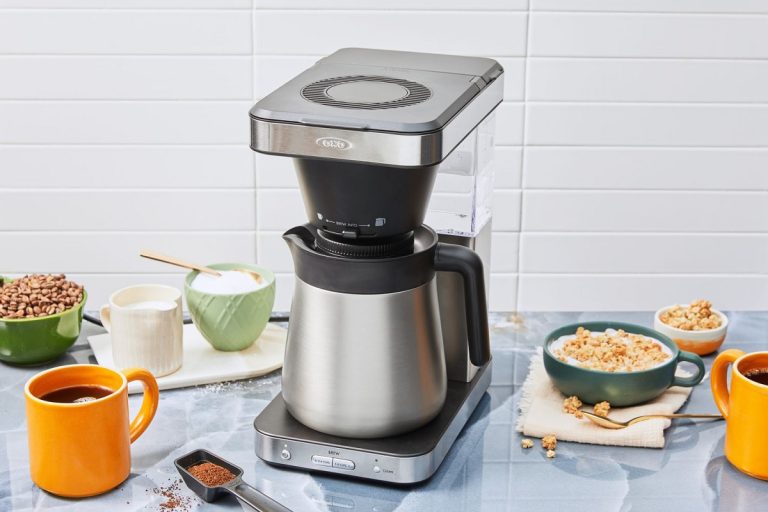
How Do You Choose The Right Coffee For Your Coffee Pot?
You should start by selecting fresh, high-quality coffee beans or ground coffee that suits your taste preference. Medium or dark roasts usually work best for a richer flavor.
If you use whole beans, grinding them just before brewing ensures maximum aroma and taste. Consider the grind size: medium grind works best for standard drip coffee pots, while coarse may clog filters and fine may over-extract. Choosing the right coffee lays the foundation for making a perfect cup every time.
What Is The Ideal Coffee-To-Water Ratio For A Coffee Pot?
To make coffee like a pro, you need the correct balance of coffee and water. A standard guideline is one to two tablespoons of ground coffee per six ounces of water.
Using too much coffee can result in a bitter taste, while too little may produce weak, flavorless coffee. Measuring both coffee and water accurately ensures a consistent and satisfying brew each time. You can adjust slightly to match your personal taste preference.
How Should You Prepare Your Coffee Pot Before Brewing?
You should clean your coffee pot and filter basket thoroughly before each use. Residual oils and coffee particles from previous brews can affect flavor.
Rinsing the pot with warm water helps maintain the optimal brewing temperature. Make sure the water reservoir and filter are correctly positioned to avoid leaks or overflow. Proper preparation ensures that your coffee brews evenly and tastes fresh.
What Temperature Should The Water Be For Brewing Coffee?
You should use water that is just off the boil, around 195–205°F (90–96°C), for optimal extraction. Water that is too hot can burn the coffee, while too cool water under-extracts flavors.
If your coffee pot heats water automatically, ensure it reaches the proper temperature before brewing. Using the right temperature extracts the coffee’s full aroma and body, giving you a professional-quality cup every time.
How Long Should Coffee Brew In A Coffee Pot?
You should allow coffee to brew for about 4–6 minutes in a standard drip coffee pot. This ensures proper extraction of flavors without over-brewing.
Brewing too quickly can result in weak coffee, while over-brewing may produce bitterness. Monitoring the brewing time and following your coffee pot’s guidelines helps maintain a consistent, flavorful cup that tastes like it came from a café.
How Can You Enhance The Flavor Of Coffee Made In A Coffee Pot?
You can enhance flavor by using filtered water, fresh coffee grounds, and the proper coffee-to-water ratio. Pre-warming the pot also helps maintain temperature during brewing.
Experiment with small additions like a pinch of cinnamon or nutmeg in the filter for a subtle flavor twist. Proper technique, high-quality ingredients, and attention to detail will allow you to consistently brew coffee that rivals your favorite café.
What Are The Best Tips For Serving Coffee From A Coffee Pot?
You should serve coffee immediately after brewing to enjoy the freshest flavor. Keep the pot on the warming plate only briefly, as prolonged heat can alter the taste.
Using clean cups and pre-warming them slightly improves the drinking experience. You can offer cream, sugar, or flavor syrups on the side, but professional coffee is all about brewing correctly first. Following these tips ensures every cup from your coffee pot tastes smooth and satisfying.
Final Words
Growing coffee at home is a fulfilling journey that combines patience, care, and a love for plants. From selecting the right seeds and varieties to providing optimal indoor conditions, each step contributes to the success of your coffee plant. Attention to soil, light, temperature, and watering ensures healthy growth and lays the foundation for eventual coffee cherry production.
How to Grow Coffee Beans at Home involves understanding the plant’s unique needs and creating an environment that mimics its natural tropical habitat. Proper seed preparation, careful planting, and consistent maintenance allow even beginners to cultivate vibrant, thriving coffee plants indoors or in home gardens. Techniques such as repotting, fertilizing, and monitoring for pests further support long-term health and productivity.
Ultimately, growing your own coffee connects you to the full life cycle of this beloved beverage. By following proper methods, How to Grow Coffee Beans at Home becomes an achievable and rewarding endeavor, offering both aesthetic enjoyment and the satisfaction of nurturing a plant that can eventually yield homegrown coffee beans.