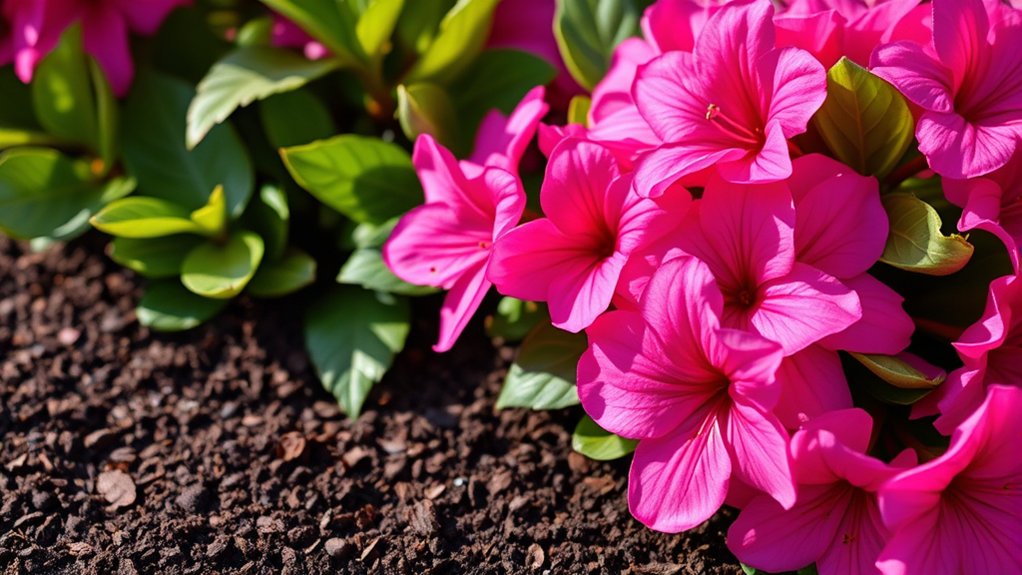
Do Azaleas Like Coffee Grounds – Gardening Benefits And Tips
You can boost your azaleas’ growth by applying used coffee grounds, which add valuable nutrients like nitrogen and improve soil acidity to fit their preferred pH range of 4.5 to 6. Coffee grounds also enhance soil structure and moisture retention while deterring pests like slugs.
Just use them sparingly and avoid thick layers. It’s a good idea to test your soil’s pH to prevent over-acidification or root stress.
With the right application, coffee grounds really support healthier azaleas and richer soil conditions. Learn how to optimize their use for the best results.
Do Azaleas Benefit From Coffee Grounds?

While azaleas thrive in acidic soil, you might wonder if adding coffee grounds can enhance their growth. Coffee grounds, a byproduct of coffee brewing, contain organic matter and nutrients like nitrogen that can benefit soil structure and fertility.
When you apply used coffee grounds, the coffee aroma typically fades, which means they’ve reduced acidity compared to fresh grounds. This makes them safer for azaleas because overly acidic materials can harm roots.
You should mix coffee grounds with other compost or soil to prevent compaction and ensure balanced nutrient availability. Avoid applying thick layers directly, as this might create a barrier that stops water from getting through.
Properly integrated coffee grounds can improve aeration and moisture retention, which supports azalea health without risking soil pH imbalance.
Why Azaleas Need Acidic Soil
Because azaleas absorb nutrients most efficiently in acidic soil, maintaining the correct pH level is vital for their growth and health. Azaleas thrive in soil with a pH between 4.5 and 6.0, which helps them take up iron, manganese, and other important micronutrients.
If the soil is too alkaline, nutrient deficiencies can mess with photosynthesis and weaken the plant.
Proper azalea pruning works hand in hand with soil management by promoting airflow and cutting down disease risk. This combo supports the plant’s overall vigor and health.
In garden design, it’s smart to pick spots with naturally acidic soil or to amend your soil to make it just right.
You should test your soil’s pH regularly and adjust the acidity as needed. Paying close attention to soil conditions, along with strategic pruning, really helps maximize your azaleas’ health and keeps their blooms looking vibrant.
How Coffee Grounds Change Azalea Soil Acidity
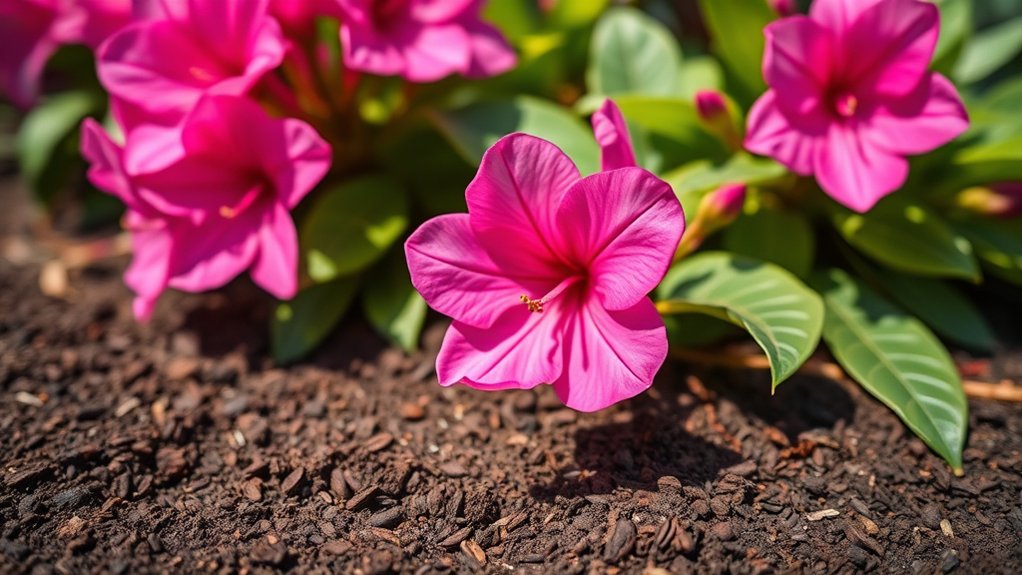
If you want to naturally increase your azalea soil’s acidity, incorporating coffee grounds can be an effective method. Coffee roasting impacts the grounds’ pH, usually making them slightly acidic. When you add these grounds to the soil after azalea pruning, they gradually lower the pH, creating a favorable acidic environment for azaleas.
| Factor | Effect on Soil Acidity |
|---|---|
| Fresh coffee grounds | Mildly acidic, pH ~6.5 |
| Used coffee grounds | Slightly less acidic, pH ~6.0 |
| Coffee roasting level | Darker roasts tend to be less acidic |
Adding coffee grounds improves soil acidity over time without abrupt changes. This slow shift benefits azalea root health and nutrient uptake after pruning. It’s a gentle way to help your plants thrive.
What Nutrients in Coffee Grounds Help Azaleas
Beyond adjusting soil acidity, coffee grounds provide key nutrients that support azalea growth. As the grounds decompose, they release essential elements like nitrogen, phosphorus, and potassium. These nutrients are critical for healthy foliage and root development.
Nitrogen fuels leaf production, phosphorus enhances bloom formation, and potassium improves overall plant vigor. Plus, trace minerals such as magnesium and calcium become available during decomposition, further enriching the soil.
The coffee aroma, while pleasant, actually points to organic compounds that can boost microbial activity. This helps speed up nutrient cycling in the rhizosphere.
By adding coffee grounds, you supply a balanced nutrient profile that matches azaleas’ needs and improves nutrient uptake efficiency.
Knowing how these nutrients contribute can help you get the most out of using coffee grounds as a valuable organic amendment for your azaleas.
How to Apply Coffee Grounds Around Azaleas
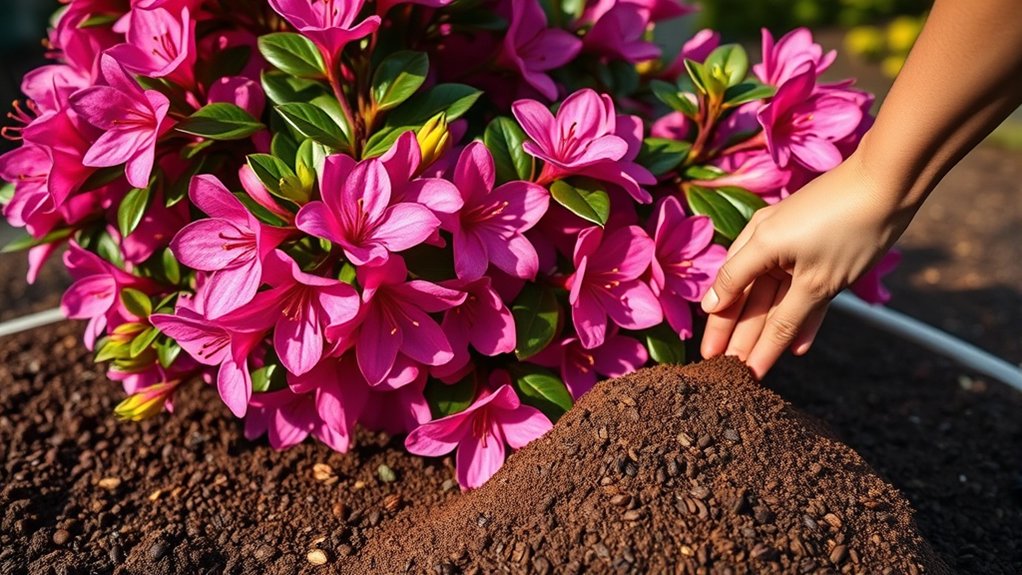
When applying coffee grounds around azaleas, you should spread them in a thin layer to avoid compaction and guarantee proper aeration. Compact layers hinder root respiration and slow ground decomposition, reducing nutrient availability.
Distribute the grounds evenly beneath the azalea’s drip line, keeping them a few inches away from the stem to prevent moisture buildup and root rot.
Apply coffee grounds evenly under the drip line, avoiding the stem to prevent moisture and root issues.
The natural coffee aroma can act as a mild deterrent for pests but won’t harm beneficial soil organisms. To enhance decomposition, lightly mix the coffee grounds into the topsoil or cover them with mulch. This promotes microbial activity, accelerating nutrient release.
Avoid thick piles, as they create anaerobic conditions, stalling decomposition and potentially producing unpleasant odors. Proper application ensures your azaleas benefit fully from the coffee grounds’ organic matter and nutrients.
Just take it easy with how much you use, and your plants will thank you!
How Much Coffee Grounds to Use for Azaleas
You should apply about half an inch of coffee grounds evenly around the base of your azaleas. This helps boost the soil acidity just right without overwhelming the plant.
It’s best to do this only once every two to three weeks to avoid any nutrient imbalances.
Ideal Coffee Grounds Quantity
Although coffee grounds offer valuable nutrients for azaleas, applying the correct quantity is vital to avoid soil imbalances. You should limit coffee grounds to no more than 20% of your soil mix by volume.
Excessive use can lead to increased soil acidity and nitrogen immobilization, which can negatively affect azalea root uptake.
When you recycle grounds from coffee plants, make sure they’re fully dried and mixed well with organic matter. This helps promote balanced nutrient release.
Incorporating coffee grounds as part of your ground recycling strategy enhances azaleas’ growth without overwhelming the soil ecosystem.
By maintaining appropriate quantities, you prevent compaction and promote aeration. These are essential for healthy azalea roots.
Precise measurement ensures you harness coffee grounds’ benefits while preserving ideal soil conditions.
Application Frequency Guidelines
Since azaleas respond best to consistent nutrient levels, applying coffee grounds at measured intervals is essential to avoid nutrient overload or deficiency. After each coffee brewing session, you can collect fresh grounds and apply them sparingly. Generally, adding a thin layer (about 0.5 inches) once every two weeks supports healthy growth, especially post-plant pruning when nutrient demand increases.
| Timing | Amount per Application | Effect on Azaleas |
|---|---|---|
| Every 2 weeks | 0.5 inches (fresh) | Balanced nutrient supply |
| Monthly | 1 inch (composted) | Gradual soil enrichment |
| After pruning | 0.5 inches | Supports recovery & growth |
Stick to these intervals to maintain soil pH and nutrient balance. This will help enhance azalea resilience and bloom quality without risking root stress.
Can Coffee Grounds Harm Azaleas? What About Pests?
You need to be careful when using coffee grounds around azaleas. Too much can actually be harmful because of the caffeine and acidity, which might cause toxicity.
But if you use them in moderation, they can actually help keep some pests away by making the area less inviting.
Coffee Grounds Toxicity Risk
When considering the use of coffee grounds around azaleas, it’s important to recognize that excessive amounts can lead to toxicity by altering soil pH and concentrating caffeine levels.
Coffee toxicity in azaleas primarily results from caffeine accumulation, which inhibits nutrient uptake and disrupts root function. Over-application can acidify soil beyond the ideal pH range (4.5–6.0), compromising azalea health.
While moderate use of coffee grounds can improve soil structure and nutrient content, you must avoid thick layers or large quantities. Keep an eye on your azaleas for signs of toxicity such as leaf yellowing, stunted growth, or wilting.
To keep your azaleas healthy, use coffee grounds sparingly and mix them well with other organic matter. This helps prevent concentrated caffeine exposure and harmful shifts in soil pH.
Pest Deterrent Effects
Although coffee grounds can pose risks to azaleas in high concentrations, they also offer potential benefits as a pest deterrent when used correctly. The natural compounds in coffee grounds, such as caffeine and diterpenes, can repel common azalea pests like slugs and ants. You should apply grounds in thin layers to prevent soil acidity imbalance, which can harm your plants.
Also, coffee grounds can inadvertently attract birds, so keep an eye on your garden to avoid unwanted bird activity that might disrupt azalea growth. Incorporating coffee grounds helps reduce soil erosion by improving soil structure and moisture retention around azaleas.
When you balance these factors, you can use coffee grounds effectively to deter pests without compromising azalea health or soil stability.
Mixing Coffee Grounds With Fertilizers for Azaleas
Since azaleas thrive in acidic soil, mixing coffee grounds with fertilizers can enhance their nutrient uptake by slightly lowering soil pH and adding organic matter. When you combine coffee grounds through coffee composting, you create a balanced medium rich in nitrogen, which complements azalea-specific fertilizers containing phosphorus and potassium.
For effective ground application, evenly mix the coffee grounds with granular or slow-release fertilizers to avoid nutrient imbalances and prevent coffee grounds from compacting, which can hinder root respiration. This integration improves soil structure, promotes beneficial microbial activity, and guarantees steady nutrient availability.
When Should You Avoid Using Coffee Grounds?
You should avoid using coffee grounds excessively because applying too much can cause nutrient imbalances and make the soil compacted.
It’s a good idea to keep an eye on your soil’s pH regularly. That’s important since coffee grounds can make the soil more acidic than what azaleas prefer.
If you add them without checking first, it might end up hurting your plants instead of helping them.
Overuse Risks
When applying coffee grounds to azaleas, keep an eye on the amount you use to avoid soil acidification and nutrient imbalances. Using too much can cause a buildup of organic matter, which might make it harder for water to soak in and for roots to breathe. So, it’s better to be cautious with how much you apply.
Also, don’t put coffee grounds on right after pruning your plants. Fresh cuts can make azaleas more open to pests and diseases, so it’s important to manage pest control carefully during this time.
Overdoing coffee grounds might even attract unwanted insects, which only makes pest control trickier.
Plus, too many coffee grounds can mess with the helpful soil microorganisms that azaleas rely on for good health. To keep your plants growing strong, only add thin layers of coffee grounds, mixing them into the topsoil.
It’s a good idea to balance coffee grounds with other organic materials to keep the root environment healthy without causing any problems.
Soil pH Concerns
Although coffee grounds can benefit azaleas by slightly acidifying the soil, you should avoid using them if your soil is already acidic. Applying coffee grounds to such soil disrupts pH balancing, which could harm root development.
Before using coffee grounds as a soil amendment, test your soil’s pH to make sure it’s not below 5.5.
| Soil pH Level | Coffee Grounds Use Recommendation |
|---|---|
| Below 5.5 | Avoid – soil is too acidic |
| 5.5 to 6.5 | Safe – beneficial pH balancing |
| Above 6.5 | Use cautiously – acidify slightly |
Understanding your soil’s pH helps you decide if coffee grounds will enhance or hinder your azaleas’ growth. It’s always good to check first so you don’t accidentally make things worse!
How to Compost Coffee Grounds for Azaleas
Since azaleas thrive in acidic soil, incorporating coffee grounds into your compost can really boost their growth by providing essential nutrients and improving soil structure. After you brew your coffee, be sure to collect the used grounds promptly to avoid mold from developing.
Azaleas love acidic soil, so adding fresh coffee grounds to your compost boosts growth and enriches nutrients.
When composting, balance these nitrogen-rich grounds with carbon-rich materials like dry leaves or straw. This helps maintain a good carbon-to-nitrogen ratio around 30:1.
Don’t forget to turn your compost pile regularly to keep it aerated and moist. This speeds up decomposition and stops anaerobic conditions from setting in.
Keep an eye on the pH during composting since coffee grounds slightly acidify the mix, which azaleas love. Once your compost looks dark, crumbly, and smells earthy, it’s ready to use.
Apply it around your azaleas but avoid putting it right against the stems to prevent root burn.
Properly composted coffee grounds really improve azaleas’ nutrient uptake and soil acidity in an effective way.
Frequently Asked Questions
Can Coffee Grounds Be Used for Other Acid-Loving Plants?
Yes, you can use coffee grounds for other acid-loving plants like blueberries, rhododendrons, and camellias. Coffee grounds help lower soil pH slightly, creating a more acidic environment these plants prefer.
They also provide a nutrient boost by adding nitrogen, phosphorus, and potassium to the soil.
Just make sure to apply them in moderation and mix them well into the soil. This helps avoid over-acidifying or creating drainage issues.
Do Coffee Grounds Affect the Flowering Time of Azaleas?
Think of coffee grounds as a gentle clock, subtly influencing azaleas’ blooming rhythm. When you add coffee grounds, they slightly lower the soil’s pH level, fostering an acidic environment ideal for nutrient absorption.
This improved uptake of essential nutrients can enhance the plant’s health, potentially leading to more vibrant and timely flowering.
However, excessive use might disrupt the balance, so use grounds sparingly to maintain ideal bloom schedules. It’s all about finding the right amount to keep your azaleas happy and blooming on time.
Are Used Coffee Grounds or Fresh Grounds Better for Azaleas?
You should use used coffee grounds rather than fresh ones for azaleas, as they enhance fertilizer efficiency without drastically altering soil acidity levels. Fresh grounds are more acidic and can temporarily increase soil acidity, potentially harming azalea roots.
Used grounds have a milder pH and decompose faster, releasing nutrients gradually. This controlled nutrient release improves soil structure and supports healthy azalea growth while maintaining ideal acidity for nutrient uptake.
It’s a gentler way to feed your plants and keep the soil balanced.
How Do Coffee Grounds Impact Soil Microbes Around Azaleas?
Coffee grounds boost soil microbial diversity by providing organic matter enrichment, which enhances nutrient cycling around azaleas. When you add coffee grounds, you feed beneficial microbes like bacteria and fungi, improving soil structure and fertility.
This enriched microbial community supports azalea root health and nutrient uptake. However, you should use coffee grounds in moderation to avoid disrupting the existing microbial balance.
That way, you can guarantee ideal conditions for azaleas’ growth and resilience.
Can Coffee Grounds Help With Weed Control Near Azaleas?
Coffee grounds can reduce weed growth by up to 30% when used as mulch around azaleas, thanks to their allelopathic properties. They create a physical barrier, offering mulch benefits that suppress weed seeds from germinating.
Plus, coffee grounds have natural compounds that help keep pests away, which means better protection for your plants.
For the best results, mix the grounds with other organic mulch to improve soil texture and avoid compacting.
This way, you’ll ensure your azaleas stay healthy while keeping weeds under control more effectively. It’s a simple, natural way to give your garden a boost!
Conclusion
Using coffee grounds around your azaleas is like giving them a gentle rain of nutrients. They enrich the acidic soil and help boost growth. Azaleas really love this kind of environment.
Their natural acidity and valuable minerals create the perfect spot for azaleas to thrive. Just remember to apply coffee grounds thoughtfully and in moderation. This helps avoid any harm or pest issues.
If you combine coffee grounds carefully with fertilizers or compost them first, they become a powerful ally for your azalea care. This way, you’ll enjoy vibrant blooms and healthy plants.