Why Does My Coffee Taste Burnt – Common Causes And Fixes
Your coffee tastes burnt mainly because of over-roasting. This creates bitter, charred compounds and reduces the aromatic oils that give coffee its nice flavor.
Using stale beans that have been stored improperly speeds up flavor degradation through oxidation. This makes your coffee taste more bitter than it should.
Brewing with water hotter than 205°F or using too fine a grind can cause over-extraction of harsh compounds. That’s when your coffee starts to taste off.
Neglecting coffee maker maintenance leads to residue buildup, which also worsens the flavor. To get a balanced brew, you’ll want to pay attention to the roast level, storage, grind size, water temperature, and keeping your equipment clean.
These details will help you fix or avoid that burnt coffee taste.
What Causes Coffee To Taste Burnt?
Although burnt coffee flavor can seem like a simple issue, it usually results from specific chemical changes during roasting or brewing. When you notice a burnt taste, it often stems from excessive Maillard reactions and caramelization. These processes alter the coffee aroma by producing bitter, charred compounds.
Moreover, improper bean storage can make this issue worse by allowing oxidation and moisture exposure. This degrades the beans’ aromatic oils, leading to flat or burnt notes. You should also think about the freshness of your beans; stale beans lose volatile aromatic compounds that are essential for balanced flavor.
To avoid that burnt taste, make sure your beans are stored in airtight, cool, and dark environments. This helps preserve their natural coffee aroma and prevents chemical degradation. In turn, you’ll avoid those undesirable burnt flavors.
How Does Over-Roasting Change Coffee Flavor?
When you over-roast coffee beans, the extended exposure to high temperatures drives chemical reactions beyond their ideal point, drastically altering the flavor profile. You’ll notice flavor degradation as complex sugars caramelize into bitter compounds that overpower delicate notes.
There’s also a loss of aroma enhancement because volatile oils evaporate or burn off, which reduces the coffee’s fragrant appeal. On top of that, increased bitterness sets in. Excessive Maillard reactions create burnt, acrid flavors that dominate the cup.
Finally, over-roasting reduces acidity by suppressing bright acidic compounds, which flattens the overall taste. So, while a darker roast might sound appealing, pushing it too far can really change what you love about your coffee.
Why Do Stale Coffee Beans Taste Bitter?
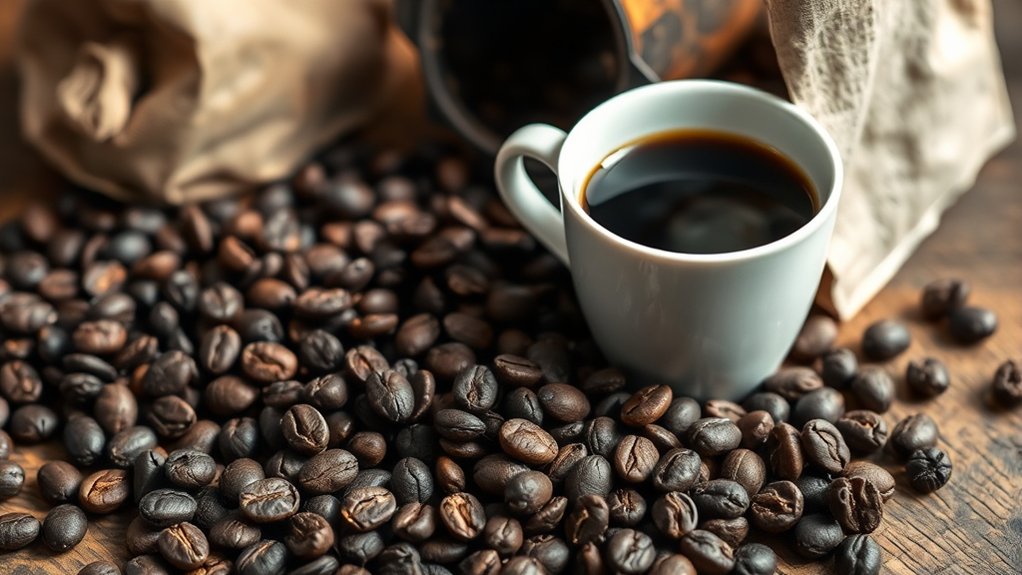
Because coffee beans continue to oxidize after roasting, stale beans develop bitter flavors as their chemical composition changes. When you use beans lacking freshness, degradation of chlorogenic acids occurs, producing quinic and caffeic acids, which intensify bitterness. This chemical shift negatively impacts coffee flavor, masking desirable notes and creating an unpleasant aftertaste.
| Aspect | Impact on Coffee Flavor |
|---|---|
| Oxidation | Increases bitter compounds |
| Chlorogenic Acids | Break down into bitter acids |
| Bean Freshness | Vital for balanced taste |
| Storage Conditions | Affect rate of staling |
To avoid bitterness, prioritize fresh beans and proper storage. This helps preserve the ideal coffee flavor profiles.
How Brewing Temperature Can Cause Burnt Coffee
You want to keep your brewing temperature between 195°F and 205°F to avoid those burnt flavors.
If the water gets too hot, it pulls out way too many bitter compounds and ends up scorching the coffee grounds.
Optimal Brewing Temperature Range
Although many factors influence coffee flavor, the brewing temperature plays a critical role in preventing a burnt taste. To achieve ideal extraction without bitterness, you must control the temperature precisely. Here’s how:
- Maintain brewing temperature between 195°F and 205°F (90°C–96°C) to avoid over-extraction that causes burnt notes.
- Use a reliable thermometer or temperature-controlled kettle to ensure consistent heat application.
- Store coffee beans properly, airtight and away from heat and light, to preserve their integrity. This affects how they react to brewing temperature.
- Adjust brewing temperature slightly based on roast level. Darker roasts may require lower temperatures to prevent scorching flavors.
Effects Of Overheated Water
When water exceeds the ideal brewing temperature range, it speeds up the extraction process, pulling out too many bitter compounds and burnt flavors from the coffee grounds. You might notice this harshness taking over the subtle notes that make a quality cup stand out.
Overheated water doesn’t just mess with flavor; it can also wear down your brewing equipment faster. Parts exposed to extreme heat tend to degrade sooner, which is something to keep in mind if you want your gear to last.
Even in a cozy, well-designed coffee shop setting, overheating can throw off the sensory experience your customers look forward to. It’s more than just taste—it’s about the whole vibe.
Why Grind Size Matters For Avoiding Burnt Coffee
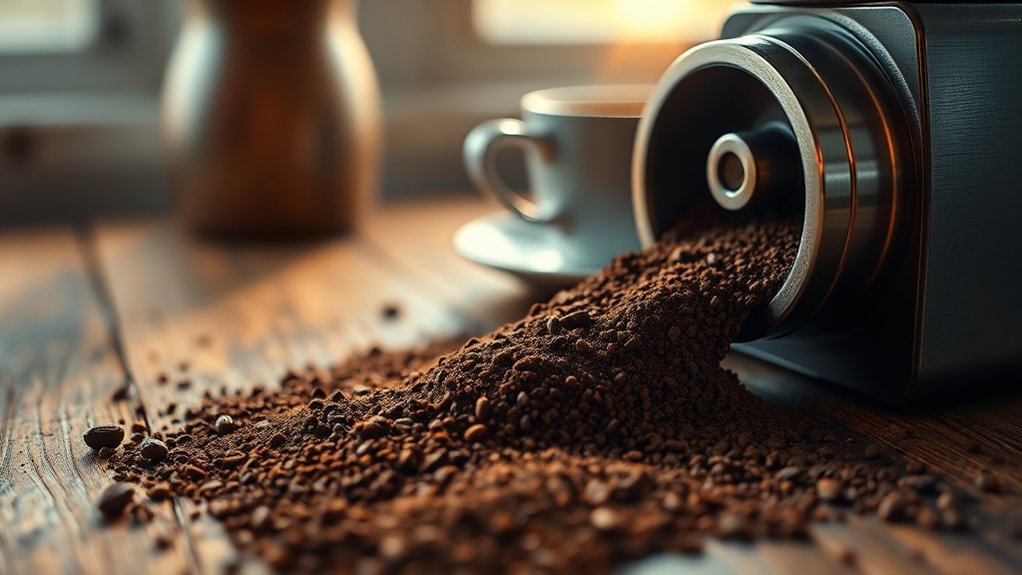
Since grind size directly influences extraction rate, it plays a crucial role in preventing your coffee from tasting burnt. When you adjust grind size, you control how water interacts with coffee particles. This affects both the flavor balance and the texture of your coffee.
Grind size shapes extraction, balancing flavor and texture to keep your coffee from tasting burnt.
Here’s why it matters:
- Fine grind increases surface area, which leads to faster extraction. This can cause over-extraction, resulting in burnt flavors.
- Coarse grind slows down extraction, helping to avoid bitterness. But if it’s too coarse, you might end up with under-extracted coffee.
- Uniform grind size helps make sure extraction happens evenly. This stops localized over-extraction, which can cause bitterness.
- Using an incorrect grind size for your brewing method throws off the ideal extraction balance. That’s when you get burnt or sour notes.
Getting your grind size right makes a big difference in how your coffee tastes. It’s all about finding that sweet spot!
How Brewing Time Affects Bitterness In Coffee
Adjusting your brewing time directly impacts the extraction process, influencing the balance between desirable flavors and bitterness in your coffee. When brewing time extends beyond ideal levels, it increases bitterness development due to over-extraction of compounds like tannins and chlorogenic acids.
Conversely, a too-short brewing time leads to under-extraction, causing sour or weak flavors.
Precise control of brewing time guarantees extraction targets flavorful solubles without pulling excessive bitter compounds. For instance, drip coffee typically requires 4–6 minutes, while espresso demands 25–30 seconds.
You should tailor brewing time based on grind size, coffee dose, and water temperature to maintain equilibrium.
Monitoring and adjusting brewing time is vital to minimize bitterness development, preventing your coffee from tasting burnt and preserving its intended flavor profile.
It’s all about finding that sweet spot where your coffee tastes just right.
Why Leaving Coffee On A Hot Plate Ruins Flavor
Controlling brewing time helps you avoid over-extraction and bitterness, but leaving coffee on a hot plate introduces a different set of chemical changes that degrade flavor. The constant heat causes the breakdown of sugar crystals, which reduces sweetness and creates burnt, bitter compounds. It also leads to continuous evaporation, concentrating undesirable bitter acids.
Plus, the heat alters volatile aromatics, which diminishes the coffee’s nuanced profile. If there are any residual milk frothing remnants, they might scorch and introduce off-flavors too.
All these factors combine to produce a flat, burnt taste instead of a fresh, balanced cup. To keep your coffee tasting great, avoid leaving it on direct heat for too long after brewing. Instead, transfer it to a thermal carafe or drink it right away.
This way, you preserve the sugar crystals and delicate aromas, preventing the chemical changes that hot plates cause. It’s a simple step that makes a big difference in flavor.
How Coffee Maker Type And Maintenance Affect Burnt Taste
You need to regularly clean your coffee maker to keep residue from building up, which can lead to bitter, burnt flavors. It’s a simple step, but it makes a big difference.
Different brewing methods, like drip coffee versus espresso, use heat and extraction pressure in their own unique ways. This really affects the taste you get from your cup.
Coffee Maker Cleaning Importance
Although the type of coffee maker you use considerably influences the flavor profile, regular maintenance plays an essential role in preventing a burnt taste. Residual oils and mineral buildup can impair extraction, causing bitterness and burnt notes regardless of your coffee storage quality or brewing accessories.
To guarantee peak flavor, follow these steps:
- Descale your coffee maker monthly to remove mineral deposits that overheat water.
- Clean brewing accessories like filters and carafes after each use to prevent oil accumulation.
- Inspect and replace worn gaskets and seals to maintain proper pressure and temperature control.
- Use filtered water to reduce scaling and improve overall machine longevity.
Consistent maintenance tailored to your coffee maker type preserves flavor integrity and eliminates burnt aftertastes effectively. Just stick with these simple habits, and you’ll enjoy better-tasting coffee every time.
Brewing Method Impact
Since different coffee makers operate with varying heat levels and extraction times, the brewing method directly influences the risk of a burnt taste.
For instance, drip machines use hot water at around 200°F. If the water stays too long on heated plates, it can over-extract, which diminishes the coffee aroma and causes bitterness.
Espresso machines apply high pressure and precise temperature control. But if they’re not calibrated or maintained properly, you might get uneven extraction and a burnt flavor.
French presses don’t use any heat during brewing, which reduces the risk of burnt coffee. Still, you need to time it just right to avoid over-extraction.
You should also maintain your machine regularly. Residual oils and mineral buildup affect brewing consistency, which changes the flavor and can increase burnt notes.
When you understand how your coffee maker works, you can adjust things to keep the coffee’s aroma without the bitterness.
Simple Fixes To Stop Your Coffee From Tasting Burnt
When coffee tastes burnt, adjusting your brewing process can quickly fix the problem. To keep your coffee tasting great and boost its aroma, try these simple tweaks.
First, control your water temperature. Keep it between 195°F and 205°F. If the water’s too hot, it pulls out bitter compounds that make your coffee taste burnt.
Next, pay attention to how long you brew. Shorten your brew time to avoid over-extraction. Over-extracting dims the flavor and makes the burnt taste worse.
Also, use the right grind size. A medium grind works best. If it’s too fine, you’ll over-extract; too coarse, and you’ll under-extract. Both can hurt the flavor and aroma.
Don’t forget to clean your equipment regularly. Old oils and leftover grounds can ruin your coffee’s aroma and add burnt flavors.
Making these small changes helps balance extraction, so you get rid of burnt flavors and enjoy your coffee’s natural complexity.
Choosing Coffee Beans That Avoid Burnt Flavors
You’ll want to go for beans that have a lighter roast because darker roasts tend to bring out those burnt flavors.
It also helps to keep an eye on where the coffee comes from—some regions produce beans that naturally have flavor profiles less likely to taste bitter.
And don’t forget, using freshly roasted beans makes a big difference in keeping those subtle flavors intact while cutting down on any unwanted burnt notes.
Bean Roast Levels
Although the roast level considerably influences coffee’s flavor profile, selecting beans with appropriate roast degrees can help you avoid burnt tastes. Dark roasts often develop bitter, charred notes, while lighter roasts preserve nuanced flavors without scorch.
To optimize your brew and prevent burnt flavors, consider these key factors:
- Choose medium or light roast beans to maintain balanced acidity and sweetness.
- Maintain consistent grind size to ensure uniform extraction and avoid over-extraction bitterness.
- Store coffee beans in airtight containers away from heat and light to preserve freshness and prevent stale, burnt undertones.
- Adjust grind consistency and dose based on roast level to control extraction time and flavor clarity.
Origin And Freshness
Because the coffee’s origin and freshness directly impact its chemical composition, choosing beans from reputable sources and consuming them promptly helps minimize burnt flavors.
The coffee plant’s genetics and terroir influence bean density and sugar content, which affect roast outcomes and flavor profiles. During bean harvesting, timing is vital; underripe or overripe cherries alter chemical precursors, increasing the risk of undesirable burnt notes after roasting.
Freshness also plays a pivotal role. Oxygen exposure post-harvest initiates oxidation, degrading flavor compounds and promoting acrid, burnt tastes. To avoid this, select beans processed and packaged soon after harvesting, ideally within days or weeks.
Store them in airtight, opaque containers to keep that fresh flavor locked in.
Frequently Asked Questions
Can Water Quality Affect the Burnt Taste in My Coffee?
Yes, water quality can considerably affect the burnt taste in your coffee. Water impurities, such as chlorine or sulfur compounds, can introduce off-flavors that mask the coffee’s natural profile.
Plus, mineral content plays a vital role. Too few minerals can make extraction uneven, while too many can lead to over-extraction and bitterness, which often tastes burnt.
Using filtered water with balanced mineral levels will help you avoid that unpleasant burnt taste. It’s a simple change that can make a big difference in your cup.
Does the Type of Milk Used Influence Burnt Coffee Flavors?
Like a painter choosing the right palette, you’ll find that milk composition profoundly impacts flavor infusion in your coffee.
Different milks, like whole, skim, almond, or oat, vary in fat and protein content. This changes how they meld with coffee’s bitter compounds.
Higher fat content can mellow burnt notes.
On the other hand, plant-based milks might intensify them because of their unique sugars and proteins.
How Does Altitude Impact Coffee Roasting and Taste?
Altitude effects cause roasting temperature adjustments because lower air pressure at high altitudes reduces boiling points and heat transfer efficiency. When you roast coffee above sea level, you need to lower the roasting temperature and extend the roasting time to avoid over-roasting or burnt flavors.
If you don’t adjust for altitude, it can lead to uneven roast profiles. This unevenness impacts acidity, body, and flavor clarity in your coffee. So, getting the temperature just right is key.
Precision in temperature control at different altitudes helps ensure a balanced, non-burnt coffee taste. It’s all about finding that sweet spot to bring out the best flavors.
Can Coffee Storage Containers Cause Burnt Flavors?
When it comes to coffee storage, the devil’s in the details. Your coffee container plays a vital role in preserving the beans’ freshness and preventing off-flavors.
If your container isn’t airtight or exposes beans to light, heat, or moisture, it can degrade the coffee’s storage flavor.
Sometimes, this can cause a burnt or stale taste. Using opaque, airtight containers made of inert materials guarantees the beans stay fresh.
This way, the flavor remains true to the roast.
Does the Freshness of Water Used in Brewing Matter?
Yes, the freshness of water matters considerably. Water mineralization and pH balance directly influence extraction during brewing.
Stale or improperly stored water often has altered mineral content and pH, which can lead to over-extraction or under-extraction, causing burnt or off flavors.
You should use fresh, clean water with balanced mineralization (around 150 mg/L TDS) and a near-neutral pH (6.5-7.5).
This helps guarantee ideal flavor extraction without bitterness or burnt notes.
Conclusion
To stop your coffee’s stubborn, smoky sting, start by selecting superior beans and steering clear of stale stock. Check your brewing settings like temperature, grind size, and timing carefully to avoid scorching and over-extraction.
Keep your machine clean and well-maintained to reduce any issues that might make your coffee taste bitter. When you balance fresh beans, good brewing habits, and proper machine care, you’ll cut down on that burnt flavor.
That way, you can enjoy smooth, satisfying sips every time. Just remember, consistency and a little attention go a long way in bringing out your coffee’s true character.