Can You Mix Matcha With Coffee: Creative Recipes and Tips for the Perfect Blend
Many beverage enthusiasts enjoy exploring creative drinks that combine flavors and effects, and matcha and coffee are two popular options. Matcha provides a smooth, earthy taste and a steady caffeine boost, while coffee delivers bold flavor and a more immediate energy kick. Combining the two creates a unique drink that balances both worlds.
The idea of blending matcha with coffee has gained attention in cafés and home kitchens alike. People are drawn to the combination for its complementary flavors, as well as the layered caffeine experience. Matcha’s natural sweetness and umami notes soften coffee’s bitterness, creating a drink that is flavorful, energizing, and surprisingly smooth.
This article addresses the question, can you mix matcha with coffee, providing guidance on preparation, flavor balance, and different ways to enjoy this combination. Understanding the basics helps you experiment safely and enjoyably.
Knowing the techniques for mixing these two beverages allows you to customize the strength, sweetness, and texture. With the right approach, matcha and coffee can become a delightful addition to your beverage routine.
Understanding the Flavor Combination
Mixing matcha with coffee creates a flavor profile that is both unique and complex. Each beverage has distinct characteristics—matcha offers earthy, slightly sweet umami notes, while coffee provides rich, roasted bitterness. Understanding how these flavors interact helps you create a balanced drink that highlights the best qualities of both, resulting in a satisfying and enjoyable beverage experience.
How Matcha Complements Coffee
Matcha’s natural sweetness and vegetal undertones work to soften coffee’s robust bitterness. The grassy, umami flavors of matcha create a subtle counterpoint to the roasted, slightly acidic notes of coffee. This combination balances intensity and smoothness, making the drink more approachable for people who find coffee alone too strong or matcha too mild.
The smooth texture of properly whisked or well-mixed matcha also enhances the mouthfeel of coffee. It creates a layered experience, where the initial taste may highlight coffee’s boldness, while matcha provides lingering sweetness and calmness on the palate. This makes the drink feel complex yet harmonious.
For fans of layered beverages, this blend allows for customization. Adjusting the ratio of matcha to coffee changes the flavor dominance. More matcha softens coffee and emphasizes umami, while a higher coffee ratio strengthens bold, roasted flavors. Knowing this balance ensures the drink suits your personal taste.
Popular Flavor Profiles and Pairings
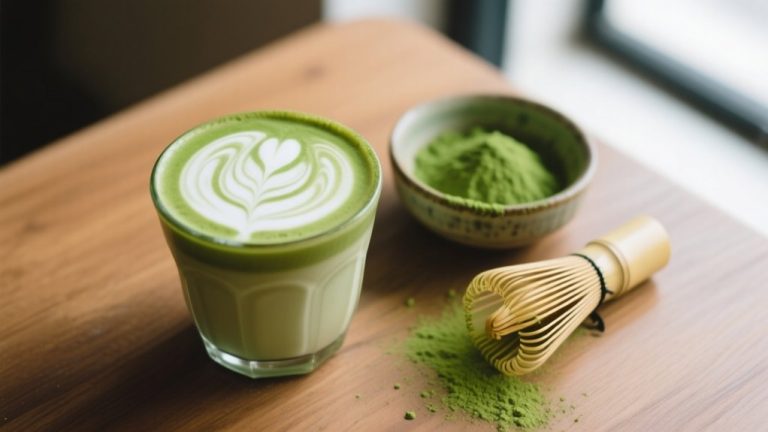
Matcha and coffee can be combined in various styles to suit different preferences. For example, an iced matcha latte with a shot of espresso creates a refreshing, slightly sweet drink with a subtle caffeine punch. Warm matcha coffee lattes offer comfort with creamy texture and balanced flavor.
Adding milk or milk alternatives enhances creaminess and rounds out the flavors. Plant-based options like oat or almond milk introduce subtle nutty notes that complement matcha’s vegetal taste and coffee’s roast. Sweeteners like honey, vanilla, or caramel can also be used to adjust taste without overwhelming the natural flavors.
Some baristas even experiment with layered drinks, where matcha and coffee are poured separately for a visual and flavor contrast. Stirring before drinking blends the flavors fully, creating a balanced experience. Understanding these profiles allows you to explore multiple combinations and find a preferred style.
Adjusting Strength and Intensity
The intensity of the flavor combination depends on both matcha and coffee strength. Strong espresso paired with lightly whisked matcha creates a bold and earthy beverage. Conversely, lighter brewed coffee with more matcha emphasizes green tea’s smoothness and sweetness.
Caffeine content can also be adjusted through the ratio. Matcha provides a slower, more sustained energy boost, while coffee delivers a rapid pick-me-up. Adjusting amounts allows you to control not just taste but also the energizing effect.
Experimenting with intensity helps identify your ideal balance, whether you prefer a more matcha-forward drink, a coffee-forward beverage, or a fully harmonized blend. Paying attention to proportions and preparation methods ensures consistent and satisfying results.
Tips for Harmonizing Flavors
Creating a harmonious matcha-coffee drink starts with quality ingredients. Use high-quality ceremonial or drinking-grade matcha and freshly brewed coffee to maximize flavor. Avoid low-quality powders or instant coffee, as they can introduce bitterness or uneven texture.
Mixing technique also impacts harmony. Whisking matcha properly before adding coffee or dissolving it in a small amount of water ensures even flavor distribution. Gradual integration allows both beverages to blend without clumping or separation, creating a smooth, balanced drink.
Understanding the complementary aspects of matcha and coffee makes experimentation easier. Small adjustments to ratio, milk, and sweeteners can dramatically improve flavor. Over time, you can refine your technique to consistently produce a beverage that highlights the best of both worlds.
Popular Matcha Coffee Drinks
Matcha coffee drinks have gained popularity for their unique flavor and layered caffeine experience. Combining the earthy sweetness of matcha with the boldness of coffee creates a versatile beverage that can be enjoyed hot or iced, creamy or lightly sweetened. Exploring popular matcha coffee drinks helps you find options that match your taste, mood, and energy needs, whether at home or in a café.
Matcha Espresso Latte
The matcha espresso latte is a favorite among those who enjoy a strong coffee flavor complemented by matcha’s smooth, vegetal notes. This drink is prepared by blending a shot of espresso with prepared matcha and milk, creating a layered and creamy beverage.
The espresso provides boldness and a slightly bitter edge, which is softened by the natural sweetness of matcha. Milk adds creaminess and rounds out the flavors, producing a balanced, harmonious cup. Sweeteners like honey or vanilla syrup can be added to suit personal preference, but many enjoy the drink without added sugar to fully appreciate the flavor contrast.
This beverage works well hot or iced. Hot versions are comforting and full-bodied, while iced matcha espresso lattes are refreshing and energizing. The combination allows both coffee and matcha enthusiasts to enjoy a drink that highlights their favorite flavors.
Experimenting with milk alternatives such as oat, almond, or soy can further customize texture and taste. Each choice subtly changes the profile, making the matcha espresso latte versatile and adaptable for a wide audience.
Iced Matcha Coffee Fusion
The iced matcha coffee fusion has become a trendy choice for those seeking a refreshing, layered beverage. It typically combines cold brew or iced coffee with lightly mixed matcha and ice, producing a drink that is smooth, energizing, and visually striking.
The cold brew provides a mellow, less acidic coffee base, which pairs perfectly with matcha’s earthy sweetness. Layering the two liquids before stirring creates a gradient effect and allows drinkers to enjoy subtle changes in flavor with each sip. Ice enhances refreshment and slightly dilutes intensity, producing a balanced experience.
Customization is simple with milk, sweeteners, or flavor syrups. For instance, adding a splash of coconut milk introduces creaminess, while vanilla syrup highlights matcha’s natural sweetness. The result is a drink that is both flavorful and visually appealing.
Iced matcha coffee fusion is popular for warm weather, afternoon pick-me-ups, or social media-worthy beverages. Its adaptability to different tastes and presentation makes it a favorite among adventurous coffee and tea drinkers.
Matcha Affogato
A creative variation of the classic Italian dessert, the matcha affogato pairs hot espresso with a scoop of matcha-flavored ice cream or matcha gelato. This combination provides a creamy, indulgent experience with both caffeine and matcha’s antioxidant benefits.
The hot espresso melts the matcha ice cream slightly, creating a rich, layered drink-dessert hybrid. The bitterness of coffee balances the sweet and earthy matcha, while the creamy texture makes it indulgent without overwhelming the palate. The result is a harmonious combination of hot and cold, bitter and sweet.
This drink is popular as a treat or dessert option in cafés, and it’s surprisingly simple to recreate at home. Using quality matcha ice cream and freshly brewed espresso ensures smooth texture and balanced flavor.
Optional toppings like chocolate shavings, whipped cream, or crushed nuts enhance both presentation and flavor. These add-ons can be tailored to taste, making matcha affogato a fun, customizable experience.
Seasonal and Specialty Matcha Coffee Drinks
Cafés often release seasonal matcha coffee drinks, combining creative flavors with classic matcha and coffee. Examples include matcha caramel latte, matcha mocha, or matcha hazelnut coffee. These limited-time drinks highlight unique flavor profiles and encourage experimentation.
Seasonal offerings are typically well-balanced to ensure neither matcha nor coffee overpowers the other. Syrups, spices, or flavored milks are incorporated to complement the natural flavors of both beverages. Drinks like matcha pumpkin spice latte or matcha chocolate mocha have become favorites during holidays and special events.
These drinks are visually appealing and perfect for social sharing. Their layered colors and frothy textures make them stand out while providing a familiar caffeine boost with a twist.
Following café promotions or seasonal menus ensures you don’t miss these specialty drinks. They provide variety for matcha and coffee lovers alike and encourage new flavor experiences with each visit.
Tips for Choosing Your Matcha Coffee Drink
When selecting a matcha coffee drink, consider your preference for strength, sweetness, and milk type. Hot drinks are comforting and emphasize aroma, while iced beverages are refreshing and visually striking. Layered drinks like fusion or affogato offer gradual flavor experiences.
Adjusting matcha-to-coffee ratios lets you control flavor dominance. More matcha highlights earthy sweetness and umami, while more coffee emphasizes boldness and roast. Adding milk, sweeteners, or syrups allows further customization, ensuring every cup fits your taste and energy needs.
Step-by-Step Mixing Methods
Mixing matcha with coffee requires a thoughtful approach to ensure flavors blend harmoniously. Proper technique prevents clumping, bitterness, or uneven taste while highlighting the natural qualities of both beverages. By following step-by-step methods, you can create a smooth, balanced drink whether you’re preparing it hot or iced, at home or in a café.
Traditional Stirring Method
The traditional stirring method is ideal for those who want a simple yet effective way to combine matcha and coffee. Begin by preparing your coffee and matcha separately. For matcha, whisk or mix the powder with a small amount of warm water until it forms a smooth paste. Freshly brewed coffee should be at the desired temperature, hot or iced.
Once both components are ready, pour the coffee slowly into the matcha paste while stirring continuously. Use a spoon or small whisk to create a uniform blend. Gradually mixing prevents clumping and ensures both flavors are balanced.
Adjust sweetness and milk during this step. Lightly sweetened or unsweetened drinks highlight matcha’s natural umami and coffee’s boldness, while creamier drinks can incorporate milk or plant-based alternatives for smoother texture.
This method works well for a straightforward, evenly blended beverage. It allows control over the ratio of matcha to coffee and is perfect for everyday preparation without special tools.
Shaking In A Jar Method
Shaking matcha and coffee in a jar is a convenient method, especially for iced beverages. Start by adding matcha powder and a small amount of water to the jar to form a paste. Then pour in brewed coffee and any desired milk or sweeteners.
Seal the jar tightly and shake vigorously for 30–60 seconds. The shaking motion helps dissolve the matcha thoroughly, disperses coffee evenly, and incorporates air for a slightly frothy texture. This method reduces clumping and produces a visually appealing, smooth drink.
Once shaken, check the consistency. Add more coffee, water, or milk as needed, then shake again briefly. Adjust sweetness and flavor at this stage to ensure the final drink matches your taste preferences.
This approach is especially useful for on-the-go preparation. It requires minimal equipment, ensures a well-mixed beverage, and is ideal for iced matcha coffee drinks. The jar method also makes cleanup easy and reduces mess compared to stirring or whisking.
Using A Handheld Frother
A handheld milk frother is a versatile tool for blending matcha with coffee. Begin by preparing matcha paste in a cup or mug with a small amount of warm water. Pour in freshly brewed coffee while leaving space for frothing.
Insert the frother into the liquid and turn it on, moving it slowly from the bottom to the top. The frothing motion mixes matcha and coffee while incorporating air for a light foam. This creates a creamy, smooth texture that enhances the drinking experience.
Milk, sweeteners, or syrups can be added before or after frothing depending on preference. Frothing ensures even distribution of flavors and prevents clumps, making this method ideal for latte-style beverages or layered drinks.
Handheld frothers are convenient for small servings and allow precise control over texture. This method produces café-quality drinks at home without requiring extensive tools or advanced technique.
Layering Method For Visual Appeal
The layering method creates a visually striking beverage while offering a gradual flavor experience. Prepare matcha paste and coffee separately. Use a tall glass for this method, as it helps maintain distinct layers.
Pour milk or sweetened liquid first, followed by slowly adding matcha over the back of a spoon to prevent mixing. Then gently layer coffee on top. The result is a gradient effect where the flavors remain mostly separate until stirred.
This method works well for iced drinks or specialty beverages served for presentation. Stirring before drinking blends the flavors fully, producing a balanced combination of matcha sweetness and coffee boldness.
Layering also allows experimentation with ratios. More matcha creates a stronger green tea flavor, while more coffee emphasizes roasted notes. Adjusting milk and sweeteners enhances both taste and visual contrast.
Blending With A Mixer Or Blender
Using a small blender or immersion blender is ideal for larger servings or when making iced matcha coffee drinks. Start by preparing matcha paste in a container, then add coffee, milk, ice, and sweeteners as desired.
Blend on low speed until the mixture is uniform and smooth. The blender ensures thorough incorporation of matcha, coffee, and other ingredients, eliminating clumps and producing a creamy texture. Ice can be blended for a frappé-style consistency, creating a refreshing and thick beverage.
After blending, taste and adjust sweetness or milk for final balance. This method works especially well for creating multiple servings or experimenting with flavor combinations like flavored syrups, chocolate, or vanilla.
Blending guarantees consistency in flavor and texture, producing a visually appealing and well-mixed beverage. It’s a practical approach for those who prefer thicker, frappé-like matcha coffee drinks or want café-quality results at home.
Flavor Enhancements and Variations
Matcha coffee drinks are naturally versatile, and flavor enhancements allow you to create a personalized beverage experience. By adjusting sweetness, adding syrups, or experimenting with complementary ingredients, you can elevate the drink beyond its base flavor. Understanding the possibilities helps you discover variations that suit your taste, season, or occasion while maintaining a harmonious blend of matcha and coffee.
Sweeteners and Syrups
Adding sweeteners and flavored syrups is a popular way to enhance matcha coffee. Options like vanilla, caramel, or honey help balance the natural bitterness of coffee and the earthy notes of matcha. These additions create a more approachable drink for those who prefer a slightly sweeter flavor.
Sweeteners can be added during preparation or adjusted afterward, allowing flexibility. Simple syrup dissolves easily, while honey or agave adds a richer taste. Even small amounts can dramatically change the flavor profile, so experimenting with ratios ensures a perfectly balanced beverage.
Flavored syrups also allow seasonal or festive variations. For instance, caramel or pumpkin spice can create a fall-inspired drink, while vanilla or coconut introduces tropical undertones. These subtle enhancements complement matcha and coffee rather than overpower them, highlighting both flavors harmoniously.
Milk and Dairy Alternatives
Milk and milk alternatives significantly influence the texture and taste of matcha coffee drinks. Regular dairy milk adds creaminess and smooths bitterness, while plant-based options like oat, almond, or soy milk introduce subtle nutty or sweet undertones.
Oat milk, for example, blends beautifully with matcha and coffee, creating a creamy latte with a slightly sweet flavor. Almond milk emphasizes nutty tones, which pair well with the earthy notes of matcha. Soy milk adds protein and a mild flavor that balances coffee’s boldness.
Adjusting the ratio of milk to matcha and coffee also changes texture. More milk creates a softer, creamier drink, while less milk emphasizes the natural flavors of both beverages. Selecting the right milk enhances flavor complexity while maintaining smooth, enjoyable texture.
Spices and Seasonal Additions
Incorporating spices and seasonal flavors is an effective way to customize matcha coffee. Cinnamon, nutmeg, or cardamom adds warmth and aroma, perfect for cold-weather drinks. These spices complement matcha’s earthy notes and coffee’s roasted richness.
Seasonal syrups, like pumpkin spice, chocolate, or hazelnut, can also be used to create limited-time beverages. These variations provide variety and visual appeal, making drinks feel special for holidays or events. Even a small sprinkle of cocoa powder or matcha dust can enhance flavor and presentation.
Combining spices and syrups requires careful balance. Too much sweetness or spice can overwhelm the drink, while subtle additions highlight the unique characteristics of matcha and coffee. Experimenting gradually ensures a harmonious and enjoyable beverage.
Layered and Blended Variations
Layered and blended matcha coffee drinks offer both flavor and visual appeal. Layering matcha, coffee, and milk creates a gradient effect, giving a subtle shift in taste as you sip. Blending these ingredients produces a creamy, frappé-style beverage that is smooth and evenly balanced.
Blended drinks are ideal for iced beverages, frappés, or café-style creations. Adding ice, milk alternatives, and flavor syrups during blending produces a thick, smooth texture with evenly distributed taste. The result is a refreshing and indulgent variation of the traditional matcha coffee.
Layered drinks are also customizable. Adjusting the amount of matcha, coffee, milk, or sweetener lets you control flavor dominance and intensity. Visual presentation enhances enjoyment, making these variations popular for social sharing or special occasions.
Creative Mix-Ins
Creative mix-ins expand the flavor possibilities further. Ingredients like chocolate chips, nut butters, or flavored whipped cream can add texture and richness. Even small additions change the drinking experience, introducing bursts of flavor and creaminess that complement both matcha and coffee.
Using mix-ins thoughtfully ensures they enhance rather than overpower the beverage. Chocolate pairs well with matcha’s sweetness and coffee’s roasted notes, while nut butter adds depth and a nutty aroma. Whipped cream provides creaminess and visual appeal, making drinks feel indulgent.
Exploring creative mix-ins allows experimentation and personalization. These additions encourage variety, making each cup a unique experience that goes beyond standard matcha coffee drinks.
FAQs
Can You Mix Matcha With Coffee?
Yes, you can mix matcha with coffee to create a unique beverage that balances earthy sweetness and bold roasted flavors. Matcha provides a smooth, vegetal taste with steady caffeine, while coffee delivers a stronger, more immediate energy boost. Combining the two produces a layered flavor experience that is both energizing and enjoyable.
Mixing matcha with coffee works well in lattes, iced drinks, or blended beverages. With proper preparation, the flavors complement each other rather than clash, making it a versatile option for both coffee and tea lovers.
What Is The Best Ratio Of Matcha To Coffee?
The ideal ratio of matcha to coffee depends on your taste preference and caffeine tolerance. A common starting point is one teaspoon of matcha powder per one shot of espresso or ½ cup of brewed coffee. This balance allows both flavors to shine without overpowering the other.
You can adjust the ratio to emphasize coffee’s boldness or matcha’s smoothness. More matcha creates a sweeter, earthy beverage, while more coffee intensifies roasted notes and bitterness. Experimenting gradually helps you find the perfect combination for your personal palate.
Can You Drink Matcha Coffee Hot Or Iced?
Yes, matcha coffee drinks can be enjoyed both hot and iced. Hot beverages provide a comforting experience, emphasizing aroma and creamy texture. Iced drinks are refreshing, especially when layered or blended with milk and ice for a visually appealing presentation.
Preparation varies slightly: for hot drinks, whisk matcha into warm water or milk before adding coffee, while iced drinks often benefit from shaking or blending to mix flavors evenly. Both methods produce delicious, energizing beverages suitable for different moods and weather conditions.
How Do You Prevent Clumps When Mixing Matcha With Coffee?
Preventing clumps is crucial for a smooth matcha coffee drink. Start by whisking matcha with a small amount of warm water to create a smooth paste before adding coffee. Gradual integration helps dissolve powder evenly and avoids lumps.
Using a milk frother, handheld whisk, or jar-shaking method can further ensure smooth texture. Stir or blend thoroughly after adding coffee. Adjusting liquid temperature is also important—moderately warm liquids dissolve matcha better than very hot or cold beverages. Proper technique guarantees a consistent, enjoyable drink.
Can You Customize Matcha Coffee Drinks?
Yes, matcha coffee drinks are highly customizable. You can adjust milk type, sweetness, flavor syrups, ice amount, and even layering techniques. Plant-based milks like oat or almond add creaminess, while syrups such as vanilla, caramel, or chocolate enhance flavor without overpowering matcha.
Customizing your drink allows you to highlight either matcha or coffee based on preference. You can create hot lattes, iced drinks, frappé-style beverages, or layered drinks with distinct flavor profiles. These options make matcha coffee suitable for a wide range of tastes and dietary preferences.
Are There Health Benefits To Mixing Matcha With Coffee?
Mixing matcha with coffee combines the benefits of both beverages. Matcha is rich in antioxidants, amino acids, and provides a slow-release caffeine effect, promoting calm alertness. Coffee contains caffeine, which improves focus and energy while also supporting metabolism.
Combining the two offers a balanced energy boost with less jitters than coffee alone. The earthy flavor of matcha softens coffee’s bitterness, making it easier to enjoy without added sugar. This combination allows you to experience the health advantages of both beverages while creating a flavorful, energizing drink.
Final Words
Blending matcha and coffee offers a unique way to enjoy the best of both worlds—smooth, earthy green tea with rich, bold espresso or brewed coffee. This combination allows you to experience a balanced energy boost while exploring flavors that complement each other in surprising ways. Experimenting with ratios, milk types, and sweetness levels can help you find the perfect blend for your taste preferences.
For anyone curious about can you mix matcha with coffee, the answer is yes, and it opens up many creative possibilities. From hot lattes to iced beverages and even cold brews, matcha coffee drinks can be tailored to suit your daily routine or special occasions. The key is to start with quality matcha and coffee and to adjust mixing techniques to avoid clumps or overpowering flavors.
With some practice, you can make your matcha coffee drinks at home that rival café creations. Paying attention to preparation methods and flavor balance ensures each cup is smooth, energizing, and delicious, making this fusion a fun and versatile addition to your beverage options.