Does Chai Or Matcha Have More Caffeine: Comparing Your Favorite Drinks
When it comes to starting your day or enjoying a cozy afternoon boost, beverages like chai and matcha often come to mind. Both are celebrated for their unique flavors and energizing properties, yet many people wonder about the real difference in their caffeine content. This curiosity often leads to the question: does chai or matcha have more caffeine? Understanding this can help you choose the right drink for focus, energy, or relaxation.
Chai, a spiced tea traditionally made with black tea leaves and a blend of warming spices, delivers a comforting aroma and a gentle caffeine lift. Its caffeine content can vary depending on the type of black tea used and how long it’s brewed, offering a moderate pick-me-up without overwhelming stimulation.
Matcha, on the other hand, is a finely ground green tea powder known for its vibrant color and concentrated flavor. Since you consume the entire tea leaf in powdered form, matcha often provides a more sustained and slightly stronger caffeine boost than regular brewed tea.
Knowing the differences between chai and matcha can make your daily beverage choice more intentional. This insight helps you balance energy needs, taste preferences, and overall wellness. Comparing them side by side reveals more than just caffeine levels—it highlights how tradition and preparation influence the final cup.
Does Chai Or Matcha Have More Caffeine?
When comparing chai and matcha, caffeine content is often the main concern for tea lovers. Both beverages provide a noticeable energy boost, but they achieve it in different ways. Chai combines black tea with spices like cardamom, cinnamon, and ginger, while matcha is a concentrated green tea powder. Understanding the differences in preparation, serving size, and caffeine concentration can help you make an informed choice.
Caffeine Content in Chai
Chai is typically brewed using black tea leaves, which naturally contain caffeine. On average, an 8-ounce cup of chai contains about 40 to 70 milligrams of caffeine, though the exact amount varies depending on the tea blend and brewing time. Spices like cinnamon, ginger, and cloves do not contribute caffeine but add to the overall flavor complexity, creating a warming and aromatic beverage.
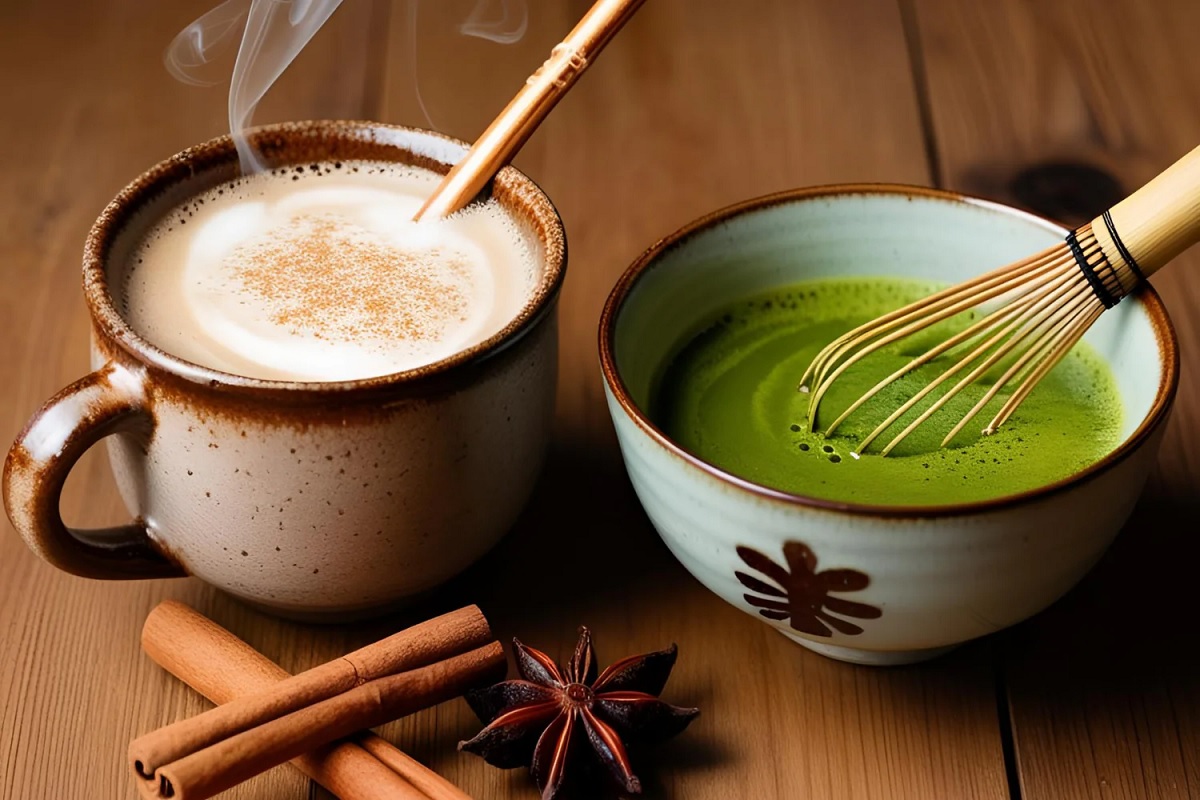
The traditional method of brewing chai involves simmering tea leaves with water, milk, and spices for several minutes. Longer brewing can extract more caffeine from the tea leaves, slightly increasing the potency of your cup. Compared to coffee, chai offers a moderate caffeine boost that helps improve focus without the jitteriness that some people experience from stronger caffeinated drinks.
Chai’s caffeine content can also differ based on how it’s prepared commercially versus at home. Pre-made chai concentrates or tea bags may have lower caffeine compared to freshly brewed chai using high-quality black tea leaves. Additionally, milk and water ratios can dilute the caffeine per serving, making it a gentler option for those sensitive to stimulants.
For people who enjoy flavor and aroma along with a mild energy lift, chai offers a balanced approach. It’s a beverage that energizes while soothing, making it ideal for both mornings and afternoons. Understanding its caffeine profile helps you plan your consumption without overdoing it.
Caffeine Content in Matcha
Matcha is made by consuming powdered green tea leaves, which means you ingest the entire leaf rather than just an infusion. This method increases both caffeine and antioxidant intake. On average, an 8-ounce cup of matcha contains between 60 and 80 milligrams of caffeine, sometimes more depending on the grade and amount used. Compared to chai, matcha tends to provide a stronger and more sustained energy boost.
Unlike chai, matcha’s caffeine is released gradually due to the presence of L-theanine, an amino acid that promotes calm alertness. This combination prevents the rapid spike and crash often associated with coffee, offering a smoother focus over time. Matcha also delivers a vibrant green color and earthy flavor, which can be adjusted by using more or less powder per serving.
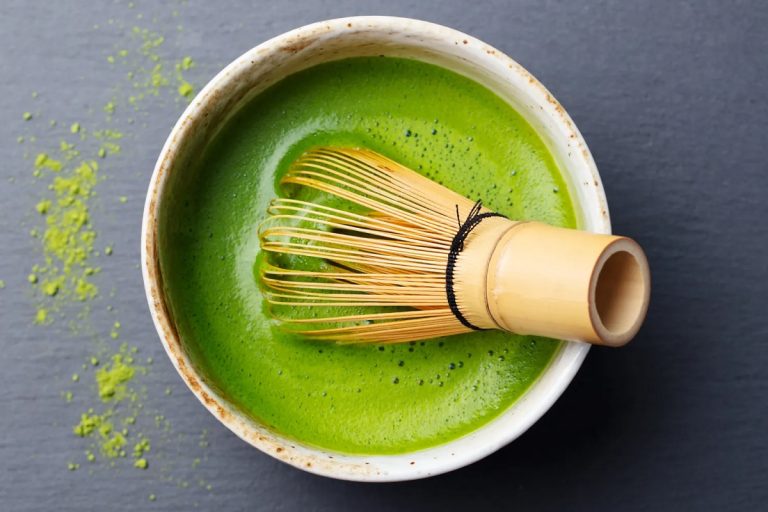
Preparation also affects caffeine levels in matcha. A traditional whisking method with hot water fully incorporates the powdered leaves, ensuring maximum caffeine content. Using higher-grade ceremonial matcha or larger servings increases the caffeine impact, while lower-grade culinary matcha or smaller portions provide a lighter effect.
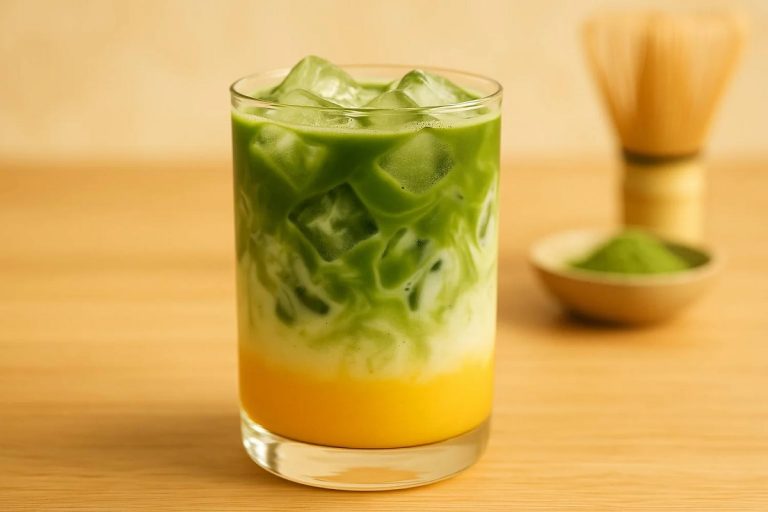
For those seeking a concentrated caffeine boost that promotes mental clarity and long-lasting energy, matcha stands out. It’s particularly popular among students, professionals, and tea enthusiasts who want a stronger yet balanced stimulant effect without relying on coffee. Its versatility allows it to be consumed as a hot tea, latte, or even blended into smoothies.
Comparing Chai and Matcha Side by Side
When directly comparing chai and matcha, matcha generally contains more caffeine per serving. A standard cup of matcha can have around 60 to 80 milligrams, while chai averages 40 to 70 milligrams. However, the experience of caffeine differs due to preparation, additional ingredients, and the presence of compounds like L-theanine in matcha.
Chai delivers a milder, aromatic boost thanks to spices and milk, which slightly reduce the concentration of caffeine per cup. It is a more leisurely option for those who enjoy flavor and aroma without a strong stimulant effect. Matcha, in contrast, is designed to provide a more potent and sustained energy lift, especially for people who need focused alertness over a longer period.
Both beverages have cultural and health significance. Chai is deeply rooted in Indian tradition and is often consumed in social settings or as a comforting daily ritual. Matcha comes from Japanese tea ceremonies and emphasizes mindfulness, concentration, and the appreciation of flavor. The difference in caffeine content aligns with the intended purpose of each drink—chai for gentle stimulation and matcha for focused energy.
Choosing between them ultimately depends on your personal needs and taste preferences. While matcha offers a more powerful caffeine punch, chai provides a soothing and aromatic alternative with moderate energy benefits. Understanding the caffeine profiles and how they are consumed makes it easier to select the right tea for your lifestyle.
Factors That Influence Caffeine in Chai and Matcha
Caffeine content in chai and matcha is not fixed, and several factors can influence how much caffeine ends up in your cup. From the type of tea leaves to preparation methods, the caffeine levels can vary widely. Understanding these factors helps you manage your energy intake and enjoy these beverages in a way that suits your lifestyle. Both chai and matcha have unique properties that interact with caffeine differently, which can affect focus, alertness, and overall experience.
Tea Leaf Type and Quality
The type and quality of tea leaves used in chai and matcha play a crucial role in caffeine levels. For chai, the black tea leaves determine the base caffeine content, with Assam or Darjeeling varieties often providing higher amounts than others. The age of the leaves also matters; younger leaves tend to have more caffeine, while older leaves are milder. Spices added to chai, such as cardamom or cinnamon, do not contribute caffeine but can affect flavor and the perceived strength of the tea.
Matcha uses finely ground green tea leaves, and the grade of matcha significantly affects caffeine content. Ceremonial-grade matcha, made from young, top leaves, has higher caffeine compared to culinary-grade matcha, which uses older, more mature leaves. The powder is consumed entirely, so any caffeine present in the leaf is fully ingested. Choosing high-quality leaves ensures a consistent caffeine boost and better overall flavor. Understanding the type and grade of tea helps manage how stimulating the drink will be.
Brewing Time and Temperature
Brewing time and water temperature directly influence caffeine extraction in chai and matcha. For chai, longer brewing times allow more caffeine to be released from black tea leaves. Steeping for five to ten minutes instead of just a few can significantly increase caffeine content. Water temperature also plays a role; hotter water extracts caffeine more efficiently, while cooler water produces a gentler cup with less stimulant effect.
In matcha, the process is slightly different because the tea powder is fully dissolved rather than steeped. Hotter water and vigorous whisking ensure that caffeine and nutrients are fully integrated into the beverage. However, using excessively hot water can make matcha taste bitter without substantially increasing caffeine. Controlling temperature and preparation technique allows both beverages to be tailored to your desired caffeine strength, whether mild or more intense.
Serving Size and Additives
Serving size and additional ingredients impact how much caffeine you consume per cup. Chai is often mixed with milk, which dilutes caffeine per ounce compared to a straight tea infusion. Larger servings naturally contain more caffeine, but the presence of milk, sugar, or other liquids reduces the concentration, resulting in a gentler energy boost. Commercial chai lattes may contain varying amounts of tea extract, making it important to check labels.
Matcha serving size is crucial because the powder is concentrated. One teaspoon can have a moderate caffeine content, while two or more teaspoons significantly increase stimulation. Additives like milk, water, or plant-based alternatives slightly alter caffeine concentration per serving but do not reduce the total caffeine consumed. Understanding how portion size and liquid volume affect your drink ensures you control caffeine intake according to your energy needs.
Processing and Storage
How tea leaves are processed and stored also influences caffeine content in both chai and matcha. Black tea for chai undergoes oxidation, which affects flavor but not caffeine significantly. However, poorly stored tea can lose aroma and perceived strength, indirectly affecting the experience. Pre-ground chai powders or tea bags may have slightly lower caffeine if the tea has been sitting for long periods.
Matcha production emphasizes careful shading, harvesting, and grinding. Leaves grown in shaded conditions accumulate more caffeine naturally. Proper storage is essential because exposure to light, heat, or moisture can degrade both flavor and caffeine potency. Using fresh, high-quality matcha ensures maximum caffeine delivery and a richer taste. These factors highlight the importance of not only the tea itself but also how it is handled before consumption.
Energy Boost: Chai vs Matcha
Both chai and matcha are popular beverages known for providing an energy lift, but they work in different ways. Chai combines black tea with aromatic spices, offering a gentle and warming boost, while matcha delivers concentrated green tea energy due to its powdered form. Understanding how each affects alertness and stamina helps you choose the best drink for your lifestyle and daily energy needs.
How Chai Provides Energy
Chai’s energy comes primarily from black tea leaves, which contain moderate amounts of caffeine. On average, an 8-ounce cup of chai provides about 40 to 70 milligrams of caffeine, enough to increase alertness without causing jitters. The brewing process also influences the caffeine release; longer steeping extracts more caffeine, while shorter steeping keeps the energy boost milder.
Spices like ginger, cardamom, and cinnamon complement the caffeine by stimulating circulation and adding a subtle sense of invigoration. The combination of warm milk and spices creates a comforting beverage that promotes steady, moderate energy. Many people find chai ideal for mornings or afternoon breaks, as it encourages focus while maintaining a calm, relaxed state.
Chai’s energy effects are gradual and usually less intense than coffee. This makes it suitable for extended work or study sessions where a consistent, moderate boost is preferred. The ritual of preparing chai, from simmering the tea to adding milk and spices, can also provide a psychological energy lift, enhancing alertness through both taste and routine.
How Matcha Provides Energy
Matcha delivers a more concentrated and sustained energy boost than chai. Each serving involves consuming the powdered green tea leaf, which contains more caffeine than a standard brewed cup of black tea. A typical 8-ounce serving of matcha provides between 60 and 80 milligrams of caffeine, offering stronger stimulation for mental focus and alertness.
Matcha’s caffeine works in combination with L-theanine, an amino acid that promotes calm focus. This pairing produces a unique effect: heightened concentration without the sudden spike or crash often associated with coffee. The energy from matcha is gradual and long-lasting, making it ideal for extended work, studying, or creative activities.
Preparation influences the intensity of matcha’s energy boost. Whisking high-quality ceremonial-grade matcha with hot water ensures even dispersion and maximum caffeine release. Adjusting the serving size allows control over energy levels, while additives like milk or plant-based alternatives can slightly moderate the effect. Matcha also supports mental clarity, providing both physical alertness and cognitive benefits in one cup.
Comparing Chai and Matcha Energy Effects
When comparing energy effects, chai and matcha cater to different needs. Chai provides a gentle, comforting lift that pairs well with social or relaxing moments, while matcha offers concentrated energy and improved focus for more demanding tasks. Chai’s warmth and spices create a sensory boost alongside caffeine, whereas matcha’s combination of caffeine and L-theanine delivers sustained, calm alertness.
The choice between them depends on the type of energy you need. If you want a cozy, moderate lift with aromatic flavors, chai is ideal. For a longer-lasting, focused, and potent boost, matcha is the better option. Both drinks are versatile, and adjusting preparation, serving size, and timing can optimize their energy benefits according to your personal routine.
Health Implications of Caffeine in Chai and Matcha
Caffeine is one of the main reasons people turn to chai or matcha, but its effects on the body extend beyond just boosting energy. While moderate caffeine intake can improve alertness and mood, overconsumption may cause side effects like jitters, anxiety, or disrupted sleep. Understanding the health implications of caffeine in these beverages helps you enjoy them safely and maximize their benefits.
Chai and Its Caffeine Effects on Health
Chai provides a moderate amount of caffeine, usually around 40 to 70 milligrams per cup, which is generally considered safe for most adults. This moderate level supports alertness, improves concentration, and may enhance short-term cognitive performance. The caffeine in chai works synergistically with spices like ginger, cardamom, and cinnamon, which have anti-inflammatory and digestive benefits.
However, excessive consumption of chai can lead to side effects similar to other caffeinated beverages, including restlessness, elevated heart rate, and difficulty sleeping. People sensitive to caffeine may notice these effects even after a single cup. Milk and sugar added to chai can also affect its health profile. While milk can reduce caffeine absorption slightly, sugar may contribute to calorie intake and blood sugar spikes. Moderation is key to enjoying chai while minimizing negative effects on health.
Additionally, chai’s antioxidants, derived mainly from black tea, may help protect cells from damage caused by free radicals. Regular consumption of black tea in moderate amounts can support cardiovascular health and contribute to overall wellness. These combined effects make chai a balanced choice for those who want a mild stimulant with added health benefits.
Matcha and Its Caffeine Effects on Health
Matcha contains higher caffeine levels, typically around 60 to 80 milligrams per serving, due to consuming the powdered tea leaf. The caffeine in matcha is paired with L-theanine, an amino acid that promotes calm alertness and may reduce stress. This combination helps avoid the jitteriness often associated with other caffeinated beverages, while supporting prolonged focus and mental clarity.
Health benefits of matcha extend beyond caffeine. Matcha is rich in antioxidants, particularly catechins like EGCG, which have been linked to improved metabolism, cardiovascular protection, and anti-inflammatory effects. The concentrated nature of matcha means these benefits are more pronounced than in brewed teas like chai. However, excessive matcha consumption can lead to side effects, including digestive discomfort or difficulty sleeping, especially in caffeine-sensitive individuals.
Proper preparation and portion control are essential to maximize health benefits. Using high-quality ceremonial-grade matcha and limiting servings to one or two cups per day can provide cognitive and cardiovascular support without negative effects. Pairing matcha with water or plant-based milk allows a balanced intake of caffeine while maintaining its antioxidant advantages.
Comparing Health Implications of Caffeine
Both chai and matcha provide beneficial caffeine effects when consumed in moderation, but they differ in intensity and duration. Chai offers a gentler, shorter-lasting stimulant effect, complemented by spices that provide additional digestive and anti-inflammatory benefits. Matcha delivers a stronger, sustained focus with calming L-theanine effects, alongside potent antioxidants.
The choice between the two depends on personal health goals and caffeine tolerance. Chai may be better for individuals seeking a milder stimulant with aromatic and soothing properties, while matcha is suitable for those desiring long-lasting alertness and cognitive support. Being aware of serving sizes, caffeine content, and additional ingredients ensures both beverages can contribute positively to overall health.
People Also Asked
How Much Caffeine Is Typically Found In Chai?
Chai usually contains between 40 and 70 milligrams of caffeine per 8-ounce cup. The exact amount depends on the type of black tea used, how long it’s brewed, and the ratio of tea leaves to water.
The spices in chai, like cardamom, ginger, and cinnamon, do not add caffeine but can influence the overall perception of its strength. If you brew chai longer or use a higher-quality black tea, the caffeine content increases, giving you a more noticeable energy lift without the intensity of coffee.
Chai provides a gentle and steady energy boost, making it suitable for mornings, afternoons, or relaxing moments without causing jitters or sudden crashes.
How Much Caffeine Is Typically Found In Matcha?
Matcha contains more caffeine per serving than regular brewed tea because you consume the entire powdered leaf. An 8-ounce cup of matcha typically has between 60 and 80 milligrams of caffeine. The exact amount varies depending on the grade of matcha and the serving size.
Ceremonial-grade matcha made from young, tender leaves usually provides higher caffeine, while culinary-grade matcha has slightly less. The presence of L-theanine in matcha helps balance the effects of caffeine, providing calm alertness and sustained focus without the sudden spike you may get from coffee.
Matcha’s energy effect is gradual and long-lasting, making it ideal for work, study, or creative activities where prolonged concentration is needed.
Which Beverage Gives A Stronger Energy Boost?
Matcha generally provides a stronger energy boost than chai due to its higher caffeine content and the L-theanine it contains. L-theanine promotes calm alertness, making matcha’s energy more sustained and smoother than the quick lift you get from caffeine alone.
Chai offers a moderate energy increase, which can feel gentler and more comforting thanks to the combination of spices and milk. While it may not provide as intense a boost as matcha, chai’s warming and aromatic qualities create a pleasant, steady feeling of alertness suitable for casual daily routines.
Choosing between the two depends on whether you want a strong, focused energy boost or a moderate, cozy lift.
Does Brewing Time Affect Caffeine Levels In Chai And Matcha?
Yes, brewing time plays a significant role in caffeine extraction. For chai, steeping black tea leaves longer releases more caffeine into the beverage. Shorter steeping times produce a milder cup with less stimulant effect, making it more suitable for sensitive individuals.
For matcha, preparation involves whisking powdered tea into hot water, which dissolves caffeine directly. Using more powder or slightly hotter water increases caffeine intake, while using less powder produces a lighter effect. Adjusting brewing or preparation time allows you to control the strength and energy impact of both beverages according to your needs.
Understanding how preparation affects caffeine helps you enjoy either drink without unwanted side effects.
Can You Mix Chai Or Matcha With Milk Or Other Ingredients Without Losing Caffeine?
Adding milk, plant-based milk, or sweeteners to chai or matcha does not remove caffeine, but it may slightly dilute its concentration per serving. For chai, milk balances the spices and reduces the perceived strength of caffeine, creating a smoother and more comforting cup.
For matcha, adding milk or blending into lattes can slightly lower the intensity of flavor but does not reduce the caffeine content significantly. You still get the same stimulating benefits, though the perceived energy effect may feel milder. Proper portion control ensures that caffeine intake stays consistent regardless of additives.
Which Is Better For Focus And Mental Clarity?
Matcha is generally considered better for focus and mental clarity due to its combination of caffeine and L-theanine. The L-theanine promotes calm concentration, preventing jitters and allowing sustained alertness over hours.
Chai provides moderate focus through caffeine alone, but the effect may be shorter-lived compared to matcha. Its spices can enhance sensory alertness, creating a pleasant mental lift, but it is less ideal for tasks requiring extended focus. For intense work sessions or study, matcha is the preferred choice for a smoother, long-lasting mental boost.
Are There Health Risks From The Caffeine In Chai Or Matcha?
Moderate caffeine consumption from either chai or matcha is generally safe for most adults, but overconsumption can cause side effects like restlessness, anxiety, or insomnia. Chai’s caffeine is milder, reducing the risk of overstimulation, while matcha’s higher caffeine content may affect sensitive individuals more quickly.
Both beverages contain antioxidants that provide additional health benefits, and their natural caffeine levels can support alertness and cognitive function. Being mindful of serving size, brewing strength, and personal tolerance helps you enjoy the benefits without negative health effects.
Final Words
When deciding between chai and matcha, understanding their caffeine content can help you choose the right drink for your energy needs. Chai, typically made with black tea, contains a moderate amount of caffeine, but factors like brewing time, tea type, and added milk or sugar can affect the final amount. Matcha, on the other hand, often delivers a higher concentration of caffeine because you consume the whole powdered leaf, providing a more sustained and balanced energy boost.
If you are looking for a quick pick-me-up, chai can offer a comforting and flavorful caffeine source without overwhelming your system. Matcha provides longer-lasting alertness thanks to its unique combination of caffeine and L-theanine, which promotes calm focus rather than jitters. Your choice ultimately depends on whether you prefer a gentle energy lift or a steadier, more concentrated boost.
In summary, [Does Chai Or Matcha Have More Caffeine?] depends on preparation, serving size, and individual tolerance. Comparing the two drinks allows you to enjoy your favorite tea while tailoring your caffeine intake to your lifestyle and energy needs.