How To Bloom Matcha Whisk: Unlock Perfect Froth Every Time
Preparing matcha is more than just mixing tea and water—it’s a ritual that requires attention to every detail, especially your tools. Among these, the bamboo whisk, or chasen, plays a vital role in creating the smooth, frothy texture that makes matcha so unique. Over time, the fine tines of the whisk can become slightly bent or clumped together, which affects both performance and presentation.
Learning how to bloom a matcha whisk is essential for maintaining its shape and flexibility. Blooming helps spread the tines evenly, allowing the whisk to fully aerate the tea and create a perfect froth. This simple technique also prolongs the life of the bamboo, keeping it from breaking or losing its natural curve.
By mastering how to bloom matcha whisk, you ensure that every cup of tea is consistent, visually appealing, and delicious. The process is quick but has a noticeable impact on your tea experience.
Proper blooming makes whisking smoother and more enjoyable, enhancing both the ritual and the flavor of your matcha. It’s a small step that guarantees a large difference in quality.
What Blooming a Matcha Whisk Means
Blooming a matcha whisk is an essential step in maintaining its shape and performance. Over time, the delicate bamboo tines can become slightly bent, clumped, or uneven due to frequent use and washing. Blooming helps restore the whisk to its natural form, ensuring it can aerate the matcha properly and create a consistent, frothy texture. This process not only improves the tea-making experience but also extends the life of the whisk. Understanding what blooming means and how it impacts your whisk allows you to care for this delicate tool with confidence and precision.
The Concept Of Blooming
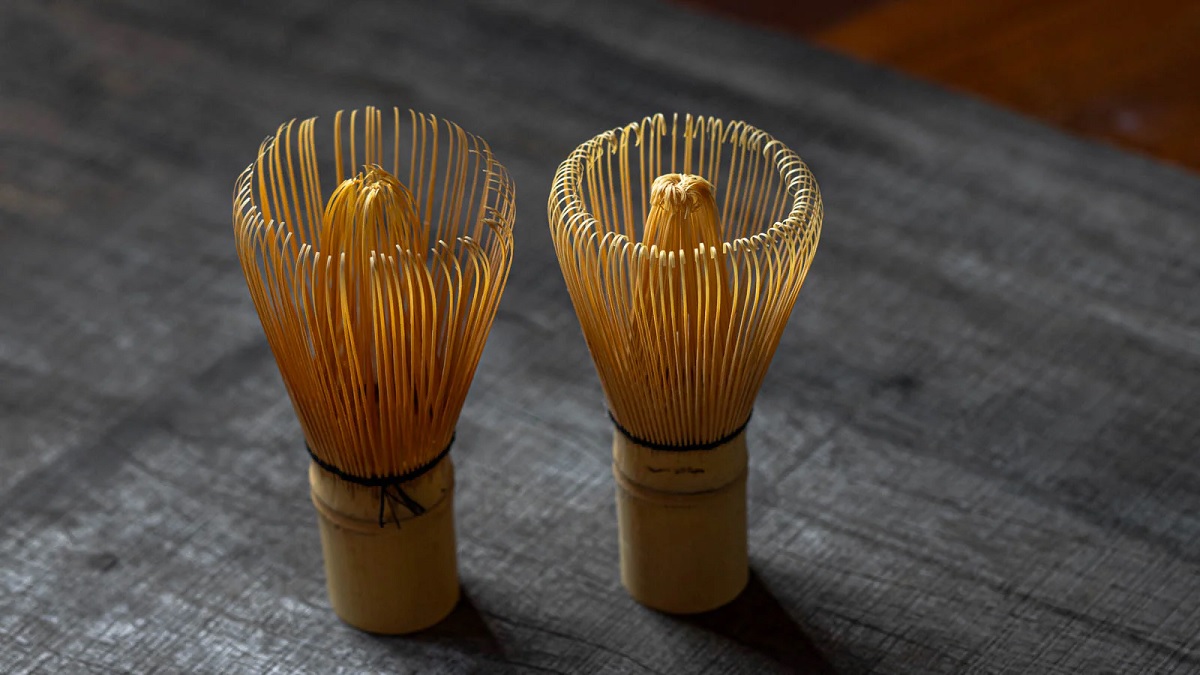
Blooming a matcha whisk involves gently spreading and reshaping the tines to restore their natural curve. When new, a whisk has tines that fan out evenly, creating maximum surface area for whisking. Over time, the tines can stick together or lose their natural alignment, which affects how well the whisk can aerate matcha. Blooming re-establishes the correct spacing between tines, ensuring that each stroke of the whisk incorporates air and creates a uniform froth.
The process is not complicated but requires care. Applying gentle pressure to separate the strands and fanning them evenly prevents breakage. This maintenance routine allows your whisk to continue performing at its best, producing smooth and visually appealing matcha every time. Blooming is as much about preserving functionality as it is about protecting the bamboo from premature wear.
Why Blooming Is Important
Without regular blooming, the tines may gradually become stiff or misshapen, reducing the whisk’s effectiveness. A whisk that cannot spread evenly will struggle to create froth, and matcha prepared with it may taste flat or appear clumpy. Proper blooming maintains the balance and flexibility of the bamboo, ensuring the whisk can glide smoothly through the tea.
Additionally, blooming reduces stress on individual tines. When a whisk is used while clumped, some strands bear more pressure than others, increasing the risk of snapping or splitting. Regularly reshaping the whisk distributes the pressure evenly and preserves its structural integrity. For anyone serious about the matcha ritual, blooming is not optional; it’s an essential form of care that keeps both flavor and presentation consistent.
How Blooming Enhances Matcha Preparation
A well-bloomed whisk dramatically improves the overall tea-making experience. Evenly spread tines allow for better aeration, which creates a rich, creamy foam that elevates both texture and taste. The froth produced by a properly bloomed whisk holds longer, making the tea look and feel more luxurious.
The process also makes whisking easier and more efficient. When the tines are aligned and flexible, each stroke moves smoothly through the tea, requiring less effort and reducing frustration. Blooming ensures that your matcha preparation is not only functional but also aesthetically pleasing. In essence, it preserves the integrity of the tea-making ritual while supporting the longevity of your bamboo whisk.
Long-Term Benefits Of Blooming
Regular blooming protects your investment in a quality bamboo whisk. By maintaining proper tine alignment, you prevent unnecessary wear, splitting, or bending. This extends the overall lifespan of the whisk, allowing it to perform well for months or even years.
Moreover, the consistent care involved in blooming keeps your matcha tasting fresh and frothy. It ensures that each preparation produces the signature creamy layer, highlighting the delicate flavor and aroma of the tea. Adopting blooming as part of your routine demonstrates attention to detail, elevating the matcha experience while preserving both the tool and the tradition behind it.
Preparing Your Whisk for Blooming
Before you can bloom a matcha whisk, it’s important to prepare it properly. A delicate bamboo whisk requires gentle handling to prevent breakage, and preparation ensures that the tines are flexible and free from hardened residue. Taking the right preparatory steps allows the whisk to fan out evenly, creating the ideal surface for whisking matcha. Proper preparation also protects the bamboo from cracking or splitting during the blooming process. Understanding how to ready your whisk ensures that the blooming process is both safe and effective, enhancing your overall tea-making experience.
Cleaning Your Whisk Thoroughly
The first step in preparation is a thorough cleaning. Any remaining matcha residue or particles can make it difficult to reshape the tines effectively. Rinse the whisk under warm water, shaking gently to remove loose tea particles. Avoid soap, as it can leave a residue and alter the taste of future matcha.
For stubborn residue, you can use a soft-bristled brush to work between the tines or soak the whisk briefly in warm water, ensuring the handle remains dry. Take care not to soak for too long, as this can weaken the bamboo. Once the whisk is clean, shake off excess water and gently pat it with a soft cloth. Cleaning prepares the whisk by softening the tines and eliminating any material that might prevent them from fanning out properly during blooming.
Softening the Bamboo Tines
Once the whisk is clean, softening the bamboo tines is the next crucial step. Soft tines are more flexible, making it easier to fan them evenly without causing breakage. Submerge only the tines in warm water for a few minutes, allowing the bamboo to absorb moisture and regain flexibility.
Avoid immersing the handle entirely, as excessive water can cause cracking or warping. While soaking, gently move the tines with your fingers to loosen any clumped strands. This softening process ensures the whisk is ready to bloom evenly, preventing uneven froth during matcha preparation. Proper softening also reduces stress on the bamboo strands, protecting the whisk from long-term damage.
Inspecting for Damage
Before you begin blooming, inspect the whisk for any damage or weakness. Check the tines for cracks, splits, or broken strands, and assess the handle for signs of wear. A whisk with damaged tines may not bloom properly and could break during the process, reducing its effectiveness.
If you notice minor bending or uneven tines, take note for careful adjustment during blooming. Avoid attempting to force severely damaged strands back into shape, as this can cause permanent breakage. Regular inspections ensure that you are working with a healthy whisk, setting the stage for effective blooming and prolonged usability.
Organizing Your Workspace
Finally, prepare a clean, well-lit workspace for blooming. Lay down a soft cloth or towel to place the whisk on while adjusting the tines. Having a clear, stable area reduces the risk of accidentally bending or dropping the whisk.
Gather any tools you might need, such as a soft-bristled brush for cleaning or a gentle wooden stick for minor tine adjustments. Preparing your workspace ensures that the process is smooth, efficient, and safe for the delicate bamboo. With a properly cleaned, softened, and inspected whisk in a controlled environment, you are ready to proceed with blooming, ensuring optimal performance for frothy, smooth matcha.
Step-By-Step Blooming Process
Blooming a matcha whisk is a careful and deliberate process that restores the tines to their natural curve and ensures optimal performance. By following a step-by-step method, you can maintain the whisk’s flexibility and shape while improving its ability to froth matcha evenly. This process is gentle, precise, and essential for anyone who wants to preserve their whisk and elevate the quality of their tea ritual. Understanding each step ensures that the bamboo remains strong and your matcha consistently creamy and smooth.
Step 1: Soften the Whisk Tines
Before reshaping, the tines must be softened to prevent breakage. Start by immersing only the tines in warm water for three to five minutes. Avoid submerging the handle, as excessive moisture can weaken the bamboo and cause cracks. The warm water allows the tines to regain flexibility, making them easier to spread without forcing them apart.
During soaking, gently move the tines with your fingers, separating strands that are sticking together. This prevents clumping and prepares the whisk for even blooming. Do not rush this step, as forcing rigid tines can easily break the bamboo. A soft, flexible whisk is the foundation for a smooth blooming process and ensures the tool maintains its natural curve for effective frothing.
Step 2: Separate the Tines
Once the tines are softened, the next step is to separate them carefully. Use your fingers to gently fan out the strands, working from the base toward the tips. Focus on achieving even spacing between each tine, as uneven tines can reduce the whisk’s frothing ability.
If certain strands are particularly tight, use a soft brush or a wooden stick to ease them apart gradually. Avoid bending or twisting the tines aggressively, as this can create permanent damage. Take your time to align the tines into their natural fan shape. Proper separation not only improves the whisk’s function but also enhances its appearance, giving you a visually pleasing tool that is ready for perfect matcha preparation.
Step 3: Adjust Tine Curvature
After separating the strands, focus on restoring the natural curvature of the tines. Each bamboo tine should curve outward slightly to maximize the whisking surface. Gently bend any straight or inward-curving tines using your fingers, applying minimal pressure to avoid snapping.
For stubborn tines, immerse them briefly again in warm water to increase flexibility before adjusting. Work slowly, observing the overall symmetry of the whisk as you go. Proper curvature ensures the whisk aerates matcha efficiently, producing creamy froth. This step preserves both functionality and aesthetics, making the whisk comfortable to use and visually balanced.
Step 4: Final Inspection and Minor Corrections
Once the tines are separated and curved correctly, perform a thorough inspection. Look for any bent, uneven, or misaligned strands. Make small, gentle corrections as needed, using your fingers or a soft brush.
Check the overall balance of the whisk by holding it upright and observing the symmetry of the tines. Any strand sticking out too far can be slightly adjusted to maintain evenness. This careful inspection ensures the whisk is properly prepared for regular use. Taking the time to make minor corrections protects the bamboo and guarantees consistent frothy matcha.
Step 5: Rinse and Dry
After completing the blooming adjustments, rinse the whisk under warm water to remove any residue or particles dislodged during the process. Gently shake off excess water and pat the whisk lightly with a clean cloth.
Place the whisk upright on a ventilated holder or surface to air dry completely. Avoid direct sunlight or heat sources, as rapid drying can warp the bamboo and compromise the tines’ shape. Proper drying preserves the flexibility and lifespan of the whisk, ensuring it remains ready for smooth, frothy matcha in future preparations.
Step 6: Regular Maintenance Post-Blooming
To maintain your whisk after blooming, adopt a routine of gentle care. Rinse immediately after use, avoid harsh soaps, and periodically bloom the tines as needed. Keeping the whisk clean, soft, and correctly shaped reduces the need for aggressive adjustments in the future and prolongs its lifespan.
Regular maintenance ensures that each bloom is easier and that the whisk continues to perform at its best. Following these steps consistently allows you to enjoy visually appealing, flavorful, and frothy matcha every time, while protecting the delicate bamboo from unnecessary wear and damage. Blooming is not just maintenance—it’s an essential part of the matcha ritual that enhances both function and tradition.
Using Bloomed Whisk for Matcha
A properly bloomed matcha whisk enhances every cup of tea by ensuring smooth, even froth and consistent flavor. Once the tines are spread and flexible, the whisk can aerate matcha effectively, creating a creamy texture that elevates both taste and presentation. Using a whisk that has been properly bloomed maximizes its performance, improves your tea ritual, and allows you to enjoy matcha the way it was meant to be experienced. Understanding how to make the most of a freshly bloomed whisk is essential for every tea enthusiast.
Preparing Matcha with a Bloomed Whisk
Start by sifting your matcha powder into a bowl to prevent clumps, then pour in the appropriate amount of water, ideally around 70–80°C. A bloom-ready whisk allows you to move through the tea smoothly, incorporating air efficiently without the resistance caused by stuck or bent tines.
Hold the whisk lightly in your dominant hand, gripping the handle gently without pressing the tines together. Begin with short, quick strokes in a zigzag or “M” motion across the bowl. The evenly spread tines of a bloomed whisk reach all parts of the matcha, ensuring thorough mixing and a smooth, frothy texture. By taking care to use gentle, consistent movements, the whisk performs at its best and the tea develops a uniform, rich froth.
Enhancing Froth and Texture
One of the main benefits of using a bloomed whisk is improved froth quality. The tines are fanned out evenly, which allows them to incorporate air effectively into the tea. As you whisk, you’ll notice a dense, creamy foam forming on the surface, a hallmark of well-prepared matcha.
To enhance the froth further, maintain a consistent speed and avoid pressing the whisk too hard into the liquid. Gentle pressure and even strokes create a layer of bubbles that are fine and silky rather than large and uneven. The flexibility of a properly bloomed whisk ensures that the froth holds longer, giving your tea a luxurious texture that enhances both the flavor and the visual appeal of the bowl.
Techniques for Optimal Whisking
For the best results, use a combination of vertical and horizontal movements. Vertical whisking helps aerate the matcha and build foam, while horizontal movements ensure the powder is fully dissolved and evenly mixed. A bloomed whisk makes both motions easier and more effective, reducing resistance and minimizing clumping.
Pay attention to the angle at which you hold the whisk. Slightly tilting the whisk allows all tines to engage the tea evenly. This technique ensures that no area of the matcha remains unmixed and that the froth is uniform across the bowl. Regular use of these movements with a properly bloomed whisk will result in consistently smooth, rich matcha.
Maintaining Whisk Performance During Use
While using a bloomed whisk, handle it with care to preserve its shape. Avoid pressing the tines against the bowl aggressively or forcing them into clumps of powder. Rinse the whisk lightly with warm water between cups if preparing multiple servings to maintain cleanliness and prevent residue from building up.
Proper use also includes gentle cleaning immediately after each session. A bloomed whisk performs optimally when the tines remain flexible and free of hardened matcha particles. By combining careful whisking techniques with consistent maintenance, you maximize both the life and effectiveness of your whisk, ensuring every matcha preparation is frothy, smooth, and flavorful.
Maintenance Tips After Blooming
After blooming a matcha whisk, proper maintenance is essential to keep it performing at its best. Regular care preserves the shape of the tines, maintains flexibility, and prevents residue buildup that could reduce frothing quality. By incorporating simple maintenance habits into your routine, you extend the life of your whisk and ensure that each cup of matcha is smooth, frothy, and flavorful. Attention to these details enhances both the aesthetic and functional aspects of your tea-making experience.
Immediate Cleaning After Each Use
The first step in maintenance is cleaning the whisk immediately after each use. Rinse the tines under warm water, shaking gently to remove all matcha particles. Avoid using soap, as it can leave a residue that alters the flavor of the tea. If small clumps remain, use your fingers or a soft brush to loosen them carefully.
Prompt cleaning prevents residue from hardening and reduces the need for aggressive scrubbing, which can damage the bamboo. By taking care immediately, you ensure the whisk retains its fanned shape and flexibility. This simple habit protects the delicate strands and keeps the whisk ready for smooth, efficient whisking each time you prepare matcha. Consistency is key to maintaining performance over the long term.
Proper Drying Techniques
After cleaning, drying is critical to preserve both the shape and integrity of the whisk. Shake off excess water and gently pat the whisk with a soft cloth. Place it upright on a ventilated holder or surface, allowing air to circulate freely around the tines.
Avoid direct sunlight or heat sources, which can warp or crack the bamboo. Make sure the whisk dries completely before storing, as retained moisture can cause mold or weaken the strands. Proper drying ensures that the whisk maintains the delicate curve of the tines, which is essential for creating even, creamy froth during every matcha preparation.
Storing Your Whisk Safely
Once dry, store your whisk properly to prevent deformation or damage. Keep it upright in a whisk holder or a container that allows airflow. Avoid closed, humid spaces where mold could develop, and keep the whisk away from direct sunlight or heat.
If you have multiple whisks, maintain spacing between them to prevent tines from bending against one another. Periodically inspect the whisk to ensure no tines are warped or damaged. Correct storage, combined with regular cleaning and drying, keeps your bamboo whisk in top condition for long-term use. Proper maintenance ensures that each matcha session remains consistent, smooth, and enjoyable.
Frequently Asked Questions
What Does It Mean To Bloom A Matcha Whisk?
Blooming a matcha whisk means preparing the bamboo tines to open up and become flexible before whisking your matcha. When you bloom your whisk, you remove stiffness from the bamboo, which allows it to create a smoother, creamier froth. This process ensures that your matcha mixes evenly with water, avoiding clumps and enhancing the texture of your drink.
You typically bloom a whisk by soaking it in warm water for a few minutes, gently spreading the tines if needed. Doing this consistently maintains your whisk’s shape and prolongs its lifespan.
Why Is Blooming Important For A New Whisk?
When you buy a new matcha whisk, the tines are usually stiff and tightly packed. Blooming softens the bamboo and separates the tines, making it easier to create frothy matcha. Without blooming, your first whisking sessions may result in clumps or uneven texture, which can affect both flavor and presentation.
Blooming also helps prevent damage to the delicate tines. It ensures that your whisk performs optimally from the very first use, allowing you to enjoy the perfect froth and smooth consistency in your matcha drinks.
How Long Should You Soak A Matcha Whisk To Bloom It?
The ideal soaking time to bloom a matcha whisk is usually 3 to 5 minutes in warm, not boiling, water. This duration softens the bamboo tines just enough to make them flexible and ready for whisking. Soaking for too long can weaken the bamboo, while too short a soak may not properly open the tines.
During soaking, you can gently separate the tines with your fingers to help them bloom evenly. Afterward, lightly shake or tap the whisk to remove excess water before whisking your matcha.
Can You Use Hot Water To Bloom A Matcha Whisk?
You should avoid boiling water because extreme heat can damage the delicate bamboo tines. Warm water, around 120–140°F (50–60°C), is ideal for blooming your whisk. This temperature softens the bamboo safely, allowing the tines to separate without cracking or bending.
After soaking in warm water, you can gently shake the whisk and fan the tines for optimal bloom. Using the right water temperature ensures longevity and keeps your whisk in top condition for making creamy, frothy matcha.
How Often Should You Bloom Your Matcha Whisk?
You should bloom your whisk before each use, especially if it has been sitting dry for a while. Even seasoned whisks can stiffen over time, so a quick soak in warm water ensures the tines remain flexible. This routine helps maintain consistent froth and prevents damage to the bamboo.
For regular matcha drinkers, blooming every session keeps the whisk performing optimally. It also improves the lifespan of your whisk by preventing cracks, breakage, and uneven tines, giving you a better matcha experience every time.
Can You Bloom A Matcha Whisk Without Water?
Blooming a matcha whisk without water is not recommended because the bamboo tines need moisture to become flexible. Dry manipulation can cause the tines to crack or split, which reduces the whisk’s effectiveness and lifespan. Water softens the bamboo, allowing you to spread and adjust the tines gently.
If you need a quick froth and don’t have time for soaking, you can rinse the whisk briefly under warm water. Even a short exposure to moisture helps the tines open safely and prepares the whisk for smooth whisking.
What Should You Do After Blooming Your Matcha Whisk?
After blooming your whisk, shake off excess water and gently tap it against a clean surface. This ensures there’s no remaining water that can dilute your matcha or damage the bamboo. Place the whisk in a holder (Kusenaoshi) to help it retain its shape while drying.
Avoid using soap or scrubbing aggressively. Proper post-bloom care maintains the whisk’s flexibility and prevents mold. Following these steps after every bloom keeps your whisk in excellent condition and ensures a consistently smooth, frothy matcha every time you use it.
Final Thoughts
Proper care and attention to your matcha whisk make a significant difference in the quality of your tea ritual. Understanding how to bloom matcha whisk ensures that the delicate bamboo tines maintain their shape, flexibility, and performance, allowing for smooth, frothy matcha every time. Blooming also prolongs the lifespan of the whisk, preventing breakage and uneven froth caused by clumped or bent tines.
Incorporating a regular blooming routine, combined with immediate cleaning, gentle drying, and correct storage, preserves both functionality and aesthetic appeal. The process is simple but has a noticeable impact on the tea-making experience, making each cup visually appealing, creamy, and flavorful.
By mastering how to bloom matcha whisk, you protect your investment while enhancing every preparation. This small but essential step ensures consistency, improves frothing efficiency, and allows you to fully enjoy the traditional matcha experience with every bowl you prepare.