When Is Matcha Harvested? Seasons, Grades, and Best Practices
Matcha is one of the most celebrated teas worldwide, known for its vibrant green color, rich flavor, and numerous health benefits. Understanding its journey from leaf to cup reveals the care and precision involved in producing this delicate powder. Every stage of growth influences the final quality, making timing a crucial factor in cultivation.
The process begins long before the leaves reach your cup. Tea plants are carefully tended throughout the year, with attention to soil, sunlight, and pruning methods. These factors contribute to the texture, taste, and nutrient content of the leaves.
Harvesting is a pivotal moment in this process. The leaves must be picked at just the right stage to preserve their natural sweetness and vibrant green color. Knowing the precise timing can distinguish premium ceremonial matcha from lower-grade varieties.
Exploring [when is matcha harvested] provides insight into why this tea is so prized. It highlights the meticulous planning and dedication of tea farmers who ensure each leaf reaches its peak potential.
The harvesting season also affects the flavor profile, influencing whether the matcha tastes more grassy, sweet, or umami-rich. Each batch reflects the environment, care, and timing, making every cup of matcha a unique experience.
Matcha Harvest Seasons
The quality and flavor of matcha depend heavily on the timing of its harvest. Different harvests throughout the year produce leaves with distinct characteristics, making each batch unique. The seasons in which the leaves are picked—early spring, late spring, and summer—play a crucial role in determining the sweetness, color, and nutrient content of the tea. Understanding these harvest periods helps tea enthusiasts appreciate why certain matcha is preferred for ceremonial use while others are ideal for culinary purposes.
First Harvest (Ichibancha)
The first harvest, known as Ichibancha, occurs in early spring, typically between late April and early May. These leaves are young, tender, and packed with amino acids, particularly L-theanine, which gives matcha its characteristic sweet and umami flavor. Farmers often shade the tea plants for several weeks before this harvest, a technique called “tencha,” which enhances the chlorophyll content, resulting in a bright green color.
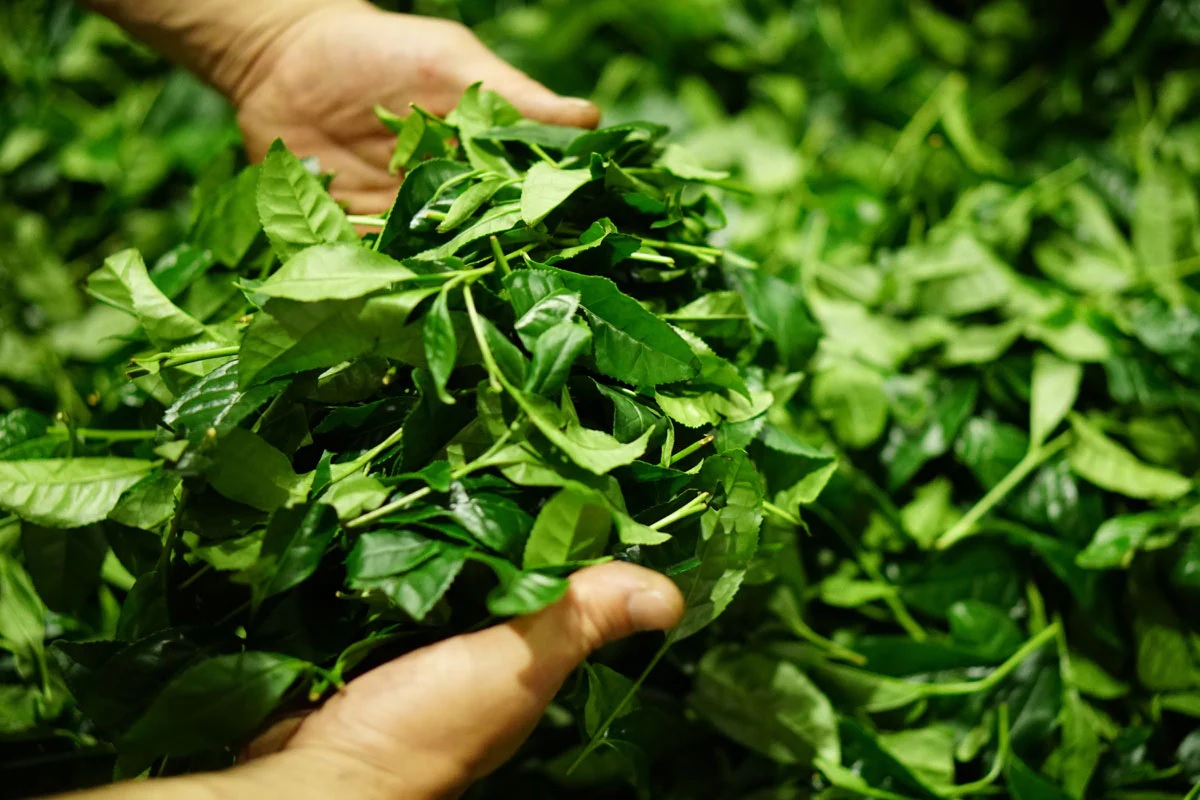
Ichibancha matcha is considered the highest grade and is primarily used for ceremonial purposes due to its smooth texture and delicate taste. The leaves are carefully hand-picked, with only the topmost shoots harvested to ensure premium quality. Because the yield is lower and labor-intensive, Ichibancha commands a higher price compared to later harvests.
The flavor profile of first-harvest matcha is complex yet mellow, with minimal bitterness and a naturally sweet aftertaste. Its vibrant green color and rich aroma make it the ideal choice for traditional tea ceremonies. The meticulous timing and care during this harvest set the standard for all subsequent matcha batches.
Farmers closely monitor weather conditions during this period, as even slight changes in sunlight or rainfall can affect the delicate leaves. The combination of skillful shading, selective picking, and early spring timing ensures that Ichibancha matcha represents the pinnacle of quality and flavor.
Second Harvest (Nibancha)
The second harvest, Nibancha, occurs in late spring to early summer, generally between June and July. These leaves are slightly more mature than those picked during Ichibancha, which gives them a stronger flavor and slightly less sweetness. Nibancha matcha has a darker green hue and a more robust taste, making it versatile for both drinking and culinary use.
While not as delicate as first-harvest leaves, Nibancha still contains a good balance of amino acids and catechins, providing both umami and mild bitterness. This combination makes it ideal for matcha lattes, desserts, and baking, where a more pronounced flavor can complement other ingredients. Unlike Ichibancha, Nibancha leaves are often harvested with a mix of hand-picking and mechanical methods, allowing for higher yields.
Nibancha’s slightly bolder taste profile appeals to matcha drinkers who enjoy a richer, more pronounced flavor. The leaves retain a bright green color, though slightly muted compared to the first harvest. The nutritional content remains high, providing antioxidants and natural energy, which makes it a healthy choice for daily consumption.
Farmers pay attention to rainfall and temperature during this season to ensure the leaves do not become too bitter or fibrous. The careful timing allows for a consistent supply of high-quality matcha, making Nibancha a reliable option for both premium and everyday matcha products.
Third Harvest (Sanbancha)
The third harvest, Sanbancha, takes place in late summer, around August to September. By this time, the tea leaves have fully matured, resulting in a stronger, more bitter taste with less sweetness and a darker, slightly duller green color. These leaves are generally more robust and fibrous, making them less ideal for ceremonial matcha but suitable for cooking and blended matcha products.
Sanbancha matcha is often used in recipes that require a strong matcha flavor, such as cookies, cakes, and smoothies. The leaves are harvested primarily using mechanical methods, allowing farmers to collect larger quantities efficiently. While the amino acid content decreases compared to earlier harvests, catechins and antioxidants remain high, giving the matcha a pronounced, slightly astringent taste.
The flavor of Sanbancha is more intense, with earthy undertones and a hint of bitterness, which can stand up well to sweeteners and dairy in culinary preparations. Its darker green color indicates a lower chlorophyll concentration than Ichibancha or Nibancha but still maintains the signature matcha vibrancy.
Farmers must carefully time the harvest to avoid over-mature leaves, which can become too bitter and reduce the overall quality. Despite its stronger flavor, Sanbancha remains a valuable part of the matcha production cycle, providing an economical option for culinary-grade matcha products and everyday use.
Fourth Harvest (Optional Late Harvest)
In some regions, a fourth harvest, called Yobancha or late harvest, occurs in autumn. These leaves are fully mature and typically produce a strong, astringent flavor with lower sweetness and a darker color. This harvest is less common and usually reserved for mass-produced culinary-grade matcha, where the bold taste can complement desserts and beverages.
The late harvest leaves are robust but lack the delicate umami of spring harvests. Farmers often use mechanical harvesting for efficiency, and the yield is higher, but the quality is lower. While not suitable for traditional tea ceremonies, this matcha is perfect for baking, cooking, and creating flavored matcha products.
Despite their reduced sweetness, these leaves still contain antioxidants and provide a caffeine boost. The flavor is earthy and bold, allowing it to hold its character even when mixed with milk, sugar, or other ingredients in culinary applications.
Yobancha matcha demonstrates the full range of flavors possible from a tea plant, highlighting how harvest timing directly impacts taste, color, and texture. It completes the yearly cycle, showing the diversity and versatility of matcha.
How Harvest Timing Affects Matcha Quality
The timing of matcha harvesting has a significant impact on its overall quality, flavor, and nutritional content. From early spring to late summer, each harvest produces leaves with different characteristics, influencing sweetness, color, aroma, and umami levels. Farmers carefully plan the harvest to ensure optimal leaf maturity, balancing amino acids, catechins, and chlorophyll. Understanding this timing is essential for both tea enthusiasts and culinary experts who seek the perfect matcha experience.
Early Spring Harvest and Premium Quality
The early spring harvest, known as Ichibancha, is considered the pinnacle of matcha quality. Occurring between late April and early May, these young leaves are tender, packed with amino acids, and have a high concentration of L-theanine, which gives matcha its signature sweet and umami flavor. Farmers often shade the plants weeks in advance, boosting chlorophyll levels and producing a vibrant green color.
This careful timing results in a smooth, delicate taste with minimal bitterness, making it ideal for ceremonial-grade matcha. Hand-picking ensures only the top shoots are collected, maintaining a refined texture and aroma. The leaves are smaller and softer, reflecting the precise growth stage that maximizes flavor and nutritional content. Early spring matcha is highly prized and often commands premium prices due to its labor-intensive cultivation and superior taste profile.
Late Spring Harvest and Balanced Flavor
The second harvest, Nibancha, occurs from late May to early July and produces slightly more mature leaves. These leaves have a more pronounced flavor with a subtle decrease in sweetness compared to Ichibancha. While still vibrant, the green color is slightly less intense, and the taste exhibits a mild bitterness alongside natural umami, creating a balanced flavor profile suitable for both drinking and culinary use.
Nibancha leaves are typically harvested using a mix of hand-picking and mechanical methods, allowing for larger yields without compromising quality entirely. This harvest provides versatility, making it suitable for matcha lattes, desserts, and cooking. Although not as delicate as the first harvest, it retains a good concentration of antioxidants, amino acids, and caffeine, offering both flavor and nutritional benefits. The timing ensures the leaves have matured enough to develop a robust profile while still maintaining a pleasant smoothness.
Summer Harvest and Culinary-Grade Matcha
Sanbancha, the summer harvest, usually takes place between August and September. By this time, the leaves have matured fully, resulting in stronger, more bitter flavors with a darker green color. The sweetness diminishes while catechin levels increase, giving a slightly astringent taste. These leaves are less suitable for ceremonial matcha but perfect for culinary-grade products, where the bolder flavor complements sweets and recipes.
Mechanical harvesting is common during this season, enabling higher yields but producing leaves that are firmer and less tender. The mature leaves are ideal for blending or making matcha for baking, smoothies, and other culinary uses. Despite reduced sweetness, summer harvest matcha still contains antioxidants and caffeine, making it both flavorful and energizing. The timing ensures the plant’s full growth cycle is utilized, producing versatile leaves for a wide range of applications.
Effects of Harvest Timing on Nutrients and Flavor
The timing of each harvest directly influences the chemical composition of matcha leaves. Early spring leaves have higher amino acid content, contributing to umami and smoothness, while later harvests increase catechin levels, enhancing bitterness and antioxidant potential. Chlorophyll concentration is also highest in shaded early harvests, giving matcha its bright green color.
These changes affect both taste and texture. Early harvests are silky and sweet, mid-season leaves are balanced and slightly robust, and late harvests are strong and earthy. Farmers adjust shading, watering, and picking techniques according to the season to maintain quality. Understanding how harvest timing affects matcha quality allows tea drinkers to choose products that match their taste preferences and intended use, from ceremonial sipping to culinary creations.
Regional Variations in Harvesting
Matcha quality and flavor are greatly influenced not only by harvest timing but also by the region where the tea is grown. Soil composition, climate, rainfall, and altitude all play key roles in shaping the characteristics of the leaves. Different regions follow unique harvesting techniques and schedules to optimize flavor, color, and nutrient content. Understanding these regional variations helps tea lovers appreciate the diversity and subtle nuances present in matcha across the world.
Uji Region – Traditional Japanese Excellence
The Uji region in Kyoto is widely regarded as the heart of high-quality matcha production. The area’s mild climate, fertile alluvial soil, and abundant rainfall create ideal growing conditions. Farmers here emphasize early spring harvesting, focusing on Ichibancha, which produces young, tender leaves with high L-theanine content. Shading techniques are meticulously applied to boost chlorophyll and enhance sweetness, resulting in the vibrant green color and rich umami flavor for which Uji matcha is famous.
Hand-picking is still common in Uji, particularly for ceremonial-grade matcha, ensuring only the top shoots are selected. The region’s centuries-old cultivation traditions emphasize precision, patience, and care, which contributes to the consistently superior quality of Uji matcha. The combination of soil, climate, and expert harvesting methods ensures that every leaf retains a delicate sweetness, minimal bitterness, and a smooth texture. Even mid- and late-season harvests from this region maintain a distinctive balance between flavor and aroma, making Uji matcha highly sought after internationally.
The Uji approach demonstrates how local environmental factors and traditional practices can enhance the quality of matcha. Its emphasis on early harvests and careful shading exemplifies how region-specific techniques directly influence taste, appearance, and nutrient content.
Nishio Region – Rich Flavor and Culinary Focus
Nishio in Aichi Prefecture is another renowned Japanese matcha region, known for producing both ceremonial and culinary-grade matcha. The area has slightly higher rainfall and cooler temperatures than Uji, which slows leaf growth and allows for the development of concentrated flavors. Nishio farmers typically harvest leaves in late spring through summer, producing a slightly more robust, fuller-bodied taste.
This region favors a combination of hand-picking and mechanical harvesting, particularly for larger yields destined for culinary use. Nishio matcha often has a deeper green shade and slightly stronger, earthy notes compared to Uji. Its flavor profile is ideal for matcha lattes, desserts, and baking, as it can hold its taste against milk, sugar, and other ingredients. The regional soil composition, rich in minerals, also contributes to a more pronounced umami and mild astringency, which distinguishes Nishio matcha from other areas.
Farmers in Nishio adapt shading duration and harvesting schedules based on seasonal conditions, demonstrating how regional climate variability influences both yield and taste. This flexibility allows Nishio to produce matcha that balances sweetness with a richer, more robust profile suitable for daily consumption and culinary applications.
Shizuoka Region – Versatility and Volume
Shizuoka, one of Japan’s largest tea-producing regions, is known for its versatile matcha cultivation and large-scale production. The area has varied microclimates and altitudes, leading to differences in leaf growth and flavor even within the same prefecture. Early spring harvests are used for premium matcha, while mid- and late-season leaves are harvested for culinary and blended-grade matcha.
Shizuoka farmers rely heavily on mechanical harvesting for efficiency, allowing the region to supply high volumes without sacrificing basic quality. The flavor tends to be slightly more bitter than Uji or Nishio, with a grassy undertone, making it ideal for cooking and beverage mixes. While it may lack the delicate sweetness of ceremonial matcha, Shizuoka matcha remains rich in antioxidants and nutrients, providing both flavor and health benefits.
The region’s diversity in terrain and climate means that farmers can stagger harvests across different areas, extending the availability of fresh leaves throughout the season. This adaptability allows Shizuoka to cater to a broad range of matcha products, from everyday culinary use to higher-grade drinking matcha, highlighting how regional variations influence both taste and application.
Other Regions and Emerging Areas
Besides the well-known Uji, Nishio, and Shizuoka regions, matcha cultivation is expanding to emerging areas like Kagoshima and Okayama. These regions have unique soil types, climates, and rainfall patterns, producing matcha with distinct flavor profiles. Harvest techniques are adapted to each environment, with farmers experimenting with shading, irrigation, and harvest timing to maximize taste and color.
Emerging regions may focus on niche markets, such as organic matcha or specialty culinary grades, offering flavors that differ from traditional areas. While Uji remains synonymous with ceremonial-grade matcha, these new regions demonstrate the growing diversity and innovation within matcha cultivation. Each region’s soil minerals, sunlight exposure, and humidity patterns create subtle differences in sweetness, bitterness, and umami content, giving tea enthusiasts a wide array of flavors to explore.
Impact of Harvest on Taste and Aroma
The timing and method of matcha harvesting directly influence its taste and aroma. From early spring to late summer, each harvest produces leaves with different flavor profiles, sweetness levels, and aromatic qualities. Understanding how harvest timing affects these elements helps tea enthusiasts and culinary experts select the right matcha for drinking, cooking, or ceremonial purposes. The subtle differences in flavor and fragrance are a testament to the meticulous care taken by tea farmers.
Early Harvest and Delicate Sweetness
The first harvest, typically in early spring, produces the youngest and most tender leaves. These leaves are rich in amino acids like L-theanine, which contribute to a naturally sweet, smooth, and umami-rich taste. Shading the tea plants prior to harvesting increases chlorophyll content, enhancing both the vibrant green color and the fresh, grassy aroma that characterizes high-quality matcha.
Hand-picking the topmost shoots ensures the leaves are soft and uniform, resulting in a delicate, silky texture when whisked. The aroma is subtle yet inviting, with hints of fresh grass and mild floral notes. This early harvest matcha is highly prized for ceremonial use because it delivers a refined balance of sweetness and umami, with minimal bitterness. The timing of the harvest ensures the flavor is concentrated and the aromatic compounds are at their peak, creating a sensory experience that reflects meticulous cultivation and expert harvesting techniques.
Early spring matcha also has a clean, lingering finish that enhances the drinking experience. Every cup showcases the careful interplay between timing, leaf maturity, and shading methods, emphasizing why this harvest is regarded as the gold standard for taste and aroma in matcha.
Mid-Season Harvest and Balanced Flavors
The second harvest, occurring in late spring to early summer, produces slightly more mature leaves with a richer and more robust flavor. While the sweetness is less pronounced than in the early harvest, a mild natural bitterness develops, adding depth and complexity to the taste profile. The aroma remains fresh but gains subtle earthy undertones, making it versatile for both drinking and culinary applications.
Farmers often use a mix of hand-picking and mechanical harvesting, allowing larger yields while preserving the essential qualities of the leaves. The mid-season matcha retains a pleasant green hue, though slightly darker than the first harvest. Its flavor and aroma balance make it suitable for lattes, desserts, and blended beverages, where a stronger taste is desirable.
The timing of this harvest ensures that amino acids and catechins are well-balanced, providing a combination of umami, mild astringency, and subtle floral notes. The aroma reflects this balance, with hints of fresh grass mingling with slightly earthy undertones. This harmonious interplay of taste and fragrance illustrates how harvest timing can fine-tune the sensory characteristics of matcha, offering variety without sacrificing quality.
Late Harvest and Bold Character
The third harvest, typically in late summer, yields fully matured leaves with stronger, more robust flavors. Sweetness decreases, and bitterness increases, creating a bolder taste profile that is ideal for culinary-grade matcha. The aroma becomes earthier, with pronounced vegetal and slightly smoky notes that can hold up well in baked goods and beverages mixed with milk or sugar.
Mechanical harvesting is common during this period, allowing efficient collection of larger quantities. The leaves are firmer and slightly more fibrous, but they retain sufficient antioxidants and caffeine to provide health benefits. The flavor intensity ensures the matcha stands out in recipes and products that require a strong matcha presence.
Despite the reduced sweetness, late harvest matcha exhibits a distinctive aromatic complexity. The earthy, vegetal scent pairs well with the pronounced taste, making it perfect for blending into smoothies, lattes, or baked goods. The timing of the harvest ensures that the flavor develops fully, resulting in a robust matcha with character and presence.
Grades of Matcha and Harvest Timing
Matcha quality varies widely depending on both its grade and the timing of harvest. Different grades, such as ceremonial, premium, and culinary, are produced from leaves harvested at specific stages of growth. The timing influences flavor, color, texture, and aroma, determining whether the matcha is best suited for traditional tea ceremonies, daily drinking, or culinary applications. Understanding this relationship helps you choose the right matcha for any purpose.
Ceremonial Grade and Early Harvest
Ceremonial-grade matcha is the highest quality and is usually made from the first harvest, known as Ichibancha, in early spring. These leaves are young, tender, and carefully shaded to increase chlorophyll and L-theanine content, producing a vibrant green color and a naturally sweet, umami-rich flavor. Hand-picking ensures only the top shoots are selected, creating a smooth, delicate texture ideal for traditional tea ceremonies.
This early harvest is crucial because the youngest leaves contain the highest amino acid content, which contributes to a rich, mellow taste with minimal bitterness. The aroma is fresh and grassy, with subtle floral notes that enhance the drinking experience. Ceremonial matcha emphasizes purity, requiring precise timing and meticulous processing to maintain its vibrant color, smoothness, and elegant flavor. These characteristics make it highly prized among connoisseurs who value taste, aroma, and texture above all else.
The combination of early harvest timing and careful leaf selection defines ceremonial-grade matcha, setting it apart from lower grades. Its sweetness, silky texture, and bright green hue are direct results of optimal harvest conditions and precise cultivation techniques.
Premium Grade and Mid-Season Harvest
Premium-grade matcha, often sourced from the second harvest or Nibancha in late spring to early summer, strikes a balance between flavor and affordability. The leaves are slightly more mature, offering a richer and fuller taste with mild bitterness, while retaining a good level of umami and a pleasing green color.
This grade is versatile, suitable for drinking as a latte, adding to desserts, or blending into recipes. Harvested with a combination of hand-picking and mechanical methods, these leaves are still carefully selected but allow for higher yields. The timing ensures a balance between amino acids and catechins, producing matcha that is flavorful without being overpowering. Its aroma has hints of fresh grass combined with subtle earthy undertones, making it appealing to a wider audience.
Premium-grade matcha illustrates how mid-season harvests provide both quality and accessibility. The flavor complexity and aroma remain enjoyable, even though the sweetness is slightly less than first-harvest ceremonial matcha, offering a practical choice for daily use or culinary purposes.
Culinary Grade and Late Harvest
Culinary-grade matcha is typically derived from the third or even fourth harvest, which occurs in late summer or autumn. The leaves are fully mature, resulting in a stronger, more robust flavor and a slightly darker green color. Sweetness is reduced, while bitterness and earthy notes are more pronounced, making it ideal for cooking, baking, and blended beverages.
Mechanical harvesting is common, allowing large-scale collection while maintaining a consistent flavor profile suitable for recipes. Despite reduced amino acid content, the leaves still contain catechins and caffeine, giving culinary matcha its signature energizing properties. The aroma is more earthy and vegetal, complementing desserts and drinks where a bolder taste is needed.
Late harvest timing ensures the leaves develop maximum flavor intensity, which is perfect for culinary applications. The strong taste holds up well when mixed with milk, sugar, or other ingredients, making culinary-grade matcha versatile and practical for everyday use in kitchens and cafes.
Frequently Asked Questions
When Is Matcha Harvested During The Year?
Matcha is typically harvested multiple times throughout the year, with each harvest producing leaves of varying quality. The first harvest, called Ichibancha, occurs in early spring, usually between late April and early May. These young leaves are tender, sweet, and rich in amino acids, making them ideal for ceremonial matcha.
Subsequent harvests, Nibancha and Sanbancha, occur in late spring and summer. These leaves are more mature, slightly less sweet, and better suited for culinary purposes. The timing of the harvest determines the flavor, color, and texture of the matcha, so knowing when the leaves are picked helps you choose the best type for drinking or cooking.
How Does Harvest Timing Affect Matcha Quality?
The timing of matcha harvesting directly influences its taste, color, and aroma. Early spring leaves from the first harvest are tender and packed with amino acids, giving a naturally sweet and umami-rich flavor. The bright green color and smooth texture make it ideal for ceremonial use.
Later harvests produce more mature leaves, which are stronger, slightly bitter, and better suited for culinary applications. The balance of sweetness, bitterness, and aroma is controlled by harvest timing, so knowing when matcha is harvested helps you select the right grade for your preferred use.
What Is The First Harvest Of Matcha Called?
The first harvest of matcha is known as Ichibancha, occurring in early spring. These leaves are the youngest and most tender, providing the highest levels of amino acids and chlorophyll. This results in a vibrant green color, a smooth texture, and a naturally sweet flavor.
Ichibancha matcha is usually reserved for ceremonial-grade tea because of its delicate taste and high quality. Hand-picking the topmost shoots ensures only the best leaves are harvested. Choosing matcha from the first harvest guarantees a premium experience with minimal bitterness and a rich umami flavor that stands out in traditional tea preparation.
Can Matcha Be Harvested More Than Once In A Year?
Yes, matcha can be harvested multiple times a year. After the first harvest, farmers typically collect leaves during late spring and summer. These later harvests produce Nibancha and Sanbancha leaves, which are more mature, slightly less sweet, and have a deeper green color.
Multiple harvests allow farmers to produce different grades of matcha, from ceremonial to culinary. Each harvest has a distinct flavor and aroma profile, which makes matcha versatile for both drinking and cooking. Understanding the harvest season helps you choose matcha that matches your taste preferences and intended use.
How Do Farmers Determine The Right Time To Harvest Matcha?
Farmers determine the right time to harvest matcha by monitoring leaf growth, color, and tenderness. The goal is to pick leaves at their peak amino acid content for sweetness and umami. For the first harvest, shading techniques are applied to enhance chlorophyll and improve flavor.
Weather conditions, sunlight, and rainfall also influence the timing. Early spring is ideal for young, tender leaves, while late spring and summer are suited for more mature, robust leaves. Proper harvest timing ensures high-quality matcha with optimal taste, aroma, and color for different grades.
Does The Harvest Season Affect The Nutritional Content Of Matcha?
Yes, the harvest season significantly affects matcha’s nutritional content. Early spring leaves contain higher levels of amino acids like L-theanine, which contribute to sweetness and relaxation effects. Chlorophyll and antioxidants are also concentrated, making first-harvest matcha highly nutritious.
Later harvests have slightly lower amino acid levels but higher catechins, which provide antioxidant benefits and a slightly stronger flavor. Knowing when matcha is harvested helps you select leaves that match your health and taste preferences, whether you want a mellow ceremonial tea or a robust culinary-grade matcha.
Why Is Early Spring Harvest Considered The Best For Matcha?
Early spring harvest, or Ichibancha, is considered the best for matcha because the young leaves are tender, nutrient-rich, and packed with flavor. Shading prior to harvest enhances chlorophyll levels, creating a bright green color and a naturally sweet, smooth taste.
This timing ensures the highest amino acid content, which contributes to the umami flavor and smooth texture prized in ceremonial matcha. Hand-picked, early spring leaves deliver a refined aroma and minimal bitterness, making them the preferred choice for high-quality tea and a premium matcha experience.
Final Thoughts
The timing of a matcha harvest plays a crucial role in determining the flavor, color, and overall quality of the tea. Early spring harvests, known as the first flush, are prized for their vibrant green color, smooth texture, and rich umami flavor. Later harvests tend to produce matcha with a stronger, slightly more bitter taste, making them better suited for culinary uses rather than ceremonial tea.
Understanding seasonal and regional differences helps tea enthusiasts select the best matcha for their needs. Climate, soil, and local cultivation practices all influence the harvest period, impacting both taste and nutrient content. Being aware of these factors allows consumers to make more informed choices, whether they prefer a delicate ceremonial grade or a more robust culinary grade.
For anyone curious about high-quality matcha, knowing when is matcha harvested provides valuable insight. By choosing matcha based on harvest timing, you can enjoy optimal flavor, aroma, and health benefits in every cup or recipe.