How To Make Matcha Tea Perfectly At Home Every Time
Making matcha tea is more than just preparing a beverage—it’s a ritual that combines flavor, health benefits, and a moment of mindfulness. With its vibrant green color, rich umami taste, and high antioxidant content, matcha tea has become a popular choice for those looking to enjoy a flavorful and energizing drink. Learning the proper technique ensures you get the best taste and texture from every cup.
Many people are curious about how to make matcha tea in a way that preserves its smoothness and natural sweetness. The process involves more than simply mixing the powder with water; attention to powder quality, water temperature, and whisking technique is key to achieving a frothy, lump-free drink.
Matcha tea can be enjoyed traditionally, using hot water and a bamboo whisk, or adapted for cold beverages, lattes, and creative flavor combinations. Each method offers a unique experience while retaining matcha’s health benefits.
Understanding how to make matcha tea allows you to bring a mindful, flavorful ritual into your daily routine. With practice, preparation becomes simple, enjoyable, and a refreshing way to experience one of the healthiest teas available.
Step By Step Process How To Make Matcha Tea
Making matcha tea is a ritual that combines precision, technique, and appreciation for flavor and health benefits. The process may seem complicated at first, but breaking it into clear steps ensures a smooth, vibrant, and flavorful cup every time. From selecting the right matcha powder to whisking it into a frothy, aromatic tea, understanding each step helps you enjoy matcha like a traditional tea ceremony or a modern latte.
Selecting the Right Matcha Powder
The first and most important step in making matcha tea is choosing a high-quality powder. Ceremonial-grade matcha is preferred for drinking, offering a smooth, sweet taste, bright green color, and high antioxidant content. Culinary-grade matcha is more bitter and better suited for cooking or baking rather than a traditional cup.
Before preparation, sift the powder through a fine mesh strainer to remove clumps. This step ensures a smooth texture when mixed with water or milk and helps prevent lumps. High-quality matcha retains chlorophyll, amino acids, and catechins, which not only enhance flavor but also provide health benefits.
Investing in good matcha makes preparation more rewarding. A premium powder dissolves more easily, produces a vibrant green color, and delivers a naturally creamy, umami-rich taste that enhances the overall drinking experience.
Measuring Water and Matcha Powder
Accurate measurement is critical for balancing flavor. Typically, ½ to 1 teaspoon of matcha powder is used for 2–3 ounces of water. Using too much powder can create a bitter, overpowering tea, while too little results in a weak, bland cup.
Water temperature also plays a key role in extracting flavor. Hot water should be between 160°F and 175°F (70°C–80°C). Boiling water can scorch the matcha, producing bitterness, whereas cooler water may not fully release the flavor. For cold matcha, chilled water works, but extra whisking or shaking is required to dissolve the powder completely.
Combining precise measurements of powder and water ensures a balanced, flavorful cup. Proper ratios highlight matcha’s natural sweetness, earthy tones, and umami flavor, creating an enjoyable tea-drinking experience.
Whisking Techniques for Smooth Froth
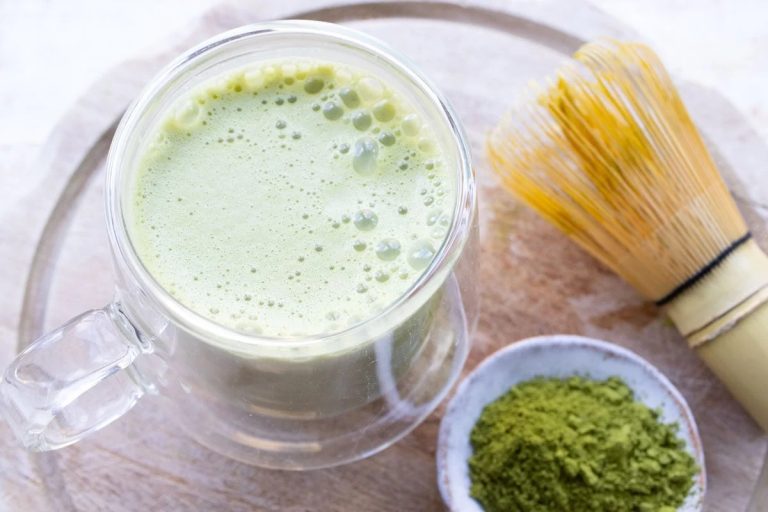
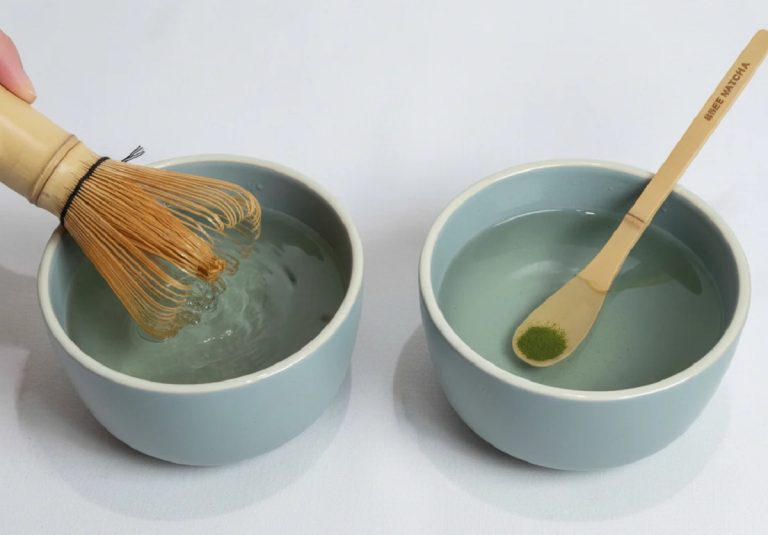
Whisking is a defining step in making matcha tea. A bamboo whisk, or chasen, is traditional, but a small handheld whisk or frother can work as well. Start by combining the sifted matcha with a small amount of water to form a paste, preventing clumps.
Use a zigzag “M” or “W” motion to whisk rather than stirring in circles. This technique incorporates air, creating a light, frothy foam on the surface. Gradually add the remaining water while continuing to whisk until the tea has a uniform texture and a layer of tiny bubbles forms.
Perfect whisking produces a creamy, smooth texture and visually appealing froth. Mastering this technique enhances both taste and presentation, ensuring a balanced, flavorful cup with an even green color.
Optional Additions and Customizations
Once whisked, matcha can be customized with sweeteners, milk, or flavor enhancements. Natural sweeteners such as honey, agave, or maple syrup can reduce bitterness while preserving matcha’s flavor. For creamy lattes, milk or plant-based alternatives like oat, almond, soy, or coconut milk add texture and richness.
Additional flavors like vanilla extract, cinnamon, cocoa powder, or citrus zest can be incorporated to create unique variations. Cold preparations can be poured over ice or blended with milk for iced lattes. Adjusting sweetness, milk, and flavorings allows for a personalized matcha experience while maintaining its nutritional benefits.
Customizations make matcha versatile and enjoyable for different tastes. The goal is to complement its natural umami without overpowering the delicate flavor and vibrant color.
Serving and Enjoying Matcha
Serving matcha properly enhances the overall experience. Hot matcha is best consumed immediately to enjoy its froth, aroma, and full flavor, while cold or iced versions should be served shortly after preparation to preserve its vibrant color. Using a traditional bowl or a clear glass can enhance presentation.
Mindful sipping allows you to appreciate the aroma, texture, and taste of matcha. Light garnishes, such as a sprinkle of matcha powder or edible flowers, can improve visual appeal. Pairing with light snacks or enjoying in a calm setting adds to the sensory experience, transforming a simple cup of tea into a relaxing, restorative ritual.
Cleaning and Maintaining Equipment
Maintaining matcha tools, particularly the bamboo whisk, is essential for consistent results. Rinse the whisk with warm water after each use and allow it to air dry. Avoid soap, as it can damage the delicate bamboo and affect flavor. Bowls, strainers, and frothers should also be cleaned immediately to prevent residue buildup.
Proper care ensures longevity of your equipment and consistent quality in every cup. Clean, well-maintained tools help produce smooth, frothy matcha and make the preparation process more enjoyable.
Tips for Achieving the Perfect Cup
Consistency in preparation is key to mastering matcha tea. Using high-quality powder, correct water temperature, precise measurements, proper whisking technique, and thoughtful customizations will ensure a flavorful, visually appealing cup every time. Experimenting with ratios, milk, and flavors helps you discover your preferred balance while retaining matcha’s natural taste and health benefits.
Practicing these steps regularly allows you to create matcha that is both delicious and nourishing. Over time, preparation becomes a mindful, enjoyable ritual that brings both wellness and satisfaction in each cup.
Hot vs Cold Matcha Tea Methods
Matcha tea can be enjoyed both hot and cold, and each method offers a unique flavor profile, texture, and drinking experience. Understanding the differences between hot and cold matcha helps you choose the preparation that best suits your taste, lifestyle, and seasonal preferences. From traditional frothy tea to refreshing iced beverages, both methods highlight matcha’s natural umami and vibrant green color.
Hot Matcha Tea Preparation
Hot matcha tea emphasizes aroma, depth of flavor, and smooth texture. To prepare, sift high-quality matcha powder into a bowl and add a small amount of hot water, ideally between 160°F and 175°F (70°C–80°C). Whisk in a zigzag motion to create a frothy layer on top. Gradually add the remaining water, maintaining a smooth, lump-free consistency.
The hot preparation brings out matcha’s natural umami and slight sweetness while accentuating its earthy flavor. The gentle warmth enhances aroma and creates a comforting, meditative drinking experience. Hot matcha can be enjoyed traditionally or paired with steamed milk for a creamy latte variation.
Temperature control is crucial; too-hot water can scorch the powder, producing bitterness, while slightly cooler water preserves sweetness. Serving in a pre-warmed bowl or cup helps maintain temperature and foam. Hot matcha is ideal for quiet mornings, mindful breaks, or any moment when a soothing, energizing beverage is desired.
Cold Matcha Tea Preparation
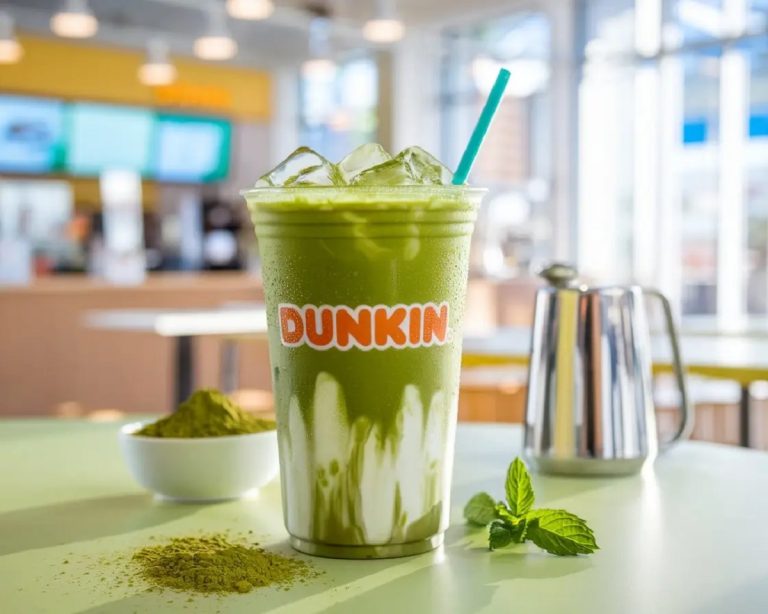
Cold matcha tea offers a refreshing alternative, especially in warm weather or as an iced beverage. Begin by sifting matcha powder into a cup or shaker, then gradually add cold or chilled water. A small whisk, frother, or shaker helps dissolve the powder completely and create a light froth. For iced matcha lattes, add milk or milk alternatives before serving over ice.
Cold preparation softens matcha’s flavor, reducing perceived bitterness and highlighting refreshing, vegetal notes. Iced matcha provides a crisp, energizing drink while retaining antioxidants and caffeine. Using a shaker or blender ensures smoothness without clumps, while ice keeps the drink cool and visually appealing.
Adjusting sweetness with natural syrups or flavorings like vanilla or citrus enhances taste without overpowering matcha’s earthy undertones. Cold matcha is ideal for hydration, post-workout energy, or a revitalizing afternoon beverage. Its versatility makes it easy to enjoy in cafes, at home, or on the go.
Comparing Flavor and Texture
The primary differences between hot and cold matcha lie in flavor intensity, texture, and aroma. Hot matcha tends to be richer, more robust, and aromatic, while cold matcha is lighter, smoother, and more refreshing. Froth from hot matcha is creamier and more stable, whereas cold preparations may have a thinner, airy foam that blends well with ice or milk.
Both methods maintain matcha’s health benefits, including antioxidants, catechins, and moderate caffeine content. Choosing between hot and cold depends on personal preference, season, and desired drinking experience. Hot matcha is comforting and meditative, while cold matcha is revitalizing and versatile.
Customization and Enjoyment
Both hot and cold matcha allow for creative customizations. Sweeteners, milk, plant-based alternatives, and flavorings can enhance taste while maintaining matcha’s health properties. Hot matcha works well with traditional syrups and steamed milk, while cold matcha pairs nicely with ice, blended fruits, or plant-based milk for smoothies.
Understanding the differences between hot and cold preparation helps you enjoy matcha in a way that suits your mood, time of day, and taste preference. Both methods highlight its unique color, flavor, and antioxidant benefits, making matcha a versatile and enjoyable beverage year-round.
FAQs
What Equipment Do You Need To Make Matcha Tea?
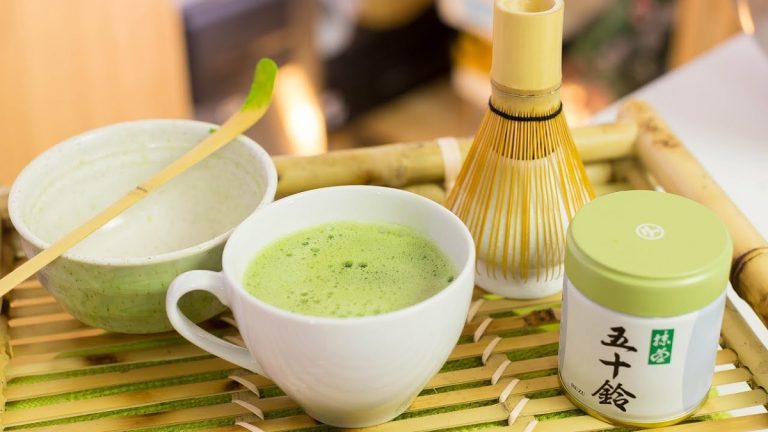
To make matcha tea properly, you’ll need a few essential tools. A small whisk, preferably a bamboo whisk or chasen, helps create smooth, frothy tea. A fine mesh strainer ensures the powder is lump-free. A bowl or cup that allows room for whisking is ideal.
Using a whisk and strainer improves texture and flavor, preventing clumps and creating the signature frothy layer. While traditional tools enhance authenticity, a handheld frother or small spoon can also work for convenience. Proper equipment ensures a smooth, enjoyable matcha experience.
What Type Of Matcha Powder Should You Use?
High-quality matcha is essential for a flavorful, vibrant cup. Ceremonial-grade matcha is ideal for drinking due to its smooth, sweet flavor and bright green color. Culinary-grade matcha is better suited for baking or cooking because it can taste bitter.
Choosing ceremonial-grade matcha allows you to enjoy maximum antioxidants, amino acids, and chlorophyll. The powder should be fresh, vibrant green, and finely ground for best results. High-quality matcha improves both flavor and health benefits, making your preparation more enjoyable and effective.
How Much Matcha And Water Should You Use?
The right ratio is key for balanced flavor. Typically, use ½ to 1 teaspoon of matcha powder for 2–3 ounces of water. Using too much powder can make the tea bitter, while too little results in a weak, bland flavor.
Water temperature should be between 160°F and 175°F (70°C–80°C) for hot tea. Cold preparations require chilled water and extra whisking or shaking to dissolve the powder fully. Proper measurement ensures a smooth, flavorful cup that highlights matcha’s natural sweetness and umami notes.
How Do You Whisk Matcha Tea Properly?
Whisking matcha is essential for smooth texture and frothy appearance. Start by mixing a small amount of water with the powder to form a paste, preventing lumps. Then, use a zigzag “M” or “W” motion to whisk until light froth forms.
Gradually add the remaining water while whisking to achieve a uniform texture. Proper whisking incorporates air, creating a creamy, visually appealing layer. Practicing the technique ensures a smooth, well-balanced cup with consistent flavor and froth every time.
Can You Customize Matcha Tea Flavors?
Yes, matcha can be customized to suit your taste. You can add natural sweeteners like honey, agave, or maple syrup to balance bitterness. Milk or plant-based alternatives create creamy lattes, while vanilla, cinnamon, or citrus zest enhances flavor complexity.
Cold matcha preparations can include ice, milk, or blended fruits for refreshing variations. Customizations let you enjoy matcha in multiple forms without overpowering its natural earthy and umami flavors. Thoughtful adjustments make every cup enjoyable and personalized.
How Should You Serve And Enjoy Matcha Tea?
Serving matcha properly enhances both taste and experience. Hot matcha is best enjoyed immediately after preparation to preserve froth and aroma. Cold or iced matcha should be served shortly after whisking to maintain smooth texture and vibrant color.
Mindful sipping allows you to appreciate the earthy, slightly sweet flavor. Using a wide bowl or clear glass enhances aroma and visual appeal. Pairing with light snacks or enjoying in a calm setting creates a restorative, mindful tea ritual that goes beyond just drinking a beverage.
Final Thoughts
Preparing matcha tea at home can turn a simple drink into a calming, health-boosting ritual. By focusing on quality matcha powder, the right tools, and proper technique, you can achieve a smooth, frothy cup that rivals café-quality beverages. Attention to detail, like sifting the powder and whisking carefully, ensures you get the full flavor and vibrant green color in every serving.
Learning how to make matcha tea allows you to customize your drink to suit your taste. You can adjust strength, sweetness, or even add plant-based milk for creamy lattes. Cold or iced versions are also easy to prepare, offering refreshing alternatives while preserving antioxidants and natural flavors.
Mastering how to make matcha tea takes practice but is rewarding. With consistent technique, you can enjoy a perfect cup every time, benefiting from matcha’s antioxidants and rich, earthy flavor while creating a mindful, enjoyable experience.