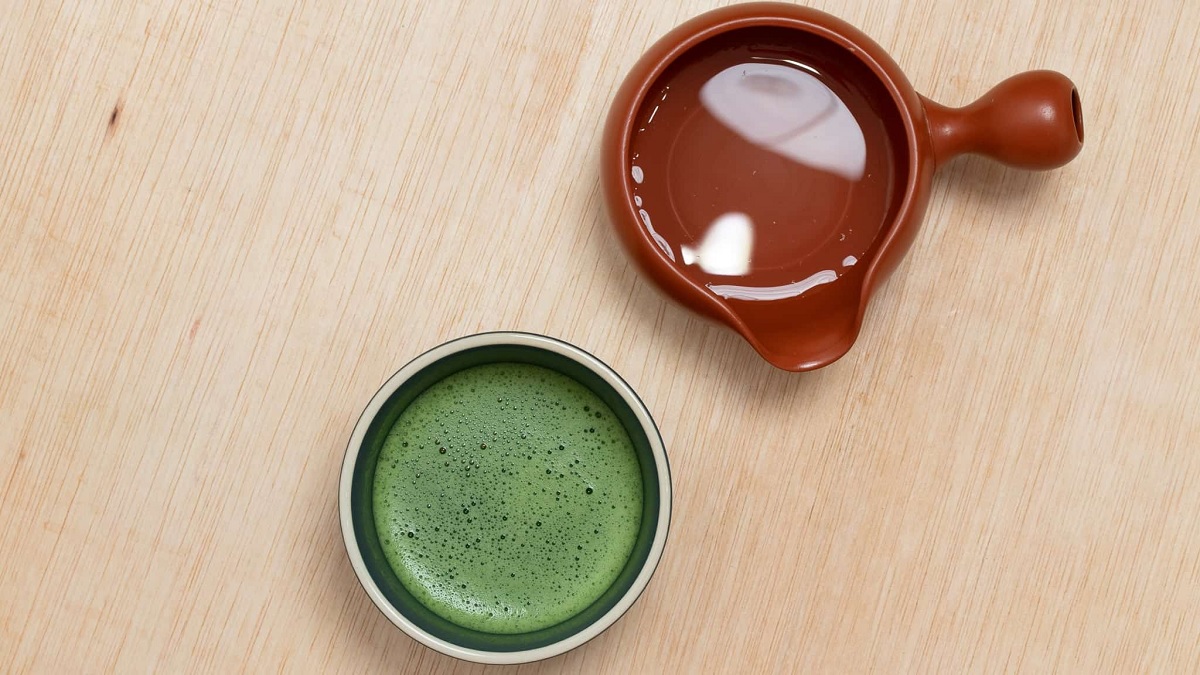
Can You Make Matcha With Cold Water? Tips for Smooth and Refreshing Matcha
Making matcha is often associated with hot water and traditional whisking, but there’s growing curiosity about cold preparation methods. Cold matcha offers a refreshing alternative, especially for warm weather or iced beverages, while still delivering the vibrant green color, earthy flavor, and health benefits matcha is known for. It’s a convenient way to enjoy matcha without heating water or waiting for it to cool.
People often wonder can you make matcha with cold water and achieve the same smooth, lump-free texture as traditional hot preparation. The challenge lies in dissolving the finely ground powder evenly, as cold liquids don’t break down matcha as quickly as hot water does. With the right technique and tools, you can create a balanced, creamy matcha drink that’s both flavorful and visually appealing.
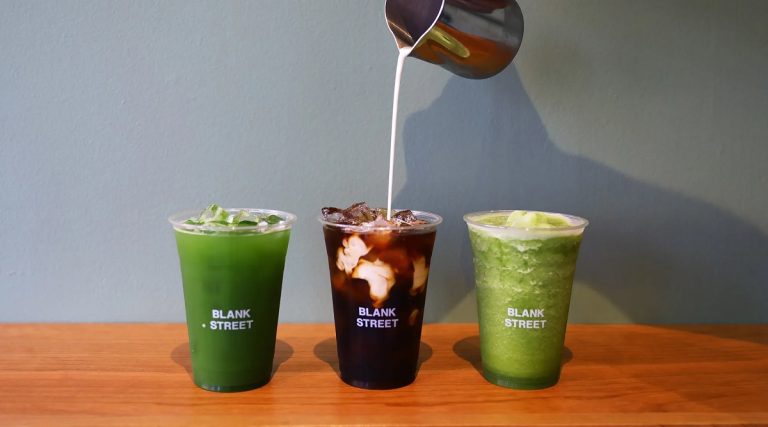
Cold matcha is ideal for iced lattes, smoothies, and simple refreshing drinks. By whisking or blending carefully, you can achieve a smooth, frothy texture that highlights matcha’s natural sweetness and umami flavor.
Step-By-Step Cold Water Preparation To Make Matcha
Making matcha with cold water is a refreshing way to enjoy this vibrant green tea, especially during warm weather or for iced beverages. While traditional matcha preparation relies on hot water, cold water methods can deliver smooth, flavorful results without heating. The key is understanding the proper technique, equipment, and mixing methods to avoid clumps while maximizing taste and texture.
Selecting the Right Matcha Powder
The first step in preparing matcha with cold water is choosing the right powder. High-quality or ceremonial-grade matcha is preferred because it dissolves more easily, tastes smoother, and has a naturally vibrant green color. Lower-quality culinary matcha may be more bitter or gritty, making it less suitable for cold preparation.
Sifting the matcha powder is essential to prevent clumps. Use a fine mesh strainer to remove lumps before mixing with liquid. This ensures a smooth consistency and a visually appealing result. Using the right powder and properly sifting it sets the foundation for a flavorful and enjoyable cold matcha drink.
Measuring Matcha and Water Proportions
Accurate measurement of matcha and water is crucial for taste and texture. Typically, ½ to 1 teaspoon of matcha powder works well for 6–8 ounces of cold water. Too much powder can result in a strong, earthy flavor, while too little may taste weak or diluted.
Cold water does not dissolve matcha as quickly as hot water, so creating a paste first is helpful. Add a small amount of cold water to the sifted matcha and whisk or stir thoroughly until smooth. This step ensures that the powder is evenly dispersed before combining it with the rest of the water, preventing clumps and maintaining vibrant color.
Whisking and Mixing Techniques
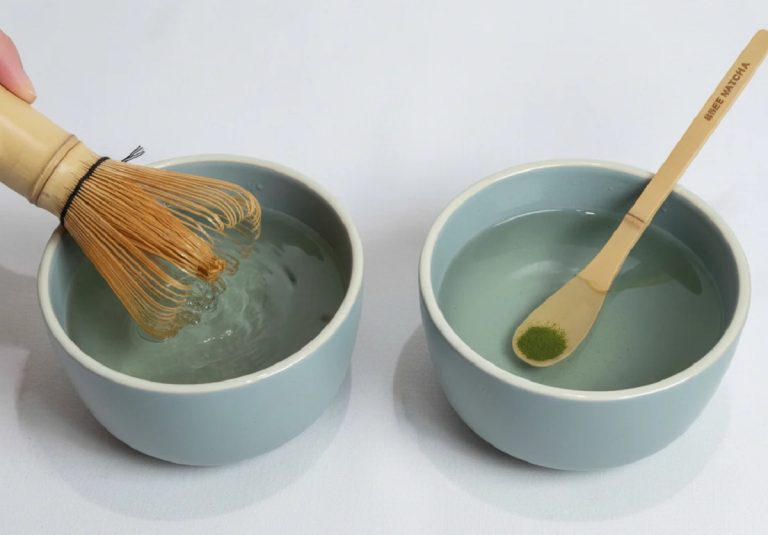
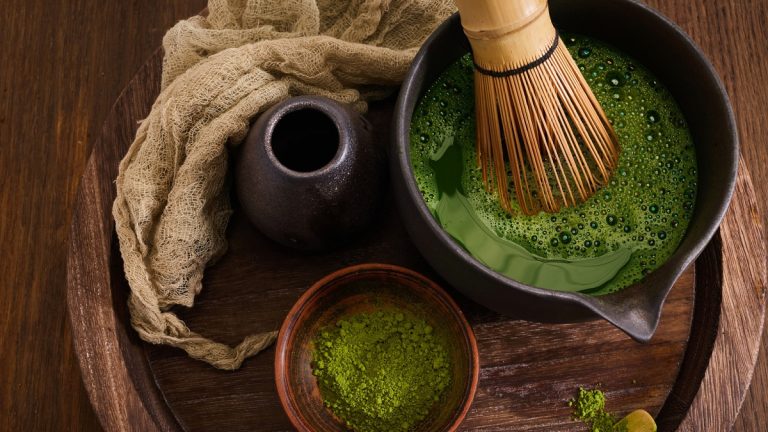
Whisking is critical for achieving smooth, lump-free matcha in cold water. A bamboo whisk, small regular whisk, or handheld frother works best for this process. Begin by whisking the matcha paste vigorously in a back-and-forth motion until it becomes fully dissolved and slightly frothy.
Once the paste is smooth, gradually add the remaining cold water while continuing to whisk. For larger servings, shaking the matcha and water in a jar or blending in a shaker bottle can also create a well-mixed and frothy texture. Whisking or shaking thoroughly ensures even distribution of flavor and maintains the bright green hue.
Proper mixing also incorporates a small amount of air, which helps prevent sediment from settling at the bottom. This technique is key to creating a balanced, refreshing matcha drink that is smooth, vibrant, and enjoyable.
Optional Sweeteners and Flavor Enhancements
Cold matcha is slightly more bitter than hot-prepared matcha, so adding sweeteners can enhance its flavor. Natural sweeteners like honey, agave, maple syrup, or simple syrup blend well with cold matcha and dissolve easily if added to the paste before mixing with water.
Flavor enhancements like vanilla, almond, or coconut extracts can also be added for a unique twist. Citrus zest or a small squeeze of lemon can brighten the drink without overpowering the natural umami. Sweeteners and flavor enhancers allow you to customize your cold matcha while keeping it smooth and visually appealing.
Serving and Presentation Tips
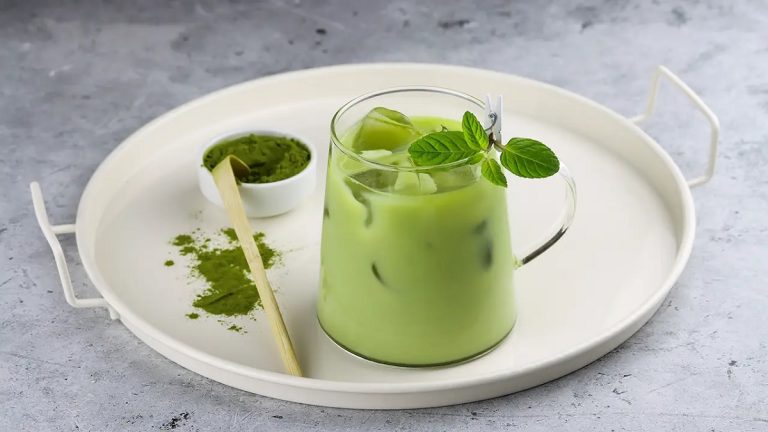
Serving cold matcha properly enhances the drinking experience. Pour the prepared matcha into a glass filled with ice for a refreshing iced beverage. Stir gently before drinking to maintain an even flavor and texture. For a visually appealing touch, you can add a frothy layer on top using a small amount of frothed milk or cream.
Cold matcha can also be served in clear glasses to showcase its vibrant green color. Adding a garnish, such as a sprinkle of matcha powder or a citrus slice, elevates the presentation. Drinking immediately after preparation ensures the flavor, color, and texture remain at their best. Proper serving techniques complete the cold water matcha experience, making it enjoyable, refreshing, and visually striking.
Tips for Enhancing Flavor
Even with high-quality matcha, subtle adjustments can elevate its taste and make your drinks more enjoyable. From balancing bitterness to adding complementary flavors, small tweaks in preparation, sweetening, and milk selection can transform an ordinary cup into a rich, satisfying experience. These tips help you bring out the natural sweetness and umami of matcha while creating a smooth, well-rounded beverage.
Balancing Bitterness With Sweeteners
Matcha naturally has a slightly earthy and bitter taste, which some people find strong, especially in cold preparations. One of the easiest ways to balance this bitterness is by adding sweeteners. Natural options like honey, agave, maple syrup, or simple syrup blend seamlessly with the matcha while preserving its flavor and aroma.
It’s best to incorporate sweeteners into the matcha paste or liquid before whisking or blending. This ensures even distribution throughout the drink and prevents clumping. You can adjust the sweetness gradually, tasting as you go, to achieve the perfect balance without overpowering matcha’s subtle umami.
Sweeteners can also complement iced beverages, creating a smooth, refreshing flavor profile. By controlling the level of sweetness, you maintain the signature earthy taste while making the drink more accessible to your palate. This technique enhances flavor while keeping the matcha authentic.
Choosing the Right Milk or Milk Alternative
The type of milk you use can greatly influence the flavor and texture of matcha beverages. Whole milk provides a creamy, rich base, while plant-based alternatives like oat, almond, soy, or coconut milk introduce subtle nutty or sweet undertones. Barista-style plant-based milks are ideal because they froth better and create a stable, airy texture.
Experimenting with different milk types allows you to highlight various notes in matcha. Oat milk enhances natural sweetness and smoothness, almond milk adds a mild nutty flavor, and coconut milk gives a tropical twist. Combining milk choice with slight sweetening creates a layered, balanced taste, making the drink more indulgent.
Adjusting the ratio of milk to matcha also affects flavor intensity. Less milk allows the earthy taste to shine, while more milk softens bitterness and provides a creamy mouthfeel. This customization makes your beverage enjoyable while preserving matcha’s natural complexity.
Adding Complementary Flavors and Enhancements
Beyond sweeteners and milk, additional flavor enhancements can elevate your matcha experience. Vanilla extract, almond extract, or a pinch of cinnamon can add warmth and depth to the drink. Citrus zest or a small squeeze of lemon can brighten flavors, balancing matcha’s earthiness without overpowering it.
Layering flavors thoughtfully allows you to enjoy matcha in new ways while preserving its natural qualities. For example, a touch of cocoa powder or chocolate syrup can create a dessert-style beverage, while mint leaves provide a refreshing note for summer drinks. Experimenting with these enhancements helps create unique, visually appealing, and flavorful drinks.
Using these techniques—sweeteners, milk choice, and complementary flavors—enables you to enhance the flavor of your matcha without sacrificing its signature taste. With small adjustments, you can create a smooth, balanced, and enjoyable beverage suited to your preferences.
FAQs
Can You Make Matcha With Cold Water?
Yes, you can make matcha with cold water, and it’s a refreshing alternative to traditional hot preparation. The process requires careful mixing and whisking to ensure the powder dissolves evenly. Start by sifting ½ to 1 teaspoon of matcha into a bowl, then add a small amount of cold water to form a smooth paste.
Once the matcha paste is smooth, gradually whisk in the remaining cold water or shake it in a jar. This method preserves matcha’s vibrant color, natural sweetness, and antioxidants, making it ideal for iced drinks, smoothies, or light, refreshing beverages.
How Do You Prevent Clumps When Using Cold Water?
Clumps are common when preparing matcha with cold water because the powder doesn’t dissolve as quickly as in hot water. To avoid this, sift the matcha powder through a fine mesh strainer before mixing. Then create a smooth paste with a small amount of cold water.
Whisk the paste using a bamboo whisk, handheld frother, or small whisk in a back-and-forth motion. Gradually add the rest of the water while continuing to whisk. This technique ensures smooth consistency, vibrant color, and a lump-free texture, making your cold matcha drink enjoyable and visually appealing.
Can You Sweeten Matcha Cold Water Drinks?
Yes, you can sweeten cold matcha drinks without affecting the foam or texture. Natural sweeteners like honey, agave, maple syrup, or simple syrup work best. Add them to the matcha paste before combining it with cold water to ensure even distribution.
Flavored syrups such as vanilla, caramel, or hazelnut are also excellent choices. Gradually adjust the sweetness to balance matcha’s natural earthy flavor. Sweetened cold matcha pairs well with iced lattes, smoothies, or sparkling water, creating a refreshing and flavorful beverage suitable for any time of day.
What Type Of Matcha Works Best With Cold Water?
High-quality or ceremonial-grade matcha is ideal for cold water preparation. These powders dissolve more easily, maintain vibrant color, and provide a smoother, sweeter taste. Lower-quality culinary matcha may be bitter or gritty and can produce a less appealing texture.
Sifting the powder before mixing is essential regardless of grade. Using premium matcha ensures you experience natural sweetness, umami flavor, and health benefits, even when prepared without hot water. Choosing the right matcha is the first step to making a refreshing, smooth, and flavorful cold beverage.
How Do You Whisk Matcha Properly In Cold Water?
Whisking matcha in cold water requires a slightly different approach than hot preparation. Begin by mixing the matcha powder into a small amount of water to create a paste. Use a bamboo whisk, handheld frother, or small whisk to break up clumps and incorporate air.
Once smooth, gradually add the remaining cold water while continuing to whisk or shake the mixture. Short, brisk strokes or shaking in a jar helps achieve uniform color, small bubbles, and smooth texture. Proper whisking ensures a visually appealing drink and preserves matcha’s signature flavor and vibrant green hue.
Can Cold Water Matcha Be Used For Iced Drinks Or Smoothies?
Absolutely. Cold water matcha is perfect for iced lattes, smoothies, and refreshing beverages. Its smooth consistency and vibrant color allow it to mix well with milk, plant-based alternatives, or juice. Creating a paste first ensures even distribution and prevents clumps in the final drink.
Cold water matcha can also be combined with ice for a refreshing iced matcha drink. Adding sweeteners, flavorings, or milk variations lets you customize beverages according to taste preferences. This method allows you to enjoy matcha’s health benefits and flavor in a light, refreshing way, ideal for warm days or iced creations.
Conclusion
Making matcha with cold water can be a refreshing and convenient way to enjoy this vibrant tea, especially during warm weather or when you want a quick drink. By using the right tools and techniques, you can achieve a smooth, clump-free matcha without the bitterness that sometimes comes from hot water. Sifting the powder, using fresh cold water, and whisking properly are key steps to ensure the best texture and flavor.
Many people often wonder, can you make matcha with cold water and still get the same health benefits? The answer is yes—cold water preserves the antioxidants and amino acids in matcha while giving it a milder, naturally sweet taste. Adjusting the matcha-to-water ratio and gently whisking helps bring out the full flavor without creating lumps or foam.
Ultimately, can you make matcha with cold water depends on patience and technique. With practice, you can create a smooth, delicious, and refreshing matcha drink that’s perfect for iced beverages, smoothies, or even quick energy boosts throughout the day.