Is Dunkin Matcha Healthy? What You Need to Know Before Ordering
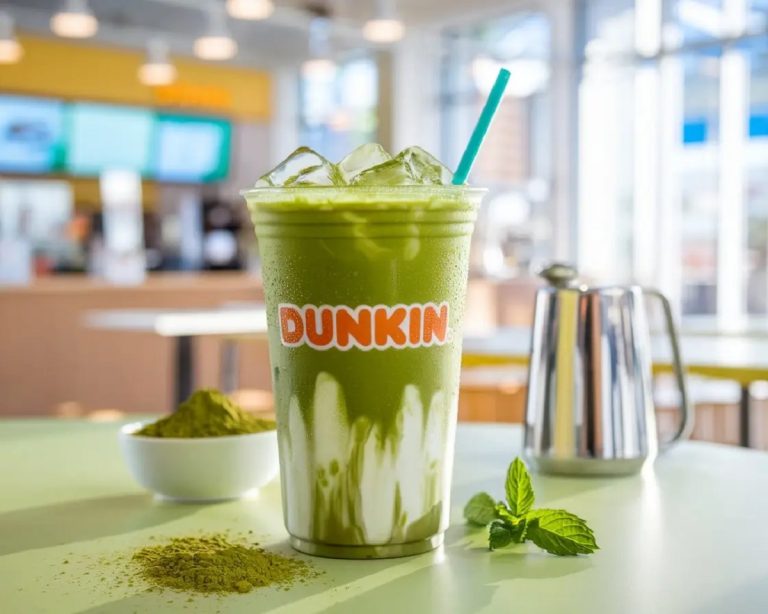
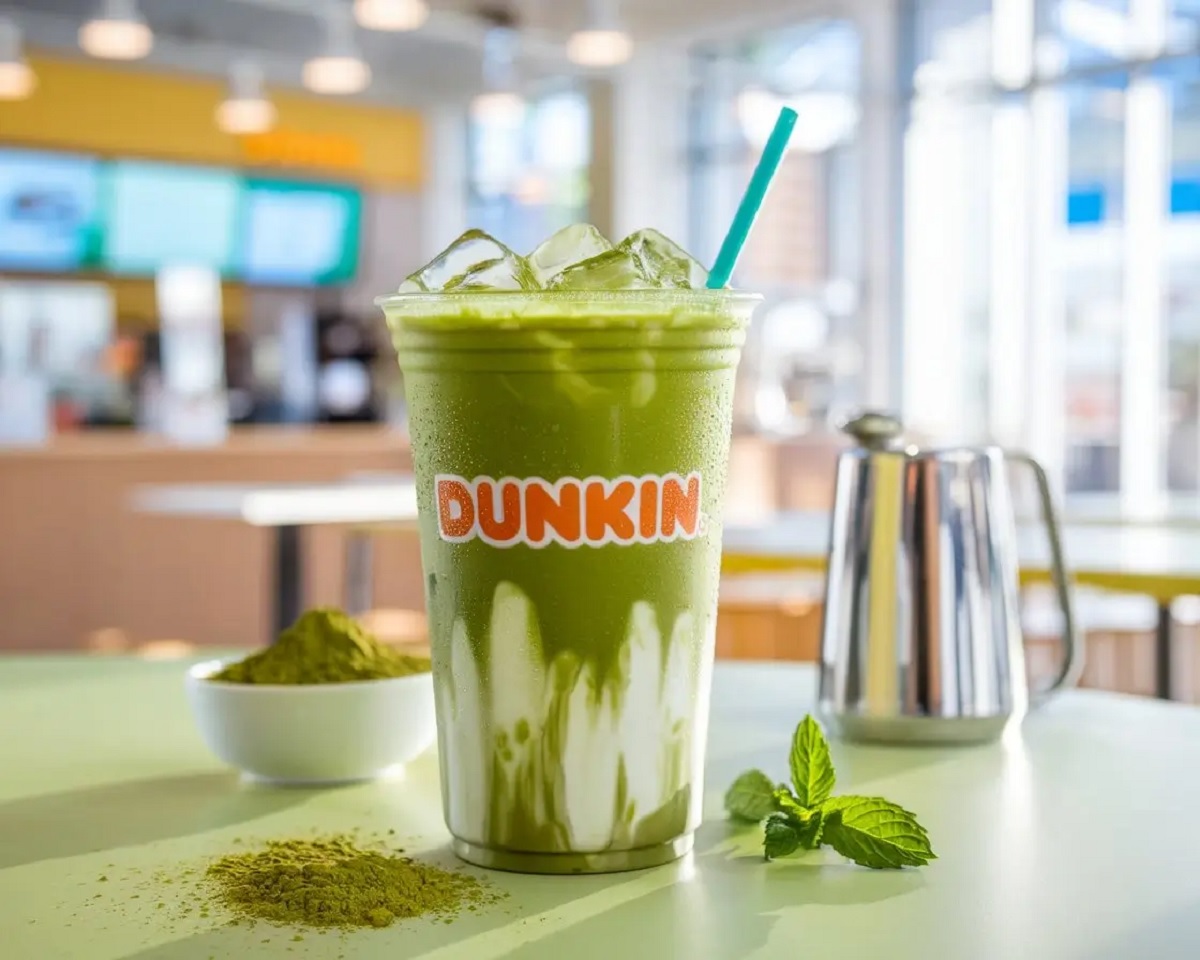
Many people enjoy grabbing a matcha drink from Dunkin’ as a quick, convenient option for a morning pick-me-up or an afternoon treat. With its vibrant green color and smooth, slightly sweet flavor, Dunkin’ matcha drinks have grown in popularity. They offer a trendy way to enjoy matcha without the effort of preparing it at home, but it’s natural to wonder about their nutritional value.
People often ask is Dunkin matcha healthy because matcha is widely known for its antioxidants, amino acids, and potential energy-boosting properties. While the base ingredient—matcha powder—has well-documented health benefits, the overall drink can vary depending on added sugars, milk choices, and flavor syrups.
Understanding the health aspects of Dunkin’ matcha requires looking beyond the appealing color and flavor. Factors like calorie content, sugar levels, and milk alternatives all influence how nutritious the beverage is.
By examining the components and preparation of Dunkin’ matcha drinks, you can determine how they fit into your diet and make informed choices that balance taste, convenience, and health.
Nutritional Breakdown of Dunkin Matcha
Understanding the nutritional content of Dunkin matcha is essential for determining its health value. While matcha powder itself is packed with antioxidants, vitamins, and amino acids, the nutritional profile of Dunkin drinks can vary depending on size, milk type, and added sweeteners. Analyzing calories, sugar, protein, and caffeine content helps you make informed choices and enjoy your beverage responsibly.
Calories and Sugar Content
One of the primary concerns when evaluating Dunkin matcha is its calorie and sugar content. Standard matcha drinks often include flavored syrups or sweeteners, which can significantly increase sugar levels. A medium-sized Dunkin matcha latte can contain anywhere from 50 to 200 calories, depending on milk choice and added sweeteners. Sugar content can range from 10 grams in lighter versions to over 30 grams in sweeter, flavored options.
Excessive sugar intake can impact energy levels, weight management, and overall health, so it’s important to adjust your order according to your dietary preferences. Choosing unsweetened or lightly sweetened versions and opting for lower-fat or plant-based milk alternatives can help reduce calories and sugar while still allowing you to enjoy the matcha flavor. Being mindful of portion sizes and ingredient modifications ensures that your Dunkin matcha fits better into a balanced diet.
Protein and Fat Content
Dunkin matcha drinks also provide varying amounts of protein and fat depending on the milk used. Whole milk adds more fat and slightly higher protein content, while skim milk or almond milk reduces fat but may lower protein levels. A medium matcha latte made with whole milk typically contains around 7–8 grams of protein and 3–5 grams of fat, providing a moderate nutrient boost.
Plant-based alternatives, like oat or soy milk, offer different nutritional benefits. Soy milk adds protein similar to dairy, while oat milk tends to have slightly more carbohydrates and less protein. Understanding how milk choices affect protein and fat content can help you customize your drink to meet your energy needs and dietary goals while still enjoying the creamy texture and smooth flavor of Dunkin matcha.
Caffeine and Antioxidant Content
Matcha is naturally rich in caffeine and antioxidants, and Dunkin matcha retains these benefits to some degree. A medium-sized drink generally contains about 70–80 mg of caffeine, providing a gentle energy boost without the jitters associated with coffee. This makes it a suitable option for those seeking alertness with a smoother, longer-lasting effect.
Antioxidants, particularly catechins, remain present even in prepared drinks. These compounds help combat oxidative stress and support overall health. While the nutritional benefits of matcha are slightly diluted in pre-made beverages compared to pure ceremonial-grade matcha, Dunkin matcha still offers a moderate source of antioxidants along with its flavor and convenience.
By examining calories, sugar, protein, fat, caffeine, and antioxidants, you can understand the nutritional profile of Dunkin matcha. This knowledge allows you to enjoy your drink thoughtfully and make adjustments to fit it into a balanced, health-conscious lifestyle.
Sugar and Sweetener Impact
The sugar and sweeteners added to Dunkin matcha drinks play a major role in their overall health profile. While matcha itself is naturally low in sugar, flavored syrups and added sweeteners can significantly increase calorie content and affect blood sugar levels. Understanding how these ingredients impact taste, nutrition, and energy can help you make smarter choices when ordering or preparing matcha drinks.
Effects of Added Sugar on Health
Added sugar in matcha drinks contributes to higher calorie intake and can affect your overall health if consumed in excess. A standard medium Dunkin matcha latte may contain between 20 to 30 grams of sugar depending on the syrup and flavor used. Frequent consumption of sugary beverages can lead to blood sugar spikes, energy crashes, and potential weight gain over time.
The sweetness of the drink can mask matcha’s natural earthy flavor, making it harder to appreciate its subtle umami notes. To reduce sugar impact, you can opt for lightly sweetened versions or request sugar-free syrups. Moderating added sugar not only benefits overall health but also allows the natural taste and antioxidant properties of matcha to shine.
Sugar Substitutes and Their Effects
Using alternative sweeteners like stevia, monk fruit, or erythritol can significantly reduce sugar content without sacrificing sweetness. These substitutes provide a low-calorie option that minimizes blood sugar spikes, making your matcha drink more suitable for those monitoring their diet or managing diabetes.
However, some sugar substitutes may slightly alter the taste or texture of the drink. Certain sweeteners can leave a subtle aftertaste, while others blend seamlessly with milk or cold water preparations. Choosing the right sweetener allows you to maintain flavor while reducing calorie load and supporting better energy levels.
Balancing Taste and Health
Understanding the impact of sugar and sweeteners helps you balance flavor with health. Adjusting sweetness levels or using alternatives allows you to enjoy a pleasant-tasting matcha beverage without overconsuming calories or sugar. Simple adjustments, like requesting fewer pumps of syrup or combining natural sweeteners with a small amount of sugar, can achieve a satisfying taste while maintaining a more nutritious profile.
Being mindful of sugar and sweetener content empowers you to enjoy Dunkin matcha in a way that aligns with your dietary goals. These decisions affect not only taste but also long-term energy, weight management, and overall health, making moderation and customization key for a healthier matcha experience.
Caffeine Content and Its Effects
Caffeine is a natural component of matcha, and Dunkin matcha drinks contain moderate amounts that can impact energy, alertness, and focus. Unlike coffee, the caffeine in matcha is accompanied by L-theanine, an amino acid that promotes calm and sustained energy. Understanding the caffeine content and its effects helps you choose the right drink for your needs and avoid unwanted side effects.
How Much Caffeine Is In Dunkin Matcha?
A medium Dunkin matcha latte generally contains around 70 to 80 mg of caffeine, depending on size and preparation. This is less than a standard cup of brewed coffee, which typically contains 95 mg of caffeine, making matcha a gentler alternative for energy boosts. The combination of caffeine and L-theanine provides alertness without the jitteriness often associated with coffee.
Because caffeine content varies by beverage size and syrup or milk additions, it’s important to adjust your order if you are sensitive to stimulants. A smaller drink or reduced-syrup version can deliver a moderate energy lift while keeping caffeine intake in check. This makes Dunkin matcha a convenient and balanced option for daily consumption.
Effects of Caffeine From Matcha
The caffeine in matcha affects the body differently than coffee due to its slow release. L-theanine works synergistically with caffeine to promote a calm, focused alertness, reducing sudden energy spikes and crashes. This makes matcha ideal for sustained concentration, whether during work, study, or daily activities.
Some people may still experience mild side effects such as increased heart rate, restlessness, or difficulty sleeping if consumed in large amounts. For most individuals, moderate intake of Dunkin matcha provides a smooth, energizing effect that supports mental clarity without over-stimulation.
Tips for Managing Caffeine Intake
To enjoy Dunkin matcha responsibly, consider timing and portion size. Consuming matcha earlier in the day helps prevent sleep disturbances, while choosing smaller sizes or fewer pumps of syrup can reduce caffeine and sugar simultaneously. Combining caffeine awareness with mindful consumption allows you to enjoy matcha’s energizing benefits while maintaining balanced alertness and focus.
Understanding caffeine content and its effects empowers you to make informed choices. Dunkin matcha provides a moderate, sustained energy boost paired with calm focus, making it a versatile alternative to coffee for those seeking a flavorful, functional beverage.
Antioxidant Benefits of Matcha
Matcha is celebrated for its high antioxidant content, which plays a vital role in supporting overall health. The finely ground tea leaves used in matcha contain concentrated levels of catechins, particularly epigallocatechin gallate (EGCG), which help combat oxidative stress. Regular consumption of matcha, including beverages like Dunkin matcha, can provide both health benefits and enhanced wellness through its rich antioxidant profile.
Understanding Antioxidants in Matcha
Antioxidants are compounds that protect the body from free radicals—unstable molecules that can damage cells and contribute to aging and chronic diseases. Matcha stands out because you consume the whole tea leaf, not just an infusion, meaning you get higher levels of antioxidants compared to regular green tea. EGCG, the most potent catechin in matcha, has been studied for its ability to reduce inflammation, support heart health, and even aid in metabolism.
The concentration of antioxidants in matcha can vary depending on quality and preparation. High-grade matcha typically contains more EGCG and chlorophyll, contributing to its vibrant green color and robust flavor. Even when incorporated into beverages like lattes or iced drinks, matcha retains a significant portion of its antioxidant content, providing a simple and convenient way to incorporate these compounds into your daily routine.
Health Benefits Linked to Antioxidants
Consuming matcha regularly offers several potential health benefits due to its antioxidants. These compounds help neutralize free radicals, reducing oxidative stress and supporting overall cellular health. Antioxidants in matcha may also contribute to improved cardiovascular health, as they can help lower cholesterol and reduce the risk of inflammation-related issues.
Additionally, EGCG has been associated with supporting metabolism and fat oxidation, making matcha a popular choice for those seeking functional beverages. Its antioxidants also promote skin health by protecting cells from environmental damage, helping maintain a youthful appearance. While individual results may vary, incorporating matcha into a balanced diet can enhance overall wellness.
Maximizing Antioxidant Intake
To get the most antioxidants from matcha, preparation and quality are key. Using high-grade matcha powder and minimizing heat exposure during preparation can preserve its beneficial compounds. Cold preparations, lattes with minimal heat, or careful mixing in beverages like Dunkin matcha drinks allow you to enjoy both taste and nutrients.
Pairing matcha with foods rich in vitamin C can enhance antioxidant absorption. For example, adding a splash of citrus or combining matcha with fruits in smoothies can increase bioavailability and maximize the health benefits. Mindful preparation ensures you receive the full potential of matcha’s protective and energizing properties.
Incorporating Matcha Into Daily Life
Incorporating matcha into your routine is simple and versatile. From traditional tea to lattes, iced drinks, and smoothies, matcha provides a convenient way to boost antioxidant intake while enjoying a flavorful beverage. Choosing high-quality matcha and mindful preparation methods ensures you benefit from its concentrated catechins, supporting cellular health, energy, and overall well-being.
Regular consumption of matcha can complement a healthy lifestyle, offering both functional and flavorful benefits. By understanding and maximizing its antioxidant properties, you can make matcha a nourishing and enjoyable part of your daily diet.
People Also Asked
Is Dunkin Matcha Healthy For Daily Consumption?
You might enjoy Dunkin matcha regularly, but its healthiness depends on how often you consume it and the version you choose. Many Dunkin matcha drinks contain high sugar levels, which can affect blood sugar, weight management, and dental health if consumed daily.
Choosing unsweetened or lightly sweetened options and balancing it with a healthy diet makes it more suitable for regular consumption. Drinking it occasionally as a treat while maintaining a balanced lifestyle ensures you enjoy its flavor without overloading on sugar or calories.
How Much Sugar Is In Dunkin Matcha Drinks?
Dunkin matcha drinks can have surprisingly high sugar content, especially in flavored lattes or frappes. A standard medium matcha latte can contain 30–40 grams of sugar, which is above the daily recommended intake for many adults.
If you want to enjoy Dunkin matcha while keeping sugar low, opt for unsweetened versions, request fewer pumps of syrup, or choose sugar alternatives. Being mindful of sugar content helps maintain energy balance and reduces the risk of sugar-related health issues.
Does Dunkin Matcha Provide Antioxidants Like Regular Matcha?
Yes, Dunkin matcha contains antioxidants, particularly catechins, which can help fight free radicals in your body. However, the health benefits may be partially offset by added sugars and flavored syrups.
If you want maximum antioxidant benefits, consider ordering a lightly sweetened or unsweetened version and pairing it with milk that adds nutritional value without excess sugar. This way, you can still enjoy the benefits of matcha while minimizing negative effects.
Is Dunkin Matcha Safe For People Sensitive To Caffeine?
Dunkin matcha contains caffeine, though less than coffee, so it can affect those who are caffeine-sensitive. Consuming it later in the day may interfere with sleep or cause jitters in some individuals.
If you are sensitive, you can opt for smaller sizes or limit it to early in the day. You can also monitor how your body reacts to matcha drinks and adjust consumption accordingly to enjoy the flavor without unwanted side effects.
Can You Make Dunkin Matcha Healthier?
Yes, you can make Dunkin matcha healthier by customizing your order. Choose unsweetened or lightly sweetened options, select non-dairy milk like oat or almond, and skip extra syrups or toppings.
These small changes significantly reduce calories, sugar, and fat while keeping the natural antioxidants from matcha. By customizing, you can enjoy Dunkin matcha in a way that fits your health goals without completely giving up the indulgent taste.
Does Dunkin Matcha Help With Weight Management?
Dunkin matcha can be part of a balanced diet, but the added sugar and calories in some drinks may make weight management more challenging. Consuming high-sugar versions frequently can contribute to unwanted calorie intake.
To benefit from matcha’s metabolism-boosting antioxidants without excess calories, choose unsweetened or lightly sweetened drinks. Pairing it with a healthy diet and active lifestyle allows you to enjoy matcha without compromising your weight or health goals.
Final Words
Dunkin matcha can be a convenient and enjoyable way to incorporate the benefits of matcha into your routine, but its health value depends on how it’s prepared. While matcha itself is rich in antioxidants, amino acids, and moderate caffeine, the addition of sweeteners, syrups, and certain milk choices can significantly impact calories, sugar content, and overall nutritional value.
When considering is Dunkin matcha healthy, it’s important to look at customization options. Choosing unsweetened or lightly sweetened drinks, opting for lower-fat or plant-based milk, and controlling portion sizes can help you enjoy the beverage while minimizing sugar and calories. These adjustments allow you to retain matcha’s natural benefits, including sustained energy, antioxidants, and a smooth, earthy flavor.
Ultimately, Dunkin matcha can fit into a balanced lifestyle when consumed mindfully. By paying attention to ingredients and preparation, you can enjoy a flavorful, energizing, and moderately nutritious drink that complements your health goals without compromising taste or convenience.