
How to Make a Hot Matcha Latte: Step-by-Step Guide for a Creamy Perfect Cup
Making a warm, comforting cup of matcha latte is a simple yet rewarding ritual that combines the earthy flavors of green tea with creamy milk. For many, learning how to make a hot matcha latte at home transforms an ordinary morning into a moment of calm and indulgence. The process allows you to control sweetness, milk type, and the intensity of the matcha, creating a personalized beverage experience.
High-quality matcha powder is essential to achieving the rich green color and smooth, velvety flavor that defines a perfect latte. The powder’s natural sweetness and umami are highlighted when properly whisked with water, forming a base that blends beautifully with steamed milk.
Choosing your milk or milk alternative further enhances flavor and texture, making the latte creamy and balanced. A hot matcha latte is versatile, allowing you to enjoy it plain, lightly sweetened, or with subtle flavor additions like vanilla or cinnamon.
Mastering this simple technique gives you the ability to create a café-style matcha experience at home, saving time while indulging in a rich, antioxidant-packed beverage. It’s not just a drink, but a mindful and comforting ritual you can enjoy daily.
Step-By-Step Preparation To Make A Hot Matcha Latte
A hot matcha latte is a delightful blend of earthy green tea and creamy milk, perfect for mornings, afternoons, or a relaxing evening. Creating this beverage at home allows you to adjust sweetness, milk type, and matcha intensity, ensuring every cup suits your taste. With a few essential tools and quality ingredients, making a café-style matcha latte is simple, enjoyable, and rewarding.
Selecting Quality Matcha Powder
The first step in making a hot matcha latte is choosing high-quality matcha powder. Ceremonial-grade matcha is ideal because it comes from the youngest tea leaves, offering a vibrant green color, natural sweetness, and smooth umami flavor. Lower-grade or culinary matcha can be used for mixed drinks, but the taste may be slightly more bitter.
Freshness is critical. Matcha exposed to air, heat, or light loses flavor and develops a dull color. Store your powder in an airtight container in a cool, dark place to maintain its quality. Using fresh, vibrant matcha ensures a smooth, creamy latte with naturally sweet undertones. Even small differences in quality significantly affect both taste and texture, so investing in a good powder is essential for an enjoyable latte.
Selecting the right amount of matcha powder is also important. Typically, one to two teaspoons per cup produces a balanced flavor, but personal preference allows you to adjust intensity. This step lays the foundation for a delicious latte.
Preparing the Matcha Base
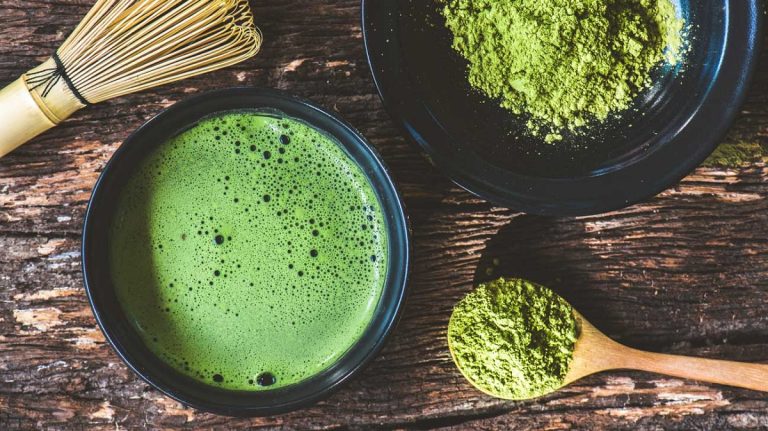
Preparing the matcha base is the next critical step. Start by sifting the powder to remove any clumps, ensuring a smooth texture when whisked. Add about 2 ounces of hot water, ideally around 160–175°F (70–80°C), which is warm enough to dissolve the powder without making it bitter.
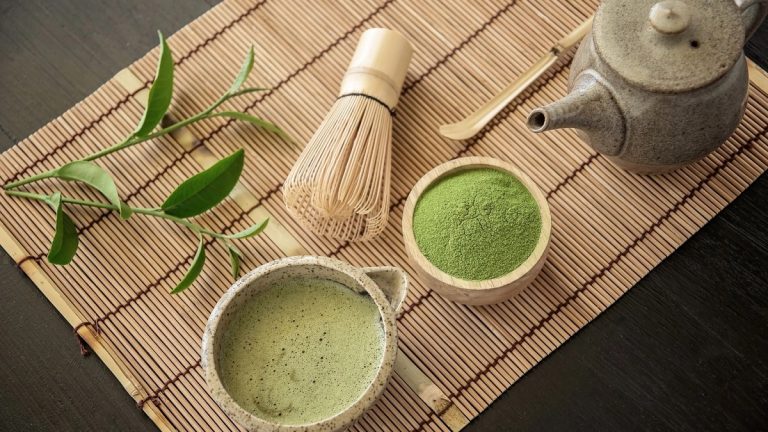
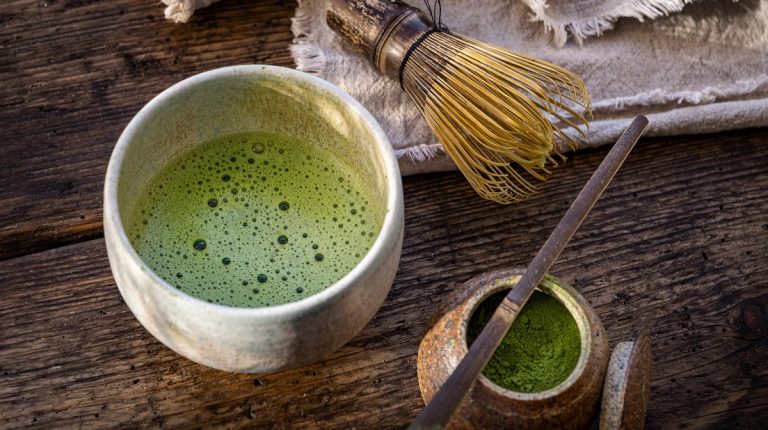
Whisk the matcha using a bamboo whisk in a zigzag or “M” motion until it becomes frothy and smooth. Proper whisking releases the natural sweetness and umami flavors while creating a creamy, even texture. Avoid stirring in a circular motion, as it may not fully aerate the powder, leaving small clumps behind.
This base is essential for a well-balanced latte. A well-prepared matcha base ensures the tea integrates smoothly with milk, enhancing both flavor and mouthfeel. Taking time with this step prevents bitterness and maximizes the natural sweetness of the matcha powder. Proper base preparation is the key to a smooth, vibrant latte.
Steaming and Frothing Milk
Steaming or frothing milk is a crucial step in creating a creamy hot matcha latte. Heat your milk or milk alternative gently until warm, but avoid boiling, as high heat can alter texture and flavor. Steamed milk should feel slightly thick and silky, enhancing the matcha’s flavor rather than overpowering it.
Frothing the milk using a frother or whisk adds a light, airy texture that balances the tea’s earthy notes. Oat milk, almond milk, or cow’s milk are popular choices, each bringing subtle flavor differences. Oat milk enhances natural sweetness, while almond milk adds a nutty undertone, complementing the matcha base.
Pour the frothed milk slowly into the matcha base, creating a harmonious blend. Gently stir or tilt the cup to mix evenly, ensuring the latte is creamy and well-balanced. The milk’s texture and temperature play a critical role in highlighting the matcha’s flavor and enhancing sweetness naturally.
Sweetening and Flavor Enhancements
Enhancing a hot matcha latte with natural sweetness or subtle flavorings is optional but can elevate the experience. Natural sweeteners like honey, maple syrup, or agave blend well with matcha, bringing out its inherent sugar notes without overpowering the taste.
You can also experiment with flavors such as vanilla, cinnamon, or nutmeg. A few drops of vanilla extract or a sprinkle of cinnamon can add warmth and complexity, making the latte feel indulgent and comforting. These additions should be subtle to complement rather than mask matcha’s delicate earthy and umami flavors.
For a minimalist approach, focus on matcha quality and milk selection. High-quality matcha paired with creamy milk often requires no sweeteners, as its natural flavor is satisfying and rich. Small adjustments in flavorings or sweeteners allow you to create a personalized latte tailored to your preferences.
Serving and Presentation
Presentation enhances the enjoyment of a hot matcha latte. Pour the latte into a pre-warmed cup to retain heat longer. You can create latte art by gently pouring frothed milk over the matcha, forming hearts or leaf patterns, adding visual appeal to the drink.
Serving immediately ensures optimal flavor and texture, as the froth is at its creamiest and the matcha’s aroma is most pronounced. Pairing your latte with a light snack or a cozy setting enhances the experience. The combination of vibrant green tea, creamy milk, and gentle sweetness makes this beverage a comforting ritual.
By carefully following each preparation step, you can consistently create a hot matcha latte that is smooth, naturally sweet, and balanced. Each stage, from powder selection to serving, contributes to a satisfying café-quality experience in the comfort of your home.
Flavor Variations
Hot matcha lattes offer a versatile base for exploring a wide range of flavors beyond the traditional earthy and sweet notes. By experimenting with different ingredients, spices, and milk options, you can create unique versions of this classic beverage. Understanding how various flavors complement matcha enhances the drinking experience and allows you to enjoy new taste dimensions with every cup.
Vanilla and Cinnamon Matcha Latte
Adding vanilla and cinnamon to a hot matcha latte creates a warm, comforting flavor profile that balances the tea’s natural bitterness. Vanilla enhances the subtle sweetness of matcha, while cinnamon adds a mild spice and aromatic richness, making the drink feel indulgent without overpowering the green tea.
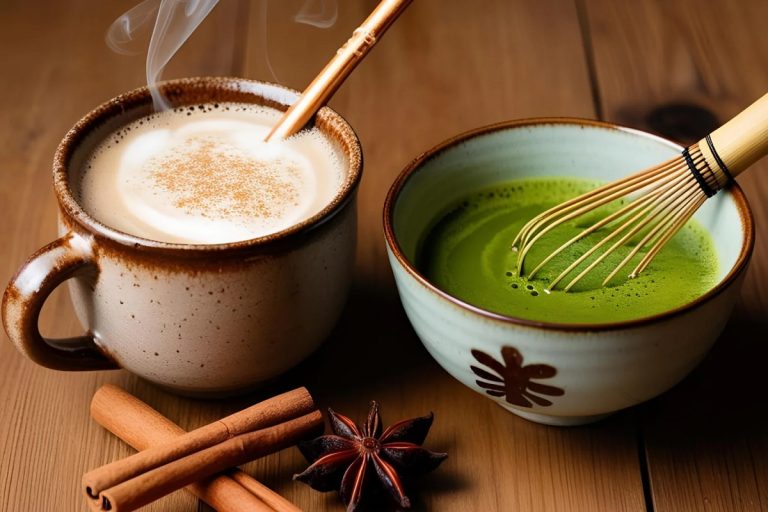
To prepare this variation, whisk matcha with hot water as usual, then steam your choice of milk with a few drops of vanilla extract. Sprinkle a pinch of cinnamon on top or stir it directly into the latte. The combination produces a creamy, smooth texture with layered flavors that complement the tea’s natural umami.
This version works particularly well in colder months, offering a cozy and aromatic beverage. The warm spice and sweet vanilla notes create a well-rounded latte that is both soothing and flavorful. Adjusting the vanilla or cinnamon levels allows you to tailor the intensity, ensuring each cup is customized to your preference.
Matcha Latte with Coconut or Almond Milk
Using alternative milk options like coconut or almond milk introduces subtle nutty or tropical flavors to your hot matcha latte. Coconut milk adds a creamy texture with a hint of natural sweetness, while almond milk contributes a mild, nutty undertone that complements matcha’s earthy taste.
To make this variation, whisk high-quality matcha with hot water and combine it with steamed coconut or almond milk. Lightly froth the milk to enhance creaminess and allow the flavors to blend harmoniously. These milk alternatives not only provide a unique flavor but also cater to dietary preferences, including vegan and lactose-free options.
This variation is ideal for drinkers looking to explore non-dairy flavors without sacrificing richness or sweetness. The nutty or tropical notes balance matcha’s natural bitterness, creating a layered, enjoyable taste. Adjust the milk ratio or try combining coconut and almond milk for a customized flavor experience.
Honey or Maple Sweetened Matcha Latte
Incorporating natural sweeteners like honey or maple syrup adds a gentle, complementary sweetness to your hot matcha latte. These ingredients enhance the tea’s inherent sugar notes while introducing subtle flavors that enrich the overall taste.
Whisk matcha with hot water, then mix in steamed milk along with your preferred sweetener. Honey imparts a floral, earthy sweetness that pairs beautifully with matcha’s grassy undertones, while maple syrup adds a rich, caramel-like flavor that elevates the latte’s complexity. Both options provide a healthier alternative to refined sugar.
This variation works well for those who enjoy a slightly sweeter latte while maintaining balance with matcha’s natural flavors. Adjust the amount of honey or maple syrup to achieve your desired sweetness level, creating a drink that is both indulgent and nuanced. The natural flavors enhance the overall aroma and mouthfeel of the latte.
Chocolate or Mocha Matcha Latte
Combining matcha with chocolate or cocoa powder produces a unique mocha-like flavor that blends earthy, bitter, and sweet notes. This variation creates a rich, dessert-inspired beverage that is both comforting and energizing.
To prepare, whisk matcha with a small amount of hot water and then stir in steamed milk along with cocoa powder or a few drops of chocolate syrup. The creamy milk balances the bitterness of both matcha and chocolate, while the cocoa adds depth and sweetness. This combination is perfect for those seeking a decadent, flavorful drink with a modern twist.
The chocolate matcha latte allows for experimentation with milk types, sweeteners, and cocoa levels, creating a variety of flavor profiles. It’s an excellent choice for anyone who enjoys layered tastes, combining the health benefits of matcha with the indulgent pleasure of chocolate.
Tips For The Perfect Latte Every Time
Creating the perfect hot matcha latte is about more than just mixing tea and milk. Attention to detail in preparation, ingredient quality, and technique ensures a smooth, flavorful, and visually appealing beverage every time. By following key tips, you can consistently make lattes that highlight matcha’s natural sweetness, creamy texture, and umami notes. These strategies help you replicate café-quality results at home with ease.
Use High-Quality Matcha and Fresh Ingredients
The foundation of a perfect latte starts with high-quality matcha powder. Ceremonial-grade matcha is ideal because it delivers vibrant green color, subtle sweetness, and a smooth umami flavor. Freshness is also critical; matcha loses flavor and aroma when exposed to air, light, or heat for extended periods. Store your powder in an airtight container in a cool, dark place to preserve its taste.
Fresh milk or milk alternatives are equally important. Creamy, slightly sweet milk enhances the natural flavors of matcha and produces a smooth texture. Plant-based options like oat, almond, or soy milk provide unique undertones and cater to dietary preferences. Using quality ingredients ensures that each latte begins with a strong flavor foundation.
Even the water used matters. Filtered or soft water prevents unwanted mineral flavors that could alter taste, allowing the matcha and milk to shine. By combining fresh, high-quality ingredients, you create a base that makes preparation easier and more enjoyable.
Master Whisking and Frothing Techniques
Whisking matcha properly is essential for a smooth, lump-free latte. Sift the powder first to remove clumps, then whisk it with hot water at about 160–175°F (70–80°C) using a bamboo whisk. A zigzag or “M” motion helps aerate the powder, creating a frothy, creamy texture. Avoid stirring in circular motions, which may leave clumps or uneven texture.
Steaming or frothing milk is equally important. Warm milk gently to avoid scorching, and froth it until slightly thick and silky. Proper froth enhances mouthfeel, balances matcha’s earthy bitterness, and allows sweetness to come forward naturally. Pour milk slowly into the matcha base, tilting the cup to mix flavors evenly.
Experimenting with whisking speed, milk temperature, and froth consistency helps you find the perfect combination for your taste preferences. These techniques ensure every latte has a smooth, creamy texture and well-balanced flavor.
Adjust Sweetness and Flavor Enhancements
Fine-tuning sweetness is key to a perfect latte. High-quality matcha often has natural sweetness, so minimal added sugar may be necessary. Natural sweeteners like honey, maple syrup, or agave complement the tea’s flavors without overpowering them.
You can also enhance your latte with subtle flavorings such as vanilla, cinnamon, or nutmeg. These additions should be light, allowing matcha’s earthy and umami notes to remain the focus. Adjust the amount of sweetener or flavoring gradually to achieve the right balance.
By controlling sweetness and flavor carefully, each latte maintains harmony between creamy milk, vibrant matcha, and natural sugar notes. This creates a consistently enjoyable, café-quality experience at home.
People Asked Questions
What Type Of Matcha Should I Use To Make A Hot Matcha Latte?
The type of matcha you choose greatly influences the flavor of your latte. Ceremonial-grade matcha is ideal because it comes from young, tender leaves, offering a vibrant green color, smooth texture, and natural sweetness. Culinary-grade matcha works well for recipes, but its stronger bitterness may require extra sweeteners to balance the flavor.
Freshness is also important. Matcha loses its aroma and vibrant taste when exposed to air or light for too long. Using high-quality, fresh matcha ensures your hot latte has a creamy texture and balanced earthy and sweet flavors.
What Is The Best Water Temperature For A Hot Matcha Latte?
Water temperature plays a crucial role in preserving the natural sweetness of matcha. Use water around 160–175°F (70–80°C) to dissolve the powder without bringing out excessive bitterness. Water that’s too hot can scorch the tea, resulting in a harsh flavor.
Using filtered or soft water can also improve taste, as minerals in hard water may alter the flavor. Adding water at the correct temperature ensures that the matcha’s umami and gentle sweetness are fully released, creating a smooth base for your latte.
How Much Matcha Powder Should I Use For One Latte?
Typically, one to two teaspoons of matcha powder per cup is ideal. Using too little may result in a weak, bland flavor, while too much can produce a bitter, overpowering latte. Adjust the amount depending on your personal taste preference.
Starting with a standard measurement allows you to balance the intensity of matcha with milk or milk alternatives. Once you find your preferred ratio, you can consistently create a latte that highlights the natural sweetness, earthy notes, and creamy texture of the tea.
How Should I Whisk Matcha For A Smooth Latte?
Proper whisking ensures a smooth, lump-free matcha base. Start by sifting the powder to remove clumps, then whisk it with hot water in a zigzag or “M” motion. This technique aerates the tea, producing froth and a creamy texture.
Avoid stirring in circular motions, which may leave clumps and affect flavor consistency. A well-whisked matcha base enhances sweetness and umami while creating a silky mouthfeel, providing the perfect foundation for a hot latte.
Can I Use Non-Dairy Milk To Make A Hot Matcha Latte?
Yes, non-dairy milk options such as oat, almond, or soy milk work beautifully in a hot matcha latte. Oat milk enhances natural sweetness, almond milk adds a nutty undertone, and soy milk creates a smooth, creamy texture.
Steaming or frothing these milk alternatives helps blend flavors evenly with the matcha base. The choice of milk allows you to customize your latte’s flavor, texture, and dietary suitability while highlighting the tea’s natural umami and subtle sweetness.
How Can I Sweeten My Hot Matcha Latte Naturally?
You can enhance the sweetness of your latte using natural sweeteners like honey, maple syrup, or agave. These ingredients complement matcha’s subtle sugar notes without overpowering its earthy flavor.
Start with a small amount and adjust to taste. Using natural sweeteners rather than refined sugar allows you to maintain a smooth, well-balanced latte while adding gentle flavor complexity. Sweetening thoughtfully ensures a satisfying cup that highlights matcha’s delicate taste.
Can I Add Flavors Like Vanilla Or Cinnamon To My Hot Matcha Latte?
Yes, adding subtle flavors like vanilla, cinnamon, or nutmeg can elevate your latte without masking matcha’s natural taste. Vanilla enhances the tea’s gentle sweetness, while cinnamon adds warmth and aromatic complexity.
Incorporate these flavors lightly to maintain balance. You can mix them into steamed milk or sprinkle on top for added aroma. Flavor enhancements allow you to customize your latte, creating a comforting and layered beverage experience while preserving matcha’s earthy and umami characteristics.
Final Thoughts
Creating the perfect hot matcha latte is all about balance, patience, and using quality ingredients. By carefully whisking your matcha powder, frothing your milk, and experimenting with flavors, you can enjoy a beverage that’s both comforting and energizing. The process allows you to customize sweetness, creaminess, and even add subtle flavor twists to suit your taste.
Mastering how to make a hot matcha latte is also about technique. Sifting the matcha helps avoid clumps, using the right water temperature preserves its natural flavor, and frothing the milk properly gives your latte that smooth, creamy texture. Small adjustments in these steps can make a noticeable difference in the overall experience.
Finally, enjoying a hot matcha latte is more than just drinking tea—it’s a little ritual of calm and indulgence. Whether you’re making it for yourself or sharing with friends, knowing how to make a hot matcha latte ensures you can savor every cup just the way you like it.