
What Kind of Matcha Does Dunkin’ Use in Their Drinks?
Choosing a matcha drink at Dunkin’ can feel fun and a little confusing if you’re curious about quality and ingredients. Many people wonder What Kind of Matcha Does Dunkin’ Use in Their Drinks? because the taste and texture seem different from traditional matcha lattes. Understanding the type of matcha behind those vibrant green drinks helps you appreciate what’s in your cup and make better choices next time you order.
Matcha lattes at Dunkin’ aren’t made from plain ceremonial matcha powder alone. The chain sources high-quality matcha green tea from the Nishio region in Aichi prefecture, Japan, a place known for centuries of matcha cultivation and rich chlorophyll content that gives that distinct green color and flavor.
However, the matcha used in Dunkin’ drinks is typically a pre-sweetened matcha blend rather than pure matcha powder. This blend often combines matcha green tea with cane sugar and fruit pectin, which makes the latte taste sweeter and smoother than traditional unsweetened matcha.
Some reports and barista discussions suggest Dunkin’ may use branded matcha blends like Aiya Zen Cafe Blend, which many employees say mirrors the taste and formulation found in stores, though Dunkin’ does not officially confirm exact brands.
Whether you love the sweetness or wonder about authenticity, knowing What Kind of Matcha Does Dunkin’ Use in Their Drinks? helps you understand why those lattes taste the way they do and what you’re sipping on next time you pick one up.
What Kind Of Matcha Does Dunkin’ Use In Their Drinks – Brand And Source
When you sip a matcha latte from Dunkin’, you might wonder what matcha lies behind that vibrant green color and creamy taste. Understanding What Kind of Matcha Does Dunkin’ Use in Their Drinks – Brand and Source helps you know what you’re actually drinking, including where that matcha originates and how it’s chosen. Dunkin’ has positioned matcha as a quality beverage option on its menu, but the specifics of sourcing and branding add depth to the story that goes beyond the cup.
Matcha Sourced From Japan’s Nishio Region
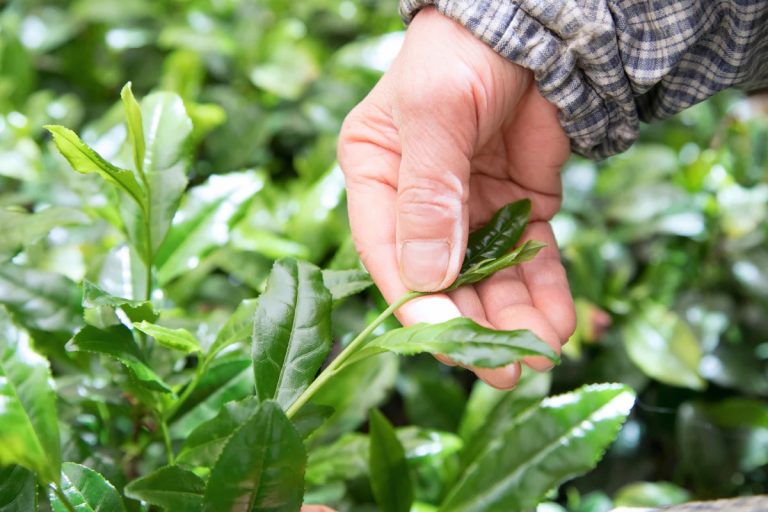
Dunkin’ highlights that the matcha powder used in its drinks comes from the Nishio region in the Aichi prefecture of Japan, an area long regarded for producing high-quality matcha with distinctive color and flavor. The tea plants in this region are shade‑grown, which increases chlorophyll levels and contributes to that traditional bright green hue people associate with premium matcha.
Shade‑growing also develops complex flavor compounds that many tea lovers appreciate. When young tea leaves are protected from direct sunlight before harvest, they produce amino acids like L‑theanine, which balance sweetness and umami. Producers in Nishio, where matcha cultivation stretches back centuries, use these traditional methods to ensure depth and character in the powder Dunkin’ eventually blends into its lattes and other matcha beverages.
This focus on source connects Dunkin’s matcha to a long history of Japanese tea culture. It also helps explain why matcha from this area is a preferred option among larger foodservice brands that want a consistent profile across thousands of stores. The consistent supply chain from Nishio allows Dunkin’ to serve drinks with predictable color, sweetness, and texture nationwide, supporting its brand promise for reliable quality.
The Matcha Brand Likely Behind Dunkin’s Blend
While Dunkin’ does not officially name the exact manufacturer on its packaging or in its ingredient panels, beverage industry sources and employee accounts point to the likely brand behind the powder. Many reports indicate that Dunkin’ uses Aiya Zen Cafe Blend, a matcha blend made by Aiya, one of Japan’s oldest and largest matcha producers.
Aiya has been producing matcha since the late 19th century, and it operates plantations in the Nishio region that supply matcha to cafes and businesses around the world. Its products include various formulations, including sweetened blends designed for lattes and smoothies—a profile that closely matches Dunkin’s matcha drinks. The ingredient lists for Aiya’s Sweetened Matcha Blend align with what Dunkin’ displays on its latte ingredient panels, supporting the idea that this is the product used behind the scenes.
Although Dunkin’ hasn’t confirmed the brand publicly, multiple beverage experts and baristas familiar with chain operations report that Aiya Zen Cafe Blend is the powder in use. This matcha is chosen for its balance of quality, sweetness, and solubility in milk, which helps Dunkin’ deliver a uniform beverage experience whether your drink is hot, iced, or blended.
How Dunkin’s Matcha Blend Differs From Pure Matcha
The matcha powder used in Dunkin’ drinks is not the same as pure, ceremonial‑grade matcha you might buy for traditional tea preparation. Instead, it is a blend formulated specifically for beverages. This means the powder often contains added ingredients like cane sugar and fruit pectin to improve sweetness and mouthfeel when mixed with milk.
This blended format makes Dunkin’s matcha easier for baristas to work with and more appealing to a broad audience. Pure, unsweetened matcha can be more bitter and intense, which some consumers find challenging. The formulation used by Dunkin’ softens that intensity and provides a smoother sip straight from the cup, aligning with customer expectations for sweet, milky lattes at a quick‑service chain.
The choice to use a prepared matcha blend also reflects operational priorities. In a fast‑paced café environment, powders that dissolve well and deliver consistent taste across locations help maintain the experience customers expect. As a result, Dunkin’s matcha drinks can remain accessible and enjoyable even for people who are new to matcha or prefer sweeter flavors.
Why Dunkin’s Matcha Source And Brand Matter To You
Knowing the brand and source behind Dunkin’s matcha adds transparency to your drink choice. Understanding that the matcha originates from Nishio, Japan connects your latte to a specific agricultural heritage and tea‑growing tradition. The likely use of Aiya’s blend explains why the drink has a consistent taste profile that differs from traditional ceremonial matcha—especially in sweetness and texture.
For you as a drinker, this context helps set expectations about flavor and ingredient quality. It also gives insight into why you might prefer preparing matcha at home with pure powder versus ordering it out. Whether you enjoy Dunkin’s version for convenience or seek out premium ceremonial matcha teas elsewhere, knowing What Kind of Matcha Does Dunkin’ Use in Their Drinks – Brand and Source gives you a clearer picture of what’s in your cup and why it tastes the way it does.
Matcha Quality And Flavor Profile In Dunkin’ Beverages
Dunkin’ introduced matcha drinks to offer something fresh beyond its classic coffee and tea lineup, and quality and flavor are key reasons customers keep coming back for more. While not the same as traditional ceremonial matcha, the blend used in Dunkin’s beverages delivers a distinctive taste that appeals to a wide group of drinkers. Exploring Matcha Quality and Flavor Profile in Dunkin’ Beverages helps you understand what makes their matcha drinks what they are.
The Base Matcha Quality Behind Dunkin’s Drinks
When it comes to quality, Dunkin’ sources its matcha powder from the famed Nishio region of Aichi prefecture, Japan, known for producing vibrant, high-quality matcha for centuries. This region’s tea leaves are shade‑grown, which enhances chlorophyll and amino acids to create that signature bright green color and balanced flavor accustomed to matcha lovers.
However, the matcha used in Dunkin’ beverages is not served as pure ceremonial‑grade matcha alone. Instead, the powder is part of a pre‑blended mix tailored for beverages, combining matcha green tea powder with cane sugar and other agents to ensure consistency and sweetness. This means the matcha component is still rooted in authentic Japanese tea leaves, but it’s been adapted for mainstream appeal and easy mixing with milk or water.
The quality of the base matcha impacts color and foundational flavor, and Dunkin’s choice of Japanese matcha provides a rich and approachable taste. While purists might find this blend less intense than ceremonial tea, it gives drinkers a smooth, familiar matcha experience without bitterness dominating the cup.
A Flavor Profile That Balances Sweetness And Green Tea Notes
Dunkin’s matcha beverages have a flavor profile that leans toward sweet and creamy rather than intensely grassy or bitter. This shift results from the pre‑sweetened matcha blend used in drinks, which dampens some of the more assertive vegetal notes typical of pure matcha.
On your first sip, you’re likely to notice a soft sweetness and a mild grassy undertone that reflects matcha’s green tea roots. The sweetness makes the drink more approachable to a broad audience, especially people trying matcha for the first time or those who prefer flavored lattes. Many describe this flavor as smooth and dessert‑like rather than bold or strong.
The milk base—whether dairy or a plant‑based alternative—affects how the matcha tastes overall. Creamy dairy adds richness and rounds out the flavor, while oat or almond milk introduces subtle nutty or silky layers that complement the sweetness and mellow the green tea notes. This balance makes the drink palatable even to drinkers who typically avoid bitter teas.
Comparing Dunkin’s Matcha To Traditional Matcha Flavor
Traditional ceremonial matcha tends to be more complex and robust, with pronounced grassy, umami, and sometimes slightly bitter elements. In contrast, Dunkin’s matcha beverages prioritize sweetness and drinkability over strict traditional flavor profiles. This difference is intentional, making the matcha more familiar to those who enjoy sweet lattes and flavored drinks.
Because the blended powder contains added sugar, the matcha flavor in Dunkin’s drinks is less intense and more mellow than what you might experience in tea houses or specialty cafés that use unsweetened matcha. The sweetness softens bitterness and highlights a creamy texture, which many customers find pleasing.
For you as a drinker, this means that Dunkin’s matcha provides a gentler introduction to matcha’s unique qualities without the sometimes challenging vegetal strength found in pure tea. Whether hot, iced, or frozen, these beverages offer a consistent, smooth flavor that works well with customization options like syrups or milk choices.
Flavor Variations In Specialty Matcha Drinks At Dunkin’
Beyond the classic matcha latte, Dunkin’ has experimented with flavored matcha beverages, like the Blueberry Matcha Latte, which adds fruity layers to the green tea base. This variation combines sweetened matcha powder with blueberry flavoring and your choice of milk, creating a unique profile that blends fruity brightness with the core matcha taste.
These specialty drinks show how Dunkin’ adapts matcha to fit seasonal or trending tastes. Adding fruit profiles or flavored shots gives matcha an extra pop of sweetness and makes it even more accessible to drinkers who prefer their beverages to feel more like a treat than a traditional tea.
While these variations sometimes deviate further from classic matcha’s grassy intensity, they offer a fun and refreshing way to enjoy matcha in creative café formats. Whether you choose classic or flavored versions, the consistent theme is a smooth, sweet, and vibrant flavor profile designed to satisfy a wide range of palates.
Texture, Appearance, And Overall Sensory Experience
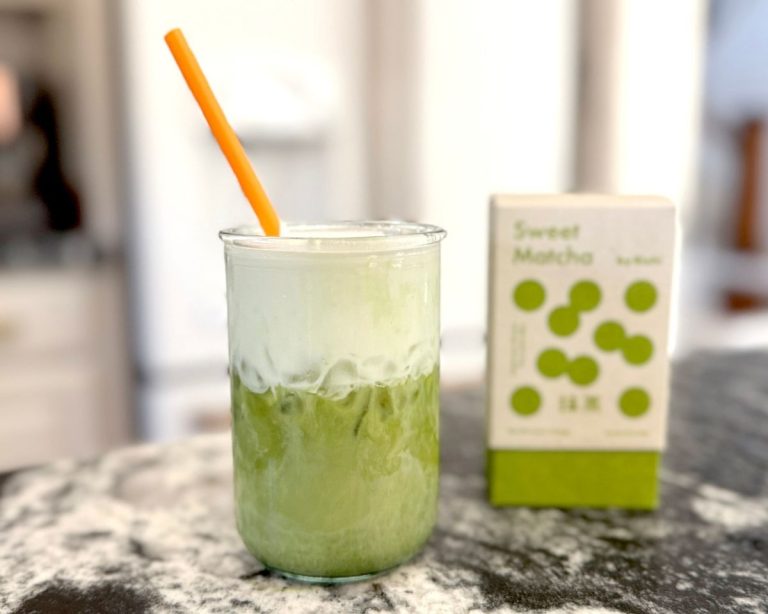
Dunkin’s matcha drinks are notable for their bright green color, reflecting the quality of the Japanese matcha used in the base blend. This vibrant appearance contributes to the overall sensory experience, making the drink visually appealing and signaling freshness.
Texture plays a role too. When prepared properly, matcha is whisked into hot water before milk is added, which helps dissolve the powder evenly and prevents clumping. This ensures a smooth and creamy mouthfeel in both hot and iced forms, enhancing drinkability.
For many, the interplay of creamy milk, gentle sweetness, and soft green tea undertones makes Dunkin’s matcha beverages a comforting choice. While not as layered or complex as pure ceremonial preparations, these drinks successfully blend quality matcha with mainstream taste preferences, giving you a satisfying balance of flavor, texture, and visual appeal in every sip.
Ingredients And Additives In Dunkin’s Matcha Mix
When you order a matcha drink at Dunkin’, what ends up in your cup isn’t just simple green tea powder. The matcha mix used in Dunkin’s drinks contains several ingredients and additives designed to enhance sweetness, texture, and consistency. Knowing what’s in the mix helps you understand how the flavor and mouthfeel of Dunkin’s matcha beverages differ from traditional matcha tea and how those components affect your drink experience.
Core Ingredients In Dunkin’s Matcha Blend
At the heart of Dunkin’s matcha lattes and iced matcha drinks is a matcha blend that combines several core ingredients. According to Dunkin’s official menus, the matcha blend includes cane sugar, matcha green tea, and fruit pectin. This mix serves as the base for both hot and iced matcha drinks, infusing the beverage with its signature sweetness and color.
Matcha green tea is the primary source of the drink’s flavor and vivid green hue. This component is made from finely ground shade‑grown tea leaves sourced from Japan, which brings authentic matcha taste to the beverage. The cane sugar adds sweetness to make the drink more appealing to a broad audience, especially those who prefer lattes over bitter teas. Fruit pectin acts as a thickening agent, helping the powder blend smoothly with milk and water without clumping.
This formulation is quite different from traditional ceremonial matcha, which typically contains no added sugar, sweeteners, or thickeners. The inclusion of these additional components influences both texture and flavor, making Dunkin’s matcha lattes sweeter and creamier than pure matcha prepared on its own.
Sweeteners And Their Impact On Flavor
One of the most noticeable aspects of Dunkin’s matcha drinks is sweetness, which largely comes from the added cane sugar in the matcha mix. Unlike plain matcha powder, which is naturally earthy and slightly bitter, the cane sugar softens those grassy notes to create a sweeter, more dessert‑like profile.
Cane sugar is integrated directly into the matcha blend rather than added separately by the barista in most cases. This means every standard matcha drink comes pre‑sweetened, contributing to a consistent sweetness level across locations. While this appeals to many consumers, it also increases the total sugar content significantly—Dunkin’s medium matcha latte includes over 30 grams of sugar, much of which comes from this blend.
Fruit pectin helps maintain a smooth mouthfeel and prevents the matcha powder from settling or clumping in the liquid. It doesn’t add much flavor on its own, but its role in texture affects how the sweetness and green tea notes are perceived on the palate. This combination of cane sugar and fruit pectin gives Dunkin’s matcha drinks their characteristic creamy, slightly thick texture that many customers enjoy.
Additives And Processing Components Explained
Beyond the basic ingredients, the matcha mix Dunkin uses can include processing‑related additives that support shelf stability and performance in high‑volume beverage environments. One example is fruit pectin, which acts as a natural thickener to improve solubility and consistency.
While fruit pectin is a plant‑derived carbohydrate found in fruits, it functions in this context to help the powder integrate more easily with milk and water, ensuring a smoother drink without gritty texture. This is especially important for iced drinks where matcha powder can otherwise clump.
Because Dunkin’s matcha mix is pre‑blended, it also eliminates the need for baristas to add separate sweeteners during preparation. This consistency supports a uniform flavor experience across locations, though it limits your ability to control sweetness unless you ask for modifications. It’s worth noting that other additives like preservatives are more common in ready‑to‑drink bottled matcha products but are not typically listed in Dunkin’s mix as served fresh.
How These Ingredients Compare To Traditional Matcha
Traditional matcha used in Japanese tea ceremonies consists of pure ground green tea leaves with no added sugars, thickeners, or flavor enhancers. When prepared traditionally, matcha’s flavor is more vegetal, slightly bitter, and rich in umami. In contrast, Dunkin’s matcha blend prioritizes sweetness and texture over true tea character.
The addition of cane sugar transforms matcha’s naturally grassy notes into something more reminiscent of a sweet latte beverage, making it accessible for customers who might not enjoy bitter tea flavors. Fruit pectin contributes to a smoother, more consistent texture but is not part of pure matcha powder.
For people seeking a more traditional matcha experience, preparing matcha at home with pure culinary or ceremonial matcha powder allows for full control of sweetness and texture. Dunkin’s formula caters to mainstream tastes and operational efficiency, delivering a familiar, sweet, and creamy drink that differs significantly from the tea’s cultural origin.
Customization And Add‑On Ingredients In Dunkin’s Matcha Drinks
Dunkin’ allows you to customize your matcha drinks with milk choices and optional add‑ons that further influence ingredient profiles. While the matcha blend itself contains cane sugar and fruit pectin, the milk you choose—whole, skim, almond, or oat—will alter the overall nutritional and flavor profile.
Almond and oat milks provide dairy‑free alternatives but may still bring added sugars and plant‑based stabilizers of their own. Adding flavored shots, syrups, or whipped cream can introduce additional sweeteners and texture enhancers beyond the base matcha mix. Ask your barista about specific ingredient options since these add‑ons vary by location and season.
Understanding these components helps you make informed choices about sweetness levels and dietary preferences. Whether you prefer less sugar, dairy‑free milk, or a stronger matcha flavor, knowing the ingredients and additives in Dunkin’s matcha mix empowers you to customize your beverage experience to your taste.
Customizing Your Dunkin’ Matcha Drink
Dunkin’ matcha drinks are popular not just for their flavor, but for the variety of ways you can customize them. From adjusting sweetness levels to choosing different milk types, these options allow you to tailor each drink to your taste preferences. Understanding how to customize your Dunkin’ matcha drink helps you enjoy it exactly the way you like while balancing flavor, texture, and nutritional considerations.
Adjusting Sweetness Levels
One of the easiest ways to customize your matcha drink is by controlling sweetness. Dunkin’s standard matcha mix is pre-sweetened, which gives the drink a smooth, dessert-like taste. However, you can request less sweet or extra sweet preparations depending on your preference. For example, asking for half the usual mix or no added sweetener allows you to enjoy more of the natural green tea flavor without being overwhelmed by sugar.
For people monitoring sugar intake, reducing sweetness is also a healthier option. You can combine this with sugar-free syrup options to maintain flavor while keeping calories lower. Customizing sweetness lets you balance the earthy notes of matcha with your preferred level of indulgence, ensuring a drink that suits your taste and dietary goals.
Baristas are familiar with these adjustments, so communicating your preference is simple. Whether you like a lighter, more vegetal profile or prefer the classic creamy sweetness, controlling sweetness is a key customization option that dramatically changes your matcha experience.
Choosing Your Milk Type
Milk selection plays a significant role in the texture and taste of your Dunkin’ matcha drink. The default option is usually 2% milk, which provides creaminess and blends smoothly with the matcha mix. However, Dunkin’ offers alternatives like whole milk, skim milk, almond milk, oat milk, and sometimes soy milk.
Plant-based milks provide dairy-free options, but they also subtly alter flavor. Oat milk enhances creaminess with a mild sweetness, while almond milk adds a nutty undertone. Skim milk lightens the drink without affecting flavor, and whole milk gives the richest, most indulgent mouthfeel. Each milk choice affects not just taste but nutritional content, from calories to protein and fat.
Combining milk options with adjusted sweetness allows you to create a matcha drink that is both flavorful and aligned with your dietary needs. Experimenting with milk types lets you discover your ideal balance of richness, texture, and green tea flavor.
Flavor Add-Ons And Seasonal Options
Dunkin’ often introduces flavored syrups or seasonal matcha beverages that add another layer of customization. Popular options include vanilla, caramel, or seasonal fruit syrups that complement the natural matcha flavor. You can request these syrups in different amounts, enhancing sweetness or adding unique flavor profiles without overpowering the base drink.
Some locations offer limited-time seasonal matcha drinks, like a blueberry or pumpkin-flavored latte. These drinks often combine the pre-sweetened matcha mix with syrups and toppings that create a more complex taste experience. Customizing the amount of syrup or requesting no topping can help you tailor these drinks to your preference, maintaining balance between sweetness and matcha flavor.
Flavor add-ons let you experiment while keeping the base matcha profile intact. Adjusting syrups or seasonal elements allows you to enjoy fun variations while controlling sweetness, richness, and calorie content.
Temperature And Serving Style
Another way to customize your matcha drink is through temperature and style. Dunkin’ lets you order drinks hot, iced, or frozen, each offering a different experience. A hot matcha latte brings out the earthy and sweet flavors, while iced or frozen versions emphasize creaminess and refreshing qualities.
Adjusting the temperature can also impact perceived sweetness and flavor intensity. Hot drinks may taste stronger and more vegetal, while iced drinks feel smoother and slightly sweeter due to dilution with ice. Frozen drinks give a blended, dessert-like texture that enhances creaminess.
This level of customization allows you to match your drink to your mood, weather, or time of day. Whether you want a comforting hot latte or a refreshing iced matcha, Dunkin’ offers multiple serving styles to complement your taste preferences.
People Also Asked
What Kind Of Matcha Does Dunkin’ Use In Their Drinks?
Dunkin’ uses a pre‑blended matcha powder in its drinks that combines matcha green tea with cane sugar and fruit pectin. The green tea is sourced from Japan’s Nishio region, known for its high-quality shade-grown tea leaves that produce vibrant color and rich flavor.
For you, this means the matcha is sweeter and smoother than traditional ceremonial matcha. It’s designed to dissolve easily in milk or water, creating a creamy and consistent beverage. While authentic in origin, the blend is tailored for taste and convenience rather than pure, unsweetened tea.
Is Dunkin’s Matcha Pure Or Pre-Sweetened?
Dunkin’s matcha is pre-sweetened, not pure ceremonial-grade powder. The pre-sweetened formulation combines matcha with cane sugar and other additives, making it more palatable for a broad audience and easier for baristas to prepare consistently.
For you, this means the drink tastes smoother and less bitter than traditional matcha. While it delivers the characteristic green tea flavor, the sweetness balances the vegetal notes. If you prefer a stronger, more authentic matcha taste, you may need to adjust sugar levels or choose a different preparation method at home.
Where Is The Matcha In Dunkin’ Drinks Sourced From?
The matcha used in Dunkin’ beverages comes from the Nishio region in Aichi prefecture, Japan. This area is famous for shade-grown tea leaves that are rich in chlorophyll and amino acids, producing the vibrant green color and balanced umami flavor associated with high-quality matcha.
For you, knowing the origin matters because it assures consistent quality and taste. The region’s traditional cultivation methods help maintain authentic matcha characteristics, even though the final beverage is adapted for sweetness and creaminess suitable for a chain café environment.
Does Dunkin’ Use A Specific Brand Of Matcha?
While Dunkin’ does not publicly confirm the exact brand, industry sources and employee accounts suggest the use of Aiya Zen Cafe Blend, a reputable Japanese matcha manufacturer. This blend is designed for beverage use, featuring sweetness and solubility that make it ideal for lattes and iced drinks.
For you, this means the matcha is chosen for consistency across locations. Using a branded blend ensures that the color, flavor, and texture are uniform in every cup, giving you a predictable and enjoyable experience whether you order hot, iced, or frozen.
How Is Dunkin’s Matcha Different From Traditional Matcha?
Dunkin’s matcha differs from traditional ceremonial matcha primarily in sweetness and texture. Traditional matcha is pure powdered green tea with a slightly bitter and vegetal flavor, while Dunkin’s version is blended with cane sugar and thickening agents.
For you, this results in a sweeter, creamier drink that is easier for mainstream consumers to enjoy. The pre-sweetened formulation reduces the strong grassy notes found in ceremonial matcha, making it more approachable while still delivering the characteristic green tea taste.
Can You Customize Dunkin’s Matcha Drinks To Taste Less Sweet?
Yes, you can customize your Dunkin’ matcha beverage to reduce sweetness. Baristas can adjust the amount of matcha mix or add milk alternatives to balance flavor. Some locations also allow sugar-free syrup additions for extra customization.
For you, this means you can enjoy the authentic taste of green tea without being overwhelmed by sugar. Adjusting sweetness helps you match the drink to your dietary preferences while maintaining the smooth, creamy texture of Dunkin’s signature matcha lattes.
Is Dunkin’s Matcha Suitable For Making Homemade Drinks?
Dunkin’s pre-sweetened matcha is primarily designed for café-style preparation, but you can use it at home with milk or water. Keep in mind that its sweetness and thickening agents affect flavor differently than pure matcha.
For you, this means the powder is convenient for quick, ready-to-drink beverages, but it may not replicate traditional matcha’s flavor complexity. Using it at home is ideal if you prefer a sweeter, smoother matcha latte, while pure ceremonial matcha would be better for authentic, unsweetened tea preparation.
Final Thoughts
When enjoying a Dunkin’ matcha drink, understanding the ingredients and quality behind it can make your experience even more satisfying. The matcha used is a carefully selected blend designed to balance flavor, sweetness, and ease of mixing, making it ideal for lattes, cold beverages, and seasonal specialties. This approach ensures that the vibrant green color and mild grassy notes are consistent across every cup.
For those curious about the details, the question of what kind of matcha does Dunkin’ use in their drinks? highlights that it is not the traditional ceremonial grade but rather a blend optimized for beverage preparation and taste. It often contains added sugar and stabilizers to maintain consistency and creaminess, especially when combined with milk or flavor shots.
Knowing these details allows you to make informed choices, customize your drink, or even replicate a Dunkin’-style matcha at home. Understanding what kind of matcha does Dunkin’ use in their drinks? gives fans confidence in enjoying their favorite beverages while balancing flavor and dietary preferences.