Does Ryze Matcha Have Caffeine? Everything You Need To Know Before Drinking
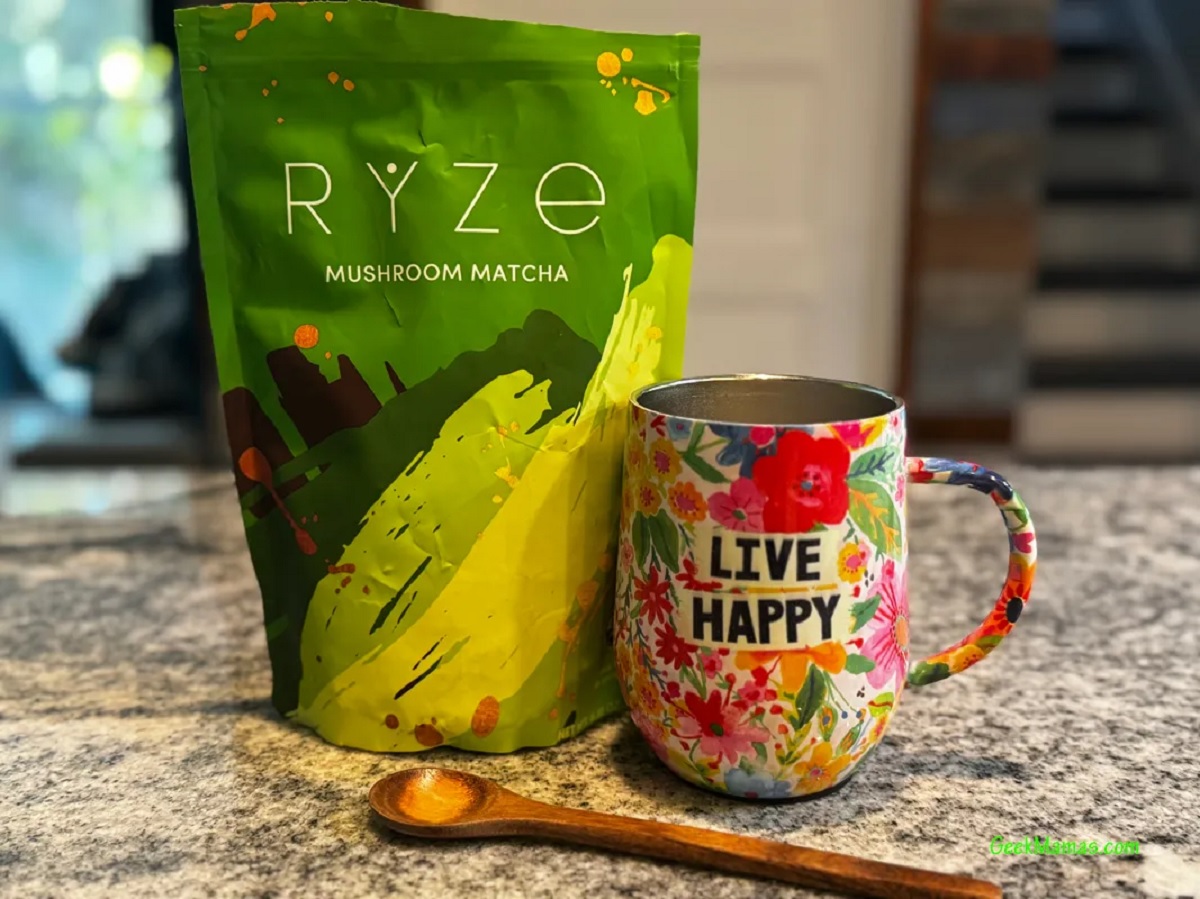
Ryze Matcha has become a popular choice among matcha enthusiasts looking for a convenient and energizing green tea option. Many people enjoy it for its smooth taste, vibrant color, and potential health benefits, including antioxidants and mental clarity. With so many matcha products available, it’s natural to wonder about its caffeine content and how it compares to other beverages.
Understanding the caffeine in Ryze Matcha is important for managing energy levels throughout the day. Whether you are sensitive to caffeine or simply want a gentle boost, knowing what to expect from your drink helps you make an informed choice. This raises the question does ryze matcha have caffeine, and how it affects your alertness and focus.
Ryze Matcha is designed to provide a steady source of energy, combining natural compounds from green tea leaves that support both mental clarity and calm focus. Its moderate caffeine content can offer an uplift without the sharp spikes often associated with coffee.
Beyond energy, Ryze Matcha is valued for its ease of preparation and consistent taste, making it a go-to option for busy mornings or afternoon pick-me-ups. Understanding how much caffeine it contains can help you plan the best time and way to enjoy it throughout your day.
Caffeine Content In Ryze Matcha
Caffeine content is a key factor for anyone considering Ryze Matcha as a daily beverage. Its unique combination of green tea powder and natural compounds provides a moderate caffeine boost that supports focus, energy, and alertness. Understanding how much caffeine is in Ryze Matcha, and how it compares to other drinks, can help you choose the right serving and timing for your routine.
How Much Caffeine Is In Ryze Matcha
Ryze Matcha contains a moderate amount of caffeine derived from green tea leaves. On average, a single serving of Ryze Matcha provides approximately 80 to 100 milligrams of caffeine, though the exact amount can vary slightly depending on preparation. This level is lower than a typical cup of brewed coffee but higher than standard green tea, making it ideal for those seeking a gentle yet effective energy boost.
The caffeine in Ryze Matcha is released gradually due to the presence of L-theanine, an amino acid naturally found in green tea. L-theanine slows the absorption of caffeine, promoting sustained focus and calm alertness instead of the sharp spike and crash often associated with coffee. This combination makes Ryze Matcha suitable for long work sessions, studying, or afternoon energy support.
Preparation also influences caffeine levels. Mixing Ryze Matcha with hot water or milk ensures that the powder dissolves fully, delivering a consistent amount of caffeine per serving. Adjusting the powder quantity or adding multiple servings can increase caffeine intake, which is important to consider for those sensitive to stimulants.
Additionally, Ryze Matcha’s powdered form allows the whole leaf to be consumed, ensuring you get all the natural compounds—including antioxidants, catechins, and amino acids—alongside caffeine. This provides a smoother and more balanced energy experience compared to many caffeine-only beverages.
Comparison To Other Caffeinated Drinks
When compared to coffee, Ryze Matcha provides a milder caffeine effect. A medium brewed coffee often contains over 200 milligrams of caffeine, which is more than double what a single serving of Ryze Matcha provides. This makes Ryze Matcha a preferable option for those who want steady energy without jitters, nervousness, or a sudden crash.
Compared to standard green tea, Ryze Matcha generally delivers a higher caffeine dose because the powder uses the entire tea leaf rather than steeped leaves. This concentrated form provides more sustained energy and mental clarity, while still maintaining the calming effect of L-theanine.
Energy drinks often surpass Ryze Matcha in caffeine, but they can lack the balance of antioxidants and amino acids that Ryze provides. The combination of moderate caffeine with natural compounds in Ryze Matcha creates a smooth, focused energy, supporting both physical and mental performance throughout the day.
The moderate caffeine level also allows for flexible consumption. You can enjoy Ryze Matcha in the morning, mid-afternoon, or before light exercise without feeling overstimulated. Its balanced effect makes it suitable for people with varying caffeine tolerances, from casual drinkers to regular matcha enthusiasts.
How To Maximize Benefits While Managing Caffeine Intake
To get the most from Ryze Matcha while controlling caffeine intake, consider portion and timing carefully. A single serving provides moderate stimulation, while multiple servings increase caffeine levels. Choosing smaller servings or spacing out consumption helps prevent overstimulation.
Pairing Ryze Matcha with water or light snacks can also support hydration and digestion, allowing the body to process caffeine more efficiently. Drinking it slowly, rather than quickly, helps maintain steady energy levels and enhances the calming effect of L-theanine.
Customizing your preparation, such as using plant-based milk or adjusting powder amounts, can influence caffeine absorption and taste. By paying attention to these factors, you can enjoy the benefits of Ryze Matcha—enhanced focus, sustained energy, and calm alertness—while keeping caffeine levels manageable.
Ingredients That Affect Caffeine Levels
Caffeine levels in matcha drinks like Ryze Matcha are influenced not just by the tea powder itself but also by the other ingredients included in the preparation. Understanding which components impact caffeine absorption and potency can help you tailor your matcha experience. These factors can determine how strong the energy boost feels and how smoothly your body processes the caffeine.
Matcha Powder Quality And Quantity
The most significant factor affecting caffeine levels in Ryze Matcha is the powder itself. Higher-grade matcha, especially ceremonial or premium powders, often contains more caffeine because it uses younger leaves that naturally have higher caffeine concentrations. In contrast, lower-grade or culinary matcha may contain slightly less caffeine per serving due to the type of leaves used.
The quantity of matcha powder added to each serving also directly impacts caffeine content. A standard scoop provides moderate stimulation, while adding extra scoops increases caffeine proportionally. The powdered form ensures you consume the whole leaf, including all natural compounds, which amplifies both caffeine and antioxidant intake. This allows you to adjust your energy levels by simply altering the amount of powder per drink.
Additionally, powder quality affects how efficiently the caffeine is absorbed. Finer powders dissolve more thoroughly, allowing caffeine to enter the system gradually and consistently. Coarser powders may result in uneven caffeine delivery, which can affect both taste and energy experience.
Milk And Milk Alternatives
The type of milk used in matcha drinks also influences caffeine perception. While milk doesn’t change the actual caffeine content, it can affect how quickly your body absorbs it. Creamier options, such as whole milk or oat milk, may slow digestion slightly, creating a more gradual caffeine release.
Lighter or plant-based alternatives like almond or soy milk allow caffeine to enter the bloodstream more quickly, making the energy boost feel slightly more noticeable. The fat content in milk can also impact mouthfeel and flavor, which indirectly affects how satisfying the drink feels. People sensitive to caffeine may notice that beverages with creamier milk feel gentler on the system.
Sweeteners and flavorings in matcha drinks can also play a subtle role. Sugar or syrups do not change caffeine levels but may influence digestion and energy perception. High-sugar beverages can lead to faster spikes and dips in energy, which may mask or exaggerate caffeine effects.
Water Temperature And Preparation Method
The water used to prepare matcha affects caffeine extraction. Hotter water allows more caffeine to dissolve from the powder, resulting in a slightly stronger energy effect. Cold or iced preparations extract caffeine more slowly, which can lead to a smoother, less intense boost.
Whisking or blending also affects caffeine delivery. Thoroughly mixing matcha ensures the powder is fully incorporated, allowing your body to absorb caffeine consistently throughout the drink. Poorly mixed matcha may lead to clumps that result in uneven caffeine intake and inconsistent flavor.
Additionally, the ratio of powder to liquid changes how concentrated the caffeine is. Smaller amounts of liquid with the same powder increase caffeine density, while larger volumes dilute the beverage, making the energy effect feel lighter. These adjustments allow you to customize your matcha drink to match your preferred energy level.
Additional Ingredients That Influence Caffeine Perception
Some Ryze Matcha products include added vitamins, minerals, or adaptogens. While these ingredients do not directly change caffeine content, they can affect how the body responds to it. For example, adaptogens may enhance focus or reduce stress, complementing caffeine’s stimulating effects without increasing the actual milligrams.
Other ingredients like protein powders or thickeners can slow digestion slightly, modifying how quickly caffeine enters the bloodstream. This can make a matcha latte feel more sustaining compared to a simple powdered mix with water alone.
Understanding all these factors—matcha powder quality and quantity, milk type, water temperature, and additional ingredients—helps you better control both the strength and timing of the caffeine boost. By customizing these elements, you can enjoy a matcha experience tailored to your energy needs and personal preferences.
Serving Size And Caffeine Variation
The amount of caffeine you get from Ryze Matcha depends heavily on serving size. Different cup sizes and powder quantities directly influence how much caffeine enters your system, affecting energy levels and alertness. Understanding serving size variations helps you choose the right portion for your needs, whether you want a mild lift or a more noticeable boost.
Small Serving Size Caffeine Levels
A small serving of Ryze Matcha contains the lowest amount of caffeine, typically ranging between 40 to 60 milligrams per cup. This makes it ideal for people sensitive to caffeine or for consumption later in the day when you want a gentle boost without overstimulation.
Even at this smaller size, you still benefit from the full range of matcha compounds, including antioxidants, catechins, and L-theanine. The L-theanine slows caffeine absorption, giving you a gradual lift rather than a sudden spike, which is perfect for steady focus.
Smaller servings are often easier on the digestive system as well. The mild caffeine and gentle diuretic effect of matcha can support fluid balance and digestion without overwhelming the body. This portion is suitable for a mid-morning pick-me-up or an afternoon refresher.
Adjusting powder slightly within the small size can also modify caffeine content. A lightly increased scoop raises caffeine levels just enough to suit your preference without making the drink too strong.
Medium Serving Size Caffeine Levels
Medium-sized servings of Ryze Matcha typically contain between 80 to 100 milligrams of caffeine. This moderate level offers a more noticeable energy boost while still maintaining the calm, focused effect provided by L-theanine.
The medium size is often considered the standard choice because it balances flavor, texture, and energy impact. It is suitable for people who want enhanced alertness during work, study, or light exercise sessions. The combination of caffeine and amino acids provides sustained focus without the jitters commonly associated with coffee.
This serving size also enhances the matcha taste and color due to the slightly higher powder content. The smooth, creamy texture remains consistent, especially when prepared with milk or plant-based alternatives.
For those sensitive to caffeine, spacing out consumption or pairing the drink with water-rich foods helps moderate the effect. Medium servings provide a versatile option that fits a wide range of daily routines.
Large Serving Size Caffeine Levels
Large servings of Ryze Matcha contain the highest caffeine content, typically between 120 to 140 milligrams per cup. This provides a strong, sustained boost of energy, ideal for mornings, long work sessions, or pre-workout routines.
The larger powder quantity intensifies flavor, color, and antioxidant content while maintaining the calming effect of L-theanine. The caffeine effect is noticeable but smoother than coffee, allowing you to feel alert without sudden crashes.
Large servings may be too stimulating for caffeine-sensitive individuals, especially later in the day. Adjusting milk type or using iced preparation can slightly moderate absorption, making it more manageable.
Effects Of Ryze Matcha Caffeine On Energy
Ryze Matcha provides a unique way to boost energy due to its moderate caffeine content combined with natural compounds like L-theanine and antioxidants. Unlike coffee, which often produces a sharp spike in alertness, Ryze Matcha delivers a smoother, more sustained energy effect. Understanding how its caffeine influences energy levels can help you optimize focus, productivity, and overall daily performance.
Steady And Sustained Energy
The caffeine in Ryze Matcha offers a steady boost that avoids the sudden spikes and crashes commonly associated with coffee. This effect is largely due to L-theanine, an amino acid found in green tea that slows caffeine absorption. By moderating the rate at which caffeine enters your bloodstream, Ryze Matcha provides a calm, alert energy that lasts longer than a typical coffee jolt.
Many people notice improved concentration and mental clarity after consuming Ryze Matcha. Tasks requiring focus, creativity, or cognitive effort feel more manageable because the combination of caffeine and L-theanine promotes a state of relaxed alertness. The gradual energy release prevents the jitteriness or nervousness some experience with higher-caffeine drinks.
Additionally, antioxidants and catechins in Ryze Matcha support metabolism, which may enhance the body’s natural energy production. These compounds help maintain balanced energy levels throughout the day, making Ryze Matcha suitable for long work sessions or afternoon pick-me-ups.
Energy Without the Crash
A key benefit of Ryze Matcha is its ability to provide energy without a noticeable crash. Coffee and many energy drinks can lead to a rapid spike in alertness followed by a sudden drop, leaving you fatigued and less focused. Ryze Matcha’s caffeine content, combined with L-theanine, mitigates this effect.
The smooth, prolonged release allows your body to maintain focus and mental clarity over several hours. Many people find that drinking Ryze Matcha in the morning or mid-afternoon keeps them productive without disrupting sleep patterns later. This makes it particularly appealing for those sensitive to caffeine spikes or individuals seeking consistent energy.
Hydration also plays a role. When mixed with water or milk, Ryze Matcha ensures proper fluid intake, which helps sustain energy. The combination of hydration and gradual caffeine absorption contributes to a natural, stable boost rather than forcing the body into overstimulation.
Physical And Mental Energy Boost
Ryze Matcha doesn’t just influence mental energy—it can also support mild physical alertness. The moderate caffeine stimulates the central nervous system, enhancing focus and readiness for light activity or workouts. Unlike strong coffee, the effect is not overwhelming but sufficient to improve coordination, alertness, and stamina.
Mentally, Ryze Matcha helps improve reaction time, memory recall, and overall cognitive performance. The L-theanine works synergistically with caffeine to promote a calm, focused mind, reducing anxiety or overstimulation often experienced with high-caffeine drinks. Many users report feeling both physically and mentally “in sync” after consuming matcha, making it ideal for work, study, or creative tasks.
Regular consumption also contributes to consistent energy patterns. By replacing occasional coffee spikes with moderate matcha intake, your body adapts to a smoother, more manageable level of stimulation, helping avoid mid-day slumps and energy crashes.
Timing And Dosage For Optimal Energy
The timing and amount of Ryze Matcha you consume impact the quality of the energy boost. Drinking it in the morning can replace coffee for a gentle start to the day, while mid-afternoon consumption provides a natural lift without interfering with nighttime sleep.
Serving size matters as well. Small servings deliver gentle stimulation, medium sizes provide noticeable alertness, and large servings create the strongest sustained energy. Pairing matcha with water or light snacks ensures proper hydration and supports smooth caffeine absorption, enhancing both mental and physical energy.
Customizing preparation—using hot or iced water, plant-based milk, or adjusting powder quantity—can further refine the energy effect. By understanding how Ryze Matcha caffeine affects energy, you can enjoy prolonged focus, productivity, and vitality without the common downsides of traditional caffeinated beverages.
People Also Asked
Does Ryze Matcha Have Caffeine?
Yes, Ryze Matcha contains caffeine naturally derived from green tea leaves. The caffeine provides a gentle boost in energy while supporting mental alertness. Unlike coffee, which often leads to sharp spikes, the combination of caffeine and L-theanine in Ryze Matcha offers a smoother, more sustained energy experience.
You can expect a moderate level of stimulation that enhances focus and clarity without producing jitters. This makes it suitable for daily consumption, whether in the morning or as an afternoon pick-me-up. Regular intake supports steady energy and mental performance throughout the day.
How Much Caffeine Is In Ryze Matcha?
A standard serving of Ryze Matcha contains approximately 80 to 100 milligrams of caffeine, depending on preparation and portion size. This amount is lower than a typical cup of coffee but higher than traditional steeped green tea, offering balanced energy without overstimulation.
The gradual absorption of caffeine due to L-theanine ensures that the energy boost is steady and long-lasting. By adjusting the number of scoops or serving size, you can increase or decrease caffeine intake to match your needs, making Ryze Matcha a flexible option for different energy requirements.
Is Ryze Matcha Stronger Than Coffee In Caffeine?
Ryze Matcha generally has less caffeine than coffee. A standard cup of brewed coffee often contains over 200 milligrams of caffeine, whereas a serving of Ryze Matcha provides around 80 to 100 milligrams. The effect of Ryze Matcha feels smoother and more sustained because of L-theanine, unlike coffee’s rapid spike and crash.
Many people prefer Ryze Matcha for long work sessions or study periods because it enhances alertness and focus without the jittery feeling coffee can cause. It provides moderate stimulation while maintaining a sense of calm energy throughout the day.
Does The Serving Size Affect Caffeine Levels In Ryze Matcha?
Yes, the caffeine content in Ryze Matcha varies depending on serving size. Small servings contain less caffeine, providing a gentle energy boost, while medium and large servings contain higher amounts of caffeine, offering stronger alertness.
Adjusting powder quantity also changes caffeine levels. A lightly scooped small cup delivers a subtle lift, while extra scoops increase stimulation proportionally. Understanding serving sizes allows you to control your caffeine intake, making Ryze Matcha suitable for various energy needs and personal tolerance levels.
Can Ryze Matcha Be Consumed By People Sensitive To Caffeine?
Yes, people sensitive to caffeine can still enjoy Ryze Matcha by choosing smaller servings or limiting frequency. Its moderate caffeine content, combined with L-theanine, produces a gentle and balanced effect, reducing the likelihood of jitters or rapid heartbeats.
Opting for a small serving or preparing it with more milk or water can further soften caffeine’s impact. Many caffeine-sensitive individuals find Ryze Matcha preferable to coffee because it provides alertness and mental clarity without overstimulation or uncomfortable energy spikes.
Does Ryze Matcha Provide Long-Lasting Energy?
Yes, Ryze Matcha provides long-lasting energy due to the combination of caffeine and L-theanine. Caffeine stimulates alertness, while L-theanine promotes calm focus, allowing energy to be released gradually rather than all at once.
This sustained energy helps you stay productive during work, study, or creative tasks. Unlike coffee, which often results in a sudden spike followed by a crash, Ryze Matcha maintains mental clarity and physical alertness over several hours, making it ideal for consistent daily performance.
How Can You Adjust Ryze Matcha To Control Caffeine Intake?
You can control caffeine intake in Ryze Matcha by adjusting serving size, powder quantity, or preparation method. Smaller servings and fewer scoops reduce caffeine, while larger servings provide a stronger boost.
Preparation also matters. Mixing with milk or water can influence absorption speed, with creamier options slowing it down for a gentler effect. Drinking it slowly and spacing servings throughout the day ensures smooth, controlled caffeine release without overstimulation. This allows you to enjoy Ryze Matcha’s benefits safely and effectively.
Conclusion
Choosing a matcha drink requires understanding its caffeine content, especially if you are mindful of energy levels or sensitive to stimulants. Ryze matcha is designed to provide a smooth and sustained boost, but knowing exactly how much caffeine you’re consuming can help you enjoy it safely. Understanding does ryze matcha have caffeine ensures you can plan your daily intake without surprises.
Ryze matcha contains naturally occurring caffeine from high-quality green tea leaves, offering a steady energy lift without the sharp spikes often associated with coffee. Its combination of caffeine and L-theanine supports focus and alertness while reducing jitters, making it ideal for morning or afternoon consumption. Being aware of how does ryze matcha have caffeine affects your body allows you to choose serving sizes that align with your lifestyle.
For anyone incorporating Ryze matcha into their routine, monitoring caffeine intake is key. Knowing does ryze matcha have caffeine empowers you to enjoy its benefits for energy, focus, and overall well-being, while maintaining a balanced daily routine.