What Grind for Drip Coffee: Achieving the Perfect Brew Every Time
Brewing a great cup of drip coffee depends on more than just quality beans and clean water—it starts with the grind. The right grind ensures proper extraction, allowing water to flow evenly through the coffee grounds and capture the full flavor profile. Many coffee enthusiasts often ask [What Grind for Drip Coffee] works best to achieve a balanced cup, highlighting both aroma and taste.
The grind size affects how quickly water passes through the grounds. Too fine a grind can cause over-extraction, resulting in bitterness, while too coarse a grind can lead to weak, underwhelming coffee. Understanding the ideal grind allows you to control brewing time and flavor strength.
Choosing the correct grind also depends on your drip coffee maker, whether it’s a standard home machine, a pour-over, or an automatic drip brewer. He or she who masters grind size can produce consistent, flavorful coffee every time, bringing out the subtle notes and textures of each bean.
Knowing [What Grind for Drip Coffee] helps you tailor your brewing routine to your taste preferences, whether you prefer a lighter, more acidic cup or a bold, rich flavor. With the right grind and attention to detail, even home-brewed coffee can reach café-quality standards consistently.
Recommended Grind Sizes for Drip Coffee
Choosing the right grind size is essential for brewing a well-balanced cup of drip coffee. The grind affects extraction time, flavor intensity, and overall quality. Using the recommended grind size ensures water flows through the coffee evenly, highlighting aroma and taste without under- or over-extracting. Understanding which grind works best for different drip methods allows you to enjoy a consistent and satisfying cup every time.
Medium Grind for Standard Drip Coffee Makers
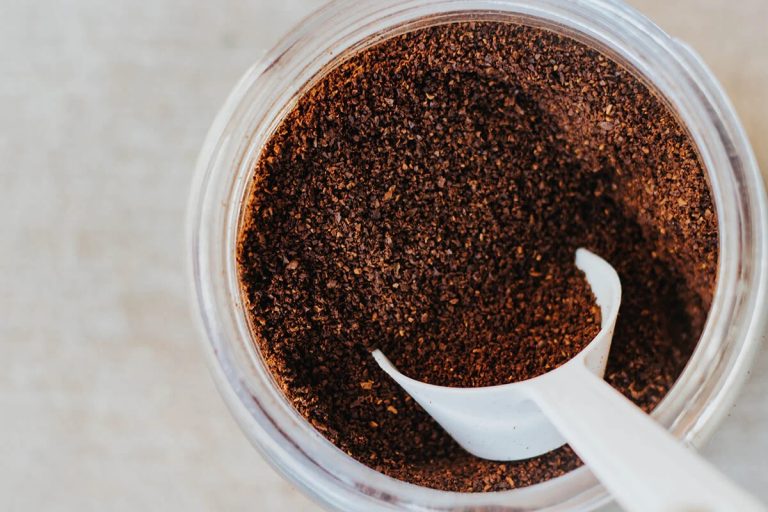
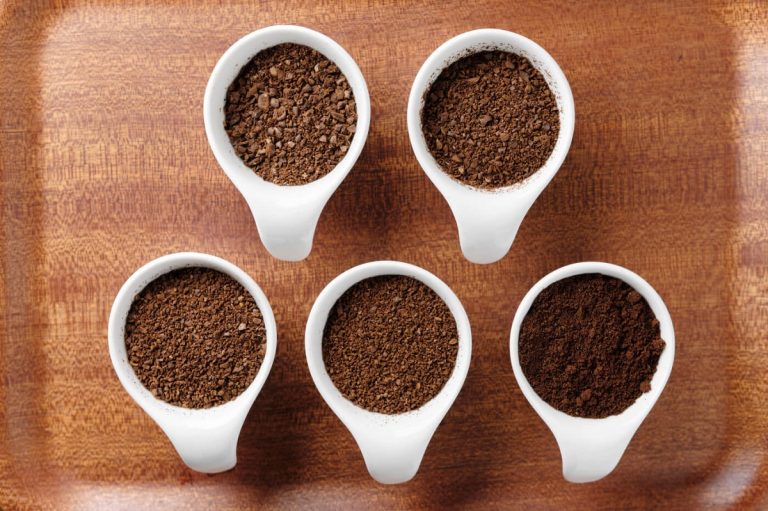
A medium grind is generally recommended for most automatic drip coffee makers. This grind resembles granulated sugar and allows water to flow at a controlled rate, extracting coffee evenly without producing bitterness or weak flavors. It provides a balanced cup with smooth body and clear aroma.
He or she who uses a medium grind for standard drip machines ensures proper extraction, making the espresso’s underlying notes more pronounced. Overly fine grinds can clog the filter and slow brewing, while coarse grinds result in watery coffee. Using a medium grind also helps maintain consistency, so every cup has the right strength and flavor balance. Regularly calibrating the grinder and checking grind uniformity prevents uneven extraction, which is essential for repeatable quality.
Medium grind is versatile enough to work with both paper filters and metal mesh filters. This flexibility allows you to experiment with different filter types without drastically changing the flavor. Using a digital scale or measuring scoop ensures consistent coffee-to-water ratios, further enhancing brewing predictability.
Coarse Grind for Pour-Over Drip Methods
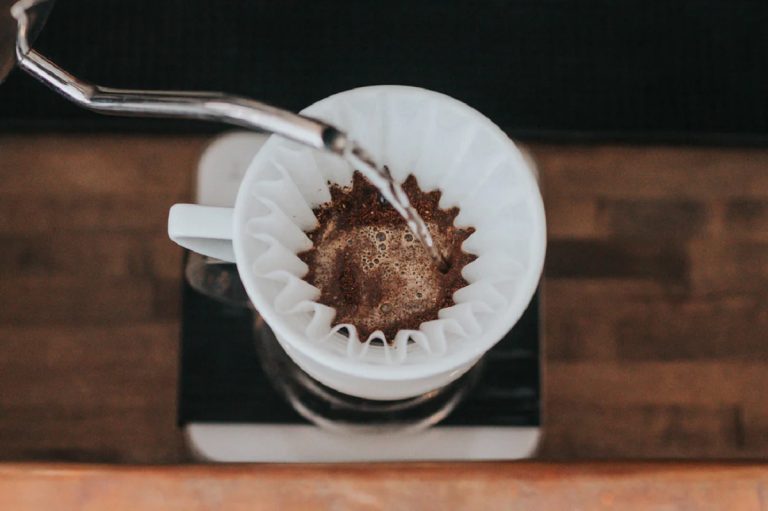
Pour-over drip methods, like Chemex or manual pour-over cones, often benefit from a slightly coarser grind. Coarse grounds resemble kosher salt and allow water to pass through more slowly, giving ample time for flavor extraction while preventing over-extraction or bitterness.
He or she who uses a coarse grind in pour-over brewing can highlight delicate flavors, including fruity and floral notes, that may be lost with finer grinds. Coarse grind also ensures a cleaner cup by reducing sediment that passes through the filter. Achieving uniform coarseness with a burr grinder is essential to avoid uneven extraction and inconsistent taste.
Adjusting the grind slightly coarser or finer can control brew time and flavor strength. A slightly coarser grind produces lighter, smoother coffee, while a slightly finer grind increases strength and body. Tracking grind adjustments and water flow allows for precise control over every cup, ensuring a consistently enjoyable experience.
Fine Grind for Drip Machines with Short Brew Times
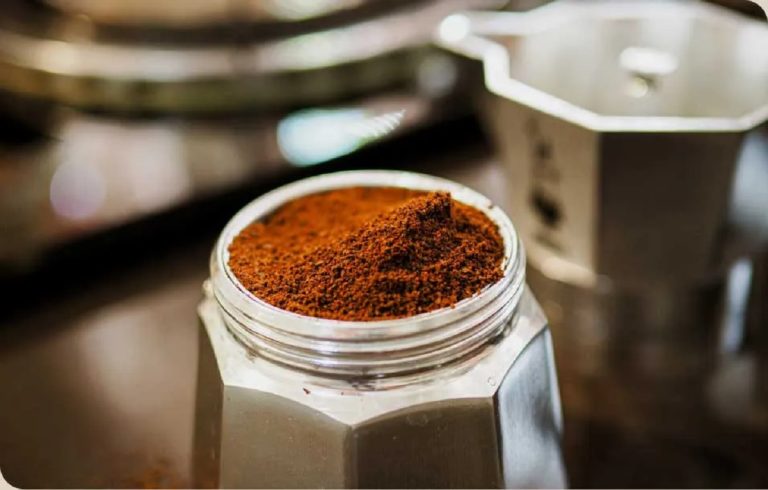
Some drip coffee makers with shorter brew cycles may require a finer grind. Finer coffee grounds increase surface area, allowing water to extract flavor more efficiently in limited time. This ensures that the coffee is neither weak nor under-extracted despite a faster brewing process.
He or she who adjusts grind size for shorter brew times can maintain flavor integrity and full-bodied texture. Using too coarse a grind in a fast drip system results in under-extracted coffee, which can taste watery or flat. Fine grinding ensures proper extraction, creating a rich, aromatic cup. Precision grinders are recommended to maintain consistency in particle size, which is crucial for evenly balanced flavor.
Consistent measurement of coffee quantity, water ratio, and grind size helps replicate results reliably. He or she who tracks these variables can optimize brewing parameters for personal taste preferences, making the coffee richer or lighter without sacrificing quality.
Adjusting Grind Size for Personal Taste Preferences
Grind size also allows customization based on individual taste. Finer grinds produce stronger, more intense flavors, while coarser grinds yield lighter, milder coffee. Adjusting grind size alongside brewing time and coffee-to-water ratio helps achieve the desired strength and body.
He or she who experiments carefully with grind size can find the perfect balance for personal preference. Small changes in coarseness affect extraction rate, aroma, and mouthfeel. Combining grind adjustments with consistent measurement and brewing technique ensures that every cup is tailored to taste while maintaining smooth, balanced flavor. Tracking grind settings also allows repeatable results, essential for consistent drip coffee at home or in professional settings.
Factors That Affect Your Grind Choice
Choosing the right grind for coffee is not one-size-fits-all. Several factors influence the optimal grind size for your brewing method, from flavor extraction to brewing time and equipment type. Understanding these factors helps you achieve the perfect balance of strength, aroma, and texture. By considering these variables, you can select a grind that delivers consistent, flavorful coffee with each brew.
Brewing Method and Extraction Time
The brewing method you use has the most significant impact on your grind choice. Drip coffee, pour-over, French press, espresso, and AeroPress all require different grind sizes because water interacts with coffee grounds differently in each method. Finer grinds increase surface area, allowing faster extraction, which is ideal for espresso machines that use pressure. Coarser grinds slow water flow, suitable for immersion methods like French press.
He or she who considers the brewing method can adjust grind size to ensure proper extraction. Using the wrong grind can lead to over-extracted coffee, which tastes bitter, or under-extracted coffee, which is weak and sour. Matching grind size to method ensures a consistent flavor profile and balanced strength. Tracking extraction time alongside grind size allows you to experiment and refine results to suit personal taste preferences.
Adjusting grind size also helps control brew strength. For instance, a slightly coarser grind in drip coffee can produce a smoother, lighter cup, while a finer grind intensifies flavor. By mastering this relationship, you can achieve the desired balance between flavor and body.
Coffee Bean Type and Roast Level
The type of coffee bean and its roast level also affect grind choice. Dense beans like Robusta require slightly finer grinding for proper extraction, while lighter, less dense Arabica beans may work well with a medium grind. Roast level matters because darker roasts lose moisture during roasting, making them less dense and sometimes better suited for slightly coarser grinds.
He or she who considers bean type and roast can optimize grind size to highlight the coffee’s natural flavors. Grinding too fine for a dark roast may over-extract oils and create bitterness, while grinding too coarse for a light roast may under-extract delicate floral and fruity notes. Proper grind selection ensures that every cup maximizes aroma, body, and sweetness.
Understanding the interaction between roast, density, and grind size also allows for better customization. Adjusting grind according to bean characteristics brings out nuanced flavors and creates a balanced, enjoyable cup every time.
Water Quality and Temperature
Water characteristics play a subtle but important role in determining grind size. Hard or mineral-rich water can extract flavors differently than soft water, sometimes requiring slight adjustments in grind to maintain proper extraction. Similarly, water temperature affects solubility; hotter water extracts more quickly, which can necessitate a coarser grind to avoid over-extraction.
He or she who accounts for water quality and temperature can achieve consistent coffee flavor. Even with precise grind size, variations in water hardness or heat can impact taste, creating bitterness or flatness. Testing and adjusting grind in relation to water parameters ensures a balanced cup with the desired aroma, body, and sweetness.
Monitoring water temperature and quality alongside grind size also allows home brewers to replicate café-quality results reliably. Adjustments may be minor, but they significantly improve flavor consistency across multiple brews.
Personal Taste Preferences
Finally, personal taste preferences influence grind choice. Some people prefer bold, strong flavors, while others enjoy lighter, more delicate coffee. A finer grind generally produces stronger, more intense flavor, while a coarser grind yields a smoother, milder cup. Adjusting grind according to preference allows for customization without compromising brewing balance.
He or she who experiments with grind size can find the optimal balance for strength, sweetness, and body. Keeping track of changes in grind alongside other variables like brewing method and coffee type ensures repeatable results. Personal preference, combined with understanding extraction principles, enables every cup to match your ideal taste profile consistently.
Tips for Consistent Drip Coffee Grinding
Grinding coffee consistently is key to brewing flavorful drip coffee. Inconsistent grind size leads to uneven extraction, resulting in weak or bitter coffee. Understanding how to control grind uniformity, adjust your grinder, and measure coffee accurately ensures a balanced cup every time. By following practical tips for consistent grinding, you can elevate your drip coffee experience and maintain repeatable quality at home or in a café setting.
Use a Burr Grinder for Uniform Grounds
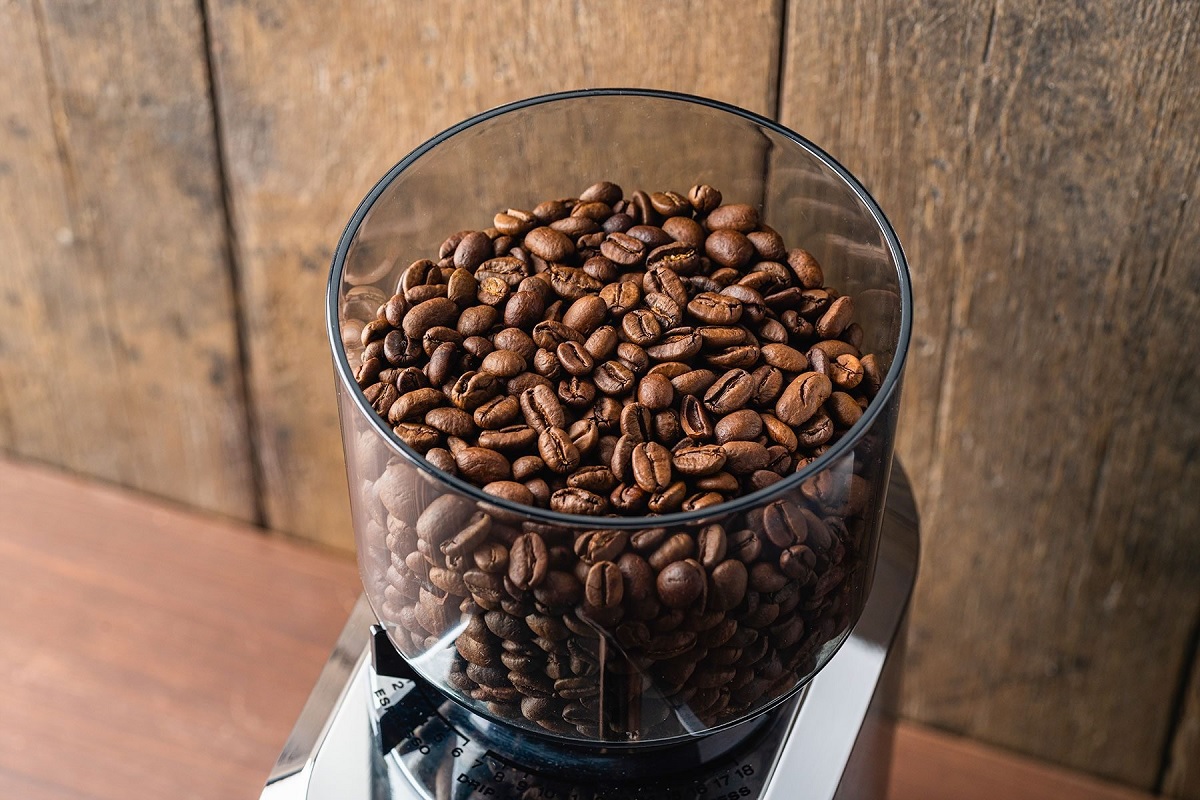
A burr grinder is the best choice for consistent drip coffee grinding. Unlike blade grinders, which produce uneven particle sizes, burr grinders crush coffee beans evenly, allowing water to extract flavor uniformly. This consistency prevents over-extraction from fine particles and under-extraction from coarse ones.
He or she who uses a burr grinder can adjust settings precisely for the ideal drip coffee grind. Medium grind is typically recommended for drip methods, but slight adjustments are possible depending on your machine or taste preference. Regular maintenance, such as cleaning burrs and checking alignment, ensures uniform performance over time, preventing variations in grind size that can impact flavor.
Using a burr grinder also allows for repeatable results. Once you find the perfect setting for your drip machine, measuring coffee in grams and grinding the same way each time ensures every cup maintains consistent strength, aroma, and body.
Measure Coffee Before Grinding
Accurate measurement of coffee before grinding is crucial for consistency. Weighing beans with a digital scale ensures you use the same amount for each brew, avoiding variations in strength and taste. Over- or under-dosing changes extraction, even with a consistent grind size.
He or she who measures coffee in grams can maintain repeatable ratios with water, resulting in balanced flavor every time. Standard drip coffee often uses around 1 to 2 tablespoons (about 10–12 grams) of coffee per 180 milliliters of water, depending on strength preference. Tracking measurements helps replicate results and allows you to make small adjustments to taste without disrupting overall balance.
Measuring before grinding also ensures you grind only what’s needed, keeping beans fresh and reducing exposure to oxygen. This preserves flavor, aroma, and oils, creating a more consistent, enjoyable cup.
Adjust Grind Size According to Brew Method
Even within drip coffee, variations in machine type or brew time may require slight grind adjustments. A faster drip cycle benefits from a slightly finer grind, while a slower pour-over style may work better with a medium-coarse grind. Matching grind size to brew method ensures proper extraction and prevents weak or bitter coffee.
He or she who monitors brewing performance alongside grind adjustments can maintain consistency. Small tweaks in coarseness allow control over flavor strength, acidity, and body. Documenting grind settings for your particular machine or method makes it easy to reproduce successful results and maintain high-quality coffee from day to day.
Consistency in grind size also improves the balance between coffee and water, ensuring uniform extraction, smooth flavor, and optimal aroma. Combining precise measurement with correct grind settings creates a predictable, enjoyable brewing routine.
Clean and Maintain Your Grinder Regularly
Regular grinder maintenance is essential for consistent drip coffee. Coffee oils, dust, and residue can accumulate over time, affecting grind uniformity and flavor. Cleaning burrs, hoppers, and catch compartments prevents clogs and uneven grinding.
He or she who maintains a clean grinder ensures reliable performance and uniform particle size. This leads to more consistent extraction, smoother coffee, and fewer bitter or weak cups. Checking burr alignment and replacing worn parts maintains the grinder’s precision, allowing each grind to match your preferred size.
Routine maintenance also extends the lifespan of your grinder and protects the flavor integrity of your coffee. Clean equipment, combined with precise measurement and correct grind size, guarantees a consistent, flavorful drip coffee experience every time.
Frequently Asked Questions
What Grind for Drip Coffee Produces the Best Flavor?
For most drip coffee makers, a medium grind produces the best flavor. This grind resembles granulated sugar and allows water to flow evenly through the coffee, extracting flavors without causing bitterness or weak coffee. Proper medium grinding ensures balanced strength, smooth body, and optimal aroma.
He or she who measures coffee and uses a consistent medium grind can maintain repeatable results. It prevents over-extraction from fine particles and under-extraction from coarse particles. Using a burr grinder enhances uniformity, allowing every cup to highlight the subtle notes of your beans while keeping flavor consistent every time.
Can I Use a Coarse Grind for Drip Coffee?
Coarse grind is generally not recommended for standard drip coffee machines but works well for slow pour-over methods. Coarser grounds allow water to flow through more slowly, which can be beneficial for extraction in manual brewing setups.
He or she who experiments with coarse grinds should monitor brew time and taste. Too coarse for an automatic drip machine results in weak, under-extracted coffee. However, using a coarser grind intentionally can produce smoother, lighter cups with subtle flavors, giving more control over extraction and texture in slow brewing methods.
Does Fine Grind Work for Drip Coffee?
Using a fine grind in a standard drip coffee maker can cause over-extraction and bitterness. Fine particles extract flavor quickly, which may be suitable for espresso machines but not for typical drip brewing, where water passes through more slowly.
He or she who accidentally uses too fine a grind may notice a bitter or harsh cup. To achieve balanced flavor, it’s important to match grind size to brewing time and method. Adjusting to medium grind ensures proper extraction, smooth taste, and repeatable results, especially when brewing multiple cups.
How Does Grind Size Affect Brew Time and Flavor?
Grind size directly impacts brew time and flavor intensity. Finer grinds slow water flow, increasing extraction and resulting in stronger, sometimes bitter coffee. Coarser grinds allow faster water passage, producing weaker, under-extracted coffee. Medium grind maintains the proper balance for most drip coffee machines.
He or she who monitors extraction alongside grind size can adjust flavor and strength consistently. Tracking particle size, brew time, and water ratio ensures every cup meets expectations. Matching grind to your drip method produces smooth, flavorful coffee without unwanted bitterness or weak taste.
Can I Adjust Grind Size Based on Coffee Bean Type?
Yes, coffee bean type affects ideal grind size. Dense beans like Robusta may need slightly finer grinding, while lighter Arabica beans work well with medium grind. Darker roasts are less dense, often requiring slightly coarser grind, while lighter roasts extract best with consistent medium size.
He or she who considers bean density and roast level ensures proper extraction and flavor balance. Adjusting grind size according to bean characteristics highlights natural notes, sweetness, and aroma, producing a consistently enjoyable cup of drip coffee every time.
How Do I Maintain Consistency in Drip Coffee Grinding?
Consistency is key for drip coffee. Using a burr grinder, measuring beans by weight, and cleaning the grinder regularly ensures uniform particle size and prevents taste variations. Proper technique allows you to replicate results cup after cup.
He or she who establishes a routine for grinding and measuring achieves predictable flavor and strength. Tracking grind settings and coffee-to-water ratio allows adjustments for personal preference while maintaining smooth extraction. Consistent grinding produces reliable, balanced, and aromatic drip coffee every time.
Final Thoughts
Brewing a perfect cup of drip coffee depends largely on the grind size you choose. The right grind ensures balanced extraction, optimal flavor, and a smooth, enjoyable cup every time. Paying attention to consistency and texture helps prevent over-extraction, bitterness, or weak coffee, giving you the ideal drip coffee experience.
Understanding [What Grind for Drip Coffee] involves knowing the standard medium grind is usually best for most drip machines, while adjustments may be needed for different equipment, beans, or personal taste. Factors like roast level, freshness, and brewing time also play a crucial role in deciding the best grind size, allowing you to customize your coffee without compromising flavor.
Ultimately, mastering [What Grind for Drip Coffee] comes down to experimentation, measurement, and attention to detail. By recording your results and making small tweaks, you can consistently achieve a perfectly balanced cup that highlights your coffee’s unique characteristics every time.