Coarse vs Fine Ground Coffee: Choosing the Right Grind for Perfect Flavor
Brewing a perfect cup of coffee starts with understanding how grind size affects flavor, extraction, and strength. Choosing between coarser or finer grounds can dramatically change the taste and texture of your coffee. Many coffee enthusiasts struggle with [Coarse vs Fine Ground Coffee] and how each impacts different brewing methods.
Coarse grounds are larger and more porous, allowing water to flow through slowly. They are ideal for methods like French press or cold brew, where longer extraction times highlight rich, smooth flavors without over-extracting. Fine grounds, on the other hand, have more surface area, which speeds up extraction. This makes them suitable for espresso or Aeropress, where quick brewing captures intense flavor and aroma.
Understanding the differences between coarse and fine grinds helps you choose the right grind for your preferred brewing method. He or she who adjusts grind size thoughtfully can control flavor strength, acidity, and body, creating a cup that highlights the coffee’s best characteristics.
[Coarse vs Fine Ground Coffee] is not just a matter of preference but a key factor in achieving a consistent, flavorful, and balanced brew every time. Paying attention to grind size ensures that your coffee extraction is optimal, producing rich aroma, smooth texture, and satisfying taste in every cup.
Key Differences Between Coarse and Fine Ground Coffee
Understanding grind size is essential for brewing coffee that is flavorful, balanced, and consistent. Coarse and fine ground coffee differ in particle size, extraction time, and flavor intensity, which significantly affects the brewing process. Knowing these differences helps you select the right grind for your method, whether it’s a French press, espresso, or drip coffee. Proper grind selection ensures that each cup delivers the optimal taste, aroma, and texture.
Particle Size and Texture
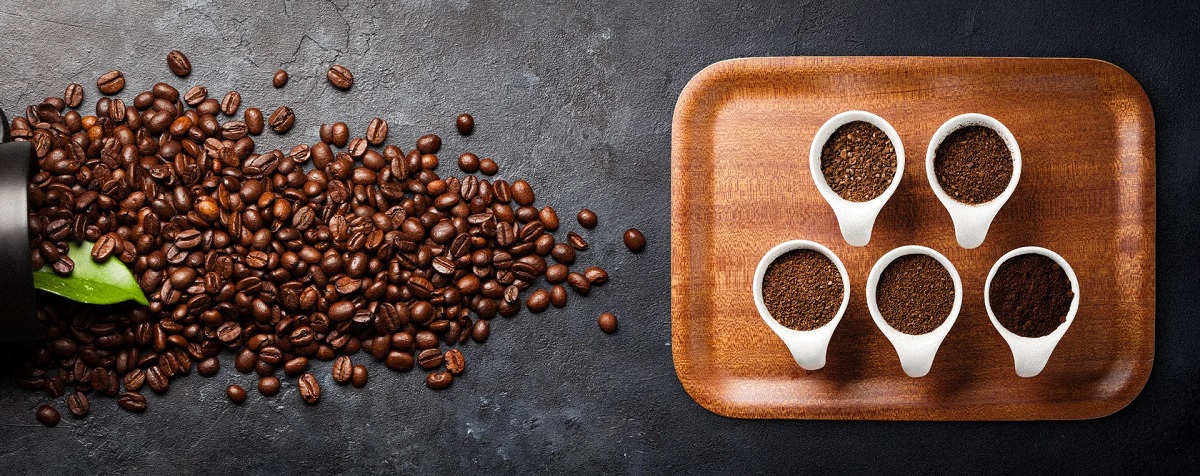
The most obvious difference between coarse and fine ground coffee is particle size. Coarse grounds are larger, resembling sea salt, while fine grounds are much smaller, similar to granulated sugar or flour. This difference in size affects how water interacts with the coffee during brewing. Coarse grounds provide more space between particles, allowing water to flow through more slowly and evenly, which is ideal for longer extraction methods like French press or cold brew.
He or she who chooses coarse grounds can enjoy smooth, full-bodied coffee without over-extraction or excessive bitterness. Fine grounds, on the other hand, increase surface area, which speeds up extraction and intensifies flavor. Using fine grounds is best for espresso machines or Aeropress, where quick water contact extracts maximum taste in a short time. Understanding particle size helps control the balance of strength, aroma, and acidity in your cup.
Brewing Time and Extraction
Grind size directly affects brewing time and extraction efficiency. Coarse ground coffee requires longer contact with water to extract flavor fully. This slow extraction highlights rich, subtle flavors while minimizing bitterness. Methods like French press and cold brew benefit from this slower process, as it produces smooth, mellow coffee with a fuller body.
He or she who uses fine ground coffee experiences faster extraction due to the increased surface area. This is ideal for brewing methods that use pressure or short brew times, like espresso or Aeropress. Fine grounds extract more oils and soluble compounds quickly, creating a bold, concentrated flavor. Choosing the correct grind size for your brewing method ensures that coffee is neither under-extracted, which can taste weak or sour, nor over-extracted, which can taste bitter or harsh.
Adjusting grind size based on extraction requirements also allows for better control over taste and strength. Documenting grind settings for different methods helps maintain consistency and predictability in flavor, aroma, and texture for each cup.
Flavor and Strength Differences
Coarse and fine ground coffee produce distinct flavor profiles due to differences in extraction. Coarse coffee tends to produce a smoother, milder cup with a fuller body and lower bitterness. The longer steeping time allows natural sweetness and subtle notes to develop, highlighting floral, nutty, or chocolate undertones depending on the bean.
He or she who uses fine grounds experiences a more intense flavor and stronger body. The rapid extraction pulls out more oils, caffeine, and soluble compounds, resulting in a richer, bolder taste. Espresso brewed with fine grounds often has a thicker crema and more concentrated aroma. Choosing the right grind based on flavor preference ensures that each brewing method produces a cup with the desired intensity and balance.
Both coarse and fine grinds offer unique experiences, and understanding how they affect flavor allows you to match grind size to taste preference and brewing method. This knowledge also helps in experimenting with different beans and roast levels to maximize flavor potential.
Suitability for Different Brewing Methods
Each grind size pairs better with specific brewing methods. Coarse ground coffee is ideal for immersion brewing methods, such as French press or cold brew, where long extraction times emphasize smoothness and body. Coarse grounds reduce sediment in the cup and minimize bitterness during prolonged steeping.
He or she who uses fine grounds finds them suitable for espresso machines, Aeropress, or moka pots, where pressure or short brewing time requires fast extraction. Fine grounds produce a concentrated, rich flavor and allow for proper crema formation in espresso. Matching grind size to brewing equipment ensures optimal extraction, texture, and consistency, preventing weak or over-bitter coffee.
Understanding which grind works for each method allows home brewers and baristas to control strength, aroma, and texture effectively. This makes it easier to adjust recipes for personal taste and maintain repeatable results in every cup.
Storage and Freshness Considerations
Coarse and fine ground coffee also differ in storage and freshness longevity. Coarse grounds have less surface area exposed to oxygen, making them slightly more resistant to staling than fine grounds. Fine grounds oxidize faster, which can diminish flavor and aroma over time.
He or she who buys pre-ground coffee should store it in airtight containers away from heat, light, and moisture. Grinding beans just before brewing is ideal for preserving flavor, regardless of coarse or fine grind size. Understanding how grind size affects freshness helps maintain consistent taste and aroma in every cup, ensuring that both coarse and fine grounds deliver the best possible coffee experience.
Best Brewing Methods for Each Grind Type
Choosing the right brewing method for your coffee grind is essential to unlock the full flavor potential of your beans. Different grind sizes interact differently with water, affecting extraction, aroma, and strength. Using the wrong grind for a brewing method can result in weak, bitter, or overly strong coffee. Understanding which methods pair best with fine, medium, and coarse grinds will help you brew consistently delicious coffee at home.
Fine Grind: Espresso and Aeropress
Fine coffee grinds are almost powdery in texture and are best suited for methods that require quick extraction under pressure. Espresso is the most common example. The compact fine grind allows water to pass slowly under high pressure, extracting intense flavors, oils, and crema. For espresso, consistency is crucial, as uneven particles can create bitter or weak shots. A high-quality burr grinder ensures uniform size and optimal extraction.
Aeropress brewing can also benefit from a fine grind, particularly for shorter brew times. When using the inverted method, a fine grind allows rapid extraction of flavors in 1–2 minutes. Adjusting the water temperature and steeping time further refines taste. Because fine grinds extract quickly, you need to monitor brewing closely to prevent over-extraction, which can make coffee bitter. Experimentation is key, but a fine grind generally produces bold, concentrated coffee that’s rich and flavorful.
Fine grinds also shine in moka pots, where pressure builds to push water through compact grounds. The result is a strong, espresso-like brew perfect for milk-based drinks like lattes and cappuccinos. Overall, fine grinds are ideal for any method requiring short steep times and high extraction efficiency, unlocking complex flavors and full-bodied coffee.
Medium Grind: Drip, Pour-Over, and Siphon
Medium grind coffee is versatile and works well with methods where water has moderate contact time with coffee. Drip coffee makers, for instance, use a medium grind to ensure even extraction over several minutes. Too coarse a grind would produce weak, under-extracted coffee, while too fine a grind could clog the filter and create bitterness. Medium grind balances flavor, strength, and brewing convenience.
Pour-over brewing also benefits from a medium grind, though slightly finer than standard drip. This allows precise control of water flow and steep time, highlighting the beans’ subtle flavors and aromatics. Adjusting pour speed and technique can emphasize sweetness, acidity, or body depending on the bean. Siphon brewing, a visually appealing method, relies on medium grinds to ensure water moves efficiently between chambers, creating a clean and aromatic cup.
Medium grinds are forgiving, making them ideal for home brewers experimenting with different methods. Consistency is still key, as uneven particles can lead to over- or under-extraction. Overall, medium grind coffee is perfect for daily brewing, offering smooth flavors, balanced acidity, and excellent aroma across drip, pour-over, and siphon methods.
Coarse Grind: French Press and Cold Brew
Coarse grind coffee consists of larger, sand-like particles, which require longer steeping times to extract flavor properly. The French press is the most common method for coarse grinds. Immersion brewing allows water to fully saturate the grounds over 4–5 minutes, producing a rich, full-bodied coffee. Coarse grinds prevent excessive sediment in the cup while ensuring optimal extraction without bitterness. Stirring and proper steeping are essential to evenly distribute flavors.
Cold brew coffee also relies on coarse grind to prevent over-extraction during extended steeping. Steeping coffee in cold water for 12–24 hours produces smooth, low-acid coffee that highlights chocolate, nutty, and sweet notes. Coarse grind ensures clarity and prevents overly bitter flavors. Adjusting the steeping ratio and time allows you to control strength and flavor profile, giving flexibility for different tastes.
Coarse grinds are also compatible with percolators and cowboy coffee, both of which use longer brewing times. These methods extract flavors slowly, relying on the size and uniformity of the coarse grind. Investing in a burr grinder ensures consistent particle size, preventing gritty or uneven coffee. Properly paired coarse grinds unlock robust, full-bodied, and aromatic cups suitable for both hot and cold coffee preparations.
Tips for Choosing the Right Grind
Selecting the right grind is essential to achieving the perfect flavor and texture in your coffee. The grind size impacts extraction time, taste, and overall brewing experience. Choosing incorrectly can lead to over-extraction or under-extraction, resulting in bitter or weak coffee. Understanding your brewing method, the type of coffee beans, and your personal taste preferences can help you determine the ideal grind size. This guide will break down important factors to consider when making your choice.
Consider Your Brewing Method
Your brewing method plays the biggest role in determining the right grind. For instance, espresso requires a fine grind, almost powdery, to ensure proper pressure extraction, while French press needs a coarse grind to prevent grounds from slipping through the mesh filter. Drip coffee makers usually require a medium grind, balancing extraction time and flavor. Pour-over brewing benefits from a slightly finer medium grind, giving you control over brewing time and water flow.
Each brewing method has specific requirements because the contact time between water and coffee varies. If you use a coarse grind in an espresso machine, the water will pass through too quickly, resulting in weak, under-extracted coffee. Conversely, using a fine grind in a French press will make your coffee overly bitter and gritty. Understanding how water interacts with different grind sizes helps you optimize flavor and aroma, creating a consistently satisfying cup.
Understand Bean Type and Roast Level
Not all coffee beans behave the same, and your choice of grind should consider bean type and roast level. Darker roasts are more brittle and extract faster, so they often need a slightly coarser grind to avoid over-extraction. Lighter roasts are denser and require finer grinds to bring out their delicate flavors fully. Single-origin beans with complex tasting notes benefit from careful grind adjustment to highlight their nuances, while blends can be more forgiving.
The physical characteristics of the bean also affect extraction. For instance, older beans or beans stored improperly may grind differently, influencing consistency. Investing in a quality grinder ensures uniform particle size, preventing uneven extraction and taste inconsistencies. Paying attention to how your beans respond to different grind sizes allows you to tailor your coffee to your preferred flavor profile, whether you enjoy bold, rich espresso or a bright, fruity pour-over.
Experiment and Adjust
Experimentation is key to finding the perfect grind for your taste. Start with a general guideline for your brewing method and adjust based on taste. If your coffee tastes sour, your grind may be too coarse, causing under-extraction. If it tastes bitter, your grind may be too fine, resulting in over-extraction. Small adjustments, even a fraction of a turn on your grinder, can drastically change the outcome.
Keeping a tasting journal can help track grind settings, brewing time, and flavor notes. Over time, you’ll notice patterns that allow you to dial in the exact grind for your beans. This approach also helps when trying new beans, roasts, or brewing methods. Consistency comes from understanding how minor changes in grind size influence flavor, allowing you to confidently craft your ideal cup every time.
Consider Grinder Quality
The type of grinder you use significantly affects your ability to choose the right grind. Blade grinders are inexpensive but inconsistent, producing uneven particle sizes that lead to unpredictable extraction. Burr grinders, whether manual or electric, provide uniform grinds and allow precise adjustment. High-quality grinders can make a noticeable difference, particularly when brewing methods demand precision, such as espresso or pour-over.
Investing in a grinder that gives you control over particle size ensures your grind matches your brewing method perfectly. Consistency in grinding prevents the frustration of re-brewing and wasted coffee. Moreover, a good grinder preserves the aroma and oils of the coffee, enhancing the flavor of every cup. Understanding the grinder’s settings and capabilities allows you to experiment confidently and achieve the grind that suits your taste perfectly.
FAQs
What Is The Difference Between Coarse And Fine Ground Coffee?
Coarse and fine ground coffee differ mainly in texture and particle size. Coarse grounds are larger, almost like sea salt, while fine grounds are powdery, similar to table salt. The size of the grind affects how quickly water extracts flavors from the coffee.
When you use a coarse grind, the water moves through more slowly, producing a smoother, less bitter cup, ideal for methods like French press or cold brew. Fine grinds extract flavors faster, which is perfect for espresso or Aeropress, giving a stronger, more concentrated taste. Understanding this difference helps you match your grind to your brewing method.
Can I Use Coarse Grind For Drip Coffee?
Yes, you can use coarse grind for drip coffee, but it may alter the flavor and extraction. Coarser grounds allow water to pass through too quickly, potentially resulting in a weaker or under-extracted brew. The coffee may taste mild and lack depth if the grind is too coarse for your drip machine.
To get a balanced flavor, you should adjust the brewing time or the coffee-to-water ratio when using coarse grounds. While drip machines generally work best with medium grinds, experimenting with coarse coffee can still produce a smooth, light-tasting cup if measured carefully.
What Happens If I Use Fine Grind In A French Press?
Using fine grind in a French press is not recommended because the small particles can pass through the mesh filter. This results in a sludgy cup with excessive sediment and can create a bitter taste due to over-extraction. Fine grounds also slow down the water flow, making steeping too intense.
If you accidentally use fine grind, you can try reducing the brewing time to avoid bitterness, but the texture will still be gritty. For the best French press coffee, coarse grind is ideal, giving a clean, smooth cup with minimal sediment and balanced flavor.
Which Brewing Methods Are Best For Coarse And Fine Grounds?
Coarse grounds are ideal for methods that use longer steeping times, such as French press, cold brew, or percolators. The large particles allow slow, even extraction, giving a smooth flavor without bitterness. Fine grounds, on the other hand, work best for espresso, Aeropress, or Turkish coffee, where quick extraction under pressure or short steeping is required.
Matching grind size to brewing method ensures proper extraction, optimal flavor, and balanced strength. Using the wrong grind can result in weak, sour, or bitter coffee, so understanding your brewing method is key for the best results.
How Does Grind Size Affect Coffee Flavor?
Grind size directly impacts how water interacts with coffee, affecting taste, strength, and aroma. Coarse grounds extract flavors more slowly, producing a milder, smoother cup with less bitterness. Fine grounds extract faster, resulting in a stronger, more robust taste with higher intensity and crema for espresso.
Adjusting the grind allows you to control the balance between acidity, sweetness, and bitterness. If the grind is too fine for your brewing method, the coffee can taste bitter and over-extracted. Too coarse, and it may taste weak or underdeveloped. Finding the right grind is essential for flavor consistency.
Can I Adjust The Grind To Match My Personal Taste?
Absolutely, adjusting the grind is one of the easiest ways to tailor coffee to your taste. If you prefer a stronger, more concentrated flavor, you can make the grind finer for faster extraction. For a smoother, lighter cup, coarser grind is better.
You can also experiment with small adjustments in grind size based on your brewing method, bean type, and roast. Keeping track of results ensures you consistently get your desired flavor. By controlling grind size, you can create a cup that perfectly suits your preferences every time.
Conclusion
Understanding the differences between grind sizes is essential for brewing coffee that matches your taste preferences. Both coarse and fine grinds have unique characteristics that influence extraction, flavor, and strength. Coarse grinds work best for longer steeping methods like French press or cold brew, producing a smooth, full-bodied cup, while fine grinds excel in high-pressure or quick extraction methods such as espresso, giving you bold and concentrated flavors.
When choosing between them, consider your brewing method, bean type, and desired flavor profile. Experimentation is key, as even small adjustments in grind size can dramatically change the taste of your coffee. Consistency in grinding and brewing ensures that each cup highlights the nuances of your beans, whether you prefer a rich, robust espresso or a mellow, aromatic cold brew.
Overall, understanding [Coarse vs Fine Ground Coffee] allows you to make informed choices for your brewing process. By pairing the right grind with the appropriate method, you can unlock the full potential of your coffee beans, creating a satisfying and flavorful cup every time.