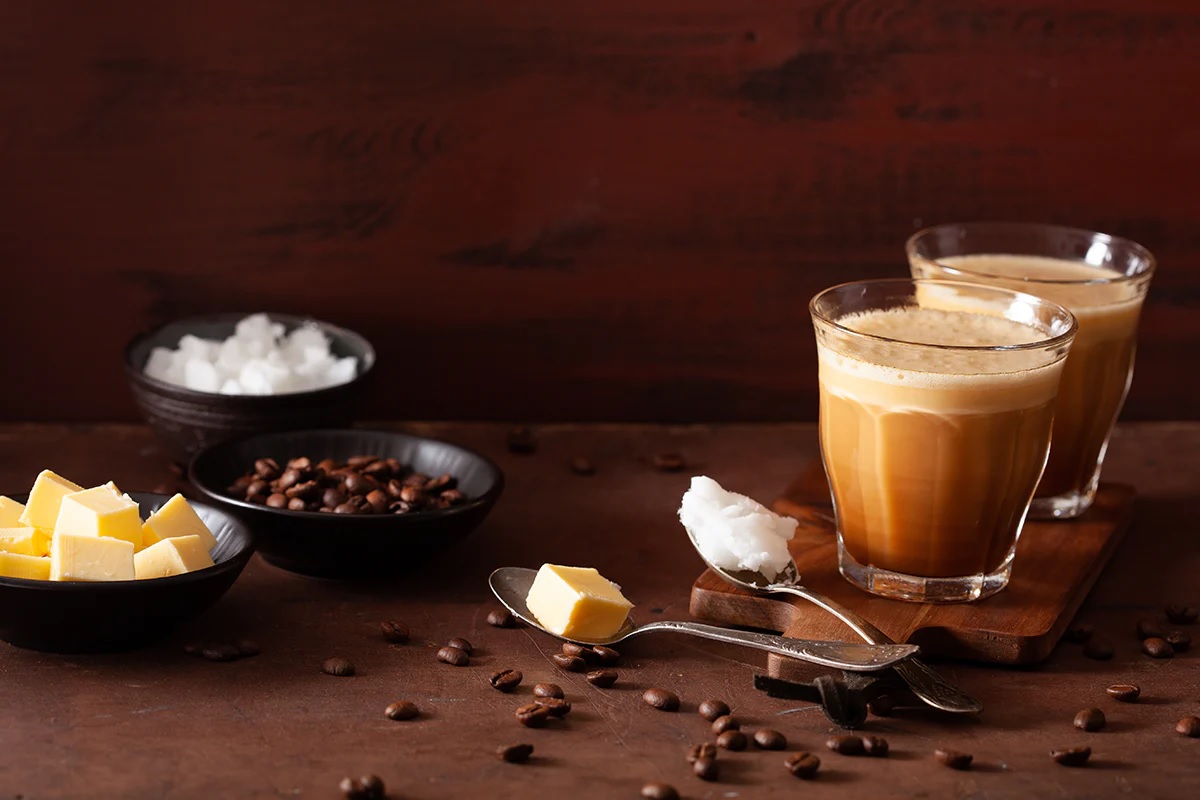
How To Make A Bullet Coffee: Step-By-Step Guide for Creamy Energy Boost
Starting your day with a coffee that energizes both body and mind can completely change your morning routine. One of the most popular choices for a powerful boost is bullet coffee, known for its creamy texture and sustained energy release. Many coffee lovers are curious about how to elevate their usual cup into something richer and more satisfying.
Learning [How To Make A Bullet Coffee] opens the door to a unique brewing experience that combines quality coffee with healthy fats like butter and MCT oil. This combination creates a velvety drink that keeps you full and focused for hours.
Preparing bullet coffee is surprisingly simple once you understand the right ingredients and the proper blending technique. With a few essential tools and a little guidance, anyone can master this energizing beverage at home.
Whether you’re seeking a morning pick-me-up or a post-workout drink, exploring [How To Make A Bullet Coffee] can transform your coffee routine into a nourishing ritual that supports both mental clarity and physical stamina.
Essential Ingredients for Bullet Coffee
Creating the perfect bullet coffee starts with understanding its essential ingredients. Each component contributes to the signature creamy texture, rich flavor, and long-lasting energy this beverage provides. High-quality choices make a huge difference in taste and nutritional benefits. Knowing which ingredients to select ensures your bullet coffee isn’t just a drink but a nourishing morning ritual.
High-Quality Coffee Beans
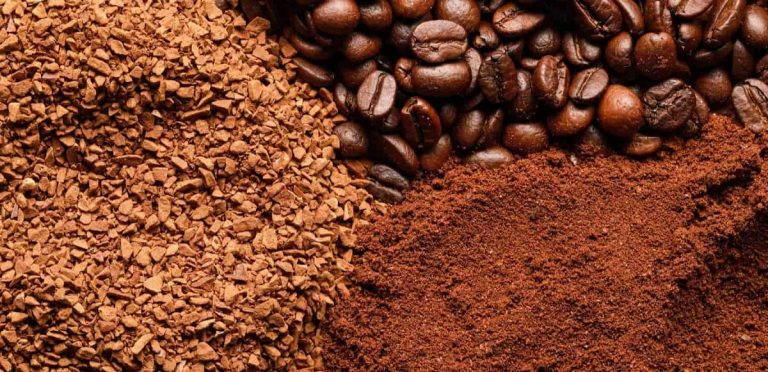
The foundation of any bullet coffee is the coffee itself. Choosing high-quality, freshly ground coffee beans is crucial for both flavor and aroma. Arabica beans are generally preferred due to their smooth and balanced taste, while Robusta beans tend to be more bitter and stronger. Freshly ground beans preserve essential oils that are often lost in pre-ground coffee, which can make a significant difference in the richness of your brew.
Using organic or single-origin coffee is also recommended because it ensures a clean flavor free from pesticides or additives. The strength of your coffee should match your taste preferences. Some people prefer a bold, dark roast, while others enjoy a medium roast for a slightly milder taste. Grinding the beans just before brewing maximizes freshness and enhances the aromatic experience.
The quality of the coffee determines how well it blends with butter and MCT oil. A robust coffee base allows the creamy elements to shine without tasting flat or weak. It also ensures that your bullet coffee delivers the intended energy boost. Selecting coffee carefully is the first step toward making a perfectly balanced bullet coffee.
Unsalted Grass-Fed Butter
Butter is what transforms ordinary coffee into a creamy, satisfying bullet coffee. Unsalted grass-fed butter is the ideal choice because it adds richness without extra salt or preservatives. Grass-fed butter is higher in omega-3 fatty acids and fat-soluble vitamins, which can contribute to improved energy, mental clarity, and overall wellness. The butter emulsifies when blended, giving the coffee a smooth and velvety texture.
Adding the right amount of butter is important. Too little may make the coffee taste thin, while too much can create an overwhelming, greasy drink. The balance of coffee and butter is key to achieving that signature creamy consistency. Some people gradually increase the butter over time as they adjust to the taste and texture.
Butter also complements the oils in bullet coffee, enhancing flavor and mouthfeel. It is especially beneficial for those on a keto diet because it provides sustained energy without spiking blood sugar levels. Choosing high-quality butter ensures both nutritional benefits and superior taste.
Grass-fed unsalted butter is widely regarded as the healthiest and tastiest option. Blending it properly with coffee creates a luxurious, frothy beverage that can become an indulgent but functional part of your morning routine.
MCT Oil or Coconut Oil
Medium-chain triglyceride (MCT) oil is an essential ingredient in bullet coffee because it provides fast, clean energy. Unlike regular oils, MCT oil is absorbed quickly, making it an effective fuel for the brain and body. Coconut oil is a natural alternative with similar benefits and adds a subtle flavor. Both oils help maintain satiety and mental focus, especially during intermittent fasting or busy mornings.
Starting with a small amount is recommended to avoid digestive discomfort. Over time, increasing the quantity enhances energy and the creamy texture of the drink. Blending MCT oil thoroughly with coffee and butter ensures a smooth, frothy consistency. This combination is what gives bullet coffee its signature velvety texture.
MCT oil and coconut oil also provide health benefits such as improved cognitive function, increased metabolism, and enhanced fat burning. They complement the nutritional properties of grass-fed butter, creating a powerful, energy-sustaining beverage. The oils help the coffee feel indulgent without needing sugar or artificial creamers.
The addition of MCT or coconut oil is what sets bullet coffee apart from traditional coffee. It turns an ordinary cup into a nutrient-dense, creamy drink that promotes both energy and focus. Consistently using these oils can make your morning coffee both enjoyable and functional.
Optional Flavor Enhancers
While bullet coffee traditionally focuses on coffee, butter, and MCT oil, adding optional flavor enhancers can elevate your drink. Common additions include cinnamon, vanilla extract, or a small pinch of cocoa powder. These ingredients add subtle sweetness and complexity without sugar. They can make your morning routine more enjoyable while keeping the coffee keto-friendly.
Some people also add collagen powder for extra protein and skin benefits. Stevia or monk fruit are popular low-calorie sweeteners that won’t interfere with fasting or ketosis. Experimenting with these flavors allows you to customize your bullet coffee to your taste preferences.
Flavor enhancers also contribute to the aroma and sensory appeal of the beverage. A touch of cinnamon or vanilla can make your coffee feel indulgent, helping you enjoy a luxurious cup while maintaining its health benefits. Incorporating optional ingredients is a way to personalize your bullet coffee experience.
These small additions can transform a standard bullet coffee into a more enjoyable daily ritual. They allow you to explore variations while keeping the essential ingredients intact, ensuring that every cup remains both functional and flavorful.
Water or Milk Alternatives
The liquid used in bullet coffee affects both taste and texture. Some prefer using water for a classic version, while others add milk alternatives such as almond, oat, or coconut milk. These options add creaminess and subtle sweetness, making the coffee smoother and easier to drink.
Choosing the right amount is important to maintain a balanced consistency. Too much liquid can dilute the flavors, while too little may make the coffee overly thick. Blending thoroughly ensures the coffee emulsifies well with butter and oils, creating a frothy, velvety drink.
Milk alternatives also provide added nutrients without dairy. Coconut milk adds a tropical note, almond milk contributes a mild, nutty flavor, and oat milk adds a natural sweetness. These choices allow those with dietary restrictions to enjoy bullet coffee without compromising on taste or texture.
The liquid base is more than just a carrier; it impacts the overall drinking experience. Properly blending coffee, butter, oil, and milk alternatives creates the rich, creamy bullet coffee that energizes and satisfies in every sip.
Equipment Needed for Bullet Coffee
Making bullet coffee at home is simple, but having the right equipment ensures the best flavor, texture, and consistency. Each tool plays a specific role, from brewing the coffee to blending it with butter and oils. Investing in quality equipment can transform your morning cup into a creamy, energizing beverage, saving time and enhancing the overall experience.
Coffee Maker or Brewing Device
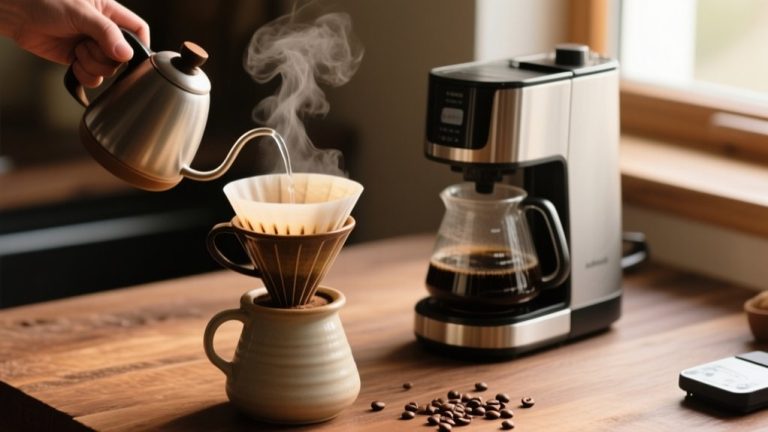
The first piece of equipment you need is a reliable coffee maker or brewing device. Whether you prefer a drip coffee maker, French press, or espresso machine, the choice will impact the strength and flavor of your coffee. A French press is popular for bullet coffee because it produces a rich, full-bodied brew that blends well with butter and oils.
Consistency in brewing is crucial. Using the same coffee maker each time ensures a predictable flavor and texture. For espresso lovers, an espresso machine provides a concentrated, bold coffee that complements the creamy elements perfectly. A drip coffee maker or pour-over setup works well for those who enjoy lighter brews, allowing for gradual adjustment of strength.
The brewing device you choose affects the final texture. Bullet coffee relies on a smooth blend, so a strong, high-quality coffee base is essential. Ensuring your coffee maker produces consistent heat and extraction will make it easier to emulsify butter and oil, giving you a velvety, frothy drink every time.
Using a reliable coffee maker also reduces bitterness. Proper extraction ensures that your coffee remains smooth, allowing the buttery richness and MCT oil to shine without interference from over- or under-extracted flavors. Choosing the right device is the first step toward perfect bullet coffee.
Blender or Immersion Blender
A blender is arguably the most important tool for bullet coffee. It emulsifies the coffee, butter, and MCT oil into a smooth, frothy beverage with a creamy texture. A standard countertop blender works well, but an immersion or hand blender can also do the job efficiently, especially if you prefer making one cup at a time.
Blending is not just about mixing; it creates a frothy, latte-like consistency that transforms ordinary coffee into bullet coffee. Without proper blending, the fats from butter and oil can separate, leaving an uneven texture. A powerful blender ensures the ingredients fully combine, resulting in a silky, uniform drink.
When using a blender, start on low speed and gradually increase to achieve the desired froth. High-speed blenders can create a rich, creamy foam, while immersion blenders allow precise control over consistency. Both options are effective, but consistency and quality of blending are essential to the final experience.
The blender also determines how easy it is to integrate optional ingredients like cinnamon, cocoa, or collagen. A strong, efficient blender ensures these extras dissolve properly, enhancing flavor without affecting texture. Investing in a reliable blender makes daily preparation faster, easier, and more enjoyable.
Measuring Tools and Accessories
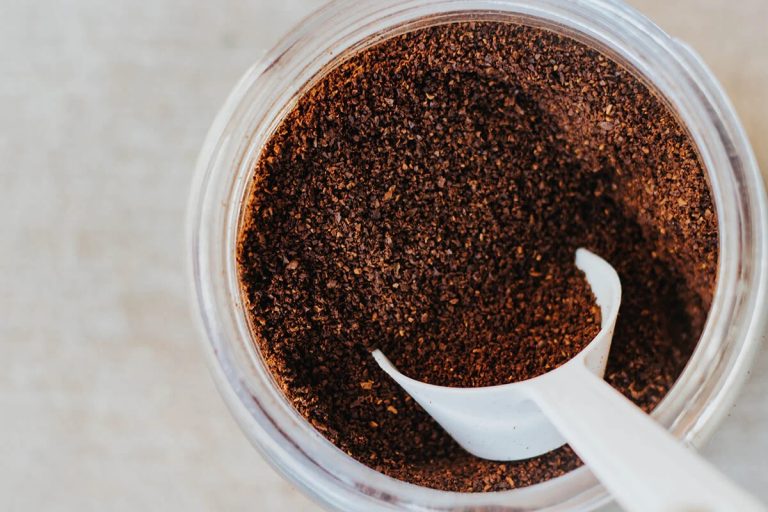
Accurate measurements are key to maintaining balance in bullet coffee. Measuring spoons or a small kitchen scale ensures you add the right amount of coffee, butter, and oil each time. Precision prevents overloading the drink with fats or diluting it with too much coffee, maintaining both flavor and nutritional benefits.
A small teaspoon or digital scale helps track quantities, especially for first-time users experimenting with ratios. Many recipes suggest starting with one tablespoon each of butter and MCT oil, adjusting gradually according to taste and tolerance. Keeping measurements consistent ensures a smooth, enjoyable experience every morning.
Other accessories like a coffee grinder, stirring spoon, and heatproof cup are also helpful. Grinding beans just before brewing maximizes freshness and aroma, while a heatproof cup ensures safe handling during blending. A sturdy spoon helps with stirring optional ingredients before blending.
Measuring tools and accessories may seem minor, but they are crucial for creating a consistent, high-quality bullet coffee. Accurate proportions combined with proper equipment guarantee a perfectly balanced and satisfying cup.
Step-By-Step Brewing Process
Making bullet coffee at home is a simple process once you understand each step. The key is combining high-quality coffee, grass-fed butter, and MCT oil in precise amounts while using the right brewing and blending techniques. Following a step-by-step process ensures consistency, smooth texture, and maximum flavor in every cup. This method also helps you optimize energy, taste, and satisfaction from your morning coffee ritual.
Brewing the Coffee
The first step in making bullet coffee is brewing the coffee itself. Start with freshly ground, high-quality beans, ideally Arabica for a smooth, balanced flavor. The coffee can be brewed using a French press, espresso machine, or drip coffee maker. Each method produces a slightly different strength and consistency, so choose based on personal taste. For a French press, steep the grounds in hot water for about four minutes before pressing to extract rich oils and flavors.
Consistency matters when brewing. Measuring your coffee grounds accurately ensures each cup has the same strength and taste. Typically, two tablespoons of ground coffee per six ounces of water is a standard ratio, but you can adjust according to preference. Using filtered water enhances the flavor and prevents unwanted bitterness from minerals.
The temperature of the water is also critical. Ideally, water should be around 195–205°F (90–96°C) to extract the coffee properly without burning it. Pouring too hot or too cold water can affect flavor and aroma. Once brewed, pour the coffee directly into a blender or cup for the next step.
Freshly brewed coffee provides the foundation for bullet coffee. Its strength, aroma, and smoothness determine how well it blends with butter and MCT oil, so taking care during this stage ensures a richer, more satisfying beverage.
Adding Butter and MCT Oil
Once the coffee is brewed, the next step is adding the essential fats: unsalted grass-fed butter and MCT oil. Start with one tablespoon of each, adjusting based on taste and tolerance. Butter adds creaminess and richness, while MCT oil provides fast, sustained energy and supports mental clarity. Combining these ingredients with hot coffee allows them to emulsify effectively.
Blending the coffee and fats is crucial. Without proper blending, the butter and oil may separate, leaving a thin or greasy drink. Adding ingredients gradually while the coffee is hot ensures smooth integration and a velvety texture. Using high-speed blenders or immersion blenders is recommended for creating a frothy, latte-like consistency.
The ratio of coffee to fats can be adjusted over time. Beginners might start with less butter and MCT oil to gauge taste and digestive response. More advanced users can increase the amounts to enhance richness and energy benefits. Emulsifying the ingredients properly transforms regular coffee into the creamy, luxurious bullet coffee experience.
Adding optional flavor enhancers like cinnamon, vanilla extract, or cocoa powder at this stage is also ideal. These ingredients blend well with the fats, enhancing aroma and taste without altering texture. Properly combining all components ensures the coffee is smooth, frothy, and full of flavor.
Blending the Coffee
Blending is the most critical step in making bullet coffee. Pour the coffee, butter, MCT oil, and optional ingredients into a blender or use an immersion blender in a heatproof cup. Start on low speed to combine, then gradually increase to high to create a smooth, frothy texture. Blending ensures the fats emulsify fully and prevents separation.
A properly blended bullet coffee has a creamy, latte-like consistency with a rich foam layer on top. This texture is what makes bullet coffee different from regular coffee, providing a satisfying mouthfeel. Blending also evenly distributes optional ingredients, ensuring consistent flavor in every sip.
Blenders vary in power, so blending times may differ. Generally, 20–30 seconds is sufficient with a high-speed blender, while immersion blenders may require slightly longer. Pouring the hot coffee carefully into the blender and using caution prevents spills or burns.
Blending also determines temperature. Over-blending may slightly cool the coffee, while under-blending may leave clumps of butter or oil. Watching the consistency and foam formation is essential to achieving the perfect bullet coffee.
Serving and Enjoying Bullet Coffee
After blending, pour your bullet coffee into a preheated mug to maintain warmth. The creamy texture and rich foam should be uniform, with no visible separation of fats. Taste the coffee and adjust for sweetness or flavor enhancers if desired. Some people like to add a sprinkle of cinnamon or a dash of cocoa powder on top for extra aroma.
Bullet coffee is best consumed immediately while hot, allowing you to enjoy both the flavor and the energy benefits. The combination of caffeine, butter, and MCT oil promotes sustained energy without the usual coffee crash. Pairing it with a light breakfast or consuming it on an empty stomach during intermittent fasting is common among enthusiasts.
Properly prepared bullet coffee has a rich, indulgent taste despite being simple to make. The creamy texture, velvety mouthfeel, and subtle aroma make it a comforting morning ritual. Serving in a sturdy, heatproof mug enhances the experience and ensures every sip is enjoyable.
With the step-by-step process complete, you have a perfectly balanced, nutrient-rich coffee ready to power your day. Practicing these steps consistently ensures that your bullet coffee remains delicious, creamy, and energizing every time.
Adjusting Bullet Coffee for Taste and Strength
Bullet coffee is versatile, allowing you to customize both flavor and potency according to your personal preference. Adjusting the taste and strength involves fine-tuning the coffee-to-fat ratio, experimenting with brew methods, and incorporating optional flavor enhancers. Understanding how each component affects the overall balance ensures a consistent, enjoyable, and energizing beverage every time. These adjustments make your bullet coffee a personalized ritual rather than a one-size-fits-all drink.
Modifying Coffee Strength
The coffee’s strength is the first factor to consider when customizing bullet coffee. Stronger coffee provides a bolder flavor and more caffeine, while lighter coffee produces a milder, smoother taste. Adjusting the amount of coffee grounds during brewing is the simplest method. For example, increasing one or two tablespoons per cup intensifies flavor and energy, while reducing the grounds softens the taste for a more subtle experience.
The brewing method also affects strength. Espresso or French press coffee creates a concentrated brew, ideal for those who prefer a robust bullet coffee. Drip or pour-over methods yield lighter coffee, which works well with higher amounts of butter or MCT oil without becoming overpowering. Experimenting with grind size can further refine the flavor. Fine grinds extract more bitterness, while coarser grinds produce a smoother cup.
Another way to modify strength is by adjusting brewing time and water temperature. Longer steeping extracts more oils and flavors, while slightly cooler water prevents bitterness. Keeping notes on these variables ensures you replicate your preferred strength consistently.
Balancing coffee strength with the amount of butter and oil is key. Too strong coffee with too much fat can feel heavy, while weaker coffee with minimal fats may taste thin. Finding the right combination produces a creamy, flavorful, and energizing bullet coffee tailored to your taste.
Adjusting Butter and MCT Oil Ratios
Butter and MCT oil are essential to bullet coffee, but their ratios can significantly influence taste, texture, and energy. Increasing butter enhances creaminess and richness, creating a more indulgent beverage. Reducing it results in a lighter texture that still retains the essential benefits. MCT oil provides a quick energy boost, but using too much can overpower the coffee and cause digestive discomfort for some people.
Start with small adjustments and gradually increase or decrease the amounts. One tablespoon of each ingredient is a standard starting point. Those who prefer a more luxurious, frothy texture can add an extra half to full tablespoon of butter. MCT oil can be increased cautiously, ensuring it blends completely for smooth consistency.
The butter and oil ratio also affects flavor perception. A higher fat content can soften bitterness in strong coffee, while less fat allows coffee’s natural flavors to shine. Combining fats strategically helps balance taste, mouthfeel, and energy effects.
Experimenting with different types of fats, such as ghee or coconut oil instead of butter, offers additional flavor variations. Keeping track of adjustments allows you to create a version of bullet coffee that meets your ideal taste, strength, and texture.
Incorporating Optional Flavor Enhancers
Optional ingredients like cinnamon, cocoa powder, vanilla extract, or sweeteners allow further customization. Cinnamon or cocoa adds depth and warmth, while vanilla provides a subtle sweetness. Stevia, monk fruit, or a small amount of honey can make bullet coffee more palatable without adding excessive sugar. These enhancers complement the butter and MCT oil, enhancing aroma and flavor without compromising texture.
Flavor enhancers also provide a way to experiment with seasonal or creative variations. For example, adding pumpkin spice in fall or a hint of cardamom for an exotic touch transforms bullet coffee into a unique daily ritual. Blending these ingredients thoroughly ensures even distribution, preventing clumps or uneven taste.
These small additions allow you to balance sweetness, spice, and aroma with the core coffee and fat elements. Optional enhancers are particularly useful when adjusting strength. A stronger coffee may benefit from a touch of sweetener or spice, while lighter brews can rely on natural flavors and higher fat content.
Adjusting flavor is ultimately about trial and observation. Keeping track of the combinations you enjoy ensures that every cup of bullet coffee matches your desired taste profile, giving you a consistent and satisfying experience.
Experimenting with Temperature and Serving Style
Temperature affects both taste and texture of bullet coffee. Hot coffee allows butter and MCT oil to emulsify fully, creating a creamy, frothy texture. Serving slightly cooler coffee may reduce foam but highlight subtle flavors. Adjusting serving temperature helps achieve the ideal balance of taste, mouthfeel, and aroma.
The vessel you serve in can also influence the perception of strength and flavor. Wide mugs enhance aroma and froth, while narrow cups concentrate flavors and aroma in each sip. Preheating cups can help maintain warmth longer, keeping the coffee enjoyable throughout consumption.
Experimenting with these small details allows you to adjust the drinking experience without changing the recipe. Even minor adjustments in temperature or cup size can impact perceived strength, texture, and flavor balance.
Temperature, serving style, and ingredient ratios all work together to create a bullet coffee experience tailored to individual preferences. Observing how these elements interact ensures each cup delivers the desired taste, richness, and energy benefits.
FAQs
What Is Bullet Coffee And Why Should I Drink It?
Bullet coffee is a blend of freshly brewed coffee, unsalted grass-fed butter, and MCT oil. You drink it to get a creamy, energy-boosting beverage that keeps you full and focused for hours.
It’s popular among people practicing intermittent fasting or following a keto lifestyle because it provides sustained energy without sugar crashes. You’ll notice a rich texture and smooth taste that traditional coffee alone can’t deliver. Drinking bullet coffee can help you stay alert, improve mental clarity, and even support metabolism when consumed as part of a balanced routine.
What Type Of Coffee Should I Use For Bullet Coffee?
You should use high-quality, freshly ground coffee beans for the best results. Arabica beans are usually preferred because they have a smoother flavor with less bitterness compared to Robusta.
Grinding the beans just before brewing maximizes aroma and richness. You can brew your coffee using a French press, drip coffee maker, or espresso machine depending on your preference. Stronger brews complement the butter and MCT oil well, while lighter brews are better if you want a milder, creamier drink. The choice of beans and brewing method directly affects taste and energy levels.
How Much Butter And MCT Oil Should I Add?
Typically, you start with one tablespoon of unsalted grass-fed butter and one tablespoon of MCT oil per cup of coffee. Adjust these amounts based on your taste and tolerance.
Butter adds creaminess and richness, while MCT oil provides fast, sustained energy. Beginners may start with smaller quantities to avoid digestive discomfort. Over time, you can increase the amounts slightly if desired. The goal is a smooth, frothy texture that balances coffee strength with the buttery and oily components for a satisfying, creamy beverage.
Can I Use Milk Or Milk Alternatives In Bullet Coffee?
Yes, you can use milk or milk alternatives like almond, oat, or coconut milk if you want a creamier texture. These options are especially useful for those who are dairy-free.
Adding milk or alternatives slightly changes the consistency and flavor, but it won’t compromise the energy benefits of bullet coffee. It’s best to use unsweetened versions to avoid extra sugar. Blending the milk with coffee, butter, and MCT oil ensures a smooth, frothy texture. This flexibility lets you adjust the drink to match your taste and dietary needs.
How Do I Blend Bullet Coffee Properly?
Proper blending is key to achieving a smooth, frothy cup. Pour the hot coffee, butter, and MCT oil into a blender or use an immersion blender. Start on low speed, then gradually increase to high until creamy froth forms.
Blending prevents the fats from separating, creating a uniform, latte-like texture. You can also add optional flavor enhancers like cinnamon or cocoa powder at this stage. Over-blending slightly cools the coffee, while under-blending may leave clumps. Watching consistency ensures every sip is smooth, creamy, and balanced.
Can I Add Flavor Enhancers To Bullet Coffee?
Yes, optional ingredients like cinnamon, cocoa powder, vanilla extract, or low-calorie sweeteners like stevia can be added. They enhance aroma and flavor without changing the creamy texture.
Adding these ingredients is ideal during blending so they dissolve evenly. You can also experiment with seasonal or creative flavors, like pumpkin spice or cardamom, to customize your drink. Optional enhancements help balance strong coffee flavors or lighten milder brews. These variations make bullet coffee more enjoyable while maintaining its health benefits.
How Often Can I Drink Bullet Coffee Safely?
You can safely enjoy bullet coffee daily, but moderation is important because of the high-fat content. One or two cups in the morning is common for sustained energy.
It’s ideal during intermittent fasting or as a replacement for breakfast if paired with a balanced diet later. Drinking too many cups may lead to excess calorie or fat intake, which could impact your diet goals. Listening to your body and adjusting consumption ensures you get the energy and mental clarity benefits without overdoing it.
Conclusion
Creating a rich and creamy cup of coffee at home has never been easier when you know the right steps. By combining strong brewed coffee with healthy fats like butter or coconut oil, you can enjoy a beverage that not only tastes indulgent but also provides sustained energy and mental clarity. The blending process is key to achieving the frothy, smooth texture that makes bullet coffee so unique.
Customizing your cup allows you to tailor it to your taste and dietary needs. Adjusting the amount of coffee, fat, or optional flavorings like cinnamon or vanilla lets you create a drink that suits your preference. Using quality ingredients ensures that each cup is both satisfying and nourishing, making your morning routine feel luxurious and energizing.
For those curious about recreating this beverage at home, How To Make A Bullet Coffee is straightforward when you follow the steps carefully. With practice, you can master the balance of flavors and texture, turning a simple coffee into a creamy, energizing experience every day.