How to Make Coffee in a Coffee Pot Like a Pro: Step-by-Step Guide
Making coffee in a coffee pot is a classic method that brings comfort, convenience, and consistency to your daily routine. Whether you are brewing for one cup or several, mastering this technique ensures a flavorful and satisfying cup every time. The process may seem simple, but attention to detail in measuring coffee, water, and timing makes a significant difference in taste.
Learning [How to Make Coffee in a Coffee Pot] allows you to control strength, aroma, and temperature, giving you the ability to tailor each brew to your preference. From choosing the right coffee beans to maintaining your coffee pot, every step contributes to a richer and more enjoyable experience.
This method is ideal for home brewing and entertaining guests, as it allows for multiple servings without compromising flavor. Understanding how to properly use your coffee pot ensures consistent quality and maximizes the potential of your coffee grounds.
Mastering [How to Make Coffee in a Coffee Pot] also lays the foundation for exploring different types of coffee and brewing techniques. By focusing on the basics and experimenting with measurements and ratios, you can achieve a cup that highlights the unique flavors and aromas of your chosen beans.
Preparing Your Coffee Pot and Ingredients
The foundation of a great cup of coffee starts with preparation. Ensuring that your coffee pot and ingredients are ready helps you brew consistently flavorful coffee. From cleaning and measuring to selecting fresh beans, preparation impacts both taste and aroma. Taking the time to prepare properly allows you to enjoy a smooth, well-balanced brew every time you make coffee in a coffee pot.
Cleaning and Maintaining Your Coffee Pot
Before brewing, always ensure your coffee pot is clean. Residual oils and old coffee particles can alter flavor and cause bitterness in fresh coffee. Remove any leftover grounds, rinse the carafe thoroughly, and clean the filter basket. Regular cleaning also helps prevent mineral buildup, which can affect brewing temperature and water flow.
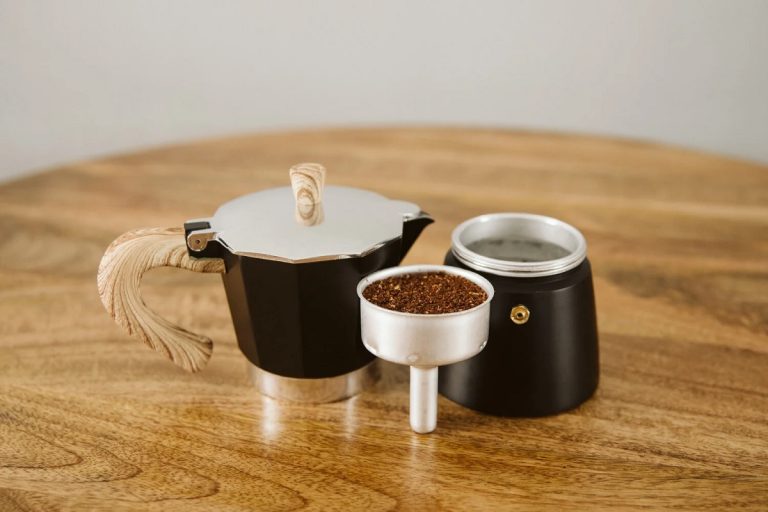
For electric drip coffee pots, run a mixture of water and vinegar through the machine occasionally to descale and remove deposits. For stovetop or manual coffee pots, make sure all removable parts are washed and rinsed properly. Clean equipment ensures that each cup tastes fresh, aromatic, and free of stale coffee notes.
Consistent maintenance extends the life of your coffee pot and guarantees optimal performance. By taking the time to clean and care for your equipment, you create a reliable foundation for perfect coffee every time.
Selecting the Right Coffee Beans
Choosing fresh, high-quality coffee beans is crucial to achieving a flavorful brew. Beans vary by origin, roast level, and processing method, all of which influence taste, aroma, and body. Light roasts preserve delicate flavor notes, medium roasts balance acidity and sweetness, and dark roasts provide rich, bold flavors.
Grinding beans just before brewing ensures maximum freshness. Whole beans maintain oils and aromas longer than pre-ground coffee, which can lose potency over time. Consider the brewing method when selecting grind size: medium grind works best for most coffee pots, while very fine or coarse grinds can affect extraction and flavor.
Selecting beans with care also allows you to experiment with flavor profiles. Single-origin beans highlight unique regional characteristics, while blends offer balanced and complex flavors. Knowing your beans helps you match the right coffee to your taste preferences for consistently satisfying results.
Measuring Coffee and Water
Accurate measurement of coffee and water is essential for a balanced cup. A standard ratio is about 1 to 2 tablespoons of coffee per 6 ounces of water, but this can be adjusted to suit strength preferences. Using a digital scale provides precision, while scoops are convenient for everyday brewing.
Pouring the correct amount of water into the coffee pot ensures proper extraction. Too little water results in overly strong, bitter coffee, while too much produces weak, diluted flavor. Measuring both coffee and water consistently allows you to replicate your preferred taste every time.
By paying attention to ratios and measurements, you can experiment gradually with stronger or lighter brews. Recording your preferred measurements and adjustments helps maintain consistency and simplifies future brewing sessions.
Preparing Filters and Accessories
Using the correct filter type is important for proper extraction. Paper filters are common and help trap sediments and oils, producing a clean cup, while metal filters allow more oils and body to pass through, giving a richer taste. Rinse paper filters before brewing to remove any paper taste and preheat the pot slightly to maintain temperature.
Accessories such as measuring spoons, scales, and stirrers enhance consistency and control over the brewing process. Having these tools ready before you start simplifies preparation and ensures you focus on brewing rather than searching for items mid-process.
Brewing Process Step by Step
Mastering the brewing process in a coffee pot requires attention to detail and consistency. Each step, from preparing the pot to pouring the finished coffee, impacts flavor, aroma, and body. By following a structured approach, you can produce a rich, balanced cup every time. Understanding the step-by-step process also allows you to make adjustments for strength and taste, ensuring that every brew meets your preferences.
Preheating and Preparing the Coffee Pot
Preheating your coffee pot helps maintain an even brewing temperature, which is critical for proper extraction. Pour a small amount of hot water into the carafe to warm it, then discard the water before adding coffee grounds. Preheating ensures that your coffee doesn’t cool prematurely during brewing, preserving flavor and aroma.
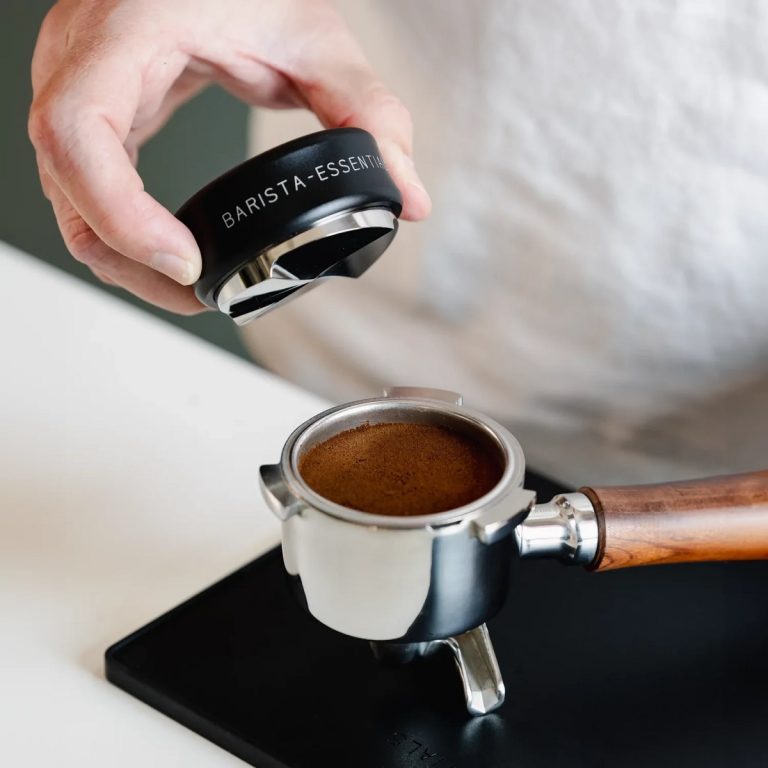
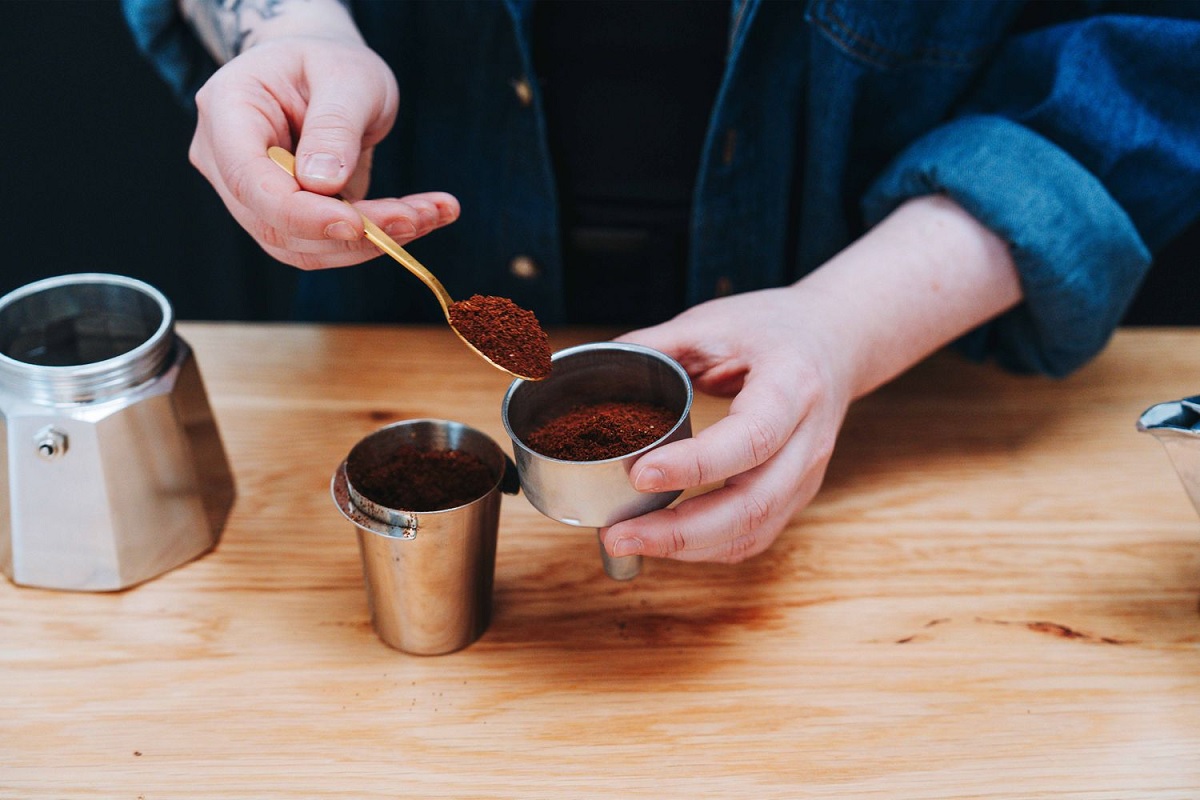
Place a clean filter in the basket and confirm that it sits evenly. Add your measured coffee grounds, ensuring a level surface to promote even water flow. This step establishes the foundation for proper extraction and consistent taste, as uneven grounds or cold equipment can affect flavor.
Organizing your ingredients and tools before brewing prevents interruptions and keeps the process smooth. From scoops and spoons to measuring water, having everything ready contributes to accuracy and repeatable results. Preheating may seem minor, but it’s essential for achieving a high-quality cup of coffee.
Pouring Water and Initiating Brewing
Pour water slowly into the coffee reservoir of your pot, using your measured amount. The water-to-coffee ratio is critical for flavor balance, typically around 6 ounces of water per 1–2 tablespoons of ground coffee. Pour evenly to ensure that the grounds absorb water uniformly during brewing.
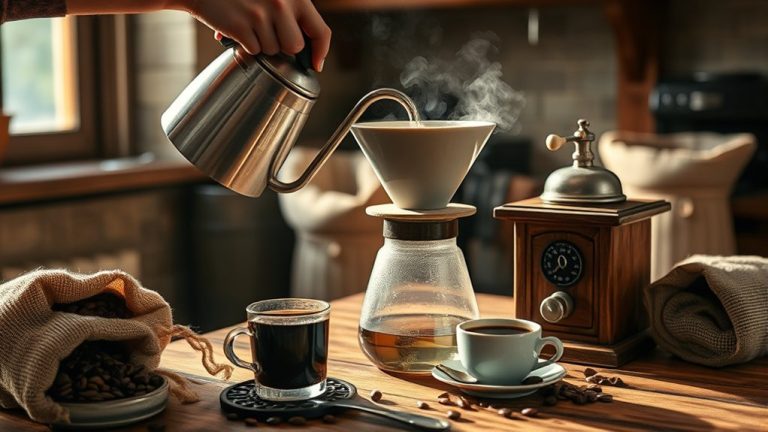
Turn on your coffee pot or place it on heat, depending on your model. For manual methods, pour water over the grounds slowly in a circular motion to saturate them completely. Proper water distribution prevents channeling and ensures that all grounds contribute to the flavor of the brew.
The initial contact between water and coffee grounds begins extraction, releasing oils, flavors, and aromas. Maintaining a steady temperature and flow during this stage is essential to produce a smooth, full-bodied cup with balanced acidity and sweetness.
Monitoring Brew Time and Extraction
Brew time affects strength and flavor. A standard drip or coffee pot brew usually takes 4–6 minutes, depending on the amount of water and coffee. Keep an eye on the process, ensuring that water passes evenly through the grounds and drips consistently into the carafe.
Avoid interruptions during brewing, as pausing or agitation can alter extraction, leading to uneven flavor. Stirring is generally not necessary during automatic brewing, but for manual pours, a gentle swirl can help achieve uniform saturation. Proper timing ensures that coffee develops a balanced body, aroma, and acidity without bitterness.
Understanding extraction dynamics allows you to tweak brewing time to suit taste preferences. Shorter brews yield lighter, milder coffee, while longer brewing produces stronger, bolder flavors. Monitoring the process helps you learn how your coffee pot performs and ensures repeatable, satisfying results.
Finishing and Serving Your Coffee
Once brewing is complete, remove the pot from heat or turn off the machine. Allow coffee to settle briefly, letting the last droplets finish dripping through the grounds. Pouring immediately can sometimes result in inconsistent flavor due to varying extraction levels.
Serve coffee fresh for the best aroma and taste. Over time, coffee left on a warming plate can develop bitterness or lose vibrancy. Using preheated mugs helps maintain temperature and enhances the drinking experience. Consider optional additions like milk, cream, or sweeteners according to personal preference.
Proper serving also includes attention to presentation. Clean your coffee pot and carafe immediately after use to prevent residue buildup and preserve flavor for future brews. Following this final step ensures that your brewing process results in a satisfying, high-quality cup every time.
Adjusting for Strength and Flavor
After mastering the basic brewing process, you can adjust coffee strength by altering grind size, dose, or water-to-coffee ratio. Finer grinds increase extraction and body, while coarser grinds produce lighter flavor. Adjusting the amount of coffee allows for a more customized cup.
Experimenting with water temperature, brew time, and pouring technique provides additional control over flavor balance. Keeping notes on each adjustment helps you recreate your preferred brew consistently. Over time, these small tweaks enhance your ability to craft coffee that matches your exact taste preferences.
Understanding and adjusting these variables ensures that you can brew coffee that is aromatic, flavorful, and tailored to your liking. Mastery of the step-by-step process combined with fine-tuning elevates home brewing to professional-quality results.
Frequently Asked Questions
How Do I Choose the Best Coffee Beans for My Coffee Pot?
Selecting the right coffee beans is essential for professional-quality coffee. Fresh, high-quality beans produce richer flavor, better aroma, and more balanced extraction. You can choose beans based on roast level—light roasts highlight delicate floral or fruity notes, medium roasts balance sweetness and acidity, and dark roasts deliver bold, robust flavors.
Grinding your beans just before brewing ensures maximum freshness and prevents flavor loss. Whole beans also give you control over grind size, which directly affects extraction and strength. By selecting the right beans and grind, you can brew coffee that consistently tastes exceptional.
What Grind Size Works Best for a Coffee Pot?
Using the proper grind size is critical for optimal extraction. For most drip-style coffee pots, a medium grind works best. Too fine a grind can cause over-extraction, bitterness, and slow water flow, while a coarse grind produces weak, under-extracted coffee.
Burr grinders are recommended for uniform particle size and consistency. The correct grind allows water to pass evenly through the grounds, ensuring balanced flavor. Adjusting grind slightly can fine-tune strength and taste, helping you craft coffee like a pro every time.
How Much Coffee Should I Use Per Cup?
Measuring coffee accurately guarantees a balanced and flavorful brew. A common guideline is 1–2 tablespoons of ground coffee per 6 ounces of water, but you can adjust based on taste preference. Using a digital scale ensures precision and repeatable results, giving you professional consistency.
Too much coffee can lead to bitterness and overpowering flavors, while too little creates a weak, watery cup. By tracking measurements and adjusting gradually, you can consistently produce coffee that meets your desired strength and aroma.
Should I Preheat My Coffee Pot Before Brewing?
Preheating your coffee pot helps maintain ideal brewing temperature and preserves flavor. Pour a small amount of hot water into the carafe, swirl, and discard it before adding coffee grounds. Preheating prevents sudden temperature drops that can result in under-extracted, weak coffee.
Cold equipment can affect water flow and extraction, producing inconsistent taste. By preheating your pot, you create a stable brewing environment that maximizes aroma, body, and overall flavor, just like a professional barista.
How Long Should I Brew Coffee in a Coffee Pot?
Brew time affects flavor, strength, and aroma. Standard coffee pots typically require 4–6 minutes for complete extraction. Consistent timing ensures that water flows evenly through the grounds, producing a balanced cup without bitterness or under-extraction.
For manual pours, a slow, steady technique helps saturate the grounds evenly. Shorter brew times yield milder coffee, while longer times create stronger, bolder flavor. Knowing your coffee pot’s timing allows you to fine-tune strength and achieve a consistently professional result.
How Can I Enhance the Flavor of My Coffee Pot Brew?
Enhancing flavor involves careful adjustments during and after brewing. Adding spices like cinnamon, nutmeg, or cocoa to the grounds introduces aromatic complexity. Milk, cream, or non-dairy alternatives improve texture, while sweeteners balance bitterness.
Experimenting with ratios and additives lets you customize flavor without overpowering the coffee’s natural taste. Using fresh beans, proper grind, and consistent brewing technique also maximizes extraction and ensures a rich, professional-quality cup every time.
What Is the Best Way to Serve Coffee from a Coffee Pot?
Serving coffee properly preserves its flavor and enjoyment. Pour freshly brewed coffee immediately into preheated mugs to maintain temperature and aroma. Avoid leaving coffee on a warming plate for extended periods, as it can become bitter and stale.
Presentation adds to the experience: clean carafes, garnishes like cinnamon or cocoa, and careful pouring make the cup feel premium. Pairing coffee with pastries or chocolate can highlight flavors, creating a more satisfying and professional coffee experience at home.
Final Thoughts
Brewing a perfect cup of coffee at home is both an art and a science, and mastering the process can completely transform your mornings. Paying attention to the coffee-to-water ratio, grind size, and brewing time ensures that every cup has rich flavor, smooth texture, and the ideal aroma. Small adjustments, such as using fresh beans or cleaning your coffee pot regularly, make a noticeable difference in taste.
By understanding the steps and techniques, you can consistently enjoy coffee tailored to your preference. Whether you like it strong and bold or mild and balanced, knowing the proper methods helps you avoid common mistakes like over-extraction or weak coffee. These practices also help preserve the natural flavors and aroma of the beans, giving you a café-quality experience at home.
Learning [How to Make Coffee in a Coffee Pot Like a Pro] allows you to enjoy your favorite brew with confidence and consistency. With practice, patience, and attention to detail, every cup becomes a moment of enjoyment and satisfaction. Following the tips and steps outlined ensures that your coffee is always flavorful, aromatic, and brewed to perfection.