What Is an Espresso Coffee? Unlocking the Richness in Every Shot
Espresso is one of the most popular and recognizable coffee beverages worldwide, celebrated for its strong flavor, rich aroma, and concentrated form. Many coffee lovers enjoy its bold taste either as a standalone shot or as the base for drinks like lattes, cappuccinos, and macchiatos. Understanding [What Is an Espresso Coffee?] helps you appreciate its unique preparation and characteristics.
Espresso is brewed by forcing hot water through finely ground coffee under high pressure. This method extracts intense flavors, oils, and aroma quickly, creating a small, concentrated shot. The result is a coffee with a rich body, smooth texture, and the signature layer of crema on top.
Learning [What Is an Espresso Coffee?] also involves recognizing the role of espresso beans, grind size, and proper brewing technique. Each factor contributes to the taste, consistency, and crema that define a quality espresso shot.
For coffee enthusiasts, understanding espresso allows you to make informed choices, whether ordering at a café or brewing at home. It opens the door to experimenting with flavors, strengths, and milk-based variations, enhancing your overall coffee experience.
Key Characteristics of Espresso Coffee
Espresso coffee is celebrated for its bold flavor, rich aroma, and unique preparation method. Understanding the key characteristics of espresso coffee helps you appreciate why it stands out from regular coffee. These characteristics are shaped by brewing technique, bean selection, grind size, and extraction, all of which contribute to its strong taste, creamy texture, and signature crema.
Concentrated Flavor and Aroma
One of the most defining features of espresso coffee is its concentrated flavor. The high-pressure brewing process extracts oils, soluble compounds, and aromatic elements from finely ground coffee beans quickly, creating a small but intensely flavorful shot. Espresso delivers a full-bodied experience in just one or two ounces, offering a balance of bitterness, sweetness, and subtle acidity.
The aroma of espresso is also distinct, with fragrant notes of chocolate, caramel, nuts, or spices depending on the beans and roast. This intense aroma is an integral part of the espresso experience, engaging the senses before even taking a sip. Each shot highlights the unique characteristics of the beans, whether they are single-origin or part of a blend.
The concentrated nature of espresso allows the flavors to remain bold even when paired with milk or syrups in beverages like lattes and cappuccinos. By appreciating its aroma and taste, you can identify quality espresso and understand the nuances that different beans and roasts bring to the cup.
Crema: The Signature Layer
Crema is a golden, foamy layer that forms on top of a freshly pulled espresso shot and is one of its most recognizable features. This creamy layer results from the high-pressure extraction process, which emulsifies the natural oils and CO2 present in the coffee. Crema not only adds visual appeal but also contributes to the texture and overall flavor of the espresso.
A good crema should be thick, with a velvety texture and a rich golden-brown color. It acts as a protective layer, trapping the coffee’s aromas and enhancing the drinking experience. Factors such as bean freshness, roast level, grind size, and extraction technique all influence the quality of crema.
Crema also indicates proper brewing. Thin or non-existent crema can be a sign of under-extraction, stale beans, or incorrect grind size. Learning to observe crema helps coffee enthusiasts and baristas evaluate the quality of espresso and make adjustments to ensure a satisfying cup every time.
Body and Mouthfeel
Espresso coffee is known for its full body and smooth mouthfeel, which sets it apart from other brewing methods. The high-pressure extraction concentrates the coffee solids and oils, creating a dense, syrupy texture. This body provides a rich sensory experience with each sip, allowing the flavors to linger on the palate.
The mouthfeel of espresso is influenced by the bean’s roast, origin, and grind. Darker roasts tend to produce a heavier body, while medium-dark roasts provide a more balanced texture with subtle acidity. Properly extracted espresso should feel smooth, velvety, and slightly creamy, without harsh bitterness.
Body is a critical factor when combining espresso with milk in beverages. A strong, full-bodied espresso can hold up against steamed milk, creating a well-balanced latte or cappuccino. Understanding body and mouthfeel allows coffee drinkers to select beans and brewing methods that align with their preferred flavor intensity and texture.
Intensity and Caffeine Concentration
Espresso is highly concentrated, both in flavor and caffeine content per ounce. While a single shot is small, it delivers a potent flavor and caffeine boost compared to the same volume of regular coffee. This intensity makes espresso the base for many popular coffee beverages and allows for precise control over strength and taste.
The concentration comes from using finely ground beans, high pressure, and short extraction time. These factors extract maximum flavor compounds while limiting over-extraction, which can cause bitterness. Espresso’s concentrated nature also allows it to retain its bold taste when diluted with water for an Americano or combined with milk for lattes and cappuccinos.
Understanding the intensity of espresso coffee helps you tailor your brewing or ordering preferences. It also explains why a small amount can provide a satisfying caffeine boost and robust flavor experience, making it a favorite among coffee enthusiasts worldwide.
Versatility and Serving Options
Espresso coffee is incredibly versatile, serving as the foundation for numerous coffee drinks. From classic shots to milk-based beverages like cappuccinos, lattes, macchiatos, and even iced variations, espresso adapts to many preferences while maintaining its bold flavor and aroma.
The versatility of espresso comes from its concentrated form, allowing it to complement milk, syrups, or flavorings without losing its character. Coffee enthusiasts can experiment with single-origin beans, blends, and different roast profiles to create unique flavor combinations. Its concentrated strength also makes it suitable for culinary applications like desserts, tiramisu, or affogatos.
By understanding the versatility of espresso, you can explore a wide range of drinks and customize strength, flavor, and texture. Its adaptability, combined with bold flavor, crema, and rich body, ensures that espresso remains a central element in coffee culture and home brewing.
Brewing Essentials for Espresso Coffee
Brewing a perfect espresso requires more than just espresso beans and hot water. It involves precise equipment, proper technique, and careful attention to details such as grind size, water temperature, and extraction time. Understanding the brewing essentials for espresso coffee ensures consistency, flavor balance, and the signature crema in every shot. Mastering these fundamentals can elevate your coffee experience whether at home or in a café setting.
Espresso Machine Selection
The espresso machine is the cornerstone of brewing quality espresso coffee. Machines vary in complexity, from manual and semi-automatic to fully automatic and super-automatic models. Manual machines provide full control over tamping pressure, extraction time, and flow rate, allowing skilled baristas to craft customized espresso shots. Semi-automatic machines combine manual input with automated water pressure control, making them ideal for consistent results while retaining some flexibility.
Fully automatic machines handle almost every step, including grinding, tamping, and extraction, offering convenience without sacrificing much quality. Super-automatic machines go further by grinding beans, frothing milk, and dispensing drinks at the push of a button. Choosing the right machine depends on your brewing skill level, desired control, and frequency of espresso preparation. Regardless of type, all espresso machines must maintain stable water pressure, typically around 9 bars, and precise water temperature for optimal extraction.
Grind Size and Coffee Freshness
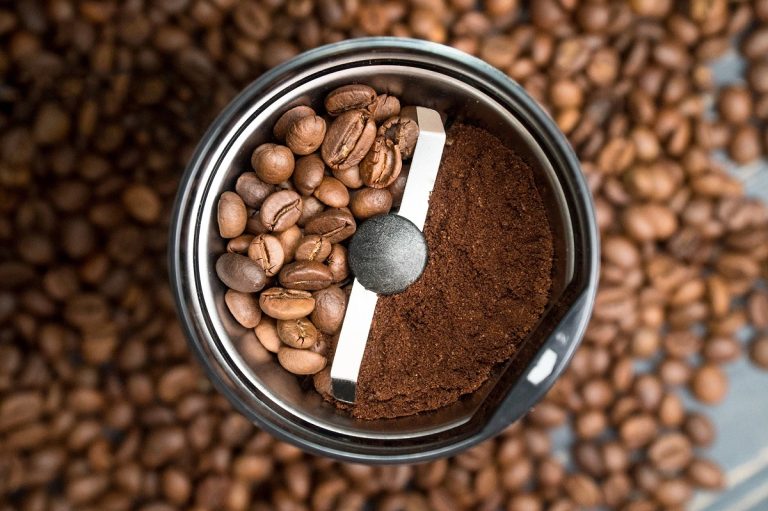
The grind size of espresso coffee is critical to achieving the proper extraction. Finely ground beans allow hot water to pass through under high pressure, extracting concentrated flavors and forming crema. Coarser grinds result in weak, under-extracted shots, while overly fine grinds can cause over-extraction and bitterness. Burr grinders are recommended for consistent particle size, unlike blade grinders, which produce uneven grounds.
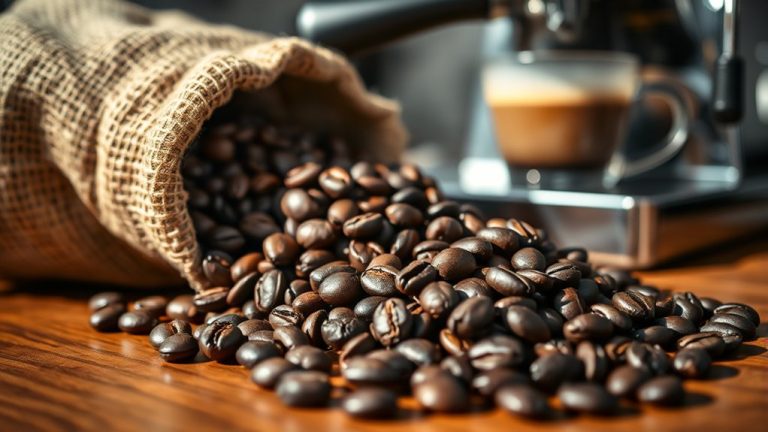
Freshness of the coffee beans is equally important. Beans begin losing aroma and flavor shortly after roasting, and pre-ground coffee loses quality even faster. Using freshly roasted and ground espresso beans ensures maximum flavor, balanced acidity, and rich body. Grinding just before brewing preserves natural oils and aromatic compounds, contributing to a fuller, more satisfying espresso experience. Proper grind size and freshness are essential for a consistent and flavorful cup.
Water Quality and Temperature
Water quality directly affects the taste of espresso coffee. Clean, filtered water free from chlorine, impurities, and excessive minerals ensures a balanced extraction. Poor water quality can result in off-flavors, bitterness, or an uneven crema. The ratio of water to coffee must also be precise, as espresso is highly concentrated and any variation can significantly affect flavor.
Water temperature is equally critical. Ideally, it should be between 195°F and 205°F (90–96°C) for optimal extraction. Water that is too hot can scorch the coffee, producing bitter notes, while water that is too cool results in weak, under-extracted espresso. Consistent temperature control is a hallmark of high-quality espresso machines, ensuring that each shot achieves the right balance of flavor, aroma, and crema.
Tamping and Extraction Technique
Tamping the coffee grounds evenly and with appropriate pressure is essential for proper espresso extraction. Tamping compresses the coffee into a uniform puck, allowing water to flow evenly through the grounds. Uneven tamping or inconsistent pressure can cause channeling, leading to over-extraction in some areas and under-extraction in others, resulting in a bitter or weak shot.
Extraction time is another critical factor. A standard espresso shot typically takes 25–30 seconds for a double shot. Monitoring the flow and adjusting grind size or dosage can help maintain the correct extraction time. Proper tamping and extraction technique ensure that all soluble compounds are balanced, producing a concentrated, flavorful espresso with a rich, creamy crema.
Milk Frothing and Espresso-Based Drinks
For milk-based espresso drinks like lattes, cappuccinos, or macchiatos, proper milk frothing is essential. Steam wands on espresso machines allow you to aerate and heat milk simultaneously, creating microfoam with a creamy texture. The milk should be steamed to about 140–155°F (60–68°C) for optimal taste and texture.
The combination of well-brewed espresso and properly textured milk ensures a balanced drink, where the coffee’s bold flavor harmonizes with the milk’s creaminess. Baristas often use latte art to enhance visual appeal, but even without it, milk texture contributes to mouthfeel and overall satisfaction. Mastering milk frothing complements the brewing essentials and allows you to enjoy a café-quality experience at home.
Serving and Enjoying Espresso Coffee
Serving espresso coffee is about more than just pouring a shot; it’s about appreciating its aroma, flavor, and texture. Proper serving enhances the sensory experience and allows you to enjoy the full character of a well-prepared espresso. From cup selection to timing, attention to these details ensures that every sip delivers the rich, concentrated flavor that espresso is known for.
Choosing the Right Cup
The cup you use plays a key role in enjoying espresso coffee. Espresso is traditionally served in small, thick-walled demitasse cups, typically holding 2–3 ounces. The thick walls help retain heat, ensuring the coffee stays warm for the duration of the drink. A smaller cup also concentrates the aroma, allowing you to experience the coffee’s full fragrance before sipping.
Serving espresso in the proper cup emphasizes its crema, which is a sign of a well-extracted shot. The size and shape of the cup affect the perception of flavor and intensity, making it easier to appreciate the coffee’s body, aroma, and richness. Using the right cup enhances the overall experience and helps maintain the quality of each shot.
Timing and Freshness
Timing is crucial when serving espresso coffee. A freshly brewed espresso should be served immediately after extraction to preserve its aroma, crema, and flavor. Delaying the serving can result in the crema dissipating and the coffee losing its concentrated taste, leaving a flatter, less satisfying cup.
The first few seconds after brewing are essential for experiencing the full complexity of espresso. The aroma is most intense, the body is rich, and the flavor is well-balanced. Serving immediately ensures that the drinker enjoys the espresso at its peak, making every sip aromatic, bold, and full-bodied.
Enhancing the Experience
Espresso can be enjoyed on its own or paired with accompaniments like sugar, chocolate, or a small biscuit. Sipping slowly allows you to savor the nuances in flavor, from subtle sweetness to balanced bitterness. Some drinkers prefer a single shot, while others enjoy a double for a more intense experience.
The environment and presentation also enhance enjoyment. Serving espresso in a clean, quiet setting with attention to cup presentation, aroma, and temperature creates a more immersive experience. Taking the time to appreciate these details allows you to fully enjoy the sensory pleasure that espresso coffee offers.
Pairing and Variations
Espresso is versatile and can be enjoyed in a variety of forms. It serves as the base for popular drinks like cappuccinos, lattes, macchiatos, and Americanos. Pairing espresso with steamed milk or water adjusts intensity while maintaining flavor complexity. Adding subtle flavorings or syrups can complement, but not overpower, the coffee’s natural taste.
Experimenting with these variations allows you to enjoy espresso in different ways while highlighting its characteristics. Whether drinking straight or in a milk-based beverage, understanding serving techniques ensures that espresso coffee consistently delivers bold flavor, aroma, and rich texture.
FAQs
What Is an Espresso Coffee?
Espresso coffee is a concentrated and bold form of coffee made by forcing hot water through finely-ground coffee under high pressure. You get a small but intensely flavorful shot with a rich aroma and a layer of crema on top.
It’s different from regular brewed coffee because the extraction process produces a thicker texture and stronger taste. You can enjoy it as a standalone shot or use it as a base for drinks like cappuccinos and lattes, making it a versatile choice for coffee lovers.
How Is Espresso Coffee Made?
Espresso coffee is made by finely grinding coffee beans and using an espresso machine to force hot water through the grounds at high pressure. This process usually takes 20 to 30 seconds per shot, producing a concentrated, flavorful coffee.
The high-pressure extraction creates a smooth, thick texture and a layer of crema, which adds a creamy, aromatic finish. The ratio of coffee to water and the grind size are critical, so precise measurement ensures the perfect shot every time you brew.
What Makes Espresso Coffee Different From Regular Coffee?
The main difference lies in concentration, texture, and preparation. Espresso coffee is stronger, thicker, and richer in flavor compared to regular drip or pour-over coffee. You also get a distinctive crema, which is absent in most other brewing methods.
Espresso uses finely-ground beans and high-pressure water, while regular coffee is brewed more slowly with coarser grounds and less pressure. This difference affects taste, aroma, and intensity. Whether you drink it straight or in a milk-based beverage, espresso delivers a concentrated coffee experience unlike any other.
How Many Ounces Is an Espresso Coffee Shot?
A standard espresso coffee shot is typically about 1 ounce (30 milliliters), though this can vary slightly depending on the machine and coffee type. A double shot is about 2 ounces.
Despite its small size, it packs a strong flavor and caffeine content. Understanding this measurement helps you plan servings and combine espresso with milk or other ingredients for beverages like lattes, cappuccinos, and macchiatos. Knowing the standard size ensures consistent flavor in every cup you brew.
Can I Make Espresso Coffee Without an Espresso Machine?
Yes, you can make espresso coffee without a traditional machine, though the result may differ slightly in crema and intensity. Tools like a stovetop moka pot, AeroPress, or manual lever press can produce a concentrated, espresso-style coffee.
You need finely-ground coffee and careful attention to water temperature and pressure. While these methods won’t replicate high-pressure machine extraction perfectly, they allow you to enjoy rich, strong espresso coffee at home without expensive equipment. Experimenting with grind and technique can get you surprisingly close to a true espresso shot.
What Are Espresso Coffee-Based Drinks?
Espresso coffee serves as the foundation for many popular drinks, including lattes, cappuccinos, macchiatos, and Americanos. A single or double shot is combined with steamed milk, water, or foam to create unique flavors and textures.
Each drink varies in milk ratio, froth, and flavor intensity. For example, a cappuccino balances espresso and frothy milk evenly, while a latte has more milk for a creamier taste. Understanding these variations allows you to enjoy espresso coffee in multiple ways at home or in cafes.
How Should Espresso Coffee Be Stored to Maintain Freshness?
To preserve espresso coffee flavor, store your beans in an airtight container away from light, heat, and moisture. Whole beans stay fresher longer, so grind only before brewing.
Keeping beans in a cool, dark place prevents them from losing aroma and taste. Avoid storing in the fridge or freezer if you open them frequently, as condensation can affect flavor. Proper storage ensures your espresso coffee remains rich and aromatic for every shot you prepare.
Conclusion
Espresso coffee is more than just a strong cup of coffee; it is a concentrated, flavorful experience that highlights the art and science of brewing. Understanding [What Is an Espresso Coffee?] involves recognizing the unique combination of finely ground beans, high-pressure extraction, and precise brewing techniques that create its bold flavor, rich aroma, and signature crema. Every detail, from bean selection to tamping, affects the final cup.
For coffee enthusiasts, exploring [What Is an Espresso Coffee?] opens up opportunities to experiment with different beans, roast profiles, and brewing methods. It also allows for the creation of versatile drinks like cappuccinos, lattes, and macchiatos, while maintaining the essence of espresso. The concentrated nature of espresso ensures that even a small shot delivers a powerful, satisfying taste experience.
By understanding the fundamentals of [What Is an Espresso Coffee?], you can appreciate its complexity and quality, whether enjoying a single shot at home or crafting café-style beverages. Mastery of these basics ensures every cup is consistently flavorful, aromatic, and enjoyable.