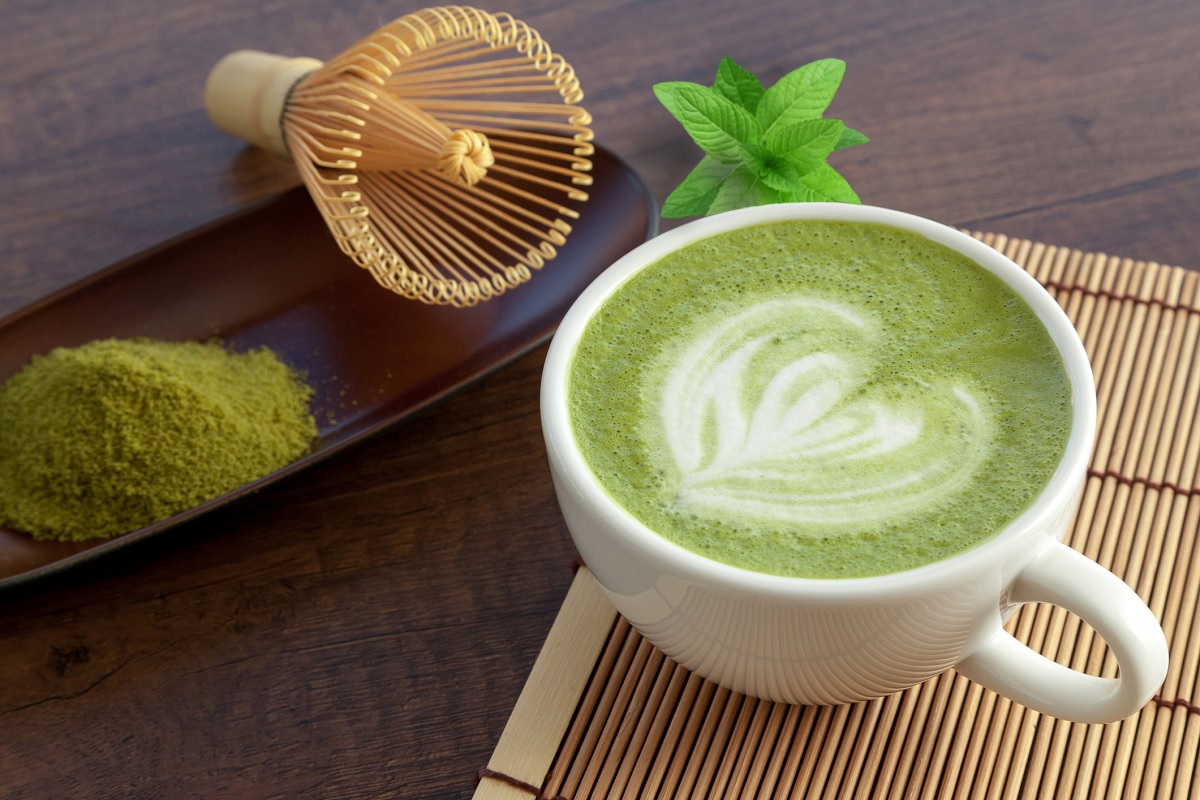
What Is a Matcha Latte? Everything You Need to Know About This Vibrant Drink
A matcha latte has become a popular choice for tea and coffee enthusiasts alike, blending the rich flavors of Japanese green tea with the creamy texture of milk. Many people are curious about this beverage, its preparation, and how it differs from traditional tea or coffee drinks. Understanding its components can help you appreciate both its flavor and potential health benefits.
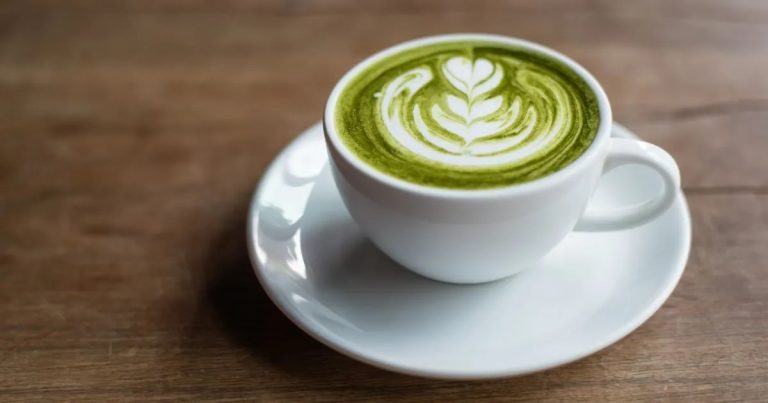
A common question among newcomers is [What is a Matcha Latte?]. Essentially, it’s a drink made by whisking powdered matcha green tea with hot water and combining it with steamed or frothed milk. This combination creates a smooth, vibrant green beverage that balances the natural earthiness of matcha with the creaminess of milk.
Matcha lattes can be served hot or iced, making them versatile for any season. They often include sweeteners or flavorings like vanilla or honey, but the basic form emphasizes the rich taste of matcha itself.
The drink is also appreciated for its functional benefits. Unlike coffee, it provides caffeine paired with L-theanine, promoting alertness while maintaining a sense of calm, making it a favorite choice for energy and relaxation.
Key Ingredients in a Matcha Latte
A matcha latte combines a few carefully selected ingredients that create its unique flavor, texture, and health benefits. Each component contributes to the drink’s taste, appearance, and functional properties. Understanding these key ingredients can help you appreciate what goes into a matcha latte and how to customize it for flavor, nutrition, and dietary preferences.
Matcha Powder
The cornerstone of any matcha latte is high-quality matcha powder. Made from finely ground green tea leaves, matcha powder provides both the vibrant green color and earthy, slightly bitter flavor that defines the drink. The quality of the powder significantly impacts taste and texture, with ceremonial-grade matcha offering a smoother, more refined flavor, while culinary-grade matcha is often more robust and slightly bitter.
Matcha powder is also packed with antioxidants, including catechins, which have been linked to numerous health benefits such as supporting metabolism and reducing inflammation. It contains caffeine and L-theanine, which together promote alertness while maintaining a sense of calm. The amount and grade of matcha used in a latte directly influence its flavor intensity, caffeine content, and health properties, making this ingredient the most essential part of the drink.
Milk and Milk Alternatives
The second key ingredient in a matcha latte is milk, which adds creaminess and balances the natural bitterness of matcha. Traditionally, whole or 2% milk is used, providing a rich, smooth texture. However, plant-based alternatives like oat, almond, soy, or coconut milk are increasingly popular. Each milk type has a different flavor profile and sweetness level, which can subtly change the overall taste of the latte.
Plant-based options also offer varying nutritional benefits. For example, oat milk provides a slightly sweet, creamy texture with added fiber, while almond milk is lighter and lower in calories. Using unsweetened alternatives allows the natural matcha flavor to shine, whereas sweetened versions add an extra layer of sweetness. The choice of milk not only impacts flavor and texture but also influences the nutritional profile and caffeine absorption rate, making it a versatile and customizable component of the latte.
Sweeteners and Flavor Enhancers
Many matcha lattes include sweeteners or flavor enhancers to balance the bitterness of matcha. Common options include cane sugar, honey, maple syrup, or flavored syrups like vanilla or caramel. Sweeteners can be adjusted to taste, allowing you to create a more indulgent beverage or a lighter, more authentic matcha experience.
Alternative sweeteners, such as stevia or monk fruit, offer a low-calorie option without sacrificing sweetness. Flavor enhancers can also include spices like cinnamon, cardamom, or matcha-specific blends that complement the green tea’s natural earthy notes. Choosing the right type and amount of sweetener or flavoring allows you to control sugar content, taste intensity, and overall enjoyment of the latte.
Water or Hot Liquid Base
Water or a hot liquid base is essential for properly whisking matcha powder before combining it with milk. Using hot water around 160–175°F ensures the powder dissolves evenly without becoming bitter. Properly prepared matcha creates a smooth, frothy base that blends seamlessly with milk, enhancing texture and flavor.
Cold or iced lattes use a smaller amount of hot water to dissolve matcha before adding ice and milk. The water-to-matcha ratio affects the strength of flavor and caffeine content, allowing you to adjust intensity based on personal preference. Proper preparation ensures that matcha’s vibrant color, aroma, and beneficial compounds are preserved in every cup.
Optional Toppings
Optional toppings can elevate a matcha latte visually and flavor-wise. Whipped cream, foam art, or a light dusting of additional matcha powder are common additions. Some cafes include cocoa powder, cinnamon, or edible flowers to enhance presentation and provide subtle flavor notes.
These finishing touches do not dramatically change the nutritional profile but enhance the sensory experience. Toppings allow customization, making each matcha latte unique while highlighting its signature color and creamy texture. Choosing toppings thoughtfully can create a visually appealing and satisfying beverage.
The combination of high-quality matcha powder, milk or milk alternatives, sweeteners, hot water, and optional toppings creates a balanced, flavorful, and versatile drink. Each ingredient contributes to the latte’s taste, texture, and potential health benefits, making it a carefully crafted beverage that can be tailored to suit individual preferences.
How a Matcha Latte Is Prepared
A matcha latte is a carefully crafted beverage that combines vibrant green tea powder with milk or milk alternatives to create a smooth, flavorful drink. The preparation process not only determines the flavor and texture but also ensures the beneficial compounds in matcha, like antioxidants, caffeine, and L-theanine, are preserved. Understanding each step of preparation can help you make the perfect latte at home or appreciate the expertise behind café versions.
Sifting and Measuring Matcha Powder
The first step in preparing a matcha latte is measuring and sifting the matcha powder. Using about one to two teaspoons of high-quality matcha per serving is standard, but the amount can be adjusted based on taste preferences. Sifting the powder through a fine mesh sieve prevents clumps and ensures a smooth, uniform texture.
Proper measurement is essential because matcha is highly concentrated, and using too much can make the latte overly bitter, while too little may result in a weak flavor. Sifting also improves the powder’s solubility when whisked with hot water, creating a vibrant, frothy base that blends seamlessly with milk. This initial step lays the foundation for a balanced, flavorful latte with the ideal color, aroma, and smoothness.
Whisking Matcha With Hot Water
Once sifted, the matcha powder is combined with a small amount of hot water, usually between 160–175°F. This step allows the powder to dissolve properly and release its natural flavors and bright green color. Whisking is traditionally done with a bamboo whisk, or “chasen,” using a quick, zigzag motion to create a smooth, frothy consistency.
Proper whisking is critical because it ensures that matcha particles are evenly suspended in the liquid, preventing clumps and bitterness. The hot water also activates the caffeine, L-theanine, and antioxidants, preserving the functional benefits of matcha. Whisking technique can impact flavor, froth quality, and the overall presentation of the latte, making it a step that requires attention and care.
Heating and Frothing Milk
The next step involves heating the milk or milk alternative to around 150–160°F, which ensures a creamy, smooth texture without scalding. Frothing the milk creates a light, velvety foam that balances the earthy flavor of matcha and enhances the latte’s visual appeal. A milk frother, steam wand, or even a manual frothing tool can be used depending on availability.
Choosing the right milk is essential because it affects both flavor and texture. Whole milk produces a richer, creamier latte, while plant-based options like oat or almond milk offer subtle sweetness and varied textures. Properly frothed milk ensures a luxurious mouthfeel and allows for smooth integration with the whisked matcha base.
Combining Matcha and Milk
After preparing the matcha base and frothing the milk, the two are combined to create the latte. The hot, frothy milk is poured slowly into the whisked matcha, allowing it to mix evenly while maintaining some of the froth on top. This step balances the natural bitterness of matcha with the creaminess and subtle sweetness of the milk.
Baristas often use controlled pouring techniques to create latte art, adding a visually appealing element to the drink. Proper integration ensures the final beverage has consistent flavor, smooth texture, and the vibrant green color that matcha lattes are known for. This step completes the foundational preparation of a matcha latte.
Optional Sweeteners and Flavorings
The final step is adding sweeteners or flavorings, such as vanilla syrup, honey, or a light dusting of extra matcha powder. Sweeteners can help balance matcha’s natural bitterness, while flavorings enhance aroma and complexity. This step allows customization to personal taste or café-style indulgence.
Sweeteners should be mixed thoroughly to maintain smoothness and consistency. Additional toppings, like foam art, whipped cream, or spices, can elevate the visual presentation and sensory experience of the latte. Thoughtful incorporation of sweeteners and flavorings ensures a balanced, enjoyable beverage tailored to individual preferences, completing the preparation process.
How a Matcha Latte Is Prepared
A matcha latte is a carefully crafted beverage that combines vibrant green tea powder with milk or milk alternatives to create a smooth, flavorful drink. The preparation process not only determines the flavor and texture but also ensures the beneficial compounds in matcha, like antioxidants, caffeine, and L-theanine, are preserved. Understanding each step of preparation can help you make the perfect latte at home or appreciate the expertise behind café versions.
Sifting and Measuring Matcha Powder
The first step in preparing a matcha latte is measuring and sifting the matcha powder. Using about one to two teaspoons of high-quality matcha per serving is standard, but the amount can be adjusted based on taste preferences. Sifting the powder through a fine mesh sieve prevents clumps and ensures a smooth, uniform texture.
Proper measurement is essential because matcha is highly concentrated, and using too much can make the latte overly bitter, while too little may result in a weak flavor. Sifting also improves the powder’s solubility when whisked with hot water, creating a vibrant, frothy base that blends seamlessly with milk. This initial step lays the foundation for a balanced, flavorful latte with the ideal color, aroma, and smoothness.
Whisking Matcha With Hot Water
Once sifted, the matcha powder is combined with a small amount of hot water, usually between 160–175°F. This step allows the powder to dissolve properly and release its natural flavors and bright green color. Whisking is traditionally done with a bamboo whisk, or “chasen,” using a quick, zigzag motion to create a smooth, frothy consistency.
Proper whisking is critical because it ensures that matcha particles are evenly suspended in the liquid, preventing clumps and bitterness. The hot water also activates the caffeine, L-theanine, and antioxidants, preserving the functional benefits of matcha. Whisking technique can impact flavor, froth quality, and the overall presentation of the latte, making it a step that requires attention and care.
Heating and Frothing Milk
The next step involves heating the milk or milk alternative to around 150–160°F, which ensures a creamy, smooth texture without scalding. Frothing the milk creates a light, velvety foam that balances the earthy flavor of matcha and enhances the latte’s visual appeal. A milk frother, steam wand, or even a manual frothing tool can be used depending on availability.
Choosing the right milk is essential because it affects both flavor and texture. Whole milk produces a richer, creamier latte, while plant-based options like oat or almond milk offer subtle sweetness and varied textures. Properly frothed milk ensures a luxurious mouthfeel and allows for smooth integration with the whisked matcha base.
Combining Matcha and Milk
After preparing the matcha base and frothing the milk, the two are combined to create the latte. The hot, frothy milk is poured slowly into the whisked matcha, allowing it to mix evenly while maintaining some of the froth on top. This step balances the natural bitterness of matcha with the creaminess and subtle sweetness of the milk.
Baristas often use controlled pouring techniques to create latte art, adding a visually appealing element to the drink. Proper integration ensures the final beverage has consistent flavor, smooth texture, and the vibrant green color that matcha lattes are known for. This step completes the foundational preparation of a matcha latte.
Optional Sweeteners and Flavorings
The final step is adding sweeteners or flavorings, such as vanilla syrup, honey, or a light dusting of extra matcha powder. Sweeteners can help balance matcha’s natural bitterness, while flavorings enhance aroma and complexity. This step allows customization to personal taste or café-style indulgence.
Sweeteners should be mixed thoroughly to maintain smoothness and consistency. Additional toppings, like foam art, whipped cream, or spices, can elevate the visual presentation and sensory experience of the latte. Thoughtful incorporation of sweeteners and flavorings ensures a balanced, enjoyable beverage tailored to individual preferences, completing the preparation process.
Health Benefits of a Matcha Latte
A matcha latte is more than just a delicious beverage; it also offers several health benefits due to the concentrated nutrients found in matcha powder. Combining this green tea with milk or milk alternatives enhances both taste and nutritional value. From antioxidants to mental clarity, a matcha latte can support overall well-being and provide a balanced boost of energy.
Rich in Antioxidants
One of the primary health benefits of a matcha latte is its high antioxidant content. Matcha contains catechins, particularly epigallocatechin gallate (EGCG), which are potent antioxidants that help combat oxidative stress in the body. These compounds may support heart health, reduce inflammation, and aid in protecting cells from damage caused by free radicals.
Unlike traditional brewed green tea, matcha powder provides the entire leaf in powdered form, meaning you consume all the nutrients rather than just what is steeped in water. This concentrated form delivers a significantly higher level of antioxidants per serving. Adding milk or plant-based alternatives does not dilute these benefits and can complement the nutrient profile by providing protein, calcium, and other essential vitamins. Regular consumption of a matcha latte can be a simple yet effective way to boost antioxidant intake in your daily routine.
Supports Mental Clarity and Focus
A matcha latte can also enhance mental clarity and focus, making it an excellent choice for work or study. The combination of caffeine and L-theanine in matcha provides alertness without the jitteriness often associated with coffee. L-theanine promotes alpha brain waves, which help induce a state of calm concentration, while caffeine gently stimulates the nervous system.
This synergy allows for sustained energy and improved focus, making matcha lattes ideal for maintaining productivity during long hours. The slow release of caffeine, as opposed to the rapid spike from coffee, provides steady mental energy without sudden crashes. Incorporating a matcha latte into your morning or afternoon routine can help you stay alert, focused, and calm throughout your day.
May Support Metabolism and Weight Management
Another benefit of a matcha latte is its potential to support metabolism. EGCG and other catechins in matcha are associated with a slight increase in thermogenesis, which is the body’s natural process of burning calories for energy. Combined with a balanced diet and active lifestyle, matcha can aid in maintaining healthy metabolism and supporting weight management goals.
While the calorie content of a latte depends on milk and sweeteners, choosing low-fat or plant-based milk and moderating added sugar can make a matcha latte a health-conscious beverage. Its nutrient-rich composition offers a satisfying alternative to sugar-heavy coffee drinks or energy beverages while contributing to overall metabolic health.
Promotes Calm and Reduces Stress
The calming properties of a matcha latte are largely attributed to L-theanine. This amino acid reduces stress and promotes relaxation without causing drowsiness, helping you feel centered and composed. Drinking a matcha latte can be a mindful ritual, providing a moment of calm in a busy day.
The combination of relaxation and gentle stimulation is particularly beneficial for managing daily stress. Unlike other caffeinated drinks that can exacerbate anxiety, matcha lattes support emotional balance while enhancing alertness. Regularly incorporating matcha lattes can contribute to overall mental well-being, combining a comforting beverage with functional benefits for both mind and body.
Supports Heart and Immune Health
The catechins and antioxidants in matcha also contribute to heart and immune system support. Studies suggest that regular consumption of green tea compounds can improve cholesterol levels, support healthy blood pressure, and reduce inflammation, which collectively support cardiovascular health. Additionally, antioxidants help strengthen the immune system, offering protection against oxidative damage and environmental stressors.
By enjoying a matcha latte regularly, you can integrate these benefits into your lifestyle in a delicious and convenient way. The combination of matcha, milk, and optional flavorings creates a drink that is both enjoyable and functional, supporting multiple aspects of health with each serving.
Flavor Profile and Taste Experience
A matcha latte offers a distinctive flavor experience that combines the earthy, slightly bitter notes of green tea with the creamy sweetness of milk. The balance between these elements creates a smooth, rich beverage that appeals to both traditional tea lovers and modern latte enthusiasts. Understanding the flavor profile and taste experience can help you appreciate the nuances that make matcha lattes unique.
Earthy and Umami Notes
The most recognizable aspect of a matcha latte is its earthy, umami flavor, which comes from the finely ground green tea leaves. High-quality matcha powder has a naturally sweet, vegetal taste with subtle grassy undertones. Ceremonial-grade matcha is often smoother and less bitter, while culinary-grade matcha can have a stronger, more robust flavor.
This earthiness is balanced by the creamy milk base, which softens the natural bitterness of matcha and enhances its overall richness. The umami notes make the latte feel satisfying and complex, appealing to the palate beyond simple sweetness. The quality of the matcha powder, along with the milk choice, directly affects how pronounced these earthy and savory flavors are in the final drink.
Sweetness and Creaminess
A key part of the matcha latte experience is the sweetness and creaminess provided by milk or milk alternatives. Steamed or frothed milk adds a velvety texture that blends harmoniously with the matcha, reducing sharpness while enhancing mouthfeel. Sweeteners, such as cane sugar, honey, or flavored syrups, can be added to create a more indulgent taste.
Plant-based milks contribute additional flavor notes: oat milk provides a naturally sweet, full-bodied creaminess, while almond milk offers a lighter, nutty undertone. The combination of creamy milk and subtle sweetness balances matcha’s natural bitterness, making the drink approachable for those new to green tea while still satisfying for seasoned enthusiasts.
Texture and Mouthfeel
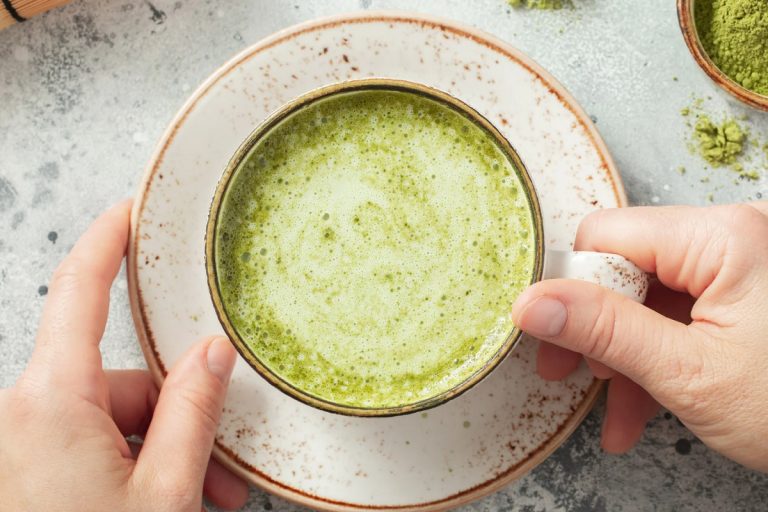
The texture of a matcha latte contributes significantly to the overall taste experience. Properly whisked matcha creates a smooth, frothy base, while frothed milk adds a silky, luxurious mouthfeel. The interplay between the powdered tea and the milk produces a drink that feels rich and comforting, enhancing the sensory experience.
Iced matcha lattes offer a slightly different texture, with cold milk and ice adding refreshing crispness, while still preserving the creamy, smooth consistency. Foam art or a light dusting of matcha on top enhances visual appeal and adds subtle texture, creating a multisensory drinking experience that engages both taste and sight.
Aroma and Visual Appeal
A matcha latte’s aroma contributes to its flavor experience. The fresh, grassy scent of matcha combined with the warmth of steamed milk creates an inviting, soothing aroma that enhances the overall enjoyment of the drink. Visual appeal also plays a role, as the vibrant green color signals the presence of high-quality matcha and adds to the sensory satisfaction.
The combination of aroma, visual vibrancy, smooth texture, and balanced flavor makes a matcha latte a unique and enjoyable beverage. Every sip delivers earthy undertones, creamy sweetness, and a satisfying mouthfeel, creating a multi-layered taste experience that is both comforting and invigorating.
Customization and Popular Variations
One of the appealing aspects of a matcha latte is its versatility. While the basic recipe combines matcha powder with milk, there are countless ways to customize the drink to suit personal tastes. From adjusting sweetness to experimenting with alternative milks or flavorings, these options allow everyone to enjoy a matcha latte that fits their preferences.
Adjusting Sweetness Levels
Sweetness is one of the easiest aspects of a matcha latte to customize. Some people prefer the natural, slightly bitter flavor of matcha, while others enjoy adding sugar, honey, or flavored syrups. The amount and type of sweetener can dramatically change the taste experience, creating anything from a light, earthy beverage to a rich, dessert-like latte.
Using plant-based sweeteners like maple syrup or agave offers a unique flavor twist while keeping the drink natural. For those monitoring sugar intake, low-calorie alternatives like stevia or monk fruit can provide sweetness without adding extra calories. Adjusting sweetness levels ensures that the matcha latte can be tailored to individual taste preferences while still maintaining the health benefits of matcha powder.
Choosing Milk or Milk Alternatives
The type of milk used significantly impacts the flavor and texture of a matcha latte. Whole milk gives a rich, creamy mouthfeel, while low-fat milk creates a lighter drink. Plant-based options such as oat, almond, soy, or coconut milk each add their own subtle flavors, from naturally sweet and creamy to nutty and light.
The choice of milk also affects nutritional content, including protein, fat, and calorie levels. Plant-based milks can cater to dietary restrictions or vegan preferences while maintaining a satisfying texture. This flexibility allows matcha lattes to appeal to a wide audience, making them suitable for different dietary needs without compromising flavor or creaminess.
Flavor Enhancements and Additions
Beyond sweetness and milk, matcha lattes can be enhanced with additional flavors and toppings. Vanilla, caramel, cinnamon, or even lavender syrup can be added to elevate the taste. Whipped cream, frothed foam, or a light sprinkle of cocoa or extra matcha powder on top adds visual appeal and texture.
These enhancements allow for creative expression and variety in everyday consumption. Cafes often offer seasonal variations, such as pumpkin spice or peppermint matcha lattes, which provide a festive twist. Home preparations also allow for experimenting with ingredients to find unique flavor combinations that suit individual preferences.
Iced and Blended Versions
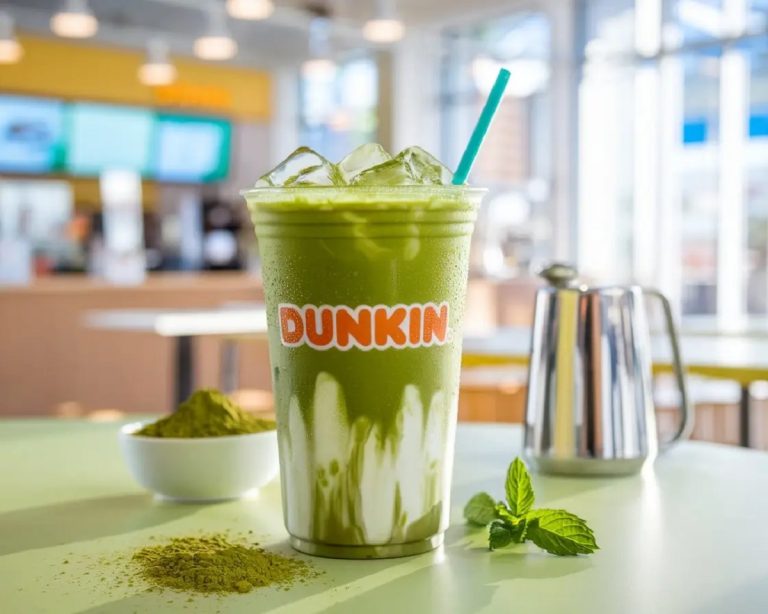
Another popular variation is the iced or blended matcha latte. Iced matcha lattes combine cold milk, ice, and matcha for a refreshing alternative, perfect for warmer weather. Blended versions, like matcha frappes, offer a creamy, dessert-like texture while retaining the signature flavor of matcha.
These variations expand the versatility of matcha lattes, allowing for different temperature preferences and seasonal enjoyment. By customizing milk, sweetness, flavorings, and temperature, you can create a matcha latte that is perfectly suited to your taste while exploring a range of textures and experiences.
People Also Asked
What Is A Matcha Latte?
A matcha latte is a beverage made by combining finely ground green tea powder with milk or milk alternatives. Unlike regular green tea, matcha uses the whole tea leaf in powdered form, which is whisked with hot water to create a smooth, vibrant green base.
The latte is then topped with steamed or frothed milk, resulting in a creamy, slightly sweet drink. You can enjoy it hot or iced, and it is often sweetened or flavored with syrups, honey, or spices. This combination provides both flavor and functional benefits like antioxidants, caffeine, and L-theanine.
How Is A Matcha Latte Different From Regular Green Tea?
A matcha latte differs from regular green tea because it uses powdered whole leaves rather than steeped tea. This means you consume the entire leaf, getting more antioxidants, caffeine, and L-theanine than you would from a cup of traditional green tea.
The addition of milk or milk alternatives also sets it apart. While regular green tea is typically light and watery, a matcha latte is creamy and rich, with a balance of earthy bitterness from matcha and the smoothness of milk, making it more filling and enjoyable as a beverage.
Can A Matcha Latte Be Made With Plant-Based Milk?
Yes, a matcha latte can easily be made with plant-based milk. Options like oat, almond, soy, or coconut milk are popular choices. Each alternative provides a different flavor and texture, such as the naturally sweet creaminess of oat milk or the lighter nutty taste of almond milk.
Plant-based milks also make matcha lattes suitable for vegan or lactose-intolerant individuals. You can customize the latte further by choosing sweetened or unsweetened versions, making it a flexible beverage that caters to your taste preferences and dietary needs without sacrificing the benefits of matcha powder.
Does A Matcha Latte Contain Caffeine?
Yes, a matcha latte contains caffeine, but usually less than coffee. The exact amount depends on the grade and quantity of matcha powder used. One teaspoon of matcha powder typically provides 30–70 milligrams of caffeine, which is enough to boost alertness without causing the jitters that coffee can produce.
Unlike coffee, matcha also contains L-theanine, an amino acid that promotes calm focus. This combination provides a smoother, more balanced energy boost, helping you stay alert and concentrated while maintaining relaxation, making it an ideal drink for productivity or mindful breaks.
Can I Sweeten A Matcha Latte?
Absolutely, you can sweeten a matcha latte according to your preference. Common options include cane sugar, honey, maple syrup, or flavored syrups like vanilla or caramel. You can also use low-calorie alternatives such as stevia or monk fruit if you want to reduce sugar intake.
Sweetening not only balances the natural earthiness of matcha but also creates a more indulgent beverage. Adjusting sweetness levels allows you to personalize the latte to your taste, whether you prefer a lightly sweetened drink to highlight matcha’s flavor or a sweeter, dessert-style experience.
Is A Matcha Latte Healthy?
A matcha latte can be a healthy beverage choice, especially when made with minimal added sugars. Matcha is rich in antioxidants, including catechins like EGCG, which support heart health, reduce inflammation, and protect cells from damage.
It also provides caffeine and L-theanine, offering alertness and focus without overstimulation. Using milk or plant-based alternatives adds protein, calcium, and vitamins. By controlling sweeteners and choosing quality ingredients, a matcha latte can be both a delicious treat and a functional beverage that contributes to overall health.
Final Thoughts
A matcha latte is more than just a colorful drink; it offers a combination of smooth, creamy texture and a subtly earthy, slightly sweet flavor. Made from finely powdered green tea leaves blended with milk and sometimes a touch of sweetener, it provides a unique balance of taste and energy that sets it apart from traditional coffee or tea beverages. The vibrant green color and frothy top make it visually appealing while delivering a satisfying, comforting experience.
The health benefits of a matcha latte are another reason it has grown in popularity. Packed with antioxidants, L-Theanine, and moderate caffeine, it promotes calm alertness, supports metabolism, and can aid in focus and relaxation. Whether enjoyed hot or iced, with dairy or plant-based milk, it can easily be tailored to personal taste and dietary preferences.
For anyone curious about What is a Matcha Latte?, it is essentially a versatile, enjoyable beverage that combines flavor, nutrition, and energy. With easy customization and simple preparation, it can be an everyday indulgence or a special treat while supporting both wellness and taste satisfaction.