How to Grow Matcha – Step-By-Step Cultivation, Care, And Harvest Tips
Growing your own matcha at home can be a rewarding and enjoyable experience for tea enthusiasts and gardening hobbyists alike. The process allows you to connect directly with the plant, understand its delicate growth requirements, and ultimately enjoy the rich, vibrant green powder made from leaves you nurtured yourself. Matcha plants require patience and attention, but the satisfaction of harvesting your own leaves is unmatched.
Understanding the proper conditions for cultivation is essential for success. Matcha comes from shade-grown green tea leaves, which develop their characteristic flavor and bright green color through careful cultivation and proper sunlight management. By controlling light exposure, watering, and soil conditions, home growers can replicate the conditions needed to produce high-quality leaves suitable for matcha.
Learning how to grow matcha involves more than just planting seeds—it requires understanding pruning, shading techniques, and harvesting practices. Each step influences the quality and flavor of the final matcha powder, making attention to detail crucial.
From selecting the right variety of tea plant to maintaining consistent care throughout the growing season, cultivating matcha offers both a hands-on gardening experience and the opportunity to create a personal, fresh supply of this celebrated green tea.
Choosing The Right Environment For Matcha Plants
Creating the ideal environment for matcha plants is a crucial step in cultivating healthy leaves that produce high-quality matcha powder. Matcha plants are delicate and require specific conditions to thrive, including temperature, humidity, soil quality, and light exposure. Understanding how these factors interact ensures that your plants grow strong, vibrant, and ready for harvesting.
Light Requirements and Shading Techniques
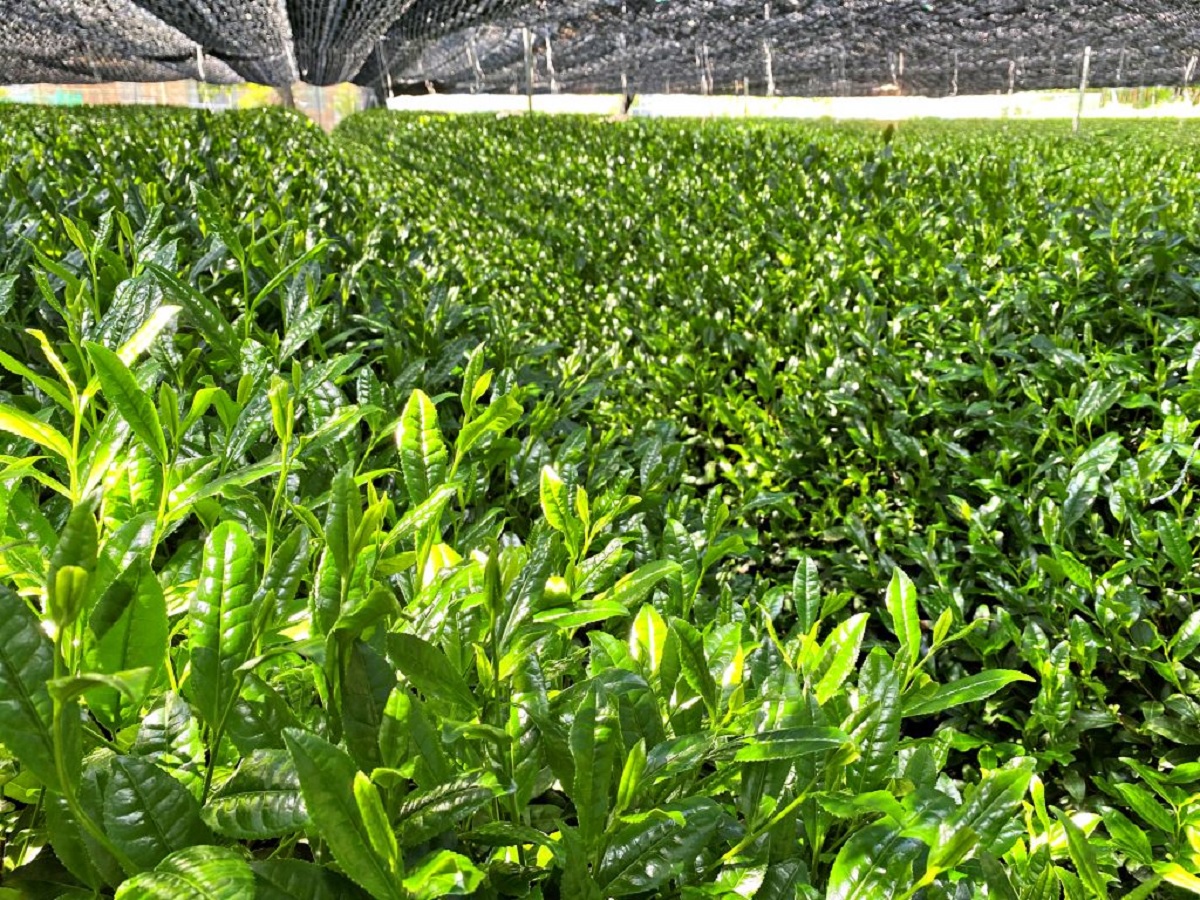
Matcha plants are traditionally shade-grown, which is essential for producing the bright green leaves used in matcha powder. Shade reduces direct sunlight, slows down leaf growth, and increases chlorophyll content, giving matcha its characteristic vibrant color and umami flavor. In a home garden or greenhouse, using shade cloths or constructing a partially covered area can help replicate these conditions.
Proper shading also influences the plant’s chemical composition. Reduced sunlight minimizes catechin levels, which are responsible for bitterness, and enhances amino acids such as L-theanine, which contribute to the signature smoothness of matcha. Monitoring sunlight exposure throughout the day ensures consistent growth and prevents leaf damage. Both natural and artificial shade methods can be used depending on your climate and available space, allowing for flexibility while maintaining optimal leaf quality.
Temperature and Humidity Control
Matcha plants thrive in mild, temperate climates with moderate humidity. Ideal daytime temperatures range between 70°F to 85°F (21°C to 29°C), while nighttime temperatures should not drop below 50°F (10°C). Maintaining stable temperatures prevents stress, which can stunt growth or reduce leaf quality.
Humidity is equally important, as matcha leaves require consistent moisture in the air to stay supple and healthy. In drier climates, misting the plants or using a greenhouse with controlled humidity can help maintain optimal conditions. Conversely, in regions with excessive humidity, proper air circulation is necessary to prevent mold or fungal issues. Balancing temperature and humidity ensures the leaves develop the right texture, color, and flavor profile crucial for high-quality matcha.
Soil Composition and Drainage
The soil used for matcha cultivation must be nutrient-rich, slightly acidic, and well-draining. A loamy soil mixture with organic matter such as compost provides essential nutrients while retaining adequate moisture. Matcha plants do not tolerate waterlogged conditions, so ensuring proper drainage is critical to prevent root rot and other health issues.
Regular soil testing and amendments, such as adding organic fertilizers or adjusting pH with natural agents, can help maintain the right balance. Healthy soil promotes robust leaf growth and influences the chemical composition of the plant, directly affecting the flavor, sweetness, and umami of the final matcha powder. Attention to soil quality also supports the plant’s overall resilience against pests and environmental stressors.
Spacing and Air Circulation
Proper spacing between matcha plants is necessary to optimize growth and reduce competition for light, water, and nutrients. Leaving adequate distance ensures that each plant receives enough sunlight (even under shade) and air circulation, reducing the risk of disease. Overcrowding can result in weaker plants and lower-quality leaves.
Airflow is especially important in humid or greenhouse environments, where stagnant air can promote fungal growth. Using fans or positioning plants strategically helps maintain consistent ventilation. By carefully planning spacing and air circulation, gardeners can create a thriving environment where each matcha plant develops strong leaves suitable for harvesting and producing flavorful powder.
Watering Practices and Microclimate Considerations
Matcha plants require consistent, moderate watering to maintain healthy leaf growth. The soil should remain moist but never soggy, as excessive water can damage roots, while insufficient water can cause leaves to wilt or become bitter. Drip irrigation or regular hand-watering ensures precise control over moisture levels.
Creating a microclimate, such as a greenhouse or shaded garden section, helps regulate temperature, humidity, and wind exposure. This microenvironment mimics the natural conditions where matcha thrives, allowing for better growth and consistent leaf quality. By carefully managing watering practices in conjunction with light, soil, and temperature conditions, gardeners can establish the ideal environment for cultivating matcha plants ready for harvesting.
Selecting Matcha Plant Varieties
Choosing the right matcha plant variety is a critical step in cultivating high-quality leaves for your own matcha powder. Different varieties offer variations in flavor, growth habits, and adaptability to environmental conditions. Understanding these differences ensures that you select a plant suited to your climate, garden space, and desired matcha characteristics, whether aiming for traditional umami-rich flavor or a milder, sweeter profile.
Traditional Japanese Cultivars
The most common matcha varieties originate from Japan, where specific cultivars have been developed for shade-grown cultivation. Varieties such as Yabukita, Okumidori, and Samidori are prized for their high amino acid content and vibrant green color. These cultivars produce leaves that are ideal for traditional matcha, offering a smooth, umami-rich flavor with minimal bitterness.
Yabukita is the most widely planted variety in Japan and is renowned for its adaptability and consistent quality. It produces tender, vibrant leaves suitable for both ceremonial and culinary matcha. Okumidori and Samidori offer slightly sweeter, milder profiles, appealing to those who prefer a softer taste. Choosing a traditional Japanese cultivar ensures that the essential flavor characteristics of authentic matcha are preserved, making these varieties a popular choice among growers focused on high-quality powder production.
Hybrid and Specialty Varieties
In addition to traditional Japanese cultivars, hybrid and specialty varieties have been developed to enhance certain traits, such as growth resilience, flavor intensity, or cold tolerance. These varieties may be particularly useful for growers in climates different from Japan’s temperate regions. Hybrids can produce leaves with a sweeter or more robust flavor while maintaining key matcha characteristics.
Specialty varieties may also be developed for specific purposes, such as culinary applications, where slight bitterness is desirable for baking or drinks. Growers seeking experimentation or local adaptation often explore these options to find a balance between flavor, growth habit, and environmental suitability. Hybrids may be more forgiving in terms of sunlight, soil types, or temperature fluctuations, providing an alternative to traditional cultivars while still delivering quality matcha leaves.
Flavor and Harvest Considerations
When selecting a matcha variety, flavor profile and harvest requirements are essential factors. Some cultivars are naturally sweeter and less bitter, while others have a stronger umami or vegetal taste. The choice will influence the final matcha powder’s flavor, so growers must consider their personal or market preferences.
Harvest timing also varies by variety. Early-harvest leaves, known as “first flush,” are tender and produce the highest-quality matcha with bright green color and delicate flavor. Later harvests may yield larger leaves with slightly stronger bitterness, which is suitable for culinary use or blending. Understanding the harvest characteristics of each variety helps growers plan cultivation cycles and optimize leaf quality.
Adaptability to Growing Conditions
Selecting a matcha plant variety that suits your local growing conditions is crucial for successful cultivation. Some varieties thrive in temperate climates with high humidity and mild temperatures, while others are more resilient to cooler or slightly drier environments. Soil compatibility, sun tolerance, and disease resistance are also important factors.
For home growers or small-scale operations, choosing a variety that can tolerate local temperature fluctuations and variable sunlight reduces stress on the plant and ensures consistent leaf quality. By matching plant characteristics to environmental conditions, growers increase the likelihood of producing vibrant, healthy leaves suitable for matcha production, ultimately improving both flavor and yield.
Combining Varieties for Diverse Flavors
Experienced matcha growers often cultivate multiple varieties to experiment with flavor profiles and harvesting schedules. Combining traditional Japanese cultivars with hybrids or specialty plants allows for a mix of sweet, umami-rich, and slightly bitter leaves, creating a more versatile matcha powder.
Growing multiple varieties also helps manage risk, as certain plants may perform better under specific conditions, ensuring a more consistent yield throughout the season. This approach provides both flavor diversity and adaptability, giving growers flexibility in producing matcha suited for various uses, from ceremonial consumption to culinary applications.
Soil Preparation And Fertilization
Preparing soil properly is a vital step in cultivating healthy matcha plants. Soil quality directly affects plant growth, leaf color, flavor, and overall yield. Fertility, pH balance, drainage, and organic content all contribute to creating an environment where matcha plants can thrive. Understanding how to optimize soil conditions and apply fertilization ensures robust plants and high-quality leaves for matcha powder.
Ideal Soil Composition
Matcha plants prefer slightly acidic, well-draining soil with a loamy texture. The ideal pH range is between 5.5 and 6.5, which supports nutrient uptake and encourages healthy root development. Loamy soil with a mix of sand, silt, and clay provides stability while retaining adequate moisture without waterlogging the roots.
In addition to pH, organic matter is critical for soil fertility. Compost, well-rotted manure, or leaf mold enrich the soil with nutrients and improve structure. Organic matter also enhances water retention, making it easier to maintain consistent moisture levels essential for shade-grown matcha plants. Proper soil composition ensures that roots have access to oxygen, nutrients, and moisture while minimizing stress factors that can reduce leaf quality.
Fertilization Practices
Fertilization plays a key role in supporting matcha plant growth and maintaining vibrant, high-quality leaves. Both organic and synthetic fertilizers can be used, depending on grower preference and availability. Nitrogen is particularly important, as it promotes lush leaf growth and increases chlorophyll levels, enhancing the green color and umami flavor of matcha.
Phosphorus supports root development, while potassium strengthens the plant against stress and improves overall health. Balanced fertilization schedules typically involve slow-release fertilizers or periodic applications throughout the growing season. Organic options like fish emulsion, compost teas, or kelp extracts provide nutrients gradually and improve soil microbial activity, which benefits long-term plant health and leaf quality.
Timing And Application Techniques
Correct timing and application techniques are essential for effective soil preparation and fertilization. Fertilizer should be applied before planting to enrich the soil, and then maintained periodically during the growing season to support consistent leaf growth. Over-fertilization can lead to excessive leaf growth with reduced flavor intensity, while under-fertilization can stunt plants and result in weaker, paler leaves.
Applying fertilizer evenly around the base of the plant and lightly incorporating it into the topsoil ensures nutrients are accessible to the root system. For container-grown matcha plants, fertilization schedules may need adjustment based on soil volume and nutrient retention. Regular monitoring of plant growth and leaf color helps determine if additional fertilization or soil amendments are necessary, ensuring healthy and productive plants.
Enhancing Soil Health Naturally
Maintaining soil health involves more than adding nutrients—it also includes improving structure and microbial activity. Cover crops, mulching, and composting help maintain moisture, regulate temperature, and prevent soil erosion. Mulch protects roots from extreme temperatures and reduces water evaporation, while organic amendments support beneficial soil microorganisms that aid nutrient uptake.
Healthy soil encourages strong root systems, vibrant leaves, and better resistance to pests and diseases. Microbial activity in nutrient-rich soil can improve flavor and chlorophyll concentration in matcha leaves, contributing to a higher-quality final product. By prioritizing soil health alongside proper fertilization, growers create a sustainable environment that consistently supports matcha plant growth and leaf quality.
Monitoring And Adjusting Soil Conditions
Regular soil testing is essential for understanding nutrient levels, pH, and overall health. Testing helps growers make informed decisions about fertilization, amendments, and irrigation. Adjustments can be made with lime to raise pH, sulfur to lower it, or organic matter to improve structure and fertility.
Monitoring soil moisture and drainage ensures roots remain healthy, preventing water stress or rot. Seasonal adjustments may also be necessary, depending on rainfall, temperature, and growth stage of the matcha plants. Careful observation and timely interventions create optimal growing conditions, directly influencing leaf quality, color, and flavor—key factors in producing premium matcha powder.
Planting Techniques For Matcha
Successful matcha cultivation begins with proper planting techniques. How the seeds or seedlings are planted impacts root development, leaf quality, and overall plant health. Attention to spacing, depth, soil preparation, and timing ensures that matcha plants grow strong, vibrant, and capable of producing the tender leaves essential for high-quality matcha powder. Proper planting lays the foundation for a productive and long-lasting garden.
Choosing Seeds or Seedlings
Starting with high-quality seeds or healthy seedlings is crucial for matcha cultivation. Seeds should be fresh and stored in a cool, dry place before planting to ensure high germination rates. Seedlings can be purchased from reputable nurseries specializing in Camellia sinensis, the plant used for matcha, which helps save time and increases the likelihood of successful growth.
Before planting, seeds often require soaking in water for 12 to 24 hours to soften the seed coat and encourage germination. Seedlings should be carefully inspected for signs of disease or pests, as early-stage plants are vulnerable to stress. Healthy seedlings with well-developed roots establish more quickly in the soil and adapt better to environmental conditions, leading to stronger, more productive matcha plants over time.
Soil Preparation And Planting Depth
Proper soil preparation and planting depth are key factors in establishing matcha plants. Soil should be well-draining, slightly acidic, and rich in organic matter to support root development. Digging a hole twice the width of the root ball ensures the roots have enough space to expand.
Seeds are typically planted about 0.5 inches deep, while seedlings are placed slightly deeper to cover the root ball adequately. Lightly compacting soil around the base helps eliminate air pockets, which can dry out roots or hinder growth. Adding a thin layer of mulch retains moisture, regulates soil temperature, and protects young plants from environmental stress, promoting healthy establishment and steady early growth.
Spacing And Arrangement
Proper spacing is essential for matcha plants to receive adequate light, air circulation, and nutrients. In traditional cultivation, plants are spaced about 12 to 18 inches apart, though spacing may vary depending on the cultivar and garden layout. Proper spacing prevents overcrowding, which can lead to reduced airflow, increased risk of disease, and uneven leaf quality.
Rows should be aligned to maximize sunlight exposure while considering shading techniques. Maintaining consistent spacing also allows for easier pruning, harvesting, and maintenance. For home gardeners, careful planning of plant arrangement ensures each plant has access to necessary resources, helping produce healthy leaves suitable for matcha powder while minimizing competition for nutrients and light.
Watering And Initial Care
After planting, consistent watering is critical to establish strong roots and promote leaf growth. Soil should be kept moist but not waterlogged to prevent root rot. Drip irrigation or gentle hand-watering ensures water reaches the root zone evenly and encourages deep root development.
Young plants require additional protection from environmental stressors such as strong sunlight, wind, or temperature fluctuations. Temporary shading or windbreaks can help seedlings adapt to outdoor conditions while minimizing stress. Monitoring soil moisture and plant health during the first few weeks is essential to ensure proper establishment and steady growth, creating a strong foundation for future harvests.
Pruning And Early Maintenance
Early pruning and maintenance encourage healthy growth and improve leaf quality. Removing damaged or weak leaves and trimming excessive growth directs energy toward developing strong, tender shoots that are ideal for matcha production. Regular inspection for pests or disease ensures that young plants remain healthy and productive.
In addition to pruning, applying light organic fertilizers during the initial growth phase supports root and leaf development. Consistent care during these early stages sets the stage for successful long-term cultivation, resulting in vibrant, flavorful matcha leaves. By combining proper planting depth, spacing, soil preparation, and attentive early care, growers can establish a thriving matcha garden ready for high-quality leaf production.
Pruning And Maintenance Tips
Pruning and regular maintenance are essential for growing healthy matcha plants. Proper care ensures strong growth, high-quality leaves, and a sustainable harvest over the years. By understanding the right timing, techniques, and ongoing maintenance practices, growers can cultivate vibrant plants that consistently produce tender, flavorful leaves suitable for matcha powder. Consistency and attention to detail are key for long-term success.
Importance of Pruning
Pruning matcha plants is crucial for promoting new growth and maintaining leaf quality. Removing old, damaged, or weak branches allows the plant to direct energy toward developing fresh shoots, which are the most desirable for matcha production. Young leaves harvested after careful pruning contain higher levels of chlorophyll and amino acids, resulting in brighter color and smoother, umami-rich flavor.
Pruning also helps control the shape and size of the plant, ensuring even sunlight exposure and better air circulation. This reduces the risk of fungal infections, mold, or pest infestations. For home gardeners and commercial growers alike, consistent pruning creates a healthier plant structure, improves productivity, and supports a more manageable cultivation process throughout the growing season.
Timing and Techniques
The timing of pruning plays a significant role in matcha cultivation. Typically, pruning is done after each harvest to encourage new shoots and maintain plant vitality. Light pruning can be performed more frequently, removing small, unnecessary growth, while heavier pruning is best reserved for after the peak growth period or during early spring when the plant is less stressed.
Proper pruning techniques include using clean, sharp shears to make precise cuts at a slight angle. Avoid cutting too close to the main stem to prevent damage, and focus on removing overcrowded or weak branches. Selective pruning ensures that energy is directed toward the healthiest parts of the plant, producing high-quality leaves and maintaining consistent growth patterns.
Ongoing Maintenance Practices
Beyond pruning, routine maintenance is essential for matcha plant health. Regular inspection for pests, diseases, and nutrient deficiencies helps identify problems early. Common issues include fungal infections, leaf discoloration, and insect infestations, all of which can impact leaf quality if left untreated. Prompt attention through natural remedies or organic treatments protects plant health without compromising flavor.
Maintaining proper watering, soil moisture, and fertilization schedules also supports overall growth. Soil should remain moist but well-drained, and periodic applications of organic fertilizers help replenish essential nutrients. Mulching around the base of the plant conserves moisture, suppresses weeds, and regulates soil temperature, contributing to long-term plant vigor and productivity.
Seasonal Adjustments and Care
Seasonal changes require adjustments in pruning and maintenance practices. During hotter months, additional shading or watering may be necessary to prevent stress, while colder months may require protection from frost or wind. Pruning intensity can also vary by season, with lighter trimming in cooler periods to avoid over-stressing the plant.
Understanding the plant’s seasonal needs ensures consistent growth and preserves leaf quality throughout the year. Combining pruning, pest control, watering, and soil care into a regular maintenance routine allows growers to maximize both yield and flavor, providing tender, vibrant matcha leaves ready for harvesting.
Encouraging Long-Term Health and Yield
Consistent pruning and attentive maintenance promote long-term plant health and sustainable matcha production. Healthy plants develop strong root systems, produce uniform, tender leaves, and resist environmental stressors. By integrating careful pruning, proper watering, nutrient management, and seasonal adjustments, growers can maintain a thriving garden that delivers high-quality matcha year after year.
These practices ensure that each harvest yields leaves with optimal flavor, color, and aroma, reinforcing the importance of ongoing care in matcha cultivation.
FAQs
What Is The Best Climate For Growing Matcha?
The best climate for growing matcha is temperate with high humidity and consistent rainfall. Matcha plants thrive in regions with mild temperatures and minimal frost.
He or she should ensure the plants receive partial shade, especially during hot summer months, as direct sunlight can stress the leaves. Indoor growers can use filtered light or shade cloths to mimic ideal conditions. Maintaining stable temperatures and moisture levels helps produce vibrant, healthy leaves essential for high-quality matcha powder.
How Should I Prepare The Soil For Matcha Plants?
Matcha plants prefer slightly acidic soil with good drainage and rich organic content. The ideal pH is between 5.5 and 6.5 to support healthy root growth.
He or she should mix compost or well-rotted manure into the soil before planting to provide nutrients. Avoid waterlogged soil, as excess moisture can cause root rot. Regularly testing soil pH and nutrient levels ensures the plants remain healthy and produce leaves suitable for matcha production. Proper soil preparation is key to long-term plant success.
Should I Grow Matcha From Seeds Or Saplings?
You can grow matcha from seeds or saplings, but each method has advantages. Seeds allow you to start fresh and select the best plants, while saplings give faster growth and earlier harvest.
He or she should consider space, time, and patience when deciding. Seeds require careful germination and several months before they can be transplanted, while saplings need minimal initial care. Either way, proper watering, shading, and soil preparation are essential for healthy growth and future matcha leaf quality.
How Often Should I Water Matcha Plants?
Matcha plants need consistent moisture but not waterlogging. Regular watering keeps the soil damp and supports leaf growth, especially during dry periods.
He or she should water deeply at the base of the plant to reach roots while avoiding wetting leaves excessively, which can lead to fungal problems. Drip irrigation or slow soaking methods work best for maintaining even moisture. Adjust watering frequency based on climate and season to ensure your matcha plants stay healthy and productive.
What Type Of Fertilizer Works Best For Matcha?
Matcha plants thrive with organic fertilizers rich in nitrogen, phosphorus, and potassium. Balanced fertilization promotes leafy growth and improves the quality of leaves used for matcha.
He or she can use compost, seaweed extract, or specialized green tea fertilizers. Avoid over-fertilizing, which can cause excessive growth and reduce flavor quality. Applying fertilizer every few weeks during the growing season helps maintain nutrient levels, supporting strong, vibrant leaves for future harvests.
How Do I Prevent Pests And Diseases On Matcha Plants?
Pests like aphids and spider mites can damage matcha leaves, while fungal diseases affect overall plant health. Preventive care is essential.
He or she should inspect plants regularly and remove any affected leaves. Using natural remedies such as neem oil, insecticidal soaps, or companion planting can reduce pest activity. Proper spacing, pruning, and airflow also help prevent fungal growth. Monitoring and acting quickly ensures healthy plants and high-quality leaves for matcha production.
When And How Should I Harvest Matcha Leaves?
Matcha leaves are harvested before the leaves fully mature, usually in spring, when they are tender and bright green. Young leaves contain the highest concentration of nutrients and flavor.
He or she should pick only the top leaves carefully by hand to avoid damaging stems. After harvesting, shading the leaves for a few weeks enhances chlorophyll content and umami flavor, which are key for matcha quality. Proper timing and careful handling directly impact the taste and quality of your final matcha powder.
Conclusion
Growing your own matcha can be a deeply rewarding experience, combining the satisfaction of gardening with the enjoyment of producing your own high-quality green tea. By carefully selecting plant varieties, preparing nutrient-rich soil, and creating the ideal growing environment, you set the foundation for healthy, vibrant matcha plants. Attention to detail at every stage ensures that the leaves harvested are rich in color, flavor, and essential nutrients.
Understanding how to grow matcha involves mastering techniques such as planting, pruning, shading, and regular maintenance. Each step, from seed or seedling selection to harvesting, directly influences the quality of the final matcha powder. Proper care enhances the umami, sweetness, and vibrant green appearance that are hallmarks of premium matcha.
With patience and consistent care, growers can enjoy a sustainable, long-term supply of matcha leaves. Learning how to grow matcha at home not only provides a fresh, personal source of tea but also offers a fulfilling and educational gardening journey, connecting you with this ancient and cherished beverage.