Can You Use Coffee Beans For Espresso – Brewing Facts Explained
You can absolutely use any coffee bean for espresso as long as you adjust your grind, roast, and brewing technique to suit the bean’s characteristics.
Darker roasts often deliver bold, rich flavors and better crema. Lighter roasts offer bright, nuanced notes but need precise extraction to avoid tanginess.
With the right grind size, equipment calibration, and storage, you can reveal diverse espresso profiles. Keep exploring, and you’ll uncover how to tailor every shot perfectly.
What Are Coffee Beans and Espresso Beans?
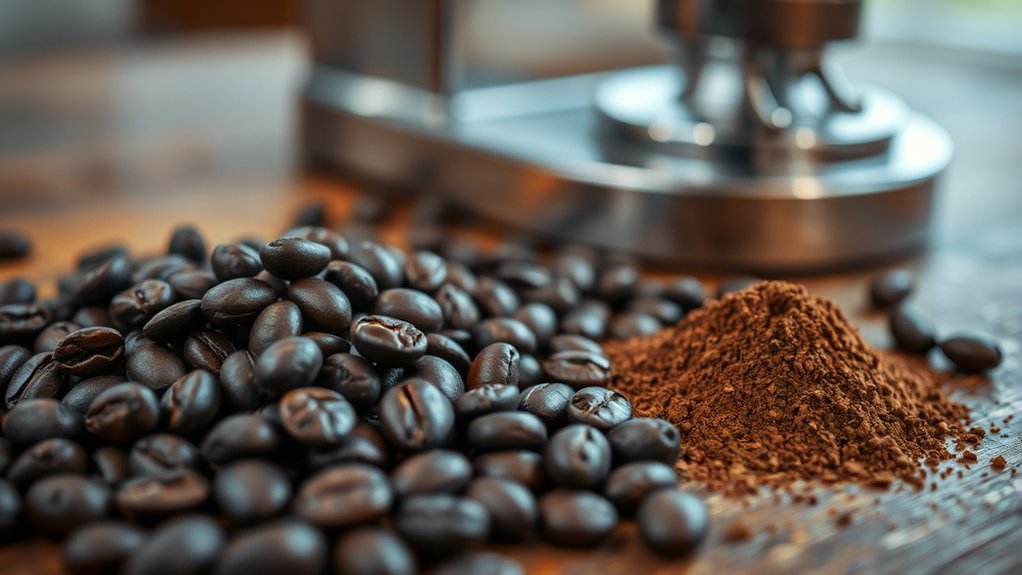
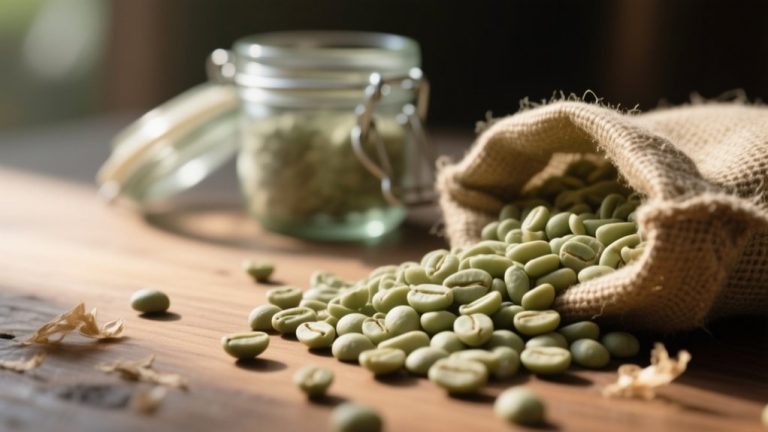
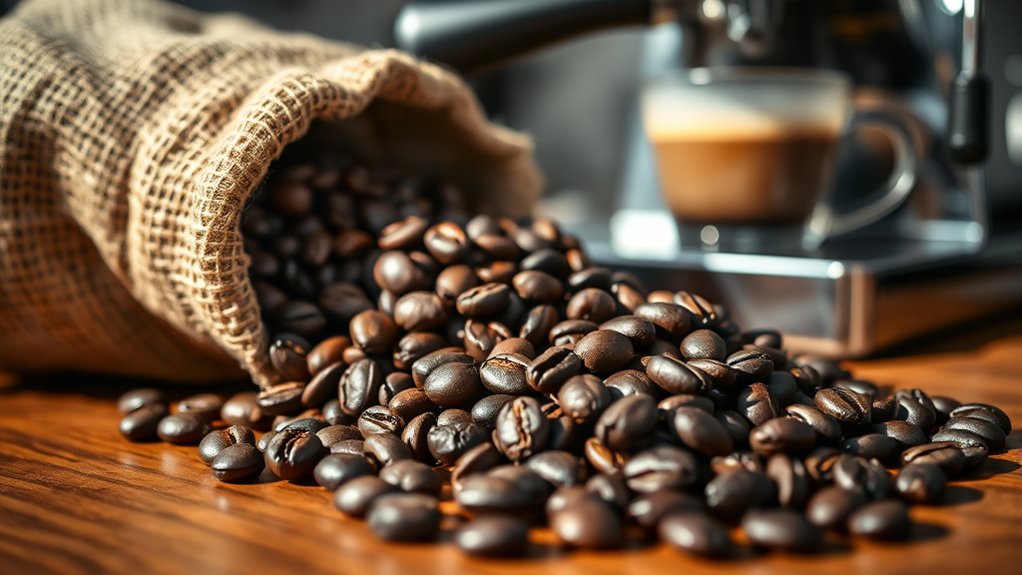
Although you might hear the terms coffee beans and espresso beans used interchangeably, they both start as the same seed, the coffee cherry’s seed, carefully processed and roasted to reveal their unique flavors. When you explore coffee bean cultivation, you’ll appreciate how factors like origin, soil, and climate shape the beans before harvest.
After picking, beans undergo washing, drying, and roasting. Each step is vital to developing flavor profiles from fruity to chocolaty. To preserve these qualities, proper bean storage techniques are essential.
Keeping beans airtight and away from heat and moisture helps maintain freshness and aroma. Whether destined for espresso or another brew, these beans’ journey from cultivation to storage defines the foundation for your perfect cup.
Can You Use Any Coffee Bean for Espresso?
You can use any coffee bean for espresso, but the roast level really makes a difference in shaping that bold flavor.
Darker roasts are usually the go-to because they bring out those rich, intense notes that espresso lovers crave.
Knowing how different beans affect the flavor can help you nail the perfect shot every time.
Bean Versatility Explained
When selecting beans for espresso, it’s important to know that virtually any coffee bean can be ground fine enough to work for this brewing method. Your choice isn’t limited to so-called “espresso beans,” which usually means darker roasts.
Instead, focus on coffee bean origins, as they heavily influence the flavor and aroma you’ll extract.
With the right brewing equipment, including a grinder that can produce a fine consistency, you can use regular beans—even lighter roasts—to make a quality espresso shot. The key is adjusting your grind size and extraction time to match the bean’s characteristics.
So, don’t feel confined by labels. Experiment with different beans to discover unique espresso profiles that suit your palate perfectly.
Give it a try and see what flavors you can unlock!
Roast Level Impact
Exploring different coffee beans for espresso naturally leads to thinking about how roast levels shape your shot. You can use any roast level, but darker roasts usually produce a bolder, caramelized espresso.
Lighter roasts, on the other hand, bring brighter, more acidic notes.
That said, lighter roasts need careful tweaks in grind size and espresso shot timing to avoid sourness from high-pressure extraction.
Remember, personal preference is what really guides your choice, not any strict rules.
Also, proper coffee bean storage plays a big role in keeping your espresso fresh and consistent.
Storing beans in airtight containers away from light and moisture helps keep your espresso balanced and flavorful.
Flavor Profile Variation
Although espresso is often associated with specific beans, you can actually use any coffee bean to pull a shot. The flavor profile you get hinges on the bean’s origin, roast, and processing method, not its label.
When you choose darker roasts, expect bold, intense flavors with a smooth acidity balance.
Lighter roasts bring brighter acidity and can highlight unique sweet notes. This offers a different but equally exciting espresso experience.
Whether your beans come from fruity Ethiopian farms or chocolaty Central American regions, each variety shapes the espresso’s character.
So, don’t restrict yourself. Experiment with various beans to discover how sweet notes and acidity balance shift.
This way, you can craft a personalized espresso flavor profile that suits your palate perfectly.
How Roast Level Affects Espresso Flavor
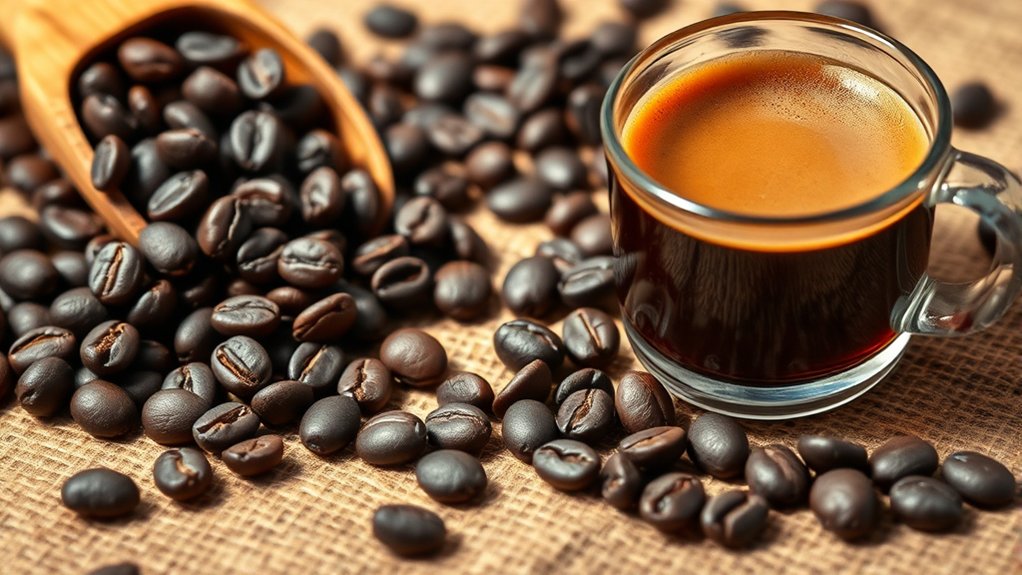
Because the roast level dramatically shapes the flavor profile, understanding its impact is essential for crafting your perfect espresso.
Lighter roasts highlight bean maturity, preserving acidity and floral or fruity notes that bring bright, nuanced flavors to your cup. This flavor enhancement captures the coffee’s original character, though the espresso may lack traditional boldness.
Darker roasts, in contrast, deepen caramel and chocolate tones, producing a richer, fuller-bodied espresso with a thicker crema due to increased surface oils.
As the roast darkens, sweetness gives way to smoky, bitter notes, shifting the overall taste.
Knowing how roast levels influence extraction under high pressure helps you select beans that match your desired espresso style, balancing brightness and richness with precision and passion.
Why Are Espresso Beans Usually Roasted Darker?
When you choose espresso beans, you’ll notice they’re usually roasted darker to reveal the intense flavors and rich oils vital for espresso’s signature boldness. The coffee plant’s beans undergo careful bean processing, where extended roasting transforms chemical compounds, enhancing chocolate, caramel, and smoky notes.
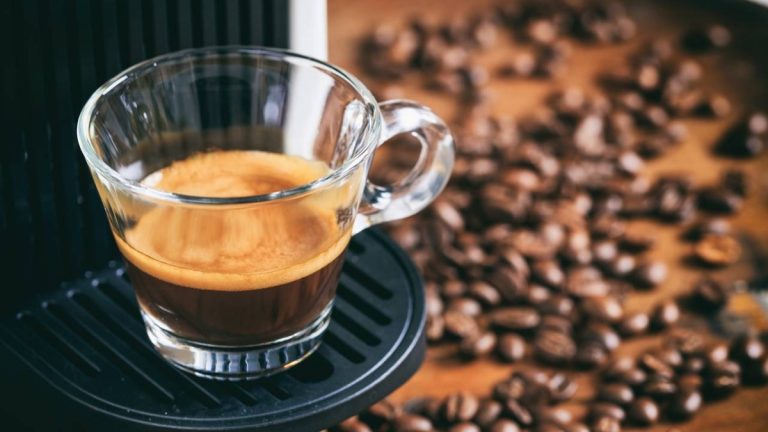
Dark roasting decreases acidity and amplifies natural sweetness, producing a smoother, more balanced shot. This process also creates a thicker oil layer on the bean surface, which is essential for forming the rich crema that defines espresso.
Because espresso extraction uses high pressure, these bolder, full-bodied flavors stand up better during brewing, making darker roasts ideal. Understanding this connection between the coffee plant, bean processing, and roast level helps you appreciate why espresso beans are roasted darker to deliver that intense, unforgettable experience.
Pros and Cons of Using Light Roast Beans for Espresso
If you want to explore a brighter, more complex espresso, light roast beans offer unique fruity and floral flavors that darker roasts often mask. Their coffee bean origin shines through, revealing nuanced profiles that depend on subtle roasting.
However, the higher acidity can become sharp under espresso’s high brewing temperature and pressure, sometimes producing a tangy taste.
| Pros | Cons | Tips |
|---|---|---|
| Brighter, complex flavors | Can taste sour or sharp | Adjust brewing temperature |
| Show coffee bean origin | Less bold, less body | Fine-tune extraction time |
| Retain floral, fruity notes | Delicate flavors overshadowed | Balance acidity carefully |
Using light roasts demands careful control but rewards you with a truly distinctive espresso experience. So, if you’re up for a little experimentation, it could be well worth the effort!
How Grind Size Differs for Espresso Brewing
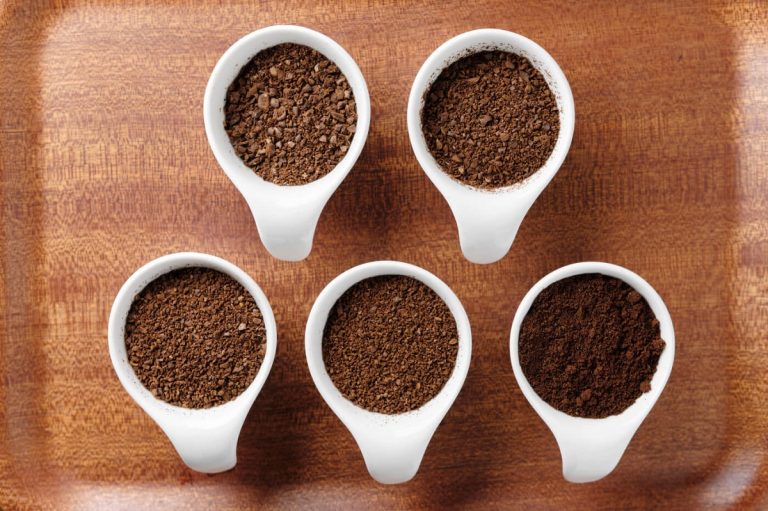
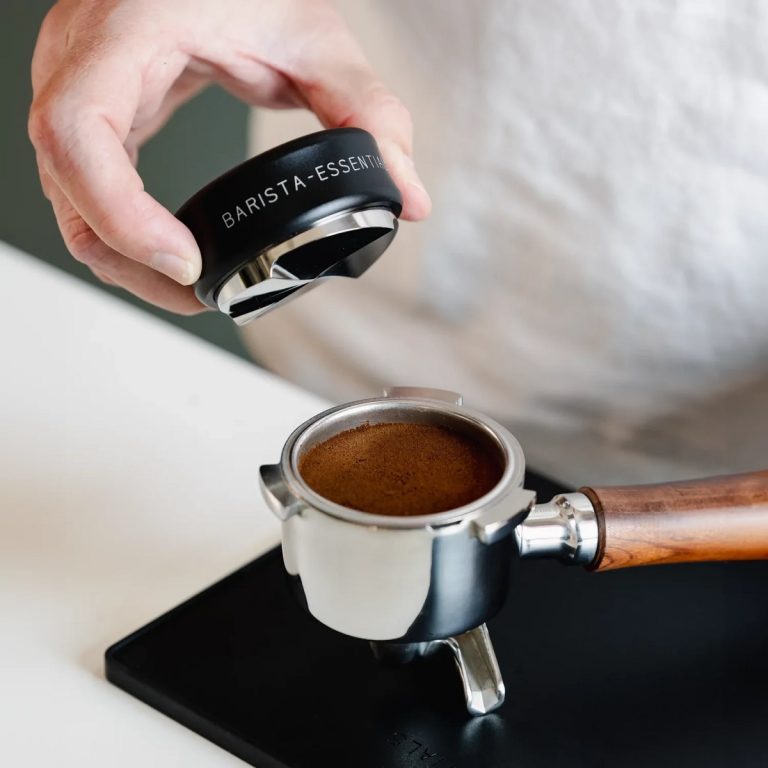
Although achieving the perfect espresso hinges on several factors, mastering grind size is one of the most critical. For espresso, your coffee grinder must produce an ultra-fine, powdery grind. Think powdered sugar or flour. This fine grind guarantees proper extraction under high pressure.
If the grind is too coarse, you’ll get under-extraction, resulting in weak, watery shots. Conversely, grinding too fine risks over-extraction, bringing out bitter, harsh flavors.
Extraction consistency depends heavily on uniform particle size. Uneven grinds cause channeling, where water flows too quickly through some spots, ruining balance.
What Role Does Brewing Pressure Play in Espresso Taste?
Grind size sets the stage, but brewing pressure plays a starring role in shaping espresso’s flavor and texture. When you apply around 9 bars of pressure, hot water passes through finely ground coffee, releasing rich oils and complex flavors while creating that signature crema.
Both water temperature and tamping pressure work alongside brewing pressure to guarantee even extraction.
Here’s how brewing pressure influences your espresso: too little pressure yields under-extracted, sour, or thin shots. On the other hand, excessive pressure extracts bitter compounds, producing harsh flavors. Proper pressure creates a concentrated, velvety mouthfeel unique to espresso.
Consistency in pressure maximizes flavor balance and aroma. Mastering brewing pressure lets you access the full potential of your beans, turning every shot into an exquisite experience.
Common Misconceptions About Espresso and Coffee Beans
While many assume that espresso beans are a distinct type of coffee bean, you should know that any coffee bean can be used to make espresso. The misconception comes from marketing and the common association of “espresso beans” with dark or extra-dark roasts.
In reality, the difference lies mainly in the roasting process and grind size rather than the coffee bean origins or how the beans are processed. Beans labeled as “espresso” aren’t a unique variety; they’re simply roasted and ground to suit espresso brewing.
Understanding this helps you appreciate that espresso’s bold flavor comes from the preparation, not from a special bean. So, don’t be misled. Choose your coffee beans based on quality and what flavor you prefer, not just the espresso label.
Using Espresso Beans Beyond Espresso Brewing
Because espresso beans are roasted to bring out bold, intense flavors, they can add a unique depth when used beyond traditional espresso brewing. You can explore their versatility by adjusting grind size and brewing methods. Just keep in mind the coffee bean origins and proper bean storage techniques to preserve freshness.
Espresso beans offer bold flavors that shine when brewed with various methods and careful storage.
Consider these ideas:
- Use espresso beans in French press or drip coffee for a fuller body, adjusting grind coarseness to avoid bitterness.
- Experiment with cold brew to mellow espresso’s intensity while highlighting its robust profile.
- Store beans airtight in a cool, dark place to maintain flavor integrity for various brewing styles.
- Try light or medium roasts ground fine to mimic espresso strength but with different flavor nuances.
Embracing these approaches really enriches your coffee experience beyond the espresso shot. Give them a try and see how your coffee routine can change for the better!
How to Choose Beans Based on Your Espresso Flavor Preference
You’ll want to pick beans that match the flavor profile you’re after. Lighter roasts tend to bring out brightness and acidity, while darker roasts give you that rich, full-bodied sweetness.
So, matching your roast level to your taste preference really sharpens your espresso’s character and balance.
When you understand how roasting affects flavor, it’s easier to craft the perfect shot every time.
Roast Level Impact
Choosing the right roast level for your espresso beans shapes the entire flavor experience, so understanding how roast impacts taste is vital. Your choice influences acidity, sweetness, and crema quality. These factors are closely tied with coffee storage and bean freshness to preserve those traits.
Here’s how roast levels affect your espresso:
- Dark roasts offer rich, chocolatey, caramel notes with more oils, boosting crema.
- Medium roasts balance nuanced flavors with smoothness, ideal for versatile palates.
- Light roasts deliver bright, floral acidity, creating a less traditional but vibrant espresso.
Bean freshness is essential. Stale beans, no matter the roast, diminish flavor and crema.
Flavor Profile Matching
Understanding how roast levels influence flavor sets the stage for matching your espresso beans to your personal taste preferences.
If you enjoy bright, acidic notes, choose light roasts that highlight fruity flavors preserved through meticulous coffee bean harvesting.
For bolder, caramelized profiles, dark roasts excel, emphasizing robust, roasted qualities ideal for espresso brewing techniques.
Single-origin beans offer distinctive characteristics, perfect if you want to explore unique flavors.
Expertly crafted blends balance acidity, body, and sweetness for versatility.
Don’t hesitate to experiment with different beans and roast levels. This lets you customize your espresso precisely to your palate.
By aligning your bean choice with your flavor preference, you’ll access a richer, more satisfying espresso experience every time.
Give yourself the freedom to try new things and find what truly suits your taste.
Enjoy the journey!
Tips for Experimenting With Coffee Beans in Espresso Brewing
When experimenting with coffee beans for espresso, varying the roast level can dramatically alter both flavor and crema quality. Your coffee bean sourcing plays a crucial role, so don’t hesitate to explore beans from different origins or roast profiles.
Also, calibrate your brewing equipment carefully for each bean type to unlock their unique potential. Here are key tips to guide your experimentation:
Use a fine, consistent grind to ensure even extraction, especially with lighter roasts. Adjust tamping pressure and brewing time to optimize flavor balance.
Blend beans of different origins or roast levels to craft distinct espresso profiles.
Record all variables and tasting notes to refine your process and preferences.
Summary: Choosing the Right Beans for Your Espresso
Exploring different coffee beans opens a world of espresso possibilities tailored to your taste. Whether you choose single-origin or blended beans, understanding the coffee plant and its bean processing is key.
Discover how exploring single-origin and blended beans deepens your espresso experience and flavor knowledge.
Espresso beans are typically roasted darker to enhance robustness and handle high-pressure brewing. But lighter roasts can offer unique flavors too.
Focus on freshness and quality over variety, because even the finest beans won’t shine if they’re stale.
Remember, the grind size must be very fine for peak extraction, no matter what type of bean you use.
Ultimately, selecting the right beans depends on your flavor preference and your appreciation of how bean processing influences taste.
Frequently Asked Questions
How Should I Store Espresso Beans to Maintain Freshness?
You should store espresso beans in airtight containers, away from light, heat, and moisture to preserve coffee freshness.
Use proper bean storage techniques like keeping them in a cool, dark place and sealing bags tightly to maintain flavor.
This way, your espresso beans stay fresher for longer and deliver a better taste every time you brew.
Can I Mix Different Coffee Bean Origins for Espresso?
You can blend beans from different origins, painting a rich espresso canvas with vibrant acidity and deep body. Bean blending and origin mixing opens up unique flavor stories, letting you craft a personalized, exquisite espresso experience every time.
It’s like creating your own coffee masterpiece. Mixing origins means you get to play with flavors and find that perfect balance. So go ahead, experiment and enjoy the journey!
What Equipment Is Best for Grinding Espresso Beans at Home?
You’ll want a burr grinder for espresso. It delivers consistent grind size, which is essential for balanced extraction. Electric models with adjustable settings offer precision and make dialing in your grind easier.
That said, a quality hand grinder can work too if you make sure it produces uniform, fine grounds. It might take a bit more effort, but it’s definitely possible to get great results at home. Just keep an eye on consistency!
How Long After Roasting Are Espresso Beans Best Used?
Wondering when to use your espresso beans for peak flavor? The roasting timeline shows that bean freshness peaks between 3 to 14 days post-roast. So, grind and brew within this window for the best espresso experience.
This is when your beans deliver the richest taste and aroma. Waiting too long can make the espresso taste flat or stale. On the other hand, using them too early might mean the flavors haven’t fully developed yet.
Keep this timing in mind, and you’ll consistently enjoy a delicious cup of espresso!
Does Water Quality Affect the Taste of Espresso Brewed With These Beans?
Yes, water mineral content profoundly affects espresso taste. You’ll want to use effective filtration methods to balance minerals, ensuring clean extraction and vibrant flavors.
Poor water quality dulls your espresso’s aroma and clarity every time you brew. So, paying attention to your water can really make a difference in how your espresso turns out.
Conclusion
So, can you use any coffee bean for espresso? Absolutely. But don’t be surprised if your “espresso” tastes more like a confused cup of coffee. Dark roasts usually steal the show for that bold punch, yet experimenting with lighter beans might just awaken your adventurous side.
Remember, choosing beans isn’t just science; it’s a delicious gamble. So grab your grinder, embrace the irony, and let your espresso journey surprise you. Cheers to bold brews and happy accidents!