
How to Clean the Inside of a Coffee Pot Easily for Sparkling and Fresh-Tasting Coffee
A coffee pot is the heart of any morning routine, brewing countless cups of coffee that jumpstart your day. Over time, however, oils, coffee residue, and mineral deposits can build up inside the pot, affecting both flavor and aroma. Regular cleaning is essential to maintain the quality of your coffee and ensure your pot functions efficiently.
Learning the proper techniques makes the task easier and more effective. Different types of buildup, from light stains to stubborn residue, require slightly different approaches. Using the right methods protects your pot from scratches, lingering odors, and potential damage while keeping coffee tasting fresh.
Understanding How to Clean the Inside of a Coffee Pot is especially important for daily maintenance. A clean interior prevents bacteria growth, eliminates off-flavors, and keeps your coffee tasting as intended. Even heavily used pots can be restored with the correct techniques.
How to Clean the Inside of a Coffee Pot
Cleaning the inside of a coffee pot is essential for maintaining the flavor, aroma, and safety of your coffee. Over time, coffee oils, stains, and mineral deposits accumulate, creating residue that affects taste and can harbor bacteria. Regular and thorough cleaning ensures your pot stays hygienic and your coffee remains fresh, while also extending the life of the equipment.
Daily Rinse and Maintenance
The simplest way to keep the inside of your coffee pot clean is by performing a daily rinse. After each brew, pour out any remaining coffee and fill the pot with warm water. Swirl it around to loosen any coffee residue, paying attention to the corners and spout where oils and fine grounds often settle.
For a more effective daily routine, use a soft sponge or brush to gently scrub the interior. Avoid abrasive tools, as they can scratch the glass or interior surface. Rinsing immediately prevents stains from setting, making weekly or deep cleaning easier. Daily maintenance keeps coffee tasting fresh and minimizes buildup, reducing the need for harsh cleaning agents.
Using Baking Soda for Stubborn Residue
Baking soda is an effective and safe solution for tackling coffee stains inside the pot. Begin by adding one to two tablespoons of baking soda to the pot, then pour in warm water to create a paste or slightly diluted mixture. Allow it to sit for 10–15 minutes to loosen hardened coffee oils and stains.
Gently scrub the interior using a soft sponge or brush, focusing on the bottom and corners where residue tends to accumulate. The mild abrasiveness of baking soda removes stubborn stains without damaging the surface. Once scrubbing is complete, rinse thoroughly with warm water to remove all baking soda traces. This method restores clarity to the pot and ensures that lingering residue does not affect the taste of future brews.
Vinegar Soak for Mineral Buildup
Mineral deposits from hard water can create a cloudy appearance and affect brewing quality. White vinegar is a natural and effective solution to dissolve these deposits. Fill the pot with equal parts white vinegar and warm water, and allow it to soak for 20–30 minutes.
After soaking, scrub gently with a soft brush or sponge to remove loosened scale and residue. For deep cleaning, pour the solution through the coffee maker as though brewing to remove deposits from internal pathways. Rinse the pot thoroughly with fresh water several times to eliminate any vinegar taste. Regular vinegar soaks prevent mineral buildup, restore clarity, and keep the pot functioning efficiently.
Combining Methods for Deep Cleaning
For heavily stained or long-neglected coffee pots, combining baking soda and vinegar can be highly effective. Sprinkle baking soda inside the pot, then add a small amount of vinegar gradually. The fizzing reaction helps lift embedded stains and residue from the interior surface.
Allow the mixture to work for several minutes before scrubbing with a soft sponge or brush. Pay close attention to corners, the bottom, and the spout. After scrubbing, rinse thoroughly with warm water to ensure no residue remains. Combining these methods is ideal for restoring old coffee pots and maintaining cleanliness over time.
Preventive Tips for a Cleaner Pot
Once the inside of your coffee pot is clean, maintaining it is easier. Rinse immediately after use, avoid leaving coffee sitting for long periods, and use filtered water to minimize mineral deposits. Occasional baking soda or vinegar cleaning keeps the pot clear, odor-free, and ready for brewing.
Consistent attention to daily cleaning, stain removal, and descaling ensures that your coffee pot produces fresh, flavorful coffee while staying in optimal condition. Regular care not only preserves taste but also extends the lifespan of the pot, making every brew enjoyable.
Descaling the Coffee Pot Interior
Mineral deposits from hard water can accumulate inside a coffee pot over time, leading to scale buildup that affects both flavor and brewing efficiency. Descaling the interior is essential to maintain optimal coffee taste, prevent clogs, and ensure your coffee pot functions properly. Regular descaling keeps your coffee fresh while protecting the longevity of your equipment.
Understanding the Need for Descaling
Even with daily cleaning, hard water minerals such as calcium and magnesium can form deposits inside the coffee pot. These deposits appear as white or cloudy streaks and can alter the flow of water during brewing. Over time, scale buildup may reduce the temperature of brewing water and lead to under-extracted coffee with weak flavor.
Descaling addresses these issues by dissolving mineral deposits and restoring the coffee pot’s performance. Beyond taste, descaling prevents clogs and helps protect internal components of drip coffee makers, prolonging the life of the machine. Consistent attention to descaling ensures your coffee pot remains clean, functional, and capable of producing flavorful, aromatic coffee with every brew.
Using White Vinegar for Effective Descaling
White vinegar is one of the most accessible and effective ways to descale a coffee pot. Begin by filling the pot with a mixture of equal parts white vinegar and warm water. Let it soak for 20–30 minutes, allowing the acidic vinegar solution to break down stubborn mineral deposits and scale.
After soaking, scrub the interior gently with a soft brush or sponge to remove loosened deposits, paying attention to the bottom and corners. For coffee makers, running the vinegar solution through a brew cycle helps clean internal pathways as well. Rinse the pot thoroughly with fresh water multiple times to remove all vinegar residues and odors. This restores the interior to near-original clarity and ensures that future coffee tastes fresh.
Commercial Descaling Solutions
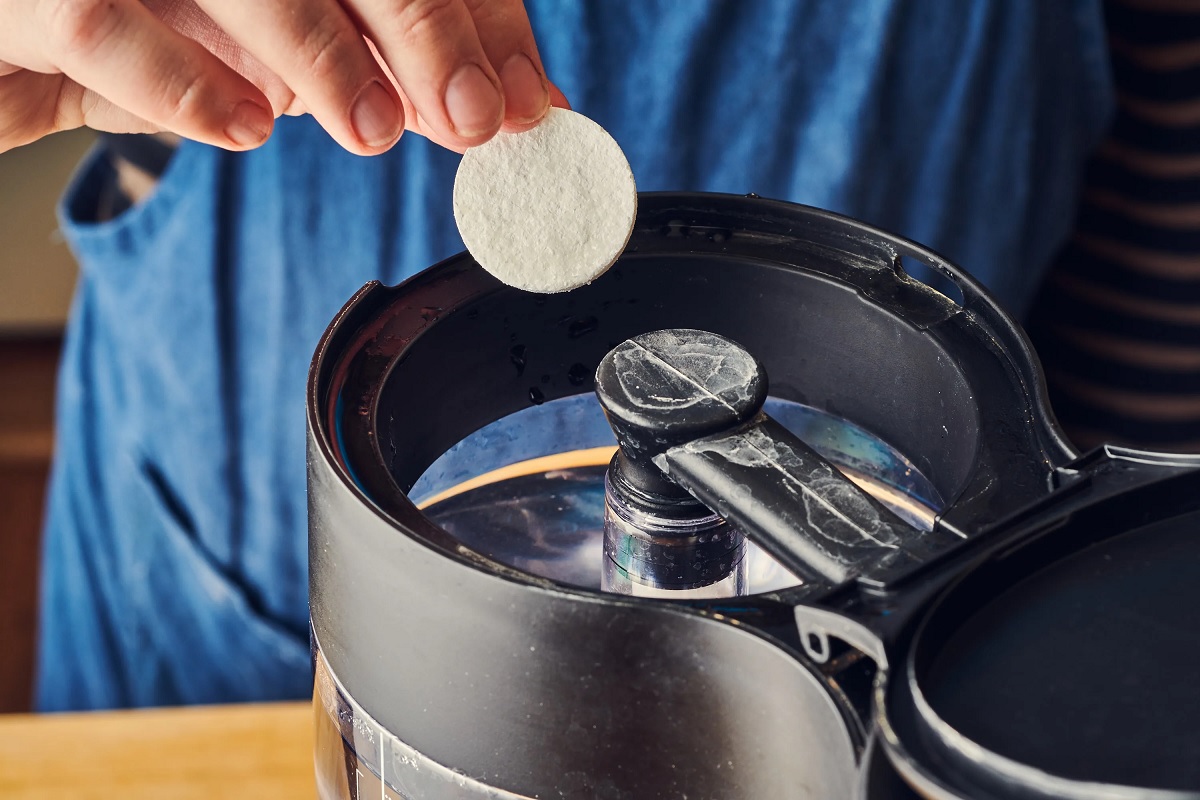
For those who prefer a specialized approach, commercial descaling products are formulated to dissolve scale safely and effectively. Follow the manufacturer’s instructions carefully, paying attention to recommended dilution ratios, soak times, and rinsing procedures.
These solutions are particularly useful for pots with heavy or persistent mineral buildup, as they can work faster than natural methods and often include agents that target hard-to-reach areas. Using a commercial descaler periodically ensures your coffee pot remains free of deposits while minimizing the risk of damage to glass or internal components. Multiple rinses with fresh water are necessary to remove all chemical residues before brewing.
Maintaining a Scale-Free Coffee Pot
Once the coffee pot interior is descaled, maintaining a scale-free environment requires consistent preventive measures. Using filtered or bottled water reduces mineral deposits, while regular rinsing and cleaning after each use prevents scale accumulation. Scheduling descaling every one to three months, depending on water hardness, keeps the pot clear and ensures optimal brewing performance.
By combining regular cleaning, vinegar or commercial descaling, and preventive water practices, the interior of your coffee pot remains free of mineral buildup. This not only preserves flavor and aroma but also enhances the efficiency and lifespan of your coffee equipment, ensuring consistently enjoyable coffee every day.
Dishwasher vs Handwashing for the Inside
Cleaning the inside of a coffee pot can be done either by handwashing or using a dishwasher, but each method has its advantages and considerations. Understanding the differences helps you maintain the pot’s longevity, appearance, and coffee flavor. Choosing the right method depends on the material, type of stains, and your personal preference for convenience or thoroughness.
Handwashing for Precision and Care
Handwashing allows for detailed attention to the interior of the coffee pot, especially in areas where coffee residue and oils accumulate. Using warm water, mild dish soap, and a soft sponge or bottle brush, you can scrub the bottom, corners, and spout thoroughly, ensuring no residue is left behind.
This method is particularly effective for removing stubborn stains, as you can apply targeted scrubbing with gentle abrasives like baking soda or vinegar. Handwashing also prevents scratches or damage that can occur from high-temperature dishwasher cycles. While it may take more time, it allows for greater control, ensuring a clean interior without compromising the clarity of the glass or the integrity of the coffee pot’s components.
Using a Dishwasher for Convenience
Dishwashers offer a convenient and time-saving option for cleaning coffee pots. Many glass coffee pots are labeled dishwasher-safe, allowing you to place them on the top rack for a full cleaning cycle. The high temperature and pressurized water help remove loose coffee residue and oils effectively.
However, dishwashers may not reach every corner of the pot, such as the spout or tightly curved areas, leaving minor residue behind. Detergent used in dishwashers can sometimes leave a slight taste or film, particularly if the pot is not rinsed thoroughly afterward. Despite these considerations, using a dishwasher is ideal for daily maintenance when time is limited or when the pot is lightly stained.
Comparing Effectiveness and Longevity
When comparing handwashing versus dishwasher cleaning, handwashing generally provides more thorough results and better protection for delicate glass or plastic parts. Scrubbing by hand ensures that coffee oils and stubborn stains are fully removed, maintaining clarity and flavor quality.
Dishwashing is less labor-intensive but may contribute to gradual wear over time due to heat exposure or abrasive detergents. For older pots or those with persistent stains, handwashing is often the preferred approach. Using a combination—handwashing for deep cleaning and dishwasher cycles for light daily maintenance—can strike a balance between convenience and effectiveness.
Best Practices for Maintaining a Clean Interior
Regardless of the method chosen, rinsing immediately after use is crucial to prevent residue buildup. For handwashing, use gentle brushes and non-abrasive sponges, and consider occasional vinegar or baking soda treatments for tough stains. When using a dishwasher, select a mild cycle and ensure proper placement to avoid tipping or scratching.
Consistent attention to cleaning, whether by hand or dishwasher, helps maintain the interior of your coffee pot free from stains, oils, and mineral deposits. Following these practices preserves flavor, extends the pot’s lifespan, and ensures that every brew is fresh, clear, and enjoyable.
Frequently Asked Questions
How Often Should You Clean the Inside of a Coffee Pot?
You should clean the inside of your coffee pot at least once a week for regular use. Daily rinsing is recommended to remove leftover coffee and prevent minor residue from building up. Weekly cleaning ensures oils, stains, and mineral deposits don’t accumulate, which can affect the taste of your coffee.
For pots used with hard water, consider descaling every 1–2 months. Regular attention helps maintain clarity, prevents odor, and ensures your coffee tastes fresh and aromatic every time you brew. Consistency is key to prolonging the life of your pot and coffee maker.
What Is the Best Method for Removing Stubborn Coffee Stains?
For stubborn stains inside your coffee pot, a combination of baking soda and white vinegar works effectively. Sprinkle baking soda inside the pot and gradually add vinegar to create a fizzing reaction. Let it sit for several minutes before scrubbing with a soft sponge or brush.
This method helps lift embedded coffee oils and residue that regular washing cannot remove. After scrubbing, rinse thoroughly with warm water to eliminate all traces. Using natural cleaning agents ensures your pot remains undamaged while restoring clarity and maintaining the flavor quality of your coffee.
Can I Use a Dishwasher to Clean the Inside of My Coffee Pot?
Yes, many glass coffee pots are labeled dishwasher-safe and can be cleaned using the top rack of your dishwasher. Dishwashers are convenient for daily maintenance, as hot water and detergent remove loose coffee residue effectively.
However, dishwashers may not reach corners or the spout, leaving some residue behind. For deep cleaning or stubborn stains, handwashing with baking soda or vinegar is still recommended. A combination of dishwasher use for light cleaning and handwashing for deep cleaning ensures your coffee pot stays spotless and maintains its clarity and flavor.
How Do I Prevent Mineral Buildup Inside My Coffee Pot?
Mineral buildup occurs when hard water deposits calcium and magnesium inside your coffee pot. To prevent this, use filtered or bottled water whenever possible. Rinsing the pot immediately after use also reduces the chance of residue hardening on the surface.
Regular descaling using a vinegar soak or commercial descaling solution every 1–3 months helps dissolve deposits before they become stubborn. Maintaining this routine ensures that your coffee pot remains clear, your water flows evenly during brewing, and the flavor of your coffee is not compromised by scale or cloudiness.
Are There Safe Household Products I Can Use for Cleaning?
Yes, you can safely use household items like baking soda, white vinegar, or mild dish soap to clean the inside of a coffee pot. Baking soda gently scrubs away coffee stains without scratching the glass, while vinegar dissolves mineral deposits and oils.
Avoid harsh abrasives or chemical cleaners that can damage the pot or leave residues affecting coffee taste. For routine cleaning, a mild soap wash combined with regular rinsing is sufficient. Periodic vinegar or baking soda treatments tackle tougher stains and maintain both the pot’s clarity and aroma.
How Can I Keep My Coffee Pot Smelling Fresh?
To keep your coffee pot smelling fresh, rinse it immediately after every use to remove leftover coffee and oils that can become rancid. Use a mild soap wash regularly to eliminate residue. For stubborn odors, a vinegar or baking soda treatment works well to neutralize smells.
Additionally, ensure the pot dries completely before storing to prevent bacterial growth and moisture buildup. Regular deep cleaning combined with daily maintenance ensures your coffee pot stays odor-free, clear, and ready to produce fresh, aromatic coffee every time.
Final Thoughts
Keeping your coffee tasting fresh and your equipment in top shape depends on regular care and attention. By following simple daily routines, removing stubborn stains, and performing occasional descaling, you can maintain a sparkling coffee pot that enhances every brew. Small steps like rinsing after each use or using mild cleaning agents go a long way in preventing buildup and prolonging the life of your coffee maker.
Learning [How to Clean the Inside of a Coffee Pot:] ensures you can tackle every hidden corner and mineral deposit effectively. Using tools like bottle brushes or soaking solutions helps reach narrow spouts and hard-to-reach areas, while safe descaling practices protect your coffee pot from damage. This approach not only keeps the interior clean but also ensures your coffee tastes rich, balanced, and free from stale or bitter notes.
Ultimately, mastering [How to Clean the Inside of a Coffee Pot:] is about consistency and using the right techniques. By combining daily care, occasional deep cleaning, and practical tips, you create a coffee-making experience that is both convenient and enjoyable. Your coffee pot remains in pristine condition, and every cup tastes as fresh as the first.