How To Compost Coffee Grounds Easily to Enrich Your Garden Soil
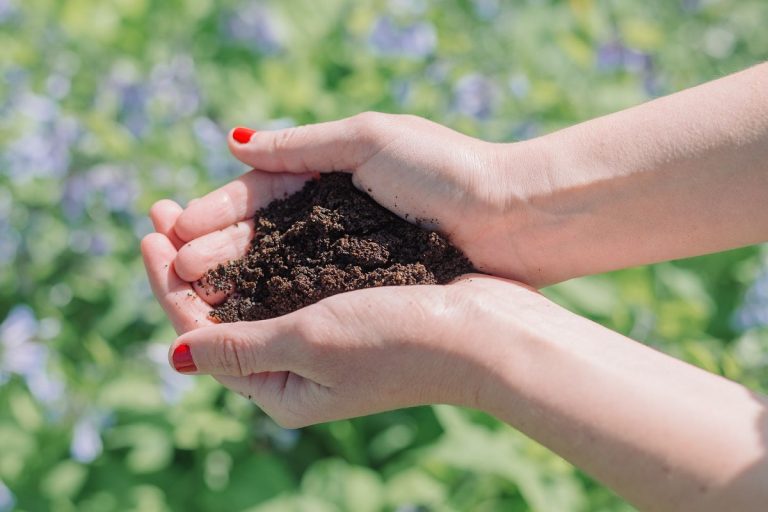
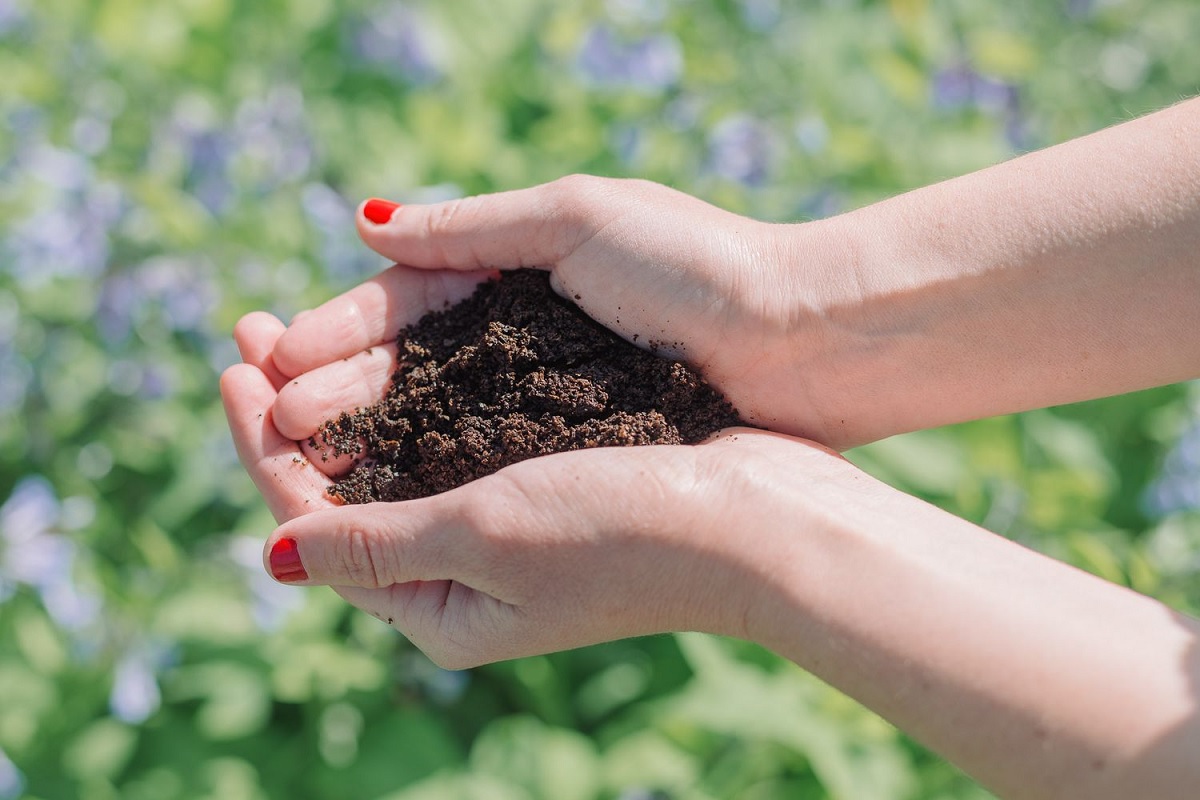
Coffee lovers often accumulate a lot of used coffee grounds, and disposing of them in the trash feels wasteful. Thankfully, coffee grounds are highly beneficial for gardens and soil enrichment. Learning how to compost them properly can transform your daily coffee habit into a sustainable, eco-friendly practice that benefits plants, soil, and the environment.
Composting coffee grounds adds valuable nutrients, including nitrogen, which supports healthy plant growth and improves soil structure. They also help retain moisture and attract beneficial microorganisms, creating a thriving ecosystem for your garden. Understanding the proper methods and precautions ensures that you maximize these benefits while avoiding common composting mistakes.
Exploring the combination of coffee grounds with other compost materials, such as fruit peels, leaves, or grass clippings, provides a balanced compost that enriches your soil. Whether you have a small backyard garden or indoor plants, incorporating coffee grounds into your compost routine is a simple and effective way to reduce waste.
By learning the best practices, you can make your compost healthier, boost plant growth, and enjoy the satisfaction of recycling everyday waste. Following practical tips and techniques ensures that your coffee grounds contribute to rich, fertile soil and a more sustainable lifestyle.
Benefits of Composting Coffee Grounds
Composting coffee grounds is an eco-friendly practice that turns everyday waste into valuable resources for your garden. Coffee grounds are rich in nutrients and organic matter, making them an excellent addition to compost piles or bins. Understanding the multiple benefits of composting coffee grounds highlights how a simple habit can improve soil health, reduce waste, and support sustainable gardening practices.
Enriching Soil with Nutrients
One of the main advantages of composting coffee grounds is their ability to enrich soil with essential nutrients. Coffee grounds are high in nitrogen, a critical element for plant growth, and they also contain smaller amounts of phosphorus, potassium, and trace minerals. These nutrients support strong root development, healthy leaves, and vibrant flowers.
Adding coffee grounds to compost improves the nutrient content of the final product, resulting in richer, more fertile soil for your garden or potted plants. Over time, this nutrient boost enhances plant growth and productivity without relying heavily on chemical fertilizers. Whether you mix coffee grounds into your garden beds or compost them with other organic materials, their natural nutrient profile benefits soil quality and plant health.
Improving Soil Structure and Drainage
Composted coffee grounds also contribute to better soil structure. When incorporated into garden soil, they help improve aeration, water retention, and drainage. This balance ensures that plant roots receive adequate oxygen and moisture, reducing the risk of root rot or waterlogging.
The organic matter in coffee grounds helps bind soil particles together, creating a crumbly texture that promotes root expansion and microbial activity. Over time, this improves soil fertility and supports a sustainable ecosystem in your garden. Using coffee grounds in compost is particularly beneficial for clay or compacted soils, as it loosens the texture and enhances overall soil health, allowing plants to thrive more effectively.
Supporting Microbial Activity
Another key benefit of composting coffee grounds is their positive impact on beneficial microorganisms. Soil microbes play a critical role in breaking down organic matter, cycling nutrients, and suppressing harmful pathogens. Coffee grounds provide an ideal food source for these organisms, promoting a healthy and active microbial community.
Enhanced microbial activity accelerates decomposition in your compost pile and produces a nutrient-rich humus that strengthens soil fertility. This microbial support not only helps plants absorb nutrients more efficiently but also increases the resilience of your garden ecosystem. Regularly adding coffee grounds to your compost encourages a balanced environment that fosters plant growth and long-term soil health.
Reducing Household Waste
Composting coffee grounds also reduces household waste, making it an environmentally friendly practice. Coffee grounds are one of the most common kitchen scraps, and diverting them from landfills decreases methane emissions and contributes to sustainable waste management.
By repurposing coffee grounds in compost, you transform what would be waste into a valuable resource for your garden. This practice reduces the burden on waste systems and encourages mindful, eco-conscious habits. Combining coffee grounds with other compostable materials like vegetable peels, leaves, and grass clippings creates a balanced, nutrient-rich compost while promoting environmental sustainability.
Enhancing Plant Growth Naturally
Ultimately, composting coffee grounds enhances plant growth naturally. The combination of nitrogen, organic matter, improved soil structure, and increased microbial activity creates an environment where plants can flourish. Flowers bloom brighter, vegetables produce higher yields, and houseplants thrive with healthier roots and leaves.
Integrating coffee grounds into your compost routine provides a simple, cost-effective, and sustainable way to boost plant vitality. Over time, consistent use improves garden productivity and soil quality, offering long-term benefits that chemical fertilizers cannot fully replicate. By composting coffee grounds, you not only recycle kitchen waste but also create a thriving garden ecosystem that supports healthy, vibrant plant life.
Preparing Coffee Grounds for Composting
Properly preparing coffee grounds before adding them to your compost pile is essential for maximizing their benefits. While coffee grounds are naturally nutrient-rich and biodegradable, certain steps ensure they integrate smoothly into your compost, prevent unpleasant odors, and maintain a balanced decomposition process. Learning the right preparation techniques helps you make the most of this common kitchen scrap.
Collecting and Storing Used Coffee Grounds
The first step in preparing coffee grounds for composting is collecting them consistently. After brewing, scrape the used grounds from your coffee maker, French press, or espresso machine. Both wet and dry grounds are suitable for composting, though wet grounds should be mixed with other compost materials to prevent clumping and slow decomposition.
Storing coffee grounds temporarily in a container or bag before composting helps manage quantities and keeps them from getting moldy or smelly. A simple airtight container in a cool, dry area works well. You can also layer the grounds with shredded paper or dry leaves to reduce moisture concentration, ensuring the grounds remain balanced and easy to mix into your compost pile.
Mixing Coffee Grounds with Other Compost Materials
Coffee grounds are considered “green” materials in composting because they are high in nitrogen. For effective composting, balance them with “brown” materials that are carbon-rich, such as dried leaves, straw, or shredded newspaper. This ratio prevents your compost from becoming too wet or compacted, allowing air to circulate and supporting faster decomposition.
Mixing coffee grounds thoroughly with other compost ingredients also prevents clumping, which can lead to uneven decomposition and potential odor problems. Layering grounds between brown materials or turning the pile regularly ensures even distribution. Proper mixing creates a balanced compost environment where microbial activity can thrive and transform kitchen scraps into nutrient-rich soil.
Drying and Moderating Moisture
While wet coffee grounds can be composted directly, moderating moisture levels is important. Excessively wet grounds can compact and create anaerobic conditions, leading to unpleasant odors and slower decomposition. Spreading the grounds out to dry slightly or mixing them with dry brown materials helps maintain a healthy moisture balance.
Drying also makes it easier to store larger quantities before adding them to your compost. The goal is a damp, but not soggy, compost mixture that allows microorganisms to work efficiently. Maintaining proper moisture ensures that the coffee grounds break down evenly and contribute positively to the nutrient content of the finished compost.
Grinding and Particle Size Considerations
For most home composting, the particle size of coffee grounds is already suitable. However, if you want to speed up decomposition, slightly breaking up clumps or grinding larger particles can help. Smaller particles provide more surface area for microbes to act upon, accelerating the composting process and creating finer, richer soil.
Avoid grinding too finely, which could make the grounds compact and reduce airflow in the compost pile. The key is achieving a balance where the grounds integrate easily while supporting healthy microbial activity. Proper preparation at this stage ensures that coffee grounds enhance both the nutrient content and structure of your compost.
Preparing Coffee Grounds for Various Composting Methods
Whether you use a backyard compost pile, a worm bin, or a kitchen composting system, preparation is important. For worm bins, mixing grounds with shredded paper or cardboard prevents acidity and maintains a balanced environment for worms. In traditional compost piles, layering with brown materials and turning regularly ensures even decomposition.
Adjusting preparation methods based on your composting system helps maintain optimal conditions, prevent odor, and maximize nutrient retention. Well-prepared coffee grounds integrate smoothly into any composting method, supporting a consistent supply of nutrient-rich, organic soil for your garden or indoor plants.
Layering Coffee Grounds in Your Compost Pile
Layering coffee grounds correctly in your compost pile is essential for optimal decomposition and nutrient distribution. Coffee grounds are high in nitrogen and are considered “green” compost material, so combining them with carbon-rich “brown” materials in the right sequence helps maintain balance, airflow, and moisture. Proper layering prevents odors, accelerates breakdown, and produces rich, fertile compost for your garden or potted plants.
Creating a Balanced Compost Structure
To start layering coffee grounds, begin with a base of brown materials such as dried leaves, straw, or shredded paper. These carbon-rich layers provide structure, improve aeration, and help absorb excess moisture. Once the base is established, add a layer of coffee grounds. Alternate between green and brown layers to maintain a balanced carbon-to-nitrogen ratio, which is crucial for efficient decomposition.
Layering in this manner ensures that coffee grounds do not compact, which can limit airflow and slow microbial activity. Proper structure allows heat and oxygen to circulate, speeding up the breakdown of organic matter and minimizing unpleasant smells. By thoughtfully alternating layers, you create an environment that encourages healthy microbial activity and produces nutrient-rich compost efficiently.
Mixing Coffee Grounds with Other Materials
Although layering is important, lightly mixing coffee grounds with surrounding materials can enhance decomposition. Gently blending grounds with leaves, vegetable scraps, or shredded cardboard prevents clumping, improves airflow, and ensures an even distribution of nutrients throughout the pile.
Mixing also helps maintain the right moisture balance. Wet coffee grounds can be combined with dry brown materials to prevent soggy layers that could create anaerobic conditions. Regular turning or stirring of the compost pile further promotes even decomposition and ensures that coffee grounds contribute fully to the nutrient content and structure of your compost.
Managing Moisture and Aeration
Maintaining proper moisture is crucial when layering coffee grounds. The pile should feel damp but not soggy. Excess moisture can lead to compaction, slow decomposition, and produce a strong odor, while overly dry layers may not break down effectively. Coffee grounds often retain some moisture, so layering them between dry brown materials helps moderate water content.
Aeration is equally important. Turning the compost pile every few weeks helps incorporate the coffee grounds evenly, improves oxygen flow, and prevents clumping. Good airflow supports microbial activity, ensuring that nitrogen from the coffee grounds is effectively converted into valuable nutrients for your soil.
Composting Coffee Grounds in a Bin or Tumbler
Using a compost bin or tumbler is a convenient and efficient way to compost coffee grounds, especially for urban or small-space gardeners. Bins and tumblers help maintain optimal moisture, airflow, and temperature for decomposition while keeping the process contained and odor-free. Learning how to compost coffee grounds properly in these systems ensures nutrient-rich compost for your garden without creating a mess.
Preparing Your Coffee Grounds for the Bin
Before adding coffee grounds to a bin or tumbler, ensure they are ready for composting. Collect used grounds from your coffee maker or espresso machine and remove any non-compostable filters or packaging. While wet grounds are acceptable, mixing them with dry brown materials such as shredded paper, cardboard, or dried leaves helps balance moisture and carbon content.
Layering coffee grounds with other compostable materials prevents clumping, maintains airflow, and ensures even decomposition. Grinding large chunks or breaking up clumps of grounds can further improve integration into the bin. Proper preparation maximizes microbial activity, accelerates composting, and ensures the nitrogen-rich coffee grounds contribute fully to nutrient-rich compost.
Layering and Mixing in the Tumbler
In a compost tumbler or bin, alternate layers of coffee grounds with carbon-rich materials to create a balanced compost mixture. Start with a base of brown materials, add a layer of coffee grounds, and then cover with another layer of browns. Repeat this process as needed to maintain proper ratios.
Regularly rotating or tumbling the compost helps mix materials thoroughly, preventing compaction and promoting airflow. Mixing also ensures that coffee grounds are evenly distributed, allowing microbes to break them down efficiently. Proper layering and mixing create a uniform compost pile that decomposes faster and produces nutrient-dense humus.
Managing Moisture and Aeration
Maintaining the right moisture level is crucial in a bin or tumbler. The compost should feel like a damp sponge—moist but not dripping wet. Coffee grounds can add extra moisture, so mixing them with dry browns helps prevent soggy layers that can slow decomposition or create odor issues.
Aeration is equally important. Tumblers allow easy turning, which increases oxygen flow and supports microbial activity. Turning the compost every few days or weekly ensures that coffee grounds decompose evenly and contribute fully to the nutrient content of the finished compost. Proper moisture and aeration are key to efficient, odor-free composting.
Optimizing Composting in Small Spaces
Composting in a bin or tumbler is ideal for small patios, balconies, or indoor gardens because it contains materials neatly and accelerates decomposition. Coffee grounds integrate well in these systems, providing nitrogen and improving microbial activity. Pairing grounds with vegetable scraps, leaves, and shredded cardboard creates a balanced mix for rich, fertile compost.
Consistency is important—add coffee grounds gradually, mix regularly, and monitor moisture levels to maintain optimal conditions. Over time, the bin or tumbler will produce dark, crumbly compost that enhances soil fertility, improves plant growth, and reduces household waste. This method is practical, efficient, and perfect for gardeners looking to recycle coffee grounds sustainably.
Tips for Speeding Up Coffee Ground Decomposition
Coffee grounds are rich in nitrogen and highly beneficial for composting, but their decomposition can sometimes be slow if not managed properly. By following specific techniques, you can accelerate the breakdown of coffee grounds, ensuring they turn into nutrient-rich compost faster. Implementing strategies like proper layering, moisture control, and aeration helps maximize microbial activity and creates a balanced composting environment.
Shredding and Breaking Up Coffee Grounds
One of the simplest ways to speed up coffee ground decomposition is to break up clumps before adding them to your compost pile. Coffee grounds can compact, especially when wet, which limits airflow and slows microbial activity. By spreading them out or lightly shredding clumps, you increase the surface area available for bacteria and fungi to work on.
Smaller particles decompose faster because microbes can access more of the organic material at once. Mixing coffee grounds with other compostable scraps like vegetable peels, fruit waste, or shredded paper further enhances decomposition. Taking the time to break up and spread grounds ensures they integrate smoothly with the rest of the pile, accelerating the overall composting process.
Balancing Nitrogen and Carbon
Coffee grounds are a “green” material, meaning they are rich in nitrogen. To speed up decomposition, it’s essential to balance them with carbon-rich “brown” materials such as dried leaves, straw, or shredded cardboard. An improper balance can slow microbial activity, causing the compost to decompose unevenly or develop unpleasant odors.
Layering coffee grounds between brown materials not only balances nutrients but also improves aeration and moisture absorption. The combination creates an ideal environment for microorganisms, which thrive when the compost has a balanced carbon-to-nitrogen ratio. Maintaining this balance ensures that coffee grounds break down quickly and contribute fully to the nutrient content of the finished compost.
Maintaining Proper Moisture Levels
Moisture is crucial for decomposition, but too much or too little can hinder the process. Coffee grounds often retain some moisture from brewing, so it’s important to mix them with drier materials to prevent soggy layers. Compost should feel like a damp sponge—moist enough to support microbial activity but not dripping wet.
Monitoring moisture and adding water or dry materials as needed keeps decomposition consistent. Overly wet piles can become anaerobic, slowing microbial activity and producing odor. Conversely, dry piles decompose slowly. Keeping the right moisture balance helps coffee grounds break down faster while creating nutrient-rich compost that is ready for your garden in less time.
Increasing Aeration Through Turning
Aeration is another key factor in accelerating coffee ground decomposition. Oxygen is essential for the microbes that break down organic material, so turning your compost pile or rotating a tumbler regularly ensures proper airflow. Frequent turning helps mix coffee grounds with other materials, prevents compaction, and distributes moisture evenly.
By aerating the pile every few days or weekly, you stimulate microbial activity, which speeds up decomposition. Proper airflow also helps regulate temperature, keeping the compost warm enough for microbes to thrive. Combined with balanced layers and adequate moisture, aeration ensures that coffee grounds decompose efficiently, producing rich, fertile compost faster.
Adding Microbial Boosters
In some cases, adding microbial boosters can help accelerate the breakdown of coffee grounds. Materials like finished compost, garden soil, or compost starters introduce beneficial bacteria and fungi into your pile. These microorganisms jumpstart decomposition, helping coffee grounds and other organic materials break down more rapidly.
Mixing these microbial-rich additives into the compost pile or bin alongside coffee grounds enhances nutrient cycling and promotes faster humus formation. Combined with proper shredding, moisture control, and aeration, this approach can significantly reduce the time it takes for coffee grounds to turn into nutrient-rich compost suitable for enriching garden soil.
Frequently Asked Questions
What Are the Benefits of Composting Coffee Grounds?
Composting coffee grounds provides numerous benefits for your garden and the environment. Coffee grounds are rich in nitrogen, a key nutrient for plant growth, and they also contain small amounts of phosphorus, potassium, and other trace minerals.
When added to compost, coffee grounds improve soil fertility, enhance microbial activity, and help retain moisture. They can also reduce household waste by repurposing something that would otherwise be discarded. Regularly incorporating coffee grounds into your compost helps create nutrient-rich, organic soil that supports healthier plants and a thriving garden ecosystem.
Can You Compost Coffee Grounds With Filters?
Yes, you can compost coffee grounds along with coffee filters, but it depends on the filter type. Unbleached paper filters are ideal because they break down naturally and add carbon to your compost. Bleached or synthetic filters may take longer to decompose or leave residues.
To compost filters effectively, tear them into smaller pieces and layer them with other compost materials. Combining them with coffee grounds, vegetable scraps, and dry leaves ensures proper decomposition. This approach prevents clumping, balances nitrogen and carbon, and produces nutrient-rich compost suitable for gardens or potted plants.
How Do You Balance Coffee Grounds in a Compost Pile?
Coffee grounds are considered “green” materials because they are high in nitrogen. To balance them in a compost pile, you need to mix them with “brown” materials, which are carbon-rich. Examples include dried leaves, straw, shredded cardboard, or paper.
Maintaining the right green-to-brown ratio ensures efficient decomposition, prevents odors, and supports microbial activity. A good rule of thumb is to use about two to three parts brown materials for every part of coffee grounds. This balance produces nutrient-rich compost while avoiding soggy or compacted layers in your pile.
Can You Compost Coffee Grounds in a Tumbler or Bin?
Yes, coffee grounds are well-suited for composting in bins or tumblers. These systems provide a controlled environment, making it easier to manage moisture, aeration, and temperature.
To compost coffee grounds in a tumbler, layer them with brown materials and rotate regularly to mix the pile. Ensure the pile is moist but not overly wet to avoid anaerobic conditions. Tumblers accelerate decomposition by enhancing airflow and distributing nutrients evenly. Using this method allows you to produce nutrient-rich compost efficiently, even in small spaces like patios or balconies.
How Much Coffee Grounds Should You Add to Compost?
You should add coffee grounds in moderation to prevent nitrogen overload in your compost pile. A small handful per layer is generally sufficient when mixed with other compostable materials.
Adding too many grounds at once can create soggy or compacted layers, slowing decomposition and producing odors. Combining coffee grounds with brown materials and other organic scraps ensures proper balance. By adding coffee grounds gradually, you maintain a healthy carbon-to-nitrogen ratio, promote efficient microbial activity, and produce nutrient-rich compost that supports plant growth.
Do Coffee Grounds Affect Compost pH?
Yes, coffee grounds can influence the pH of your compost. Fresh, unused coffee grounds are slightly acidic, but spent grounds are close to neutral. They generally do not significantly alter compost pH when balanced with other materials.
Adding coffee grounds to compost in moderation ensures a stable environment for microbial activity and plant growth. When layered with brown materials and mixed regularly, the slight acidity is balanced, and the resulting compost is suitable for most plants. Proper management prevents pH-related issues and enhances the overall quality of your compost.
How Long Does It Take for Coffee Grounds to Decompose?
The decomposition time for coffee grounds depends on several factors, including particle size, moisture, aeration, and the balance of other compost materials. Generally, coffee grounds break down within a few weeks to a couple of months.
Smaller particles, regular turning, and proper moisture levels accelerate the process. Mixing grounds with carbon-rich materials also ensures even decomposition. In compost bins or tumblers, decomposition can be faster due to better aeration and temperature control. Proper preparation and maintenance result in nutrient-rich, fully decomposed compost ready for use in gardens or potted plants.
Final Words
Composting coffee grounds is a simple and effective way to enrich your garden soil while reducing kitchen waste. By incorporating coffee grounds into your compost pile or mixing them directly into soil, you provide essential nutrients that support plant growth and improve soil structure. Regularly adding them along with other compost materials ensures a balanced decomposition process and helps maintain healthy microbial activity.
Understanding [How To Compost Coffee Grounds] allows you to make the most of this everyday resource. Whether you dry the grounds first, mix them with brown materials, or layer them in a bin, proper preparation and management prevent odor and clumping issues. Turning the compost regularly and monitoring moisture levels accelerates breakdown and results in nutrient-rich compost faster.
Ultimately, [How To Compost Coffee Grounds] is an easy, sustainable practice that benefits both your garden and the environment. With consistent care and proper techniques, you can transform leftover coffee grounds into a valuable soil amendment that promotes healthier plants and greener gardening habits.