How to Use Black and Decker Coffee Maker Like a Pro for Perfect Coffee Every Time
Owning a Black and Decker coffee maker can transform your morning routine, offering a convenient way to enjoy freshly brewed coffee at home. Understanding the proper steps for operation ensures you get the best flavor and performance from your machine while extending its lifespan. Mastering the basics can make your daily coffee experience smooth, consistent, and satisfying.
Learning how to use a Black and Decker coffee maker goes beyond simply pressing the power button. Proper preparation, including measuring the right amount of coffee and water, helps achieve the perfect strength and taste for your preferences. Familiarity with the machine’s features, such as brew strength settings, programmable timers, and auto-shutoff functions, can further enhance convenience and control.
Maintaining cleanliness and understanding the machine’s components are also crucial. Following correct usage guidelines prevents malfunctions and ensures that every cup tastes fresh. By learning effective techniques and routines, you can enjoy coffee that rivals your favorite café without leaving home.
Setting Up Your Black and Decker Coffee Maker
Properly setting up your Black and Decker coffee maker is essential for ensuring consistent brewing, optimal flavor, and long-lasting performance. Understanding the machine’s components, water reservoir, filter system, and basic functions allows you to get started quickly and confidently. A careful setup also prevents common mistakes that can affect taste or cause operational issues.
Unboxing and Inspecting the Coffee Maker
When you first receive your Black and Decker coffee maker, start by unboxing all components and inspecting them for any damage. Check that the carafe, filter basket, water reservoir, and power cord are intact. Ensure you have all the included parts and accessories, such as a reusable filter or paper filters, depending on your model.
Inspecting the coffee maker carefully prevents potential issues during the first brew. Take note of any protective packaging or stickers that must be removed before use. Understanding each component and how it fits together is crucial for proper setup, safe operation, and consistent coffee quality. Familiarity with the parts also makes cleaning and maintenance easier in the future.
Positioning and Power Considerations
Next, select an appropriate location for your coffee maker. Place it on a flat, stable surface near a power outlet. Ensure there is adequate space around the machine for ventilation and easy access to the carafe and water reservoir. Avoid placing it near the edge of counters or under cabinets where heat or steam could cause damage.
Plug the coffee maker into a grounded electrical outlet to ensure safe operation. Avoid using extension cords, as they may not provide the consistent power needed for brewing. Proper placement and power setup are key to preventing accidents, ensuring reliable performance, and making the brewing process more convenient.
Filling the Water Reservoir
The water reservoir is one of the most important components for accurate brewing. Open the reservoir lid and fill it with fresh, cold water, using the markings on the side to measure the desired amount. Overfilling or underfilling can affect coffee strength, flavor, and brewing consistency.
For the best taste, use filtered or purified water to reduce mineral build-up and ensure cleaner coffee. Avoid adding water directly to the filter basket or carafe, as this can lead to overflow or improper extraction. Proper handling of the water reservoir ensures the coffee maker operates efficiently and delivers a balanced cup every time.
Installing the Filter and Coffee Grounds
Most Black and Decker coffee makers use either a paper filter or a reusable mesh filter. Place the filter in the designated basket and add the appropriate amount of coffee grounds according to your preferred strength. Level the grounds to ensure even water flow during brewing.
Using the correct type of filter is essential for proper brewing and cleanup. Paper filters offer convenience and easy disposal, while reusable filters are eco-friendly and cost-effective. Ensuring the coffee grounds are properly measured and positioned prevents overflow, ensures full extraction, and results in a flavorful, balanced cup of coffee.
Initial Rinse and Test Brew
Before brewing your first cup, it’s recommended to perform a rinse cycle or test brew with just water. This removes any dust, manufacturing residues, or packaging remnants inside the machine. Fill the reservoir with water, run a full cycle without coffee grounds, and discard the water from the carafe.
This initial rinse prepares your coffee maker for optimal performance and prevents off-flavors in your first brew. It also gives you a chance to check that the water flows correctly through the filter basket and carafe, ensuring the machine is functioning properly. Completing this step guarantees a clean start for consistently delicious coffee.
Choosing Coffee and Grind
Selecting the right coffee and grind is essential for brewing flavorful, balanced cups with your Black and Decker coffee maker. The quality of your beans and the consistency of the grind affect extraction, taste, and aroma. Understanding how different beans and grind sizes interact with your machine ensures you achieve the perfect cup every time.
Selecting the Right Coffee Beans
The foundation of great coffee starts with high-quality beans. Choose beans based on your preferred flavor profile, whether you enjoy light, medium, or dark roasts. Light roasts preserve more of the bean’s natural flavors, offering bright and fruity notes, while medium roasts provide balance, and dark roasts give bold, rich, and slightly smoky flavors.
Freshness is equally important. Look for recently roasted beans and check roast dates when purchasing. Whole beans maintain their flavor longer than pre-ground coffee, as grinding releases oils and aromas that can degrade over time. Investing in quality beans ensures your Black and Decker coffee maker produces a rich, aromatic brew consistently.
Understanding Coffee Grind Size
The grind size of your coffee significantly affects the extraction process. Too fine a grind can lead to over-extraction, producing bitter flavors, while too coarse a grind can result in weak, under-extracted coffee. For drip coffee makers like the Black and Decker, a medium grind is generally recommended.
Medium grinds resemble granulated sugar in texture and allow water to flow evenly through the coffee grounds, ensuring balanced extraction. Adjusting grind size slightly can help fine-tune your cup to your taste preferences. Using a consistent grind ensures your coffee brews evenly every time, preventing uneven flavors and bitterness.
Measuring Coffee for Consistency
Proper measurement of coffee grounds is crucial for consistent results. A standard guideline is to use one to two tablespoons of coffee per six ounces of water, adjusting based on personal preference and bean strength. Using a scale provides the most precise measurement, ensuring each brew matches your taste expectations.
Consistent measurement prevents over- or under-extraction and allows you to replicate your preferred flavor reliably. Combining the right grind size with accurate coffee-to-water ratios enhances the overall brewing experience, maximizing the potential of your Black and Decker coffee maker.
Freshness and Storage
How you store your coffee also impacts flavor and quality. Keep whole beans in an airtight container, away from heat, light, and moisture. Grind coffee just before brewing for maximum aroma and taste. Pre-ground coffee should be used quickly to prevent staleness, as exposure to air accelerates flavor loss.
By prioritizing freshness and proper storage, you ensure that every cup brewed from your Black and Decker coffee maker delivers full-bodied, aromatic coffee. Proper bean selection, grind consistency, and storage practices work together to elevate the quality of each brew.
Selecting Brew Settings and Strength
Choosing the right brew settings and strength is key to getting the perfect cup from your Black and Decker coffee maker. The machine offers multiple options for brew strength, cup size, and temperature, allowing you to customize each cup to your preference. Understanding how these settings affect flavor and extraction ensures a consistently satisfying coffee experience every time.
Understanding Brew Strength Options
Most Black and Decker coffee makers feature adjustable brew strength settings, typically labeled as regular, bold, or strong. The brew strength controls how long the water stays in contact with the coffee grounds and the amount of coffee extracted. A stronger brew extracts more flavor and caffeine, producing a bolder taste, while a lighter setting results in a milder, smoother cup.
Choosing the appropriate strength depends on your taste preference and the type of coffee you are using. Dark roasts pair well with a standard or bold setting, while light roasts may be better suited for a regular or milder brew. Experimenting with strength settings allows you to find the ideal balance of flavor and aroma for each type of bean.
Adjusting Cup Size and Quantity
Brew settings often include options for different cup sizes, ranging from a single cup to a full carafe. Adjusting the amount of water in the reservoir to match your desired cup size ensures proper extraction and consistent flavor. Using too little water with a full-strength setting can over-extract the coffee, making it bitter, while too much water can dilute the flavor.
Measuring water accurately and selecting the correct cup size helps maintain the balance of coffee strength and taste. This ensures that every brew is tailored to your preferences, whether you want a single morning cup or multiple servings for sharing. Proper portioning also prevents waste and maximizes the efficiency of your Black and Decker coffee maker.
Temperature Control Considerations
Some Black and Decker models allow you to adjust the brewing temperature. Temperature plays a crucial role in extraction, as water that is too hot can over-extract coffee compounds, while cooler water can under-extract, leaving the coffee weak and sour. Ideal brewing temperatures are usually between 195°F and 205°F for optimal flavor extraction.
Selecting the appropriate temperature based on your coffee type and strength preference can enhance the overall taste and aroma. Higher temperatures work well for darker roasts, while slightly lower temperatures may preserve the delicate flavors of lighter roasts. Understanding how temperature interacts with grind size and brew strength ensures a balanced, flavorful cup.
Customizing Settings for Taste
Combining brew strength, cup size, and temperature settings allows for full customization of your coffee. Adjusting these variables helps you fine-tune flavor, caffeine content, and body according to personal preference. Keeping notes on which combination works best for each type of bean can make future brewing easier and more consistent.
Regular experimentation with your Black and Decker coffee maker enables you to find the perfect balance for different beans, roasts, and occasions. Understanding how each setting affects extraction and flavor helps you enjoy a consistently satisfying coffee experience tailored to your taste preferences.
Step-By-Step Brewing Instructions
Knowing the correct steps to brew coffee with your Black and Decker coffee maker ensures every cup is flavorful, aromatic, and consistent. Following a detailed, step-by-step process allows you to maximize extraction while minimizing mistakes that could affect taste. By paying attention to preparation, water measurement, coffee grounds, and machine settings, you can enjoy a perfectly brewed cup every time.
Preparing Your Coffee Maker
Begin by ensuring your coffee maker is clean and free of old coffee residues or water deposits. Check that the carafe, lid, and filter basket are properly in place and washed if necessary. Proper preparation ensures there are no leftover oils or coffee particles that could alter the taste of your brew.
Next, make sure the water reservoir is empty and ready for fresh water. Using cold, filtered water is recommended to prevent mineral buildup and maintain optimal flavor. Ensuring your machine is ready and properly assembled sets the stage for a smooth brewing process and consistent results.
Measuring Water and Coffee Grounds
Accurate measurement of both water and coffee grounds is essential for achieving the desired strength and flavor. Fill the water reservoir with the appropriate amount for the number of cups you plan to brew, using the reservoir markings for guidance. Overfilling or underfilling can affect extraction and taste.
For the coffee grounds, use one to two tablespoons per six ounces of water, adjusting based on personal preference and bean strength. Place the grounds evenly in the filter basket and level them out to ensure consistent water flow. Proper measurement prevents over- or under-extraction, creating a balanced, flavorful cup.
Selecting Brew Settings
Once water and coffee grounds are in place, select the appropriate settings on your Black and Decker coffee maker. Choose your desired brew strength, usually labeled as regular, bold, or strong, and select the correct cup size or carafe option. Some models may also allow you to adjust the brewing temperature.
Selecting the right settings ensures optimal extraction and enhances the flavor profile of your coffee. Stronger brews require longer contact between water and coffee grounds, while lighter settings provide smoother, milder flavors. Familiarizing yourself with these options allows you to customize each brew according to your taste preferences.
Starting the Brewing Process
After confirming that all components are correctly positioned and settings are selected, turn the machine on to begin brewing. Allow the coffee maker to complete the full cycle without interruption to ensure even extraction. Avoid removing the carafe mid-brew, as this can lead to spills, incomplete brewing, and uneven flavor.
Monitor the process briefly to ensure the machine is functioning correctly, checking that water flows evenly through the grounds into the carafe. A smooth brewing cycle ensures that each cup achieves the desired aroma, body, and taste, creating a satisfying coffee experience.
Finishing and Serving
Once brewing is complete, carefully remove the carafe and pour your coffee immediately to enjoy its peak flavor. If your coffee maker has a warming plate, it will keep the beverage hot, but prolonged sitting can sometimes affect taste. Clean any spills promptly to maintain hygiene.
Serve your coffee fresh, and consider rinsing or lightly washing the carafe after each use to prevent residue buildup. Following these step-by-step brewing instructions consistently ensures every cup from your Black and Decker coffee maker is flavorful, aromatic, and perfectly balanced.
Cleaning and Maintenance Tips
Proper cleaning and maintenance of your Black and Decker coffee maker ensure consistent coffee quality, prolong the machine’s lifespan, and prevent buildup of residue and odors. Regular care keeps your coffee tasting fresh while reducing the risk of malfunctions. Understanding effective cleaning techniques and maintenance routines helps you keep your coffee maker performing at its best.
Daily Cleaning Routine
After each use, start by emptying the carafe and rinsing it with warm water. Remove the filter basket, wash it with mild dish soap, and rinse thoroughly. Wiping down the exterior with a damp cloth removes coffee splashes or fingerprints, keeping the machine looking clean and polished.
Daily cleaning also prevents oils and coffee residues from accumulating inside the machine. Residues left unchecked can affect the flavor of future brews and make deep cleaning more difficult over time. Maintaining a simple daily routine ensures your Black and Decker coffee maker remains hygienic and ready for consistent performance.
Descaling the Coffee Maker
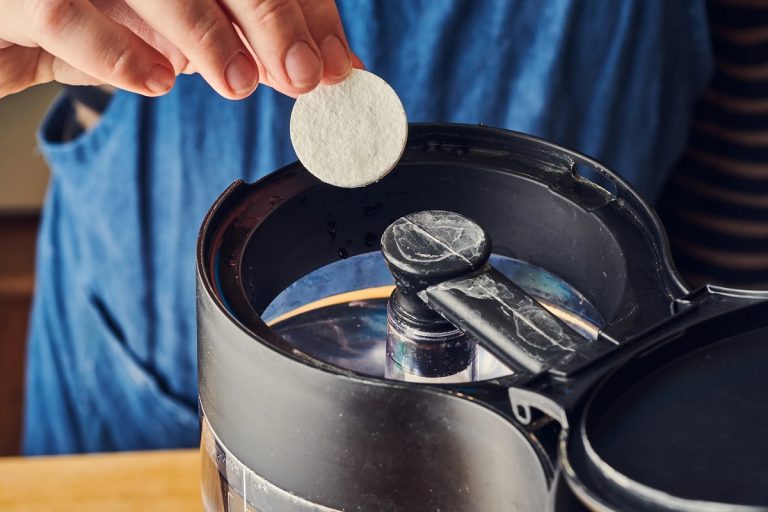
Over time, mineral deposits from water can accumulate inside your coffee maker, affecting both performance and taste. Descaling helps remove these limescale deposits. Fill the water reservoir with a mixture of equal parts white vinegar and water, then run a full brewing cycle without coffee grounds.
After the cycle finishes, discard the solution and run one or two cycles of clean water to rinse thoroughly. Performing this procedure every 1–2 months, or more frequently if you use hard water, ensures optimal brewing efficiency and prolongs the life of your machine. Regular descaling also prevents odors and ensures your coffee tastes fresh.
Cleaning the Lid, Spout, and Exterior
The lid, spout, and exterior can collect coffee oils, dust, and residue. Wipe the exterior with a damp cloth and use a small brush or toothbrush to reach crevices in the lid and spout. Detachable parts can be washed with warm, soapy water and rinsed thoroughly.
Attention to these areas prevents unpleasant odors and ensures that the machine functions smoothly. Cleaning the spout also avoids clogging, which can disrupt water flow and reduce extraction efficiency. Regular maintenance keeps every part of your coffee maker clean, safe, and functional.
Replacing Filters and Checking Components
If your coffee maker uses a reusable mesh filter, inspect it regularly for wear or clogging. Replace paper filters each use and check that the filter basket and water reservoir are intact. Periodically inspect the carafe, power cord, and other components for signs of damage.
Maintaining these components prevents leaks, electrical issues, and uneven brewing. Keeping all parts in good condition ensures safety and consistent coffee quality. Combining routine inspections with regular cleaning allows your Black and Decker coffee maker to deliver delicious coffee reliably for years to come.
FAQs
How Do You Set Up A Black and Decker Coffee Maker?
To set up your Black and Decker Coffee Maker, start by unboxing all parts and ensuring nothing is missing. Place the machine on a flat, stable surface near a power outlet.
Insert the brew basket, carafe, and filter properly. Fill the water reservoir with the desired amount of water and add coffee grounds according to your preferred strength. Make sure all components are aligned correctly to prevent leaks or malfunctions. Once everything is in place, plug in the machine and turn it on, preparing it for your first brew.
What Coffee Should You Use In A Black and Decker Coffee Maker?
You can use either freshly ground beans or pre-ground coffee in your Black and Decker Coffee Maker. Medium grind coffee usually works best for most brewing methods, while finer grinds may be suitable for stronger coffee options.
Measure your coffee carefully according to the cup size. Using the right ratio ensures a balanced, flavorful brew. Experimenting with different beans and roast levels allows you to find the flavor profile that suits your taste while getting the best performance from your machine.
How Do You Select Brew Settings On A Black and Decker Coffee Maker?
Your Black and Decker Coffee Maker offers multiple settings for brew size and strength. Use the control panel to select classic or bold brewing, depending on your preference.
You can also choose the number of cups you want to brew. Some models have delay brew or programmable options, allowing you to set a brewing time in advance. Familiarizing yourself with these settings ensures consistent results and helps you customize your coffee to match your taste every time.
How Do You Brew Coffee Step-By-Step With This Machine?
Start by filling the water reservoir with the correct amount of water and placing the coffee grounds in the brew basket. Select the desired cup size and strength setting on the control panel.
Place the carafe on the warming plate and press start. During brewing, monitor the machine to ensure it runs smoothly. Once finished, pour the coffee carefully and enjoy. Proper setup and attention to these steps ensure a consistent and flavorful cup each time you brew.
How Should You Clean And Maintain A Black and Decker Coffee Maker?
Daily cleaning involves washing the carafe, brew basket, and filter holder with warm water and mild soap. Wipe the exterior with a damp cloth to remove spills and residue.
Descale the machine periodically using a vinegar-water solution to remove mineral buildup. Rinse thoroughly afterward to prevent flavor contamination. Regular cleaning and maintenance not only improve coffee taste but also extend the life of your machine, ensuring it continues to brew efficiently for years.
What Should You Do If The Coffee Tastes Weak Or Bitter?
Weak or bitter coffee often results from using the wrong coffee-to-water ratio, incorrect grind size, or improper brew settings. Check that you are using the recommended amount of coffee for your selected cup size.
Adjust the grind if necessary—too coarse will make coffee weak, and too fine can cause bitterness. Using filtered water can also improve flavor. Experiment with strength settings and brewing options to find the combination that produces the perfect cup for your taste.
Can You Make Specialty Coffee Drinks With A Black and Decker Coffee Maker?
Yes, you can use your Black and Decker Coffee Maker to create a variety of specialty coffee drinks. Brew a stronger cup for lattes, cappuccinos, or iced coffee as a base.
Pairing the machine with a milk frother or flavored syrups allows you to replicate café-style drinks at home. Adjust the brew strength and cup size according to your recipe. By experimenting with these options, you can enjoy a wide range of specialty beverages without needing additional expensive equipment.
Final Thoughts
Mastering your Black and Decker coffee maker ensures that every cup of coffee you brew is flavorful, aromatic, and consistent. By understanding the machine’s components, measuring coffee and water accurately, and selecting the right brew settings, you can achieve the perfect balance of strength and taste for your daily routine. Regular attention to these details transforms your coffee experience at home.
Following proper cleaning and maintenance routines also plays a critical role in long-term performance. Keeping the carafe, filter basket, lid, spout, and exterior clean prevents residue buildup, odors, and mineral deposits. This not only preserves flavor but also extends the lifespan of your machine, making each brew as satisfying as the first.
By combining careful preparation, correct brew settings, and routine maintenance, you can confidently enjoy the benefits of your coffee maker every day. Learning [How to Use Black and Decker Coffee Maker] ensures convenience, reliability, and consistently great coffee for yourself and your guests.