Can You Snort Coffee – What Happens Explained
You can snort coffee, but it’s ineffective and risky. Coffee grounds won’t dissolve well in your nose, causing irritation, pain, swelling, and possible damage to nasal tissues.
Snorting caffeine powder delivers a potent dose quickly but raises overdose and toxicity risks that can harm your heart and nervous system. This method also increases infection chances.
If you keep exploring, you’ll uncover safer ways to boost your energy and know what to do if problems arise.
Is Snorting Coffee or Caffeine Safe and Effective?
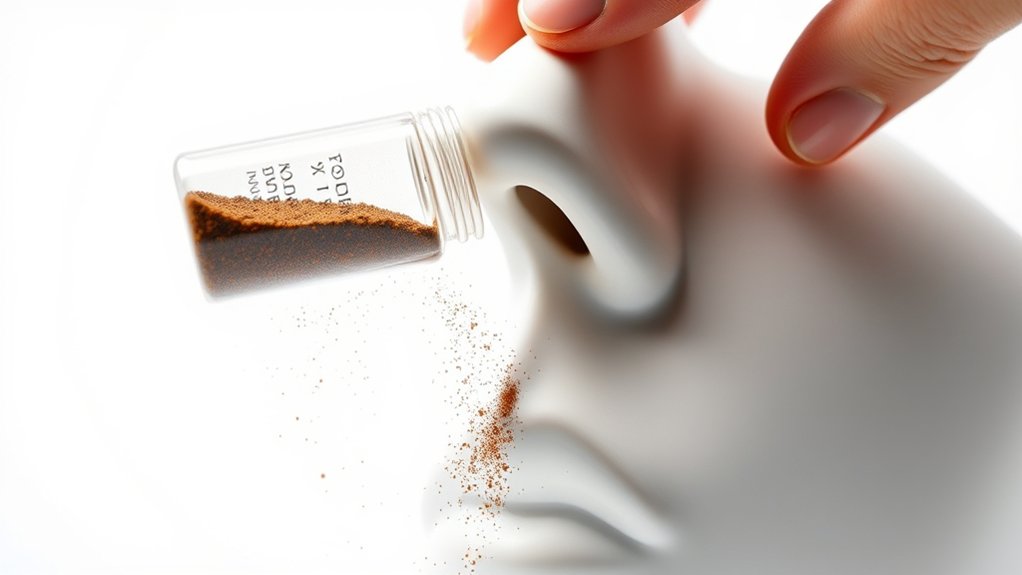
Why would anyone snort coffee or caffeine? You might think it offers a faster energy boost, but snorting coffee grounds is ineffective for caffeine absorption and often causes painful reactions.
The nasal passages aren’t designed for solid particles like coffee grounds, which your body tends to reject quickly.
Pure caffeine powder can be snorted for quicker effects, but this is risky. Just one line can contain caffeine equivalent to 20–30 cups of coffee, leading to serious health risks such as overdose and toxicity.
Snorting pure caffeine can deliver a dangerous dose equal to 20–30 cups of coffee, risking overdose and toxicity.
Health professionals warn that snorting caffeine can damage your nasal passages and increase your risk of lung infections.
The FDA has also issued warnings about pure caffeine powder’s potential for fatal overdoses, especially if you lack experience with this method.
How Snorting Changes How Your Body Absorbs Caffeine
Although snorting caffeine might seem like a quicker way to feel its effects, the way your body absorbs caffeine through the nasal passages differs markedly from oral consumption. Snorting caffeine delivers the substance directly to your bloodstream faster, bypassing digestion, but this doesn’t mean it’s effective or safe.
Coffee grounds don’t dissolve well in your nasal mucosa, limiting absorption and causing irritation.
Here’s what happens when you snort caffeine:
- The central nervous system stimulant reaches your brain rapidly but unpredictably.
- Nasal tissues can swell or get damaged, increasing infection risk.
- Your body may reject the substance, causing discomfort like vomiting.
Snorting caffeine risks toxicity and physical harm, so oral methods remain the safer, more reliable choice for caffeine intake.
Why Snorting Coffee Grounds Doesn’t Deliver Caffeine Well
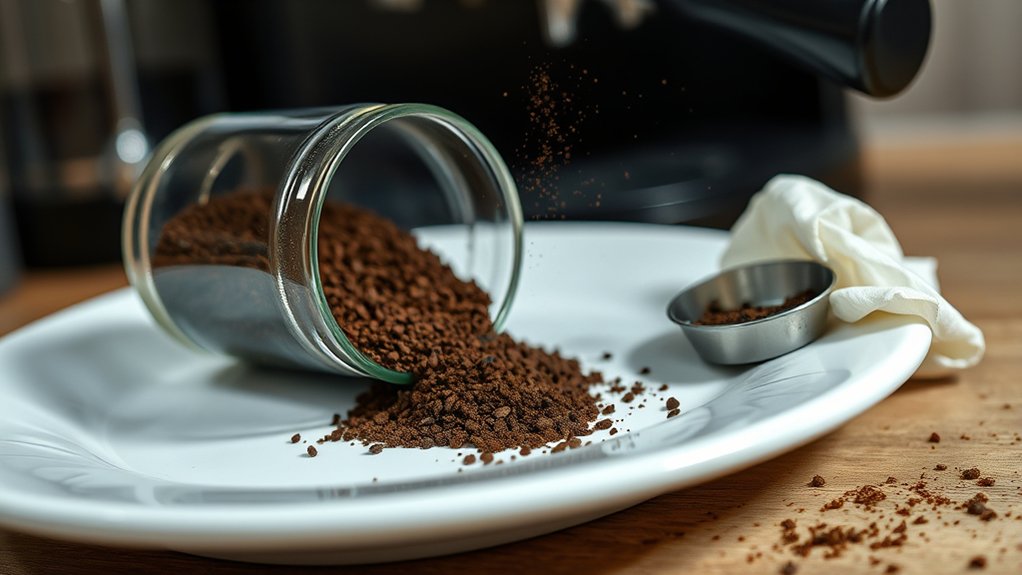
You might think that snorting coffee grounds would give you a quick caffeine boost, but that’s not really how it works. The caffeine in coffee is absorbed much better when it’s brewed, not when it’s inhaled through the nose.
On top of that, snorting coffee grounds can seriously irritate and even damage your nasal passages.
And honestly, it won’t deliver the stimulant effects you’re hoping for.
Inefficient Caffeine Absorption
Since caffeine needs to dissolve quickly to be absorbed effectively through the nasal membranes, snorting coffee grounds fails to deliver the desired stimulant effect. The absorption is inefficient because caffeine in its natural, unbrewed form isn’t readily soluble, preventing quick uptake into your bloodstream.
Unlike brewed coffee, where water extracts caffeine efficiently, ground coffee’s coarse particles hinder this process.
Here’s why absorption is so inefficient when snorting coffee grounds:
- Caffeine remains trapped in solid particles, unable to dissolve in nasal fluids
- The nasal membranes require soluble substances for rapid absorption
- Coarse grounds cause irritation, leading to rejection rather than uptake
This inefficient absorption means you won’t experience the stimulant effects you might expect, making snorting coffee grounds an ineffective and impractical method for caffeine delivery.
Physical Discomfort And Damage
While snorting coffee grounds might seem like a quick way to get a caffeine boost, the physical discomfort and potential damage it causes outweigh any perceived benefit.
When you snort coffee, the solid particles irritate your nasal cavity, leading to pain, inflammation, and even bleeding. These grounds don’t dissolve easily, so they can scratch sensitive tissues inside your nose.
Inmates who’ve tried this method reported severe reactions like vomiting, highlighting how harmful the practice can be.
Beyond discomfort, the caffeine in solid coffee grounds isn’t readily absorbed through the nasal membranes, making the effort both painful and ineffective.
Misconceptions About Snorting
Why doesn’t snorting coffee grounds deliver the caffeine kick you might expect? Unlike caffeine pills, coffee’s caffeine is extracted through water during brewing, so the solid grounds don’t contain readily absorbable caffeine.
When you snort coffee grounds, several issues arise. The active compounds don’t dissolve easily, limiting absorption through nasal tissues.
Also, physical irritation from grounds can cause pain, nosebleeds, or even vomiting.
Without precise dosing, you risk caffeine toxicity, which can be harmful or fatal. Snorting coffee grounds isn’t an effective or safe way to get your caffeine fix.
Instead, stick to brewed coffee or caffeine pills designed for proper absorption. These options provide controlled, predictable caffeine delivery without the dangers linked to snorting solids.
Effects of Snorting Coffee Grounds on Your Body
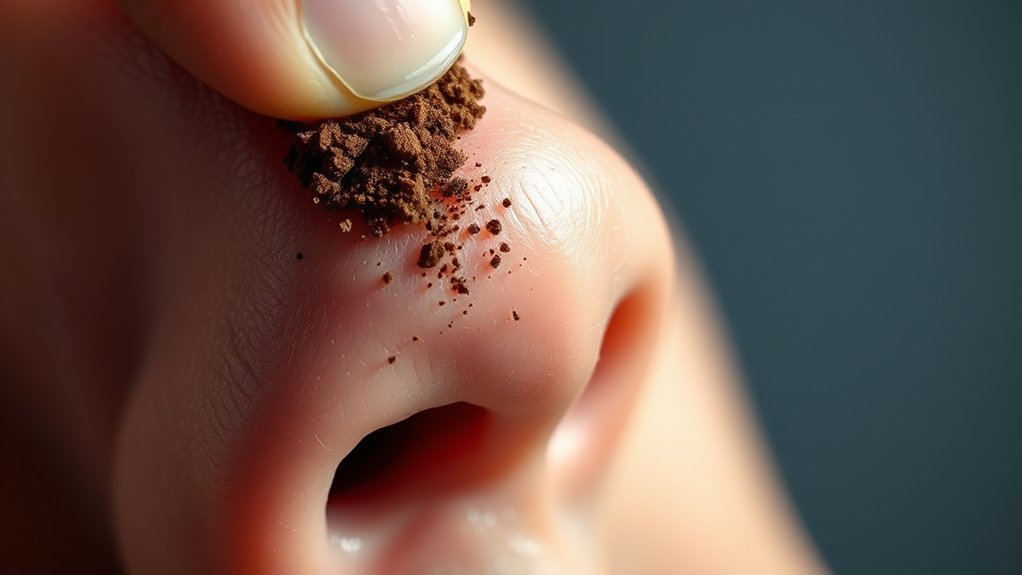
Although you might think snorting coffee grounds delivers a quick caffeine boost, it actually exposes your body to significant risks without effective absorption.
Snorting coffee is an ineffective way to get caffeine because the active compounds aren’t readily available in raw grounds. Instead, you risk painful nasal irritation, vomiting, and damage to your nasal passages.
Snorting coffee grounds won’t deliver caffeine but can cause nasal pain, vomiting, and serious tissue damage.
The side effects can be severe, including lung infections and cardiovascular overload from the high doses you might unknowingly take.
Since caffeine extraction requires brewing, snorting grounds won’t give you the energy spike you want but will cause discomfort and potentially toxic reactions.
Given these dangers, snorting coffee grounds is a hazardous practice with no proven benefits and significant side effects that can harm your respiratory and cardiovascular systems.
How Caffeine Powder Differs From Coffee Grounds
You should know that caffeine powder is way more concentrated and pure compared to coffee grounds. This means it hits your system faster and much more intensely.
If you snort caffeine powder, it gets absorbed quickly, but coffee grounds won’t work that way and might actually irritate you.
It’s important to understand these differences because the health risks can be quite different depending on which one you’re dealing with.
Purity And Concentration
When comparing caffeine powder to coffee grounds, it’s crucial to understand their vastly different purity and concentration levels.
Pure caffeine powder is extremely potent. Just one teaspoon equals the caffeine in about 28 cups of coffee. Coffee grounds, on the other hand, contain caffeine in a less accessible form, making snorting them both ineffective and painful.
Key differences include:
- Concentration: Pure caffeine powder has a much higher caffeine concentration than coffee grounds.
- Purity: Pure caffeine powder dissolves easily, allowing for rapid absorption if snorted, unlike coffee grounds.
- Safety risks: The potency of pure caffeine powder greatly increases overdose and toxicity risks compared to brewed coffee.
Knowing these distinctions helps you gauge the dangers and inefficacy of snorting coffee grounds versus pure caffeine powder.
Absorption And Effectiveness
Since caffeine’s effectiveness depends largely on how quickly and efficiently it enters your bloodstream, snorting coffee grounds falls short compared to pure caffeine powder.
Coffee grounds contain a mix of compounds that aren’t easily absorbed through your nasal membranes, leading to poor caffeine absorption.
Unlike brewed coffee, where caffeine is extracted and dissolved in water, grounds remain insoluble. This causes minimal energizing effects and often painful irritation.
Pure caffeine powder, in crystallized form, allows rapid absorption through insufflation, reaching your bloodstream and brain faster than oral intake.
This difference in absorption makes caffeine powder far more effective when snorted.
However, the complex structure of coffee grounds hinders this process, reducing both the speed and amount of caffeine absorbed.
That diminishes any stimulant benefits you might expect.
Health Risks Comparison
Although both coffee grounds and pure caffeine powder can be snorted, the health risks associated with each differ considerably. Snorting coffee grounds is inefficient because caffeine isn’t readily absorbed, often causing nasal irritation and vomiting.
Pure caffeine, however, poses far greater dangers due to its high concentration, making overdose much easier.
Consider these health risks when comparing the two:
- Coffee grounds cause physical rejection and limited caffeine absorption, leading to discomfort but lower overdose risk.
- Pure caffeine powder can overwhelm your heart and nervous system, triggering severe symptoms like arrhythmia and confusion.
- Both forms can damage nasal tissues, but pure caffeine’s potency dramatically raises the chance of life-threatening complications.
Understanding these differences helps you avoid serious harm from snorting caffeine in any form.
Symptoms to Watch for After Snorting Caffeine
If you snort caffeine, you may quickly notice symptoms like agitation, confusion, and a rapid heartbeat because it’s absorbed fast through your nasal passages.
Unlike a caffeinated nasal spray made for controlled dosing, snorting powdered caffeine can cause intense irritation. This irritation can lead to nasal swelling, bleeding, and pain.
You should watch for signs of overdose risks such as severe nausea, erratic heartbeat, or seizures. Even small amounts, around 5 grams, can be toxic. Your body might also react strongly by causing vomiting as it tries to reject the substance.
These symptoms demand caution since without prompt care, caffeine overdose can escalate to life-threatening conditions like cardiac arrest.
Always be aware of how quickly symptoms appear and avoid snorting caffeine altogether to minimize serious health risks.
What to Do in Case of a Caffeine Overdose
When you notice someone showing signs of a caffeine overdose, such as nausea, erratic heartbeat, or vomiting, call 911 immediately to get professional medical help.
Caffeine overdose can be potentially fatal if left untreated, so quick response is essential.
Prompt action is crucial, as untreated caffeine overdose can become life-threatening.
While waiting for emergency responders, stay calm and reassure the person to help prevent symptoms from worsening.
Provide emergency personnel with accurate details about the caffeine consumed, including form and amount. This helps them tailor treatment effectively.
Remember, untreated caffeine overdose may escalate rapidly, causing seizures or organ failure.
Here’s what you should do:
- Call 911 immediately when symptoms appear.
- Give responders detailed caffeine consumption info.
- Keep the affected person calm and monitored until help arrives.
Why Snorting Caffeine Powder Can Be Dangerous
Understanding how dangerous caffeine overdose can be reminds us to contemplate the risks of alternative methods of consumption, such as snorting caffeine powder. When you snort caffeine powder, it enters your bloodstream rapidly, increasing the risk of severe health risks like agitation, arrhythmia, and even toxic shock.
Just a single line can equal 20-30 cups of coffee, making overdose highly likely. The FDA warns that miscalculating doses of pure caffeine powder can be fatal, with one teaspoon matching 28 cups of coffee.
Furthermore, regular snorting can damage your nasal passages, causing infections similar to those seen with cocaine use. Symptoms of overdose include nausea, erratic heartbeat, vomiting, seizures, and potentially multiple organ failure.
Given these dangers, snorting caffeine powder is an extremely risky practice.
Safer Alternatives to Snorting Coffee for Energy Boosts
How can you safely boost your energy without risking the severe health dangers linked to snorting coffee or caffeine powder? You can rely on safer alternatives that provide controlled caffeine intake and reduce harm.
Drinking brewed coffee is a straightforward choice, delivering caffeine effectively without nasal damage.
Energy drinks, when consumed in moderation, offer a quick, manageable boost with about 80 mg of caffeine per serving. Furthermore, caffeinated snacks provide a tasty, lower-risk option.
Consider these safer alternatives:
- Brewed coffee for steady caffeine absorption.
- Energy drinks consumed responsibly for quick boosts.
- Caffeinated snacks like chocolate-covered coffee beans for enjoyable energy.
How to Seek Help for Caffeine or Substance Abuse
If you notice signs of caffeine or substance abuse, it’s really important to reach out for professional treatment that fits your needs.
There are resources like the SAMHSA helpline that can connect you with rehab programs and support groups.
These programs don’t just focus on addiction—they also help with any related mental health issues you might be facing.
Getting help early and using the support available can make a big difference in your chances of recovery.
Finding Professional Treatment
When you’re ready to seek professional treatment for caffeine or substance abuse, reaching out to local rehabilitation centers that specialize in addiction and mental health is an essential first step.
These centers offer tailored programs combining behavioral therapies and counseling to address both substance abuse and any co-occurring mental health issues.
You can also contact the Substance Abuse and Mental Health Services Administration (SAMHSA) helpline at 1-800-662-HELP for guidance on treatment options.
Be honest during assessments to guarantee accurate diagnosis and effective treatment planning.
To find the right professional treatment, consider using online directories to locate accredited facilities nearby.
Explore programs that integrate support groups and counseling.
And don’t hesitate to contact helplines for personalized assistance.
Taking these steps helps you access evidence-based care for caffeine-related substance abuse safely and effectively.
Support Resources Availability
Although recognizing caffeine or substance abuse can be challenging, you can find effective support by connecting with local treatment centers that offer specialized programs for addiction recovery.
If you’re unsure where to start, the Substance Abuse and Mental Health Services Administration (SAMHSA) provides a national helpline at 1-800-662-HELP, offering immediate assistance and referrals.
Online directories also help locate rehab programs that address both substance abuse and related mental health issues.
For trustworthy information, organizations like Addiction Resource offer educational materials backed by peer-reviewed research.
Remember, consulting healthcare providers is essential for personalized advice, especially in emergencies involving caffeine overdose or misuse.
Taking these steps improves your chance of safely managing caffeine-related substance abuse and finding the support you need.
Frequently Asked Questions
Can Snorting Coffee Cause Addiction?
Yes, snorting coffee can contribute to coffee addiction because it delivers caffeine rapidly, intensifying its effects and reinforcing dependency.
You should be cautious since snorting risks include nasal irritation, damage to mucous membranes, and potential respiratory issues.
This method bypasses normal digestion, increasing caffeine’s impact and the chance of addiction.
If you’re concerned about coffee addiction, it’s safer to consume coffee traditionally and avoid snorting to minimize health risks.
Does Snorting Coffee Affect Sleep Patterns Differently?
When it comes to sleep quality, snorting coffee can really throw a wrench in the works.
You absorb caffeine faster through your nasal membranes, which means it hits your system quicker and stronger than drinking it.
This rapid caffeine absorption can disrupt your sleep patterns more severely, causing difficulty falling asleep and poorer rest.
Be cautious, as this method might magnify caffeine’s effects, making it harder for you to get a good night’s sleep overall.
Are There Legal Restrictions on Buying Caffeine Powder?
Yes, there are legal restrictions on buying caffeine powder due to caffeine regulation aimed at powder safety.
You’ll find that many countries classify pure caffeine powder as a controlled substance or require it to be sold only in small quantities.
This is because high doses can be dangerous, even lethal.
Always check local laws before purchasing, and handle caffeine powder cautiously to avoid accidental overdose or misuse.
How Does Snorting Caffeine Impact Mental Health?
Snorting caffeine causes rapid caffeine absorption, leading to a sudden spike in alertness and mental clarity.
However, this intense rush can overstimulate your nervous system, increasing anxiety, irritability, and even risking panic attacks.
Over time, this method may disrupt your natural cognitive balance and sleep patterns, harming mental health.
It’s safer to consume caffeine through traditional means, allowing a steadier, more controlled mental boost without these harmful side effects.
Can Snorting Coffee Interact With Medications?
Yes, snorting coffee can cause unpredictable snorting effects and increase the risk of medication interactions.
When you snort coffee, caffeine enters your bloodstream rapidly, which might amplify or interfere with how your medications work, especially stimulants, blood thinners, or heart drugs.
Since this method bypasses normal digestion, it makes it harder to predict how your body reacts.
Always consult your healthcare provider before combining any caffeine intake with medications.
Conclusion
While snorting coffee might sound like a quick energy hack, it’s neither safe nor effective. Your body doesn’t absorb caffeine well through your nose, and coffee grounds can irritate or damage nasal tissues.
Unlike caffeine powder, which carries its own risks, snorting coffee increases the chance of harm without real benefits. For a safer boost, stick to drinking coffee or other proven methods.
Always prioritize your health and seek help if you struggle with caffeine misuse.