
Is Coffee Halal – Religious Guidance And Facts Explained
You can confidently enjoy coffee as halal, provided it’s sourced, processed, and brewed following Islamic dietary laws. Coffee beans must be free from contamination with haram substances. Additives like flavorings or creamers need careful checking for halal compliance.
Caffeine itself doesn’t affect its permissibility, though moderation is wise for health. While scholars mostly agree coffee is halal, some caution relates to additives and lifestyle.
Explore further to understand how to choose and prepare your coffee with full confidence.
What Does Halal Mean for Your Coffee?
What does it really mean for your coffee to be halal? It means every step, from coffee bean origins to brewing methods, aligns with Islamic dietary laws. You want to guarantee that the coffee beans are sourced without contamination from non-halal substances or processes.
When it comes to brewing methods, you should avoid any additives or alcohol-based flavorings that might compromise halal status. Also, equipment used must be free from cross-contamination with haram ingredients.
Knowing the origins helps you confirm that the coffee is ethically produced and processed in compliance with halal standards.
Is Coffee Mentioned in Islamic Texts?
Understanding the halal status of your coffee often leads to questions about its place within Islamic teachings. You won’t find direct references to coffee in the Quran or Hadith, as coffee cultivation and roasting began centuries after these texts were compiled. However, Islamic scholars have examined the principles behind permissible consumption, applying them to coffee’s introduction in Muslim societies.
While coffee cultivation originated in regions outside early Islamic centers, its integration into Muslim culture sparked discussions on its permissibility. Since coffee roasting transforms the raw beans, scholars consider the process and the resulting beverage’s effects.
You can rely on interpretations that focus on coffee’s nature, preparation, and impact rather than explicit mentions. This careful approach helps you understand coffee’s place within Islamic dietary guidelines.
Why Is Coffee Generally Considered Halal?
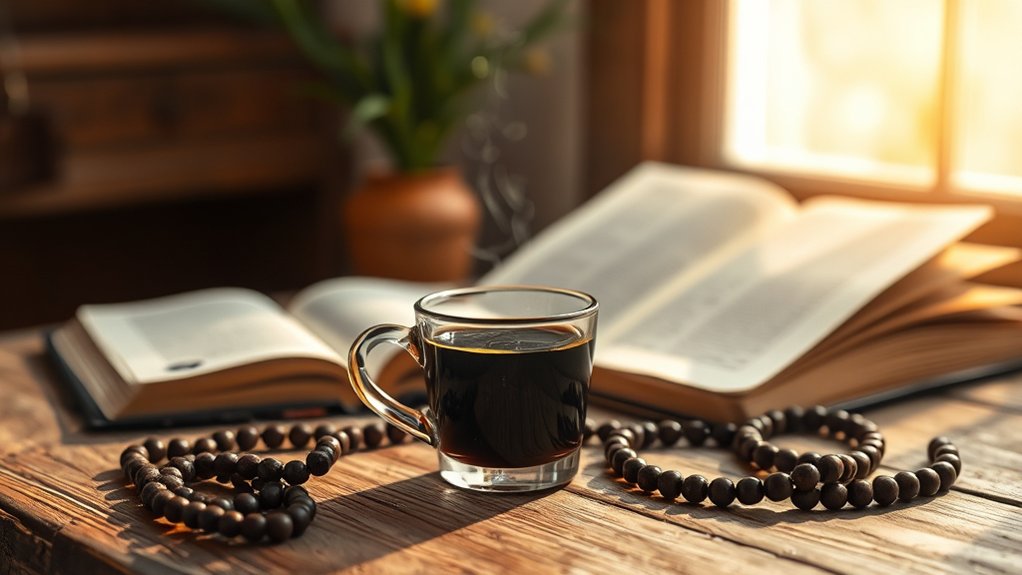
You’ll find that coffee is generally considered halal because its ingredients and preparation don’t involve anything prohibited in Islamic law. Basically, the stuff in coffee is pure and doesn’t cause harm, which is important in religious guidelines.
Scholars look at both what’s in the drink and how it affects people, and coffee checks those boxes.
Ingredients And Preparation
Because coffee’s main ingredients are simply roasted coffee beans and water, it generally aligns well with halal dietary guidelines.
When you look at coffee cultivation, the process involves growing beans under natural conditions without prohibited substances.
During bean processing, the beans are typically cleaned, roasted, and ground without additives that could conflict with halal rules.
As you prepare coffee, you usually mix ground beans with hot water, avoiding any alcohol or non-halal ingredients.
However, you should be cautious with flavored coffees or instant blends, as they might contain non-halal additives.
Religious Texts Interpretation
How do religious texts guide Muslims in determining whether coffee is halal? Islamic texts don’t explicitly mention coffee, so scholars rely on interpretation shaped by historical perspectives and cultural influences.
You’ll find that Islamic law prohibits intoxicants, but since coffee doesn’t cause intoxication, it’s generally deemed permissible.
Over centuries, Muslim communities embraced coffee, integrating it into social and religious practices, illustrating cultural acceptance.
Scholars reference the Quran and Hadith, emphasizing the principle of avoiding harm, and since coffee doesn’t violate this, it falls within halal guidelines.
Does Caffeine Affect Coffee’s Halal Status?
Although caffeine is a stimulant that affects your body and mind, it doesn’t impact coffee’s halal status according to Islamic dietary laws. The key point to evaluate is whether the substance causes harm or intoxication, which caffeine does not.
When you assess caffeine effects, you’ll find that moderate coffee consumption is generally safe and permissible. Islamic teachings focus on avoiding harmful or intoxicating substances, not stimulants like caffeine.
Here are important points to evaluate:
- Caffeine is naturally present in coffee beans.
- It stimulates the central nervous system without causing intoxication.
- Moderate coffee consumption doesn’t violate halal principles.
- The halal status depends on purity and absence of prohibited additives.
- Excessive caffeine intake is discouraged for health reasons, not religious prohibition.
Do Islamic Scholars Disagree on Coffee’s Halal Status?
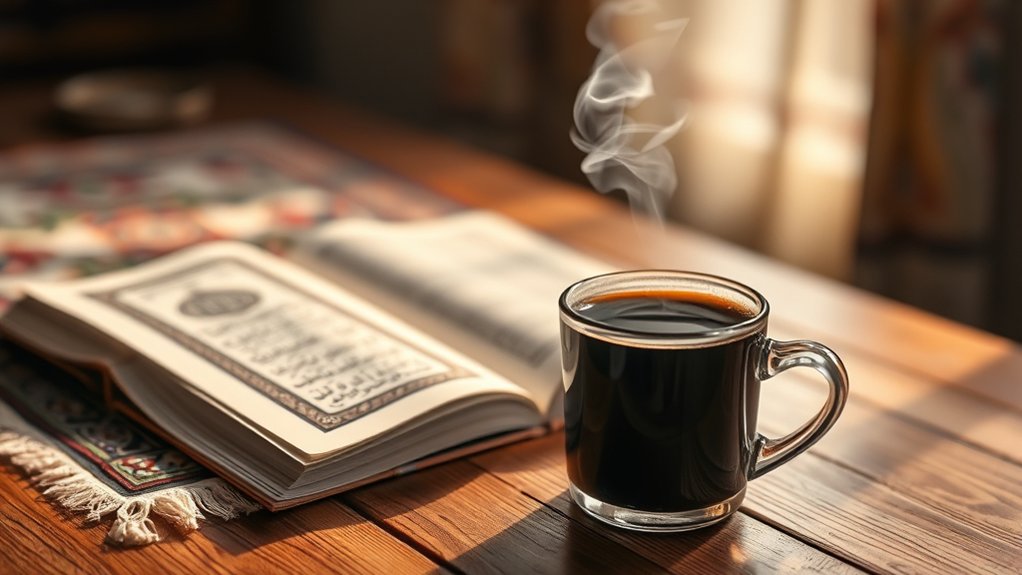
Why do some Islamic scholars hold different views on coffee’s halal status? The diversity comes from varying interpretations influenced by coffee’s history and cultural views. Some scholars point out that coffee is a natural product from a plant, which fits with halal principles.
Others are more cautious because of coffee’s stimulating effects and how they relate to Islamic teachings about substances that affect the mind. Also, cultural perceptions play a big role. In places with long coffee traditions, it’s usually seen as permissible. But in areas less familiar with coffee, scholars might take a more conservative approach.
It’s important to see that these views come from scholars trying to apply religious principles thoughtfully to changing social contexts. In the end, most agree coffee itself is halal. The differences in opinion usually reflect wider discussions about lifestyle and health in Islamic law.
How Do Additives and Flavorings Impact Coffee’s Halal Status?
When you add flavorings or other ingredients to coffee, you need to carefully consider their sources to guarantee the drink remains halal. Both natural flavorings and artificial additives can impact the halal status.
Natural flavorings derived from halal sources generally pose no issue. But some artificial additives might contain non-halal ingredients or alcohol-based solvents.
Natural flavorings from halal sources are usually safe, but some artificial additives may include non-halal ingredients or alcohol.
To assure your coffee stays halal, watch for gelatin or enzymes from non-halal animals in flavorings. Also, be cautious of alcohol-based extracts or solvents in artificial additives.
Cross-contamination risks during processing are another important factor to keep in mind.
It’s a good idea to look for plant-based or synthetic natural flavorings. And always check for certification labels verifying halal compliance.
That way, you can enjoy your coffee worry-free.
Are Coffee Drinks With Alcohol or Non-Halal Ingredients Allowed?
When you think about coffee drinks that have alcohol or other non-halal ingredients, it’s important to know that any amount of alcohol makes the drink impermissible.
Also, keep in mind that some additives, like certain flavorings or emulsifiers, might come from non-halal sources. This can change whether the drink is considered halal or not.
Knowing these details helps you make better choices about what you’re drinking.
Alcohol Content In Coffee
How do alcohol content and non-halal ingredients affect the permissibility of coffee drinks in Islam? When coffee brewing involves alcohol or non-halal additives, the drink’s status changes. Even trace alcohol residues from flavorings or during coffee storage can impact its halal status. You should always verify ingredients and preparation methods to ensure compliance.
Keep these points in mind:
- Pure brewed coffee contains no alcohol, making it halal.
- Alcohol added during flavoring or preparation renders coffee non-halal.
- Coffee storage in containers previously holding alcohol may cause contamination.
- Labels rarely disclose minimal alcohol content, so verify sources.
- Homemade coffee drinks with alcohol aren’t permissible.
Non-Halal Additives Explained
Understanding the impact of non-halal additives in coffee is key to determining whether certain coffee drinks meet halal standards. When you choose coffee, you need to be aware of ingredients like non-halal preservatives and artificial flavorings.
These can sometimes compromise its permissibility. Some flavored syrups or creamers contain alcohol or derivatives that aren’t halal, so it’s important to check labels carefully.
Also, certain artificial flavorings might include alcohol-based solvents or ingredients derived from non-halal sources. If you consume coffee with these additives, it may not align with halal guidelines.
To stay compliant, opt for pure coffee or products clearly labeled halal. When in doubt, seek guidance from trusted religious authorities to ensure your coffee choices remain appropriate and respectful of halal principles.
Can You Drink Coffee During Ramadan and Fasting?
Although fasting during Ramadan means no food or drink from dawn until sunset, many people wonder if coffee is okay during the non-fasting hours. The good news is you can drink coffee after sunset and before dawn without breaking your fast. It doesn’t invalidate fasting.
That said, be mindful of how you make your coffee. Some brewing methods change how strong it’s and how much caffeine you get. Since caffeine affects everyone differently, drinking coffee late at night might mess with your sleep. And poor sleep can make fasting the next day harder.
Here are some things to keep in mind:
- Choose moderate coffee brewing methods to control caffeine levels
- Avoid adding non-halal ingredients during preparation
- Drink coffee only during non-fasting hours
- Watch your caffeine intake so you don’t get dehydrated
- Make sure to drink plenty of water alongside your coffee during Ramadan
Practical Tips for Choosing Halal-Certified Coffee Products
When selecting coffee products, you’ll want to guarantee they meet halal standards to align with your dietary practices. Start by checking for reliable halal certification logos on packaging. This helps ensure the product is free from non-permissible additives or cross-contamination risks.
Ensure your coffee meets halal standards by checking for trusted certification logos on the packaging.
Look for brands that are transparent about their sourcing and manufacturing processes.
When it comes to coffee brewing, make sure to use clean equipment to avoid mixing with anything non-halal.
Also, avoid flavored coffees that use alcohol-based extracts or have questionable ingredients.
Proper coffee storage is essential too. Keep your coffee in airtight containers to prevent contamination and maintain freshness.
How to Enjoy Coffee While Sticking to Halal
If you want to enjoy your coffee while sticking to halal, the key is to pick brands that clearly label their products as halal-certified.
It’s really important to check the ingredients list carefully. Avoid anything that contains alcohol-based flavorings or non-halal emulsifiers.
By staying informed and being selective about what you buy, you can easily savor your coffee without worrying about compromising your dietary principles.
It’s all about making smart choices and enjoying your cup with confidence!
Choosing Halal Coffee Brands
How can you guarantee the coffee you enjoy aligns with halal principles? Start by choosing halal-certified coffee brands that confirm ethical coffee bean sourcing and clean brewing techniques. Look for certifications or clear statements regarding their halal compliance. Being informed helps you avoid doubts about impurities or forbidden processes.
Here’s how to select halal coffee brands confidently:
- Verify halal certification from trusted authorities.
- Research coffee bean sourcing to ensure ethical, permissible origins.
- Confirm that brewing techniques avoid contamination with non-halal substances.
- Choose brands transparent about their ingredients and processing.
- Read customer reviews or seek recommendations within your community.
Avoiding Non-Halal Additives
Selecting halal-certified coffee brands sets a solid foundation, but you also need to pay close attention to what you add to your cup.
During coffee brewing, non-halal additives like alcohol-based flavorings or gelatin-containing creamers may unknowingly compromise your commitment.
To enjoy your coffee while sticking to halal, choose natural sweeteners such as honey or sugar and opt for plant-based milk alternatives free from animal-derived enzymes.
Being mindful of additives respects your faith and supports healthy caffeine metabolism, as unnecessary ingredients can affect how your body processes caffeine.
Always check ingredient labels carefully, and if in doubt, prepare your coffee at home where you control every element.
This approach guarantees that your coffee ritual remains both spiritually fulfilling and aligned with halal guidelines.
Frequently Asked Questions
What Is the Origin of Coffee in Islamic History?
You’ll find coffee’s origin in Islamic history tied to Yemen during the 15th century, where coffee cultivation flourished under Islamic societies. It was embraced not only as a beverage but also respected within Islamic dietary laws, ensuring it met halal standards.
As coffee spread through the Muslim world, it became a cultural staple, associated with social and religious gatherings. This reflects its deep roots in Islamic tradition and daily life.
How Does Coffee Consumption Impact Health From an Islamic Perspective?
You should know that from an Islamic perspective, coffee consumption is generally permissible but requires mindfulness.
Caffeine effects, like increased alertness, can be beneficial, yet excessive intake might lead to restlessness or health issues.
Hydration concerns also matter since caffeine has mild diuretic properties, so you must balance coffee with water to stay properly hydrated.
Moderation aligns with Islamic teachings promoting health and well-being.
This helps you avoid harm while enjoying coffee responsibly.
Are There Specific Coffee Rituals in Muslim Cultures?
Yes, you’ll find specific coffee rituals in many Muslim cultures. The coffee preparation often involves traditional methods, like roasting beans over an open flame and brewing in special pots called dallahs.
These cultural rituals emphasize hospitality and community.
Coffee is usually served in small cups during social gatherings or religious celebrations. You’ll see how these practices honor both the drink’s rich history and its role in bringing people together respectfully.
It’s really about sharing and connecting with others.
Can Coffee Be Used in Islamic Medicinal Practices?
You might think coffee brewing holds the secret to eternal youth, but in Islamic medicinal practices, it’s valued more realistically. Coffee, with its rich flavoring and stimulating effects, has been used traditionally to boost alertness and aid digestion.
While it’s not a cure-all, you can incorporate it thoughtfully as a supportive remedy. Just remember, moderation is key, and always consider advice from knowledgeable healthcare professionals within Islamic teachings.
How Does Halal Coffee Certification Differ Internationally?
You’ll find that halal coffee certification varies internationally because different countries have their own certification standards and regulatory bodies.
In the global coffee trade, some places enforce stricter rules around ingredients and processing. Others mainly focus on making sure there’s no alcohol or non-halal additives involved.
So, your coffee’s halal status really depends on local guidelines and how strict the certifying authority is.
Knowing these differences makes it easier to choose certified halal coffee with confidence, no matter where you’re in the world.
Conclusion
As you hold your coffee cup, remember it’s more than just a drink. It’s a symbol of thoughtful choices in your faith journey. Just like the rich, pure brew, your commitment to halal reflects clarity and respect.
By choosing halal-certified coffee and avoiding forbidden additives, you honor both tradition and health. So sip with confidence, knowing each cup aligns with your values. It blends spirituality and daily life in perfect harmony.