Why Is My Espresso Sour? Top Reasons and Fixes
Many espresso lovers have experienced that sharp, tangy flavor that can make a shot taste unpleasantly sour. Understanding the reasons behind this sourness is key to improving your espresso experience and achieving a balanced, flavorful cup. Factors such as bean type, roast level, grind size, and brewing technique all play a role in the final taste.
Acidity is a natural component of coffee, and lighter roasts often highlight these bright, fruity notes. He or she who enjoys espresso may find that certain beans or blends emphasize acidity more than others, which can sometimes come across as sourness if extraction is not balanced.
Grind size and brewing time also affect flavor perception. Overly coarse grinds or under-extracted shots can intensify sour flavors, while adjusting grind and extraction can create a more harmonious taste.
Why Is My Espresso Sour? Exploring these factors helps coffee enthusiasts troubleshoot and refine their process, ensuring that each shot delivers the rich, satisfying flavor that espresso is known for.
Common Causes of Sour Espresso
Sour espresso is a common issue for coffee enthusiasts, often indicating imbalance in the brewing process or ingredient selection. Understanding the root causes of sourness helps you adjust grind, extraction, and brewing methods to achieve a rich, well-rounded shot. Identifying these factors ensures each espresso delivers the intended flavor and aroma.
Under-Extraction During Brewing
One of the primary causes of sour espresso is under-extraction. When coffee grounds are not fully extracted, acidic compounds dominate, creating a sharp, tangy taste. This often happens when brewing time is too short, water temperature is too low, or the grind size is too coarse.
He or she preparing espresso should note that proper extraction involves balancing water contact with the coffee grounds. Under-extraction can prevent the release of sugars and oils that provide sweetness and body, leaving only the bright, acidic flavors. Adjusting grind size finer, increasing brewing time, or raising water temperature can help extract more of these compounds, reducing sourness while enhancing overall flavor. Understanding how under-extraction affects taste allows for better control and more consistent espresso shots.
Bean Type and Roast Level
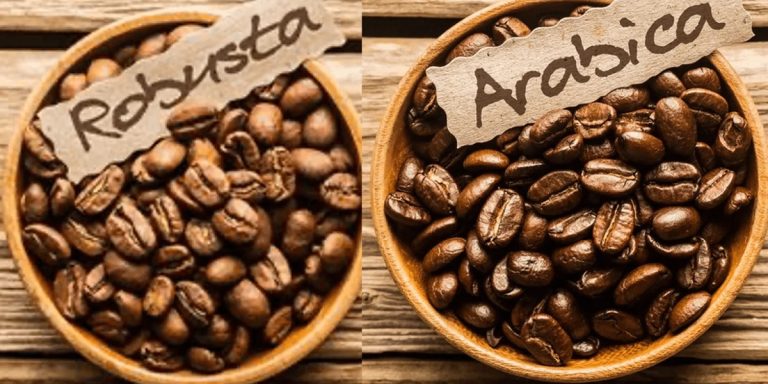
The type of coffee bean and its roast level significantly impact espresso flavor. Lightly roasted beans naturally highlight acidity, which can come across as sour if not balanced by proper extraction. Arabica beans, in particular, tend to have higher acidity than Robusta varieties.
He or she choosing espresso beans should consider roast level and bean origin. Darker roasts produce a fuller, sweeter flavor that counteracts sourness, while lighter roasts may require precise brewing adjustments to avoid tangy notes. Single-origin beans often have pronounced fruity or floral characteristics, which can enhance acidity, while blends can provide balance. Understanding how bean type and roast influence taste helps prevent sour espresso and achieve a harmonious shot.
Incorrect Grind Size
Grind size is crucial in espresso preparation. A grind that is too coarse allows water to flow too quickly, resulting in under-extraction and a sour taste. Conversely, overly fine grounds can slow extraction and produce bitterness.
He or she adjusting the grind should aim for a consistency that allows water to extract flavor evenly. Proper calibration ensures a balance between acidity, sweetness, and body. For espresso machines, small changes in grind size can drastically affect taste. Regularly checking and adjusting grind based on bean freshness and roast level is essential for avoiding sour shots and maintaining a consistently enjoyable espresso experience.
Water Temperature Issues
Water temperature plays a key role in extraction. Too low a temperature prevents full extraction of sugars and oils, leaving acidic compounds dominant. He or she brewing espresso should aim for water between 195–205°F (90–96°C), the optimal range for balanced extraction.
Temperature that is too low can intensify sourness, while excessively hot water may cause bitterness or scalding flavors. Maintaining a stable temperature throughout the brewing process ensures that the espresso shot develops the intended sweetness and body, balancing acidity and creating a smooth, flavorful cup. Awareness of water temperature impact is critical for both home and professional espresso preparation.
Freshness and Bean Storage
Stale or improperly stored coffee beans can also contribute to sour-tasting espresso. As beans age, their flavor compounds degrade, altering balance and sometimes amplifying acidic notes. Exposure to air, moisture, and light accelerates this process.
He or she storing espresso beans should use airtight containers and keep them in a cool, dark place to preserve freshness. Grinding beans just before brewing maximizes flavor and minimizes sourness. Proper storage ensures that the natural sugars, oils, and acids in beans remain balanced, producing espresso that is rich, smooth, and free of unpleasant tangy notes.
Espresso Grind and Dose Issues
Achieving the perfect espresso requires precision in both grind size and dose. Small variations in either factor can dramatically affect flavor, strength, and overall balance. Understanding how grind and dose influence extraction helps you troubleshoot sour, bitter, or weak shots and consistently produce a rich, flavorful espresso.
Impact of Grind Size on Extraction
Grind size is one of the most critical factors in espresso preparation. A grind that is too coarse causes water to flow too quickly through the coffee puck, resulting in under-extraction. Under-extracted espresso often tastes sour, acidic, and lacking in sweetness and body. On the other hand, a grind that is too fine slows down extraction, leading to over-extraction, which produces bitter, harsh flavors.
He or she adjusting grind size should observe shot times and taste closely. A properly calibrated grind produces an espresso that balances acidity, sweetness, and crema. Espresso machines are sensitive to small changes, so even slight adjustments in grind can significantly alter flavor. Regularly testing and tweaking grind size ensures consistent results and avoids common issues related to sour or bitter espresso.
Proper Dose for Flavor Balance
Dose refers to the amount of coffee used for each shot, typically measured in grams. Standard single shots use 7–9 grams, while doubles use 14–18 grams. Using too little coffee can result in weak, under-extracted shots, while too much can cause over-extraction and bitterness.
He or she preparing espresso should measure dose accurately using a scale rather than relying on volume alone. Proper dosing ensures the water interacts with the coffee grounds evenly, producing a balanced shot. Adjusting dose according to bean type, roast, and grind size helps maintain flavor consistency, allowing espresso to achieve the desired strength, body, and aroma.
Interaction Between Grind and Dose
Grind size and dose work together to determine extraction quality. A coarser grind may require a slightly higher dose to achieve proper extraction, while a finer grind may need less coffee to avoid over-extraction. Incorrect combinations can create sour, weak, or bitter espresso, even with the right brewing time and temperature.
He or she dialing in espresso should experiment with both grind and dose simultaneously. Recording adjustments and tasting results allows for systematic refinement. By balancing these two factors, coffee lovers can achieve an espresso with ideal body, sweetness, and crema, avoiding the common pitfalls that result from incorrect grind or dose.
Adjusting for Bean Type and Roast
Different beans and roast levels require adjustments in grind and dose. Light roasts are denser and often need a slightly finer grind or higher dose to extract their full flavor. Dark roasts are more porous and may require a coarser grind or lower dose to avoid over-extraction and bitterness.
He or she exploring new beans should start with standard parameters and make small, incremental adjustments. Observing extraction time, flow rate, and taste feedback ensures that grind and dose are optimized for each specific coffee. Understanding this relationship allows baristas and home brewers alike to produce consistently enjoyable espresso regardless of bean origin or roast.
Consistency and Technique
Achieving consistent espresso requires attention to detail in both grind and dose. Using a reliable grinder, precise scale, and proper tamping technique ensures uniformity across shots. Inconsistent grind size or uneven dosing can lead to channeling, uneven extraction, and undesirable flavors.
He or she committed to espresso excellence should regularly calibrate equipment and measure beans accurately. Monitoring extraction time, taste, and crema quality helps identify necessary adjustments quickly. Mastery of grind and dose is essential for producing espresso that is flavorful, balanced, and free from sour or bitter notes.
Machine and Brewing Technique Factors
The flavor and quality of espresso depend not only on beans, grind, and dose but also on the machine and brewing techniques used. Even small variations in pressure, temperature, and extraction timing can dramatically affect taste. Understanding these factors helps ensure consistent, balanced espresso and prevents common issues like sourness, bitterness, or weak flavor.
Water Temperature and Stability
Water temperature is a critical factor in espresso extraction. Ideal brewing temperatures typically range between 195–205°F (90–96°C). Water that is too cold under-extracts coffee, emphasizing acidic and sour notes, while overly hot water can over-extract, producing bitterness.
He or she preparing espresso should ensure the machine maintains consistent temperature throughout the shot. Machines with unstable or fluctuating temperatures can produce uneven extraction, even with precise grind and dose. Regular maintenance and preheating equipment can help stabilize water temperature. Being attentive to this factor ensures that espresso extracts properly, balancing acidity, sweetness, and body for a smooth, flavorful shot.
Pressure and Pump Performance
Espresso extraction relies on high pressure, usually around 9 bars, to force water through finely ground coffee. Inconsistent pressure can lead to under- or over-extraction, altering the flavor profile. Low pressure tends to emphasize sour and acidic flavors, while excessive pressure may produce bitterness.
He or she using an espresso machine should monitor pump performance and ensure consistent pressure throughout the shot. Even minor deviations in pressure can change flow rate and extraction balance. Machines with adjustable pressure allow for fine-tuning based on bean type and grind, ensuring a rich, well-rounded espresso. Understanding how pressure interacts with other brewing variables is essential for achieving consistent quality.
Extraction Time and Technique
Extraction time directly influences flavor. Standard espresso shots typically extract in 25–30 seconds. Shorter extraction results in under-extraction, creating sour, thin shots, while longer extraction over-extracts, producing bitterness.
He or she practicing espresso should observe both visual cues, such as flow rate and crema, and taste feedback to fine-tune extraction time. Adjusting tamping pressure, grind size, and shot volume affects how long water interacts with coffee. A controlled and consistent technique ensures that espresso extracts evenly, balancing acidity, sweetness, and body for optimal flavor.
Machine Maintenance and Cleanliness
A clean and well-maintained machine is essential for consistent espresso. Residue from old coffee oils or mineral buildup can alter flavor and affect pressure and temperature stability. He or she using espresso machines should regularly clean group heads, portafilters, and water lines.
Routine maintenance prevents unwanted flavors from contaminating shots, avoids clogs that impact pressure, and ensures temperature stability. Even high-quality beans and precise brewing techniques can be compromised by a poorly maintained machine. Prioritizing cleanliness and routine maintenance allows espresso to achieve its true potential, producing a smooth, consistent cup with balanced flavors.
How to Fix a Sour Espresso
Sour espresso is a common issue for coffee enthusiasts, often caused by under-extraction, incorrect grind size, or brewing technique. Fixing sourness requires a combination of adjustments to beans, grind, dose, and machine settings. Understanding how each factor impacts flavor allows you to consistently pull balanced, flavorful shots.
Adjusting Grind Size
Grind size is one of the most effective ways to address sour espresso. Coarse grinds allow water to flow too quickly, under-extracting the coffee and emphasizing acidic notes. He or she experiencing sour shots should gradually make the grind finer to slow extraction and fully develop sweetness and body.
Fine-tuning grind size requires experimentation. Start with small adjustments and observe shot time and taste. A properly calibrated grind ensures even water contact with the coffee puck, reducing sourness and balancing flavors. Consistency in grind size, combined with proper tamping, creates a smooth, well-extracted espresso with the desired richness and crema.
Optimizing Brew Time and Extraction
Extraction time directly affects the balance of flavors in espresso. Short extraction times often result in sour, under-extracted shots, while overly long extractions create bitterness. He or she aiming for balanced espresso should target a 25–30 second extraction for standard shots.
Adjusting brew time may involve modifying grind size, dose, or tamping technique. Monitoring flow rate and observing visual cues, such as color and crema consistency, helps identify whether adjustments are effective. Controlled extraction ensures that acidic, sweet, and bitter compounds are harmonized, eliminating sourness while maintaining a full-bodied and aromatic espresso.
Choosing the Right Beans and Roast
Bean type and roast level influence acidity and flavor. Light roasts and single-origin beans often highlight bright, acidic notes that can come across as sour if under-extracted. He or she pulling espresso should consider switching to medium or darker roasts to naturally balance acidity and sweetness.
Blending beans can also help reduce sourness. Arabica and Robusta combinations provide a richer flavor profile with lower perceived acidity. Selecting fresh, properly stored beans ensures that natural sugars and oils are intact, which supports balanced extraction and prevents sour-tasting espresso. Proper bean choice is essential for long-term consistency and flavor.
Adjusting Dose and Tamping
The amount of coffee and tamping technique affect how water flows through the puck. Using too little coffee or applying uneven tamp pressure can cause channeling, leading to under-extraction and sourness. He or she correcting sour shots should measure dose accurately with a scale and distribute grounds evenly before tamping.
Consistent, firm tamping ensures water passes through the coffee evenly, extracting sugars and oils that balance acidity. Minor adjustments in dose, combined with grind and tamping precision, allow for better control over flavor. Paying attention to these details prevents sour espresso and produces a harmonious, satisfying shot.
Fine-Tuning Machine Settings
Water temperature and pressure also impact espresso flavor. Too low a temperature or unstable pressure can under-extract coffee, emphasizing sour notes. He or she troubleshooting sour espresso should verify machine calibration and ensure consistent temperature and pressure during extraction.
Maintaining the machine, preheating components, and monitoring pump performance contributes to even extraction. Adjusting temperature slightly higher within the recommended range can help balance acidity without causing bitterness. Fine-tuning machine settings alongside grind, dose, and tamping provides complete control over espresso flavor, ensuring a smooth, well-rounded shot every time.
FAQs
Why Is My Espresso Sour?
Sour espresso usually indicates under-extraction during brewing, where acidic compounds dominate over sugars and oils. He or she making espresso may notice tangy, bright flavors when the grind is too coarse, water temperature is too low, or extraction time is too short.
Addressing sourness involves adjusting these variables. Finer grind size, slightly higher water temperature, or longer extraction can balance acidity with sweetness. Additionally, bean type and roast level influence perceived sourness. Understanding these factors allows you to troubleshoot and pull espresso shots that are smooth, balanced, and flavorful.
Can Grind Size Cause Sour Espresso?
Yes, grind size plays a major role in espresso flavor. Coarse grinds allow water to pass through too quickly, under-extracting the coffee and emphasizing acidic, sour notes. He or she noticing sour shots should try a finer grind to slow water flow and allow full extraction.
A properly calibrated grind ensures even water contact, extracting sugars and oils that balance acidity. Small adjustments in grind size can have a dramatic effect on flavor, so testing and tasting each shot helps identify the optimal setting for smooth, well-rounded espresso.
Does Under-Extraction Make Espresso Sour?
Under-extraction is a primary cause of sour espresso. When coffee grounds do not fully release their soluble compounds, acidity dominates, producing tangy or sharp flavors. He or she experiencing sour shots should ensure proper extraction time, usually 25–30 seconds for a standard shot.
Adjusting grind size, tamping pressure, and water temperature helps achieve balanced extraction. Under-extraction often results in thin body and bright acidity, so monitoring flow rate and tasting each shot allows you to identify when adjustments are needed. Proper extraction ensures a smooth, flavorful espresso.
How Does Roast Level Affect Sourness?
Roast level significantly impacts espresso acidity. Light roasts retain more natural acids, producing brighter, tangier flavors, while dark roasts reduce perceived acidity and enhance sweetness. He or she using light roasts may notice sour espresso if extraction is not optimized.
Choosing medium or dark roasts can help balance flavors, especially for those prone to sour shots. Combining roast level with proper grind, dose, and extraction ensures espresso that highlights complexity without overwhelming acidity. Roast selection is a crucial factor in controlling sourness and achieving a balanced cup.
Can Water Temperature Cause Sour Espresso?
Yes, water temperature directly affects extraction. Too low a temperature prevents full extraction of sugars and oils, leaving acidic compounds dominant. He or she pulling espresso should aim for 195–205°F (90–96°C) to balance acidity and sweetness.
Temperature fluctuations during extraction can lead to inconsistent shots. Preheating the machine, portafilter, and cup helps maintain stable brewing temperature. Adjusting temperature slightly within the recommended range allows better control of flavor, reducing sour notes and ensuring espresso is smooth, balanced, and aromatic.
Does Tamping Affect Espresso Sourness?
Tamping pressure and technique influence extraction uniformity. Uneven tamping creates weak spots in the puck, causing water to flow unevenly and resulting in under-extraction, which can make espresso taste sour. He or she experiencing tangy shots should apply consistent, firm pressure and distribute grounds evenly before tamping.
Proper tamping ensures that water passes through the coffee uniformly, extracting sugars and oils to balance acidity. Consistency in technique combined with correct grind, dose, and temperature reduces sourness and improves shot quality, producing espresso that is flavorful and well-rounded.
Can Bean Freshness Influence Sour Espresso?
Yes, freshness impacts flavor balance. Stale or improperly stored beans lose oils and sugars, causing underwhelming or sour-tasting espresso. He or she brewing with old beans may notice bright acidity without sweetness or body.
Using freshly roasted beans stored in airtight containers preserves natural sugars and oils. Grinding beans just before brewing maximizes flavor and reduces sourness. Fresh beans, combined with proper grind, dose, and extraction, ensure espresso that is rich, aromatic, and balanced, free from unwanted tangy or sharp notes.
Final Words
Sour espresso can be frustrating, especially when you expect a smooth, rich shot. Several factors, from grind size to water temperature, play a critical role in the final taste of your espresso. Understanding these elements allows you to pinpoint the cause of the sourness and take steps to correct it.
When asking Why Is My Espresso Sour?, under-extraction is often the main culprit, caused by too coarse a grind, too short a brew time, or insufficient coffee dose. Additionally, light roast beans, acidic coffee varieties, and inconsistent water temperature can all contribute to a sour flavor profile.
By learning Why Is My Espresso Sour?, you can adjust your brewing technique, experiment with different beans and roast levels, and optimize grind and water temperature. These changes help create a balanced, flavorful espresso, transforming your shot from unpleasantly sour to perfectly smooth and enjoyable every time.