How Many Shots Of Espresso Is Too Much – Safe Daily Limits Explained
You shouldn’t have more than 4 to 5 shots of espresso a day. Each shot has about 60-100 mg of caffeine, and going over that can cause health issues like a rapid heart rate or anxiety.
Your tolerance depends on body weight, genetics, and health conditions, so keep an eye on all your caffeine sources. If you feel jitters or discomfort, cut back and space out your drinks.
Want to find out how to enjoy espresso safely and avoid side effects?
How Much Caffeine Is in a Shot of Espresso
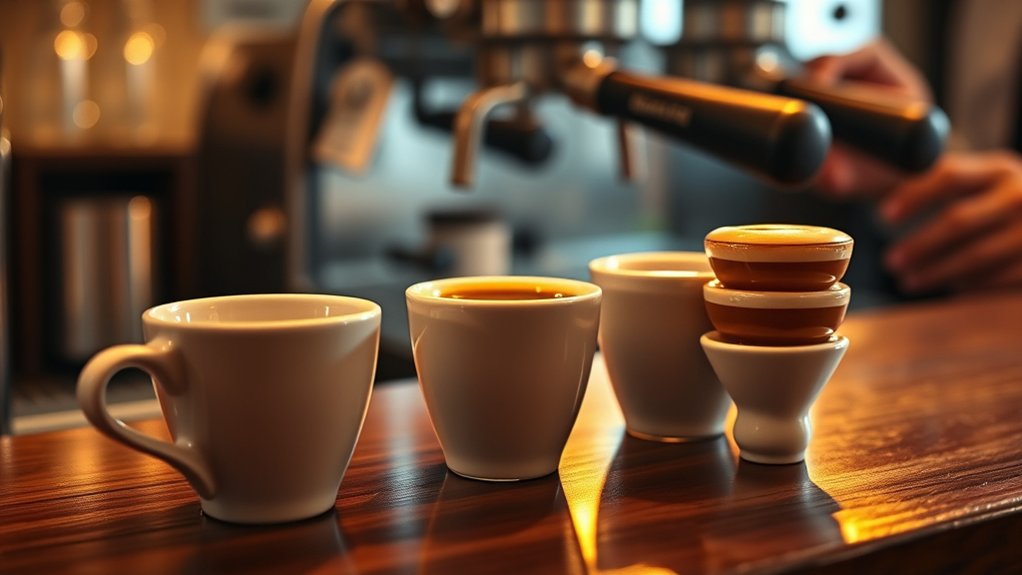
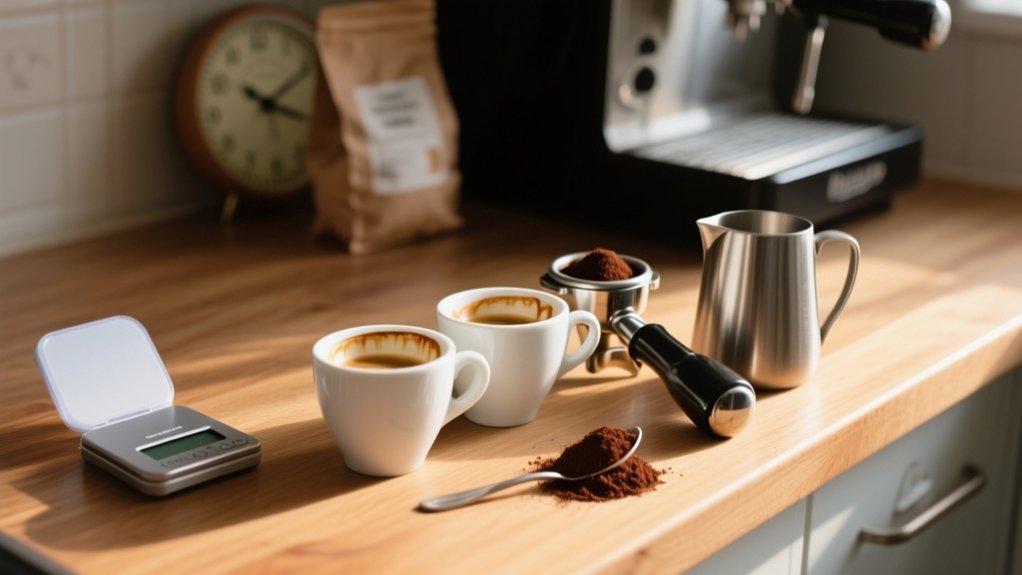
A single shot of espresso typically contains between 60 to 100 mg of caffeine, with most standard 25 ml shots averaging about 68 mg.
If you’re wondering how much caffeine is in a shot of espresso, it largely depends on the bean type and preparation method.
The caffeine content in a shot of espresso varies with bean type and brewing technique.
For example, Robusta beans tend to have more caffeine than Arabica beans, which affects the total caffeine content.
As a healthy adult, it’s important to recognize that your caffeine limit plays a vital role in safe consumption.
Since a single shot packs a concentrated dose of caffeine, knowing the mg of caffeine per shot helps you monitor your intake effectively.
Keeping track of total caffeine guarantees you stay within recommended safe levels without overdoing it.
What Are the Safe Daily Limits for Espresso Shots?
How many espresso shots can you safely enjoy each day without risking negative effects? For most healthy adults, the safe limit is about 4 to 5 single espresso shots daily, staying within the recommended caffeine intake of 400 mg.
Since one shot contains roughly 60 to 100 mg of caffeine, exceeding 5-6 shots or 3 double shots can push you past the daily limit.
Remember, your individual tolerance plays a significant role. Factors like body weight and genetics affect how your body handles caffeine.
Also, consider caffeine from all sources to avoid surpassing the safe limit. Monitoring your total caffeine intake helps you enjoy espresso shots responsibly without adverse effects, keeping your daily caffeine consumption within a safe, evidence-based range.
How Your Body Affects Espresso Tolerance
Your body’s unique characteristics play a major role in how many espresso shots you can handle each day without unwanted effects. Understanding these factors helps you identify when espresso is too much for you:
Your body’s unique traits determine your daily espresso limit and help recognize when it’s too much.
- Body Size: Smaller body size generally means lower caffeine tolerance because the caffeine level per kilogram is higher.
- Caffeine Tolerance: If you drink espresso regularly, you might develop a tolerance, which means you need more shots to feel the same effect.
- Genetic Factors: How fast your metabolism works affects how quickly caffeine is processed, which influences your tolerance.
- Health Conditions: Some health issues can lower your caffeine threshold and make you more sensitive to espresso.
Health Conditions That Require Lower Espresso Shot Intake
Because certain health conditions can amplify caffeine’s effects, you’ll need to adjust your espresso intake accordingly.
If you have heart arrhythmias, limiting caffeine is essential since it can worsen irregular heartbeats and affect your heart rate.
Those with high blood pressure should also monitor their intake carefully, as caffeine may cause blood pressure spikes.
Pregnant women face further risks because caffeine metabolism slows during pregnancy, so experts recommend a caffeine limit of under 200 mg daily, about two espresso shots, to protect fetal development.
Moreover, if you’re taking medications like stimulants or antibiotics, caffeine can interact and increase sensitivity, meaning you might need to reduce your espresso consumption.
Signs You’ve Had Too Many Espresso Shots
Managing espresso intake is important, but recognizing when you’ve had too much is equally valuable. Consuming over 4-5 shots, or 400 mg of caffeine daily, often triggers side effects.
Managing your espresso intake is crucial, as exceeding 4-5 shots daily can lead to unwanted side effects.
Pay attention to these signs that you’ve passed your personal limit:
- Rapid heart rate and shaky hands, indicating physical overstimulation.
- Digestive discomfort, such as stomach upset or nausea.
- Mental effects like irritability, anxiety, and difficulty concentrating.
- In severe cases, confusion or panic attacks, which require urgent medical care.
Your caffeine tolerance varies, so even one shot might cause side effects.
Monitoring how your body reacts helps you stay within safe limits and avoid negative effects of excessive espresso consumption.
Adjusting Espresso Intake When You Notice Symptoms
When you notice symptoms like jitters, a racing heart, or digestive discomfort after drinking espresso, it’s important to adjust your intake promptly. These symptoms often signal you’re consuming too much caffeine.
Start by monitoring how many shots you have daily, keeping in mind that exceeding 400 mg of caffeine, roughly 4-5 shots, can cause negative effects.
If you have health conditions such as anxiety or heart issues, consider cutting back to as low as 200 mg daily, about two shots.
Pay attention to irritability or digestive issues, as even moderate intake may affect you. Keep track of all caffeine sources to better understand your total consumption.
Adjusting espresso intake based on symptoms helps prevent adverse effects and supports your overall well-being.
How to Time and Space Espresso Shots Safely
To time your espresso shots safely, try to leave at least 3 to 4 hours between each one.
This gives your body enough time to absorb the caffeine properly and helps keep those jittery feelings at bay.
Spacing your shots like this can help you maintain steady energy throughout the day without making you feel anxious or messing with your sleep.
Optimal Espresso Shot Timing
Although espresso delivers a quick energy boost, you should time your shots carefully to maximize benefits and minimize side effects.
Ideal timing and proper spacing of espresso shots help you stay within safe daily limits of caffeine content.
Follow these guidelines for shots in a day:
- Start with a double shot (125-150 mg caffeine) in the morning to jumpstart energy.
- Take a mid-morning shot 3-4 hours later to sustain alertness without overloading caffeine.
- Have a single afternoon shot (63-75 mg) spaced 3-4 hours after the second to avoid sleep disruption.
- Make sure total caffeine intake from all sources stays below 400 mg daily to reduce side effects.
Benefits Of Spacing Shots
Spacing your espresso shots throughout the day helps maintain steady energy levels and minimizes caffeine-related side effects like jitters and restlessness.
By spacing espresso shots at least 3-4 hours apart, you allow your body to metabolize caffeine efficiently, reducing the risk of adverse effects.
For example, starting with a double shot in the morning and having single shots later helps manage your overall caffeine intake without surpassing the FDA’s daily caffeine limit of 400 mg.
It’s important to monitor all sources of caffeine, not just espresso, to keep your cumulative intake safe.
Proper spacing supports sustained energy levels and prevents sudden spikes that can disrupt focus or cause discomfort.
This makes your caffeine consumption both effective and safer.
How Espresso Shots Compare to Other Coffee Drinks
When you compare espresso shots to other coffee drinks, you’ll notice that a single 25 ml shot packs about 68 mg of caffeine, making it more concentrated than most brews. However, the total caffeine depends on serving size.
For example:
- A typical 8 oz cup of drip coffee contains roughly 116 mg of caffeine, more than one shot of espresso.
- Three shots of espresso deliver about 204 mg, nearing the caffeine in a cup of drip coffee.
- French press coffee offers up to 223 mg per 8 oz serving, exceeding espresso’s caffeine density.
- Cold brew tops the list with 280 mg in the same serving size, highlighting how brewing methods affect caffeine content.
Understanding the amount of caffeine helps you gauge your intake accurately when choosing between espresso and other brews.
Tips for Enjoying Espresso Without Going Overboard
To enjoy espresso safely, it’s a good idea to keep your daily caffeine intake within the recommended limits.
Make sure you track all sources of caffeine, not just your espresso—things like tea and soda count too.
Try spacing out your shots throughout the day rather than having them all at once. This can help reduce side effects like jitters or a rapid heartbeat.
And definitely listen to your body. If you start feeling shaky or nauseous, those are signs you might need to cut back a bit.
Monitoring Daily Caffeine
Although espresso is a delightful pick-me-up, you should keep your daily caffeine intake within recommended limits to avoid unwanted side effects.
Monitoring your total caffeine is essential, as even moderate consumption from multiple sources adds up. Here’s how to manage your shots safely:
- Limit yourself to about 4-5 shots per day, staying within the 400 mg caffeine guideline for healthy adults.
- Track all caffeine sources, including coffee, tea, and energy drinks, to know your body’s total intake.
- Space out shots throughout the day to reduce risks like jitteriness or anxiety.
- Pay attention to how your body reacts, adjusting your consumption if you notice restlessness or discomfort.
Recognizing Overconsumption Signs
Since espresso delivers a concentrated dose of caffeine, it’s important to recognize signs of overconsumption to enjoy it safely. Common signs include jitters, restlessness, and an increased heart rate, often occurring after more than four shots in a short time.
You might also notice anxiety, headaches, or digestive discomfort if your caffeine intake exceeds 400 mg daily. Sensitivity varies, so some people feel these signs after just one or two shots.
To stay within a safe limit, track all caffeine sources—espresso, coffee, or energy drinks. If you experience trouble sleeping or irritability, these are clear signs to reduce your shots.
Being aware of these symptoms helps you enjoy espresso without going overboard and maintain a healthy caffeine balance.
Spacing Espresso Shots
When you space out your espresso shots throughout the day, you help your body process caffeine more effectively and reduce the chances of experiencing jitters or anxiety.
To manage your caffeine intake and stick to safe consumption, consider these tips:
- Limit yourself to 4-5 shots daily, aligning with FDA daily limits (about 400 mg caffeine).
- Try a double shot (125-150 mg) in the morning and a single shot (63-75 mg) in the afternoon to maintain steady energy.
- Track cumulative caffeine from all sources to avoid exceeding safe consumption thresholds.
- Listen to your body. If you notice negative side effects like rapid heartbeat or restlessness, increase spacing between shots.
Spacing espresso shots thoughtfully helps you enjoy your coffee without risking negative side effects.
How to Know If You’ve Had Too Many Espresso Shots?
How can you tell if you’ve had too many espresso shots? Consuming more than 400 mg of caffeine daily, about 4-5 shots, can lead to symptoms of excessive intake. You might notice jitters, increased heart rate, restlessness, or difficulty sleeping.
Even below this threshold, nausea, headaches, or digestive discomfort can occur. If you have specific health conditions, you could feel adverse effects after just one or two shots. Monitoring symptoms like anxiety or irritability helps you gauge your personal caffeine limits and prevent excessive intake.
| Symptom | Typical Onset Dose | Notes |
|---|---|---|
| Jitters | 4-5 espresso shots | Common indicator of excess |
| Headaches | Varies (1-4 shots) | Can signal sensitivity |
| Increased heart rate | 4+ espresso shots | Watch if heart conditions exist |
Frequently Asked Questions
Can Espresso Shots Affect Medication Effectiveness?
Yes, espresso shots can affect medication effectiveness because caffeine interactions may alter how your body metabolizes drugs.
These timing effects can either increase side effects or reduce the medication’s impact, especially with stimulants or thyroid treatments.
Your health conditions and dosage considerations matter; for example, certain antibiotics slow caffeine metabolism, heightening sensitivity.
Always consult your healthcare provider to manage these risks and adjust your caffeine intake safely.
Does the Type of Coffee Bean Change Caffeine Levels?
Yes, the type of coffee bean definitely changes caffeine levels.
Arabica vs. Robusta beans differ markedly: Robusta has about 1.5 to 2.5 times more caffeine.
Caffeine extraction also depends on roasting methods. Lighter roasts retain more caffeine than darker ones.
Bean origin influences flavor and caffeine content, while brewing techniques like espresso vs. ristretto shots affect how much caffeine ends up in your cup.
How Does Altitude Impact Espresso’s Caffeine Content?
Imagine your espresso as a mountain climber shaped by altitude effects. Higher elevations yield beans with denser structures, influencing caffeine extraction during espresso brewing methods.
This means you’ll notice regional coffee variations in both caffeine content and flavor profile changes. While altitude can boost caffeine concentration, factors like soil and climate also play big roles.
Are There Benefits to Decaf Espresso Shots?
Yes, decaf benefits include enjoying espresso’s rich flavor profile without caffeine’s jitters.
You get antioxidants and nutrients that support positive health effects, like lowered disease risks.
Decaf espresso offers caffeine alternatives if you’re sensitive or want less stimulation.
Plus, various brewing methods still bring out its full taste.
Can Espresso Consumption Influence Hydration Levels?
A single shot of espresso contains about 68 mg of caffeine, but that doesn’t mean it harms your hydration.
You might think caffeine’s diuretic effects always cause dehydration, but research shows espresso actually contributes to your fluid balance.
Regular espresso intake lessens caffeine’s diuretic impact over time.
Conclusion
So, how many espresso shots are too many? Well, if you’re aiming to stay alert and not bounce off the walls, sticking to about 3-4 shots daily is your safest bet.
Your body isn’t a superhero. Too much caffeine can backfire with jitters or worse. So, unless you want your heart racing like it’s in a marathon, keep it moderate.
After all, espresso is meant to energize you, not turn you into a caffeine-fueled tornado.