What Is Spanish Latte – Origins And Recipe Guide
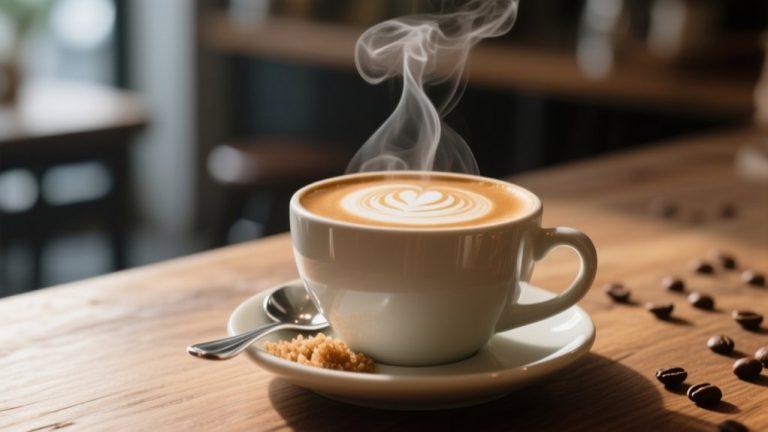
A Spanish Latte blends bold espresso with steamed milk and sweetened condensed milk, giving you a creamy, sweeter coffee than a regular latte. Originating from Spain’s Café con Leche and influenced by Vietnamese coffee, it uses medium to dark roast beans for a rich flavor.
You can enjoy it hot or iced, and customize it with different milks or sweetness levels. Keep exploring, and you’ll uncover its tasty pairings and growing popularity.
What Is a Spanish Latte? How Is It Different From a Regular Latte?
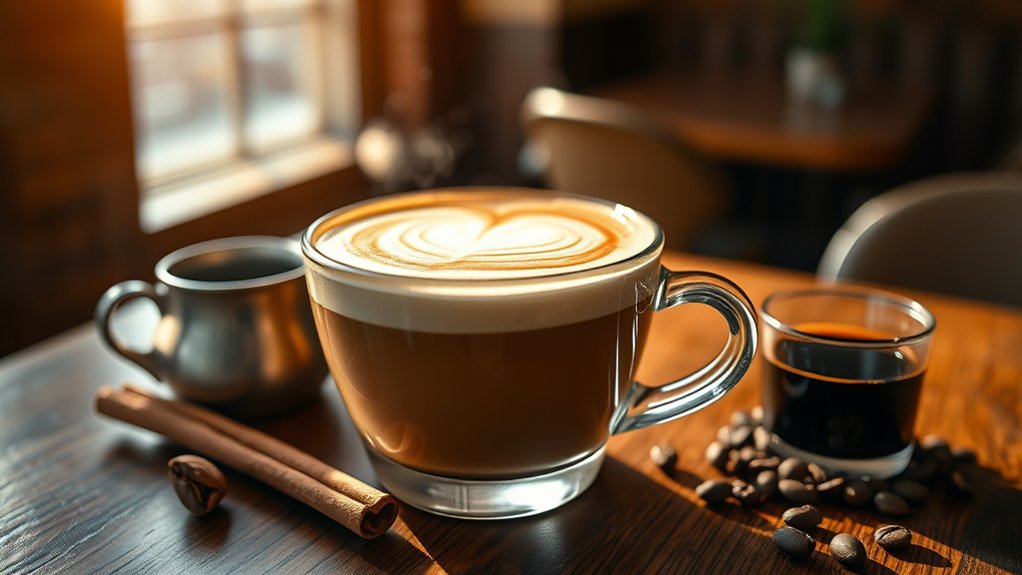
A Spanish Latte blends bold espresso with steamed milk and sweetened condensed milk, giving you a creamier, sweeter coffee experience than a regular latte.
This coffee drink stands out because it uses a 1:1 ratio of espresso to steamed milk, unlike the regular latte that often has more milk and no condensed milk.
The addition of sweetened condensed milk boosts the rich flavor and adds a smooth, creamy coffee texture you’ll love.
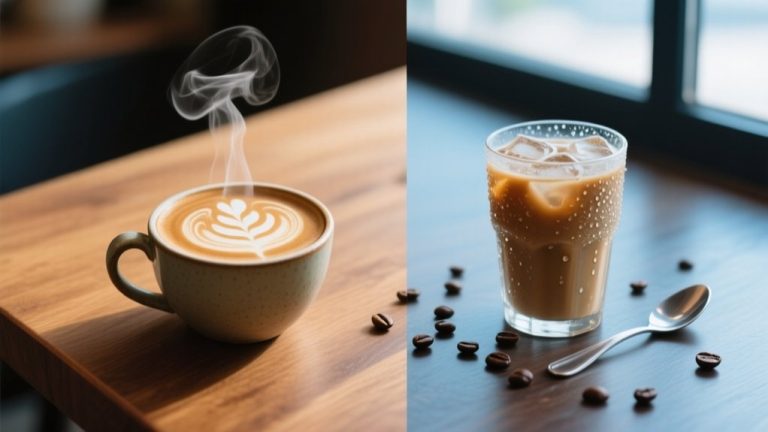
Whether you prefer your Spanish Latte hot or iced, it adapts well to your taste and climate.
Its unique sweetness and creamy profile make it a popular choice for those seeking a richer, more indulgent twist on the classic latte.
Where Did Spanish Latte Originate? How Does It Relate to Vietnamese Coffee?
Spanish Latte traces its roots back to the traditional Spanish drink “Café con Leche,” which combines equal parts strong coffee and milk. This classic coffee beverage laid the foundation for what we now call the Spanish Latte.
Its rich and creamy texture is heavily influenced by Vietnamese coffee, especially in its use of sweetened condensed milk. However, unlike Vietnamese coffee, which typically uses robusta beans, the Spanish Latte often features medium to dark roast arabica beans, giving it a smoother flavor.
The origins of Spanish Latte remain a bit unclear, but it reflects a fusion of Spanish and Vietnamese coffee culture.
When you enjoy a Spanish Latte, you’re tasting a blend of strong coffee traditions adapted globally with a sweet, creamy twist.
What Are the Essential Ingredients in a Classic Spanish Latte?
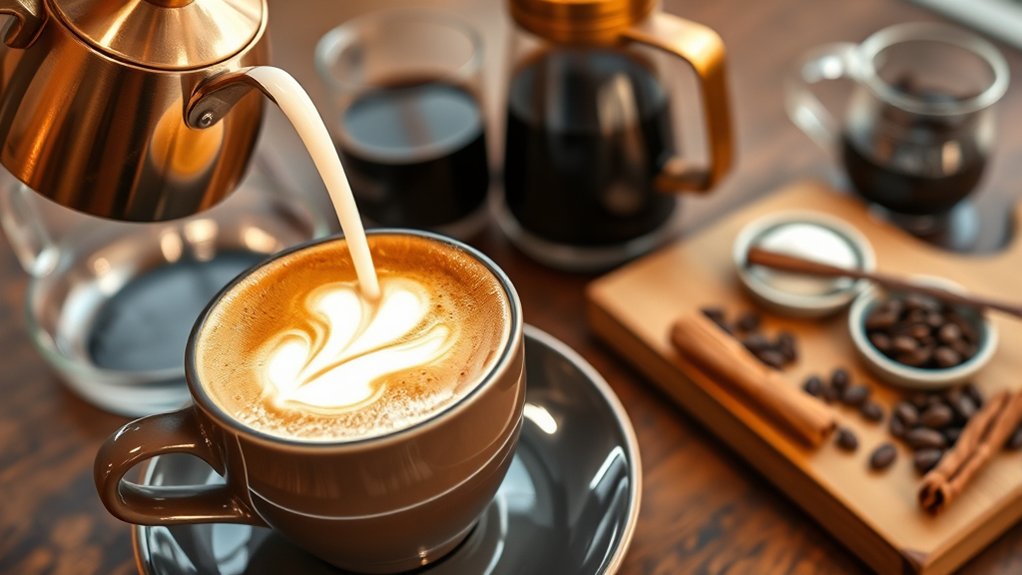
Although it may seem simple, the essential ingredients in a classic Spanish latte come together to create a unique balance of boldness and sweetness. You’ll need bold espresso, typically medium to dark roast, which delivers a rich coffee flavor that stands out.
Equal parts of steamed milk, with whole milk preferred for creaminess, blend with the espresso to soften its intensity. Sweetened condensed milk adds a creamy, sweet touch that sets the Spanish latte apart from traditional lattes.
If you prefer, you can substitute dairy-free alternatives without losing that smooth texture.
Whether you enjoy this breakfast beverage hot or iced, these core ingredients define the classic Spanish latte’s distinct taste and versatility, making it a favorite for coffee lovers seeking both boldness and sweetness in every sip.
How Do You Make a Hot Spanish Latte?
To make a hot Spanish latte, you’ll need a few simple ingredients: espresso, steamed whole milk, and sweetened condensed milk.
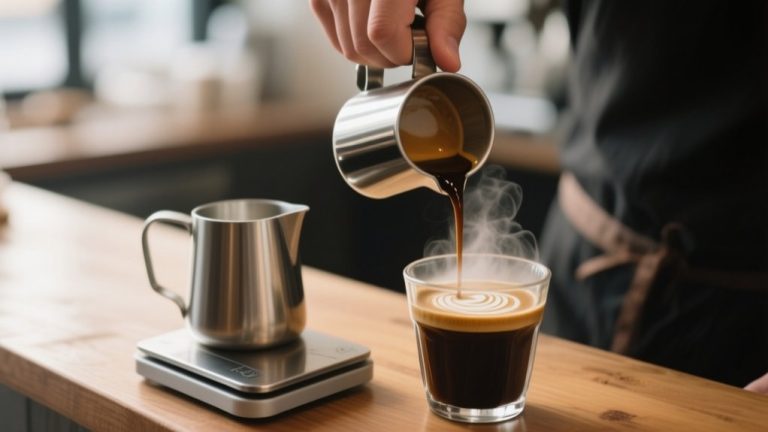
First, brew a strong espresso—this is the base that gives the latte its rich flavor.
Next, heat the milk carefully. You want it warm and creamy, not scalded.
Once that’s ready, combine the espresso, steamed milk, and sweetened condensed milk.
Feel free to adjust the amount of sweetened condensed milk to suit your taste.
And that’s it—you’ve got yourself a delicious, comforting hot Spanish latte!
Essential Ingredients Overview
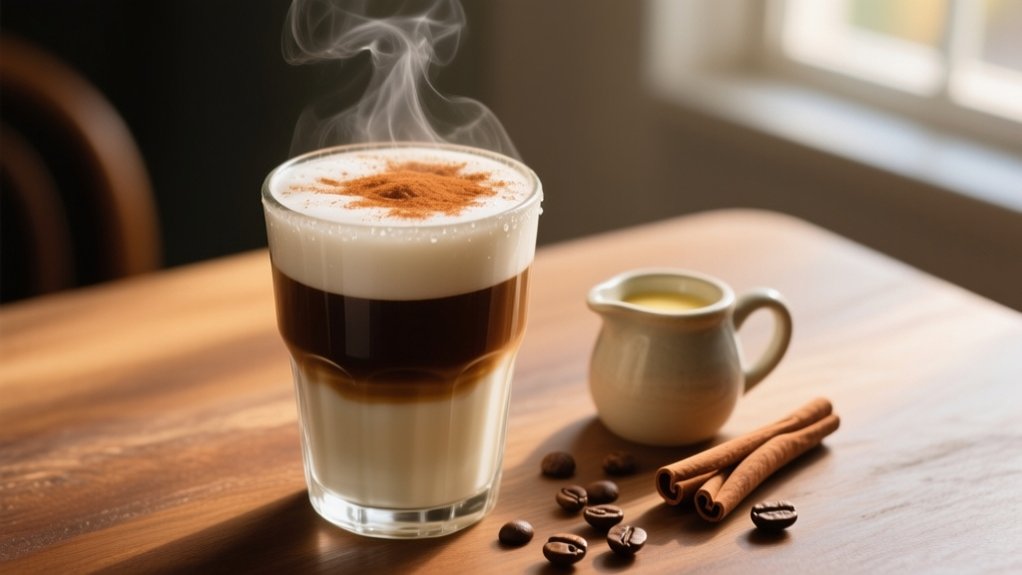
A hot Spanish latte blends equal parts of bold espresso and steamed milk, sweetened with condensed milk to add creamy richness and a touch of sweetness.
To get that rich taste, use a medium to dark roast espresso, ideally 18-21 grams of bold coffee for best flavor extraction.
Steamed milk heated to around 83°C (181°F) balances the espresso’s intensity perfectly. You can customize your Spanish latte with non-dairy alternatives like oat or almond milk if you prefer.
Condensed milk delivers the signature sweetness coffee drinkers love, making the drink both creamy and indulgent.
These essential ingredients come together to create a smooth, layered coffee experience that’s both comforting and flavorful.
Step-by-Step Preparation
Start by brewing a strong shot of espresso using about 18-21 grams of coffee to capture the rich, bold flavor essential for a Spanish latte.
Next, heat whole milk to around 83°C (181°F) and whisk or froth it to achieve a creamy texture.
In your recipe guide, you’ll find that adding a tablespoon of sweetened condensed milk to the espresso enhances sweetness and creaminess. Stir it until fully dissolved.
Then, pour the steamed milk over the espresso and condensed milk mixture, keeping a 1:1 ratio of coffee to milk for a balanced flavor.
Serve your hot Spanish latte immediately in a warmed glass to enjoy its rich, bold taste and smooth, creamy texture.
This step-by-step preparation guarantees a perfect cup every time.
How Do You Make an Iced Spanish Latte?
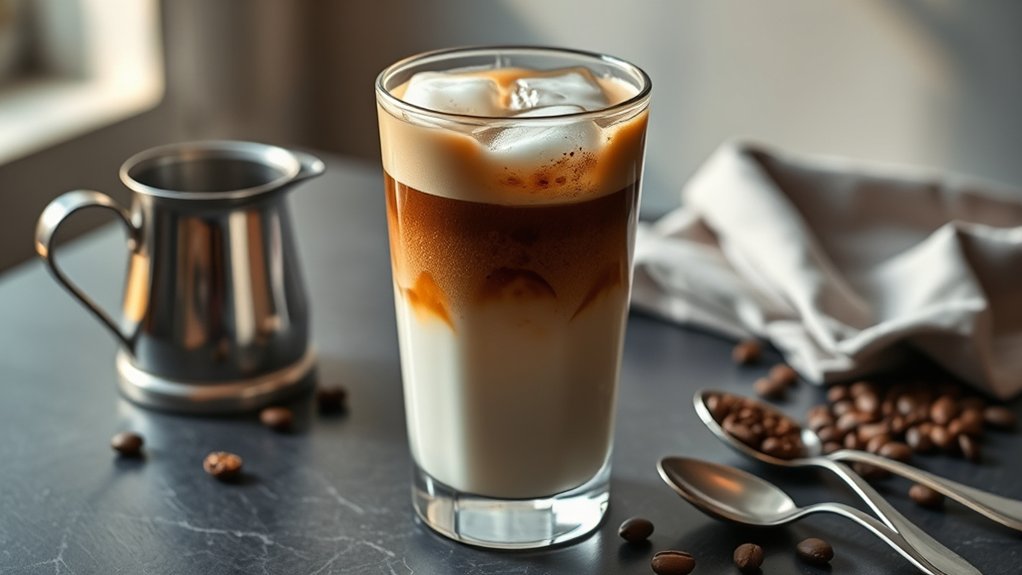
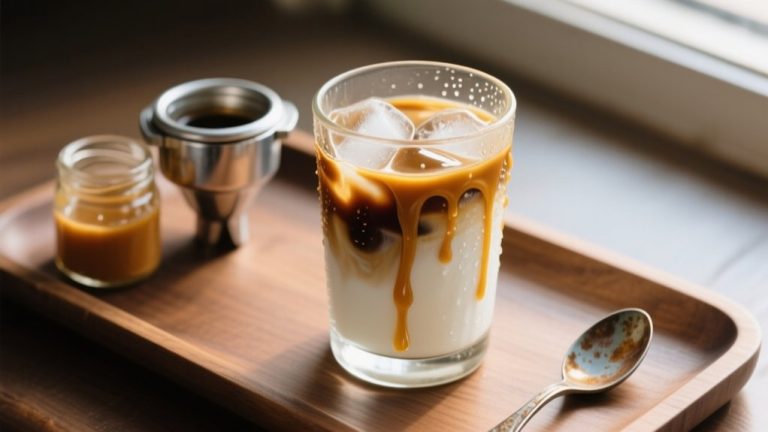
Wondering how you can whip up a revitalizing Iced Spanish Latte at home? Start by whisking whole milk and sweetened condensed milk until foamy. Brew a shot of espresso with medium or dark roast beans for a bold taste.
Fill a 16-ounce glass with ice; coffee ice cubes work best to keep the flavor strong. Pour the espresso over the ice, then add the milk mixture. Stir well and adjust sweetness with more condensed milk if desired.
This quick and sweet recipe is perfect for coffee lovers craving a rejuvenating Spanish iced latte.
| Step | Ingredients | Notes |
|---|---|---|
| 1 | Whole milk, condensed milk | Whisk until foamy |
| 2 | Espresso shot | Use medium/dark roast |
| 3 | Ice cubes | Preferably coffee ice cubes |
| 4 | Milk mixture | Combine with espresso |
| 5 | Sweetened condensed milk | Adjust sweetness |
What Does a Spanish Latte Taste Like?
How does a Spanish Latte delight your taste buds? You’ll experience a bold coffee flavor from the strong espresso, perfectly balanced by creamy steamed milk and the rich sweetness of sweetened condensed milk.
This combo creates a silky mouthfeel that feels smooth and velvety with every sip. The taste features a creamy sweetness with subtle caramel-like notes that enhance the espresso without overwhelming it.
Compared to other coffee drinks, a Spanish Latte is less acidic, making it gentler on your stomach.
Whether you enjoy it hot or iced, the flavor remains consistent and inviting. This unique blend offers a satisfying, smooth coffee experience that stands out from regular lattes with its distinct creamy texture and sweet undertones.
How Can You Customize Your Spanish Latte for Flavor and Diet?
Want to tailor your Spanish Latte to suit your taste and dietary needs? You can easily customize this classic drink by adjusting key elements in the Spanish Latte recipe.
Start by tweaking the espresso-to-milk ratio to make your latte bolder or creamier.
Next, play with the sweetness by varying the amount of condensed milk or opting for a plant-based alternative for a vegan option.
Finally, experiment with different milk types like almond milk or oat milk to fit your diet while enhancing the flavor profile.
Consider adding spices or flavored syrups for an extra hint of sweetness.
Here’s how you can customize it:
- Adjust condensed milk quantity or use plant-based sweetened condensed milk
- Swap dairy milk for almond milk or oat milk
- Modify espresso-to-milk ratio for your ideal strength and creaminess
What Foods Pair Best With Spanish Latte?
Although the Spanish Latte shines on its own, pairing it with the right foods can elevate your experience even further. Sweet pastries like churros perfectly complement the creamy sweetness brought by condensed milk, enhancing every sip.
If you prefer breakfast items, try toast or eggs to add a savory balance that contrasts nicely with the latte’s rich flavor. Lightly sweet treats such as cinnamon rolls allow the condensed milk’s sweetness to stand out without overwhelming your palate.
For a savory twist, bocadillo de jamón offers a delightful contrast, showcasing the Spanish Latte as a versatile pairing for any time of day.
In Spain, it’s common to enjoy this drink alongside traditional breakfast dishes, making it ideal for a leisurely morning meal.
Why Is Spanish Latte Growing in Popularity in the Middle East and Beyond?
Why is the Spanish Latte capturing so much attention in the Middle East and beyond? You’ll find its rising popularity tied to several key factors.
Coffee shops increasingly cater to a young demographic seeking milk-based coffee drinks, making the Spanish Latte a natural favorite. Its unique flavor profile and invigorating qualities resonate especially well with those who typically shy away from traditional coffee.
Plus, the iced Spanish Latte suits the region’s hot climate perfectly.
Here’s why the Spanish Latte is booming:
- Specialty coffee shops use high-quality coffee beans, elevating the experience.
- Its versatility as both hot and iced fits local preferences.
- The young demographic drives demand for innovative, milk-based coffee options.
This explains the Spanish Latte’s growing popularity in the Middle East.
Why Is Spanish Latte Popular in Specialty Coffee Culture?
The Spanish Latte‘s rise in the Middle East isn’t just about taste. It’s also shaping specialty coffee culture in exciting ways.
You’ll notice that cafes increasingly use high-quality coffee beans to craft Spanish Lattes, which supports a positive impact on the coffee supply chain globally.
Its creamy texture and balanced sweetness make it an inviting choice for those new to coffee culture, easing you into unique coffee experiences.
Creamy and sweet, the Spanish Latte welcomes newcomers to the rich world of specialty coffee.
Plus, its versatility as a drink, whether served hot or iced, makes it perfect for warm climates like Saudi Arabia and the UAE.
This adaptability, combined with specialty coffee’s growing appeal, explains why the Spanish Latte continues to gain traction as a standout, versatile drink in specialty coffee circles.
Frequently Asked Questions
Can Spanish Latte Be Made With Non-Dairy Milk Alternatives?
Yes, you can make a Spanish Latte with non dairy options like oat or almond milk.
When you focus on milk frothing, you get that creamy texture similar to dairy, enhancing texture comparisons.
Expect some flavor variations depending on your milk choice and sweetener alternatives, which can add unique health benefits.
Explore vegan recipes using different coffee blends, and consider regional differences in serving suggestions to customize your perfect cup every time.
What Is the Best Espresso Roast for Making a Spanish Latte?
Looking for the best espresso roast for that perfect Spanish latte? Why not go with a medium to dark roast?
This roast profile delivers a bold espresso flavor that balances the sweetness from condensed milk and the creaminess from milk frothing.
Pay attention to brewing techniques and temperature control to extract rich notes, especially if you’re using Arabica beans.
Don’t forget regional variations might influence your choice of coffee origins.
Use quality equipment for the best serving suggestions!
How Long Does a Spanish Latte Stay Fresh After Preparation?
Your Spanish latte stays fresh for about 24 hours with proper storage in an airtight container, but flavor preservation drops after that.
Coffee separation and changes in milk frothing affect the taste and texture.
Serving temperature and ingredient ratios play a big role in keeping it enjoyable.
For homemade variations, avoid reheating methods that ruin creaminess.
Regular taste testing helps you decide if it’s still good enough to drink within that shelf life.
Are There Any Caffeine-Free Versions of Spanish Latte?
Yes, you can enjoy caffeine-free Spanish lattes by using decaf options or coffee substitutes.
Try milk substitutes like oat or almond milk for creaminess.
Experiment with flavor variations and spice additions such as cinnamon or nutmeg. Sweetener choices and iced versions offer invigorating alternatives.
Regional differences inspire unique serving styles, while preparation techniques adjust to your taste.
Plus, caffeine-free versions provide health benefits, letting you savor the classic flavor without caffeine.
Can Spanish Latte Be Prepared Using Instant Espresso?
You can whip up a Spanish latte with instant espresso, letting convenience dance with flavor.
While instant espresso quality mightn’t rival traditional espresso brewing methods, it offers consistent taste for your Spanish latte variations.
Pair it with sweetened condensed milk and master simple milk frothing techniques for creamy bliss.
Experiment with flavor pairings and serving suggestions to suit your palate.
Preparation tips help bridge taste comparisons, honoring regional differences and the drink’s historical background.
Conclusion
Now that you know what makes a Spanish latte unique, you can appreciate why it’s gained so much love worldwide. Did you know that specialty coffee shops offering Spanish lattes have grown by over 40% in the last five years? That’s a sign people crave its rich, sweet flavor and smooth texture.
Whether hot or iced, this creamy delight is perfect for any time you want a cozy, flavorful coffee experience. Give it a try!