How to Make Matcha Cold Foam That Stays Creamy and Smooth
Cold foam has become a favorite addition to iced beverages, adding a creamy, velvety layer that enhances both texture and flavor. Among the many variations, matcha cold foam stands out for its vibrant green color, subtle sweetness, and antioxidant boost. It’s a simple way to elevate an ordinary iced drink into a café-quality treat.
Learning how to make matcha cold foam opens up opportunities to enjoy this indulgent topping at home without relying on expensive coffee shop versions. With a few ingredients and the right technique, you can create a light, airy foam that sits perfectly on top of iced lattes, cold brews, or even smoothies.
Matcha’s natural umami flavor pairs beautifully with milk, enhancing the creamy texture while adding a subtle earthy note. The process involves balancing matcha powder, milk, and gentle frothing to achieve a smooth consistency without lumps or bitterness.
Knowing the steps to make matcha cold foam allows you to customize sweetness, milk type, and foam thickness according to personal taste. It’s a fun, rewarding technique that transforms simple beverages into visually appealing and flavorful creations.
Step-By-Step Preparation to Make Matcha Cold Foam
Creating matcha cold foam at home might seem intimidating, but the process is straightforward once you understand the steps and techniques involved. The key is balancing matcha, milk, and frothing methods to achieve a creamy, airy foam that sits perfectly on top of your iced beverages. With the right approach, you can consistently make café-quality matcha foam that is smooth, vibrant, and flavorful.
Choosing the Right Matcha and Milk
The first step in making high-quality matcha cold foam is selecting the right matcha powder and milk. For a smooth, vibrant foam, choose a ceremonial or high-grade matcha, as lower-quality powders can taste bitter and produce a less appealing green color. High-quality matcha also dissolves more easily, which prevents clumps and ensures a silky texture.
Next, choose your milk carefully, since it significantly affects the foam’s texture and creaminess. Whole milk creates a rich, dense foam, while plant-based options like oat, almond, or soy milk produce lighter but still stable results. Barista-style plant milks are ideal because they are formulated to froth better, creating a smooth, airy texture. Cold milk works best, as it holds the foam structure longer and blends more evenly with the matcha.
The combination of high-quality matcha and suitable milk ensures that your foam will have both a pleasing color and balanced flavor. This step sets the foundation for a visually appealing and delicious matcha cold foam that enhances any iced beverage.
Mixing Matcha Powder with Liquid
The next step is properly blending the matcha powder with a small amount of liquid to create a smooth base. Start by sifting ½ to 1 teaspoon of matcha powder into a bowl to remove any lumps. Clumps can prevent smooth frothing and result in a grainy texture.
Once sifted, add a small amount of cold milk or water to the matcha powder—just enough to form a thin, smooth paste. Use a bamboo whisk, a small regular whisk, or even a handheld frother to mix until fully dissolved. Whisking in a back-and-forth motion helps incorporate air while breaking up any remaining clumps.
Properly mixing matcha at this stage ensures a vibrant green color and consistent flavor throughout the foam. It also prevents bitter pockets from forming when combined with the remaining milk. Taking time to mix thoroughly creates a smooth base that is essential for achieving light, airy foam that sits beautifully atop iced drinks.
Frothing the Milk for Cold Foam
After preparing the matcha paste, the next critical step is frothing the milk to create the cold foam. Pour the remaining cold milk into a frothing container or jar, leaving some space at the top to allow foam expansion. Use a handheld frother, electric milk frother, or even a French press to agitate the milk vigorously.
The goal is to create small, uniform bubbles that produce a creamy and stable foam. Froth the milk in short bursts, gently tapping the container on a countertop to remove large bubbles and help the foam settle. Avoid over-frothing, which can make the foam too stiff and difficult to pour evenly over the drink.
For plant-based milks, the frothing technique may require slightly longer or faster agitation since some alternatives are less viscous than dairy milk. Adjusting speed and duration allows you to achieve a smooth, airy texture that holds its shape for several minutes. Properly frothed milk forms the foundation of your matcha cold foam, giving it the light, fluffy texture that makes it visually appealing and enjoyable to drink.
Combining Matcha with Frothed Milk
Once the milk is frothed, carefully fold the matcha paste into the foam. Pour the matcha slowly into the foam while gently stirring or layering it to achieve an even color and flavor distribution. The goal is to integrate the matcha without deflating the air bubbles that give the foam its light, airy consistency.
Use a spoon or spatula to guide the foam over your iced beverage, creating a distinct layer that sits on top. Pouring too quickly or mixing too vigorously can break down the foam structure, resulting in a flat, less appealing texture. Layering ensures that the matcha flavor is pronounced while maintaining the aesthetic of a café-style presentation.
The combination of properly dissolved matcha and well-frothed milk creates a rich, vibrant foam that enhances both taste and appearance. Each sip should offer a creamy texture with subtle matcha umami, complementing the iced drink underneath while providing a visually stunning green layer on top.
Customizing Flavor and Sweetness
After creating your matcha cold foam, you can customize it to your taste preferences. Add natural sweeteners like simple syrup, honey, or agave to the matcha paste before folding it into the foam. This ensures that the sweetness is evenly distributed throughout the foam without altering its airy texture.
Experimenting with milk types also affects flavor and mouthfeel. Whole milk creates a richer experience, while oat or almond milk adds subtle nutty notes. You can also adjust foam thickness, creating a thin layer for light texture or a thicker, denser foam for a more indulgent experience.
By personalizing flavor, sweetness, and texture, you can create matcha cold foam tailored to your preferences. These adjustments make it possible to replicate café-style drinks at home, ensuring that every cup is visually appealing, flavorful, and satisfying.
Serving and Presentation Tips
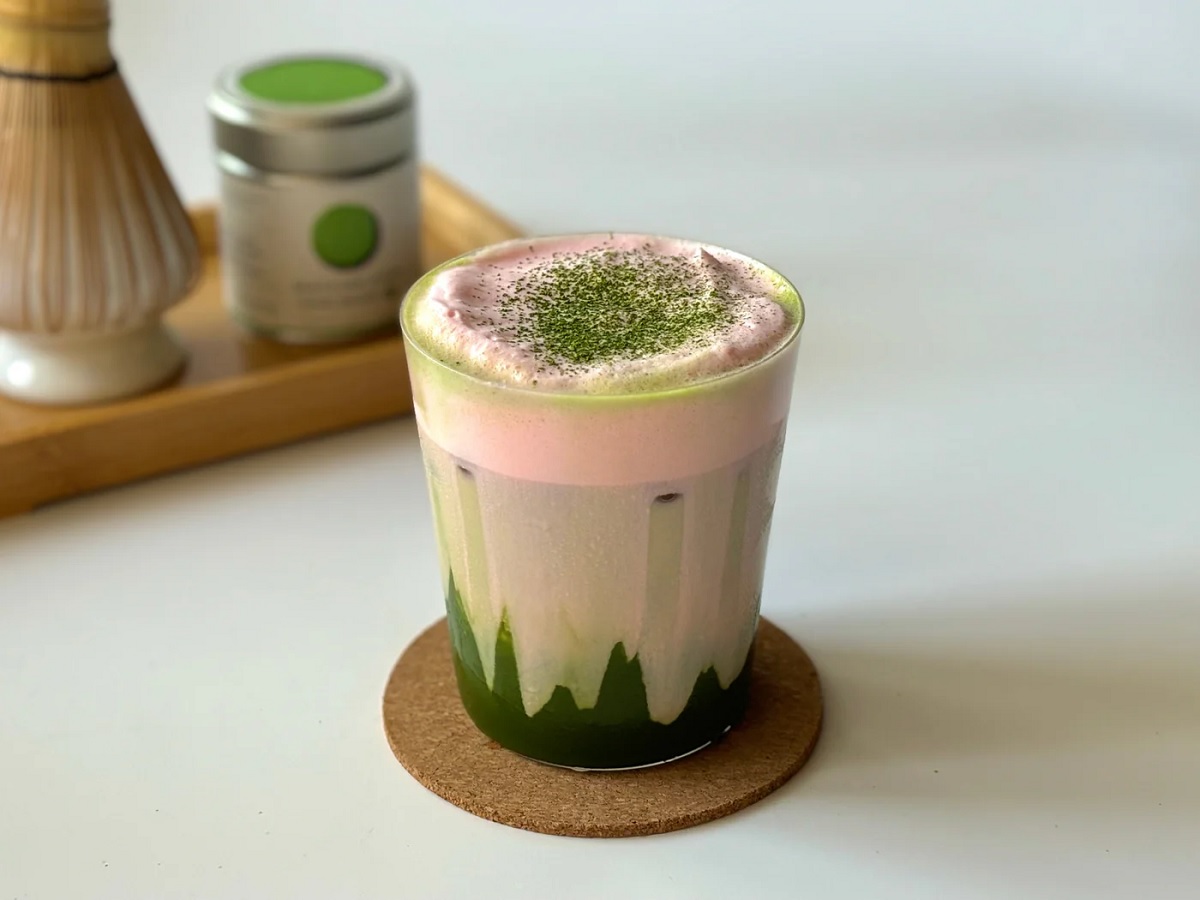
Finally, presentation enhances the overall experience of matcha cold foam. Pour the foam gently over iced coffee, cold brew, or milk to create a distinct layered look. A slight tilt of the cup or glass can help achieve clean separation between the foam and the drink below.
For visual appeal, sprinkle a tiny amount of matcha powder on top as a garnish. This adds a pop of color and emphasizes the fresh, vibrant quality of the foam. Using clear glasses or cups also allows the green foam layer to be fully appreciated, enhancing the visual impact of your homemade creation.
Serving immediately after preparation ensures that the foam maintains its airy texture and does not collapse. Proper layering and garnish create a café-quality presentation that is both Instagram-worthy and enjoyable to drink. Paying attention to these small details elevates the matcha cold foam experience, making each cup a delightful blend of flavor, texture, and aesthetics.
Variations and Flavor Enhancements
Matcha cold foam is versatile, and experimenting with variations and flavor enhancements can elevate your drink experience. By adjusting sweetness, milk type, or adding complementary ingredients, you can create unique flavors while retaining the creamy, airy texture that makes cold foam so appealing. These simple tweaks allow you to enjoy a personalized matcha beverage at home.
Sweeteners and Syrups for Taste Customization
One of the easiest ways to enhance matcha cold foam is by adding sweeteners or flavored syrups. Natural options like honey, agave, or maple syrup blend smoothly with the foam, balancing matcha’s natural earthiness and umami without overpowering it. Simple syrup is also a popular choice, especially when you want even sweetness throughout the foam layer.
Flavored syrups, such as vanilla, caramel, or hazelnut, can add depth and complexity to the drink. Adding the syrup directly to the matcha paste before folding it into the foam ensures an even distribution of flavor. Adjust the amount gradually, tasting as you go, to maintain a balanced sweetness that complements rather than masks the matcha.
Sweetened matcha cold foam pairs well with iced lattes, cold brew coffee, or even sparkling water, creating a versatile drink that suits different preferences. These flavor enhancements allow you to tailor your beverage to your mood or the occasion, offering variety while keeping the creamy, frothy experience intact.
Milk Variations for Texture and Flavor
Changing the type of milk used in your foam is another effective way to customize flavor and texture. Whole milk provides a rich, creamy foam, while plant-based alternatives like oat, almond, soy, or coconut milk create lighter, subtly flavored versions. Barista-style plant milks are ideal because they froth better and produce a more stable foam.
Each milk type interacts differently with matcha, highlighting different flavor notes. Oat milk adds a mild, nutty sweetness that complements matcha’s earthiness, while almond milk introduces a delicate nutty undertone. Coconut milk can create a tropical flavor profile, adding a unique twist to traditional matcha foam.
Experimenting with milk allows you to adjust both texture and taste to your liking. Combining milk variations with natural sweeteners or syrups gives endless possibilities, ensuring that each matcha cold foam is personalized and enjoyable while maintaining the signature creamy and airy texture that defines this beverage.
Creative Additions and Garnishes
Beyond sweeteners and milk, you can experiment with additional ingredients or garnishes to enhance your matcha cold foam. A light dusting of matcha powder or cacao powder on top creates a visually appealing and flavorful accent. Cinnamon, nutmeg, or vanilla powder can also add warmth and aroma.
Layering flavors like chocolate, vanilla, or seasonal syrups can turn your matcha foam into a dessert-like treat. Some people even incorporate flavored extracts or plant-based creams to enhance richness and complexity. These creative touches allow you to enjoy a customized, visually appealing beverage that stands out from standard drinks.
By exploring variations and flavor enhancements, matcha cold foam becomes more than a simple topping—it transforms into a personalized, indulgent experience. Adjusting sweetness, milk type, and creative garnishes ensures that every cup suits your taste preferences while keeping the frothy, airy texture intact.
Frequently Asked Questions
How To Make Matcha Cold Foam At Home?
You can make matcha cold foam at home with a few simple ingredients: high-quality matcha powder, cold milk, and an optional sweetener. Start by sifting ½ to 1 teaspoon of matcha into a bowl to remove lumps, then mix it with a small amount of cold milk to form a smooth paste.
Next, froth the remaining cold milk using a handheld frother, French press, or electric milk frother until airy and creamy. Gently fold the matcha paste into the frothed milk, maintaining the foam’s structure, and pour it over iced coffee, latte, or your favorite beverage for a café-style drink.
What Type Of Milk Works Best For Matcha Cold Foam?
The type of milk you use affects both texture and flavor. Whole milk produces rich, dense foam, while plant-based options like oat, almond, soy, or coconut milk create lighter, airy results. Barista-style plant-based milks are often the best choice because they froth more consistently and hold their structure longer.
Cold milk is crucial for achieving a stable foam. Warmer milk can collapse more easily, making the foam less airy. Experimenting with different milk types allows you to customize both flavor and texture according to your preference, ensuring a satisfying and creamy matcha cold foam every time.
How Can I Make My Matcha Cold Foam Sweet?
Sweetening matcha cold foam is easy and customizable. You can add natural sweeteners like honey, agave, maple syrup, or simple syrup directly to the matcha paste before combining it with the frothed milk. This ensures even distribution of sweetness without breaking down the foam.
Flavored syrups such as vanilla, caramel, or hazelnut can also be added for a café-style taste. Adjust the amount gradually to balance sweetness with matcha’s natural earthy flavor. Sweetened foam enhances iced lattes, cold brew, or milk-based drinks, making the beverage more indulgent while maintaining a light, frothy texture.
Can I Use A Blender Or Frother For Cold Foam?
Yes, both a handheld frother and a blender can be used to make matcha cold foam. A handheld frother allows you to gently aerate the milk, creating small, consistent bubbles for smooth, airy foam. A blender can also work, but it may create larger bubbles if over-blended.
For best results, pour cold milk into your container, froth in short bursts, and tap the container on a countertop to settle large bubbles. Proper frothing ensures the foam maintains its structure, allowing you to fold in the matcha paste and create a creamy, stable layer for iced drinks.
How Do I Prevent Clumps In My Matcha Cold Foam?
Clumps form when matcha powder is not properly dissolved before mixing with milk. To prevent this, always sift the matcha powder through a fine mesh strainer first. Then, mix it with a small amount of cold milk to form a smooth paste before folding it into frothed milk.
Whisk the matcha paste using a bamboo whisk, small regular whisk, or handheld frother in a back-and-forth motion. Properly dissolved matcha ensures a smooth, vibrant foam with no gritty texture. Taking this step seriously guarantees your cold foam is creamy, visually appealing, and evenly flavored.
How Long Does Matcha Cold Foam Last?
Matcha cold foam is best enjoyed immediately after preparation. The foam is airy and delicate, so it may start to collapse after 10–15 minutes. Drinking it quickly ensures you experience the creamy texture and subtle matcha flavor at its best.
If needed, you can refrigerate it briefly in an airtight container, but prolonged storage will cause the foam to lose its structure and become watery. Preparing the foam fresh for each beverage ensures maximum taste, vibrant color, and optimal presentation, giving you the full café-quality experience at home.
Conclusion
Creating a rich and creamy cold foam at home can completely transform your iced matcha drinks, giving them a café-quality finish without leaving your kitchen. By understanding the right ingredients, tools, and techniques, you can achieve that smooth, velvety texture that sits beautifully on top of your drink and enhances both flavor and presentation.
Learning how to make matcha cold foam involves proper frothing, choosing the right milk, and balancing sweetness. Using chilled milk, a good-quality matcha powder, and gentle whisking or frothing ensures that your foam is thick, long-lasting, and silky. Small tweaks, like adding vanilla or a hint of syrup, can make your cold foam uniquely enjoyable.
Once you master how to make matcha cold foam, you can experiment with various drinks, layering it over iced matcha lattes, coffee, or even smoothies. Regular practice helps you perfect the texture, flavor, and presentation, turning every homemade drink into a delightful experience.