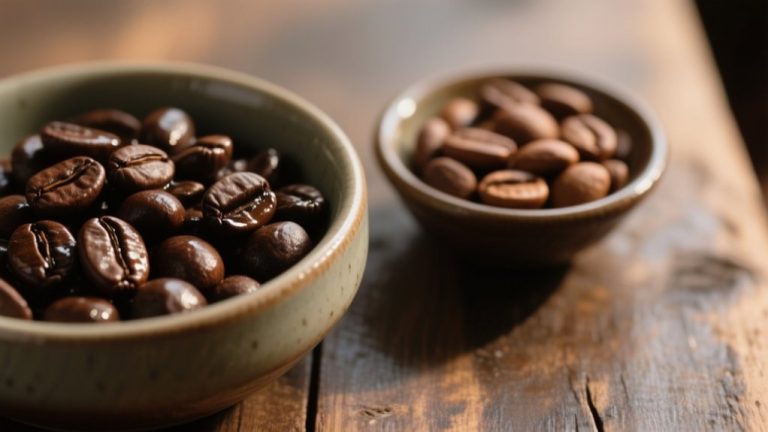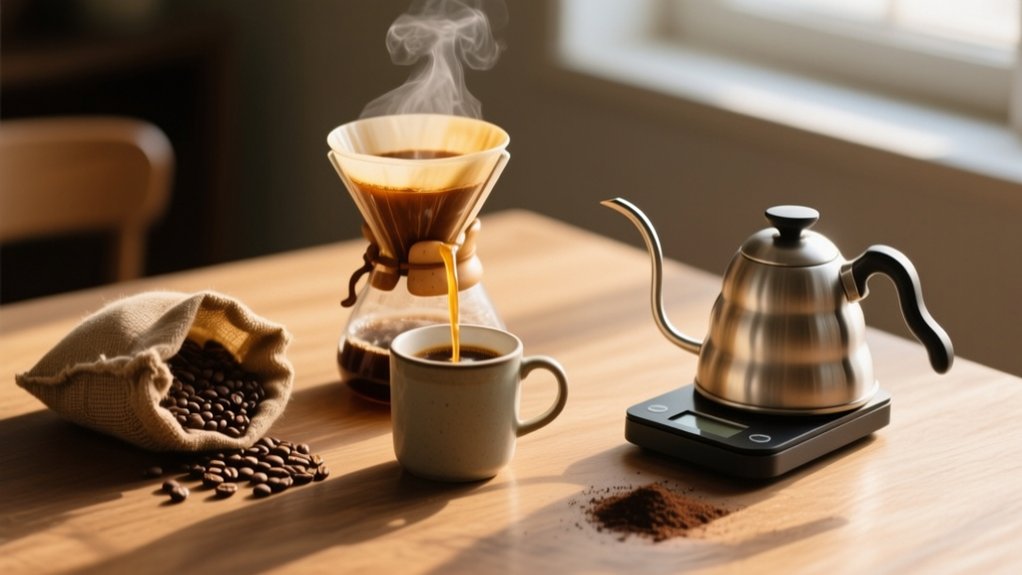
What Is The Best Coffee For Beginners – Top Choices And Tips
If you’re new to coffee, start with mild or medium roast Arabica beans for a smooth, balanced flavor that’s easy on your palate. Try creamy lattes or flavored blends like vanilla or caramel to mask bitterness while exploring your taste.
Brewing methods like drip or French press offer simple ways to enjoy. Gradually experiment with stronger brews or black coffee as you build your tolerance.
Keep going to discover tips on choosing beans, drinks, and brands that suit you best.
Starting With Mild or Medium Roast Coffee
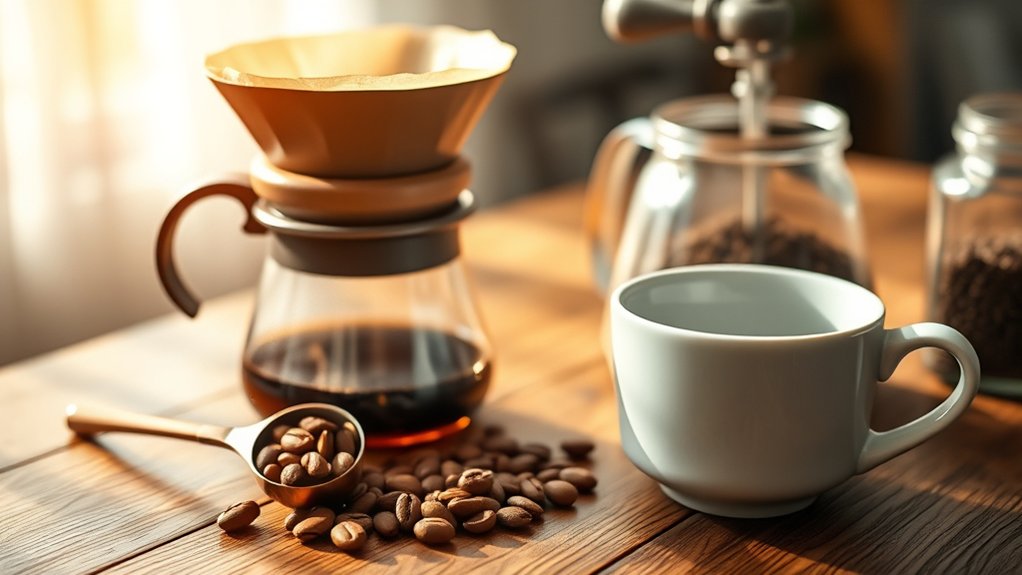
If you’re new to coffee, starting with mild or medium roast is your best bet. Mild roast coffee offers a smoother, less acidic flavor profile that’s gentle on your palate. This makes it easier to enjoy without the bitterness often found in darker roasts.
Medium roast strikes a perfect balance, providing richer flavors while keeping acidity in check. Both roasts typically use Arabica beans, known for their sweeter, less acidic taste. This enhances the overall drinking experience for beginners.
This beginner’s guide suggests starting with these roasts to help you gradually develop your coffee preferences. Mild and medium roasts retain more of the beans’ natural flavors.
That way, you can explore subtle variations without feeling overwhelmed by intense or harsh notes.
Which Coffee Beans Taste Best for Beginners
What coffee beans taste best for beginners can depend on your personal preferences and tolerance for intensity. Generally, starting with a smooth flavor profile helps ease into coffee drinking without overwhelming your palate.
You might want to try:
- Medium roast arabica beans, known for their balanced, slightly sweet taste that’s gentle yet flavorful.
- Blends of arabica and robusta, which offer a nice combination of sweetness and boldness, perfect if you want a bit more kick.
- Flavored coffee beans, like vanilla or caramel, to mask bitterness and make your first coffee experiences enjoyable.
Don’t overlook local coffee house blends either. They provide fresh, unique roasts that can introduce you to exciting flavors tailored to your region.
This variety helps you discover what suits your taste best.
Easy Coffee Drinks That Mask Bitterness
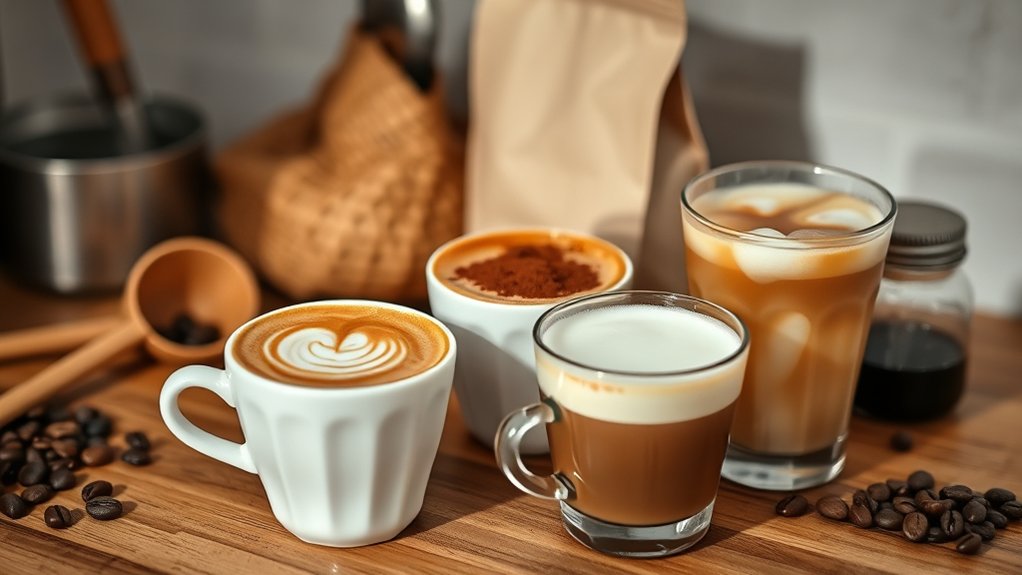
Once you’ve picked coffee beans that suit your taste, the next step is choosing easy coffee drinks that mask bitterness and make your experience enjoyable.
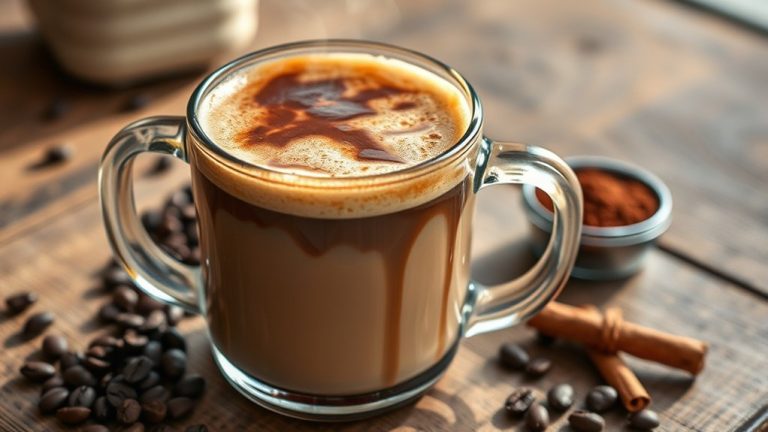
For beginners, drinks like lattes and caffe mochas are perfect since steamed milk softens espresso’s sharpness. Adding cream and sugar further smooths the flavor, making each sip more approachable.
If you want to explore sweetness without extra dairy, flavored syrups like caramel or white chocolate add a delightful twist. White Chocolate Mocha and Caramel Lattes stand out as favorites because they blend creamy sweetness with rich espresso, masking bitterness effectively.
Even chai lattes offer a cozy, spiced option with less caffeine.
These easy coffee drinks help you ease into coffee culture while enjoying delicious, mellow flavors from the start.
Espresso, Drip, or Cold Brew: Which Is Best for Beginners?
How do you choose between espresso, drip coffee, and cold brew when you’re just starting out? Each coffee drink offers a unique experience, so it’s about what suits your taste and tolerance.
Espresso delivers a strong, concentrated flavor that might feel intense for beginners but serves as a base for creamier options like lattes.
Drip coffee provides a milder, straightforward brew that you can easily customize with cream and sugar, making it beginner-friendly.
Cold brew offers a smooth, low-acidity profile, often sweeter and less bitter, perfect if you’re sensitive to traditional coffee flavors.
For beginners, starting with drip coffee or cold brew can ease your shift into coffee drinking before exploring espresso-based drinks.
Using Milk and Sweeteners to Enjoy Coffee
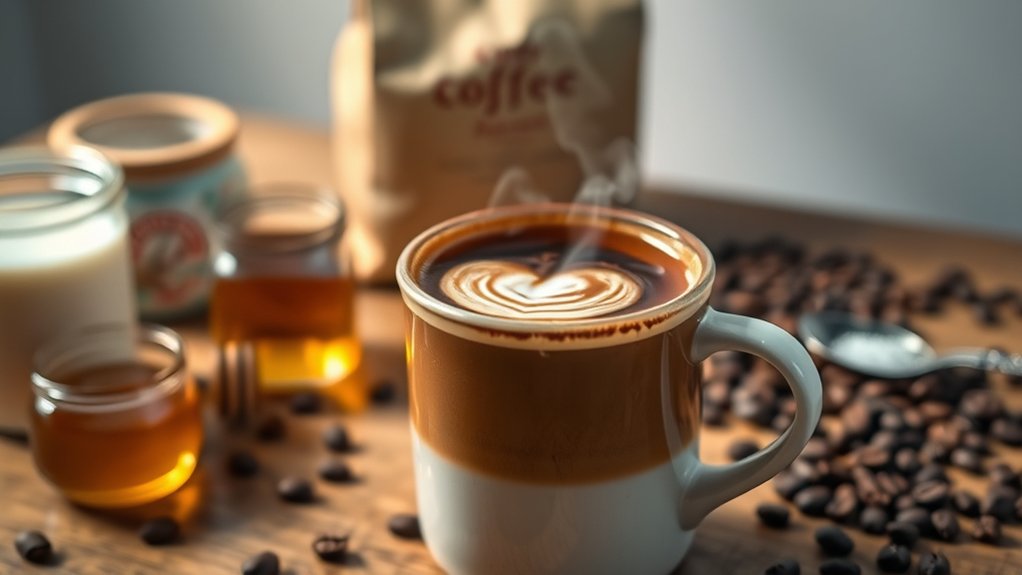
You can customize your coffee by choosing different milk options.
Whether you prefer creamy whole milk or something lighter like nonfat or plant-based alternatives, there’s a milk for everyone.
And when it comes to sweeteners, adding a bit of vanilla or caramel syrup can really soften the bitterness and make your drink more enjoyable.
It’s fun to try various combinations until you find the perfect balance that suits your taste.
Milk Options Explained
Anyone looking to make their coffee more enjoyable can experiment with different milk and sweetener options. Choosing the right milk or cream can transform your espresso into a smooth, flavorful experience.
Steamed milk adds creaminess that balances bitterness, making drinks like lattes and cappuccinos more approachable.
Consider these milk options:
Whole milk offers rich cream and natural sweetness, perfect for a classic creamy taste.
Nonfat milk provides a lighter texture, letting espresso flavors shine without overpowering.
Non-dairy alternatives, such as oat or almond milk, change both flavor and texture, catering to dietary needs.
Adding flavor syrups like vanilla or caramel can soften espresso’s bitterness, making coffee more enjoyable as you explore what you like.
Sweetener Choices Guide
Why settle for plain coffee when you can customize its sweetness to suit your taste? Exploring sweetener choices like white or brown sugar, honey, and agave syrup lets you find the perfect level of sweetness.
Adding cream or whole milk not only softens coffee’s bitterness but also adds a creamy texture, helping you balance bitterness effortlessly.
If you want to elevate your cup, flavored syrups such as vanilla, caramel, or hazelnut can enhance sweetness and mask harsh notes.
Don’t be afraid to experiment by mixing different milks and sweeteners to discover what suits you best. This experimentation helps you enjoy coffee more, making the shift from bitter to delightful smoother and more enjoyable.
Easy Coffee Brewing Methods for Beginners
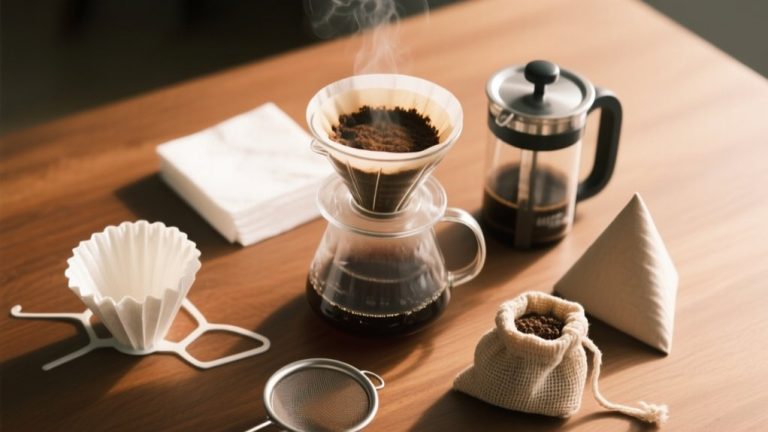
Wondering how to start brewing coffee at home without fuss? Easy coffee brewing methods like drip coffee makers, French Press, and pour-over are perfect for beginners. Each offers a simple way to enjoy fresh coffee without overwhelming steps.
- Drip Coffee Makers let you brew multiple cups with minimal effort, perfect for busy mornings.
- French Press gives you a rich, full-bodied flavor by steeping coffee grounds before pressing.
- Pour-over allows you to control water temperature and brew time, enhancing your coffee’s taste.
If you want convenience, coffee pods provide quick, single-serve options with almost no cleanup.
Trying these methods helps you discover what suits your taste and routine best.
How to Order Coffee Confidently in Cafés
When you walk into a café, ordering coffee confidently can make your experience smoother and more enjoyable. To start, specify the size: small, medium, or large. This helps the barista prepare the right amount.
Next, clearly state the type of coffee you want, like a latte or drip. Mention any flavors or additions, such as caramel or cream. Don’t hesitate to ask the barista for recommendations. They’re experts and can suggest drinks that suit your taste.
If you enjoy sweeter coffee, try flavored options like vanilla lattes to mask bitterness.
Practice ordering at home or with friends to build confidence before visiting a coffee shop. These tips help make ordering coffee easier and more enjoyable every time you visit.
Adjusting Coffee Strength Without Losing Flavor
Although adjusting coffee strength might seem tricky, you can easily find the right balance without losing flavor. Start with a medium roast, which offers a smooth, balanced profile perfect for beginners.
Using specific brewing methods like pour-over lets you control flavor extraction by tweaking the coffee-to-water ratio. You can also experiment with brewing time. Shorter for lighter coffee, longer for stronger without bitterness.
Try these tips to adjust coffee strength effectively:
- Choose a medium roast to maintain smooth flavor
- Use pour-over or similar brewing methods to control extraction
- Add cream to soften intensity while preserving taste
These simple steps help you enjoy your coffee just the way you like it, without compromising on flavor.
When to Try Stronger or Black Coffee
You’ll know you’re ready for stronger or black coffee when those milder flavors just don’t hit the spot anymore. It’s like your taste buds are asking for something a bit more intense.
A good way to ease into it is by starting with espresso-based drinks and gradually increasing the bitterness. That way, you’re not jumping straight into black coffee without any prep.
And don’t worry if the boldness feels a little much at first—adding cream or sugar can help balance things out while you get used to those new flavors.
Before you know it, you might even prefer your coffee black!
Signs You’re Ready
How do you know it’s time to move on from milder coffee drinks? When you start appreciating the natural flavors of coffee without heavy cream or sugar, it’s a clear sign you’re ready.
The best coffee for beginners isn’t just about ease. It’s about exploring different types and developing your palate for strong flavor.
This guide covers key signs to help coffee drinkers like you make the leap.
Look for these signals:
- You enjoy the complexity of coffee notes, like fruity or nutty hints.
- Your caffeine tolerance grows with light or medium roasts.
- You seek barista advice to explore bolder options.
When these happen, you’re ready to try black coffee or stronger brews confidently.
Gradual Bitterness Increase
As you start enjoying coffee’s natural flavors, your palate becomes ready for a gradual increase in bitterness. Begin with medium roast coffees, which offer smooth, less bitter tastes perfect for beginners. Then, try light roasts with higher acidity as a step toward black coffee.
Use flavor adjustments like cream and sugar to mask bitterness while you adapt. Gradual exposure helps you appreciate stronger brews without overwhelming your taste buds.
| Coffee Type | Tips for Change |
|---|---|
| Medium Roast Coffees | Start here for smooth flavor |
| Light Roast | Introduce acidity gradually |
| Drip Coffee/Latte | Use to soften bitterness |
| Black Coffee | Try once comfortable with bitterness |
This approach guarantees a smooth shift to black coffee without shock to your palate.
Enhancing Black Coffee
When you’re ready to explore black coffee, start with a medium roast Arabica to enjoy a smooth, slightly sweet flavor that’s less intense than darker roasts. This lets you appreciate the natural taste without overwhelming bitterness.
To enhance black coffee, try these tips:
Add cream or sugar to balance bitterness while you adapt your palate.
Experiment with different brewing methods like pour-over or French press to discover flavors and strengths you prefer.
Once comfortable, consider switching to a light roast, which offers higher caffeine and preserves unique coffee notes for a richer experience.
Best Coffee Brands for Beginners
Choosing the right coffee brand can make your introduction to coffee enjoyable and smooth. When starting out, you’ll want to explore the best coffee brands known for their smooth flavor and balanced profiles. Medium roast coffees are a solid choice. They offer just the right mix of flavor and mildness, perfect for beginners.
Lifeboost Coffee, for instance, features low acidity and smooth flavor that won’t upset sensitive stomachs. McCafe French Roast provides a richer taste without overwhelming bitterness, ideal if you want to try something bolder.
Lifeboost offers low acidity and smoothness, while McCafe French Roast delivers bold flavor without harsh bitterness.
Don’t overlook local coffee houses either; fresh-roasted beans there can introduce you to unique, tailored blends.
This beginner’s guide encourages trying a variety, including budget-friendly options like Great Value Coffee Pods, so you find what suits your palate best.
Frequently Asked Questions
How Does Water Quality Affect the Taste of My Coffee?
Water quality greatly affects your coffee’s taste because water hardness and mineral content influence extraction and flavor complexity.
Using filtered water removes chlorine and impurities that can spoil taste perception.
Too hard water may cause bitterness, while soft or distilled water might taste flat.
Also, maintaining the right brewing temperature, between 195°F and 205°F, helps you get the best flavors out of your coffee grounds, ensuring a balanced and enjoyable cup every time.
Can I Reuse Coffee Grounds for Brewing?
Think of reusing coffee grounds like trying to squeeze juice from a second lemon. You’ll get less flavor and aroma.
While coffee ground recycling offers environmental benefits, most brewing methods don’t support it well because flavor extraction techniques weaken after the first use.
If you do reuse grounds, blend them with fresh ones to boost taste.
Exploring brewing methods comparison shows cold brew handles reused grounds better, but fresh grounds always win for rich coffee ground usage.
What Is the Ideal Coffee-To-Water Ratio for Beginners?
The ideal coffee-to-water ratio for beginners is 1:15, giving you a balanced flavor to explore coffee tasting notes easily.
Using beginner brewing equipment like a simple pour-over or drip maker helps maintain the ideal coffee temperature during brewing.
Start with best coffee types like medium roasts, and adjust the ratio slightly for strength.
Mastering this ratio lets you experiment with different coffee brewing methods and find what suits your taste best.
How Should I Store Coffee Beans to Keep Them Fresh?
Think of coffee beans like treasured manuscripts. You want to preserve their story. For the best coffee storage methods, use airtight, ideal storage containers like ceramic or opaque glass to block light exposure effects.
Vacuum sealing benefits are huge. It locks in freshness and keeps humidity at bay.
Keep beans in a cool, dark spot. Avoid moisture to maintain flavor.
These humidity control tips guarantee your brew stays vibrant every time you grind.
Does Grind Size Really Impact Coffee Flavor?
Yes, grind size really impacts coffee flavor because it controls flavor extraction. When you adjust your coffee grind, you influence how quickly water pulls flavors during brewing methods.
Finer grinds extract flavors faster, often increasing coffee strength but risking bitterness if over-extracted. Coarser grinds slow extraction, creating milder flavors.
To enjoy ideal freshness factors and balanced taste, match your grind size to the brewing method you’re using, ensuring consistent, delicious results every time.
Conclusion
Ready to plunge into the world of coffee without feeling overwhelmed? Starting with mild or medium roasts and choosing beans that suit your taste makes all the difference.
Don’t be afraid to try easy drinks that mask bitterness or add milk and sweeteners to ease your way in. Why settle for anything less than a coffee experience you enjoy?
With these tips, you’ll order confidently and discover your perfect cup in no time.